Maine is known for rugged coasts and pine forests, but its indoor scene is stacked with smart, cozy ways to spend a day. From world class art to hands on science and a star filled planetarium, you can plan a whole trip without checking the weather.
This list spotlights experiences that feel intentional and worth building an itinerary around in 2026. Pick a couple now, and you will thank yourself when the forecast turns messy.
Portland Museum of Art, Portland
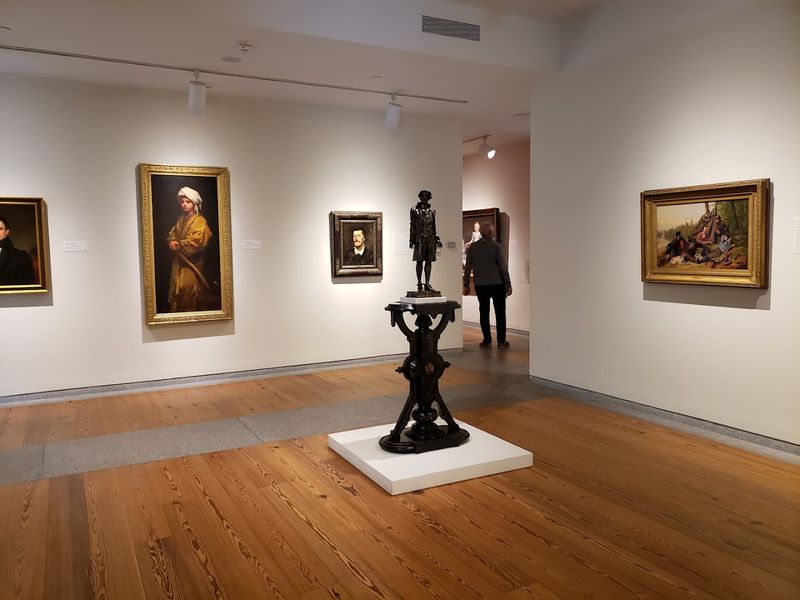
Rain or shine, you can carve out a couple of inspiring hours here and feel fully transported. Galleries flow logically, so you never wonder where to head next, and wall labels feel friendly instead of academic.
You get Maine masters like Winslow Homer alongside bold contemporary voices that push conversations forward.
Plan your visit around a special exhibition and you will thank yourself later. Tickets are timed in peak seasons, so booking ahead saves stress and long lines.
I like arriving right when doors open, grabbing the free map, then tackling one floor at a time to avoid decision fatigue.
Families are covered, thanks to activity guides and occasional maker tables that keep kids engaged without shushing. If you want a deeper take, sign up for a docent tour and ask candid questions about curation and conservation.
Cap things off downstairs with the design store, where you can find Maine-made gifts that are actually useful.
Parking can be tricky downtown, so budget extra time or use a nearby garage to keep plans calm. The on-site cafe rotates seasonal bites that suit a quick reset between galleries.
If it is your first visit, schedule 90 minutes, then leave room to wander Old Port.
Farnsworth Art Museum, Rockland
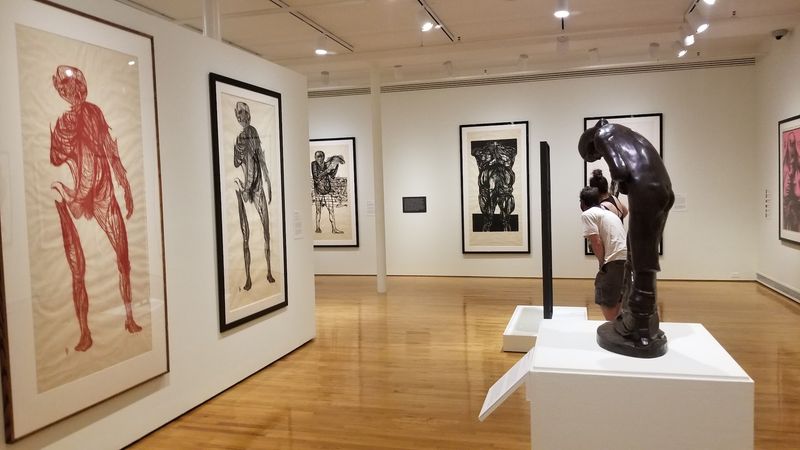
Coastal stories hang on these walls, and you can sense them before reading a single label. The collection leans into Maine’s role in American art, yet the curators keep things fresh with thoughtful rotations.
You move room to room and notice how light changes the feeling of each work.
For a smoother day, check the rotating exhibition schedule and align your timing with a gallery talk. Guided sessions unpack the context behind famous names, making complex movements feel practical and human.
Arrive early, stash your bag in the locker area, and keep a small notebook for quick reflections.
Kids are welcome, and family guides help everyone slow down and look with purpose. If your group splits, set a meetup time near the museum store, which stocks quietly excellent books and prints.
Fuel up with coffee nearby, then circle back for any rooms you rushed through.
Winter brings calmer crowds, so January and February reward patient travelers. Parking is easier then, and staff have time for deeper conversation about conservation techniques.
Book tickets ahead on weekends, and give yourself at least two hours so nothing feels rushed.
Center for Maine Contemporary Art, Rockland
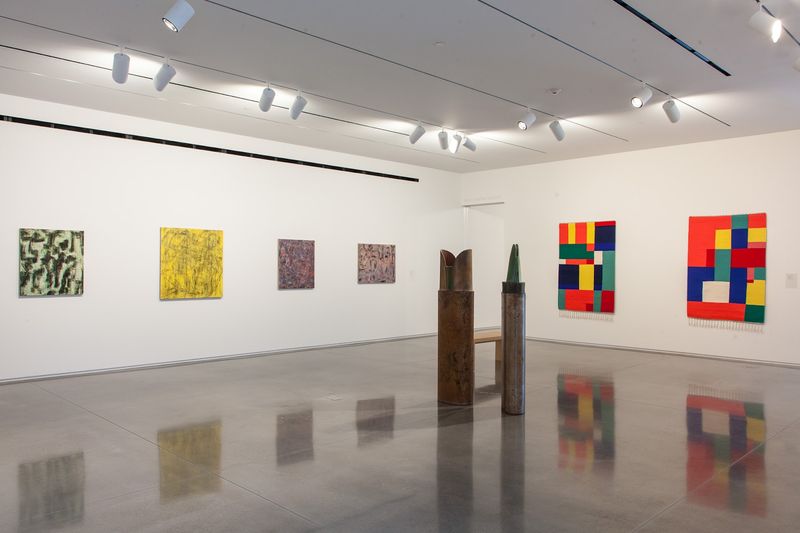
Clean architecture sets the tone before you even see the first piece. The galleries shift throughout the year, spotlighting Maine connected artists who are pushing materials and ideas.
You do not need a deep theory background to appreciate it, because the staff write approachable notes.
Your best move is to scan the show overview, then pick two or three works to linger with. That focus turns a quick visit into something memorable and personal.
Bring a friend and compare interpretations, because disagreement often reveals what the piece is doing.
Workshops pop up on weekends, so check the calendar if you like making as much as looking. Short sessions fit nicely between breakfast and a late lunch in Rockland.
The museum store champions local makers, with small objects that travel easily in a carry on.
Photography is usually allowed for personal use, but ask before snapping. Quiet shoes help here, since the space echoes and silence is part of the experience.
Plan about 60 to 90 minutes, then walk a block or two for coffee while you let ideas settle.
Children’s Museum & Theatre of Maine, Portland
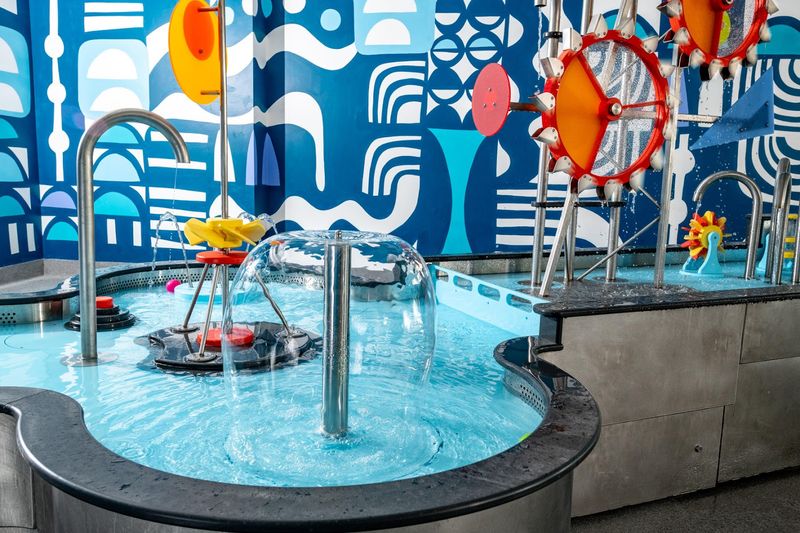
Energy meets intention here, and your kids will sense it the second they step inside. Exhibits are designed for real play, so you can relax without hovering every second.
Water features, maker labs, and a little city space keep curiosity humming from room to room.
Arrive with a simple game plan and set clear meetups, because enthusiasm can scatter a group fast. I like booking a theatre performance first, then building the rest of the day around that anchor.
Pack a backup shirt for water zones and a snack to bridge moods between exhibits.
Staff are pros at redirecting meltdowns with practical prompts and gentle humor. If your child has sensory needs, check the schedule for quieter hours that dial down noise and crowds.
The cafe and nearby bakeries make refueling painless, even on cold days.
Tickets often sell out on weekends, so reserve early and pick a morning slot. Two to three hours is the sweet spot before attention slips.
Cap the visit with the rooftop terrace views if it is open, then reward everyone with hot cocoa within walking distance.
Maine Mineral & Gem Museum, Bethel
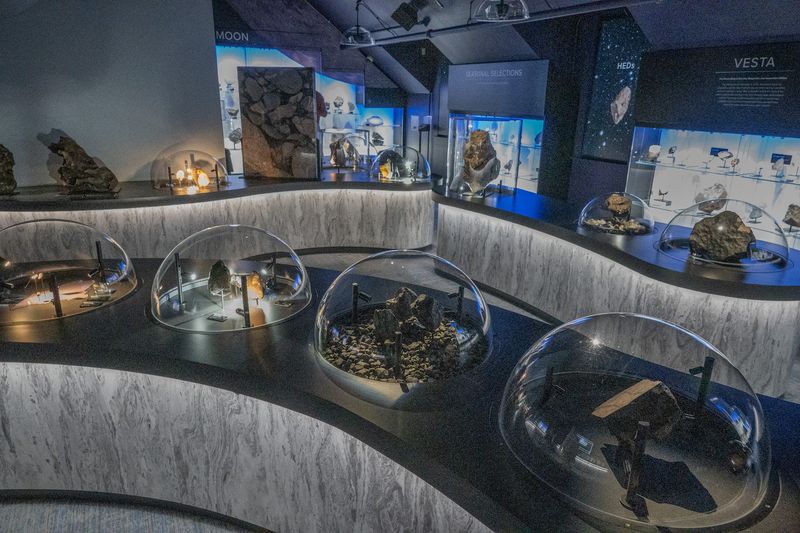
Glittering cases pull you in, but it is the stories that keep you reading. Minerals become timelines, mapping pressure, heat, and deep earth processes to things you can hold.
The meteorite and moon rock exhibits add an otherworldly thrill you will keep talking about later.
To make the most of it, start with the intro gallery and follow the suggested order. That path builds understanding, so later rooms click faster.
Docents love detailed questions, especially about Maine quarries and how collectors ethically source specimens.
Hands on stations let kids test hardness and see fluorescence bloom under UV light. Bring a small notebook or your phone notes app to capture favorite specimens for future rockhounding trips.
The shop stocks field guides and beginner tools that actually work, not just trinkets.
Winter in Bethel can mean slick roads, so pad your timeline and check conditions. Plan 90 minutes minimum, longer if geology already has a hold on you.
End with the meteorite room, then walk to a nearby cafe and compare photos of your top five finds.
International Cryptozoology Museum, Portland
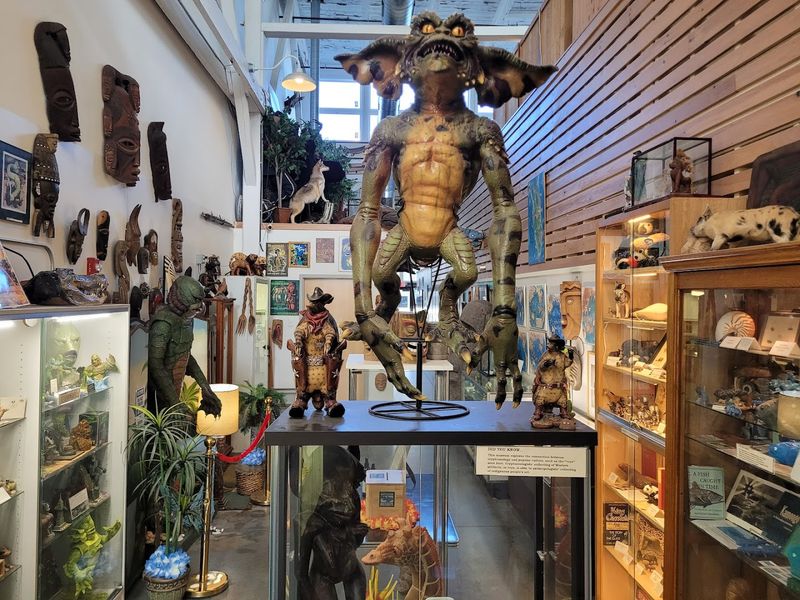
Curiosity thrives here, and you do not need to be a believer to have fun. Displays mix folklore, field casts, news clippings, and pop culture with surprising rigor.
You walk in grinning and leave thinking about why certain creatures capture our collective imagination.
Go in with an open mind and a playful spirit. Read the exhibit text out loud with your group, then debate what counts as evidence.
I like pairing this stop with a serious museum the same day, because contrast makes both richer.
Kids love the footprint casts and vintage posters, while adults linger over expedition gear. If you collect oddities, the gift shop is a goldmine for conversation starters that pack easily.
Staff have deep knowledge of Maine cryptids, so ask them for regional stories you can chase later.
Weekends get busy, so buy tickets online and aim for a morning slot. Photography is welcome, but be mindful of tight aisles.
Budget 60 to 75 minutes, then grab lunch nearby and keep the debate rolling at the table.
Allagash Brewery Tour & Tasting, Portland
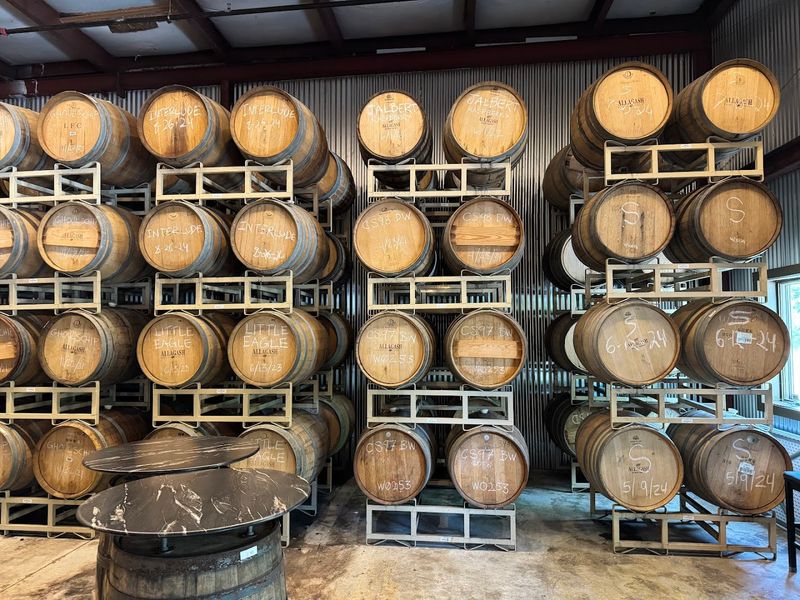
Belgian inspired beers taste even better when you see where and how they are made. The tour threads through tanks and barrels while guides translate process into plain language.
You get aromas of grain and citrus, plus practical tips for pairing bottles with dinner.
Reserve a tour slot ahead, especially on stormy weekends when everyone heads indoors. I like booking a late morning visit, then planning lunch from the rotating food truck lineup.
If you are the designated driver, the team treats you kindly with thoughtful nonalcoholic options.
Flights help you compare yeast profiles and wood aging without guessing. Take phone notes on favorites, because the bottle shop often carries limited releases you will not find back home.
Ask about cellar temperatures and serving glassware, then actually follow that guidance later.
Dress in layers, since production areas can feel cool even in heated seasons. Bring a small tote for purchases and plan fridge space at your lodging.
Cap things by grabbing a mixed pack, then stroll the taproom art and say hello to other beer nerds.
Abbe Museum, Bar Harbor
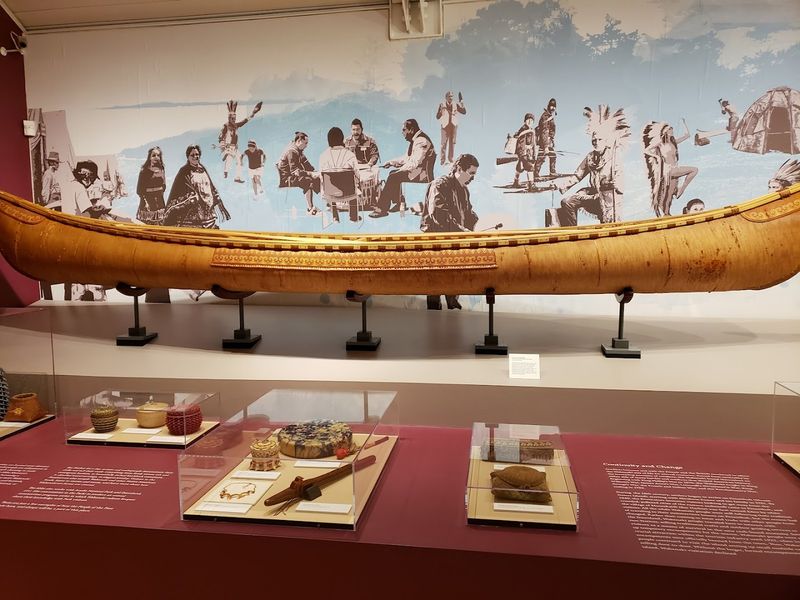
History comes forward here with clarity and care. Exhibits center Wabanaki stories in present tense, not as a closed chapter, which changes how you read every object.
You leave with a stronger sense of living culture, policy impacts, and creative resilience.
Start with the orientation film, then circle into galleries that mix baskets, photographs, and contemporary art. Labels avoid jargon and invite good questions you can bring to staff.
I like pausing at the craft videos to watch hands at work, because technique tells its own story.
The shop is outstanding for authentic pieces when you are ready to support living artists. Buy thoughtfully and ask about care instructions, especially for birchbark and sweetgrass.
If traveling with kids, the activity cards steer attention without rushing anyone along.
Off season in Bar Harbor is peaceful, making winter visits calm and reflective. Check hours closely and reserve tickets on holiday weeks.
Give yourself at least 75 minutes, then continue the conversation over chowder in town while you map other Indigenous sites to visit.
Colby College Museum of Art, Waterville
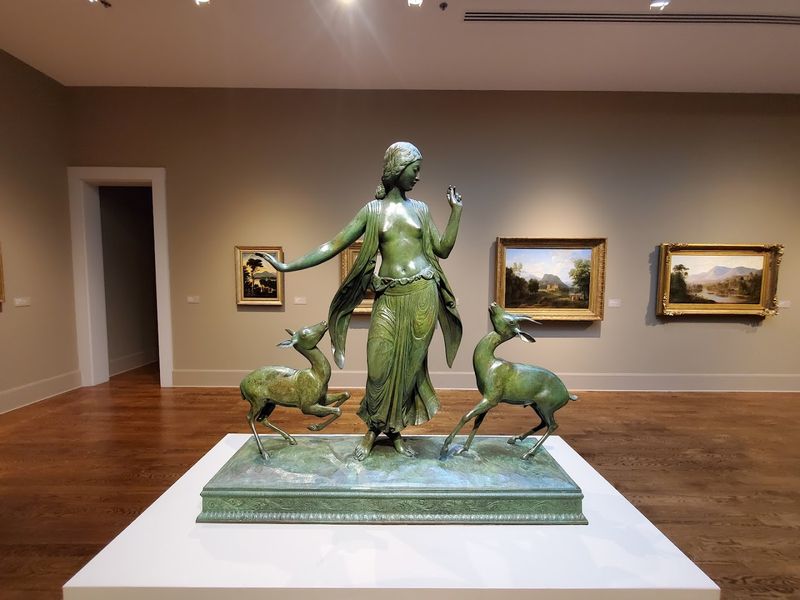
Free admission removes friction, so you can wander in for a focused hour or settle for an unhurried afternoon. The collection punches above its weight, with American and contemporary highlights presented crisply.
You will find spaces that encourage sitting and looking, not just passing through.
Before you go, skim the website for current rotations and any temporary closures. Parking is straightforward, and signage gets you from the lot to the entrance quickly.
I like starting upstairs, then circling down so the final rooms feel like a cool-down lap.
Families can borrow activity guides that keep questions simple but meaningful. If you enjoy structure, time your visit with a public talk or student led tour.
The museum store has a small yet sharp book selection that makes excellent host gifts.
Winter on campus is quiet, which means more room to think. Dress warm for the short walk from parking, then shed layers inside and settle in.
Plan 60 to 90 minutes, and reward yourself with a latte downtown before pointing the car toward your next stop.
Bowdoin College Museum of Art, Brunswick
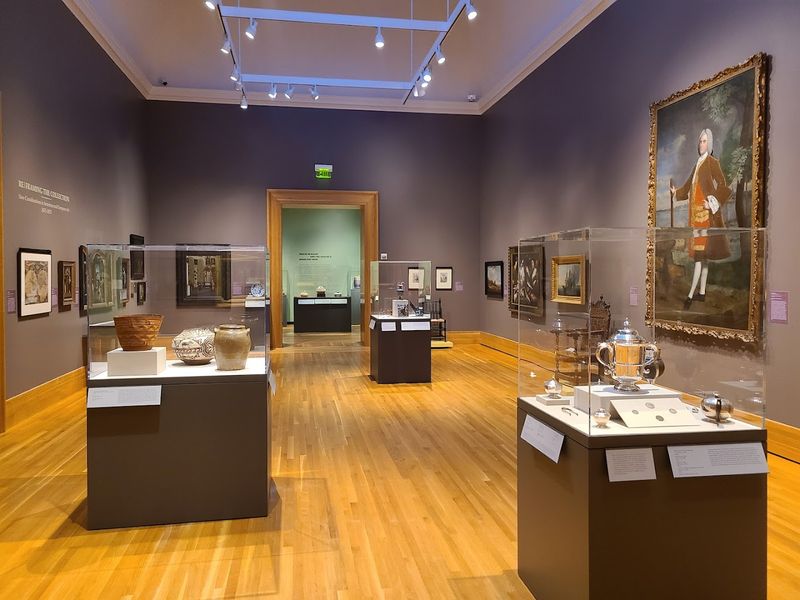
Thoughtful curation makes even small rooms feel expansive. You move from antiquities to modern works without whiplash because interpretation stitches eras together.
It is the sort of place where one object changes how you see everything after it.
Check the schedule for talks or print room guides before arriving. I like picking a theme, such as portraiture or materials, and building a personal tour around that idea.
The guards are kind and knowledgeable, so ask where they would spend their last ten minutes.
Photography is usually fine for personal use, but verify at the desk. Bring a sweater because galleries can run cool, and quiet shoes keep focus intact.
The small shop leans academic in the best way, with catalogs you will actually read.
Parking near campus is manageable if you give yourself a buffer. Aim for 60 to 75 minutes, longer on days with special installations.
Warm up after with soup on Maine Street, then compare notes about two pieces you want to revisit next time.
Southworth Planetarium at USM, Portland
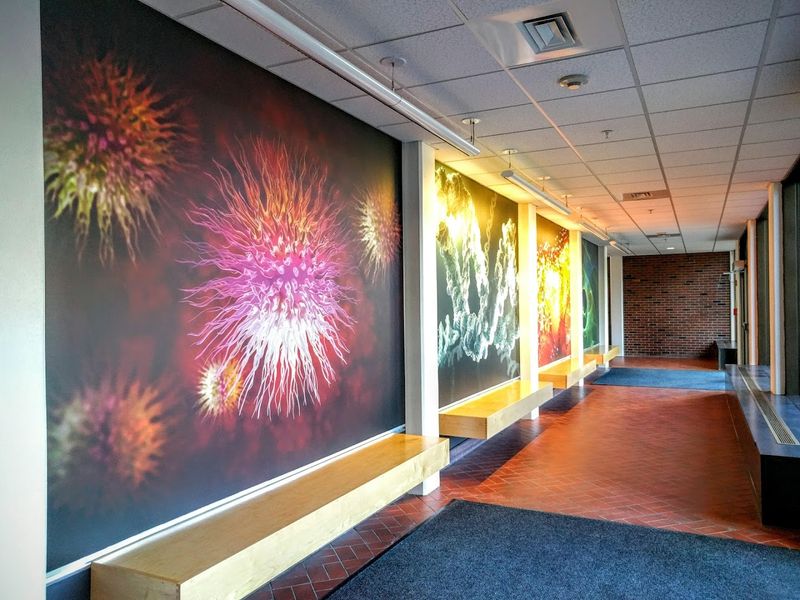
Skies clear on command in this dome, making it a perfect anchor for a winter itinerary. Shows range from gentle kid friendly tours to deep dives on black holes that leave you buzzing.
The presenter steers in real time, so questions shape the night sky you see.
Arrive ten minutes early because seating settles fast once lights go down. I like booking two shows back to back, mixing an educational program with a music driven experience.
Bring a light layer since theaters can feel cool once you sit still.
Parking on campus is easier in the evening, but check the website for current guidance. If you are new to stargazing, ask staff for starter apps and binocular tips you can use later.
The small lobby has space themed gifts that make great rewards for patient kids.
Cloudy weekend forecast shaping your plans. This is the upgrade that saves the day without guessing.
Budget 60 to 120 minutes, then step outside and try to spot the constellations you just learned.
Maine Discovery Museum, Bangor
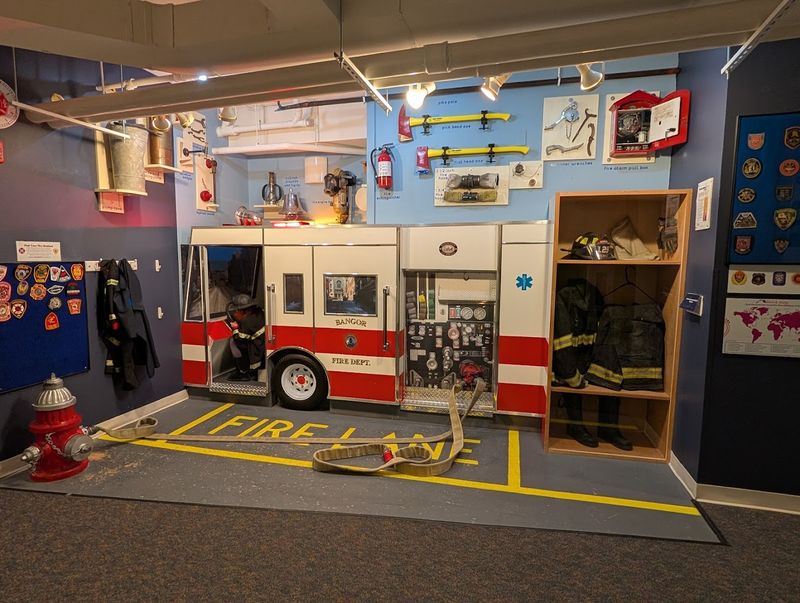
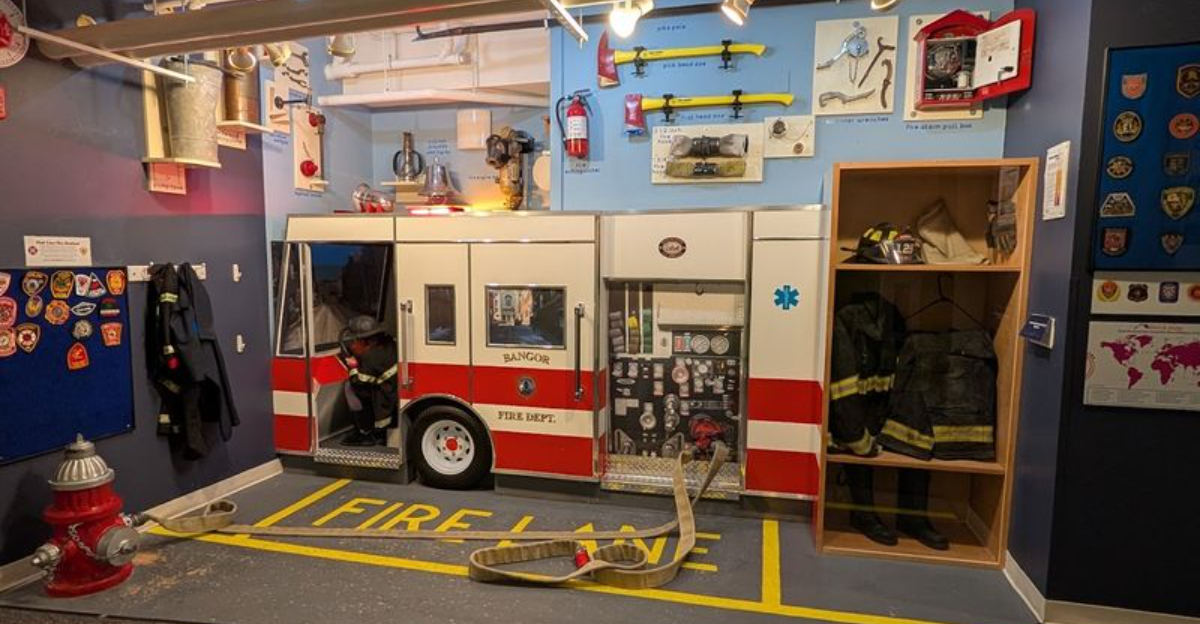
Hands jump ahead of eyes here, and that is the point. Science, art, and pretend play blend into exhibits that invite building, splashing, and testing.
You can step back and watch confidence grow in real time as kids solve tiny problems.
Set expectations at the door with a quick rundown of must try areas. I like balancing water play with a quiet corner so energy has room to reset.
Bring labeled water bottles and a small towel, then stash extra layers in a locker.
Staff float with helpful prompts, turning confusion into momentum without taking over. If you have a mixed age group, split into pairs and swap zones every fifteen minutes.
The gift shop focuses on kits and books that extend learning at home without clutter.
Weekends fill up, so reserve early and pick a start time that protects nap schedules. Expect 90 minutes to three hours depending on attention spans.
Cap the day with an easy meal downtown, then let the car ride home be the cool-down phase everyone needs.
Portland Symphony Orchestra at Merrill Auditorium, Portland
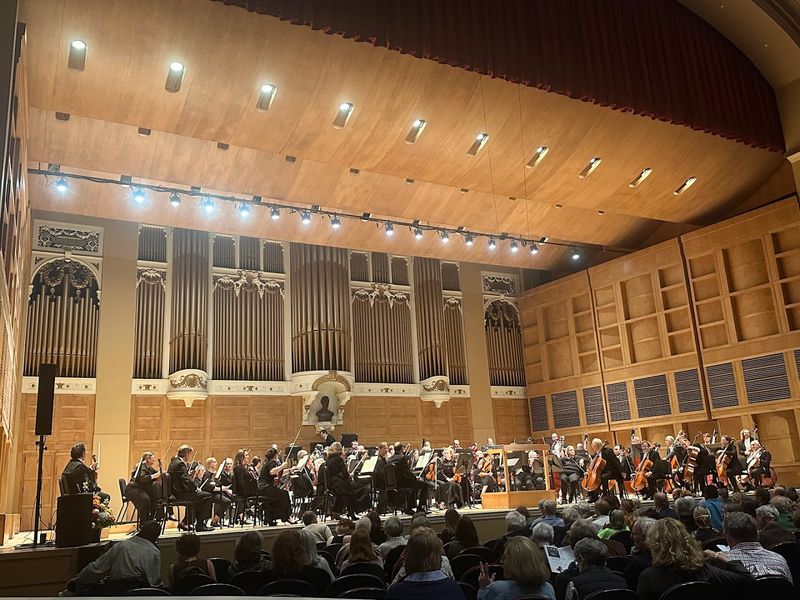
Live music fills this hall in a way recordings simply cannot match. The acoustics carry quiet phrases to the balcony without strain, and big moments land like they should.
You feel the room breathe together, which makes a regular weeknight feel special.
Choose seats based on your priorities. I like the balcony for blend, while front orchestra shows you the physical work of playing.
Check program notes in advance and listen to one movement beforehand so your ears have a map.
Arrival is smoother if you park early and settle into the lobby with a warm drink. Phones away once the lights dim, because focus changes how you hear.
Intermission lines can stretch, so place an order quickly or skip the rush altogether.
Holiday Pops and special film concerts sell fast, so grab tickets the week they drop. Dress comfortably, not stiff, then layer for the winter walk back to the car.
Give yourself time afterward to talk through favorite moments while they are still ringing.