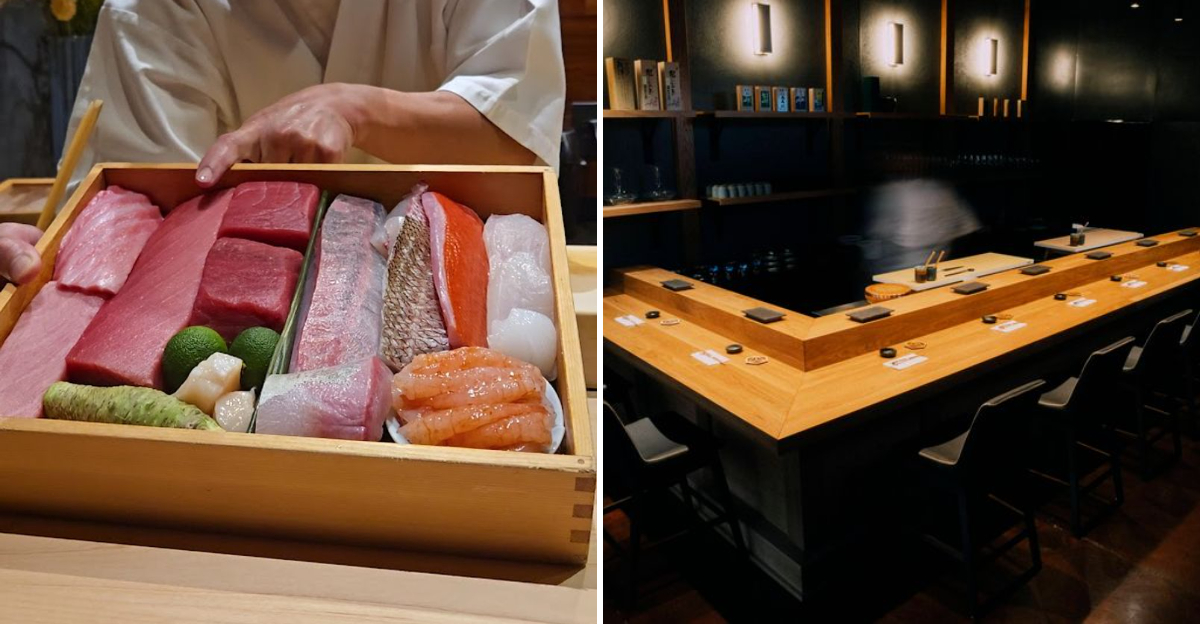
Florida gets plenty of attention for steakhouses, beach bars, and flashy tasting menus, but some of its most memorable seafood experiences are happening quietly behind sushi counters and omakase bars. If you care about pristine fish, thoughtful sourcing, and chefs who treat every cut with precision, this list is worth your time.
I pulled together standout Japanese restaurants across the state that keep earning serious praise for what lands on the plate. From intimate Michelin-starred rooms to low-key neighborhood favorites, these are the spots proving Florida can serve world-class fish.
Ogawa
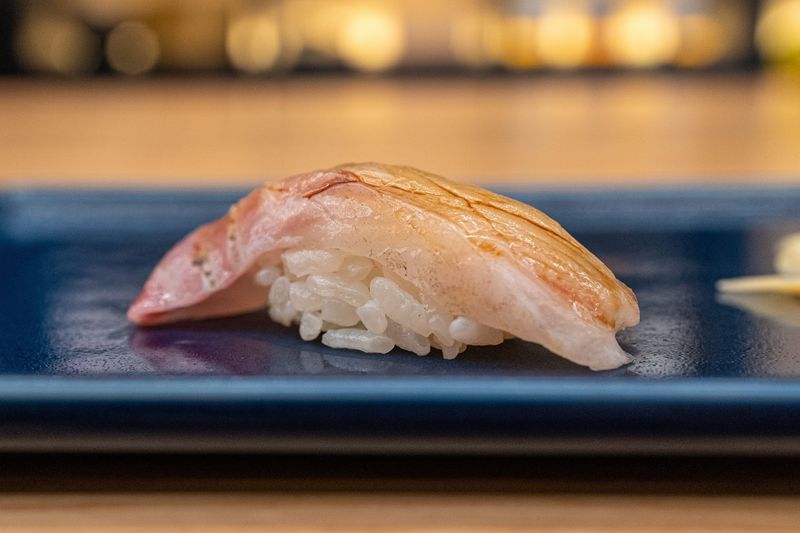
Ogawa feels like the kind of place you mention quietly, because part of its appeal is how restrained and exacting everything seems from the moment you sit down. The room is intimate, the pacing is calm, and the focus stays squarely on the fish.
If you care about traditional Edomae technique, this is one of Florida’s clearest examples of it being treated with real discipline.
The restaurant has built its reputation on premium seafood, much of it imported from Japan, and that sourcing shows up in texture as much as flavor. You taste clean fat, delicate sweetness, and the subtle aging or curing that gives each piece more dimension.
Nothing feels oversized, over-sauced, or designed for social media before it is designed for your palate.
I like that Ogawa never seems to confuse luxury with excess. Each course is measured, polished, and precise, letting rice temperature, knife work, and timing do the heavy lifting.
That kind of control is exactly why the fish tastes so memorable here.
For a special night centered on sushi rather than scene, Ogawa belongs near the top of your list. You come here to pay attention, and the restaurant rewards that attention with clarity, confidence, and beautifully handled seafood.
Hiden
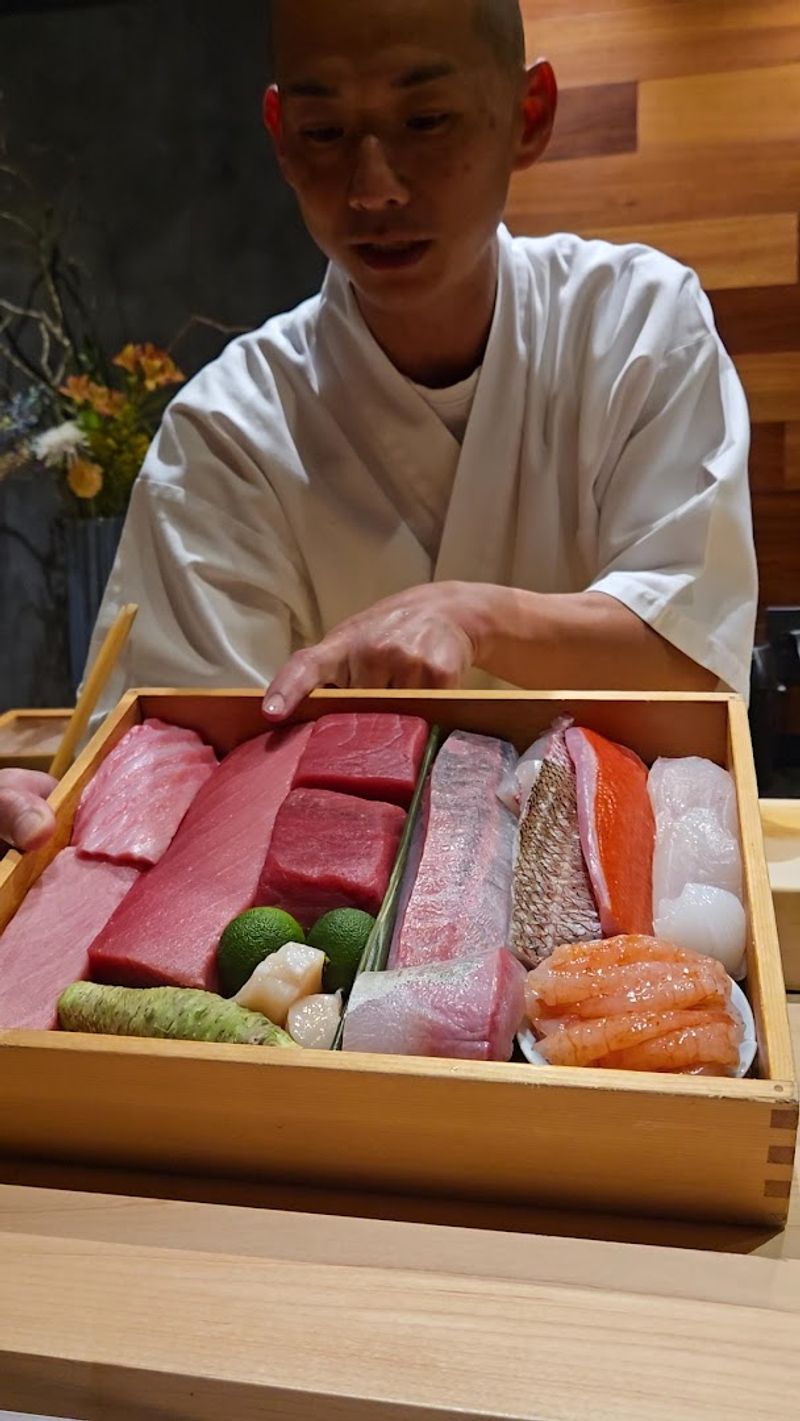
Hiden has become one of those Miami reservations that still feels thrilling because the whole experience leans into intimacy rather than spectacle. With only a handful of seats, every movement at the counter matters, and you feel closely connected to the chef’s choices.
That closeness makes the quality of the fish impossible to miss.
The menu is rooted in omakase, so you are giving yourself over to the chef’s sequencing, seasonal judgment, and technique. What stands out most is how consistently clean and expressive the seafood tastes, whether the piece is rich and buttery or lean and briny.
The meal unfolds with precision, but it never feels stiff.
I especially appreciate how Hiden balances exclusivity with genuine craft. It would be easy for a restaurant this difficult to book to rely on mystique alone, yet the fish repeatedly justifies the hype.
Rice texture, temperature, and subtle seasoning support each bite without distracting from it.
If you want an omakase dinner where atmosphere and quality are equally compelling, Hiden delivers. It is one of Florida’s most convincing arguments that a tiny room, serious sourcing, and disciplined sushi technique can create a seafood experience that lingers long after the last course.
Shingo
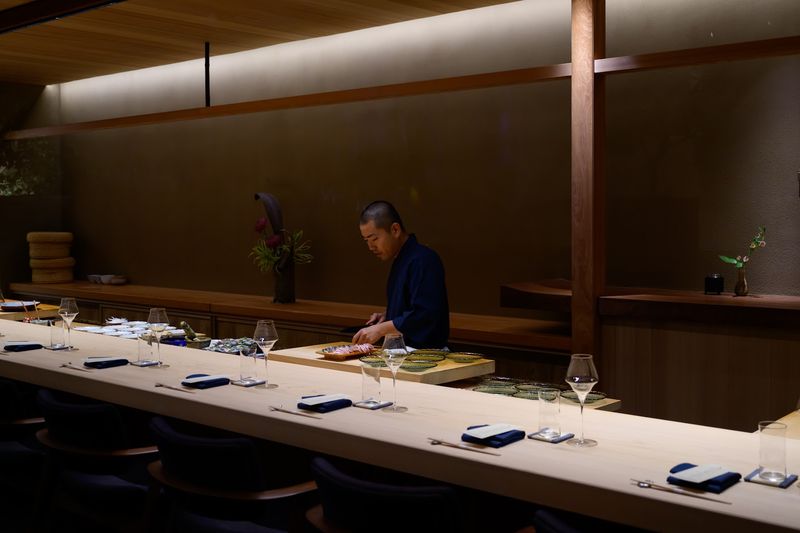
Shingo brings a level of calm confidence that instantly tells you this meal is about skill, not theatrics. The setting in Coral Gables is polished and understated, and the omakase format lets the chef guide you through a highly focused progression.
If you love sushi that feels deliberate from first bite to last, this place makes a strong impression.
What separates Shingo is the way it highlights both Japanese sourcing and excellent local seafood without forcing the contrast. The result is a menu that feels rooted in tradition while still speaking to Florida’s coastal identity.
You can taste careful handling in the purity of each bite and in the balance between fish and rice.
I find that restaurants like this earn trust through consistency, and Shingo seems built on that principle. The 18-course structure gives enough room for variety, but the meal never loses its sense of control.
Richer pieces, leaner cuts, and subtle garnishes all arrive with clear intention.
For anyone chasing top-tier fish in South Florida, Shingo deserves a serious look. It offers the kind of refined sushi experience that rewards attention, favors craftsmanship over trendiness, and shows how much depth can come from a chef who understands restraint.
Hiyakawa
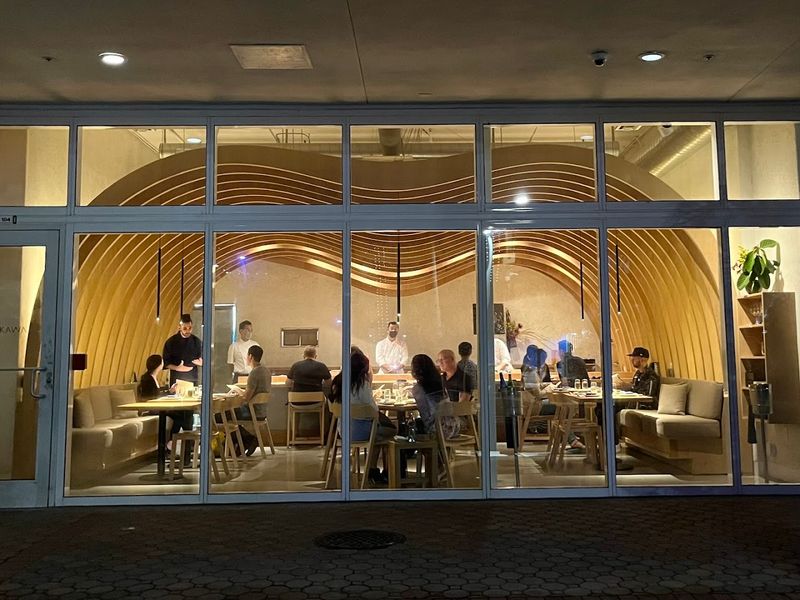
Hiyakawa is the kind of restaurant that wins you over by doing the fundamentals beautifully and refusing to rush any part of the process. The room has a restrained elegance, and that mood carries directly into the food.
If you are looking for a sushi experience built on precision rather than flash, this is one of Miami’s strongest contenders.
The fish is handled with obvious care, and the menu emphasizes traditional technique in a way that feels deeply respectful. You notice it in the clean cuts, in the measured seasoning, and in the overall harmony of each bite.
Nothing competes for attention because the seafood itself is meant to be the event.
I appreciate how Hiyakawa makes refinement feel approachable rather than intimidating. The meal has structure and polish, but it also invites you to slow down and notice details, from rice temperature to the way a garnish gently shifts the finish.
That level of thoughtfulness is exactly what sets apart truly excellent sushi.
For diners who want a calm, serious Japanese meal centered on pristine fish, Hiyakawa absolutely belongs on the shortlist. It captures the quiet confidence that defines many of Florida’s best sushi counters, where the loudest statement is simply how good the seafood tastes.
Kaori
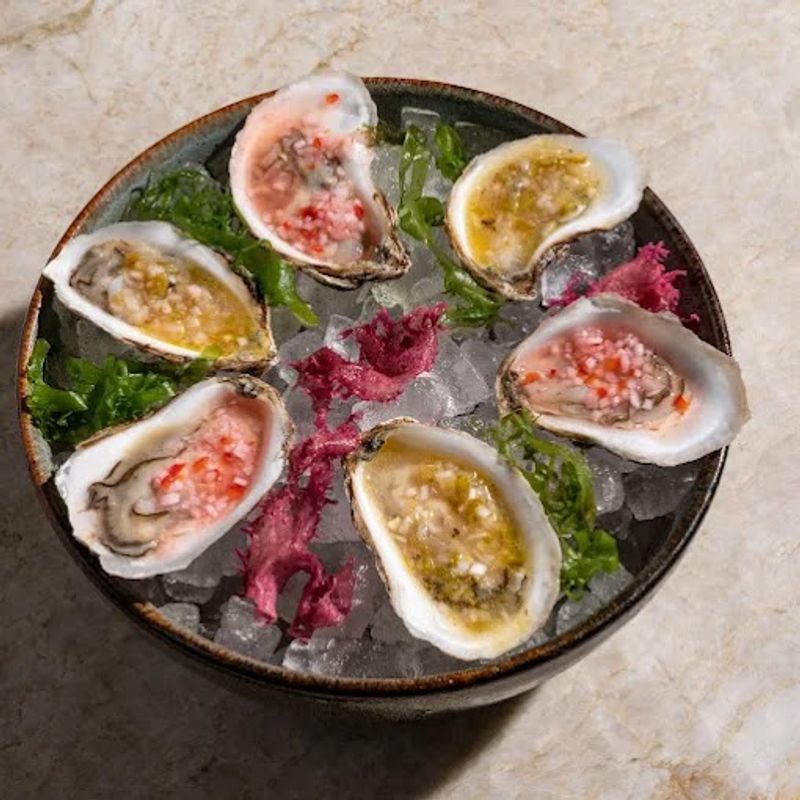
Kaori offers a more contemporary expression of Japanese dining, but it still earns its place on this list because the seafood program feels serious from the start. The room has a sleek Brickell energy, and the menu moves beyond strict omakase conventions into a broader range of polished dishes.
That flexibility makes it appealing if you want exceptional fish without an ultra-formal structure.
The strongest thing here is how presentation and flavor work together without becoming precious. You get dishes that look elegant, but the appeal is not superficial because the fish carries real freshness, clean flavor, and careful preparation.
Sushi, crudo, and composed plates all benefit from that foundation.
I think Kaori works especially well for people who want Japanese cuisine in a modern city setting while still prioritizing ingredient quality. There is creativity on the menu, yet the seafood remains the centerpiece rather than a decorative element.
That balance keeps the experience sophisticated and genuinely satisfying.
If you are exploring Florida restaurants with quietly excellent fish, Kaori deserves attention for its versatility and polish. It may not always be the first name shouted in sushi conversations, but it consistently shows that contemporary style and high-caliber seafood can share the same table beautifully.
Koya
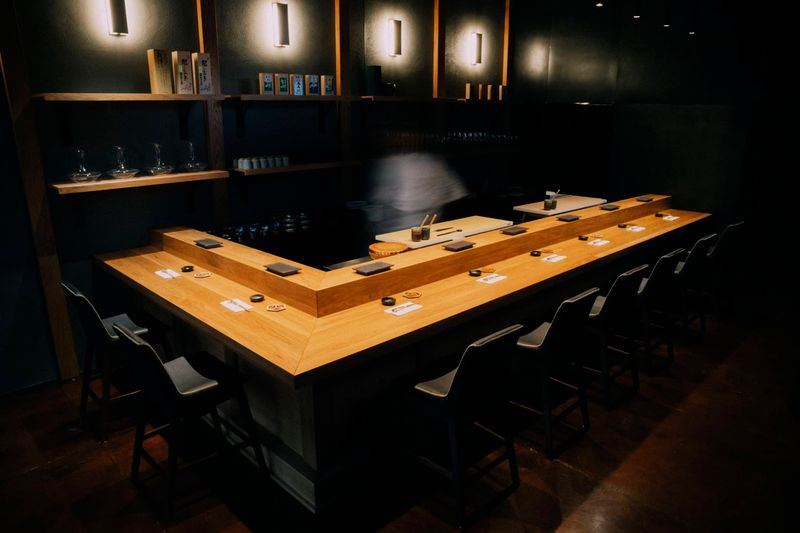
Koya has helped put Tampa into serious statewide sushi conversations, and once you understand the level of attention behind the omakase, that makes perfect sense. The setting is minimalist, the service is focused, and every course feels designed to sharpen your attention rather than distract it.
This is a meal that asks you to notice nuance.
The fish is the clear star, and the progression showcases its range with confidence. Some bites emphasize richness and softness, while others lean clean, saline, and almost translucent in their delicacy.
The chef’s restraint is part of the pleasure, because nothing unnecessary gets between you and the seafood.
I admire how Koya creates a special-occasion feeling without leaning on excess. The room stays quiet, the portions stay disciplined, and the technical details quietly build the restaurant’s authority.
When the rice, wasabi, and fish alignment is this exact, you feel how much expertise sits behind what looks simple.
For anyone wondering whether Tampa belongs in the conversation about Florida’s best fish, Koya answers with confidence. It is intimate, exacting, and memorable in the way the finest omakase meals are, proving that extraordinary seafood experiences are not limited to Miami or coastal resort destinations.
Kadence
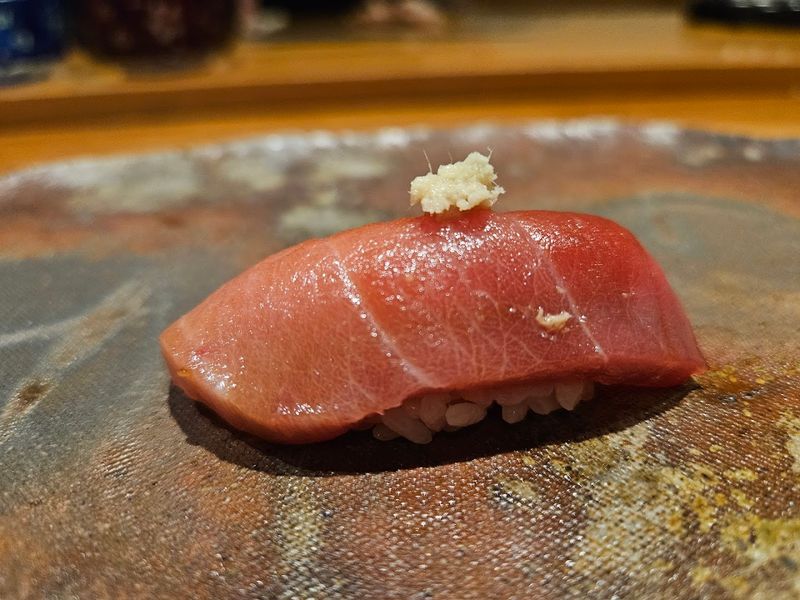
Kadence has long been one of Orlando’s most respected reservations, and its reputation makes sense the second you settle into the tiny, carefully run space. The atmosphere is intimate enough that every dish feels personal, yet the technique remains disciplined and professional throughout.
It is a small restaurant with a big command of seafood.
The fish here is exceptional not just because it is fresh, but because it is presented with confidence and balance. Nigiri and other offerings arrive with a clarity that lets you register texture, fat, and seasoning almost immediately.
The menu never feels like it is trying to distract you from the ingredient itself.
I especially like how Kadence blends refinement with warmth. It has national recognition, but the experience still feels grounded and genuinely hospitable rather than distant.
That combination helps the meal feel memorable in a human way, not just a technical one.
For anyone mapping out Florida’s strongest Japanese restaurants for fish, Kadence remains essential. It shows how much impact a tiny room can have when the sourcing is excellent, the execution is sharp, and the entire experience is built around making each bite count.
Edoboy
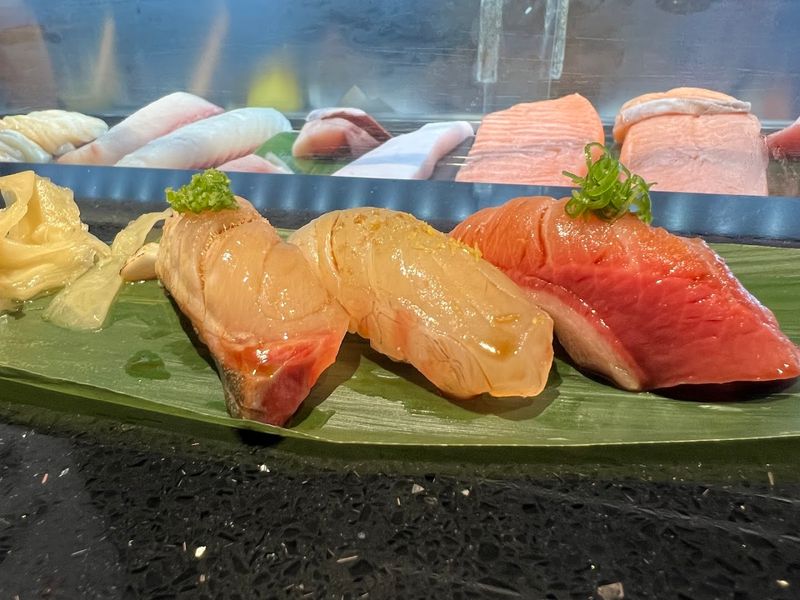
Edoboy is proof that incredible fish does not require hushed luxury or a heavily scripted tasting-room atmosphere. The standing sushi bar format gives it an energy that feels casual and immediate, but the seafood quality keeps the restaurant firmly in serious company.
That contrast is exactly what makes it so appealing.
The menu focuses on premium fish prepared with real attention, and the compact setup means every bite arrives without much distance between chef and guest. You notice freshness right away, but also the precision in the rice and the measured seasoning that make the experience feel complete.
It is approachable, though never careless.
I think Edoboy deserves extra credit for making high-quality sushi feel fun instead of intimidating. There is a confidence in the concept because the restaurant trusts the fish and technique enough not to hide behind formality.
That spirit opens the door for more people to appreciate truly good seafood.
If you want one of Florida’s most interesting Japanese fish experiences without the usual luxury cues, Edoboy should be on your radar. It delivers craftsmanship in a relaxed format, reminding you that excellent seafood can be deeply memorable whether you are seated for hours or standing at the counter.
Kabooki Sushi
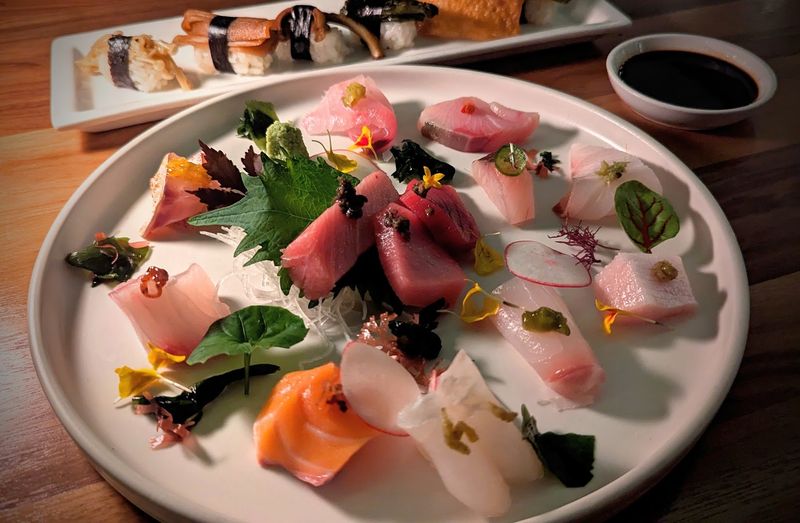
Kabooki Sushi has earned a loyal following in Orlando by showing that creativity and quality can coexist when the kitchen respects its ingredients. The menu is broader and more playful than a traditional omakase counter, yet the seafood still anchors the experience.
That matters when you are deciding whether a stylish restaurant truly belongs in a fish-focused conversation.
The best dishes here start with fresh, well-handled fish and then layer on thoughtful combinations that feel designed rather than random. You get color, texture, and contrast, but the seafood does not disappear beneath them.
That ability to stay expressive without losing balance is a real strength.
I appreciate Kabooki because it works for several kinds of diners at once. You can come in craving inventive rolls and polished plates, or you can focus more narrowly on the quality of the fish itself.
Either way, the restaurant gives you enough substance to justify its reputation.
For this list, Kabooki earns its spot by proving that Japanese restaurants serving some of Florida’s best fish do not all need to look or feel the same. It adds personality to the conversation while still delivering the freshness, consistency, and skill that seafood lovers actually care about most.
Hakkasan Miami
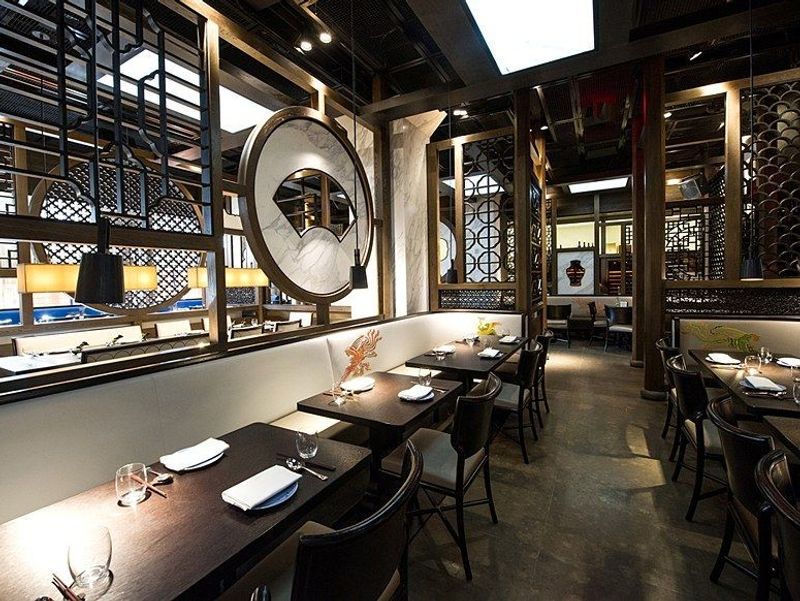
Hakkasan Miami brings a more cosmopolitan, luxury-hotel perspective to Japanese dining, but the restaurant still deserves attention for how seriously it treats seafood. The setting is sleek and glamorous, which can make some diners assume style is the main attraction.
In reality, the fish quality and polish are strong enough to carry real weight.
The menu draws from a broader upscale format than a dedicated sushi counter, giving you multiple ways to engage with premium seafood. That range can be a strength because it shows how carefully sourced fish performs across sushi, sashimi, and composed dishes.
When done well, it turns variety into an advantage rather than a compromise.
I like that Hakkasan feels celebratory without abandoning discipline. There is glamour in the room, but the best plates still reflect proper handling, clean flavor, and a respect for ingredient integrity.
That balance is what keeps the experience from feeling all surface and no substance.
If you are in Miami Beach and want refined Japanese dining with standout fish in a sophisticated setting, Hakkasan is worth considering. It may not be the state’s quietest restaurant, but it quietly proves that excellent seafood can thrive even in a glamorous, high-visibility environment.
Sushi Bichi
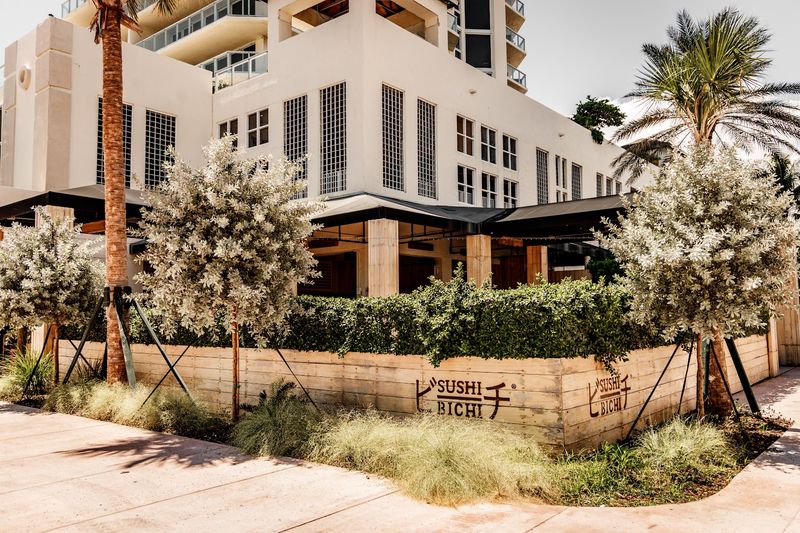
Sushi Bichi has the kind of neighborhood-meets-destination appeal that makes it easy to underestimate until the fish starts arriving. Located in Miami Beach, it blends approachability with clear attention to seafood quality, which is not always an easy balance to strike.
That accessibility is part of why people keep returning.
The restaurant is known for high-quality fish and creative sushi, but the strongest reason to visit is that the creativity usually rests on a solid ingredient base. Freshness comes through clearly, and the menu gives you enough variety to move between classic cravings and more expressive combinations.
When that balance works, you get excitement without chaos.
I think Sushi Bichi earns its spot by showing how a popular local spot can still take fish seriously. Not every memorable seafood meal needs the structure of a formal omakase, and this restaurant understands that.
It serves sushi that feels pleasurable first, while still respecting what quality fish can do.
For diners exploring Florida’s Japanese restaurant scene beyond the most obvious luxury names, Sushi Bichi is a smart stop. It offers strong seafood, a welcoming atmosphere, and enough consistency to make you feel confident recommending it to someone who really cares about the fish.
Tokyo Ramen & Poké
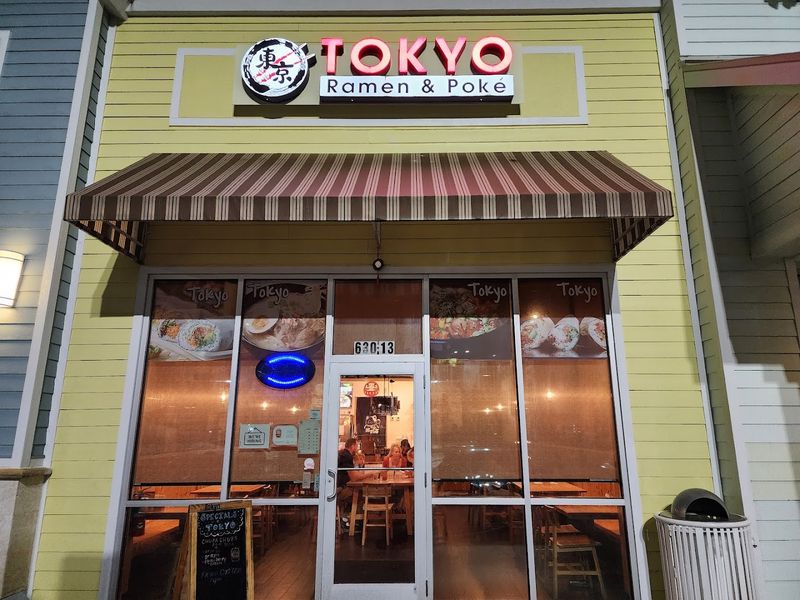
Tokyo Ramen & Poké might look like the most casual restaurant on this list, but that is exactly why it is an interesting inclusion. In Neptune Beach, it offers a reminder that excellent fish can appear in more relaxed formats, not only behind exclusive counters.
Sometimes the surprise factor makes the quality feel even more satisfying.
The draw here is fresh seafood presented in accessible ways, from poke bowls to sushi offerings that let the fish remain front and center. That format invites repeat visits, and it also creates a useful benchmark for judging quality outside the fine-dining world.
If the seafood were not strong, the concept would fall apart quickly.
I appreciate places like this because they meet diners where they are. You can show up wanting something easy and still leave impressed by the freshness, color, and clean flavor of the fish.
That kind of reliability matters, especially in coastal Florida where casual seafood options are everywhere.
For this roundup, Tokyo Ramen & Poké earns a place by expanding the definition of where some of the state’s best fish can be found. It proves that thoughtful sourcing and appealing seafood do not always require ceremony, only care, consistency, and enough confidence to keep the ingredients visible.