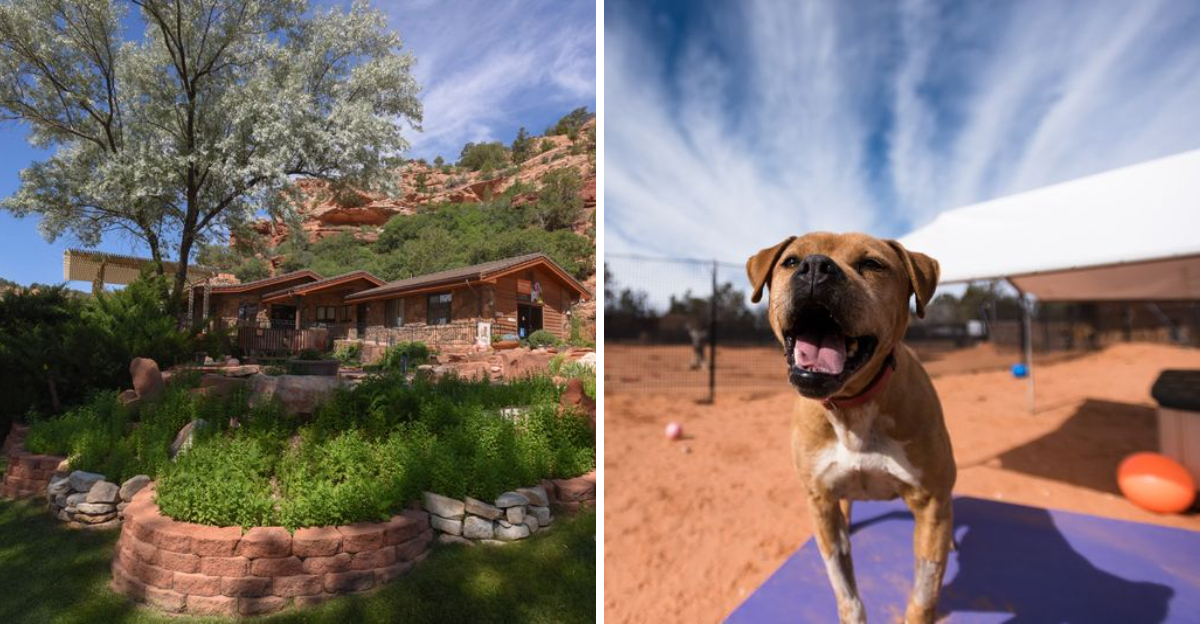
Nestled inside a breathtaking red rock canyon in southern Utah, Best Friends Animal Sanctuary is unlike any place you have ever visited.
It is the largest no-kill animal sanctuary in the United States, giving thousands of rescued dogs, cats, horses, rabbits, and more a safe and loving home each year.
What makes this place truly special, though, is that visitors can actually take a rescued animal home for the night on an official sleepover program.
Whether you are an animal lover, an adventure seeker, or simply someone looking for a one-of-a-kind travel experience, this sanctuary delivers something unforgettable.
A Sanctuary Set Inside a Dramatic Red Rock Canyon
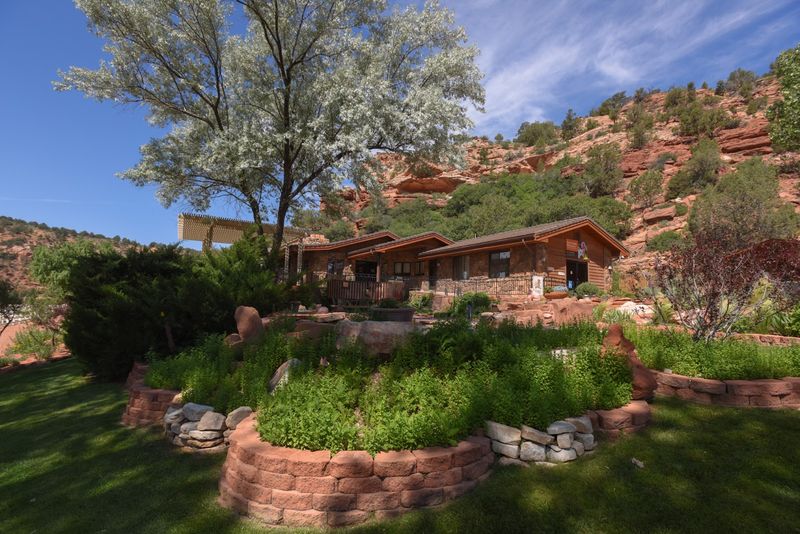
Picture waking up surrounded by towering red sandstone cliffs, golden desert light, and the sound of animals being cared for all around you. That is the everyday reality at Best Friends Animal Sanctuary, which sits inside Angel Canyon just outside Kanab, Utah.
The setting alone makes it one of the most jaw-dropping animal rescues anywhere in the country.
Spanning more than 33,000 acres, the sanctuary is not just a shelter — it is an entire landscape. Winding trails cut through desert valleys, and ancient canyon walls rise dramatically on every side.
The sheer scale of the place gives rescued animals room to roam, play, and recover in a way that most shelters simply cannot offer.
Angel Canyon also has a rich history, with ancient Native American petroglyphs etched into the surrounding rocks. Visitors often describe the place as both peaceful and awe-inspiring.
Whether you are an animal lover or simply a fan of the American Southwest, the natural beauty of this sanctuary adds a layer of magic to every visit that is genuinely hard to put into words.
The Largest No-Kill Animal Sanctuary in the U.S.
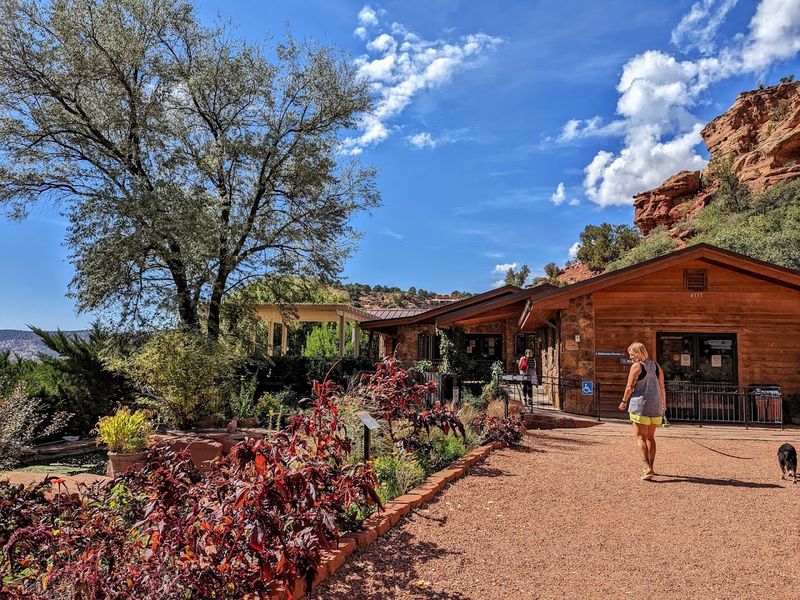
Best Friends Animal Sanctuary holds a remarkable title: it is the largest no-kill animal sanctuary in the entire United States. At any given time, around 1,700 animals call this place home.
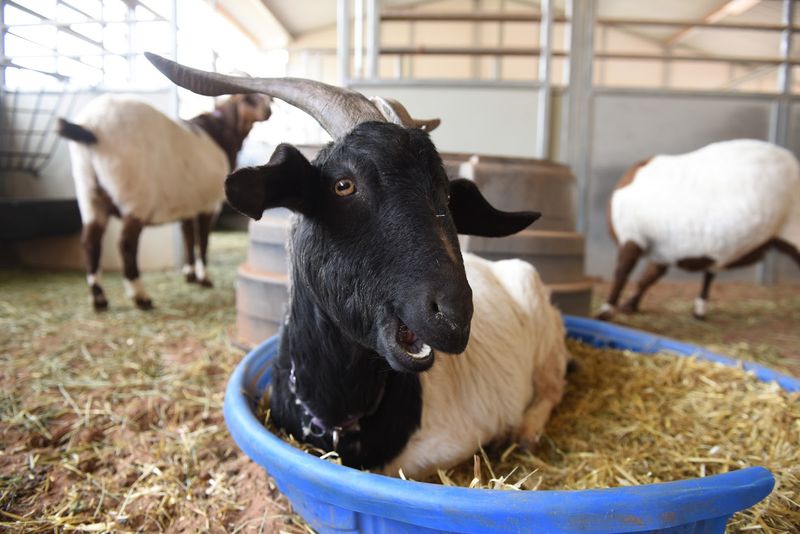
Dogs, cats, horses, pigs, birds, rabbits, and even the occasional goat all find refuge here within the canyon walls.
Founded in 1984, Best Friends helped launch the national no-kill movement and continues to be a driving force behind animal welfare policy across the country. The organization works with shelters in cities nationwide, helping communities reduce euthanasia rates and increase adoption numbers.
Their mission is bold: to make every shelter in America no-kill by working together.
What is especially impressive is how the sanctuary manages such a large and diverse animal population without ever feeling chaotic. Each species has its own dedicated area, staffed by trained caregivers and supported by thousands of volunteers each year.
Visiting here feels less like touring a shelter and more like stepping into a living, breathing community built entirely around compassion. For animal lovers, it is genuinely one of the most inspiring places to experience firsthand.
Meet the Animals Across Specialized Areas
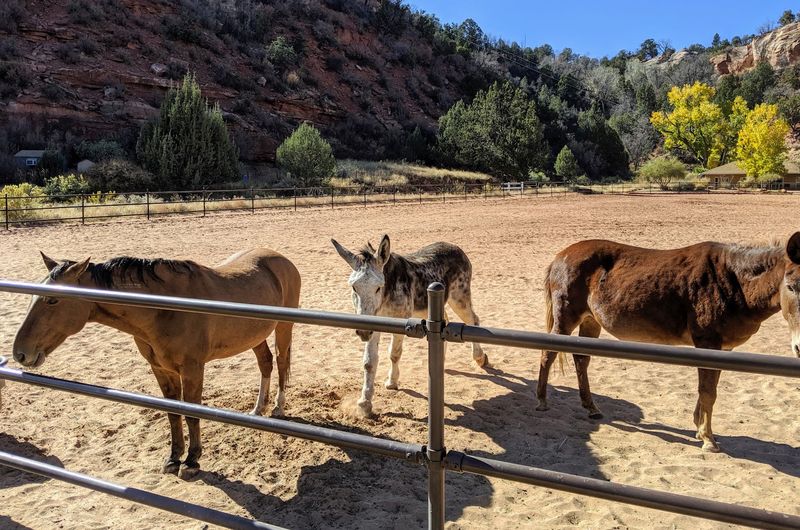
One of the coolest things about visiting Best Friends is that the sanctuary is divided into distinct neighborhoods, each built specifically for different types of animals. Dogtown, Cat World, Horse Haven, Bunny House, Parrot Garden, and Piggy Paradise each have their own staff, facilities, and daily routines.
It is like visiting several completely different rescues all in one stunning location.
Dogtown is often the fan favorite — imagine acres of play yards filled with dogs of every size, breed, and personality, all wagging their tails and ready for attention. Cat World, on the other hand, has a cozier, quieter vibe, with indoor rooms and outdoor enclosures where felines lounge, climb, and socialize at their own pace.
Horse Haven stretches across open pastures where rescued equines graze and receive specialized care.
Each area is thoughtfully designed to reduce stress and encourage natural behavior. Staff members are incredibly knowledgeable about every animal in their care and love sharing stories with visitors.
Spending time in these different zones helps you appreciate just how much thought goes into making each rescued animal feel safe, comfortable, and genuinely at home.
The Famous Sleepover Program (Yes, It Is Real)
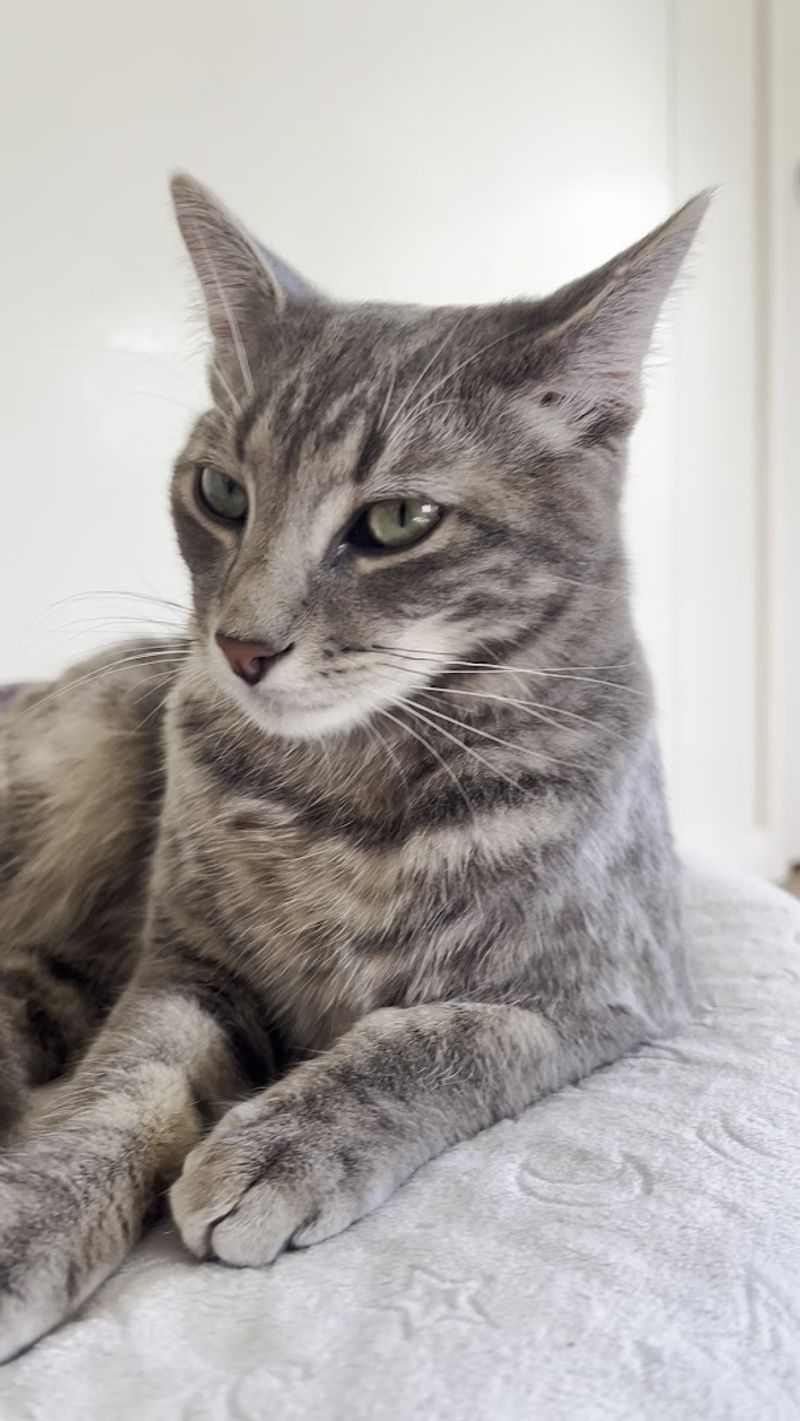
Honestly, the sleepover program sounds too good to be true — but it is completely real, and it might just be the most memorable animal experience available to the public anywhere in the U.S. Qualified visitors can actually take an adoptable dog or cat back to their lodging for an overnight stay, giving that animal a precious break from shelter life.
For the animal, it is a chance to experience the comfort of a home setting, sleep on a soft bed, and receive one-on-one attention that is hard to replicate inside even the best-run sanctuary. For the visitor, it is an emotional, heartwarming, and sometimes hilariously chaotic evening spent bonding with a creature who simply needs to be loved.
Many people describe it as the highlight of their entire trip.
The program has been running for years and has helped countless animals find their forever homes. Even if you are not in a position to adopt, hosting a sleepover still makes a real difference in that animal’s life.
Some guests return year after year just to participate again — a testament to how profoundly the experience tends to stick with people long after they have checked out and driven home.
How the Sleepover Experience Works
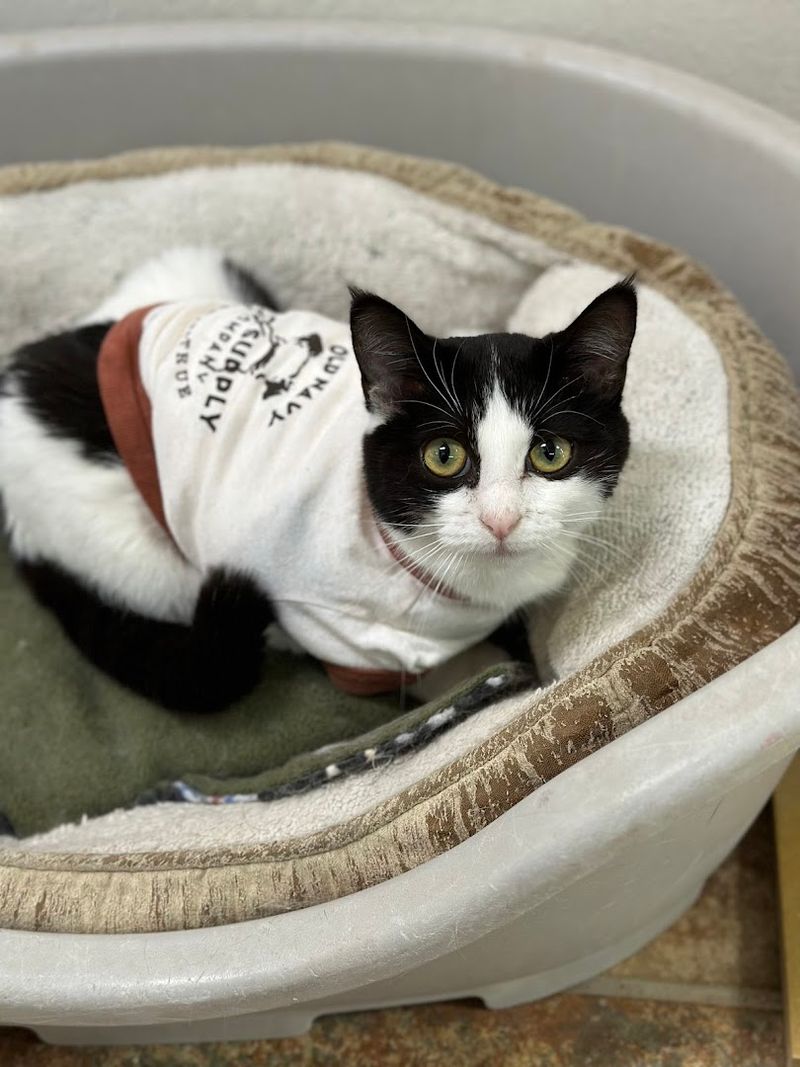
The sleepover process is straightforward, well-organized, and genuinely fun from start to finish. After completing your required volunteer shift, you will head to the animal area to pick up your sleepover companion in the afternoon.
Staff will send you off with food, feeding instructions, a leash or carrier, and any helpful notes about the animal’s personality and preferences.
From there, the evening is yours. You walk your dog through the canyon, settle in for a movie, share a meal (for you, not the pet — table food is a no-go), and eventually curl up for the night together.
In the morning, you return your furry companion to the sanctuary, share your observations with staff, and say your goodbyes — which, fair warning, can feel surprisingly emotional.
The whole experience is designed to be low-pressure and joyful. Staff are available if you have questions or concerns, and the animals selected for sleepovers are typically well-socialized and comfortable with new environments.
Practical tip: pack a few extra treats, a familiar blanket for comfort, and your phone charger — because you will absolutely be taking dozens of adorable photos throughout the night.
Why Sleepovers Help Animals Get Adopted
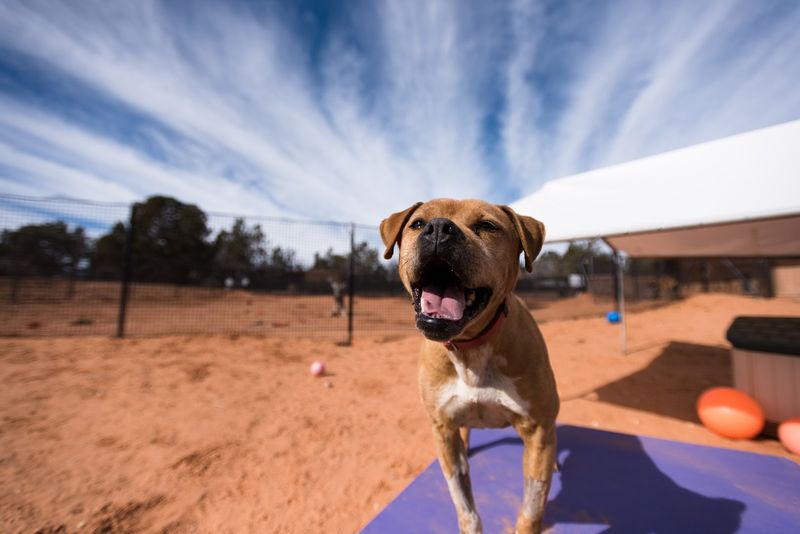
There is real science behind why sleepover programs work so well for animal adoption rates. Shelter environments, even excellent ones, can be stressful for animals.
The constant noise, unfamiliar smells, and limited personal space can cause animals to behave in ways that do not reflect their true personalities. A home-like setting changes everything.
When an animal spends the night in a quiet, comfortable space with a caring human, their stress levels drop noticeably. Dogs that seemed anxious in their kennels may reveal themselves to be calm, affectionate companions in a home environment.
Cats that appeared shy and withdrawn often blossom into curious, playful personalities once the shelter backdrop disappears. These behavioral shifts are incredibly valuable data for adoption counselors.
Sleepover hosts are asked to share observations with sanctuary staff the next morning, creating a feedback loop that helps match animals more accurately with future adopters. Many animals have been adopted directly as a result of a sleepover experience, either by the host themselves or by a future adopter who benefited from the detailed behavioral notes.
Every overnight stay genuinely moves an animal one step closer to finding their permanent family.
Volunteer First, Then Take a Pet Home
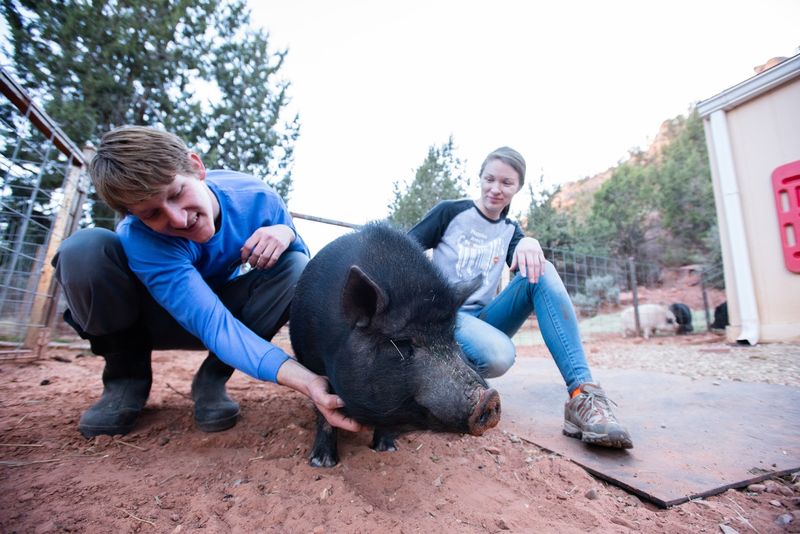
Before you can host a sleepover, there is one important step: you need to volunteer with the animal you plan to take home. This requirement might sound like an extra hurdle, but it is actually one of the smartest parts of the whole program.
Spending time with an animal in their home environment first helps build trust and gives you a realistic sense of their personality.
Volunteer shifts are available in every area of the sanctuary — Dogtown, Cat World, Horse Haven, and beyond. During your shift, you might walk dogs, socialize cats, clean enclosures, or assist staff with feeding routines.
It is hands-on, occasionally messy, always rewarding, and gives you genuine insight into what animal care actually looks like behind the scenes.
Many visitors say the volunteer experience alone is worth the trip, even without the sleepover component. You leave with a deeper appreciation for the daily dedication it takes to run a sanctuary of this scale.
Bonus: volunteering here looks fantastic on a resume for anyone pursuing a career in veterinary care, animal behavior, or nonprofit work. Sign up for your shift in advance through the sanctuary website, as popular time slots fill up quickly.
Stay Overnight in Cottages, Cabins, or Pet-Friendly Hotels
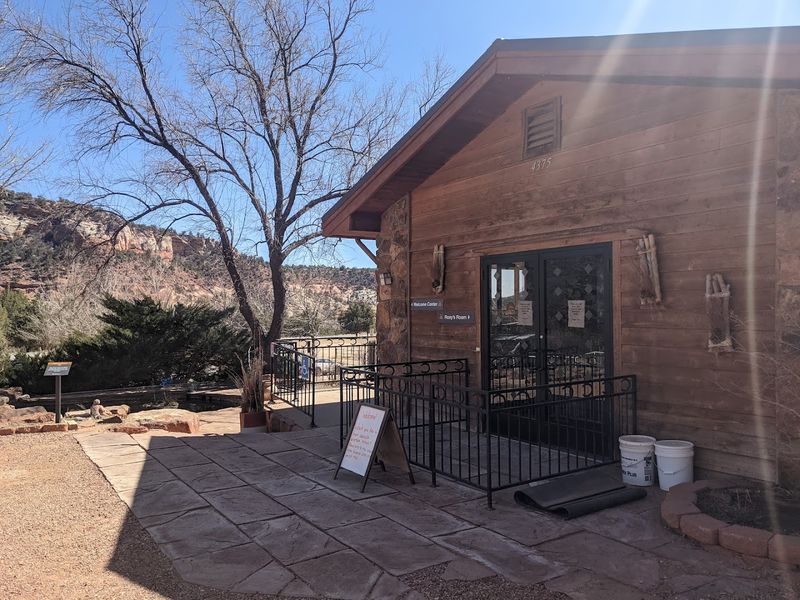
Finding a place to stay is easy when you visit Best Friends, because the sanctuary offers on-site accommodations that put you right in the heart of Angel Canyon. Options include charming cottages and cabins that blend rustic Southwest style with comfortable modern amenities.
Waking up to canyon views just steps from the animal areas is an experience all its own.
RV sites are also available for guests who prefer to bring their own home on wheels. The campground setting inside the canyon is genuinely stunning, especially in the early morning when the light turns the cliffs a deep shade of orange and gold.
It is the kind of scenery that makes you want to slow down and stay a little longer than planned.
If on-site lodging is fully booked, the nearby town of Kanab has several pet-friendly hotels and vacation rentals that allow sleepover animals. Kanab itself is a charming little desert town with good restaurants, local shops, and easy access to other natural wonders like Zion National Park and Bryce Canyon.
Booking accommodations well in advance is strongly recommended, especially during spring and fall when visitor traffic peaks significantly.
Beyond Sleepovers: Tours, Hiking, and Animal Outings
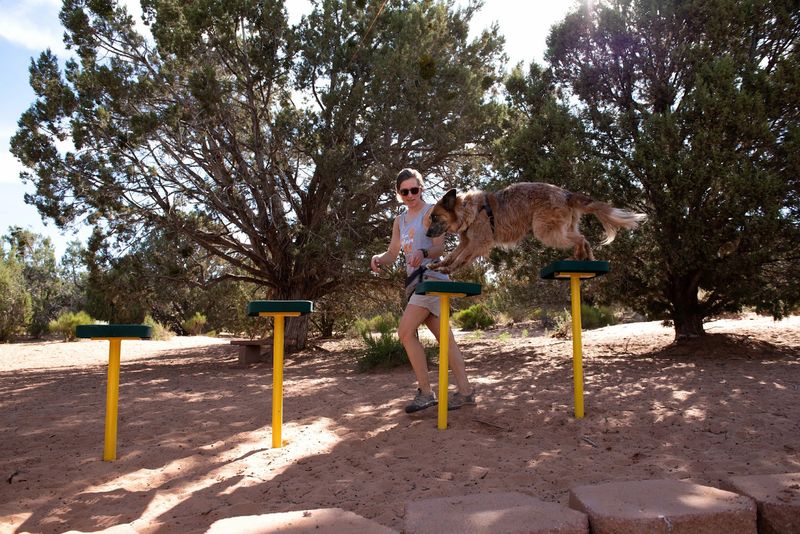
The sleepover program is undeniably the star attraction, but Best Friends offers a full lineup of experiences that make any visit worth extending. Guided tours of the sanctuary are a fantastic starting point, giving you a structured introduction to every animal area while staff share stories, statistics, and behind-the-scenes insights that you simply would not discover on your own.
One of the most exhilarating activities available is taking a dog on a hike through Angel Canyon itself. Imagine exploring ancient desert trails with a rescued pup trotting happily beside you — both of you getting exercise, fresh air, and the kind of uncomplicated joy that is increasingly rare in daily life.
The canyon trails range from easy strolls to more rugged paths with panoramic views.
Photography enthusiasts will find endless opportunities here, between the dramatic landscape and the endlessly photogenic animals. Some visitors choose to spend multiple days volunteering across different animal areas, building connections with specific animals and deepening their overall experience.
Whether you stay for one afternoon or an entire long weekend, Best Friends has enough variety to keep every kind of visitor fully engaged from morning until the canyon goes quiet at night.
Essential Visitor Information for Planning Your Trip
Planning ahead is the key to getting the most out of a Best Friends visit. The sanctuary is located at 5001 Angel Canyon Rd, Kanab, UT 84741 — about a four-hour drive from Las Vegas and two hours from St. George.
Reservations are strongly recommended for tours, lodging, and volunteer shifts, as walk-ins are not guaranteed access to animal areas.
The sanctuary is open year-round, but spring and fall are widely considered the best seasons to visit. Temperatures are mild, animals tend to be more active outdoors, and the canyon scenery is especially vivid.
Summer heat in southern Utah can be intense, so early morning visits are advisable if you go during July or August.
A few practical rules to keep in mind: personal pets are not permitted on-site during sleepover programs, some animals have activity restrictions based on health or behavior, and taking sleepover animals into restaurants is not allowed. Pack comfortable outdoor clothing, closed-toe shoes, sunscreen, and plenty of water.
Bring a camera, an open heart, and maybe an empty back seat — because more than a few visitors have driven home with an unexpected new family member curled up and snoozing happily beside them.