
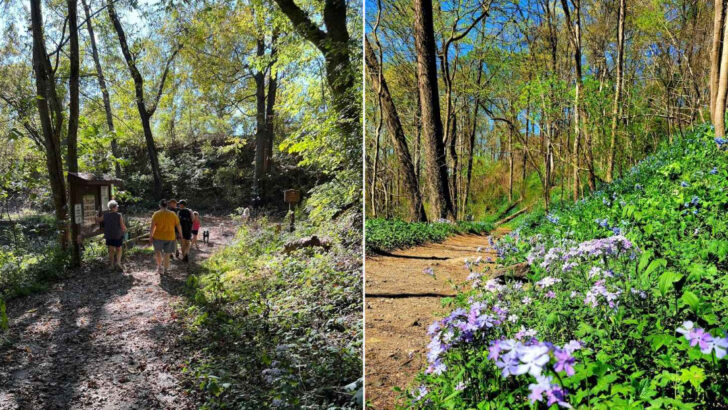
Tucked inside a quiet ravine along the Susquehanna River in Lancaster County, Shenks Ferry Wildflower Preserve is one of Pennsylvania’s best-kept natural secrets. Every spring, more than 70 species of wildflowers burst into bloom along a single, easy-to-walk trail, turning the forest floor into a living painting.
Whether you are a seasoned hiker, a curious kid, or someone just looking for a peaceful afternoon outdoors, this free preserve has something truly special to offer. Read on to discover the top 10 things that make Shenks Ferry an unforgettable springtime destination.
The Jaw-Dropping Spring Wildflower Display
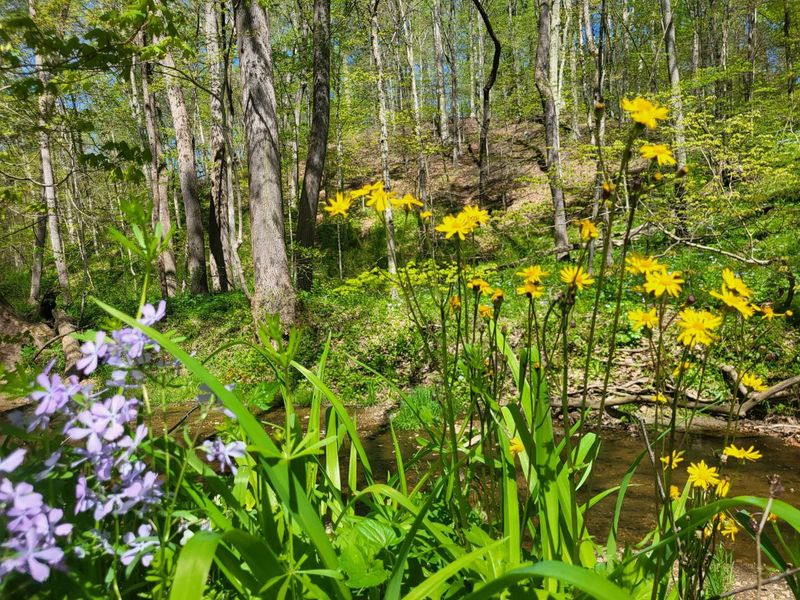
Nowhere else in Lancaster County can you witness a floral explosion quite like the one that happens every spring at Shenks Ferry Wildflower Preserve. Starting in late March and peaking through April, the forest floor transforms into a carpet of color that stops visitors in their tracks.
Over 70 species of native wildflowers call this ravine home, making it one of the most botanically rich preserves in the entire mid-Atlantic region.
Virginia bluebells steal the show with their soft purple-blue clusters, but they share the spotlight with trout lilies, wild ginger, bloodroot, Dutchman’s breeches, and spring beauties. Each week brings something new into bloom, so even returning visitors are treated to a fresh experience.
The Lancaster Conservancy publishes a helpful bloom guide on their website so you know exactly what to look for before you arrive.
Visiting on a weekday morning gives you the best chance of catching the flowers in quiet, uncrowded conditions. Early April is widely considered peak season, and getting there before 9 a.m. means you might share the trail with just a handful of other nature lovers.
Bring a field guide or download a plant ID app to get the most out of every step.
Virginia Bluebells: The Star of the Show
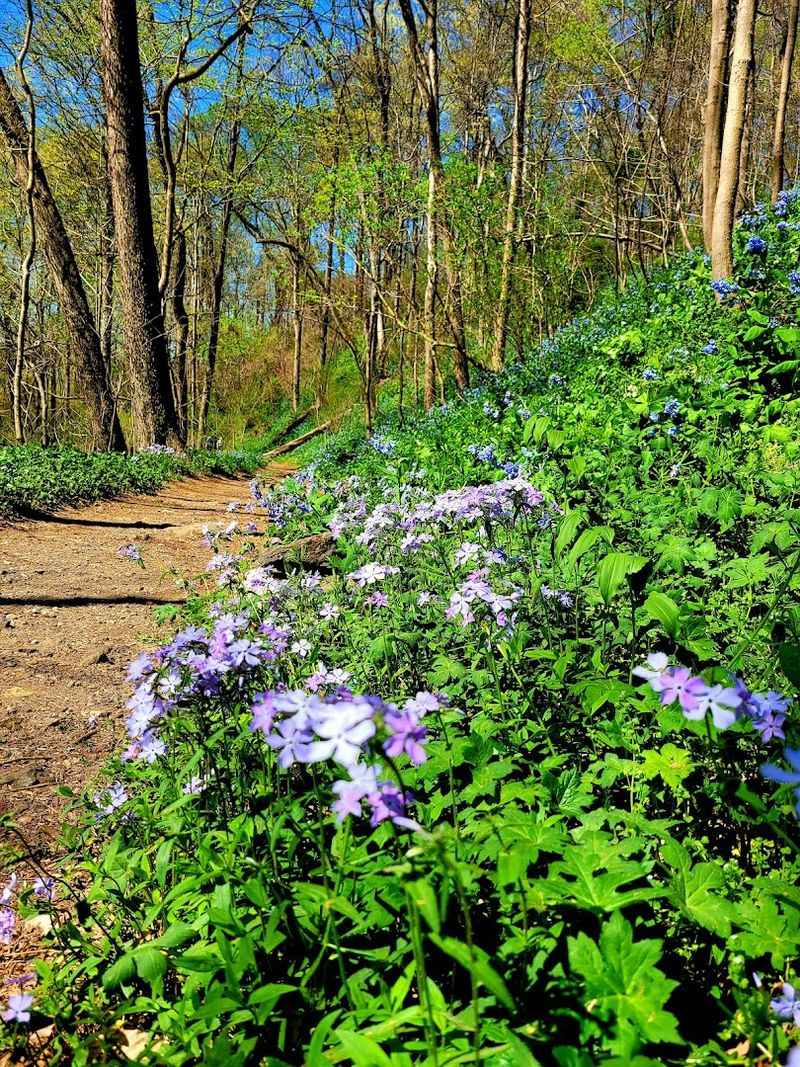
Ask anyone who has visited Shenks Ferry in April and the first flower they mention is almost always the Virginia bluebell. These elegant, tubular blooms hang in drooping clusters and shift from pink buds to sky-blue flowers as they open, creating a two-toned effect that feels almost magical.
One visitor noted that when she arrived on April 16, the bluebells appeared to be at their absolute peak, covering the hillsides in a haze of blue.
Virginia bluebells are native to eastern North America and thrive in moist, shaded floodplain environments exactly like the one found at Shenks Ferry. They are considered an ephemeral wildflower, meaning they emerge, bloom, and disappear all within a few short weeks.
That short window makes timing your visit especially important if bluebells are your main goal.
The best spots to find them are along the lower sections of the trail near the creek, where moisture levels stay consistently high. Photographing them in overcast light, like the kind of diffused glow you get on a cloudy spring morning, brings out their color beautifully without harsh shadows.
Even if you only come for the bluebells, the trip is absolutely worth it.
The Easy, Family-Friendly Trail Layout
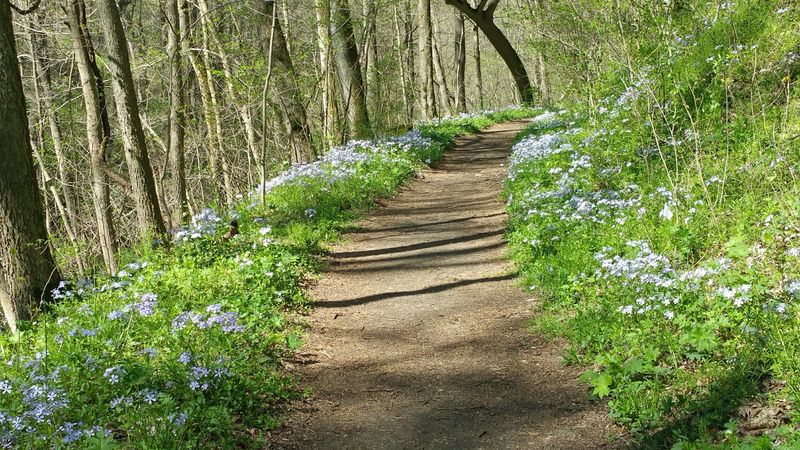
One of the most refreshing things about Shenks Ferry is that you do not need to be an experienced hiker to enjoy it. The main trail is mostly flat, well-maintained, and wide enough for two people to walk side by side comfortably.
Multiple visitors have mentioned bringing elderly parents and even young children in strollers without much difficulty, which speaks to how accessible this trail truly is.
The path runs alongside a peaceful creek for much of its length, giving walkers the relaxing sound of flowing water throughout their journey. A small stone bridge crosses the creek partway through, and kids especially love stopping here to look for wildlife in the shallow water below.
At a leisurely pace, the full trail takes roughly an hour to complete, making it an ideal outing that does not require a full day commitment.
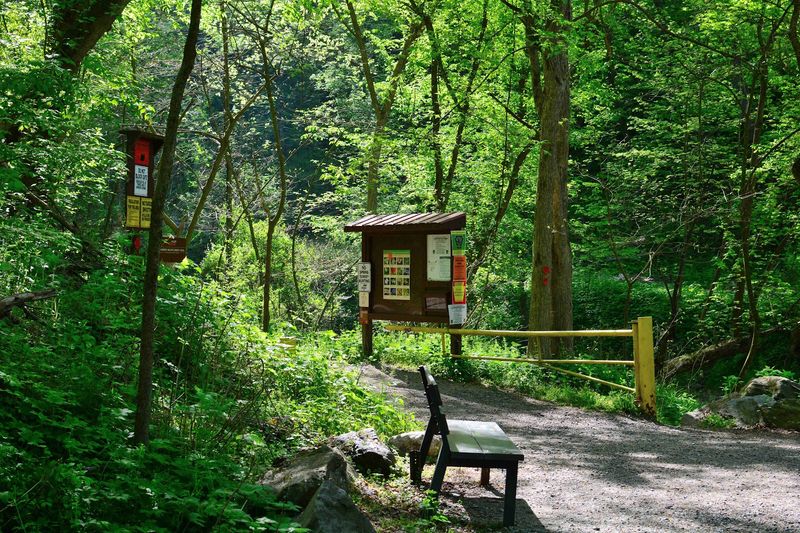
There are benches placed along the route so you can sit, rest, and simply soak in the scenery whenever you feel like it. Portable restrooms are available near the trailhead, and parking is free with a generous lot at the bottom of the access road.
For families looking for a low-effort, high-reward outdoor experience, this trail checks every single box.
The Historic Railroad Tunnel at the Trail’s End
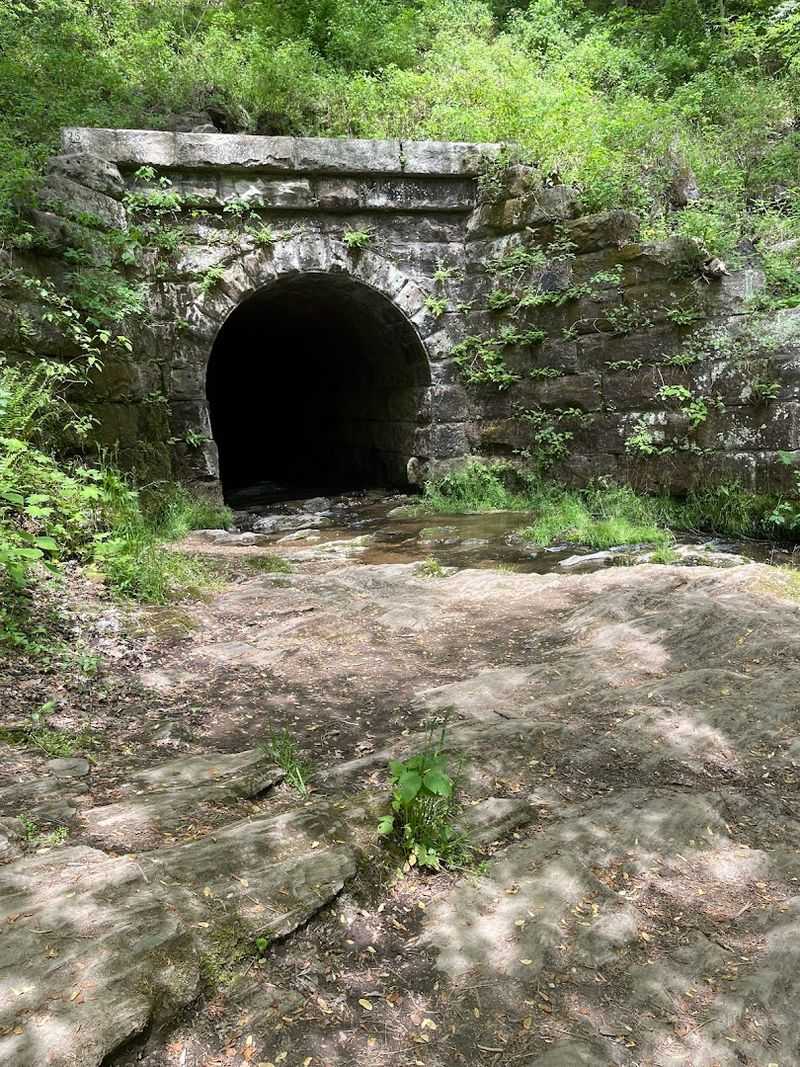
Hidden at the far end of the trail like a reward for curious explorers, the old railroad tunnel at Shenks Ferry is one of the preserve’s most talked-about features. Built during the era when the Enola Low Grade Railroad ran through this valley, the tunnel is a beautifully preserved piece of regional history that adds an unexpected adventure element to what might otherwise feel like a simple nature walk.
Walking through the tunnel is a short but memorable experience. The stone walls are cool and damp, and the light at the far end creates a dramatic framing effect that photographers absolutely love.
Families with kids will find it genuinely thrilling, and even adults who thought they were just coming to see flowers often end up saying the tunnel was their favorite part of the visit.
The descent toward the tunnel is gentle and easy to manage, so it does not require any special footwear or fitness level. Signs along the trail point you in the right direction so you will not miss it.
If you plan to explore the tunnel interior, bringing a small flashlight or using your phone’s torch is a smart move. The tunnel connects to the broader Enola Low Grade Trail for those who want to extend their adventure.
Connecting to the Enola Low Grade Trail for Bigger Adventures
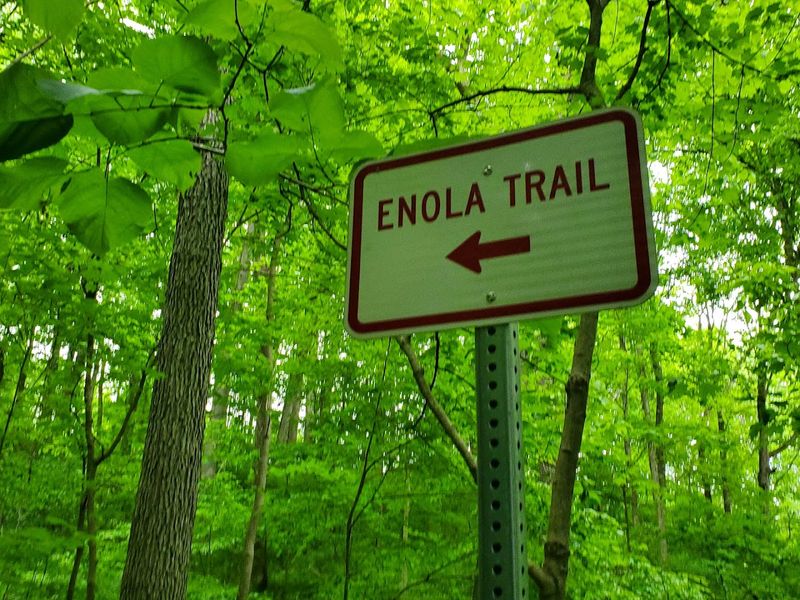
Shenks Ferry is wonderful on its own, but it also serves as a gateway to something much larger. The preserve connects directly to the Enola Low Grade Trail, a former railroad corridor that stretches for miles along the Susquehanna River.
For hikers who want more mileage, this connection transforms a one-hour wildflower stroll into a half-day or even full-day adventure without ever needing to get back in the car.
One reviewer shared that he hiked all the way to Safe Harbor Dam and back in about three hours using this connection, covering a satisfying distance while still enjoying the natural beauty of the river corridor. The Enola Low Grade Trail is mostly flat, which keeps it accessible even when combined with the preserve loop.
It is a fantastic option for cyclists and trail runners as well.
The Susquehanna River views from this trail are genuinely stunning, especially around sunset when the light reflects off the water in warm golden tones. One visitor described watching the sun go down over the river as one of the most beautiful moments of their trip.
Whether you want a short walk or a longer expedition, Shenks Ferry gives you the flexibility to choose your own level of adventure.
Birdwatching Opportunities That Will Surprise You
Most people come to Shenks Ferry for the flowers, but the birds might just steal your heart just as quickly. The ravine’s mix of mature trees, creek habitat, and dense understory creates perfect conditions for a wide variety of songbirds, especially during spring migration.
One visitor described hearing so many loud, active birds during an evening walk that the experience felt almost overwhelming in the best possible way.
That same visitor, using the Merlin Bird ID app to track sounds, ended up spotting a vivid Indigo Bunting after following its call through the woods. Indigo Buntings are genuinely breathtaking birds, with the male displaying an electric blue plumage that seems almost too bright to be real.
Finding one in the wild at a free local preserve is the kind of moment that turns casual walkers into dedicated birdwatchers.
Beyond the Indigo Bunting, the preserve hosts a rich variety of warblers, woodpeckers, and thrushes throughout the warmer months. Early morning visits, particularly between 7 and 9 a.m., tend to offer the most active birding windows.
Downloading Merlin or a similar app before you go adds a whole extra dimension to your visit and helps you identify birds you might otherwise walk right past.
The Creek, the Bridge, and the Best Spots for Kids
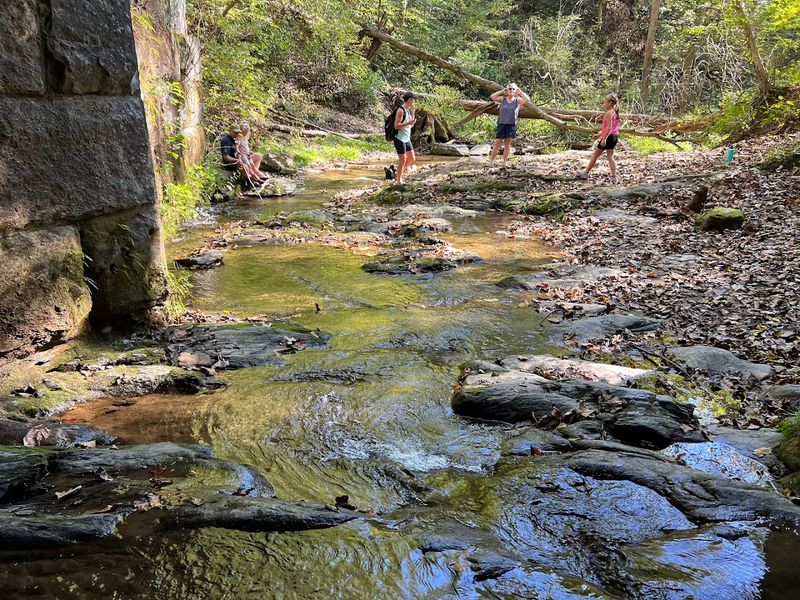
If you are bringing little ones along, the creek running through Shenks Ferry is practically guaranteed to become their favorite part of the trip. Shallow, clear, and easily accessible in several spots along the trail, the creek invites kids to wade in, splash around, and search for small aquatic creatures hiding under the rocks.
On a warm spring or summer day, it becomes a natural cooling station that makes the walk feel like a genuine outdoor adventure.
A small bridge crosses the water partway through the trail, and it serves as a perfect photo opportunity as well as a natural rest point. Kids love leaning over the railing to watch the water flow beneath them, and the sound of the creek bubbling below adds to the peaceful atmosphere of the whole experience.
One family visiting on the Fourth of July described the creek as the highlight of their outing, with both their young children and their puppy splashing happily in the ankle-deep water.
The creek banks are accessible without steep drops or dangerous terrain, making supervision easy and stress-free for parents. Waterproof sandals or old sneakers are a smart footwear choice if you plan to let the kids get their feet wet.
Pack a small towel and you are all set for a genuinely fun afternoon outdoors.
What to Expect on the Drive In and Parking Situation
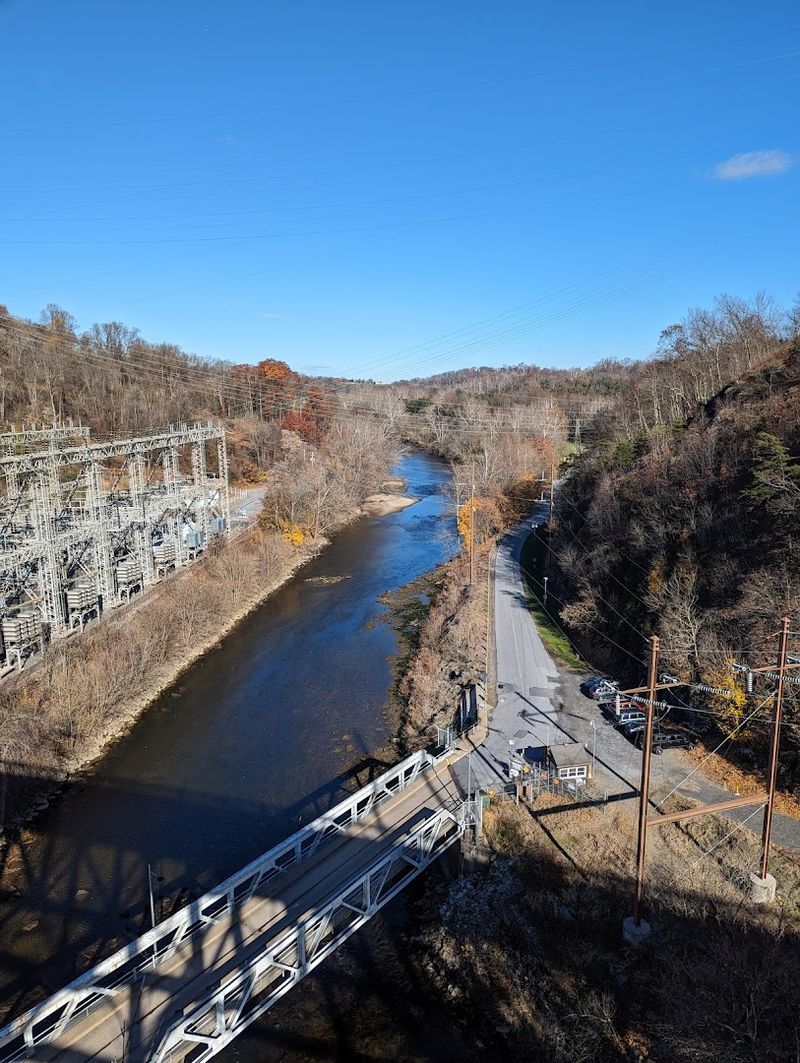
Getting to Shenks Ferry is half the adventure, and knowing what to expect ahead of time will save you a lot of stress. The access road off Green Hill Road South is unpaved, narrow, winding, and riddled with gravel and uneven surfaces.
There is also a dark stone tunnel midway down the road that catches first-time visitors completely off guard. Drive slowly and carefully, especially in wet conditions, and you will be just fine.
Once you reach the bottom, a sizable gravel parking lot awaits with room for plenty of vehicles. Parking is completely free, which is a wonderful perk for a preserve of this quality.
Portable restrooms are located near the trailhead entrance, so you do not need to worry about facilities before starting your walk. There is no cell service or Wi-Fi in the parking area, so downloading offline maps or directions before you leave home is a genuinely smart move.
Timing your arrival matters more than you might think. On popular spring weekends, the lot fills up quickly, sometimes before 11 a.m.
Arriving early on a weekday is the best strategy for scoring a parking spot and enjoying a quieter experience on the trail. One reviewer who arrived at 8:45 a.m. on Good Friday found only five cars and had a blissfully peaceful walk.
The Best Time of Year to Visit and Seasonal Changes
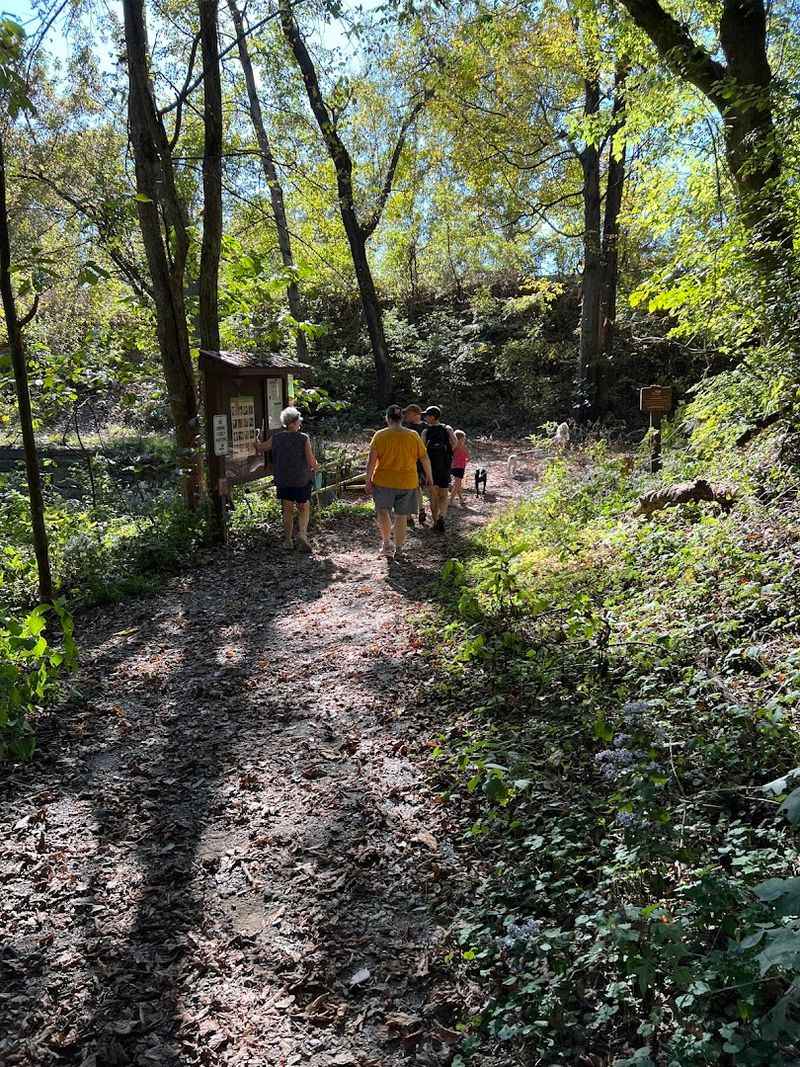
April is the undisputed champion month for visiting Shenks Ferry, with peak wildflower bloom typically occurring between early and mid-April. Virginia bluebells, trout lilies, trillium, and dozens of other species are all competing for your attention at once during this window.
The Lancaster Conservancy even organizes guided Wildflower Walks in early April, offering visitors a structured and educational way to experience the bloom with knowledgeable naturalists leading the way.
That said, late March and early May both offer rewarding visits with different species in bloom at each end of the season. Summer brings a quieter, greener atmosphere with lush canopy shade making the trail pleasantly cool even on warm days.
Butterflies become more active in the summer months, adding another layer of wildlife watching to the experience.
Autumn at Shenks Ferry is a different kind of beauty entirely. The fall foliage turns the ravine into a tunnel of gold, orange, and red, and the creek sounds feel especially peaceful with fewer visitors around.
Even winter visits have their charm, with the bare trees revealing the full shape of the ravine and the stone bridges standing out against the quiet landscape. No matter the season, Shenks Ferry always has something worth seeing.
Lancaster Conservancy Stewardship and Free Admission
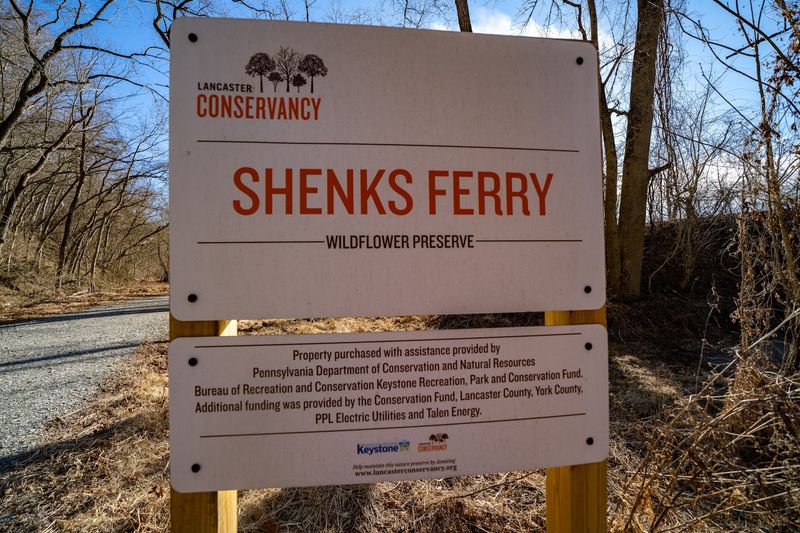
Shenks Ferry Wildflower Preserve is owned and managed by the Lancaster Conservancy, a nonprofit organization dedicated to protecting natural lands throughout Lancaster County and beyond. Thanks to their ongoing stewardship, this remarkable ravine has been preserved in its natural state and kept open to the public completely free of charge.
That combination of high quality and zero cost makes it one of the most generous outdoor gifts available to residents and visitors in the region.
The Conservancy offers guided Wildflower Walks each spring that are highly recommended for first-time visitors. These events provide expert-led identification of the many species in bloom and offer fascinating context about the ecological history of the preserve.
Joining as a member of the Lancaster Conservancy is a meaningful way to support their work and help ensure that places like Shenks Ferry remain protected for future generations.
Informational signs are posted along the trail highlighting wildflower species and sharing snippets of local history, though some visitors have noted they would love even more detailed signage. Picking up a brochure at the trailhead or visiting the Conservancy website before your trip gives you a helpful identification guide to carry along.
The preserve is open 24 hours a day, every day of the year, welcoming visitors on their own schedule.