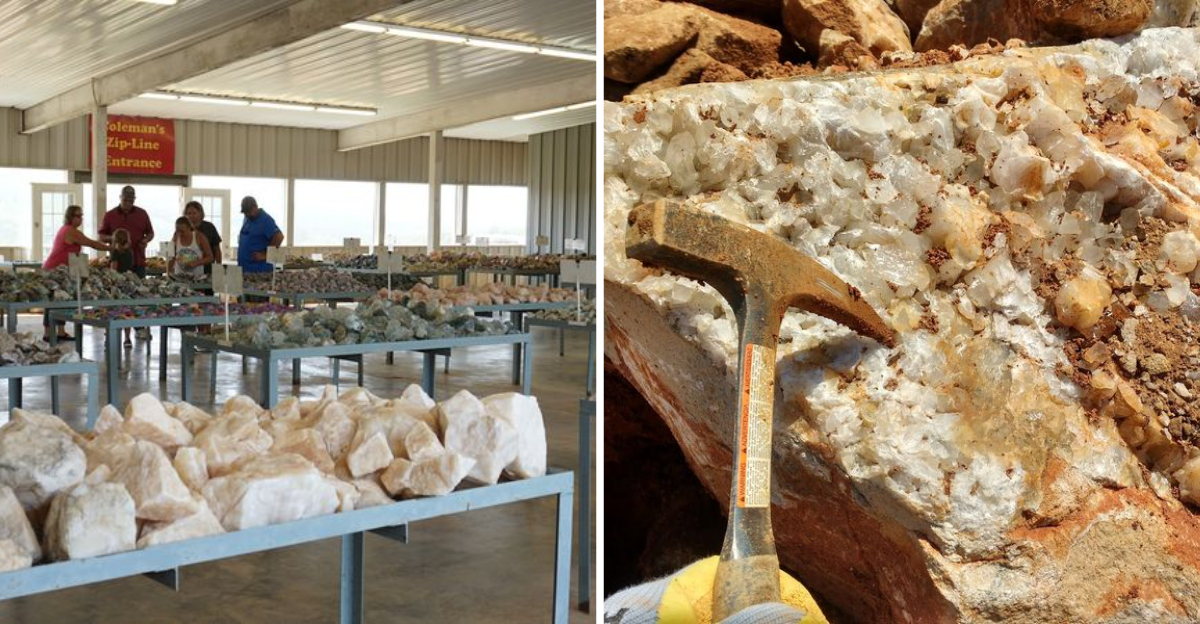
Quartz crystals you unearthed yourself just hit differently, and this Arkansas mine lets you do exactly that. Ron Coleman Mining pairs a real working operation with an easygoing, visitor-friendly setup, so you can learn, dig, and zip line in one memorable day.
Reviews rave about friendly staff, thrilling tours, and buckets that fill fast after a good rain. Here is how to make the most of your crystal-hunting adventure.
Why Ron Coleman Mining Stands Out
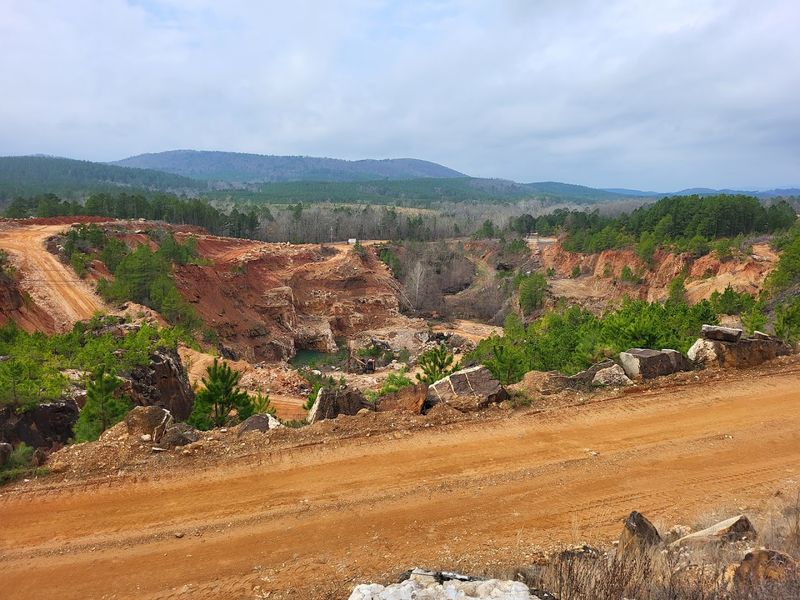
Set in Jessieville with sweeping Ouachita Mountain views, this mine pairs hands-on digging with smooth, guest-friendly operations. Decades of commercial mining here mean fresh tailings are regularly brought up, so you are never scratching at played-out ground.
Add easy parking, clear signage, and staff who genuinely enjoy rock talk, and you have a place that feels built for your success.
Reviews mention Action Jackson tours, friendly shop staff, and a zip line that lets you soar over the pit for a sky-high look at the workings. That combination of education and thrill anchors a memorable day, even before your first crystal shows.
Families, solo seekers, and geology-curious travelers all land here and leave with stories plus a bucket of sparkle.
Practicalities are dialed in too. Hours run 8 AM to 5 PM most days, so you can plan a morning hunt, a picnic, and an afternoon rinse-and-sort.
Pricing updates happen, coupons surface locally, and you keep anything you can carry, which keeps the hunt exciting and fair.
You will notice fresh dumps after rain when crystal faces glitter across the clay. Bring gloves and a bucket, then slow down and scan carefully.
Patience beats muscle here, and small points add up fast.
Getting There and Arrival Game Plan
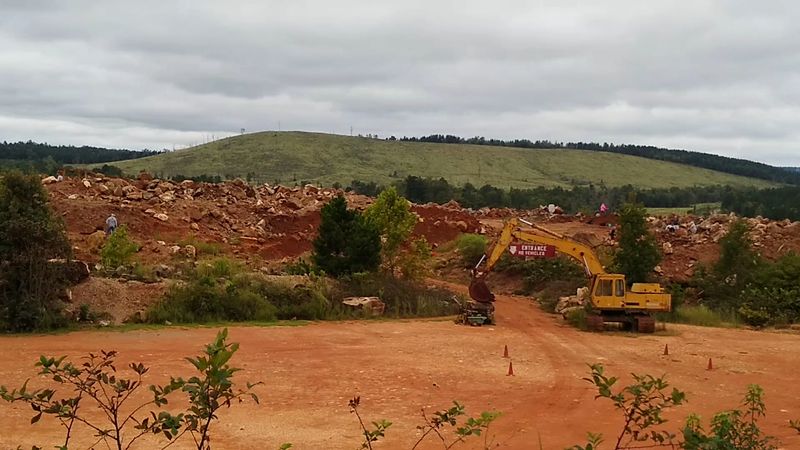
Navigation is simple using 211 Crystal Ridge Ln, Jessieville, AR, which drops you at the entrance overlooking the active pit. Parking is straightforward even for RVs, and the check-in area sits beside the gift shop.
You will grab your wristband, get quick guidelines, and then head to the public digging field.
Before you step out, stash water, snacks, sunscreen, and a hat. Arkansas sun plus red clay can sneak up on you, and hydration extends your hunt by hours.
If storms just passed, smile, because sparkling faces will be easier to spot against wet soil.
At the field, staff will point you toward fresh tailings and demonstrate safe digging technique. Most folks start by hand-raking surface pieces, then work into seams with a small trowel.
Pace yourself, rotate tasks, and bag finds often so a stumble does not scatter treasures.
Expect an authentic mine setting, not a manicured attraction, and that is the charm. Dusty boots, clinking tools, and the low rumble of equipment remind you this is a working operation producing world-class quartz.
Treat signs and roped areas with respect, listen for staff directions, and you will enjoy prime access with safety baked in.
Best Time to Visit and Weather Tips
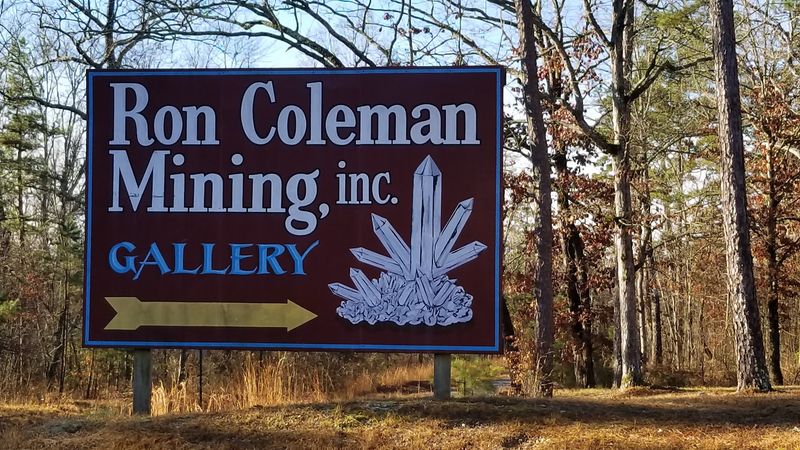
Seasonal shifts matter here. Cooler months bring crisp air and longer stamina, while summer heat demands early starts and generous breaks.
Right after rain is the local secret, because clean crystal faces flash against red clay like tiny mirrors.
Mornings often feel friendlier, with fewer crowds on weekdays and soft light that helps you spot fractures and clarity. Afternoons can still produce, especially when staff add fresh tailings.
If thunder rolls, expect delays, then celebrate the sparkle when the sun returns.
Winter visits trade sweat for layers, so pack gloves you can dig in and a thermos. Spring wildflowers and monarchs add color to the hillside, making breaks genuinely pretty.
Fall offers stable weather and golden light that flatters every photo of your muddy grin and newly unearthed cluster.
Timing also intersects with operations. Ask at check-in if a new pocket was recently opened, because those zones influence what lands in the public field.
After a large excavation push, surface picking can be fantastic for beginners. On slower days, commit to patient trench work along clay layers and quartz seams.
Your best bet is simple consistency, plus frequent pauses to rinse a piece and reassess the shine in changing light.
What to Bring: Tools and Gear
The winning kit is simple and portable. A hand trowel, hand rake, and a narrow pry bar cover most digging needs without tiring you out.
Add a spray bottle, soft brush, and old towels for quick field cleaning that helps you judge clarity before packing.
Buckets with handles beat thin bags, especially once your first clusters start adding weight. Knee pads or a garden kneeler save joints, and gloves protect knuckles from sharp shards hiding in clay.
Sturdy shoes that can handle slick red mud are non-negotiable on wet days.
For comfort, pack water, snacks, sunscreen, insect repellent, and a brimmed hat. A folding stool makes sorting breaks efficient, and a small tarp helps you stage finds without losing points in grass.
Consider labeled sandwich boxes for delicate scepters or double-terminated points you do not want rubbing together.
Tools are available locally if you forget something, but choosing your own grip and weight pays off over hours. Skip full-size shovels unless you are prepared to haul spoil all day.
Precision wins here. Think careful scraping, rinsing, and wrapping.
Bring trash bags for broken glass or tape scraps so the field stays clean. Future you will appreciate organized buckets and spare clothes for the ride home.
How to Spot Quality Quartz
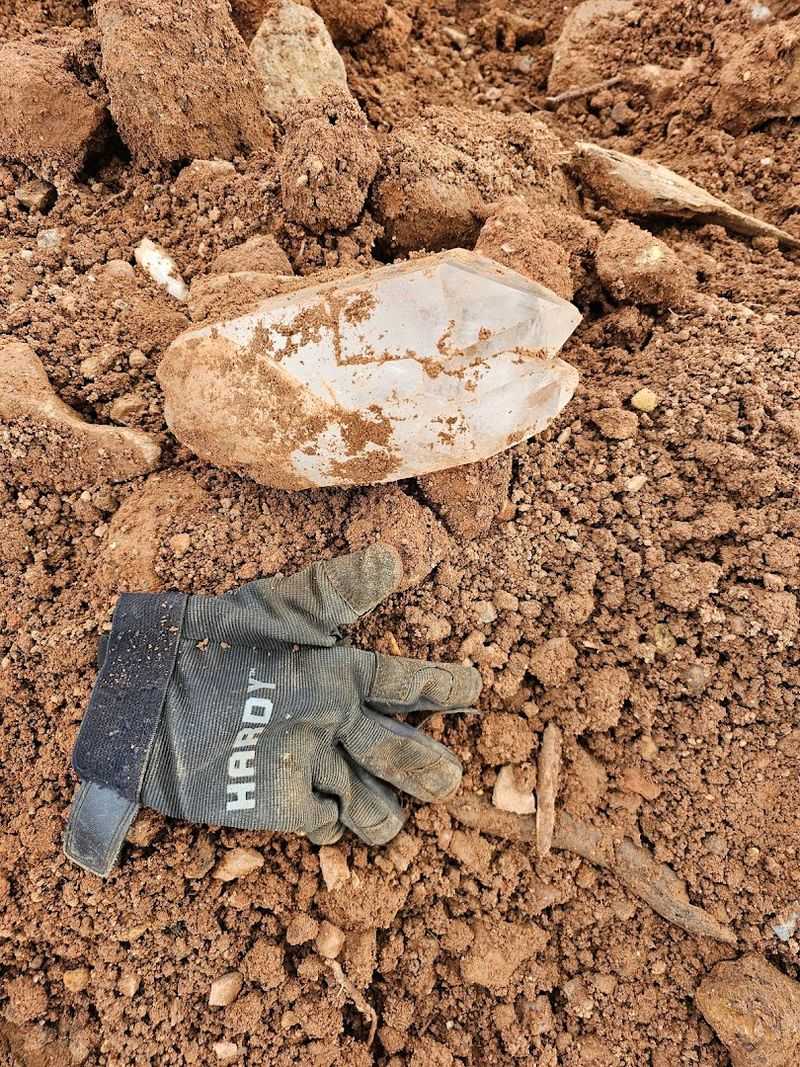
Good pieces announce themselves with geometry. Look for sharp terminations, consistent prism faces, and transparency that carries light from base to tip.
Muddy coatings fool beginners, so rinse with a spray bottle and rotate the crystal to read luster before calling it common.
In tailings, shine competes with shards, so train your eyes to notice parallel striations along sides. Those ribbed lines are a classic quartz giveaway.
Chips are fine, but avoid bruised, cloudy tips if you want display quality. Clusters with intact matrix often clean up dramatically at home.
Do not skip milky pieces. Many hide water-clear points inside iron stain, and a proper soak reveals sparkle you never expected.
Smoky tones occur here too, and light tea color can look fantastic under a window, especially in bundles that stand upright in a simple base.
Ask staff to point out healed fractures, scepters, and window faces, then compare to what you are finding. Photograph in shade to avoid glare that hides clarity.
Back home, stage candidates on a dark towel and sort by luster, tip condition, and balance. A modest field eye is built through repetition, so keep scanning deliberately and upgrade your standards as better pieces hit your bucket.
Family-Friendly Tips and Kids
Little rockhounds thrive here because success comes fast. Start them on surface collecting where shiny points peek from clay like spilled sugar.
Celebrate each tiny find, then help them wrap favorites in tissue so the treasure feels official.
Plan short sessions with snack breaks under shade. A small garden rake, child gloves, and a labeled bucket keep involvement high and safety simple.
Turn it into a scavenger list: clear point, cluster, iron-stained piece, and a perfect shard for a craft project at home.
Mine tours are narrated and bumpy in the best way, offering context about how commercial pockets form and how crystals travel to the public field. Kids love the big equipment and the old Army truck vibe.
Zip lining adds a capstone memory for older children who meet height and weight requirements.
Prepare for mess and smiles. Wear washable clothes, bring wet wipes, and stash a change of shoes in the car.
Set a household display goal before you arrive, like a jar of points or a framed cluster photo, so kids hunt with purpose. On the ride back, pass around a spray bottle and admire finds together as the Arkansas hills roll by.
Pricing, Passes, and Value
Admission has changed over time, so check at the desk or website for the latest rates and any coupons floating around town. The value proposition is simple: you keep what you find.
That alone makes a half day here compare favorably to many attractions where souvenirs cost extra.
Families appreciate that buckets can get heavy without triggering fees. Rockhounds appreciate that the field is generous, with frequent fresh dumps to level the playing field between newcomers and veterans.
If you crave instruction, pair your dig with a mine tour to understand pocket formation and see working faces safely.
Strategize for value by arriving early, packing lunch, and staying through an afternoon dump. Your cost per keeper drops rapidly once the first nice cluster lands in the bucket.
Some visitors offset admission by gifting extras or trading with friends back home who craft jewelry or teach earth science.
Keep an eye on group rates and seasonal specials that show up around school breaks. Occasionally you will see promotions tied to the zip line or RV park, which stack well for multi-day stays.
Ask staff about rain-day policies, then time your hunt for post-storm sparkle. A little planning turns cost into keepsakes.
Mine Tour Highlights
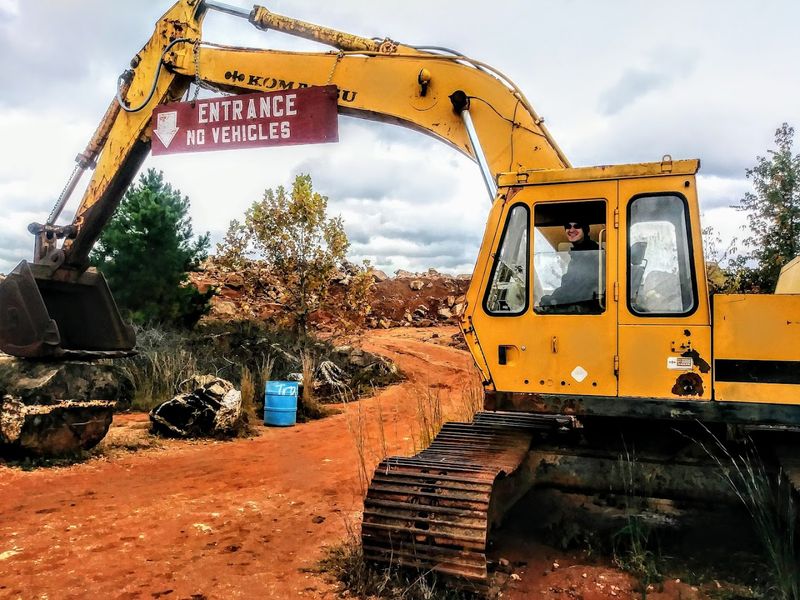
The guided tour rides in a rugged truck with a clear view of benches, equipment, and towering walls. Your guide unpacks how quartz forms, what a pocket looks like in situ, and which layers tend to deliver museum-grade clusters.
It is a short course in practical geology with red clay on your boots.
Safety notes appear frequently, and that is comforting given the scale of the pit. You will learn why certain areas are roped, how crews stabilize faces, and where tailings originate before they reach the public field.
The big takeaway is respect for the operation and patience with the process.
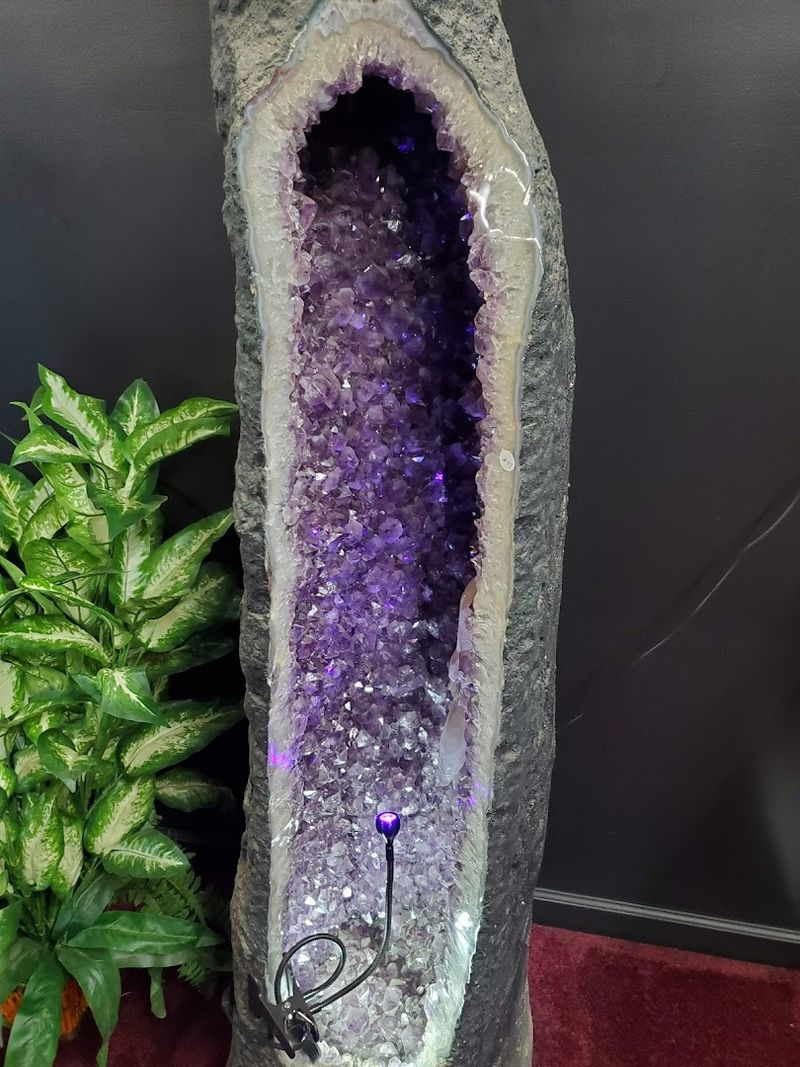
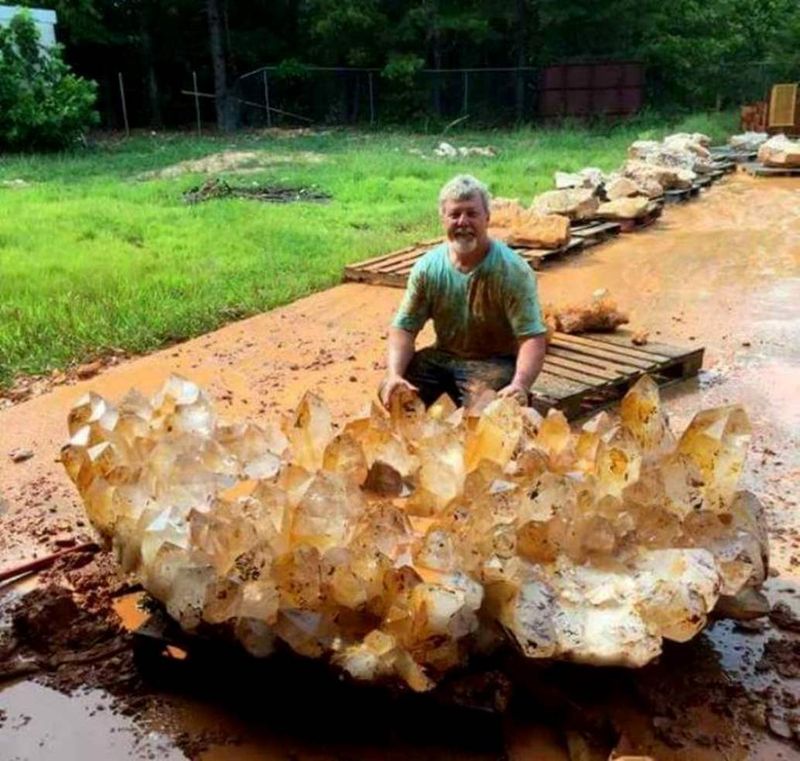
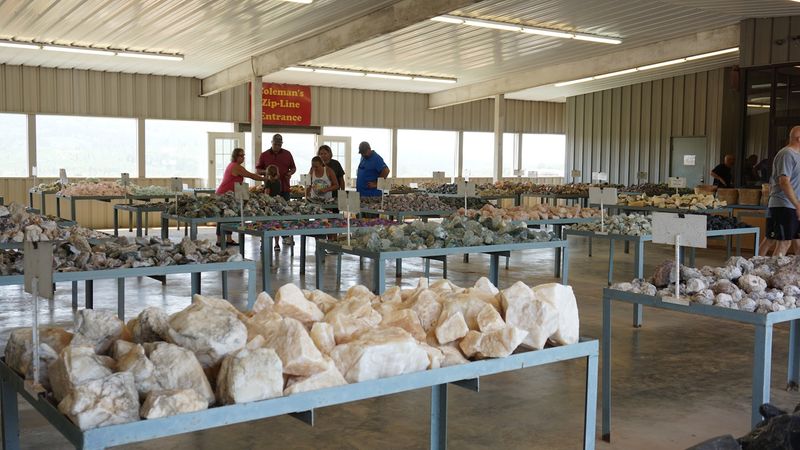
Guides sprinkle in stories of memorable pockets and giant clusters that now greet visitors in the shop. Hearing how crystals travel from hard rock to display case adds depth to your bucket hunt.
Plus, you pick up tips on reading clay colors, recognizing druse, and working seams safely.
Tours run daily when conditions permit, so check times as you pay admission and snag a seat early on busy weekends. If mobility is a concern, ask about seating and steps.
A short ride delivers big context, and the post-tour walk into the field suddenly feels informed and purposeful too.
Cleaning and Preserving Your Finds
Field cleaning starts with a spray bottle, toothbrush, and patience. Rinse, brush, rotate, and repeat until faces show.
Pack the rest dirty so fragile tips do not get abraded, then set up a proper at-home station with buckets, gloves, and ventilation.
Iron stain responds to Iron Out or similar solutions, but read labels, mix outdoors, and keep pets away. Soak in plastic tubs, rinse thoroughly, and neutralize with a baking soda bath.
Follow with a clear water soak to leach residues, then dry on wire racks so air reaches every face.
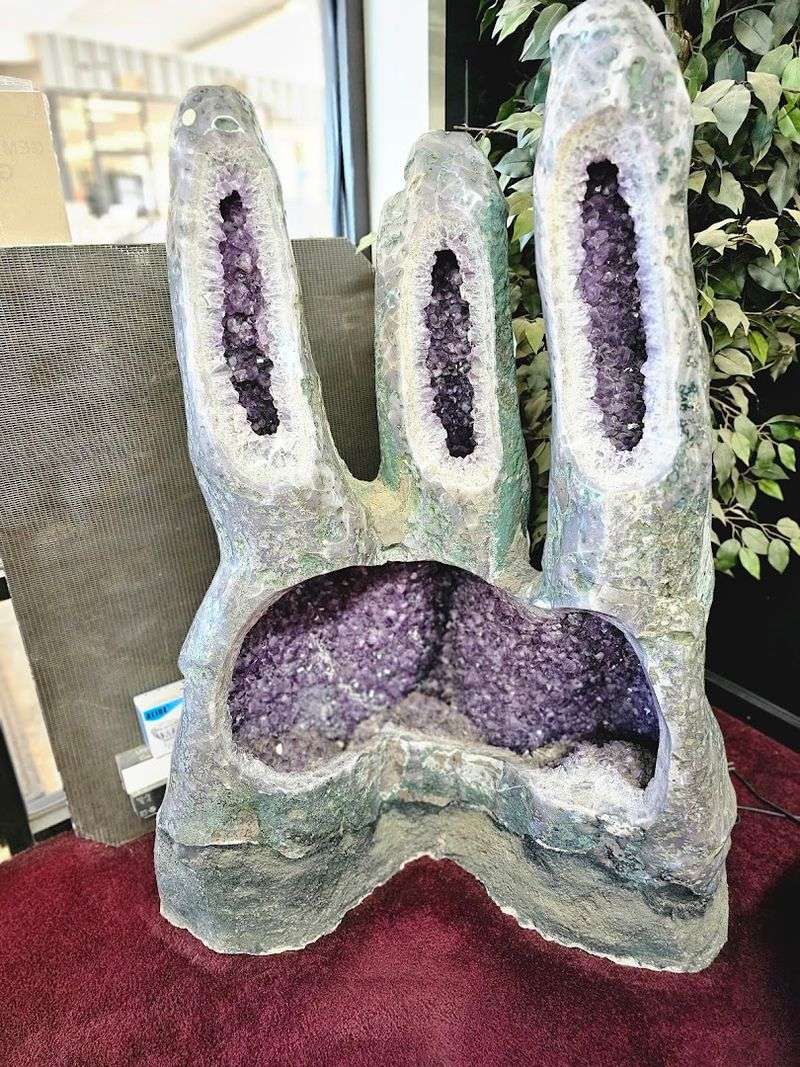
For display, aim for stability and light. A simple stand, putty dots, or a shadow box keeps clusters safe from wagging tails and little hands.
Label location and date, because provenance matters when you start trading or gifting, and it turns a pretty rock into a documented memory.
If a crystal needs glue, reach for archival cyanoacrylate sparingly and test fit before committing. Avoid hot glue strings that collect dust.
For stubborn clay in crevices, use wooden skewers or a plastic toothpick under running water. Take before-and-after photos, share your process, and enjoy the satisfaction of revealing Arkansas quartz in its full sparkle.
Your patience protects tips beautifully, always.
Sample One-Day Itinerary
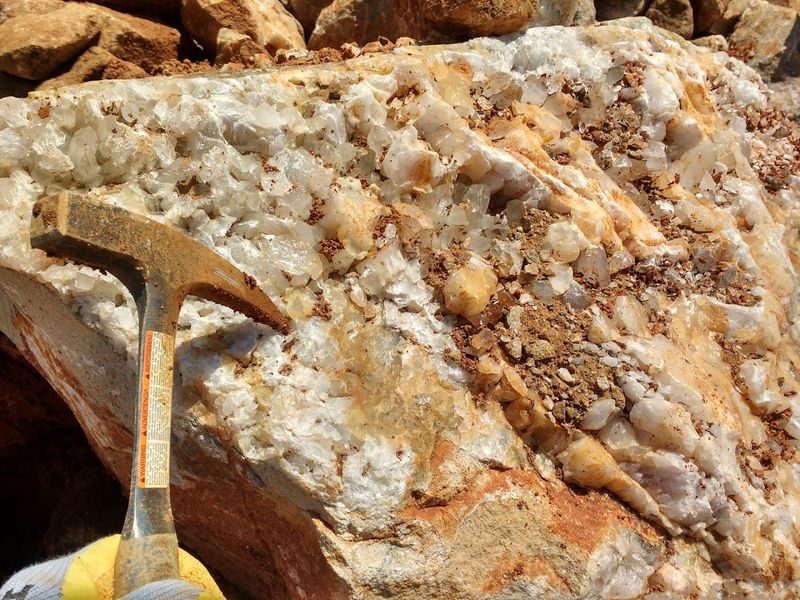
Arrive at opening, pay admission, and ask about tour times, fresh dumps, and any weather notes. Head straight to the field for an hour of surface scanning while light is gentle.
Flag a seat on the first tour so your midday knowledge boost lands before afternoon digging.
After the ride, eat lunch, hydrate, and sort the morning’s bucket on a towel. Switch to targeted trenching along clay layers where broken shards hint at nearby points.
If staff add a fresh load, pivot to surface work and cherry-pick flashes before others notice the glitter.
Mid afternoon, take a quick pass through the shop to study reference pieces and ask cleaning questions. Stock Iron Out if needed, then return for a final push as shade reaches the field.
Bag clusters separately, label by zone, and keep a best-of tray handy for safe transport.
Before sunset, rinse a few favorites and grab zip line tickets if time allows for a golden-hour glide. Back at camp or the car, photograph your top five on a dark towel, then pack them snug.
Dinner tastes better with quartz on the table and red clay on your boots, guaranteed by your day at Ron Coleman Mining today.