
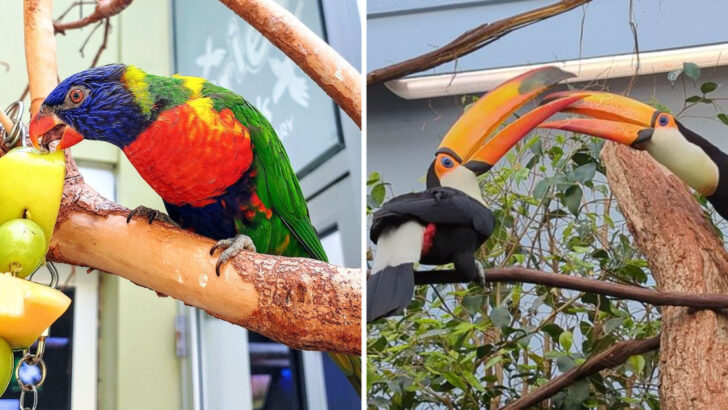
Step inside the National Aviary in Pittsburgh and you are suddenly surrounded by wings, color, and unexpected quiet. Birds from every continent share the same roof, gliding past at eye level while keepers share stories that stick with you long after.
It feels personal here, with habitats designed so you can stand just feet from creatures you have only seen in field guides. If you want an outing that blends wonder, learning, and great photos, this place delivers.
Tropical Rainforest Habitat
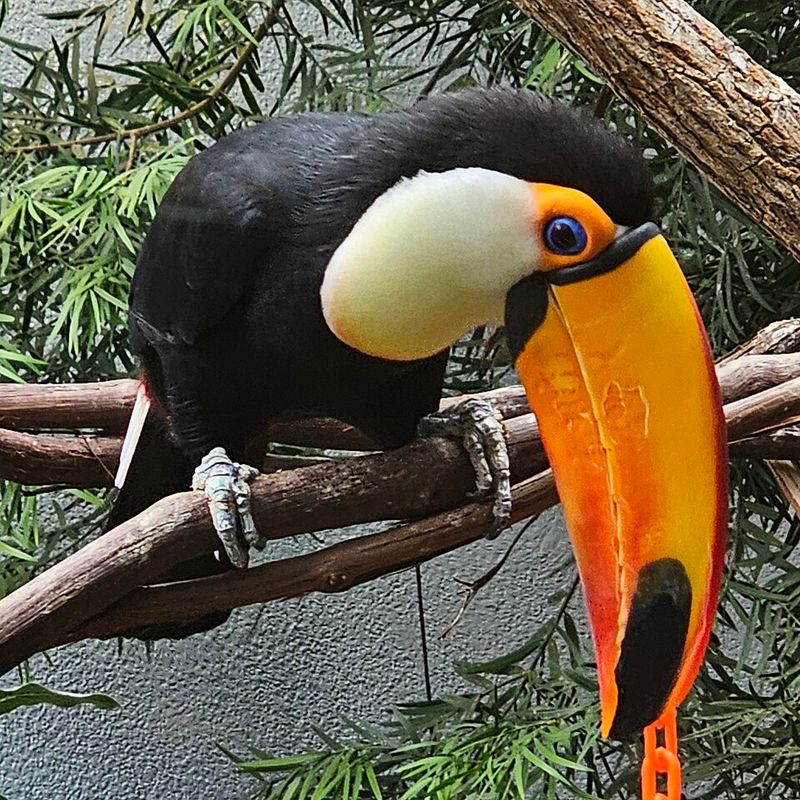
Step through the doors and the air shifts to warm and earthy, with leaves whispering overhead. The rainforest habitat surrounds you with tall palms, trailing vines, and mist that catches the light like morning fog.
Birds skim across the path, and you feel that thrill of being a respectful guest in their world.
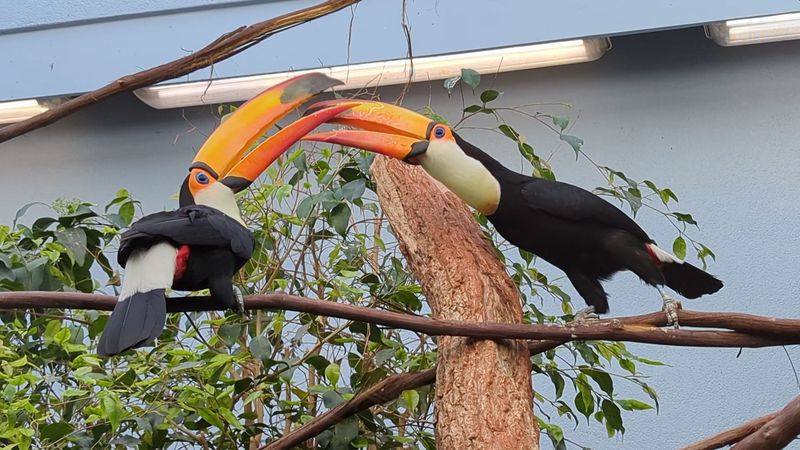
Look up and you might spot a toucan flashing by, then a tanager stealing the scene with neon feathers. Keepers post feeding times on nearby signs, which helps plan a loop so you catch action without crowding.
I like pausing at the waterfall where birds use the spray like a tiny spa.
If you are visiting with kids, turn the walk into a spotting game with five target species. That small challenge keeps everyone engaged while you slow down and notice leaf textures, fruit stations, and nest boxes.
Photos look best from the shaded side paths, where glare drops.
Humidity can fog a lens, so bring a microfiber cloth and give your camera a minute to acclimate. Shoes with grip help on slightly damp concrete, especially near the water feature.
You will leave a little frizzy, a lot giddy, and completely charmed.
Penguin Point
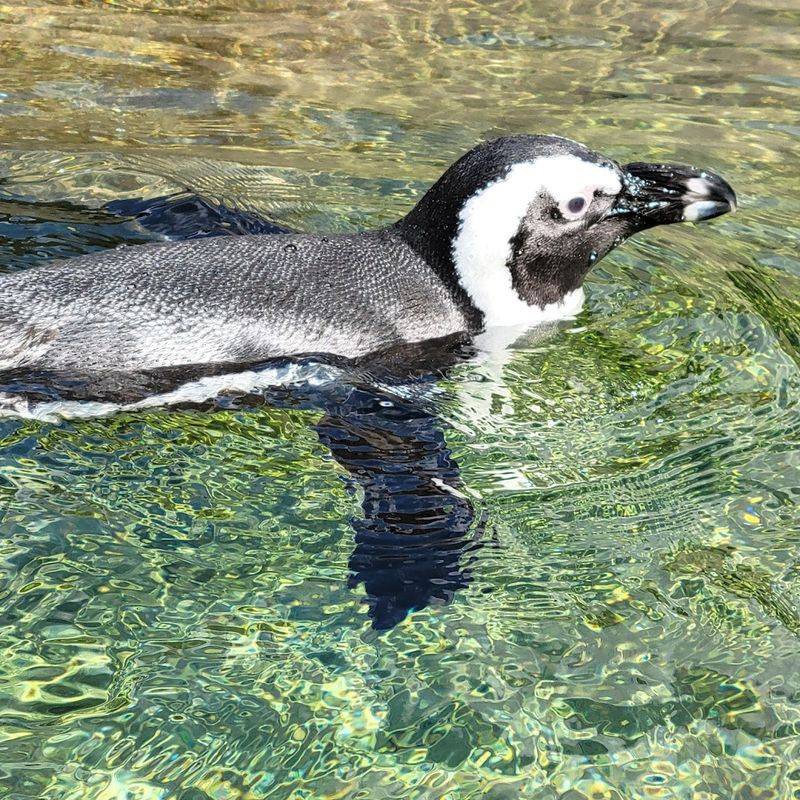
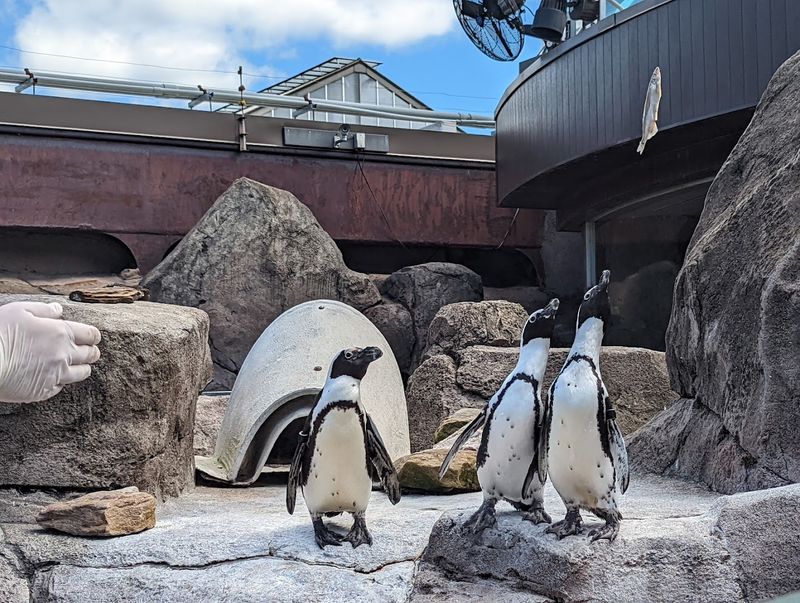
A few steps in and the charm offensive begins with tuxedoed birds that have zero stage fright. African penguins preen on sun warmed rocks, then torpedo through the pool like feathered arrows.
You can stand inches from the glass and watch bubbles trail their bellies.
Feeding times bring lively chatter from keepers who introduce individuals by name and personality quirks. Listen for notes on conservation challenges and the tagging that helps scientists track populations.
Kids love the waddle parade along the edge, where feet slap the stone with comic timing.
Photographers should press lenses close to the glass at a slight angle to cut reflections. Look for moments when a bird pivots in the water column and gives an eye level glance.
Short bursts work better than long video if your hands are cold.
Weekends get busy, so arrive early or circle back near closing for thinner crowds. If you stand to the side of the main window, you still get stellar views without blocking shorter guests.
Prepare for repeated aww sounds, and do not be surprised if you make a second lap.
Wetlands Habitat and Feedings
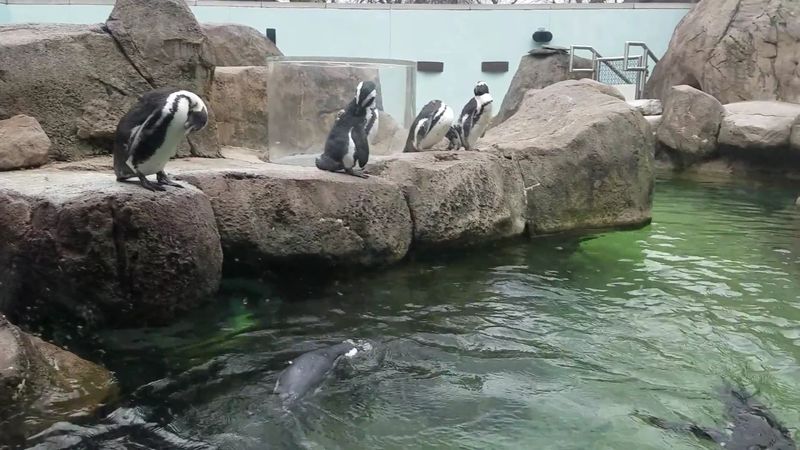
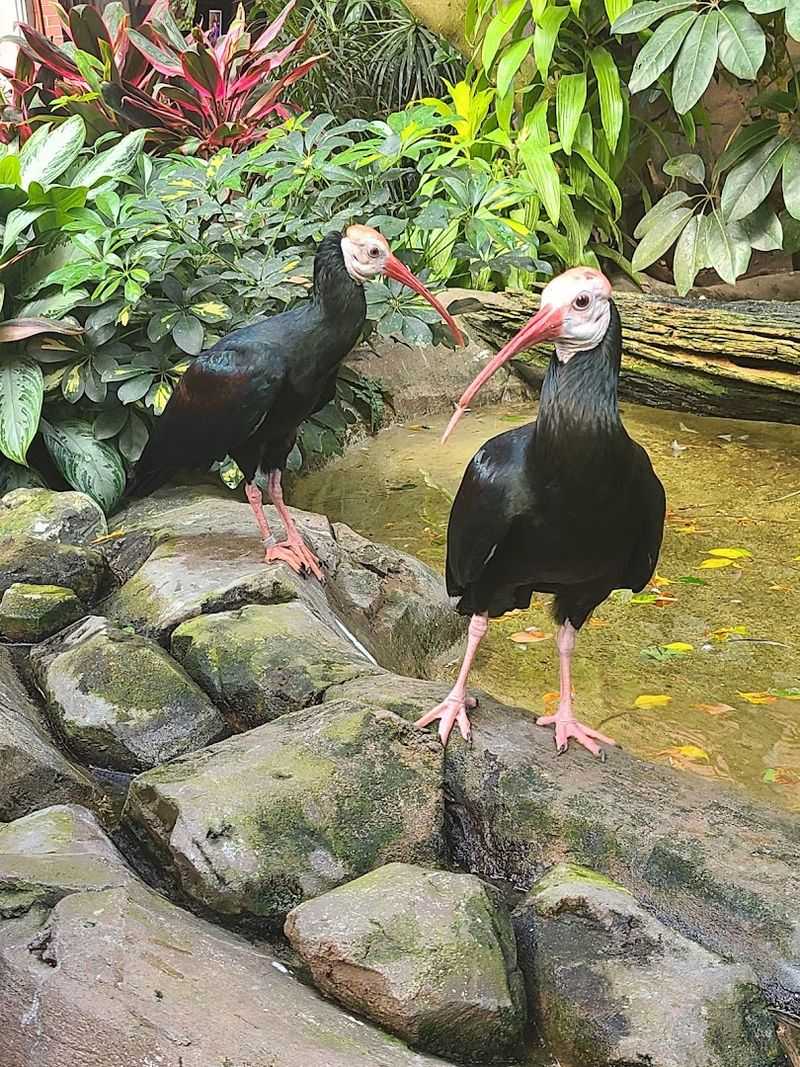
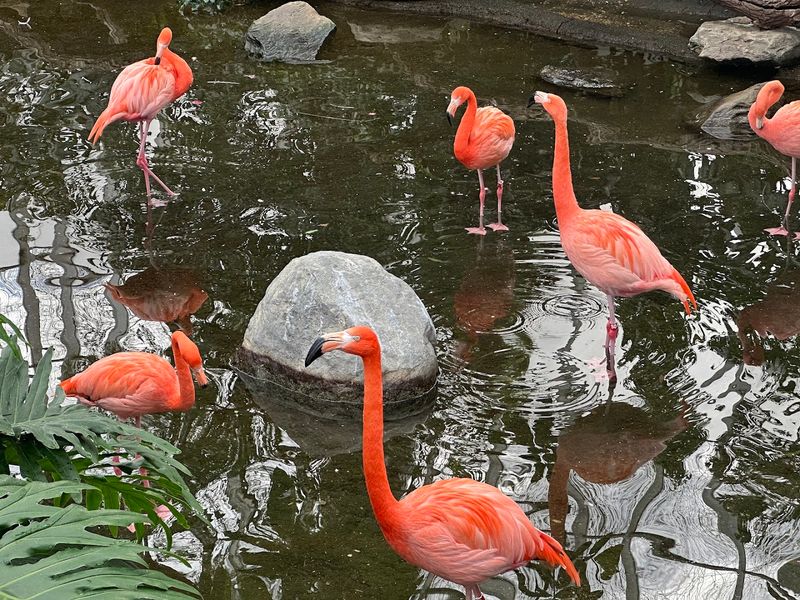
This is where long legs and longer bills rule the scene. Shallow pools reflect reeds and soft lights while ibises and spoonbills work the water like practiced chefs.
You get close enough to see the precise sweep that strains tiny snacks from the surface.
Check the schedule board near the entrance for feeding windows, then pick a rail spot a few minutes early. Keepers narrate calmly, describing diet, training cues, and how enrichment keeps minds busy.
It is science, theater, and quiet comedy when a bird snatches a fish with perfect confidence.
Pro tip for families: assign one person to listen while another snaps photos, then swap roles halfway through. That way nobody misses the quick behaviors that happen once.
If crowds stack up, shift to the far corner for surprisingly clear angles.
Footpaths can be slightly damp, so watch your step and give birds the space to choose their path. Resist the urge to point quickly since hands can look like food signals.
You will leave with a new respect for how wetlands turn patience into survival skills.
Raptor Ridge and Eagles
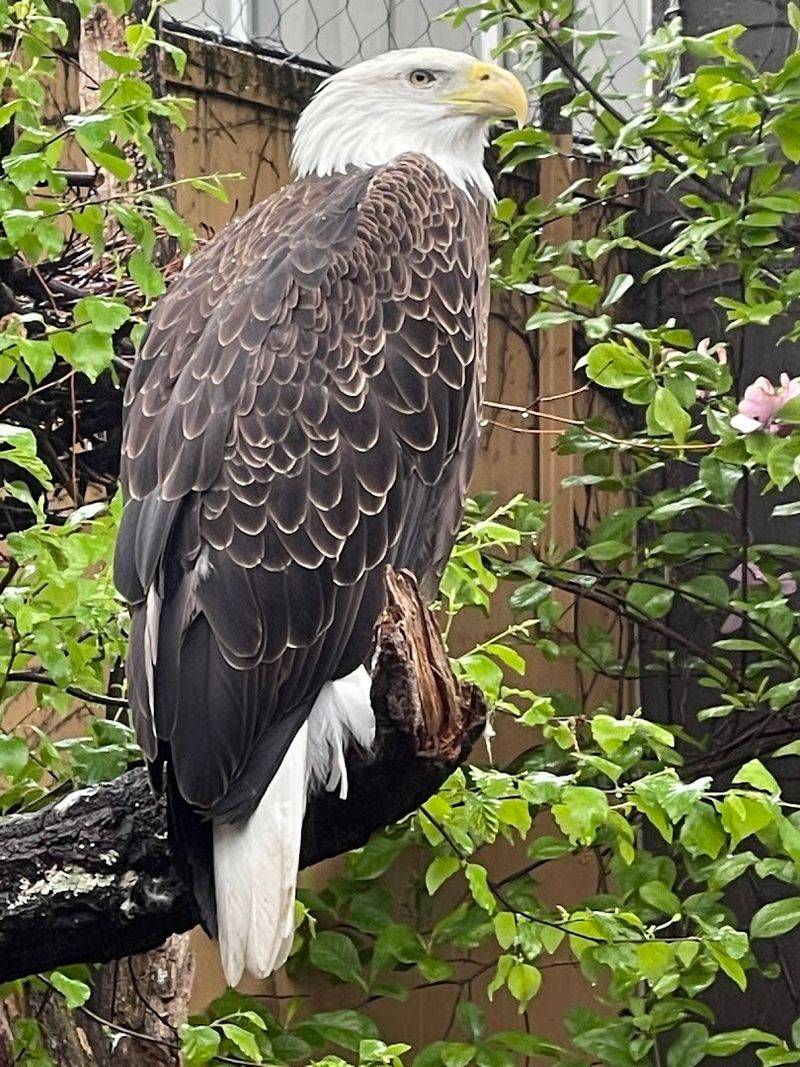
Power radiates from this corner, where size, silence, and focus meet. The first look at a Steller sea eagle stops most conversations mid sentence.
Talons like climbing gear, eyes locked, it feels like standing near a living legend.
Staff talk about training sessions that help with veterinary checks and mental stimulation. Those behind the scenes details make the connection feel honest and grounded.
You appreciate how daily care turns giant birds into confident partners for quick health assessments.
If you have kids, compare wingspan using your arm span as a rough stand in. Measuring end to end is a fun way to grasp scale without touching anything.
Bring questions about migration, diet, and feather replacement to spark a short keeper chat.
Crowds tend to surge after shows, so take a slower route and return ten minutes later. Photographers should aim for side light to accent feather texture and avoid harsh glare.
You will walk away awed by power, but also by the quiet professionalism keeping it safe.
Lorikeet Feeding Encounter
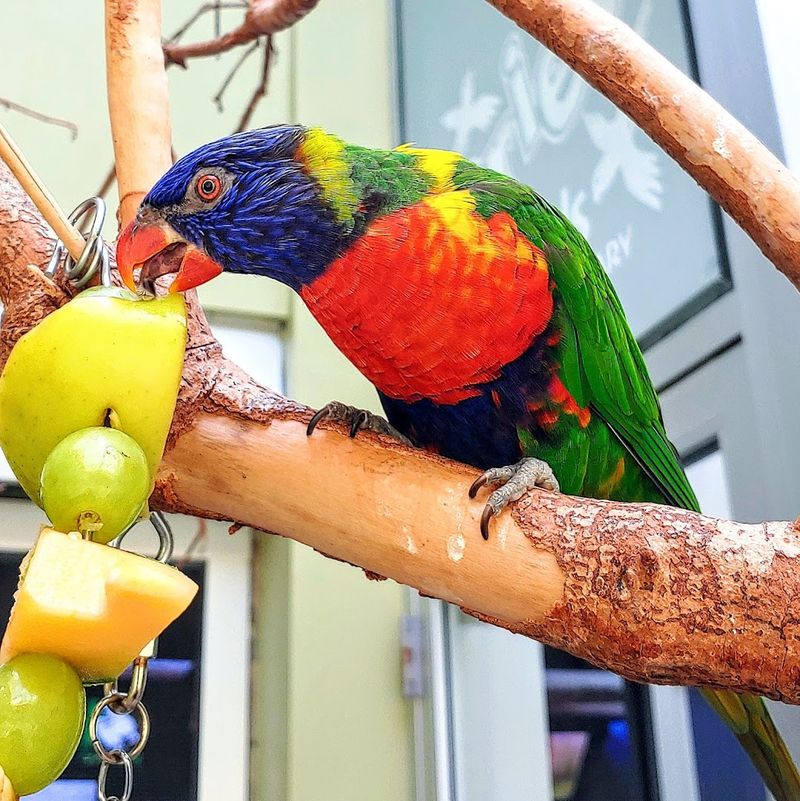
Bright feathers, brighter personalities, and the soft tickle of tiny feet set the tone here. A small cup of nectar turns you into a mobile perch within seconds.
The first sip arrives with a cheerful chirp, and nerves melt into laughter fast.
Staff give a clear briefing on gentle hands and mindful movements before opening the gate. Keep the cup low and steady so birds choose the approach.
You will hear helpful coaching from keepers who spot a perfect photo moment and guide everyone safely.
Wear a washable shirt and skip dangling jewelry to avoid unplanned souvenirs. Pocket your sunglasses so nothing competes with that nectar cup.
Kids do great when you model slow breathing and still arms for the first minute.
Encounters can sell out, so reserve online ahead of time, especially on weekends or holidays. If you miss a slot, ask about standby openings after the next session.
The experience is quick but memorable, and the birds clearly enjoy the routine.
Immersive Free-Flight Rooms
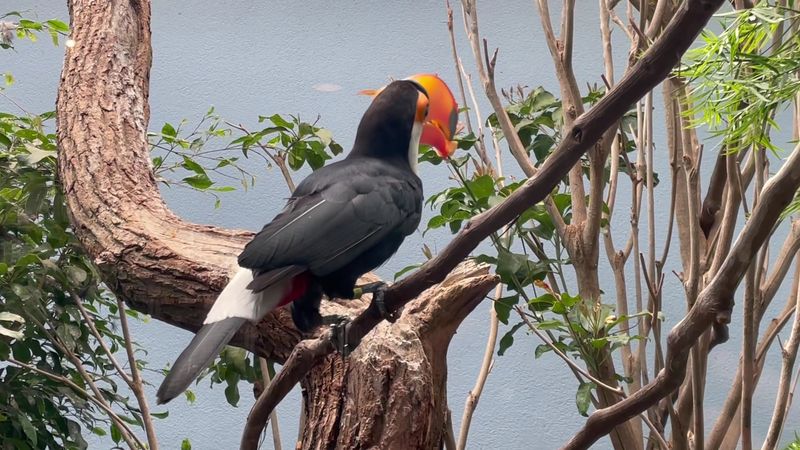
Few places let you stand this close to wildlife and still feel calm. Free flight rooms at the National Aviary are designed like living galleries, where space belongs to the birds first.
Your job is to move slowly, notice quietly, and let moments arrive.
Watch for small behaviors that reveal a lot, like a quick wing stretch before takeoff or a short tail flick after landing. These cues help you predict flight paths and avoid stepping into traffic.
Keepers circulate with reminders to give right of way and keep hands to yourself.
A comfortable pace looks like museum browsing, not hiking. Stop by perches near the back wall where activity funnels past without crowding.
If a bird chooses your shoulder rail, simply hold still and enjoy the gift.
Expect the occasional surprise from above, and treat it like a nature tax that buys bragging rights. Pack a small sanitizer and a sense of humor, then you are set.
This is the closest many of us will get to sharing space with truly wild instincts.
Daily Shows and Trainer Talks
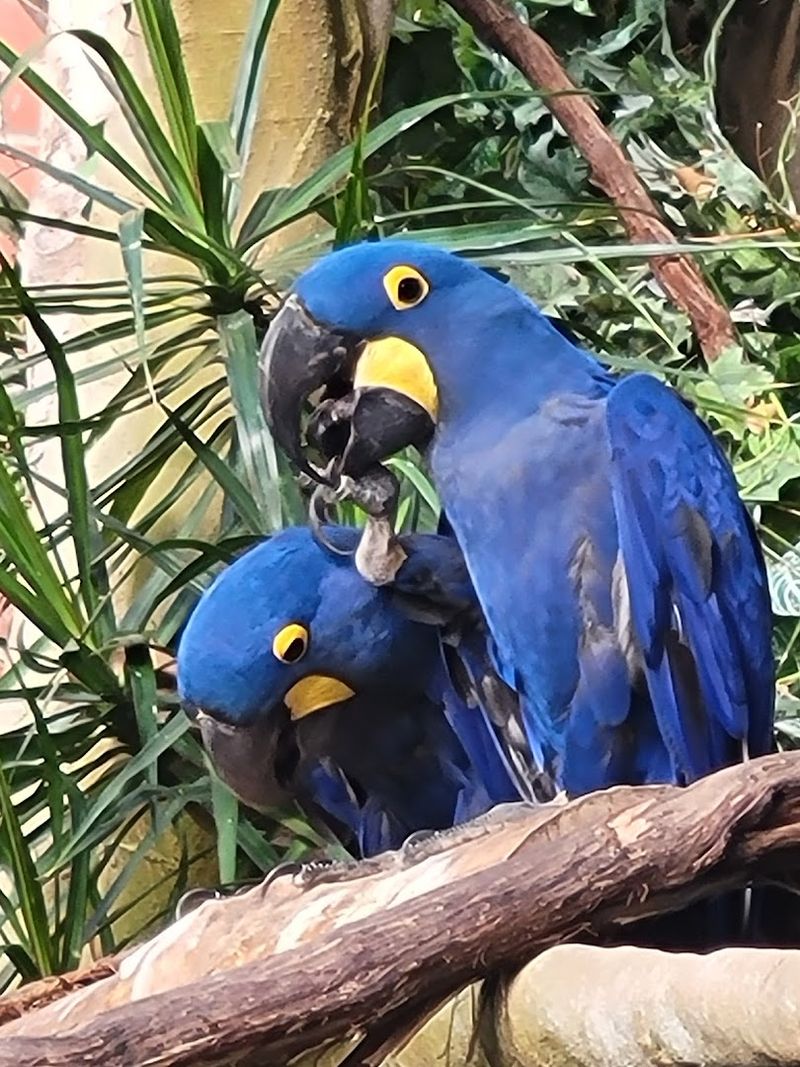
Scheduled programs add structure to a visit without locking you into a rigid timeline. Short shows introduce star birds and the training that supports their care.
You hear clear explanations about positive reinforcement while watching behaviors unfold gracefully.
Arrive five to ten minutes early for a center seat that still lets you exit smoothly. Trainers invite questions and keep the tone welcoming, even during busy weekends.
It never feels like a lecture, more like a conversation with feathered cameos.
Bring one focused question to make the moment stick in your memory. Asking about diet variety or enrichment toys often leads to cool details.
If a child raises a hand, staff balance safety and participation with real skill.
Check the app or the board near admissions for daily times, since schedules shift seasonally. Pair a show with a nearby habitat to deepen context, like raptors followed by a ridge visit.
You leave not just impressed, but better equipped to notice subtle behaviors elsewhere.
Conservation and Research Highlights
Behind the wow moments sits work that actually shifts outcomes for birds in the wild. The conservation exhibits highlight projects like breeding programs, field surveys, and community partnerships.
It is inspiring to see how a city institution connects to global habitats.
Look for panels that explain how genetic diversity is tracked across populations. Those graphics make complex science surprisingly approachable, even for younger guests.
Staff sometimes demo data collection tools and invite quick hands on practice.
If you want to help, ask about citizen science apps that log sightings around your neighborhood. Small contributions add up when many people participate consistently.
Donations at the kiosk can be targeted to specific initiatives you care about.
Before leaving, snap photos of the action steps board and set one reminder on your phone. Maybe that means planting native shrubs or attending a local bird count.
You walk away with a plan, not just warm feelings, which is the goal.
Family-Friendly Planning Tips
A smooth visit starts with simple choices that reduce stress. Book timed tickets, screenshot your QR codes, and arrive for opening to enjoy quiet paths.
Pack light so hands stay free for quick photos and curious pointing.
Stroller friendly routes make it easy to wander without backtracking. Activity stations offer coloring and quick challenges for kids who need a reset.
I like to schedule one paid encounter in the middle to anchor the day.
Snack breaks matter, so plan them around show times to avoid hangry lines. Hydration fountains help, and the cafe fills gaps without sticker shock.
If someone needs a sensory breather, step into the prairie room or a side corridor.
Parking can be tight, so budget a few extra minutes for the pay station or find nearby street spots. Weekends mean bigger crowds, but patience and small loops keep energy positive.
You will leave with happy kids, great photos, and enough energy left for the park outside.
Accessibility and Visitor Comfort
The layout is compact, which makes seeing everything realistic without marathon walking. Ramps, wide pathways, and clear signage make navigation straightforward for mobility aids.
Benches appear just when you need them, and staff gladly point out the quietest spots.
Family restrooms and an adult changing table signal thoughtful design, not afterthoughts. Lighting stays gentle in most areas so eyes adjust quickly between habitats.
If sound sensitivity is a concern, ask staff to suggest low traffic windows.
Bring layers since temperatures shift between rainforest humidity and cooler galleries. A small pack with sanitizer, tissues, and a lens cloth solves common hiccups.
Water fountains and the cafe keep everyone moving without leaving the building.
Service animals have guidelines, so call ahead if you have specific needs or timing questions. Posting your schedule near the entrance helps reunite quickly if a group separates.
Comfort makes curiosity easier, and that is exactly how this place shines.
Photography and Best Times to Visit
Great shots here start with timing and patience. Aim for opening hours or late afternoon when crowds thin and birds settle into routines.
Cloudy days are your friend because soft light reduces glare and contrast.
Set a moderate shutter speed for quick wing beats, then bump ISO rather than risk blur. Press your lens hood against glass at a slight angle to erase reflections.
A tiny microfiber cloth handles fog from humid habitats without scratching.
Respect distance and movement lines, letting birds choose proximity. Short bursts capture expressions you miss while chimping every frame.
If you shoot on a phone, try portrait mode near shade and tap to expose for feathers.
Build your route around two shows for behavior variety, then loop back to favorites. Keep gear minimal so hands stay free for balance and rail etiquette.
You will head home with crisp images and the story behind each frame.