Florida is brimming with rescue centers where you can get eye-to-eye with recovering animals while learning how to protect them. These are not petting zoos, but working hospitals and sanctuaries that reveal what real care looks like up close.
Expect practical tips, moving release stories, and clear ways your choices can prevent the next emergency. If you have ever wanted a meaningful encounter that actually helps, this list is your guide.
The Turtle Hospital (Marathon)
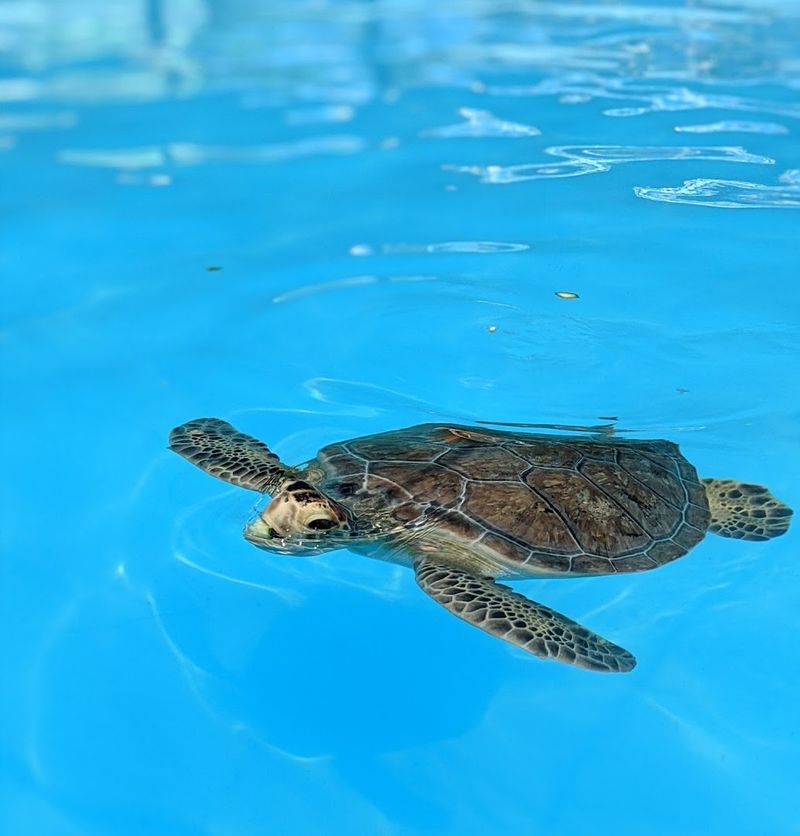
Step onto the dock in Marathon and you can watch green and loggerhead patients surface with curious eyes. Staff share rehab stories as turtles glide through recovery pools just feet away, and you feel that gentle splash when a flipper sends ripples outward.
I love how clearly they explain injuries from boat strikes and cold stun, then show the gear used for treatment.
Guided tours move at a relaxed pace, so you can linger by the intake tanks and ask sharp questions. Kids light up when they witness a feeding, and adults appreciate the frank talk about monofilament, plastics, and responsible boating.
Before you go, pick up a reusable straw and learn the proper way to cut fishing line if you ever spot an entangled animal.
Release days are the real tearjerkers. You and a beach crowd cheer as a rehabilitated turtle powers into the surf, and the team logs the moment for research.
If you want the closest view with purpose, book early, wear reef safe sunscreen, and bring questions that help rangers connect your choices at home to fewer patients here. Tours support surgeries, medications, and transport, so your ticket genuinely keeps the lifesaving work moving forward today.
Clearwater Marine Aquarium (Clearwater)
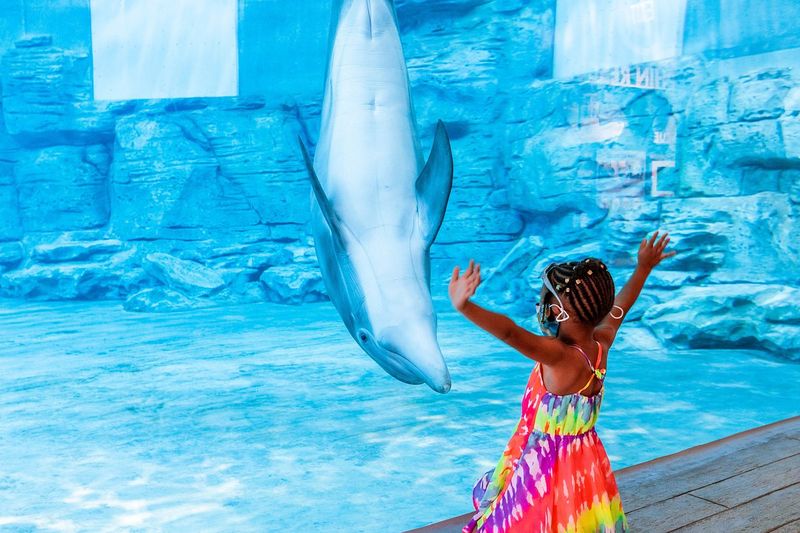
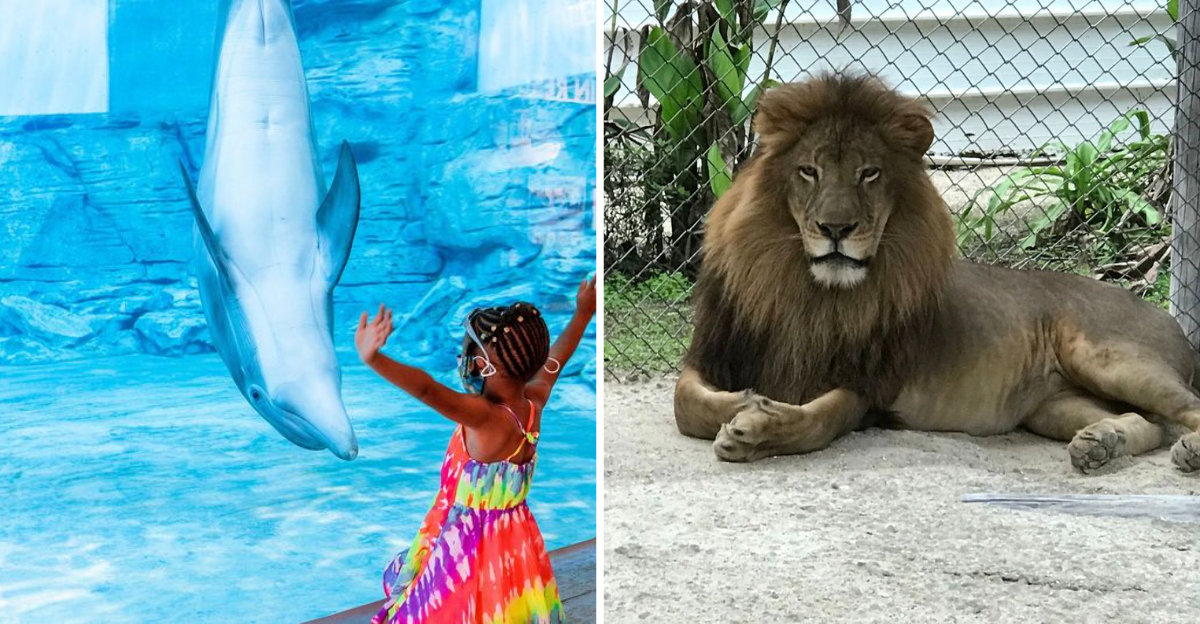
Famous for rescued dolphins, this working hospital puts you close to care without turning animals into performers. From elevated walkways, you look down into pools where resident dolphins and sea turtles rehab at their own pace.
Volunteers point out enrichment toys, explain why contact is limited, and share how specialized diets help patients rebuild strength safely.
The behind the scenes window is a gem, letting you watch vet techs prepare medications and sea grass smoothies. I like standing there a few minutes to notice the quiet routines that keep a hospital humming.
You can also schedule a responsible encounter, which focuses on observation and training cues that aid medical exams, not circus tricks.
Your visit matters when storms strand turtles or cold snaps stress manatees across the bay. Staff deploy quickly, and the education you absorb here helps you report sightings the right way, with precise locations and photos.
Before leaving, snap their hotline into your phone and commit to using trash free gear for beach days that animals can safely share. Choose reef safe sunscreen, skip single use bottles, and consider adopting a patient to fund formula, scans, and transport while you follow recovery updates by email each month.
Loggerhead Marinelife Center (Juno Beach)
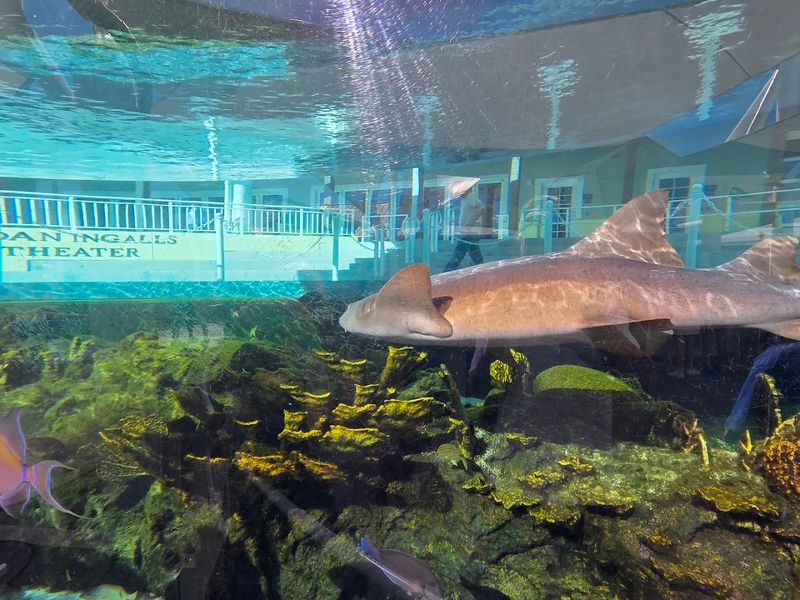
Right beside a sea turtle nesting beach, this center brings you within arm’s reach of real rehab work. Through acrylic windows, you can study shell damage, buoyancy issues, and the slow confidence that returns as patients complete swim tests.
Educators speak plainly about fishing hooks, beach lighting, and hatchling safe habits you can start tonight.
I like pausing by the treatment boards that list weights, meds, and milestones, so progress feels concrete. The outdoor tanks let you see natural sunlight on carapaces while staff describe how they adjust temperatures during cold events.
Kids press their noses to the glass, you take notes, and everyone walks away with practical beach etiquette that spares nests.
Finish with the boardwalk to the beach, where signage shows how to keep sand smooth and lights dim. On a lucky evening, you might witness a release, an unforgettable reminder that your donation fuels x rays, antibiotics, and safe transport.
Before you leave, commit to filling pits, packing out trash, and calling the hotline the second you see a stranded turtle. Ask docents for free nesting cards, share them with your rental group, and swap bright white bulbs for warm amber that keeps hatchlings oriented correctly home.
Navarre Beach Sea Turtle Conservation Center (Navarre)
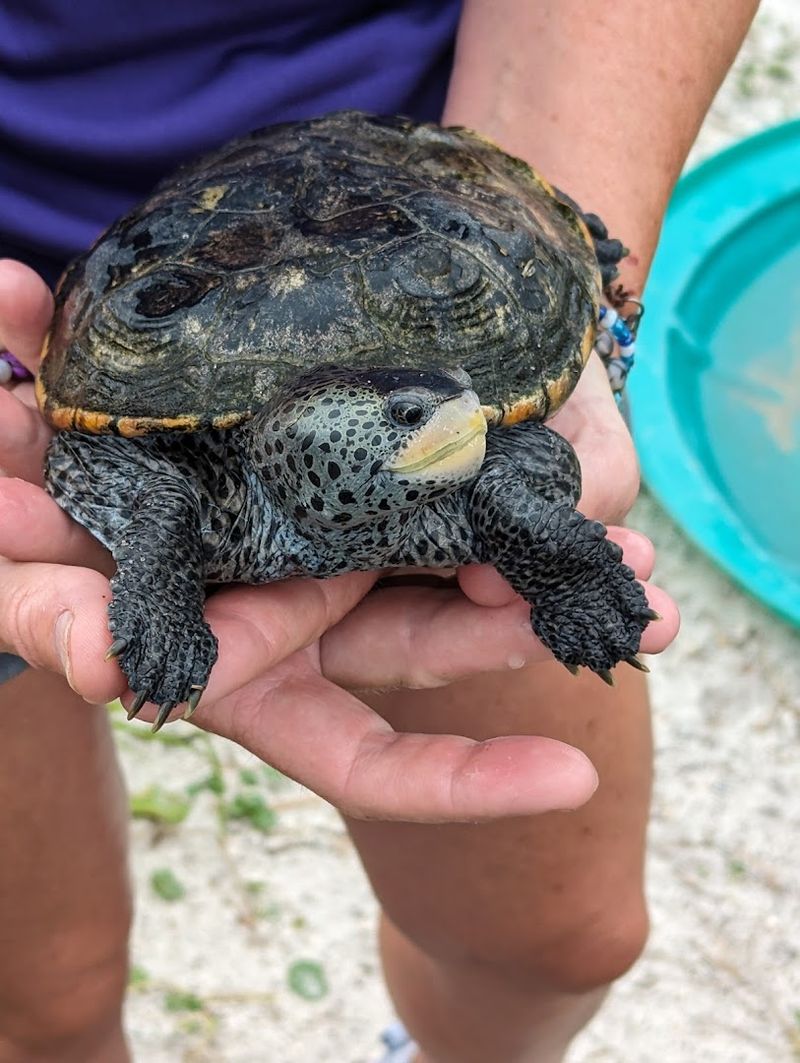
Small but mighty on the Panhandle, this center brings you face to face with ambassadors that teach gentle respect. An indoor tank holds a non releasable green turtle, and clear signage shows why lifetime care is necessary.
You can stand inches away, compare shell scutes, and watch the subtle breaths that reveal calm, steady recovery.
Staff do an excellent job connecting your beach habits to turtle survival. I appreciate their straight talk on nesting season, red tide updates, and the exact number to call if you encounter a disoriented hatchling.
Bring the family, ask about lighting friendly rentals, and grab a reusable bag for shells you actually should leave where you found them.
Before you go, bookmark their stranding map and follow social posts for timely volunteer needs. A quiet morning visit is best, then head to the public beach to practice leaving a clean, flat sand canvas.
With a few choices, you help reduce ghost nets, plastic balloon ribbons, and beach furniture hazards that otherwise turn patients into long term residents. Ask for local turtle friendly tour operators, choose dim waterfront dining, and pack a red flashlight filter so nighttime walks never confuse nesting moms or emerging hatchlings nearby.
Pelican Harbor Seabird Station (Miami)
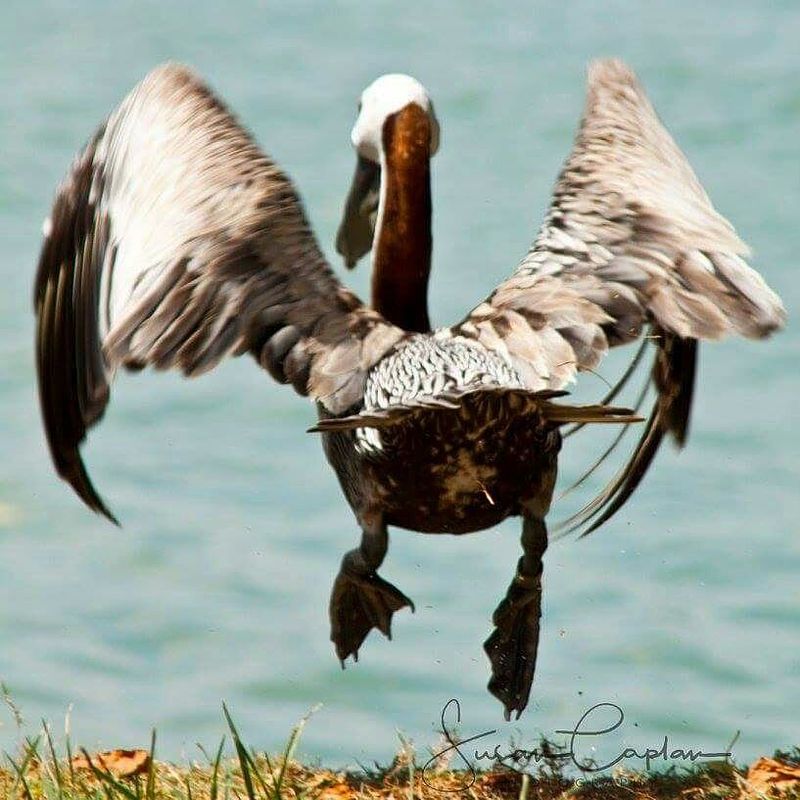
Just off Biscayne Bay, this bustling clinic treats pelicans, herons, frigatebirds, and the occasional hawk that tangled with fishing gear. From the deck, you can stand eye level with patient enclosures and watch careful handling through windows as exams and feedings unfold.
I always learn a practical tip for pier fishing that prevents another rescue call.
Feeding time feels like organized chaos in the best way. Volunteers move with calm speed, slipping fish to hooked patients while narrating how they remove barbs and flush wounds.
You get close without crossing lines thanks to railings and signage that keep stress low for birds relearning to self feed before release.
Before leaving, snap a photo of their hotline and monofilament bins around Miami’s causeways. If you paddleboard, keep a small towel and wire cutters in your dry bag so you can secure injured birds until help arrives.
Donate what you can, because fish, x rays, antibiotics, and boat fuel add up fast when calls spike after storms. Ask staff about safe rescue steps, practice the pelican burrito wrap, and save wildlife officers’ numbers in your phone so panicked moments turn into calm, effective action that shortens rehab times and improves release odds.
Audubon Center for Birds of Prey (Maitland)
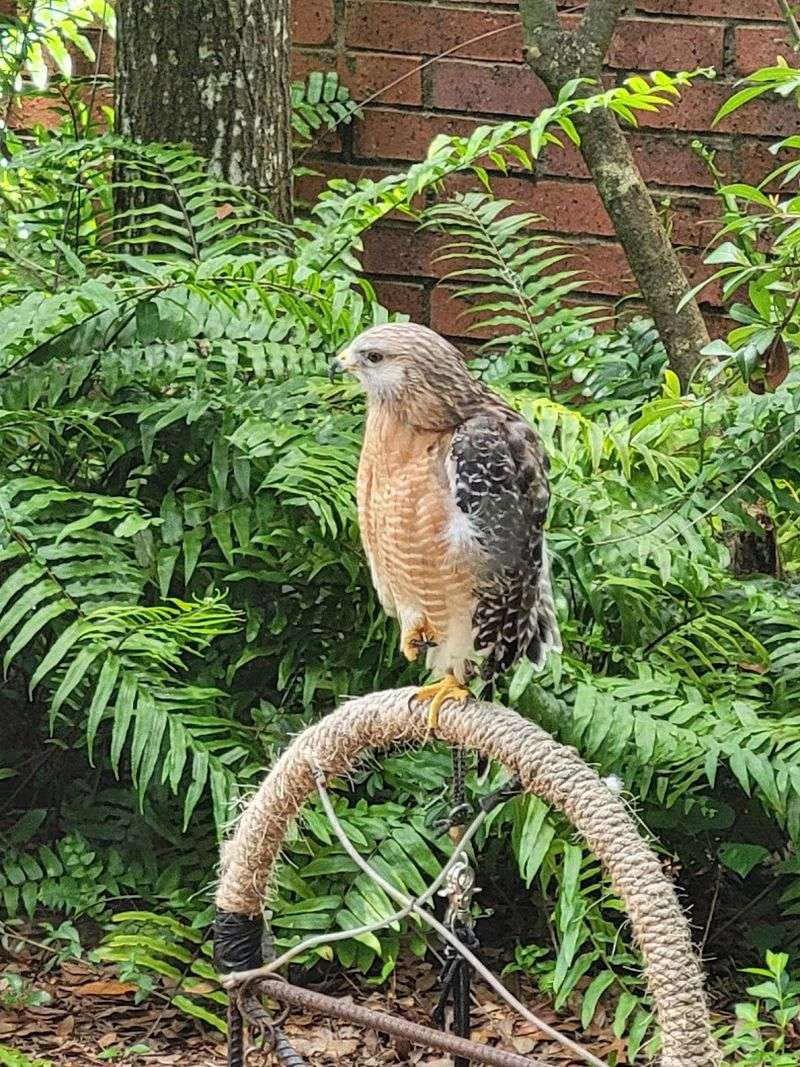
Raptors command the sky here, yet you can stand a few feet from eagles, owls, and hawks that cannot return to the wild. The center balances intimacy with respect, using perches and mews that let birds settle while you study plumage and equipment scars.
I appreciate how staff demonstrate safe handling and the reasons behind glove size.
Feeding demonstrations and training sessions are framed as healthcare, not entertainment. You learn how target sticks allow stress free exams and why certain birds become ambassadors after wing injuries.
Ask questions about rodenticide alternatives for your home, then pick up a simple plan to secure trash and remove attractants that draw prey and create secondary poisoning risks.
The flight barn is a highlight, showcasing rehab birds regaining stamina on long passes. Close viewing helps you notice wing symmetry, feather condition, and the exact moment a falcon decides to rest.
Before you leave, save the hotline, join a cleanup, and share owl friendly yard tips with neighbors who love night sounds as much as you. Swap poison bait for snap traps in covered boxes, seal entry gaps, and keep palm fronds trimmed so injured raptors are less likely to chase rodents near risky structures.
Busch Wildlife Sanctuary (Jupiter)
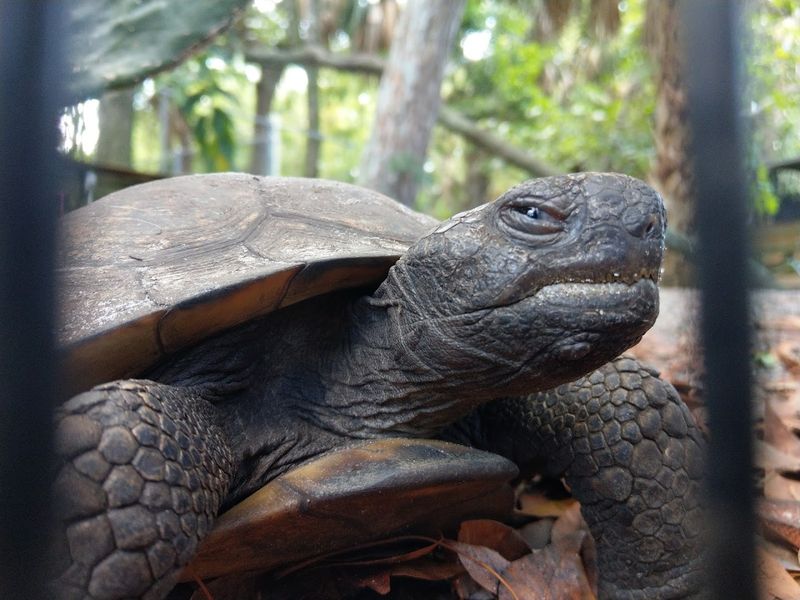
New habitats and a working hospital sit side by side, giving you transparent views of Florida natives healing up. From shaded boardwalks, you can watch otters tumble, foxes nap, and birds preen while staff share exactly how each animal came to be here.
I like the daily talks that thread empathy with actionable steps.
Animal encounters are designed for education, highlighting safe distances, enrichment, and the permits that govern rehab. You get close enough to notice whiskers and claw sheaths, yet messages stay consistent about not keeping wildlife as pets.
Bring questions about backyard coexisting and leave with tips for securing trash, protecting chickens, and planting natives that feed pollinators.
Before heading out, stop by the hospital window to see intake triage and x ray setups. Busy days follow storm fronts, so program the hotline and FWC number into your phone for quick reporting.
Support goes far here, funding fish, formula, vaccines, and releases that you might catch at sunrise along nearby beaches or boat ramps. Ask about predator proof coop designs, install motion lights angled downward, and choose wildlife friendly netting for gardens so rehab staff see fewer avoidable injuries from traps, tangled fencing, and fruit trees during seasons.
Flamingo Gardens (Davie)
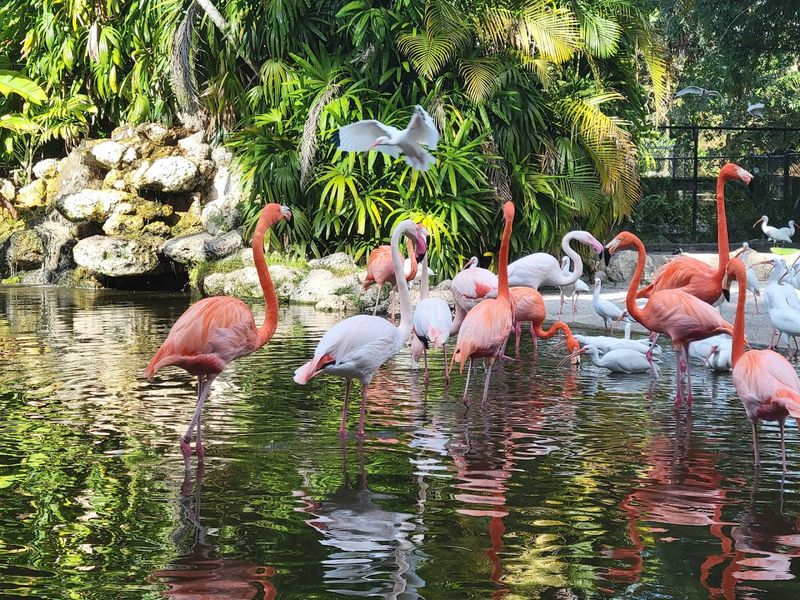
Part botanical wonder and part sanctuary, this nonprofit cares for permanently injured Florida natives alongside its famous flamingos. You can stand a breath away from spoonbills, pelicans, and owls in naturalistic aviaries while staff share rescue histories.
I enjoy the tram narration that ties storm damage, vehicle strikes, and habitat loss to real patients.
Up close does not mean hands on, and the team models that beautifully. Barriers are there to reduce stress, so your best photos often come when you pause quietly and let birds settle.
Bring polarized sunglasses, ask about enrichment times, and notice how keepers use target training to complete health checks with minimal fuss.
Before leaving, peek into the rehab areas to understand the pipeline from intake to release. You will hear straight talk about fishing line, rodent poisons, and the ways backyard choices ripple through the food web.
Consider adopting an animal to fund fish, medical imaging, fresh greens, and transport that help patients graduate back to wild waters and skies. Choose native plants over invasives, shield windows with decals to reduce strikes, and share hotline numbers with neighbors so injured birds reach professionals quickly instead of languishing unseen near patios and parking lots nearby.
Key West Wild Bird Rehabilitation Center (Key West)
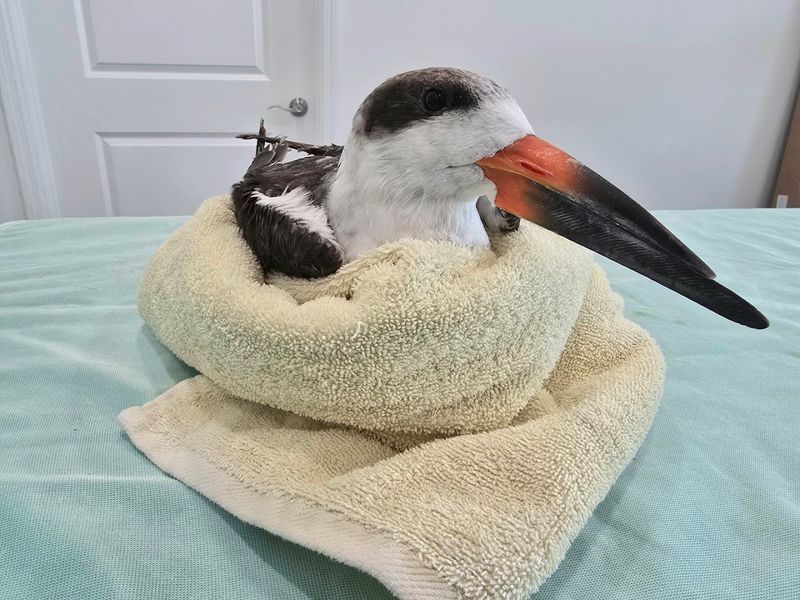
At the end of the Overseas Highway, this oceanside haven provides lifelong care for non releasable birds and triage for new arrivals. Boardwalks wind past pelicans, herons, and ospreys, letting you watch preening and stretching from just a few feet away.
I appreciate the calm vibe that keeps stress low during busy feeding windows.
Close viewing is possible because the habitats are thoughtfully arranged with perches, shade, and salt air flowing through. You can linger as long as you like, study bills and feathers, and ask volunteers how each bird came in.
The stories stick, especially when you hear about fishing leaders, hooks, and plastic that cut flight short.
Before you go, grab the hotline number, donate fish, and promise to pack out every scrap from your next sandbar picnic. If you fish the bridges, stash extra dehookers and practice safe handling steps so a snagged pelican gets real help quickly.
One thoughtful change from you today could mean a clean, strong release tomorrow. Ask about volunteer cleanups, bring a small cooler for injured birds if directed, and learn how to safely cover eyes with a towel to calm struggling patients while you wait for licensed responders on the causeway.
Octagon Wildlife Sanctuary (Punta Gorda)
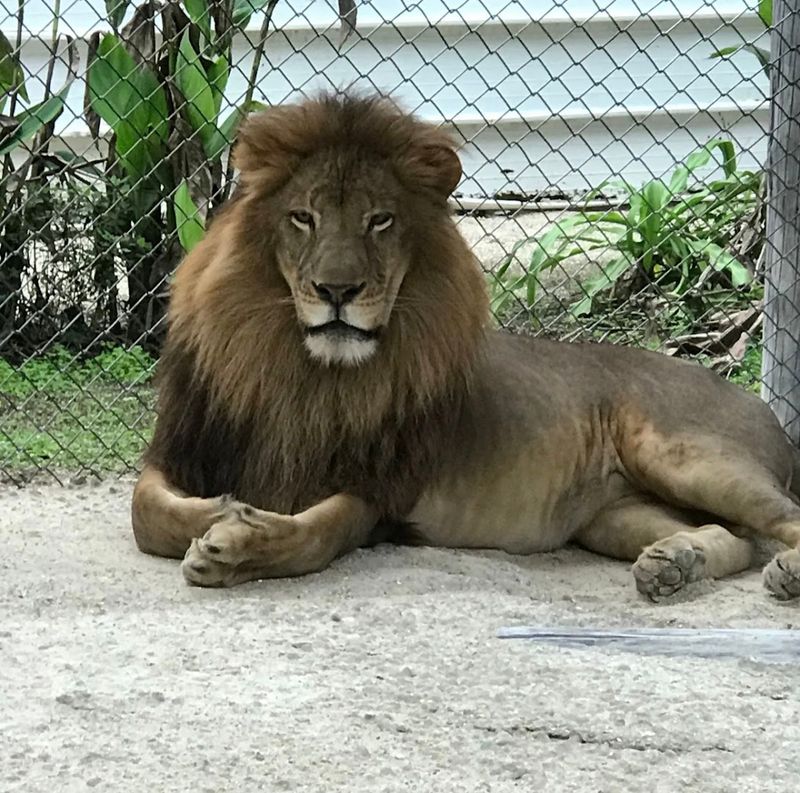
Big rescues sometimes mean big animals, and this longtime sanctuary gives retired exotics a peaceful, spacious home. From safe distances, you can watch tigers chuff, bears forage, and primates lounge while caretakers explain enrichment and specialized diets.
I value the honesty about past lives in roadside attractions and the patience required to rebuild trust.
Their mission centers on lifetime care, not breeding or performances, and you feel that in the slow, steady routines. Close means present, not touch, so you learn to read body language and let animals set the timeline.
Keep voices low, use a modest zoom, and ask staff how you can help from home beyond donations.
Simple choices matter, like refusing cub petting attractions and reporting illegal sales when you see them online. Support here funds fresh produce, veterinary care, and enrichment that helps animals relax into safer behaviors.
If you want a deeper look, book a guided visit, arrive early, and bring thoughtful questions that respect boundaries and reveal how rescues operate. Share reputable sanctuaries with friends, check for transparency on permits and finances, and choose cruelty free entertainment so fewer animals end up needing permanent homes after years of stress in inadequate roadside facilities everywhere.
Sawgrass Nature Center and Wildlife Hospital (Coral Springs)
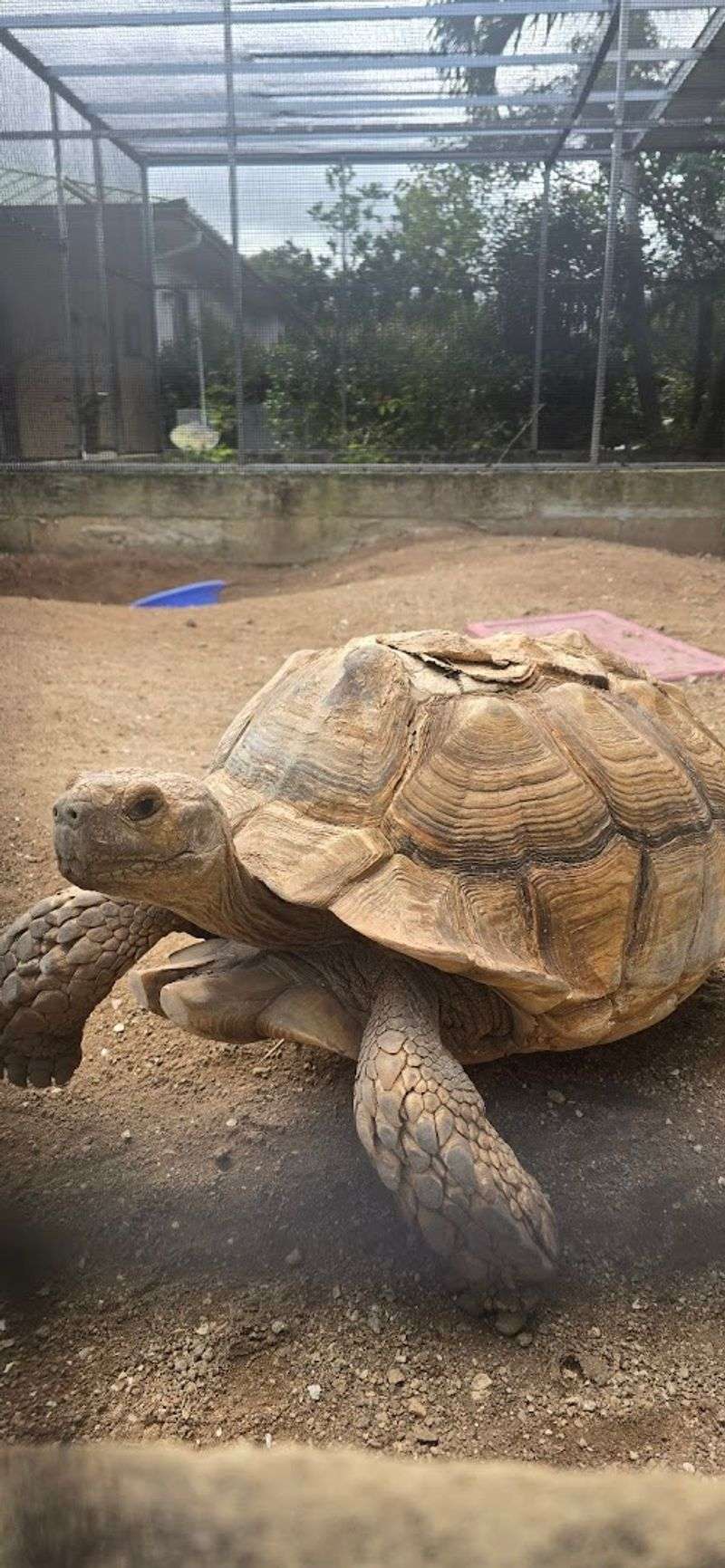
Hidden in a suburban park, this hospital treats songbirds, reptiles, small mammals, and raptors from Broward neighborhoods. You can peer through windows at intake, watch feedings in outdoor habitats, and ask how to keep common backyard patients from getting hurt.
I like how approachable the team is with real world advice.
Close encounters come with education about safe handling and the legal limits on touching wildlife. Staff demonstrate simple nesting box designs, show the gear they use, and explain why fledglings should be left alone most of the time.
You leave ready to secure vents, cap chimneys, and tape windows during construction to protect wandering snakes and birds.
Before you head home, program the hotline, gather a basic rescue kit, and save the address for future drop offs. Donations fund formula, x rays, medications, and release supplies that volunteers carry into parks at sunrise.
Share their guidance with neighbors so fewer baby bunnies, opossums, and owls land here because curiosity led to preventable harm. Ask how to reunite healthy fledglings with parents, skip pesticides, keep pets indoors at dusk, and install window decals so rehab staff can focus on true emergencies instead of avoidable collisions, poisonings, and cat related injuries.