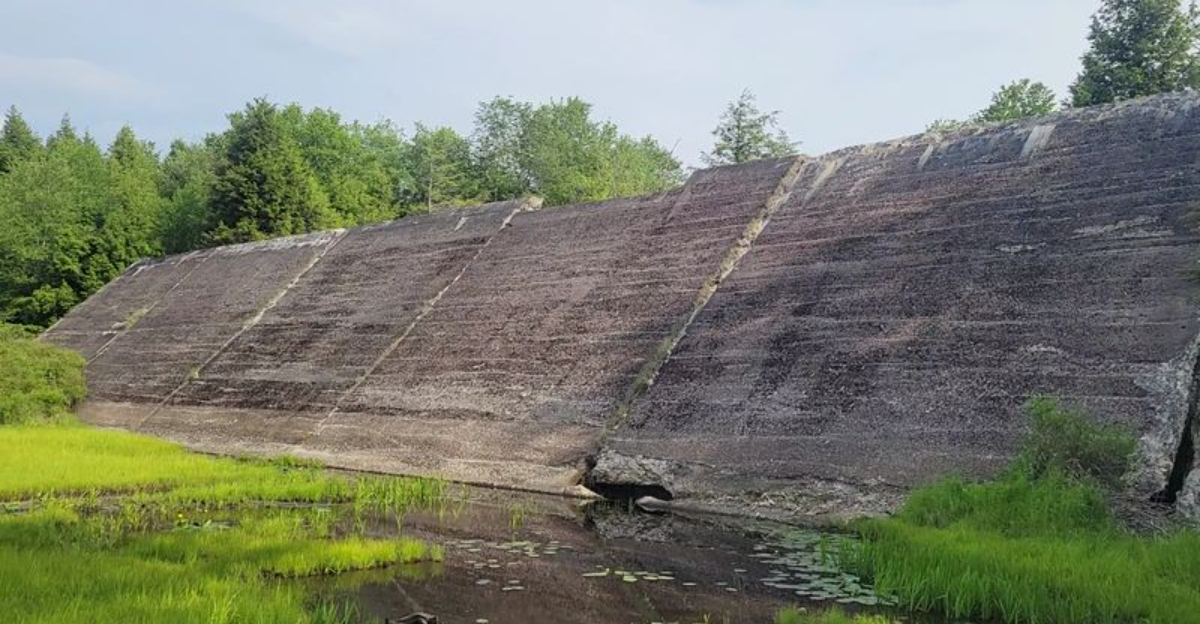
Tucked behind a quiet lakeside in Sweet Valley, a short, almost secret walk leads to the remnants of Lake Leigh Dam. Most people never notice it, yet the concrete walls and mossy spillway reveal a century of stories within minutes of leaving the parking lot.
If you like easy trails, quiet wetlands, and a touch of forgotten engineering, this place feels made for you. Bring curiosity and a camera, because subtle details reward a patient eye.
Getting There The Easy Way
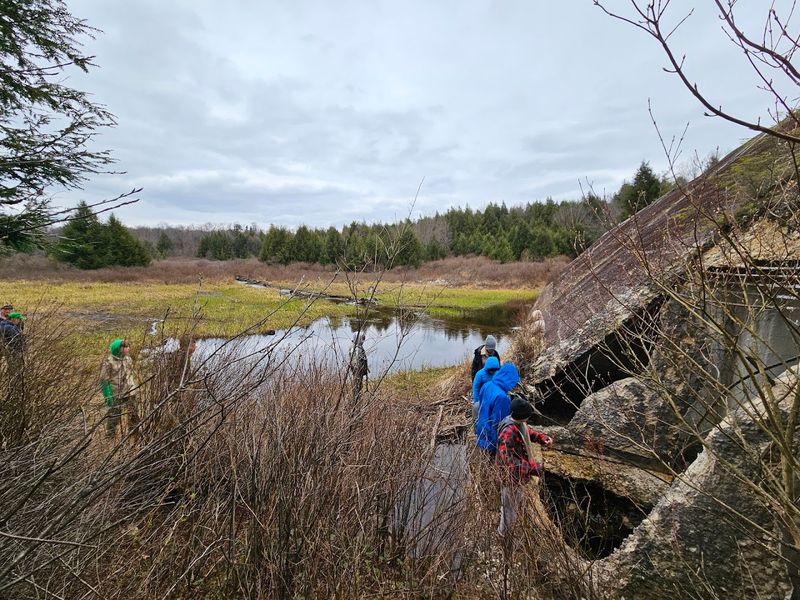
Park at the second lot by Lake Leigh, then follow the access road past the quiet private cabins. Keep a steady pace along the gravel as the grade stays kind to tired knees.
When the road ends, bear left onto Cherry Run Trail, and the dam appears almost without warning.
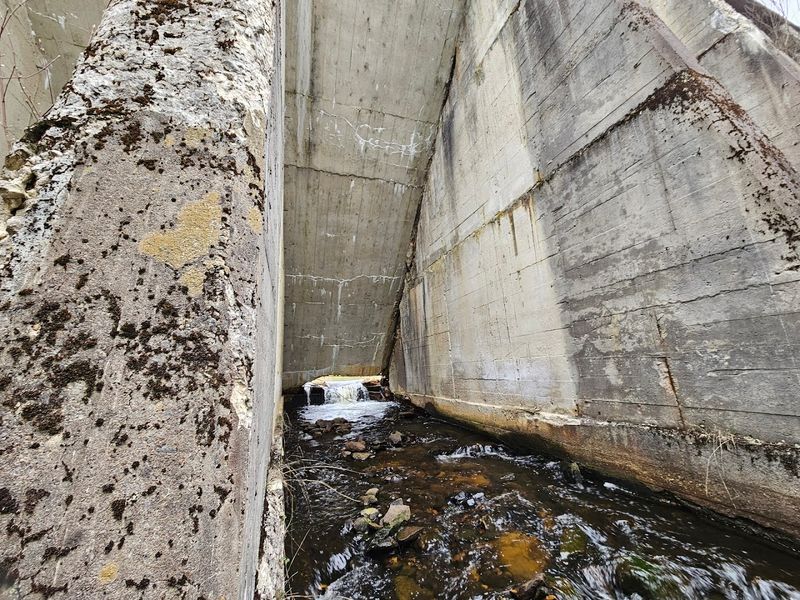
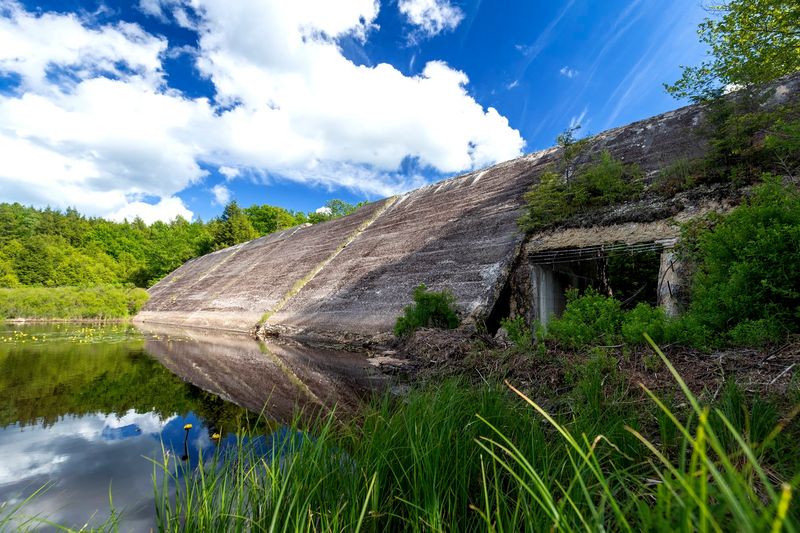
Allow time to poke around the west end where old pipe outlets sit like relics. To the east, a mossy spillway hides in plain sight beneath ferns.
Bring a downloaded map since cell reception drops out quickly, and mark your return turn so the walk back stays just as simple.
Expect beaver work along the wetland that replaced the drained lake, with birds rising from cattails. Watch footing on broken concrete near the face.
Give yourself space to take it in, because the moment the structure resolves from trees feels like stepping through time in a pocket of quiet still.
Start late afternoon for soft light on the walls, but carry a headlamp if you linger. Restrooms near the lot are handy, and the trail remains friendly after rain.
You reach history in minutes, yet the scene stays hushed enough that your steps sound louder than the creek at dusk.
What The Engineering Still Shows
Look closely at the crest and you will notice rebar poking through the top in rusty tufts. Sections of concrete show honest weathering from a century of freeze and thaw.
Holes hammered through the structure once emptied the impoundment, leaving patterns that read like field notes from another era entirely.
The west end still guards pipe based outlets that hint at planned water use. Their fittings are quiet now, but alignment across the channel explains intent.
Stand there a minute and you can picture crews measuring elevations, eyes on rod and level, while water pressed insistent shoulders against the wall.
Follow subtle grading to the east and a channel spillway emerges under moss and leaf litter. Edges appear softened, though geometry remains readable to anyone who has walked construction sites.
It is instructive without being fenced off by signage, a classroom that asks you to slow your pace and notice.
Please give the structure respect, because fractured blocks can shift under weight. Step away from open voids, keep pets close, and skip scrambling on crumbling lift lines.
You will still gather detail from safe vantage points, and your photos will thank you for the cleaner angles along stable ground today.
Wildlife And Seasonal Moods
Even on quiet days the drained lake bed feels alive, stitched with cattails, sedges, and beaver handiwork. Birds flash from the wetland in surprise, sometimes a pheasant lifting so suddenly you only catch sound and color.
Stand still for a minute and the place begins sharing its small routines again.
In spring you catch chorus frogs and fresh green along the spillway seams. Summer brings dragonflies and warm breezes across the open basin.
By fall the colors tuck into the concrete textures, and low sun paints long bands of light that make even rebar seem sculptural from the right angle.
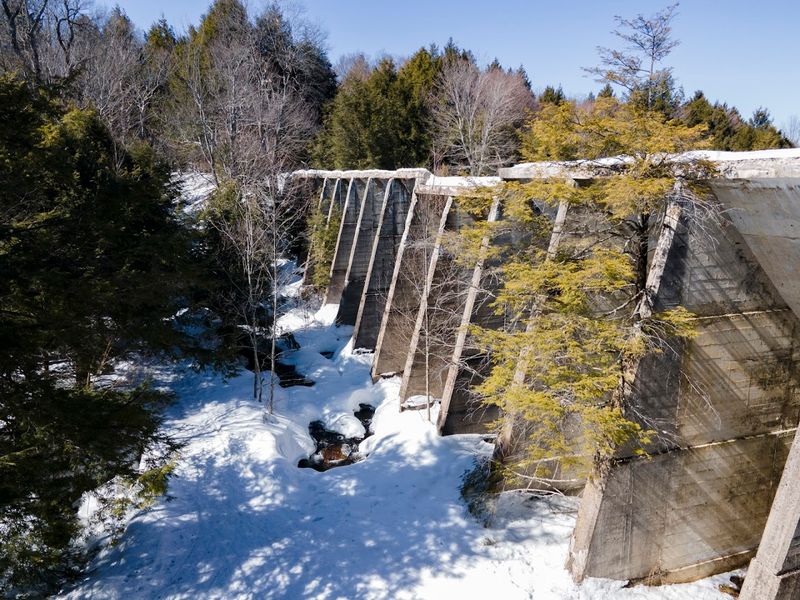
Winter quiets traffic and exposes lines you miss under leaves. Footprints track fox routes and squirrels puzzle over your presence near the face.
Dress warm, carry traction if ice glazes the road, and let the stillness reset your pace before following the easy grade back toward the lot today here.
Please keep noise modest and give space to nests and beaver lodges. Your patience rewards you with better sightings and cleaner photos anyway.
Bring binoculars if you have them, and download a bird list before arriving since service fades to zero once the trees crowd the last turn each season.
Photography Tips At The Dam
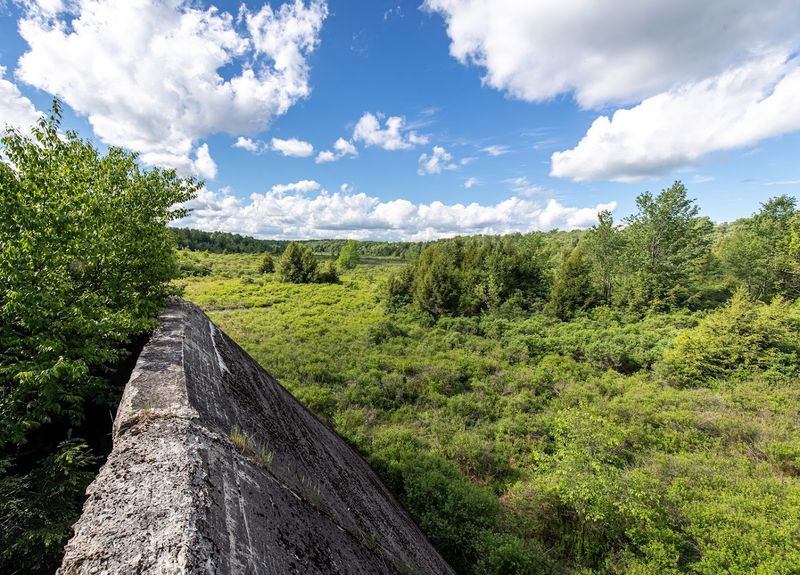
Angles matter here because the dam hides in trees until you are nearly on top of it. Back up along the approach and use the converging road as a leading line.
Early or late light grazes textures, so plan for golden hour and pack a tripod to steady handheld exposures.
Wide lenses frame the wall against the wetland, while a short teleflattens layers for abstract studies. Try bracketing a few shots because bright sky and shaded concrete can fool metering.
Polarizers tame glare on water pockets, yet taking it off restores sparkle when dragonflies buzz or ripples catch the sun.
Footing comes first, so keep a safe stance and skip perching on fractured blocks. If mist rises, shield gear and wipe lenses often.
A microfiber cloth and a simple rain sleeve weigh almost nothing, and you will appreciate both when drizzle drifts across the opening where the basin meets trees.
Please avoid drones during peak wildlife hours and give visitors room to wander. You can still capture sweeping context from the access road or the spillway ridge.
Frame a final shot of your boot prints fading in gravel, a reminder that quiet places reward those who move with care gently.
History In Brief
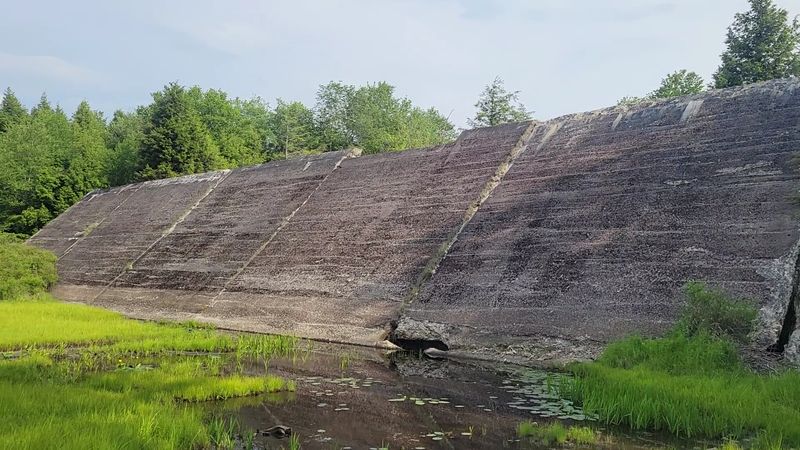
Stories say the lake was drained in 1956, and the basin has been shifting toward wetland ever since. That decision left an unfinished chapter written across concrete, rebar, and silt.
Standing here connects headlines about failing bridges with the craft of builders who worked slopes and forms by hand daily.
Engineering intent is still legible if you squint a little at the spillway and outlets. You can read flow paths and staging areas the way a track reader studies prints.
It helps to imagine survey tripods, wooden templates, and field notes tucked in jackets as crews trusted simple instruments outside.
Local visitors mention the old bulldozer road and easy access from the beach lot. That practicality fits the place, because the walk feels more like a neighborhood errand than a backcountry push.
By design or luck, the approach invites reflection, giving you time to notice details most travelers miss nearby.
Calling it abandoned misses the truth, since nature claimed ownership with patience and precision. Beaver dams borrow the concrete walls, and birds have made the basin an address.
History here keeps evolving quietly, which is the best reason to tread gently and leave the place as you found it today.
Practical Tips For Your Visit
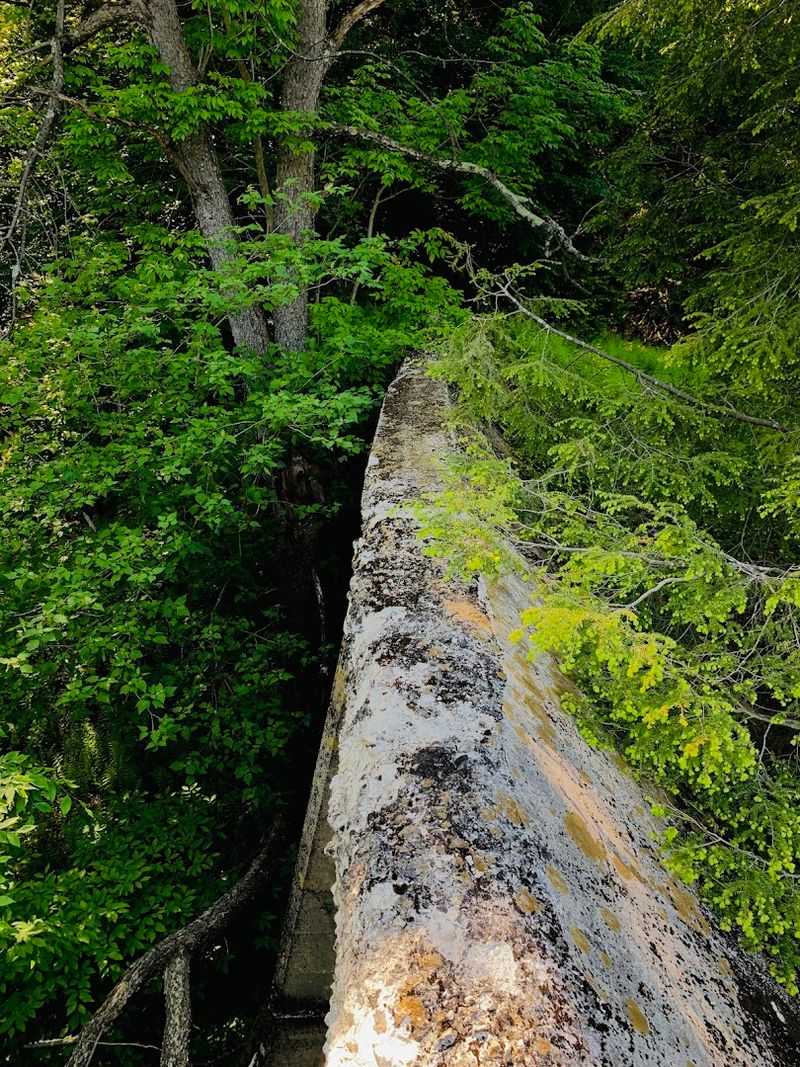
Reception is spotty to nonexistent, so preload maps, bird lists, and a weather check at home. Screenshots work in a pinch and save battery in cool months.
Share your plan with a friend if solo, then set your phone to airplane mode and enjoy the rare silence along the road.
The shortest route starts from the second parking lot, which also puts restrooms nearby. Footwear can be simple, since most of the walk is access road with minimal grade.
After rain, expect slick leaves around the spillway and small puddles that mirror sky, helpful for photos but messy for ankles.
Pack quiet snacks and a small trash bag so nothing escapes your pockets. Keep dogs leashed near the wall and skip throwing sticks into the wetland.
You will feel better leaving no trace, and the site stays pleasant for the next set of footsteps following your prints toward the trees.
Sunrise to sunset works well, but late afternoon often brings the calmest mood. Give yourself an hour to wander, plus extra time for photos.
The hike is short, yet the place lingers in memory, which is the best gift a small corner of Pennsylvania can offer on a weekday visit.
Respecting The Site
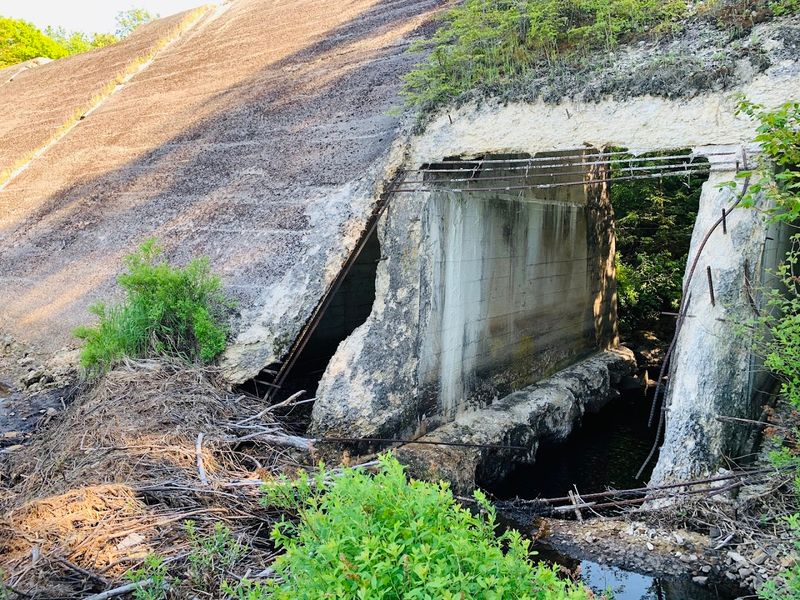
Concrete can tempt climbing, and that is where ankles lose arguments. Keep to solid ground and admire the textures from a safe distance.
Friends will thank you for coming home without scrapes, and your photos will actually improve because your angles stay thoughtful instead of improvised on crumbling edges nearby.
Give wildlife right of way, especially along the wet basin where nests hide in grasses. Resist tossing snacks, be patient at bottlenecks, and greet other hikers so everyone feels welcome.
Simple courtesy keeps the place calm, which is why rare birds still pause here instead of detouring toward noisier water.
Please photograph, not remove, intriguing pieces like old fittings or patterned fragments. Pack a pencil to jot observations, then leave the artifacts where they sit.
Future visitors gain insight when features remain in context, and you get to be the traveler who noticed carefully and walked away having done right.
On the way out, share directions only with people who seem genuinely curious and respectful. This spot remains peaceful because crowds pass it by.
Help keep that magic intact by modeling good habits, moving quietly, and leaving the dam a little better than you found it, even if only cleaner.
Sounds And Quiet Moments
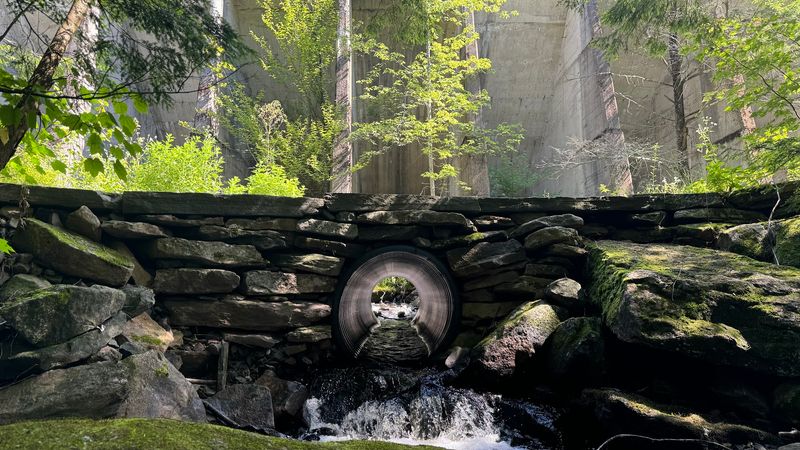
Stand by the spillway and let the hush settle in. Water taps through seams like a metronome for the trees, and wind combs the hemlocks with a soft, steady rasp.
If you pause your steps, you hear the creek practicing small conversations beneath mossy rocks.
Bird calls rise and fall in patient layers, nothing urgent, just time stretching. On quieter weekdays you might catch the far clink of loose rivets shifting as temperatures change.
Let those textures guide your pace, and you will leave speaking lower, like the forest taught you. You notice your breath matching the rhythm out here.
Trail Conditions After Rain
After a soaking storm, the approach feels different underfoot. Gravel firms in some stretches and turns to marbles in others, so place each step rather than cruising.
Low edges along Cherry Run Trail gather slick clay, and the roots hide beneath tannin water that looks shallow but is not.
Give the dam face a berth where puddles pool near crumbling concrete. Trekking poles help, not for distance but for testing what seems solid.
If the forecast hints at sun, start early and you will watch steam lift in ribbons, leaving the air smelling clean, metallic, and hopeful.
Local Legends And Rumors
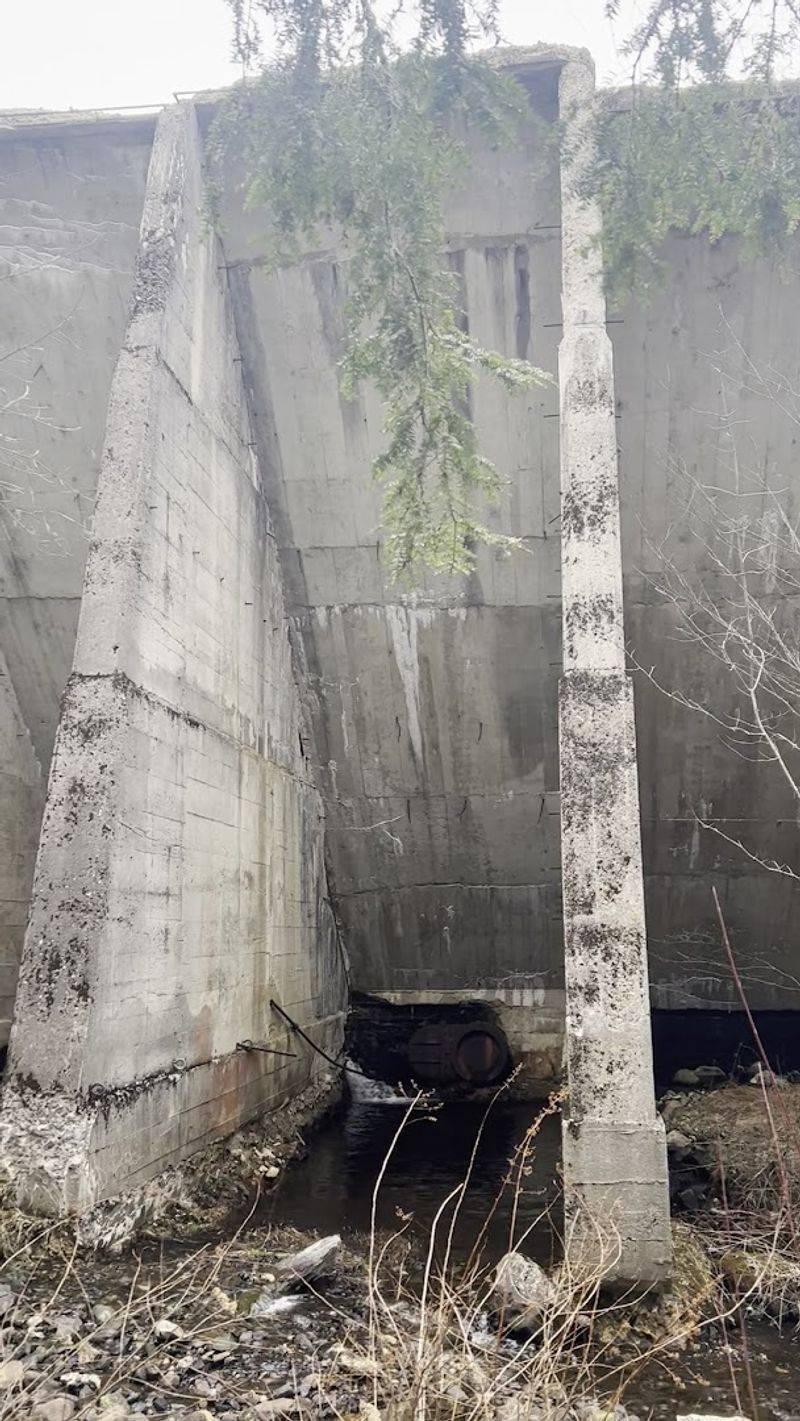
Ask around town and you hear quiet stories tied to the reservoir that never filled right. Someone swears they saw a lantern bobbing across the wall at dusk, just where the handrail ends.
Another remembers Sunday picnics before the repairs stalled, the laughter carrying farther than it should.
Whether any of it happened hardly matters. You arrive and add your own small rumor, maybe just a breath held on the catwalk when wind picks up.
Tell a friend, come back in autumn, and compare notes with the creek. The best legends are invitations you help write by walking.