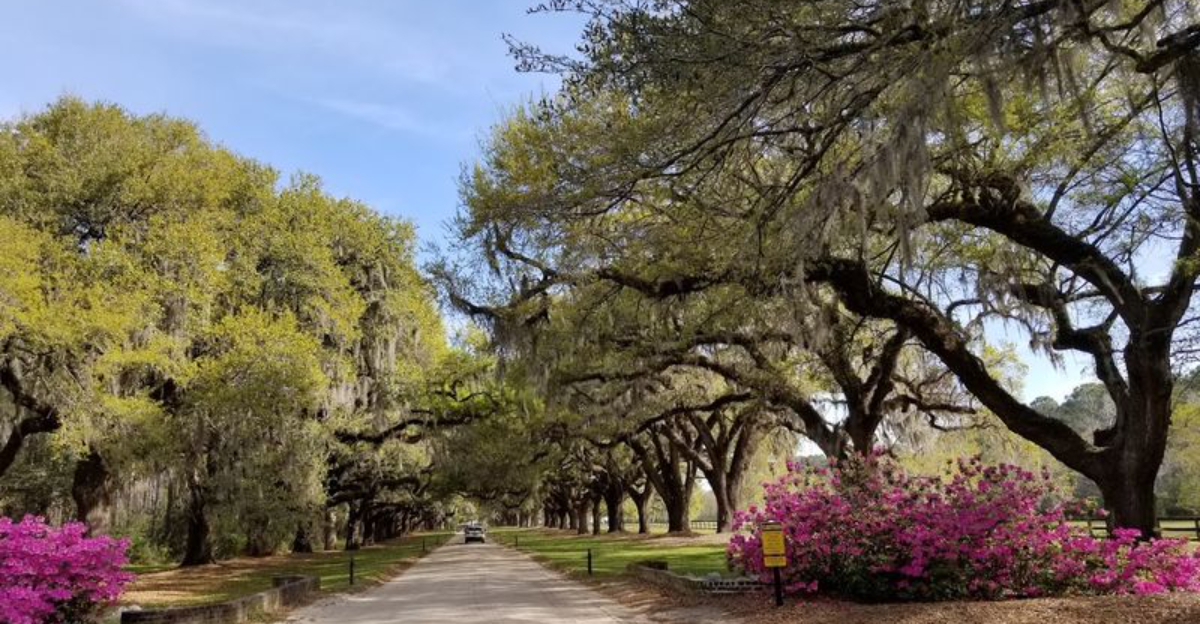
South Carolina holds a living landmark where time seems to slow the moment you arrive. At Boone Hall Plantation & Gardens, the Avenue of Oaks frames a nearly mile long approach that has been mesmerizing visitors for centuries.
You get rich history, powerful storytelling, and photogenic beauty all in one stop. Plan just a few hours and you may end up wanting the entire afternoon.
Avenue of Oaks
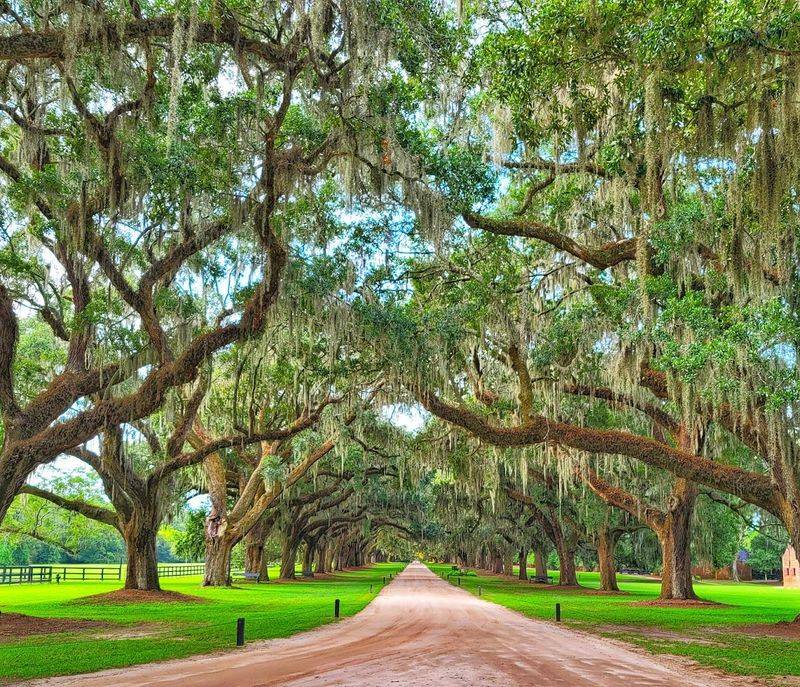
The first glimpse through the canopy almost steals your breath. Sunlight slips between centuries old branches, and Spanish moss hangs like veils that sway gently in the coastal breeze.
Walk slowly, because every few steps the perspective changes, offering a new frame you will want to capture.
You will notice how the sandy drive brightens the tunnel, allowing that soft Charleston glow to bounce upward. Arrive just after opening or in late afternoon for calmer foot traffic and kinder light.
A quick tip helps photos significantly: step to the side and use the road’s curve for depth.
History sits in the hush here. Many enslaved people once moved along this same approach, and acknowledging that reality adds weight to the beauty you see.
Pause midway, listen for birds, and read onsite materials so your images carry context.
Bring comfortable shoes, because you will zigzag for the best vantage points. Shift your angle low to emphasize the cathedral effect, or shoot vertical to highlight moss details.
If it just rained, reflections in puddles can deliver mirror like frames that feel timeless.
Gullah Culture Presentation
Stories shared here connect language, resilience, and craft to the very soil under your feet. An interpreter weaves history with lived experience, giving you phrases, rhythms, and perspectives that stick long after the session ends.
Take a notebook, because details arrive quickly and meaningfully.
You will hear about rice cultivation, spirituals, and how traditions carried across generations despite brutal conditions. Listen for root words you might recognize, then practice respectful questions that invite deeper conversation.
Afterward, examine exhibits that link the talk to objects, timelines, and personal accounts.
These moments ask for presence. Put the phone down for part of it so you can receive the cadence and nuance in full.
If traveling with kids, prep them with a simple overview of Gullah history and why attentive listening matters.
Support local artisans when available, especially basket makers whose work represents patience and heritage. Read placards before purchasing, so you understand materials and time invested.
When you share what you learned, cite the presenter’s name if provided and add context about the land.
Slave Cabins and Black History in America Exhibit
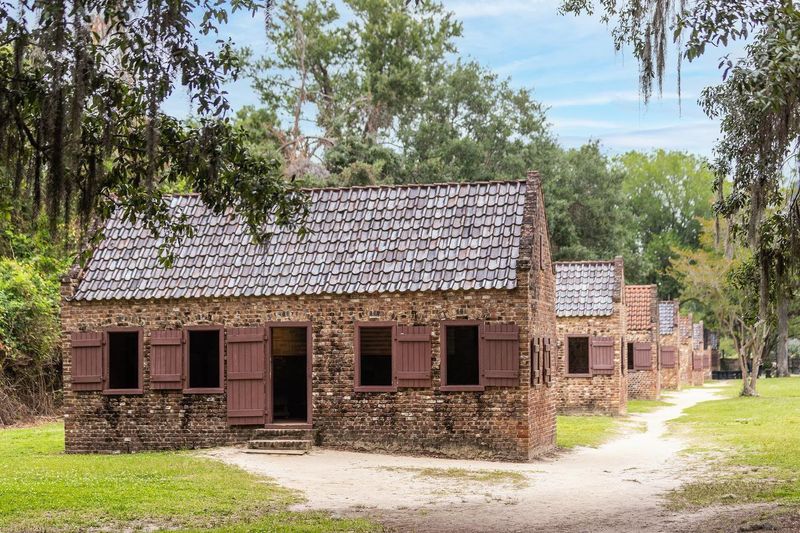
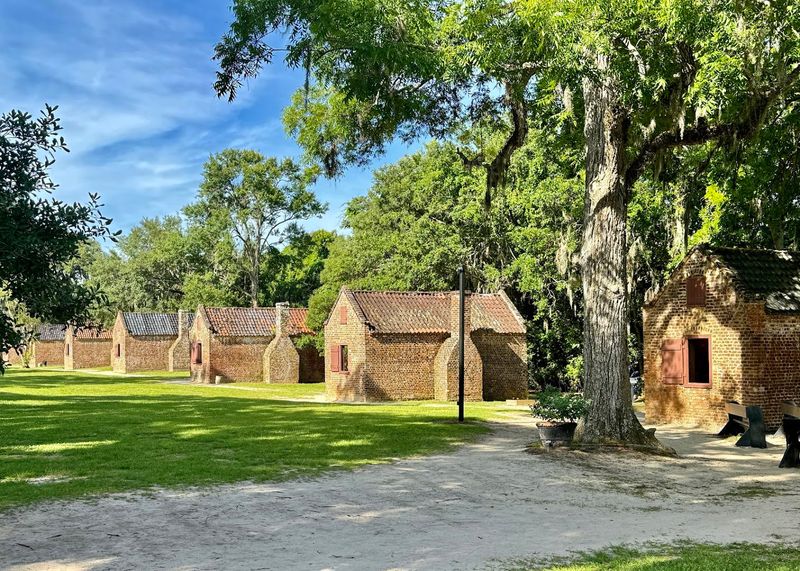
Brick by brick, a difficult history stands in front of you. Inside these cabins, curated exhibits layer documents, voices, and artifacts that ground the plantation’s story in reality.
Move slowly, reading each panel so the timeline builds with clarity and care.
You will encounter accounts that challenge assumptions and expand understanding of coastal Carolina’s past. Audio segments and photos help you connect names to places, while maps reveal trade routes that shaped daily life.
Step outside between rooms to breathe and reflect before continuing.
Respectful language matters when discussing what you learn. Frame conversations around people’s humanity, not just labor or economics.
If you brought students or teens, assign each person one primary source to summarize and share after the visit.
Look for prompts about resistance, culture, and community, not only suffering. That fuller picture honors the lives represented here.
Before leaving, note additional resources listed by curators so you can keep reading and support institutions doing this work responsibly.
Main House Tour
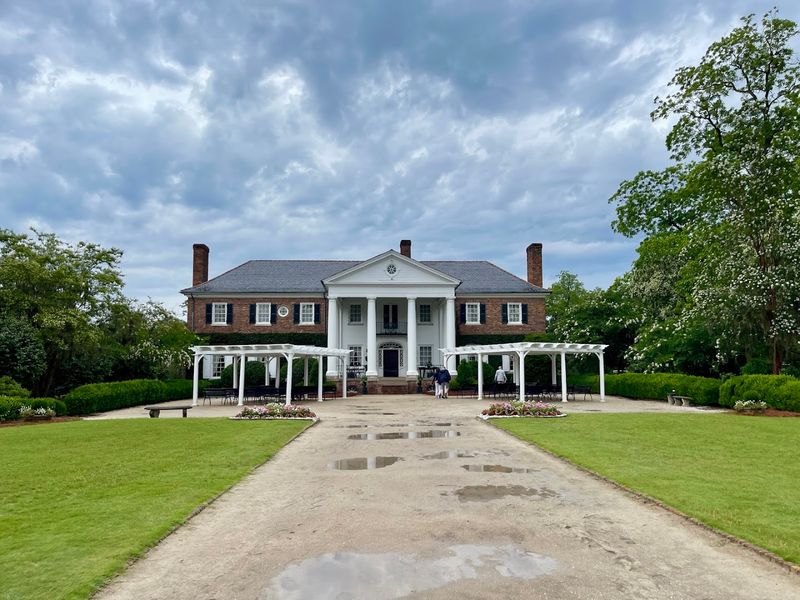
Guides greet you with a quick orientation, then lead into rooms arranged with period furnishings and stories tied to dates. Only the lower level is open, which concentrates the narrative and keeps the tour moving.
Listen for subtle details about materials, craftsmanship, and ownership transitions.
You will likely pick up fun film trivia, but the best notes are often in the small things. Look closely at textiles, wood joinery, and portraits that hint at shifting fortunes.
Ask where objects came from and how conservation choices are made today.
Photography policies can change, so check before raising a camera. If allowed, choose wider lenses to capture both ceilings and floors without crowding others.
For better viewing, stand near doorways and let the group cycle past, then step in briefly.
After the tour, walk the loop around the front lawn to appreciate symmetry from different angles. Compare what you saw inside with the narratives presented in the cabins and exhibits.
That cross reference makes the architecture read less like a set piece and more like a document.
Photography and Filming Locations
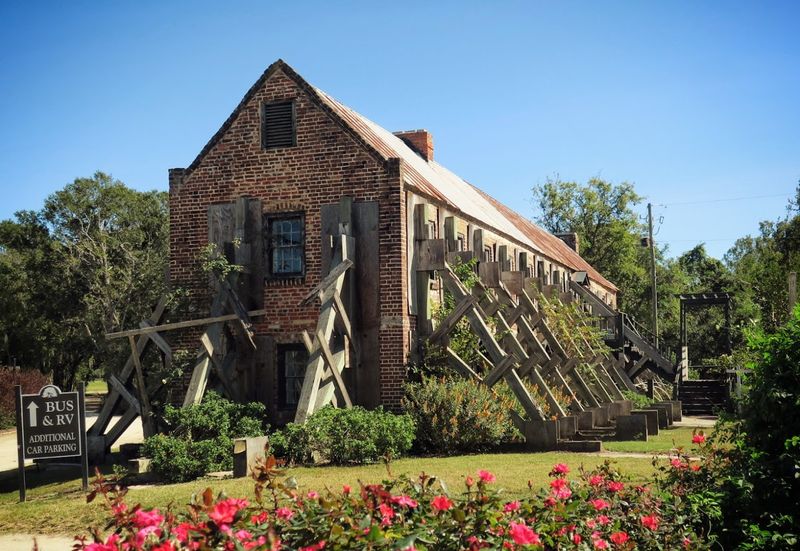
Cameras practically leap out of bags here, and for good reason. The grounds have hosted popular movies, but your personal frames can feel just as cinematic.
Scout mid path bends where trees overlap tightly, then return at golden hour for soft contrast.
You will find strong leading lines near the house steps and along the brick pathways. After rain, shallow puddles mirror moss and branches for striking symmetry.
Keep people small in the composition to emphasize scale, or step close for textures in bark and brick.
Tripods are not always welcome, so verify policies at the desk. Work handheld with higher ISO and steady breathing, or brace against a column without touching fragile surfaces.
For video, capture short clips of rustling leaves and passing wagons to layer ambient sound later.
Stay courteous by giving wedding shoots or
Plantation Gardens
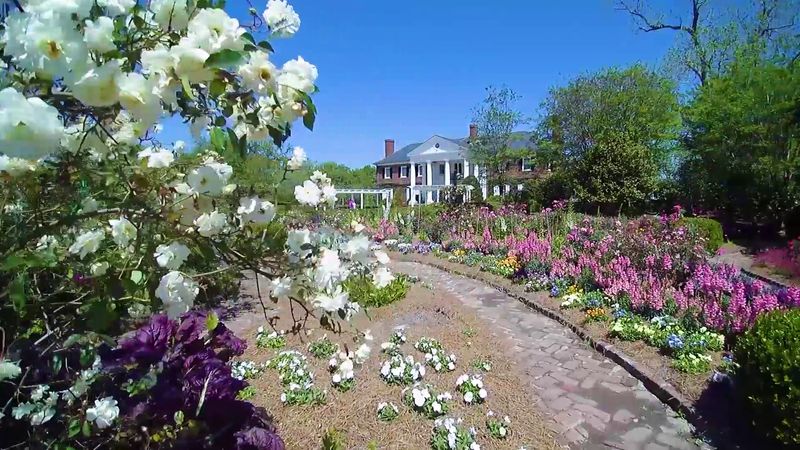
The gardens feel like a living scrapbook of seasons. Brick paths guide you between heirloom roses, tidy herb beds, and vegetables pushing up through dark soil.
Butterflies drift by like confetti, and bees thread the air with an industrious hum.
Pause at the fountain to take in the symmetry and the way light plays across the water. Garden labels invite easy learning, so you leave with ideas for your own porch pots and plots.
Sit for a minute on a shaded bench, and you can almost hear centuries of caretakers swapping tips. It feels patient, generous, and wonderfully Southern too.
Live Oak Ecology Walk
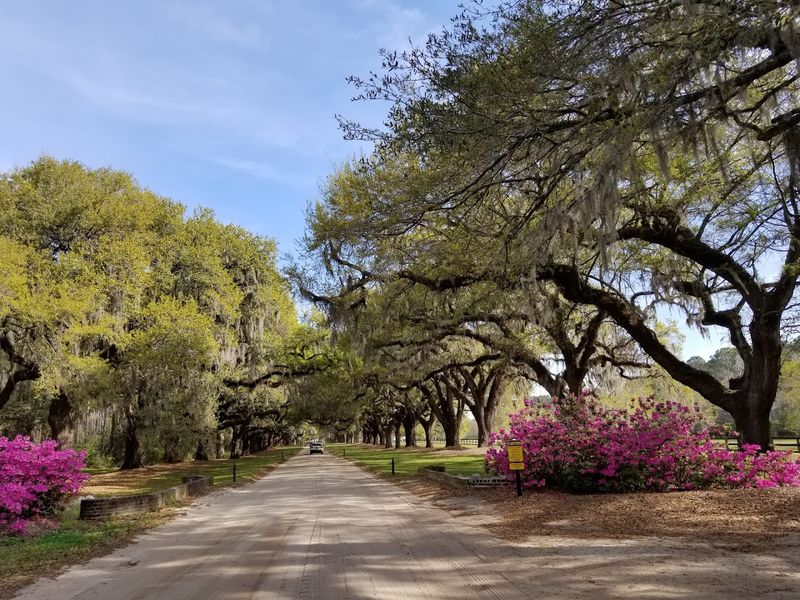
You notice how the canopy makes its own weather, cooler and hushed, like a chapel built from branches. Guides point out the swollen trunks, explaining how live oaks bend instead of break, surviving storms that would flatten other trees.
Look closely and you will see lichens, ferns, and tiny worlds nested in bark fissures.
Step off the lane for a moment and test the spring of the leaf litter underfoot. It feeds the roots, which stretch shallow and wide, stitching the avenue together like hidden cables.
You will leave understanding that this tunnel is not just scenery, but a living, engineered community.
Spanish Moss and Wildlife
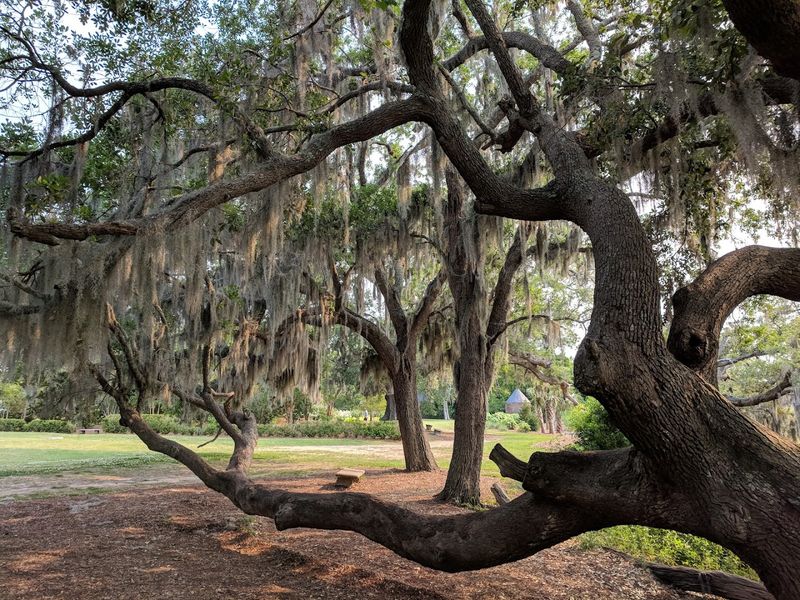
Everyone asks about the silver drapery, and no, Spanish moss is not a parasite. It is an air plant, catching moisture and light, and it uses the oaks only as scaffolding.
Watch how it sways, cooling the air and diffusing light so the avenue glows even at noon.
If you pause quietly, birds reveal themselves in quick flashes and soft calls. Warblers hunt insects in the lace, owls roost in cavities, and squirrels map highways through intersecting limbs.
You come for the tunnel, but the orchestra above keeps you longer, unraveling the patient rhythms of this coastal habitat.