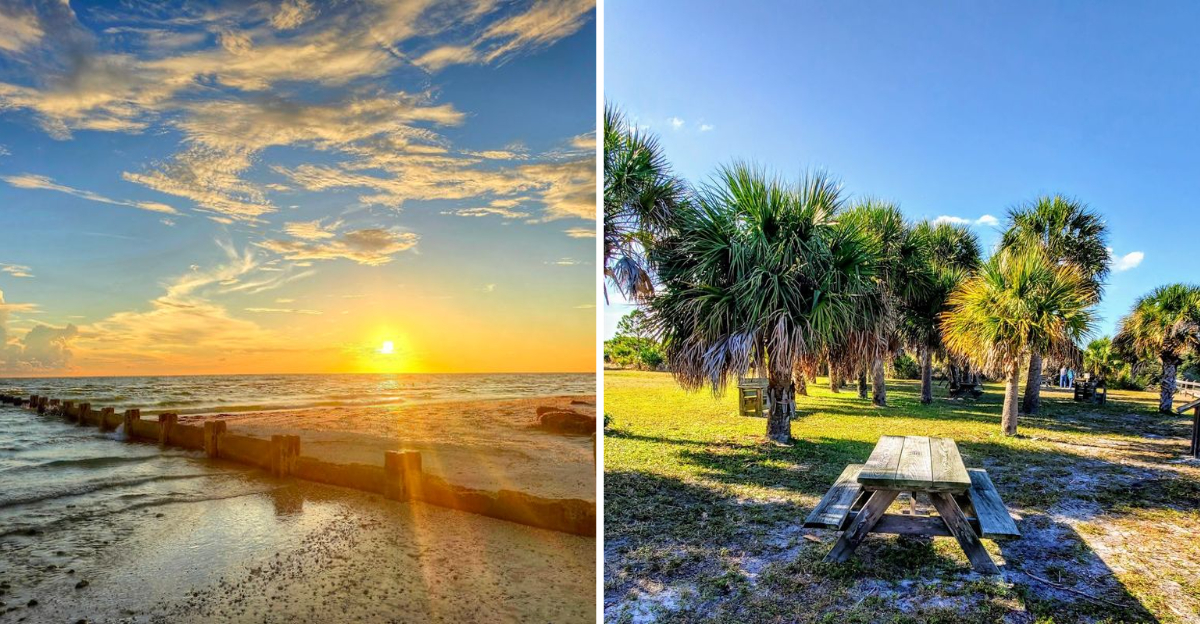
There is a Florida state park where pine flatwoods meet aquamarine water, and it still feels wild in all the right ways. Honeymoon Island State Park draws you in with soft white sand, easy shelling, and birds circling above the shoreline like clockwork.
If you crave quiet moments, you will find long walks, shady trails, and calm shallows perfect for kids. Stay long enough and sunset paints the sky while ospreys whistle from the pines.
North Beach Shelling Strategies
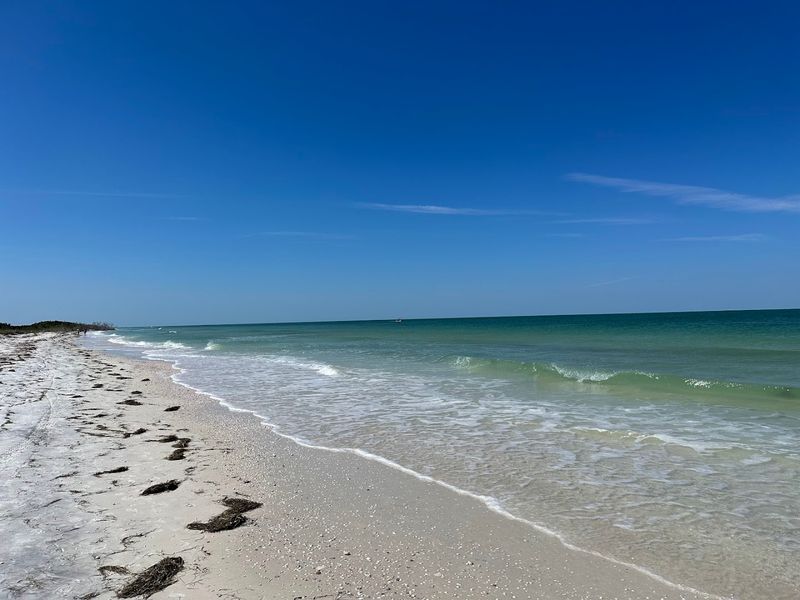
Morning low tide turns the wrack line into a treasure track, and you will spot scallops, olives, and tiny augers glinting like confetti. Start near the north tip, then walk south with the sun at your back so sand ripples cast helpful shadows.
A small mesh bag beats a bucket because water drains fast and your hands stay free.
You will want water shoes since coquina patches can be sharp and the beach narrows with tide cycles. Pause by the jetties after a boat wake because shells tumble into the calmer pockets.
If a storm just rolled through, arrive early the next morning for lightning whelks and rare olives before crowds appear.
Pack a microfiber towel to wrap fragile finds, then photograph them on wet sand so colors pop. Rangers ask that you leave live shells and sand dollars, so check for critters before you pocket anything.
If you are traveling light, the South Beach cafe sells cold drinks, and the rinse stations make cleanup easy. On crowded weekends, walk past the last lifeguard chair toward the driftwood, where currents slow and deposits settle, giving patient collectors a quiet stretch to work methodically while listening for ospreys circling the shoreline.
Swimming And Clear Water Pockets
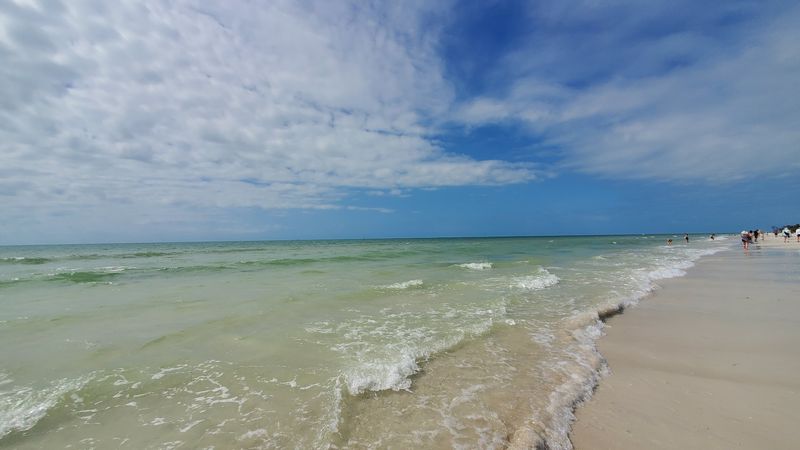
Calm mornings reward you with glassy water, and the small jetties create kid-friendly pockets that feel like nature’s wading pools. Wade slowly and you will notice mottled sand dollars, baitfish flashes, and ruffled seagrass patches that hint at gentle currents.
Keep valuables in a dry bag and secure car keys with a floating fob.
Staying safe is simple if you read the beach flag board at the entrance and keep an eye on wind direction. A light east wind often means fewer surface chop lines, while a stiff west wind stacks waves and reduces clarity.
Bring a mask to spot rays from a distance, then give them space and shuffle your feet.
Facilities help you settle in without fuss, from rinse showers to shaded picnic tables under the cafe deck. Hydration matters on bright days, so freeze water bottles and stash them in a small soft cooler.
If crowds build, head north past the last access to find open sand, quieter surf, and a horizon that makes every distraction fade.
Osprey Trail Birding Walk
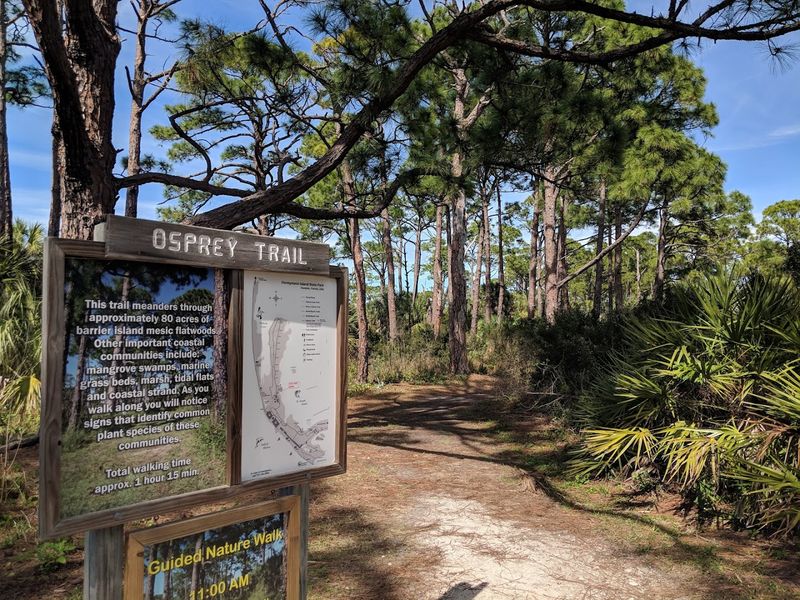
Binoculars up before the trailhead sign and you might catch an osprey swapping places on a stick nest. The path moves through pine flatwoods dotted with cabbage palms, and the soundscape turns to wind, insects, and distant surf.
Scan tall snags for silhouettes, then linger at posted viewing stands.
Timing makes a difference, with early morning or late afternoon offering cooler temperatures and more raptor movement. After rain, mosquitoes can be spirited, so a head net or repellent keeps the walk pleasant.
Step quietly along packed sand, and you may spot gopher tortoises browsing roadside grasses or a great horned owl roosting deep in shade.
Pack a lightweight field guide or preload a bird app so you can confirm an eagle versus juvenile osprey at a glance. Move in short bursts, glass, then pause again, letting the woods settle around you.
If heat builds, loop back toward the breezier shoreline and finish the outing with a slow beach stroll while pelicans commute down the coast.
Coastal Ecology
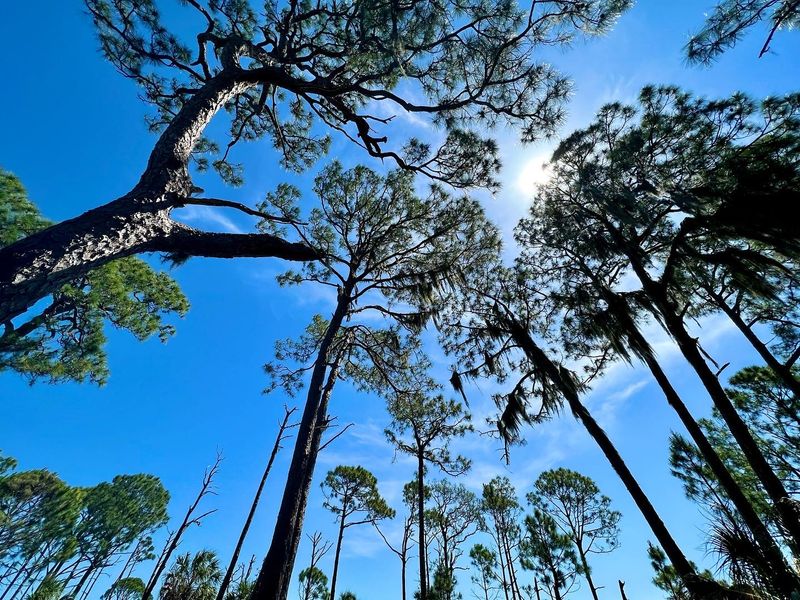
Step inland for a few minutes and the park reveals a different rhythm, one shaped by fire-adapted pines and hardy shrubs. Needles carpet the sand, lizards flick between palmetto fans, and woodpeckers drum on bark like metronomes.
It feels worlds away from beach towels, yet the Gulf hum sits just beyond the trees.
Understanding the landscape deepens every visit, so read the kiosk notes about prescribed fire and storm recovery. You will notice uneven canopy ages, snags left for raptors, and open corridors where sunlight feeds native groundcover.
After heavy rains, look for temporary puddles that draw dragonflies and wading birds.
Stay on marked paths to protect ground nests and delicate vegetation, and photograph from the trail rather than pushing into brush. Carry water because shade can be patchy and humidity sneaks up fast.
A small notebook helps you track seasonal shifts, from pine pollen dusting the boardwalk to fall migrations threading silence with wing beats.
Perfect Picnic Spots With Shade
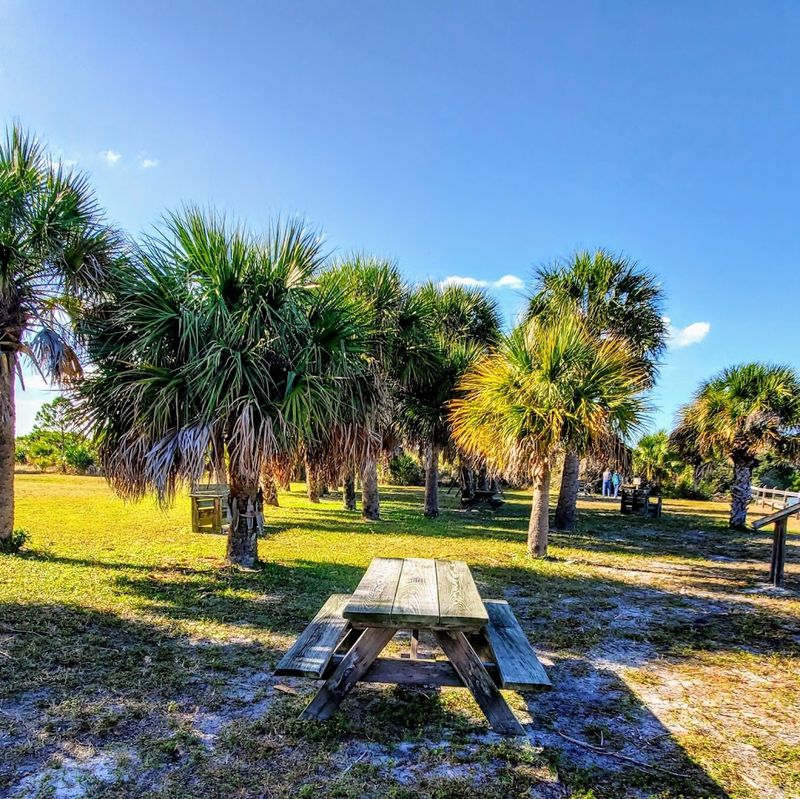
Dragging a cooler across sand gets old, so plan lunch near the shaded tables beside the south facilities. A steady breeze funnels through the pines, and you can slip back to the beach between bites without overheating.
Pack foods that tolerate heat like wraps, oranges, and salty nuts to keep energy steady.
Parking fills by midday on popular weekends, which makes arriving before ten a smart move for both shade and proximity. Bring a tablecloth and clips because resin and pine cones can bump imperfect tabletops.
Small trash bags help you pack out leftovers and keep gulls from investigating your setup.
If you prefer a quieter vibe, scout spots along the access road pull-offs, then choose tables with easy restroom reach. Freeze a few damp washcloths in zip bags for quick cool-downs after swims.
After lunch, a low-tide shoreline walk helps digestion, and the return to shade feels like stepping into natural air conditioning.
Dog Beach And Pet Etiquette
Four-legged friends have their own sandy runway here, and the vibe is relaxed when leashes stay on and paws stay cool. Start near the posted dog beach access, where water stays shallow and there is room to spread out.
Bring fresh water and a collapsible bowl so your pup is not tempted to sip salt.
Etiquette keeps the area welcoming, so pick up promptly and give space to skittish dogs. Hot sand builds quickly by midday, and booties or frequent water breaks help protect pads.
If your buddy loves to fetch, keep tosses low and short so birds can rest along the tideline.
A towel barrier in the car saves cleanup time, and a quick rinse at the spigots reduces that lingering beach aroma. Watch for posted wildlife advisories and steer clear of dunes where ground nests may be present.
End the session with a shady walk on the paved path, letting heart rates settle before the ride home.
Kayaking And Paddleboarding Launch Tips
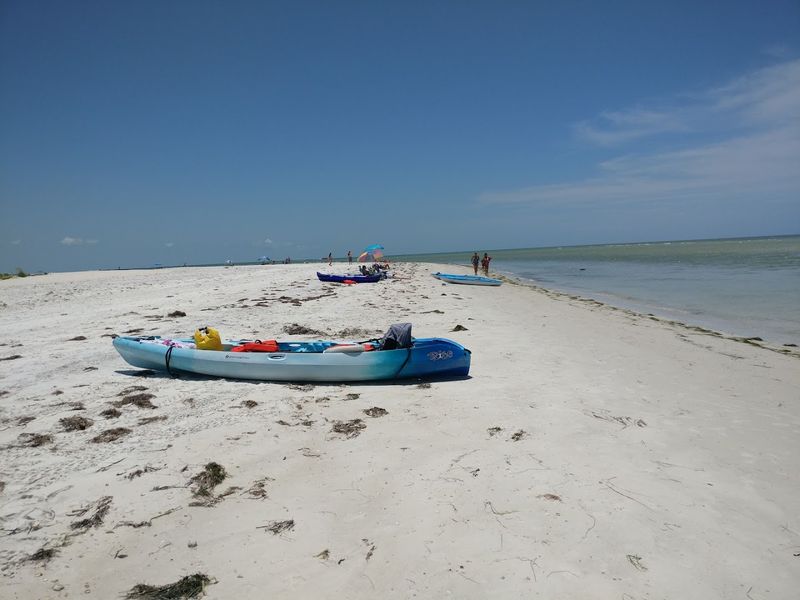
Light winds and an early launch make paddle sessions easier, especially along the lee side where chop stays manageable. Check tides, then plan an out and back that uses current help on your return.
Keep a compact PFD, whistle, and leash attached, and stash a small dry bag under deck bungees.
Entry is simplest along gentle slopes near the south access, away from fishermen and swimmers. Angle your board nose into the ripple lines, step lightly, then paddle on your dominant side for the first ten strokes.
If boat wakes roll through, drop to your knees, absorb the bumps, and stand again after the set passes.
A sun shirt, hat, and zinc stick save the day on bright water, and polarized sunglasses reveal grass flats and rays. Give wildlife room and avoid cutting across anglers’ lines near rock pockets.
Back on shore, take five minutes to rinse gear and check fin screws so the next morning feels effortless.
Fishing From Shore And Jetties

First light often brings glassy water and bait dimples that betray feeding lanes just outside the breakers. Fan casts with a spoon or soft plastic along the edge of coquina outcrops, then pause on the drop to invite a strike.
Keep pliers and a short leader ready because mackerel teeth can surprise unprepared hands.
Licensing rules apply, so confirm requirements before that first cast and mind posted wildlife buffers. A small sling bag with spare leader, jig heads, and a clip for dehooking keeps you mobile.
If the wind cranks onshore, shift to the lee side or work the jetties where turbulence stacks bait.
Respect swimmers by leaving a wide corridor and avoid birds by scanning before each cast. When pelicans crowd the area, switch to heavier lures that track straighter and sink faster.
Pack a cooler with ice slush for any keeper and rinse gear at the stations so salt does not win later.
Sunset Planning For Photographers
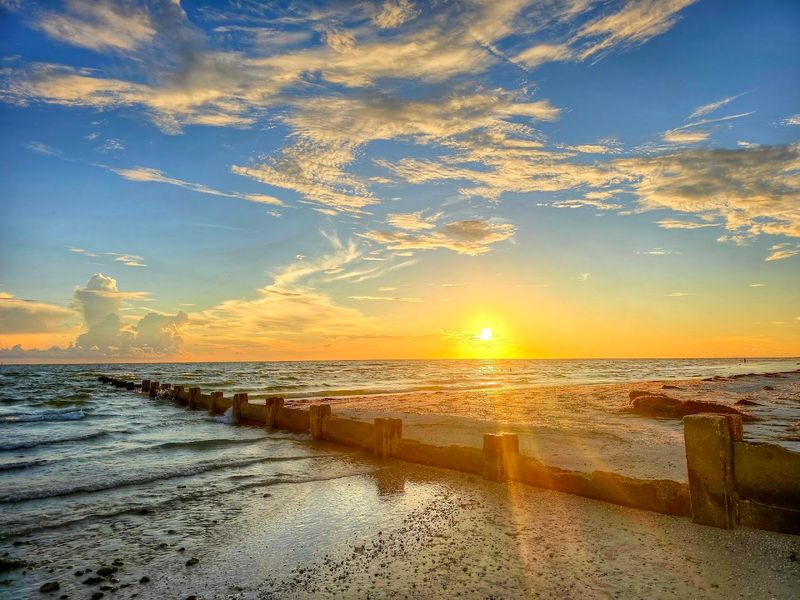
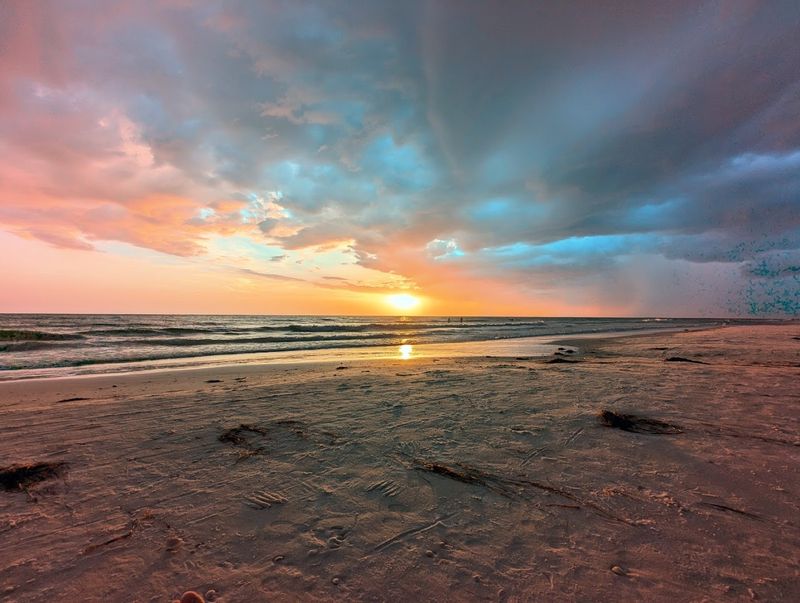
Golden hour hits differently when pine silhouettes frame the horizon and shorebirds stitch patterns across wet sand. Arrive an hour early, plant the tripod at the edge of the swash, and wait for reflection bands to widen.
A graduated filter or digital bracketing handles the bright sky against darker foregrounds.
Compositions improve when you scout driftwood, tidal pools, and angled jetties that point toward the sun’s path. Keep feet dry by watching the seventh wave rhythm, then reset between sets while reviewing histograms.
If clouds stack offshore, stay patient because the afterglow often ignites five to ten minutes past sunset.
Consider a second location a short walk away to capture silhouettes of anglers and a cooler palette. Bring a headlamp for the stroll back and pack gear before it is fully dark.
On the best evenings, you will hear ospreys calling behind you while the horizon burns quietly with color.
Weekday Versus Weekend Logistics
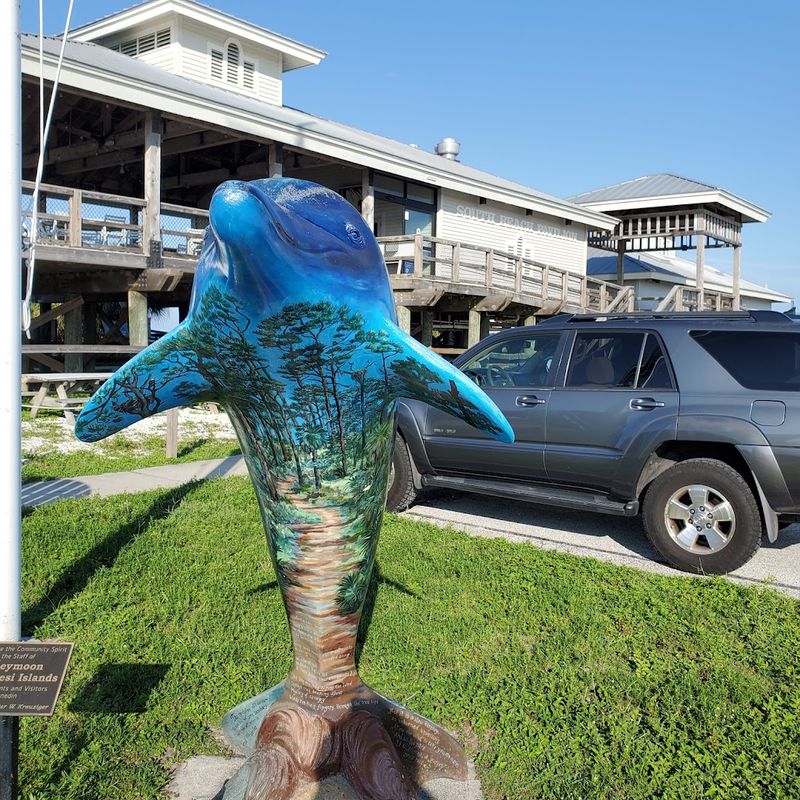
Arriving before ten makes parking painless and gives you first pick of shady picnic tables or quiet sand. Lines can build at the entrance on bluebird Saturdays, so keep eight dollars ready and patience in the glove box.
If timing allows, aim for a weekday morning when the park feels wide open.
Pack a flexible plan that shifts between trail time, water time, and cafe shade based on wind and heat. Bathrooms and rinse stations are convenient, and temporary closures are posted, so check signs as you move.
Keep a small car kit with sunscreen, snacks, and a backup hat to skip midday store runs.
When lots fill, head north to the farther access points where turnover moves faster. A short walk typically buys more space and quieter surf anyway.
Leaving just after sunset avoids the heaviest outflow, and the last color on the water is usually the prettiest.
Accessibility And Family Comfort
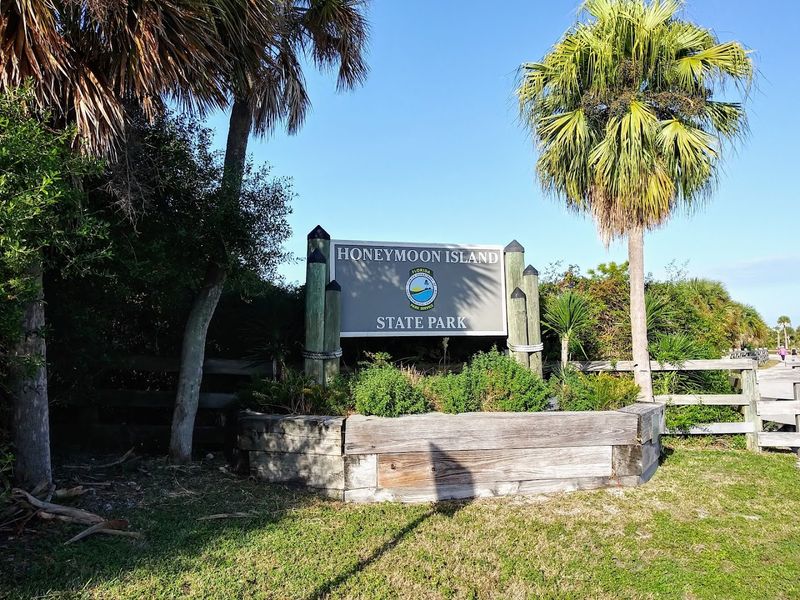
Getting to the water is easier with the accessible paths that roll smoothly over sand and connect to wide rest areas. Families appreciate the short walk from parking to shoreline, which keeps arms from feeling like noodle strings.
Keep a wagon with beach wheels ready for chairs, toys, and a cooler.
Bathrooms and changing spaces sit near the main access, and rinse showers help you reset after sandy snack breaks. The shallow pockets by the jetties are gentle for small swimmers, yet still keep a watchful eye on currents.
A bright rash guard and labeled water bottle make quick headcounts easier in busy sections.
Plan breaks under shade near the cafe so everyone can cool down and refuel without a long trek. Rotate play with shelling, short trail walks, and quiet snack moments to avoid meltdowns.
Snap a family photo near sunset when the light softens faces and the Gulf turns to hammered gold.
Weather, Tides, And Seasonal Smarts

Local conditions shape every visit, and reading them becomes second nature after a few trips. A quick glance at a tide app, wind forecast, and the beach flag board sets expectations for clarity and chop.
Cooler mornings in winter bring crisp air and migrating birds, while summer builds heat and afternoon storms.
Shelling usually pops around low tide and after onshore blows, but safety stays first when thunder threatens. If clouds tower inland, shift to a short Osprey Trail loop and wait out passing showers.
Carry a lightweight rain jacket, then enjoy the clean air and bright colors after the squall.
Spring produces osprey nesting drama and active dolphins along the bar, so pack binoculars in shoulder season too. Fall brings forgiving temperatures and fewer crowds, making weekday afternoons a joy.
No matter the month, sunscreen reapplication and steady hydration are the habits that save the day.