
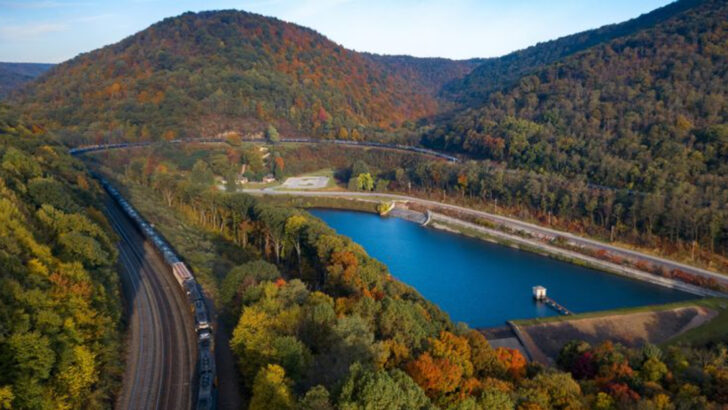
Some places make you feel the story the second you arrive, and this curving ribbon of track near Altoona does exactly that. Trains sweep around the mountainside so closely that you can see the lead and the rear at the same time.
Engines growl, horns answer the valley, and the ground hums under your feet. If you love history, engineering, or simply a unique day trip, this spot turns waiting for a pass-by into pure theater.
Why the Curve Feels Electric From the First Train
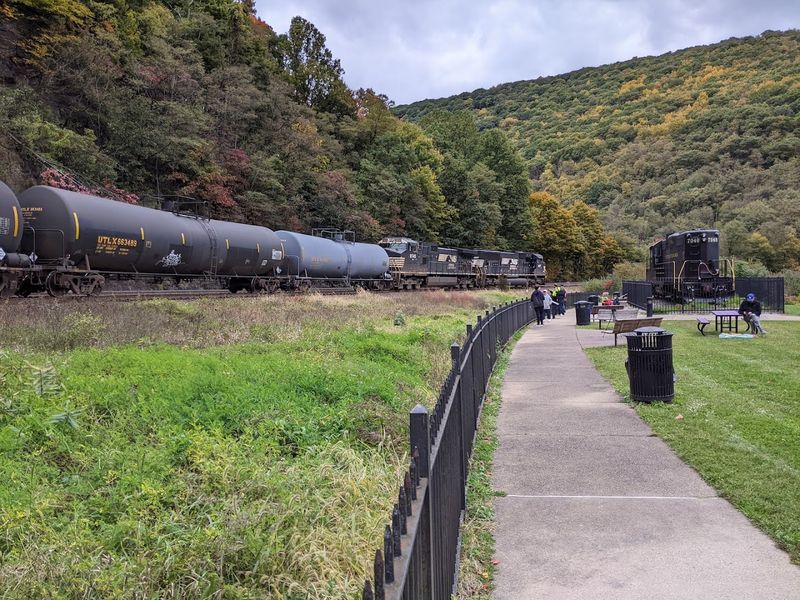
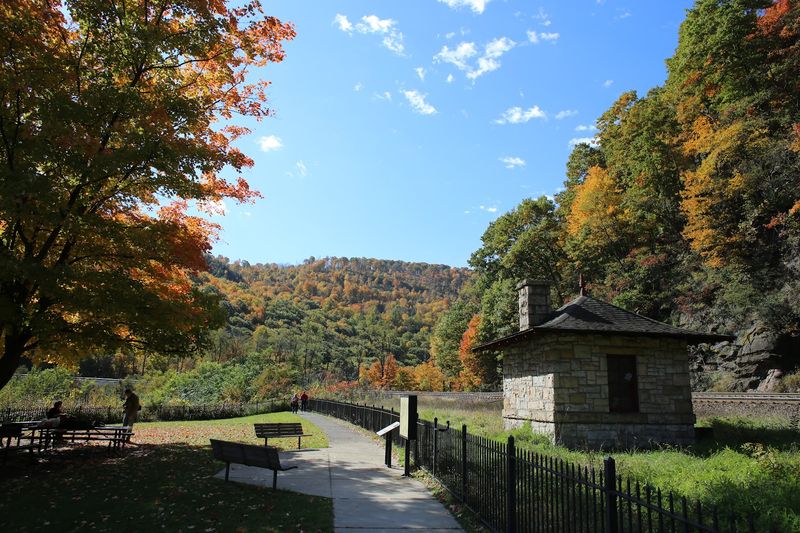
Stand at the rail-side lawn and you feel the ground tremble before the locomotives even appear. The track bends into a perfect arc, so you can watch the head end and the tail at once as trains work the grade.
Horns echo across the reservoir, and it never gets old.
To make the most of it, arrive with a little patience and a camera ready. Norfolk Southern runs dozens of trains daily, and Amtrak often sweeps through on schedule, so your odds are strong.
Use the benches near the observation area to settle in between movements.
What surprised me first time was how close you feel to the action while still being safely behind the fence. Helpers shove, dynamic brakes howl, and long freights grind at walking speed.
You will leave with coal dust on your sleeves and a grin you did not plan.
Plan for noise, especially if kids are sensitive, and bring ear protection just in case. Trains can appear with little warning, so keep phones secured and stay behind the rail.
Check the Railroad City website for hours and ticket updates, since the funicular status and occasional discounts change throughout the season and holiday openings too.
Timing Your Visit For Maximum Train Action
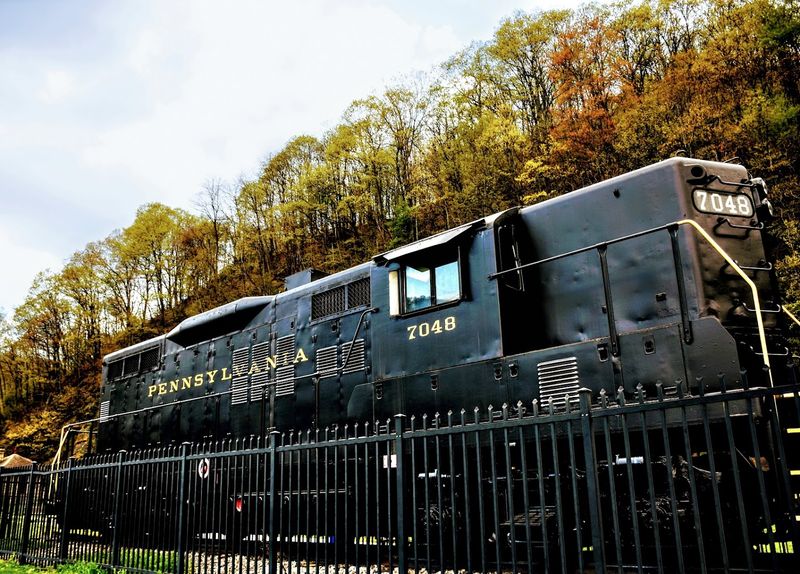
Catching two trains at once feels like winning the lottery, but you can tilt the odds. Weekdays often bring heavier freight, and mid-morning through late afternoon tends to be steady.
Check Amtrak’s Pennsylvanian status before you roll out, then budget an extra hour for delays that can bring surprise meet-ups.
Parking is straightforward and close to the visitor center at 2400 Veterans Memorial Hwy. After tickets, walk the 194 steps to the lawn or confirm if the incline is running that day.
Bring water and a snack, because the best action sometimes arrives right after you decide to leave.
One more smart move is to watch scanner feeds or railfan trackers if that is your thing. You will not need them to enjoy the show, but they help predict helpers shoving or a heavy eastbound grinding upgrade.
Patience pays here, and the payoff is a long, dramatic curve packed with motion and sound.
If weather looks iffy, layer up and protect cameras from wind-driven mist. Trains still run, and the atmosphere gets cinematic.
On crisp winter mornings, exhaust plumes hang in the air, adding texture to your photos and a memorable chill to your ears.
What the Museum Adds Before You Head Up
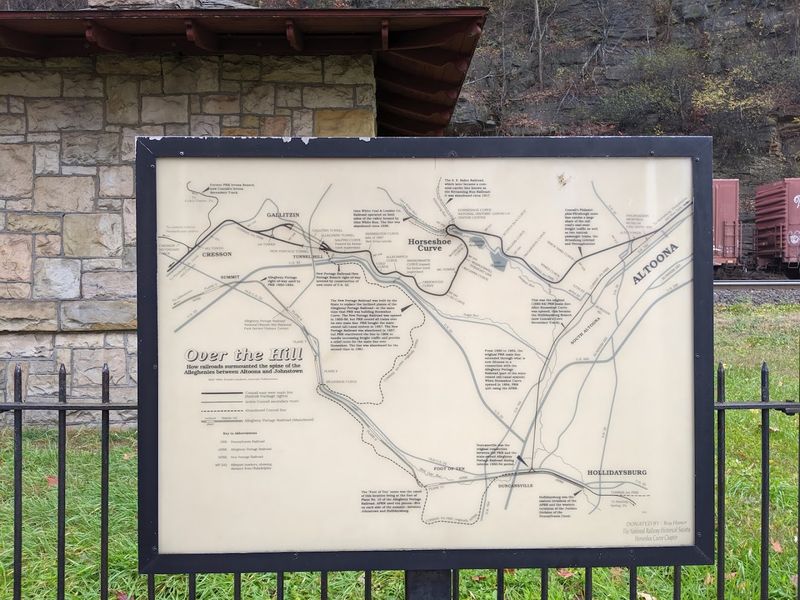
Skipping the museum means missing the why behind the wow. Inside, clear exhibits explain how this 2,375 foot stretch unlocked an impossible mountain crossing back in the 1800s.
You can absorb the human stories, then step outside and see the same arc still doing its job.
The small theater loops films that bring context in 15 minutes. That tight narrative helps you understand helpers, grades, and why horns echo the way they do.
Suddenly the rumble outside is not just noise, but a living lesson in logistics and persistence.
Take a moment in the gift shop before climbing. Grab a sticker or a patch, and ask staff about current train frequency or any closures.
Friendly people keep tabs on the funicular status and will mention discounts when it is down.
Expect a compact space that rewards curiosity. Kids latch onto the big photos and models, while older railfans savor the details about labor, geology, and wartime traffic.
By the time you reach the lawn, you will read the rail like a local and feel primed for the next horn blast.
Climbing the 194 Steps Without Losing Your Breath
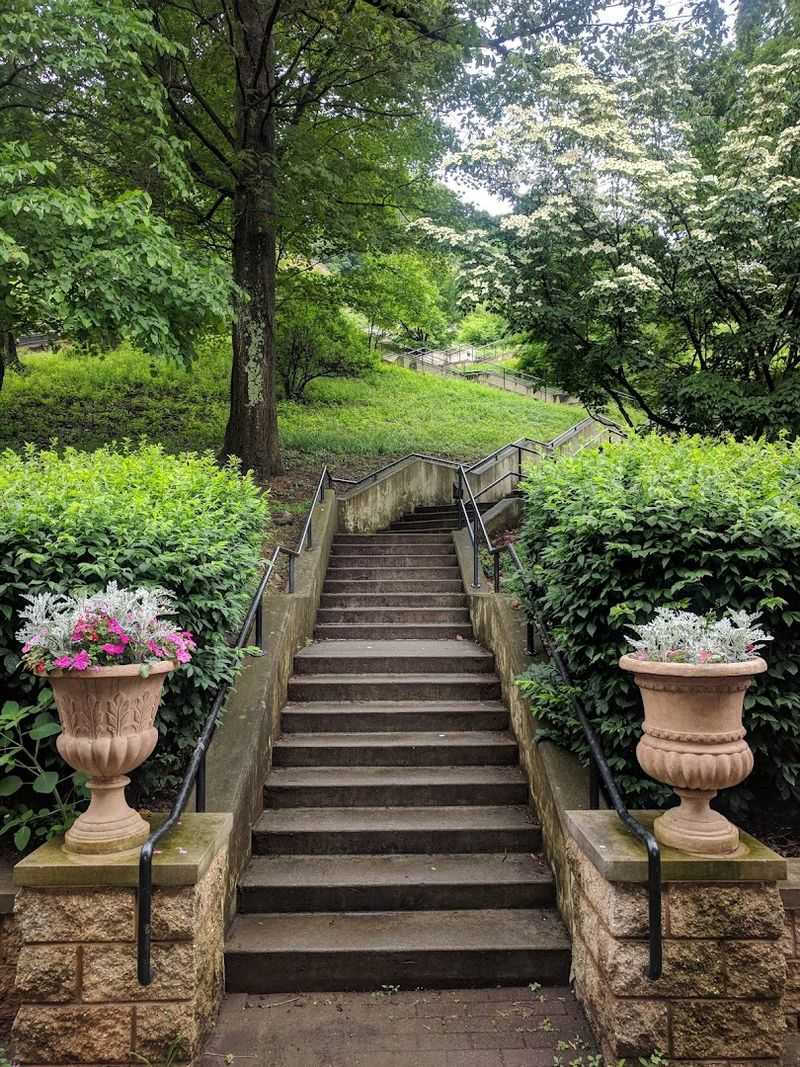
That staircase looks daunting at first glance, but a steady pace makes it very manageable. Take it in segments, use the handrail, and pause at landings to catch your breath.
Even seniors report success by keeping it slow and sipping water.
Comfortable shoes are not negotiable here. The steps can feel slick after rain or morning dew, so tread carefully.
If the funicular is operating, rides are quick, though recent visitors often report it offline for maintenance.
Budget a few extra minutes if you are carrying camera gear or snacks. There are benches and picnic tables at the top, perfect for a cooldown and a sandwich while you wait for the next freight.
Noise-sensitive kids might appreciate earmuffs once a heavy train begins grinding past.
On hot days, start earlier to beat the heat building on the hillside. In winter, gloves help with the cold handrail and a knit cap keeps ears happy.
Reaching the top feels rewarding, and the moment a horn cuts the air, every step instantly feels worth it.
Photography Angles That Make the Arc Stand Out
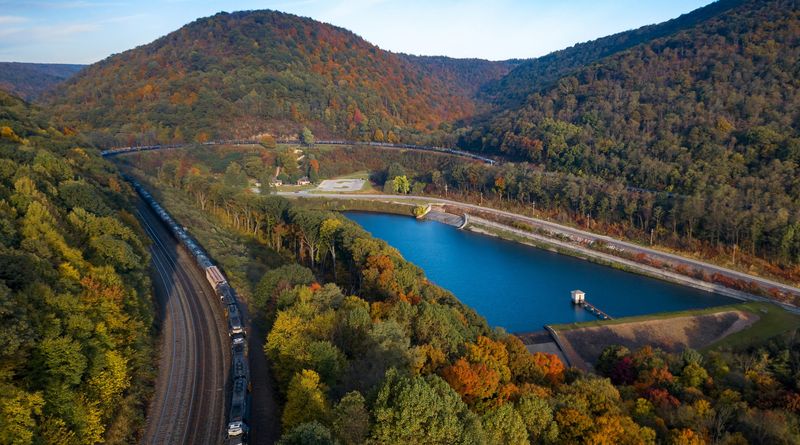
Shoot wide first to capture the geometry, then punch in for details like wheelsets and helper consists. A 24 to 70 covers most needs on the lawn, while a longer lens isolates power as it leans into the rail.
Keep a polarizer handy to tame glare off the reservoir.
If you want motion in the scene, try a 1/15 pan as the head end slides through the tightest part of the bend. For crisp stack shots, bump shutter fast and let the grit show.
The fence keeps you safe, so compose through it or step back to eliminate it entirely.
Cloudy days are your friend because even light preserves color on long trains. Golden hour adds glow to tank cars and boxcar sides, while twilight emphasizes headlight beams wrapping the curve.
Tripods help for video, especially during slower winter afternoons.
Bring microfiber cloths since brake dust rides the breeze. Protect microphones from wind if you want that deep turbo whine.
And when two trains meet on the arc, stay calm, go wide, and let the scene deliver the hero frame you came for.
Family-Friendly Planning That Actually Works
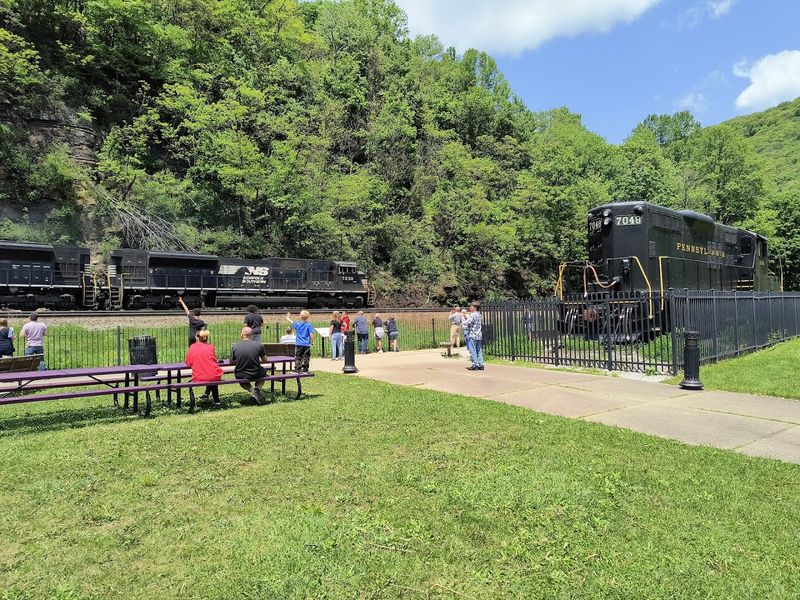
Kids tend to light up at the first horn, but a few basics make the day smoother. Bring snacks and water, plus simple ear protection for little ones.
Strollers stay best near the benches, since the grass gets bumpy and space tight when crowds lean toward the fence.
Timing helps. Aim for mid-morning to early afternoon when traffic often feels steady and energy stays high.
Keep expectations flexible, because the moment you relax is strangely when an unexpected meet can happen.
The museum offers a quick reset between trains. Short films give legs a break and the gift shop becomes a reward zone for patient waiting.
Staff are great about answering kid questions and pointing out the next likely direction of movement.
Pack a small blanket and make the lawn your base. Rotate activities with short walks, photo moments, and a picnic while scanning the curve.
By anchoring the day around a few train events, you leave with happy kids, plenty of photos, and a shared story worth retelling.
Accessibility and On-Site Practicalities You Need to Know
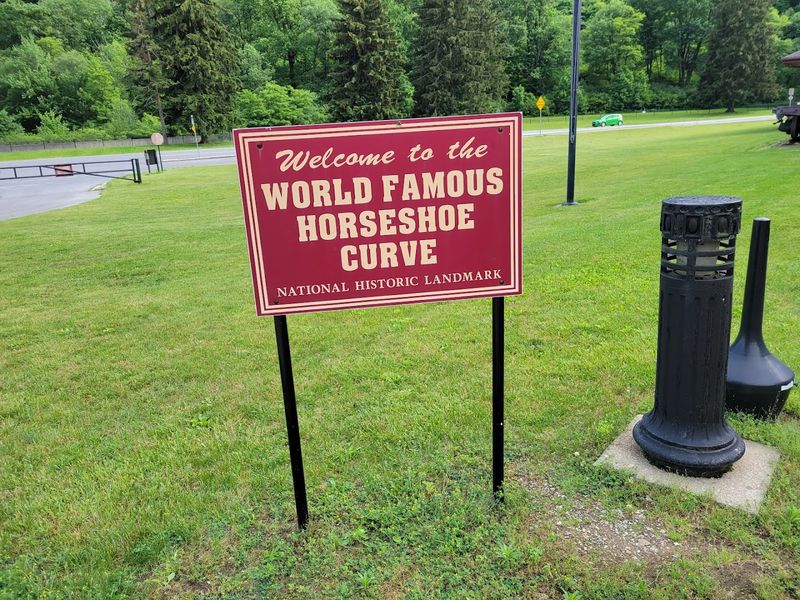
Start at the visitor center for tickets, restrooms, and updates. The incline tram has seen outages, and staff share current status plus any discounts when it is down.
Parking handles regular crowds well, including larger vehicles, and the pathway to the steps is clearly signed.
At the top, expect limited shade and no restrooms, so plan accordingly. Seating is available, yet it fills quickly during busy windows.
On hot days, sunscreen and a brimmed hat keep you comfortable while you wait for the next lash-up to arrive.
Mobility can be a hurdle when the tram is offline. The 194 steps are steep in places, so pace is everything.
If stairs are a no-go, the parking lot can still offer decent views and satisfying audio as trains tackle the grade.
Cell service is generally fine for quick searches and rail trackers. Bring cash or card for the gift shop and admission.
Most of all, build a little buffer into your schedule, since the best memory might be the unscripted meet you did not expect.
Reading the Sounds: What Your Ears Can Tell You
Your ears catch clues long before your eyes do. A distant horn often signals direction, while a low, rising rumble hints at heavy tonnage grinding uphill.
Dynamic brakes create a steady whine on descents, a sound you will soon recognize by instinct.
Use those cues to prep your shot. If the horn comes from the west, set up facing the anticipated lead, then sweep wide as the tail emerges across the reservoir.
When helpers shove, expect louder chuffs and a slower crawl, ideal for video with clean audio.
It is smart to keep earplugs ready for young listeners. The fence keeps the experience safe, yet sound energy still hits with muscle.
That punch is part of the fun, and learning to read it gives you a head start on framing the moment.
Horns also tell stories of crossings, curves, and grade changes. After an hour, you will hear patterns linking signals, track geometry, and throttle.
Suddenly you are not just waiting for trains, you are decoding them in real time.
Best Seasons and Weather Moves for Comfort and Color
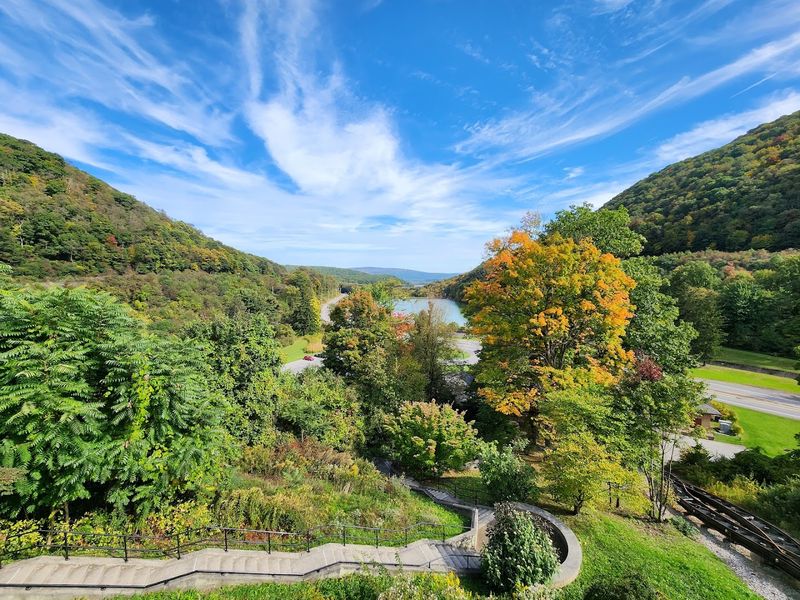
Fall writes poetry on the hillside with color that flatters steel and rust. Photos pop, air feels crisp, and exhaust hangs beautifully for video.
Crowds can grow on peak weekends, so arrive earlier and settle near the benches.
Winter rewards the prepared. Gloves, a thermos, and windproof layers keep you happy while heavy freights grind audibly in the cold air.
Snow days yield surreal contrast, though steps can be slick, so take your time on the climb.
Spring brings fresh greens and comfortable temps, a sweet balance for families. Showers roll through, but clouds help your images with soft, even light.
Summer sunsets paint the reservoir, and late light makes for dramatic headlight streaks across the arc.
No matter the season, check the forecast and pack accordingly. A compact rain cover for cameras and a poncho for you weigh almost nothing.
The curve rewards persistence, and the weather often provides the extra character your photos need.
Etiquette and Safety That Keep Everyone Happy
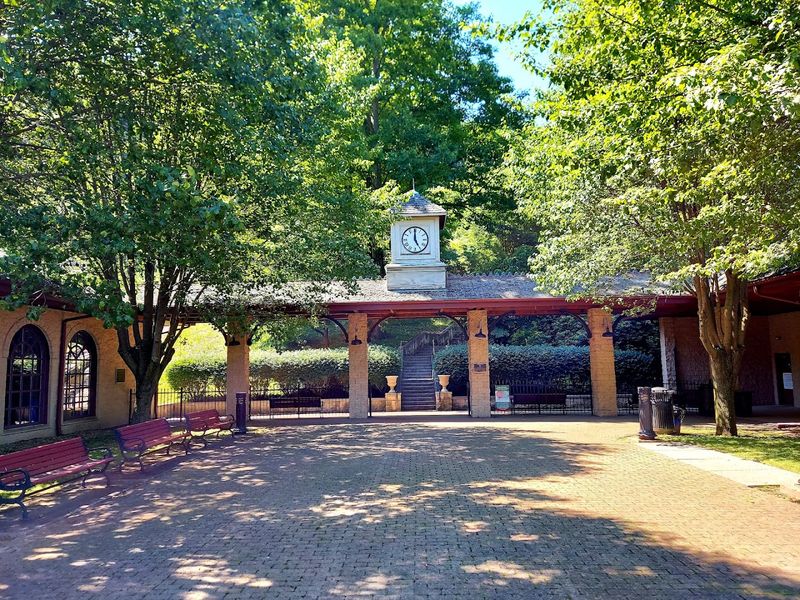
Great views depend on everyone playing by the same simple rules. Stay behind the fence, keep tripods compact, and give others space at the rail.
A kind word goes far when shifting positions for a meet or making room for kids to see.
Respect the staff and the posted signs. They are balancing safety, operations, and a landmark that needs care.
If trees or maintenance limit some views, remember that grants and budgets shape what can be done.
Sound can be intense, so warn new visitors when a horn is likely to pop. Secure hats and loose items since a sudden gust rides the valley.
Leave no trash, and treat the lawn like your own backyard.
Photography etiquette matters too. Do not step into someone’s frame without a quick check, and avoid blasting music while recording.
Good vibes keep the day smooth, and the trains will give you all the volume you need.