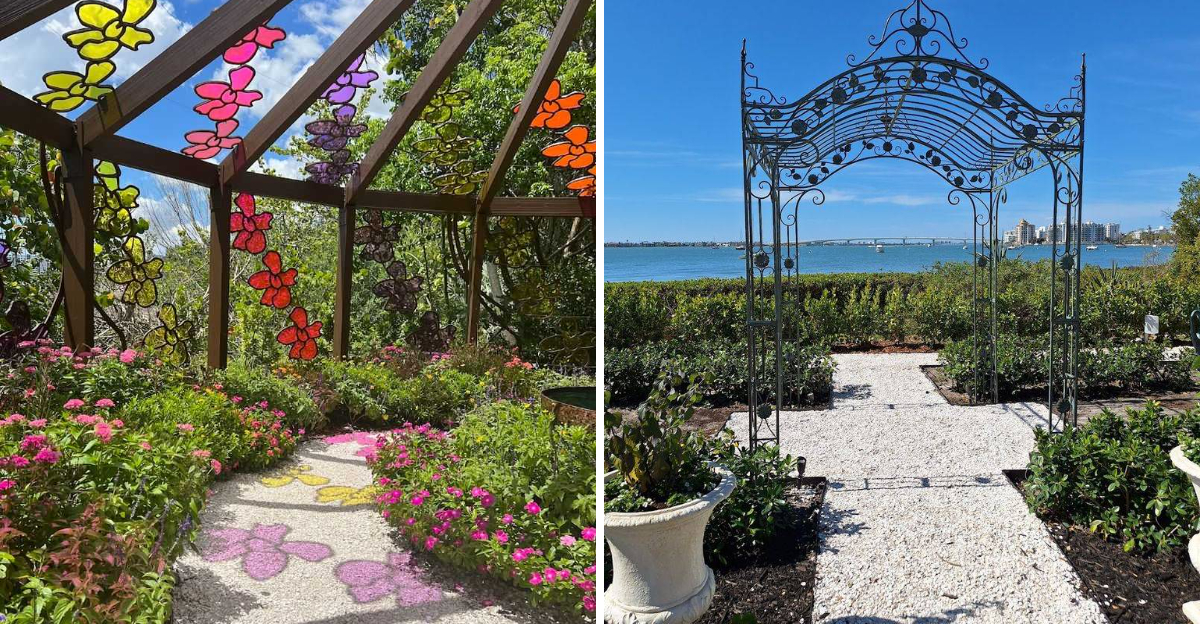
Tucked right along the shimmering edge of Sarasota Bay, Marie Selby Botanical Gardens is one of Florida’s best-kept secrets hiding in plain sight.
Spread across 15 lush acres in the heart of downtown Sarasota, this extraordinary garden packs more beauty, biodiversity, and botanical wonder into a small space than almost anywhere else on earth.
Whether you are a plant enthusiast, a casual walker, or just someone who needs a break from the ordinary, this place will stop you in your tracks.
From thousands of rare orchids to canopied banyan paths and waterfront views, Selby Gardens delivers an experience that feels both magical and deeply grounding.
A 15-Acre Bayfront Oasis in Sarasota
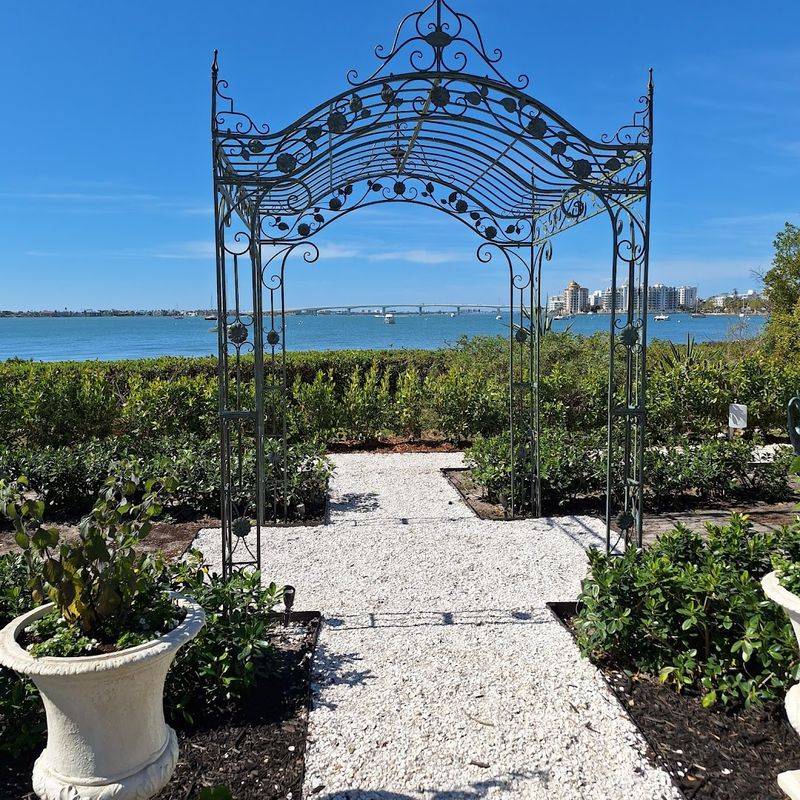
Imagine stepping off a busy city street and suddenly finding yourself surrounded by tropical canopy, salt-kissed breezes, and the glittering blue of Sarasota Bay. That is exactly what happens the moment you walk through the gates of Marie Selby Botanical Gardens.
Sitting right in downtown Sarasota, this 15-acre waterfront escape feels like a world completely apart from the urban buzz just outside its borders.
The garden stretches along the bay with winding paths that take you past shaded groves, open lawns, and quiet corners made for sitting and reflecting. Every turn reveals something new — a burst of color from a blooming bromeliad, the gnarled arms of an ancient banyan, or a sudden clearing with a sweeping bay view.
For a city garden, it is remarkably immersive.
Visitors often say they forget they are in the middle of a major Florida city. The combination of tropical density, water views, and thoughtful landscaping makes the space feel much larger than its 15 acres suggest.
Whether you visit on a weekday morning or a busy weekend afternoon, the garden has a calming rhythm all its own. It is genuinely one of the most peaceful places in all of Florida.
Home to 5,500 Orchids and Rare Tropical Plants
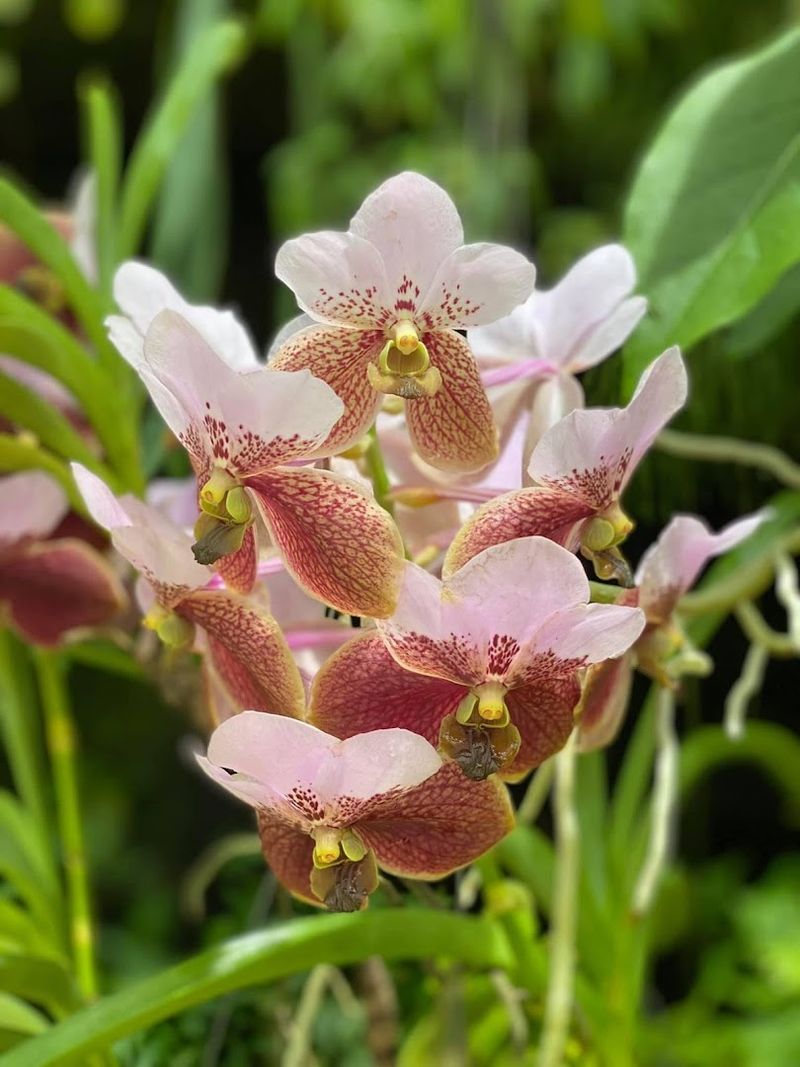
Few things in the plant world are as mesmerizing as a well-curated orchid collection, and Selby Gardens has one of the finest on the planet. With roughly 5,500 orchids representing hundreds of species, the garden is basically a living library of one of nature’s most dazzling plant families.
From delicate miniatures to show-stopping cascades of color, the variety here is genuinely breathtaking.
But orchids are just the beginning. The gardens are home to more than 20,000 living plants in total, including bromeliads, ferns, cycads, palms, and countless rare tropical species from around the globe.
Many of these plants are difficult or impossible to see outside of their native rainforest habitats, making Selby a rare window into ecosystems most people will never visit in person.
Plant lovers tend to slow way down here, examining each specimen with the kind of attention usually reserved for fine art. And honestly, that comparison is not far off.
The colors, textures, and shapes on display throughout the garden rival anything you would find in a gallery. Even visitors who would not normally call themselves plant enthusiasts often leave with a new appreciation for just how astonishing the botanical world truly is.
The Only Garden Dedicated to Epiphytes
Here is something most people do not know: there is only one botanical garden in the entire world whose primary focus is epiphytes, and it is right here in Sarasota. Epiphytes are plants that grow on other plants — like trees or rocks — instead of rooting into soil.
Orchids, bromeliads, air plants, and many ferns all fall into this fascinating category.
What makes epiphytes so special is their remarkable ability to pull moisture and nutrients directly from the air and rain around them. They are not parasites; they simply use their host plants as a platform for reaching sunlight.
This adaptation has allowed them to thrive in some of the world’s most competitive ecosystems, from dense rainforests to misty cloud forests high in the mountains.
Selby Gardens has built its entire identity around these incredible plants, and that focus gives it a depth and specificity that most botanical gardens simply cannot match. Walking through the epiphyte displays feels like getting a private masterclass in one of botany’s most captivating subjects.
The greenhouse exhibits are especially impressive, recreating the humid, layered environments where these plants naturally flourish. Selby is truly in a category of its own when it comes to this botanical niche.
One of the Most Biodiverse Gardens Per Acre
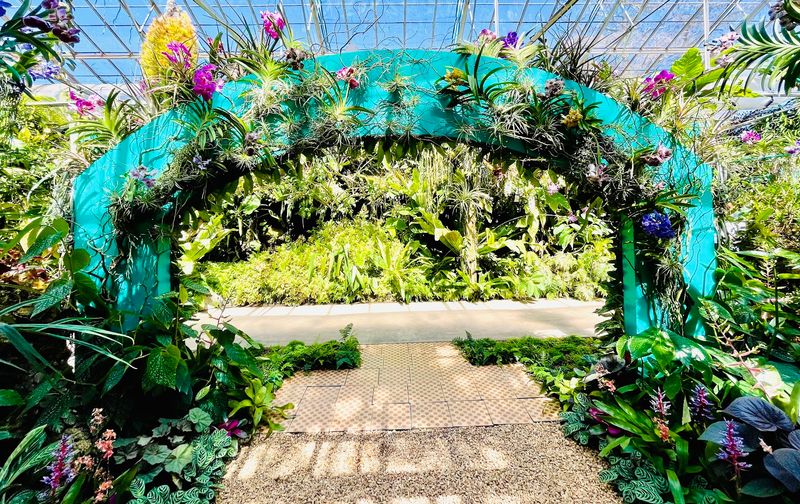
Size is not everything — and Selby Gardens is living proof of that. Despite covering just 15 acres, it is widely recognized as one of the most biologically diverse botanical gardens in the world on a per-acre basis.
That means more species, more variety, and more botanical richness packed into a walkable space than almost any comparable garden on earth.
The numbers back this up. Thousands of distinct plant species from dozens of countries are represented here, spanning tropical, subtropical, and even some temperate environments.
Curators and scientists at Selby work continuously to expand and maintain this collection, ensuring that the garden remains not just beautiful but genuinely scientifically valuable.
For visitors, this biodiversity translates into a walk that never gets repetitive. Every few steps brings a new species, a new fragrance, or a new texture underfoot.
Kids especially tend to love this aspect — there is always something surprising just around the next bend. Families, school groups, and seasoned botanists alike find something fresh to discover on every visit.
The sheer concentration of living diversity here is a reminder of just how astonishing the natural world can be when given the space and care to truly flourish.
A Walk Through Banyans, Mangroves, and Palms
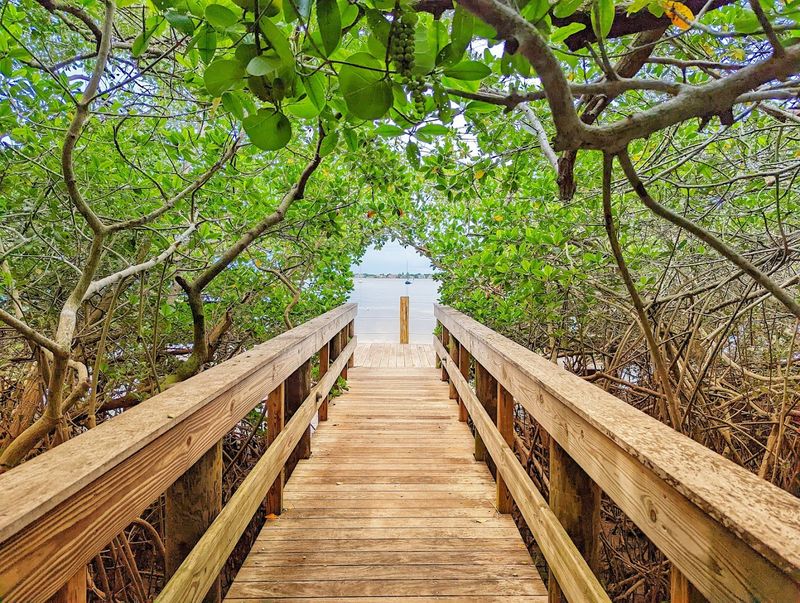
Some walks just stay with you. The paths through Marie Selby Botanical Gardens are the kind that linger in your memory long after you have left — dappled light filtering through massive banyan canopies, the crunch of gravel underfoot, and the distant shimmer of Sarasota Bay visible through the palms.
It is the kind of scenery that makes you reach for your camera every thirty seconds.
The banyan trees here are especially spectacular. With their cascading aerial roots and cathedral-like canopies, they create natural tunnels of shade that feel almost otherworldly.
Coastal mangroves line the bay-facing edges of the property, adding a wild, untamed contrast to the more cultivated garden areas. Between them, towering royal palms and a rotating cast of tropical species fill every available inch with life and texture.
Walking the full loop of the garden takes most visitors between one and two hours, though it is easy to stretch that out if you stop often — and you will want to stop often. The pace here invites slowness.
There is no rushing through a place this beautiful. Whether you are an avid hiker or someone who just enjoys a gentle stroll, the pathways at Selby offer one of the most rewarding walks in all of Florida.
A Living Museum of Botany and Art
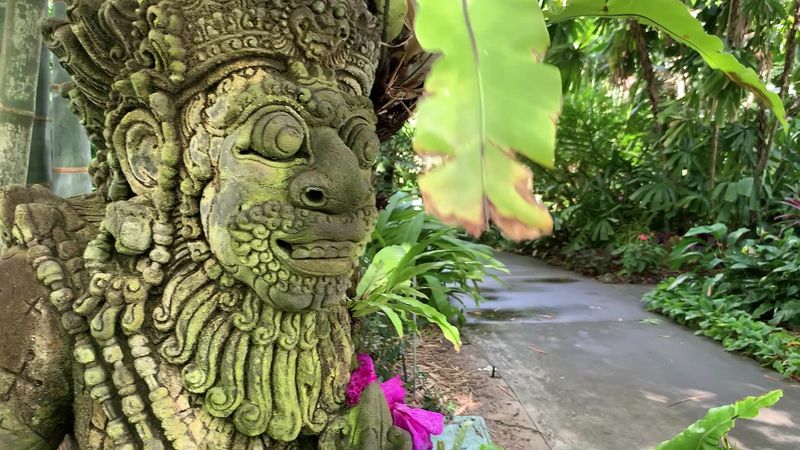
Not many places manage to blend science and art as seamlessly as Marie Selby Botanical Gardens. On the property sits the Museum of Botany and the Arts, a gallery space that hosts rotating exhibits where nature and creativity collide in genuinely surprising ways.
Past shows have featured everything from large-scale botanical photography to immersive installations inspired by tropical ecosystems.
The museum adds a cultural layer to what could otherwise be purely a horticultural experience. Visitors who might not think of themselves as plant enthusiasts often find that the art exhibits pull them deeper into the botanical world, sparking curiosity they did not expect to feel.
It works beautifully in both directions — art lovers discover a passion for plants, and plant lovers find new ways to see and appreciate the subjects they already love.
The exhibits change regularly, which gives repeat visitors a strong reason to come back. Each new show brings a fresh perspective on the natural world, often featuring work by internationally recognized artists and photographers.
The physical space itself is thoughtfully designed, with natural light and open architecture that feel consistent with the garden’s overall aesthetic. Combining a museum visit with a garden walk makes for a surprisingly full and satisfying afternoon out in Sarasota.
Founded from a Historic Private Estate
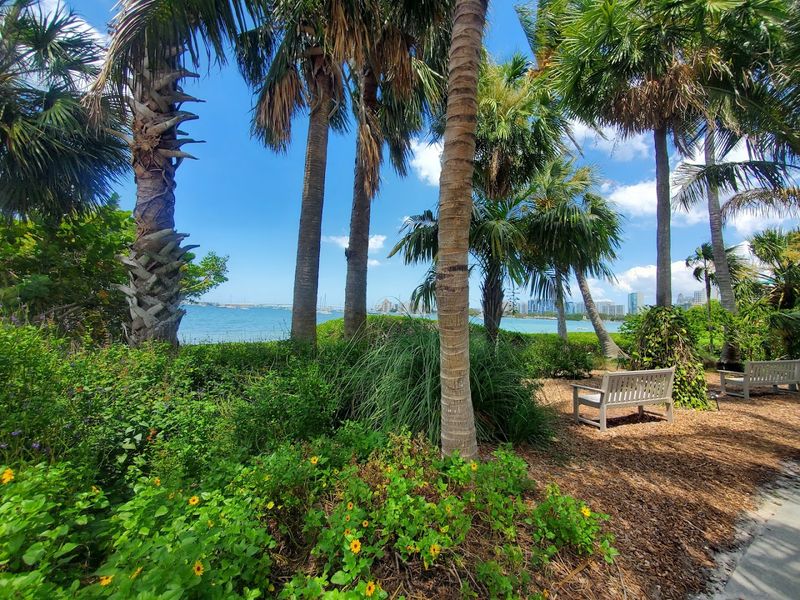
Every great garden has a story, and Selby’s begins with one woman’s remarkable act of generosity. Marie Selby was a prominent Sarasota resident who, along with her husband William, had cultivated a stunning waterfront estate over decades.
When she passed away in 1971, she made the extraordinary decision to donate her home and its surrounding grounds to the public, with a vision of creating a botanical garden that everyone could enjoy.
The gardens officially opened in 1973, just two years after her donation. What began as a private escape for one family became a beloved public treasure almost overnight.
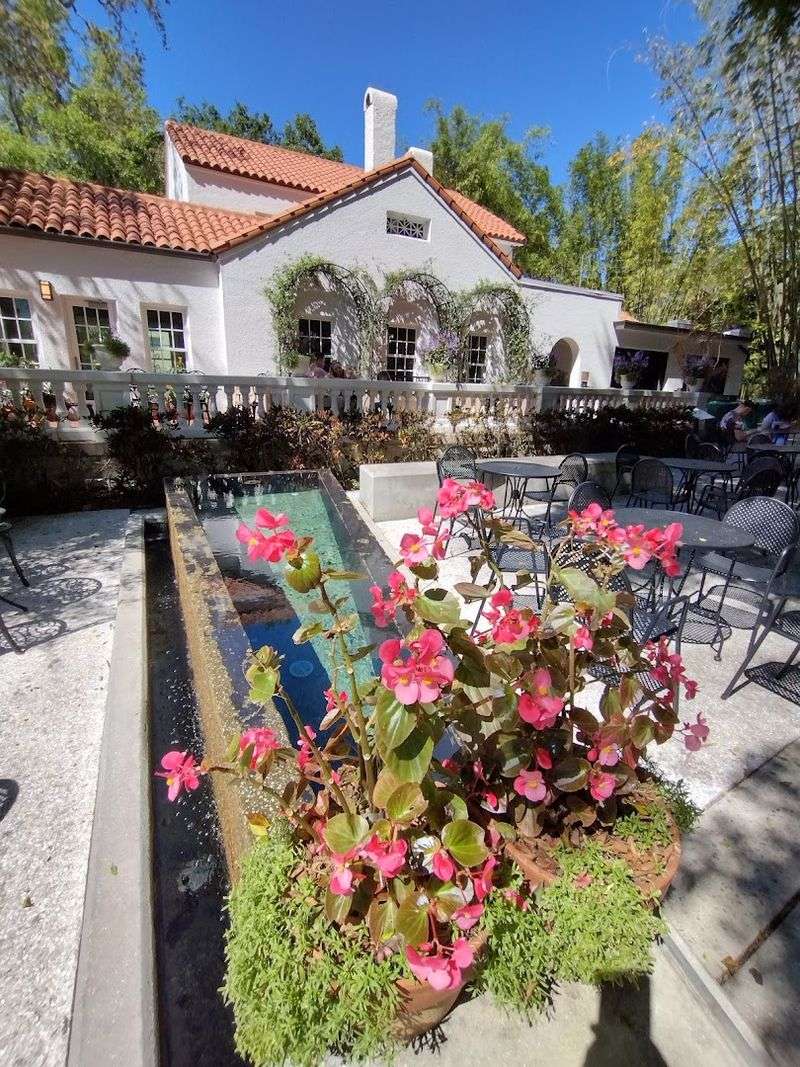
The original estate buildings still stand on the property, lending a sense of history and elegance that newer gardens simply cannot replicate. Walking through the grounds, you can still feel the personal care and love that shaped this place long before it became a world-class institution.
Marie Selby’s legacy is woven into every corner of the garden that bears her name. Her gift was not just land and buildings — it was a vision for how a community could use natural beauty as a shared resource.
That spirit of generosity continues to define the garden’s mission today, making every visit feel like a small tribute to a woman who gave something irreplaceable to her city.
A Global Leader in Orchid Research and Conservation
Behind the beauty of Selby Gardens lies serious scientific work that reaches far beyond Sarasota. The garden’s research department has conducted hundreds of field expeditions to tropical regions across the globe, collecting data and specimens that have helped document thousands of previously unknown or poorly understood plant species.
This is not just a pretty garden — it is an active center of botanical discovery.
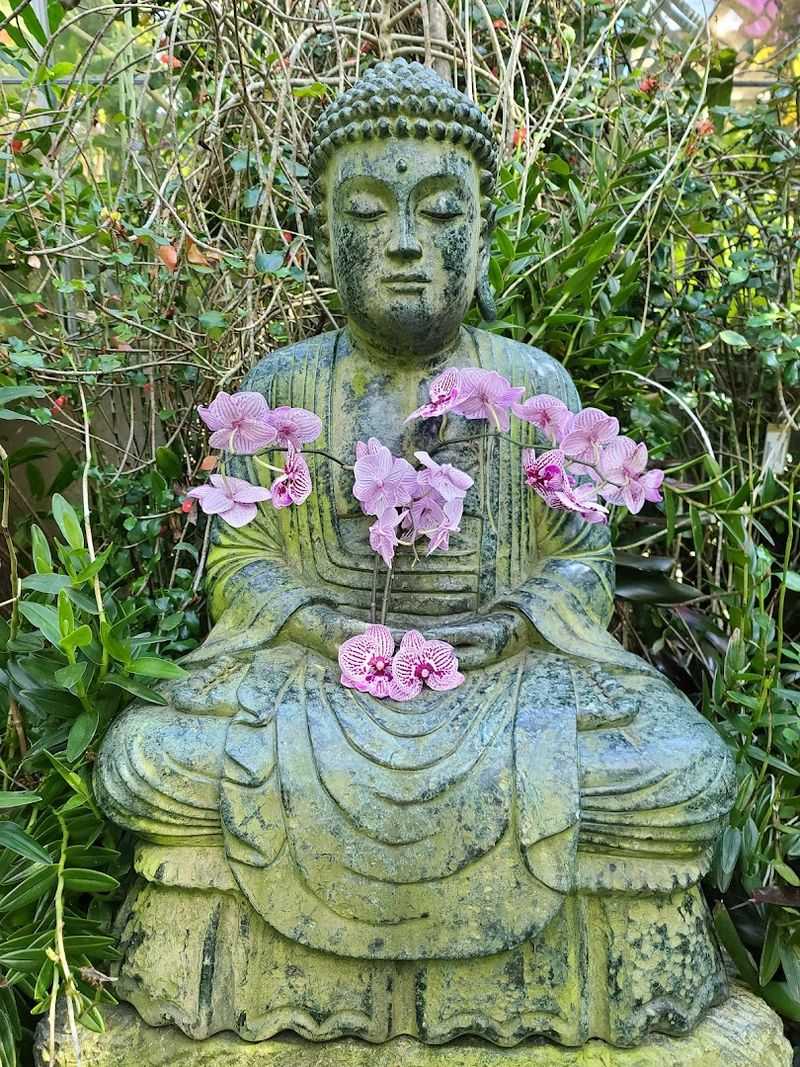
Orchids are the primary focus of much of this research, which makes sense given the garden’s extraordinary collection. Scientists here have contributed to the formal description of hundreds of new orchid species, adding pages to the global botanical record that might otherwise have gone unwritten.
Their work intersects with conservation efforts, helping to identify and protect plants at risk of extinction before they disappear entirely.
The conservation mission extends into education as well. Selby runs programs that train the next generation of tropical botanists and partners with institutions around the world to share findings and resources.
For a garden of its size, its scientific footprint is genuinely outsized. Visitors who take the time to learn about the research happening behind the scenes often leave with a much deeper respect for what Selby represents — not just a beautiful place, but a vital contributor to global plant science.
A Surprisingly Modern, Sustainable Garden
Most people come to Selby Gardens expecting beauty, but not necessarily cutting-edge sustainability. Yet this garden has quietly become a world leader in eco-friendly design, earning the distinction of being the first net-positive energy botanical garden on the planet.
That means it actually produces more energy than it consumes — a remarkable achievement for any institution, let alone a lush tropical garden.
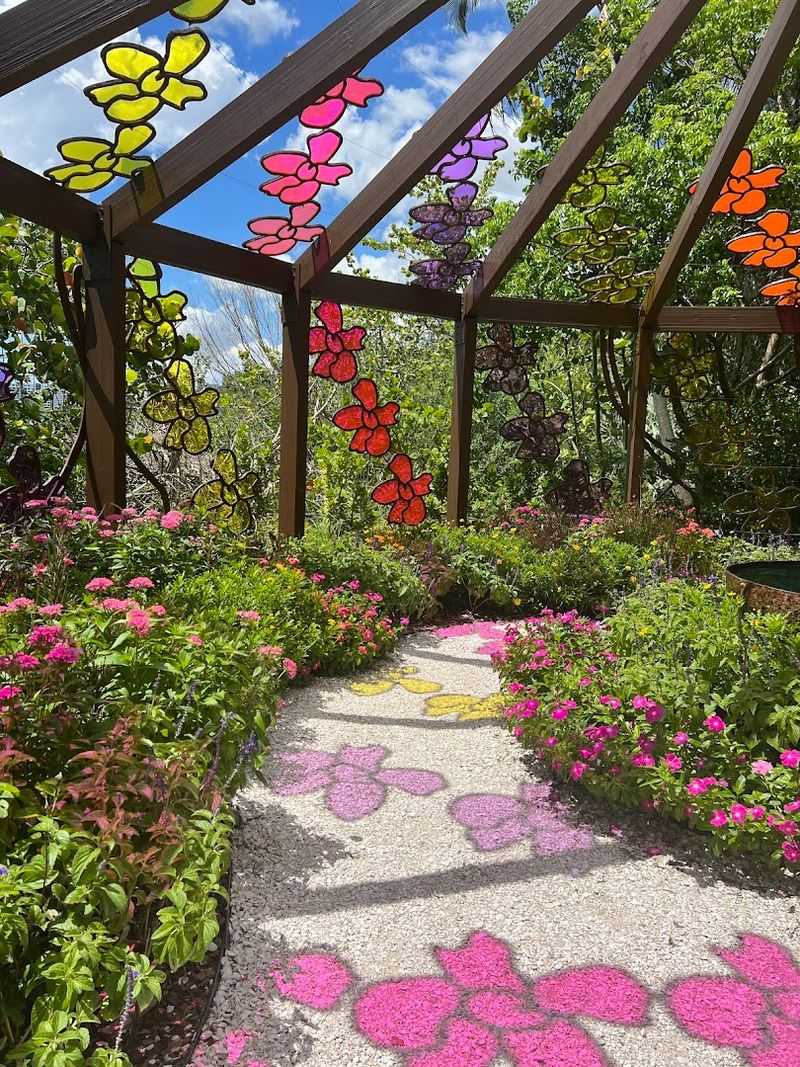
The transformation was driven by a major campus expansion and redesign that incorporated solar energy systems, rainwater harvesting, and green building practices throughout the property. Every new structure was built with environmental impact in mind, and the results are striking.
The modern architecture blends naturally into the landscape rather than dominating it, creating a campus that feels both forward-thinking and deeply rooted in its natural setting.
This commitment to sustainability is not just a feel-good talking point — it reflects a genuine philosophy about how botanical gardens should operate in the 21st century. Selby is essentially modeling what responsible stewardship of natural spaces looks like, and other institutions around the world are paying attention.
For visitors, the sustainable design is mostly invisible in the best possible way — you simply enjoy a beautiful, thoughtfully managed garden without realizing how much innovation is quietly humming beneath the surface.
Essential Visitor Experience and Tips
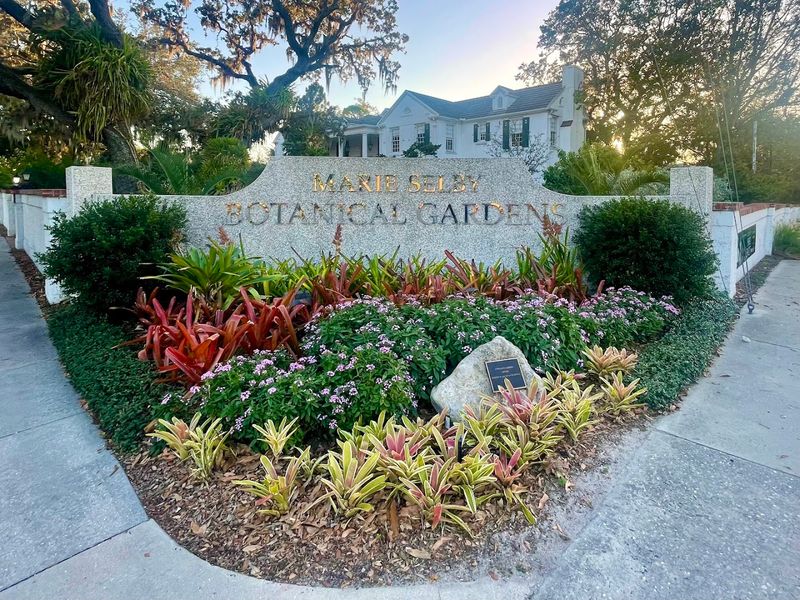
Planning a visit to Selby Gardens is straightforward, and the experience is genuinely accessible for all ages and fitness levels. The garden is located at 1534 Mound St, Sarasota, FL 34236, right in the heart of downtown.
It is open daily, and the flat, well-maintained pathways make it easy to explore even with strollers or mobility aids. Most visitors find that one to two hours covers the main highlights comfortably.
The orchid greenhouse is a must-see, especially if you time your visit during peak bloom season in late winter and early spring. The bayfront seating areas are perfect for a quiet rest midway through your walk — bring a snack and enjoy the water views before continuing.
The Museum of Botany and the Arts is worth building into your visit, since exhibits rotate frequently and add real depth to the experience.
Arriving early on weekdays tends to mean smaller crowds and cooler temperatures, which makes the walk even more enjoyable. Comfortable shoes and light, breathable clothing are your best friends here given Florida’s humidity.
Parking is available nearby, and the downtown location makes it easy to pair with lunch or dinner at one of Sarasota’s many waterfront restaurants. All in all, Selby Gardens is one of the most rewarding half-days you can spend in Florida.