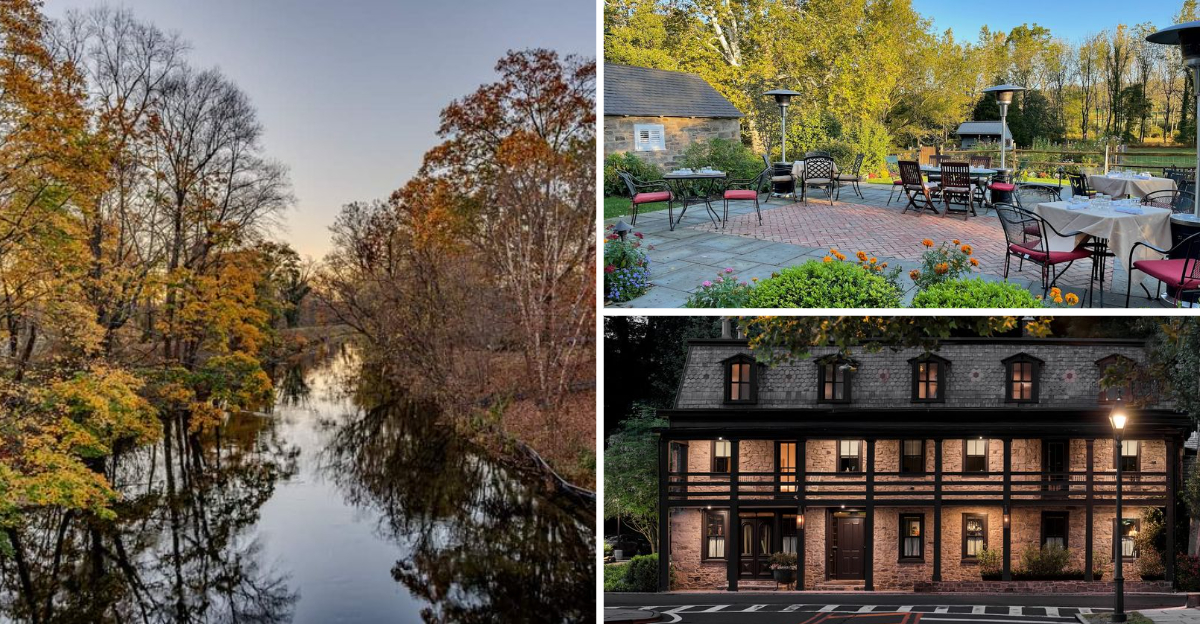
Nestled on the banks of the Delaware River in Hunterdon County, Stockton, New Jersey is a tiny borough that feels like a page torn from a storybook. With its stone cottages, rolling green hills, and tree-lined lanes, it bears a striking resemblance to a quiet English village rather than a spot in the Garden State.
Fewer than 600 people call this charming place home, yet visitors come from across the region to soak up its timeless atmosphere. Whether you are a history lover, nature enthusiast, or simply someone looking for a peaceful escape, Stockton has something genuinely special waiting for you.
The Stockton Inn: A Historic Landmark That Inspired a Broadway Song
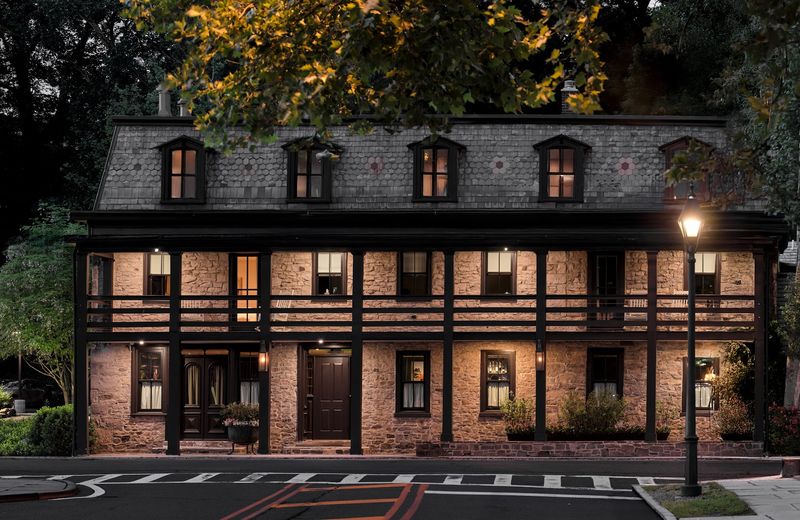
Long before tourists discovered its charm, the Stockton Inn was already turning heads. Built around 1710, this beloved landmark at the corner of Bridge Street and Route 29 holds a remarkable place in American cultural history.
Songwriter Lorenz Hart was so enchanted by the inn that he penned “There’s a Small Hotel” after visiting, and the song later became a Broadway hit in the 1936 musical “On Your Toes.”
The inn features stone walls, original wooden beams, and a waterfall garden that feels pulled straight from the English countryside. Guests have included celebrities, politicians, and artists over its three centuries of operation.
Sitting inside feels less like dining and more like stepping into a well-preserved piece of living history.
Even if you are not staying overnight, stopping by for a meal or a drink at the bar is absolutely worth your time. The inn regularly hosts events, seasonal dinners, and private gatherings that bring the local community together.
Few places in New Jersey carry this much authentic, unhurried character wrapped inside four stone walls.
The Delaware River: Stockton’s Breathtaking Natural Backdrop
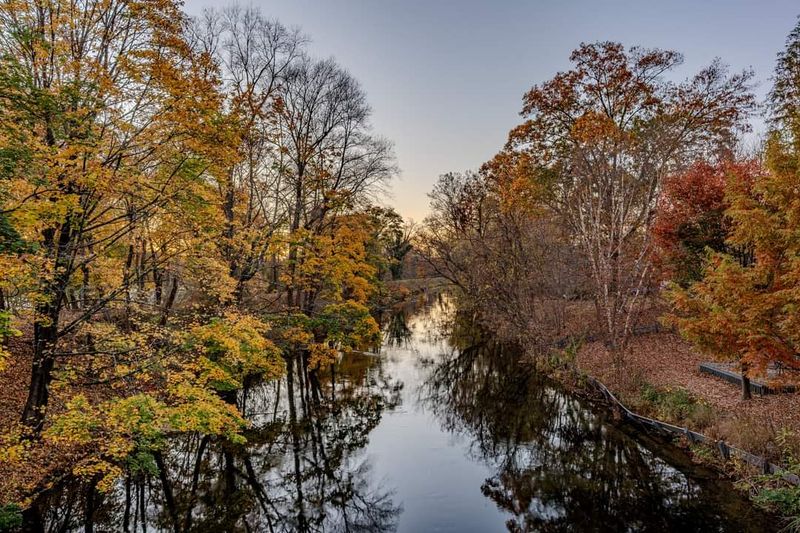
Flowing quietly along the western edge of Stockton, the Delaware River is more than just a pretty view. It forms a natural border between New Jersey and Pennsylvania and has shaped this village’s identity for centuries.
Early settlers used the river for trade, fishing, and transportation long before roads made travel easy.
Today, the river draws kayakers, canoeists, and anglers who appreciate its relatively calm stretches near Stockton. On a clear autumn morning, the reflection of gold and red leaves shimmering across the water is genuinely stunning.
Bald eagles have also been spotted soaring above the river in recent years, adding a wild, unexpected thrill to any visit.
Walking along River Road offers some of the best views without requiring any strenuous effort. Families often spread out on the grassy banks for picnics while watching boats drift by.
The Delaware and Raritan Canal towpath also runs nearby, giving hikers and cyclists a flat, scenic route that follows the river for miles in either direction. Nature lovers will find the river endlessly rewarding through every season of the year.
Stone Architecture: Buildings That Echo an English Village Aesthetic
One of the first things visitors notice about Stockton is the architecture. Unlike many American towns built with wood frames and vinyl siding, Stockton’s oldest buildings are constructed from local fieldstone and limestone.
The texture and color of these walls give the village a weight and permanence that feels distinctly European.
Walking along Bridge Street, you will pass structures that date back to the 18th and 19th centuries. Many have been carefully preserved rather than renovated beyond recognition.
The result is a streetscape that looks remarkably similar to villages found in the Cotswolds region of England, with low rooflines, thick walls, and small-paned windows catching afternoon light.
Architecture enthusiasts often visit Stockton specifically to photograph its buildings. The harmony between the stone structures and the surrounding landscape, including the wooded hillsides and river below, creates a visual atmosphere that photographers and painters have long admired.
Local preservation efforts have kept the village from becoming overdeveloped, which means the original character remains largely intact. Strolling through Stockton feels like a quiet lesson in American colonial building traditions at their most handsome.
The Prallsville Mills Historic District: Industry Frozen in Time
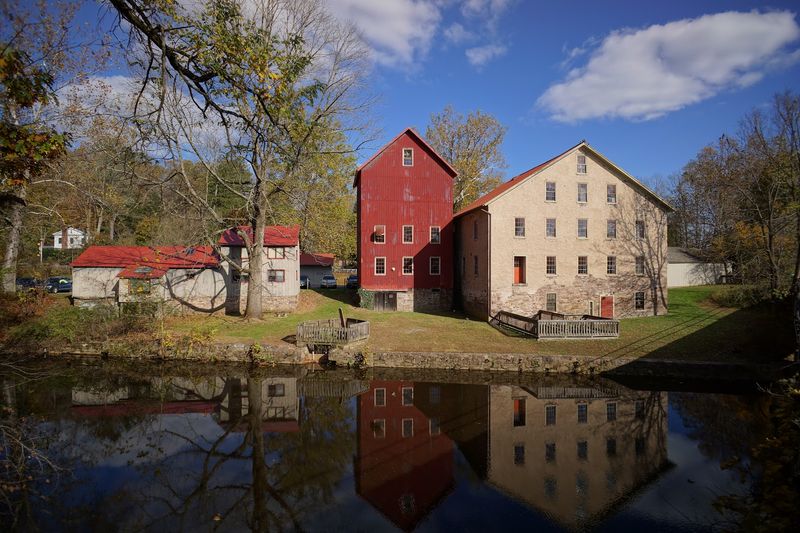
Just a short walk from the center of the village sits one of New Jersey’s most evocative historic sites: the Prallsville Mills. This collection of 18th and 19th century industrial buildings once served as a working grist mill, linseed oil mill, and sawmill complex that powered the local economy for generations.
Today it stands as a beautifully preserved snapshot of early American industry.
The Delaware and Raritan Canal State Park manages the site, and it hosts regular art exhibitions, outdoor concerts, and community events throughout the year. The stone buildings, wooden loading docks, and millrace channel give the whole area a moody, atmospheric quality that photographers absolutely love.
In autumn especially, the contrast of golden leaves against the dark stone walls is extraordinary.
Guided tours are sometimes available, offering fascinating details about how grain was milled and how the canal system once connected this small village to markets across the region. Even without a tour, walking the grounds on your own is deeply rewarding.
Prallsville Mills is one of those rare places where history does not feel like a museum exhibit but rather something you can genuinely feel beneath your feet.
The Delaware and Raritan Canal Towpath: A Trail Through Living History
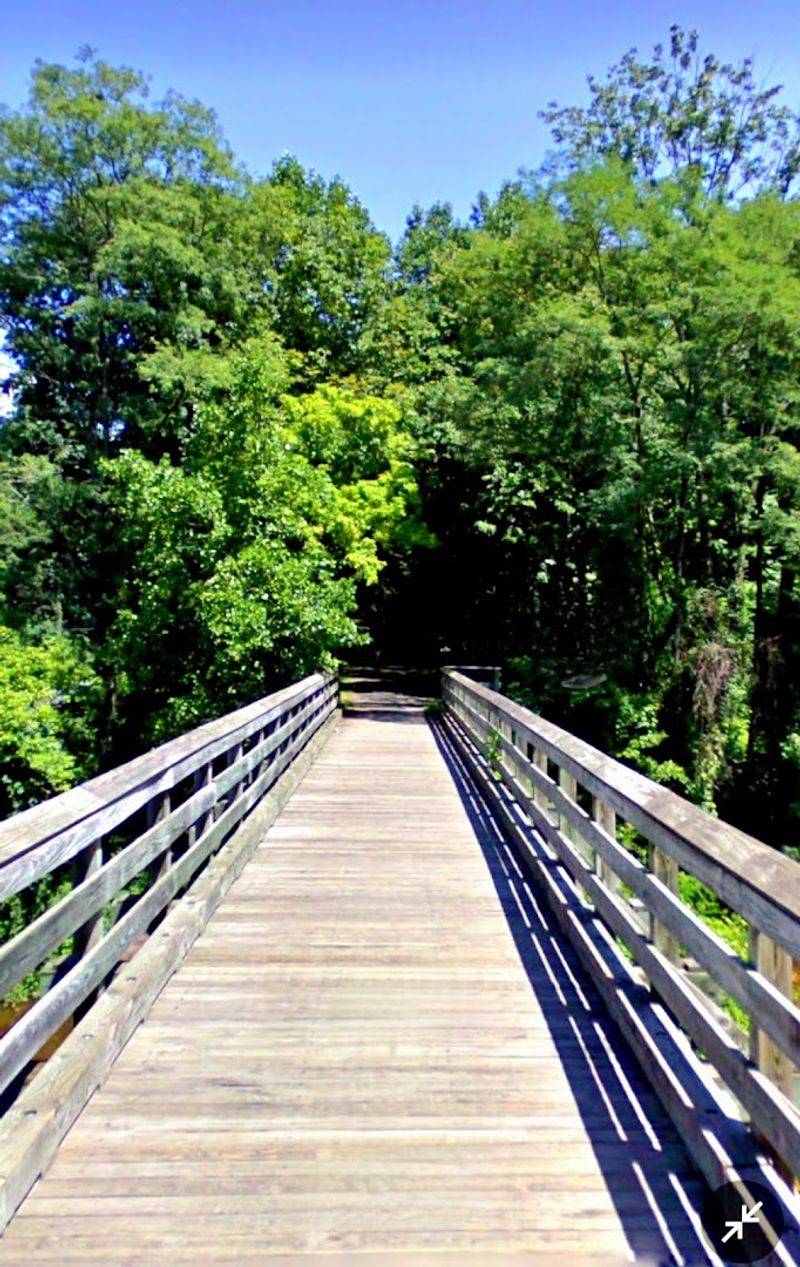
Running alongside the Delaware River, the Delaware and Raritan Canal Towpath is one of New Jersey’s most beloved recreational trails. Stretching for miles through Hunterdon County, the flat, well-maintained path passes directly through Stockton, making the village a perfect starting point for a leisurely bike ride or long morning walk.
The canal itself was built in the 1830s to transport coal and goods between the Delaware River and New Brunswick. Mules once walked this very towpath pulling heavy barges through the water.
Today, the canal is a quiet, tree-shaded ribbon of still water that provides habitat for herons, turtles, and countless migratory birds.
What makes this trail special for visitors is how seamlessly it blends natural beauty with historical context. Interpretive signs along the route explain the canal’s construction and its role in New Jersey’s industrial past.
Cyclists can cover long distances without encountering traffic, while walkers enjoy the slower pace of watching wildlife and wildflowers change with the seasons. Renting a bike in nearby New Hope, Pennsylvania, and pedaling into Stockton along the towpath is one of the most enjoyable half-day adventures the region offers.
Stockton Market: A Community Hub Bursting With Local Flavor
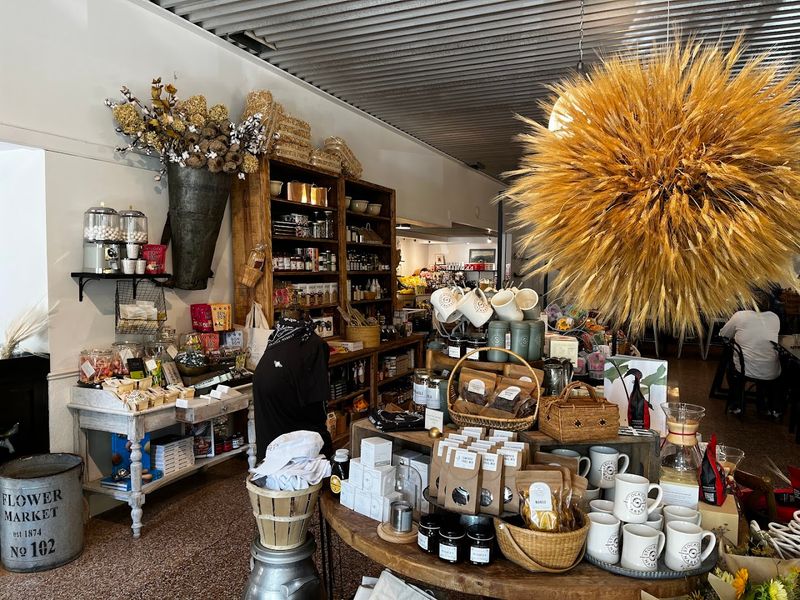
Every weekend, the Stockton Market transforms a converted barn-style building into one of the region’s most vibrant local gathering spots. Founded as a way to support small farmers, artisan food producers, and independent craftspeople, the market has grown into a beloved institution that draws visitors from across Hunterdon and Bucks counties.
Stalls overflow with fresh vegetables, handmade cheeses, artisan breads, locally roasted coffee, and prepared foods from a variety of culinary traditions. The atmosphere buzzes with conversation, the smell of freshly baked goods, and the cheerful chaos of families navigating crowded aisles.
It feels nothing like a supermarket and everything like a neighborhood celebration.
Beyond food, the market also features jewelry makers, potters, woodworkers, and other artisans whose work reflects the creative spirit of the surrounding community. Live music often accompanies the shopping experience, adding an extra layer of warmth to weekend mornings.
For first-time visitors to Stockton, starting the day at the market is an excellent way to sample the village’s character before exploring the rest of what this remarkable little borough has to offer. Come hungry and leave with a full basket.
The Centre Bridge-Stockton Bridge: Connecting Two States in Style
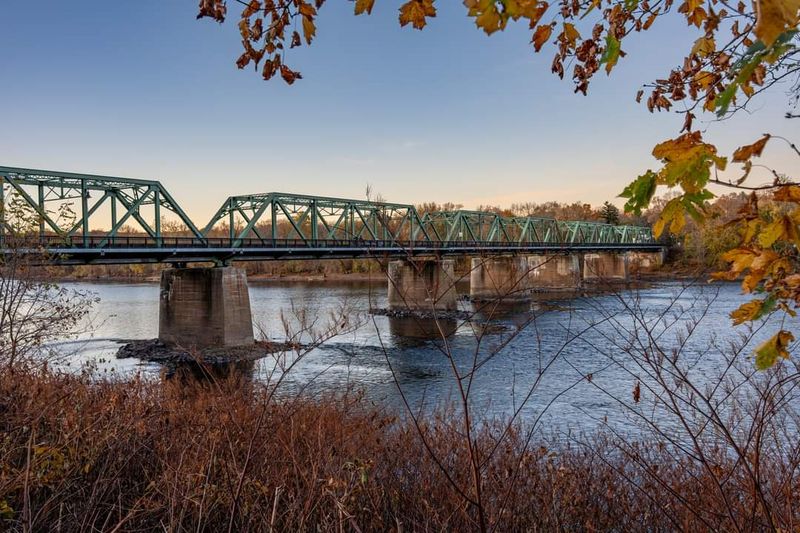
Spanning the Delaware River between Stockton, New Jersey, and Centre Bridge, Pennsylvania, the Centre Bridge-Stockton Bridge is more than just a way to cross the water. It carries a sense of occasion that most modern bridges simply do not possess.
The current steel through-truss structure replaced earlier bridges that dated back to the 18th century, and crossing it still feels like a small event worth noticing.
From the bridge’s pedestrian walkway, the views upstream and downstream are genuinely lovely. On quiet mornings, fog sometimes drifts above the water, turning the landscape into something that looks more like a painting than a real place.
The bridge also gives photographers an ideal vantage point for capturing both the New Jersey and Pennsylvania shorelines simultaneously.
Historically, river crossings at this location were vital to commerce and communication between the two states. Washington’s famous crossing of the Delaware during the Revolutionary War occurred not far from here, lending the whole stretch of river a powerful sense of American history.
Whether you cross on foot, by bicycle, or by car, the bridge rewards a moment of pause to appreciate the view and the stories embedded in this stretch of the Delaware.
Woolverton Inn: Countryside Luxury With an English Estate Atmosphere
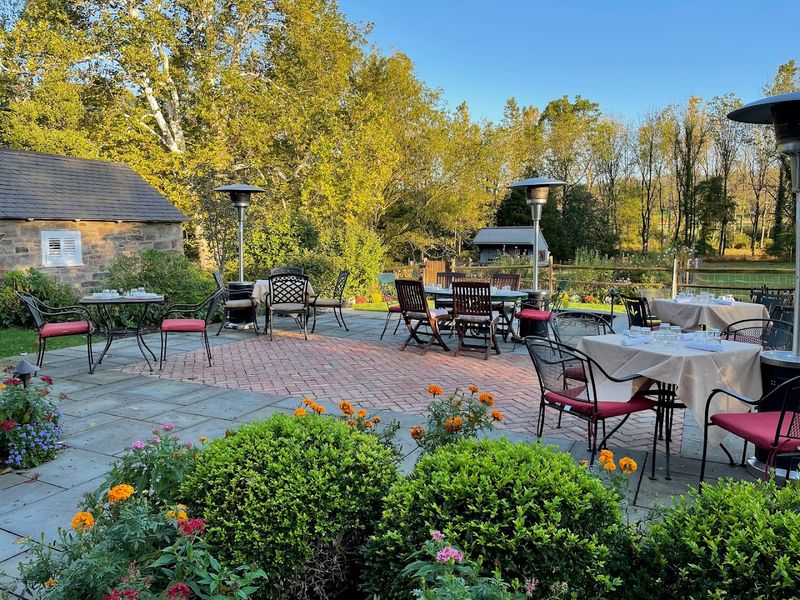
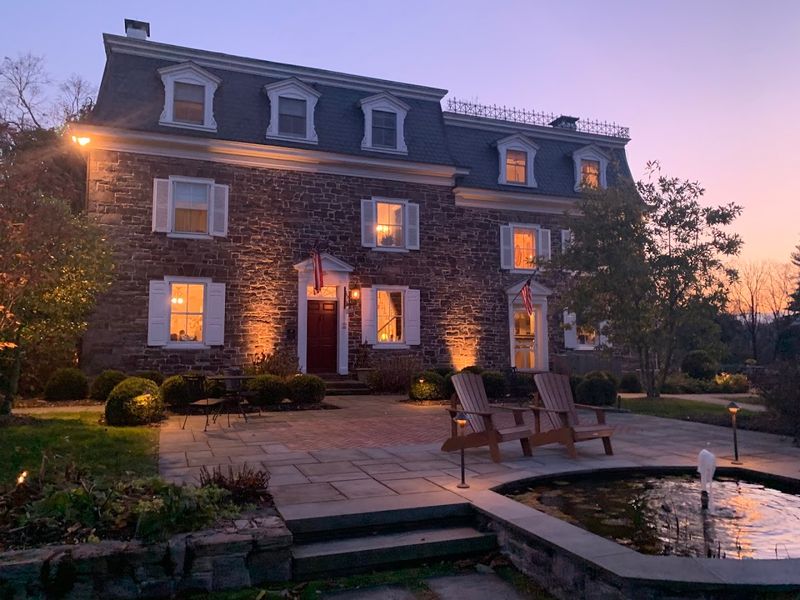
Perched on a hilltop just outside the village, the Woolverton Inn is the kind of place that makes you want to slow down and breathe differently. This beautifully restored 1793 stone manor house sits on ten acres of manicured gardens, meadows, and woodland, offering guests an experience that feels closer to staying at an English country estate than a typical American bed and breakfast.
The inn features elegant rooms filled with antiques, fireplaces, and the kind of thoughtful details that make a stay feel genuinely special. Guests often wake to birdsong and the sight of deer grazing in the meadow below.
A full gourmet breakfast is served each morning, using local and seasonal ingredients that reflect the agricultural richness of Hunterdon County.
Couples celebrating anniversaries or honeymoons frequently choose Woolverton Inn for its romantic atmosphere and seclusion. The surrounding property is perfect for leisurely walks, and the proximity to Stockton village means guests can easily explore the area on foot or by bicycle.
If the English countryside comparison for Stockton begins anywhere, it arguably begins right here on this graceful hilltop property where time moves at its own unhurried pace.
The Village Atmosphere: Small-Town Charm That Feels Genuinely Timeless
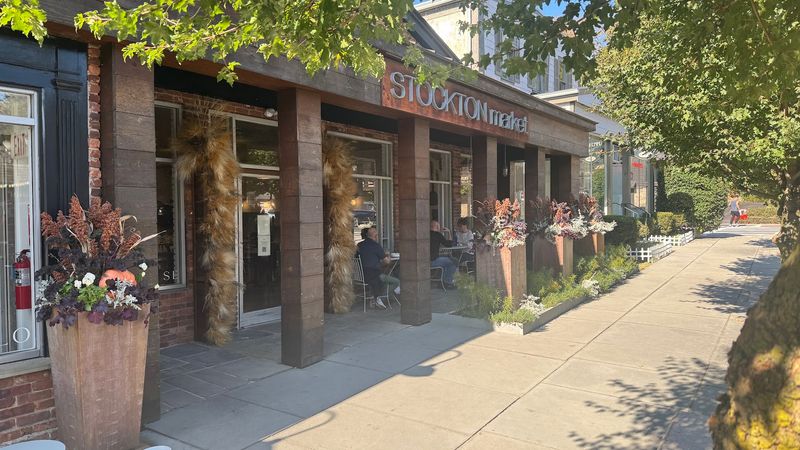
Some places earn their reputation through grand attractions. Stockton earns its through something harder to manufacture: genuine atmosphere.
Walking through the village on any given afternoon, you notice the absence of chain stores, neon signs, and traffic noise. Instead, there are small independent shops, a cozy cafe or two, and neighbors who actually wave hello to strangers passing by.
The population hovers around 550 people, which means the community is tight-knit in ways that larger towns simply cannot replicate. Local events, from outdoor concerts at Prallsville Mills to holiday celebrations on Bridge Street, feel personal rather than commercial.
Artists, writers, and musicians have long been drawn to Stockton for exactly this quality of quiet, creative intimacy.
What makes the village feel so timeless is largely the absence of visual clutter. Zoning regulations and community pride have kept modern intrusions to a minimum.
The result is a streetscape where the 21st century barely announces itself, and a visitor can genuinely imagine being transported back a hundred years or more. Stockton does not perform its charm for tourists; it simply exists as it always has, unhurried and unapologetically itself.
That, more than anything, is what makes it unforgettable.