Tucked along Florida’s Panhandle coast, Apalachicola is the kind of town that feels like it stopped the clock sometime around 1890 — and honestly, that’s exactly its charm.
With weathered brick storefronts lining its downtown streets and fishing boats still heading out at dawn, this small Gulf Coast community holds onto a way of life that most of Florida has long forgotten.
It was once one of the busiest ports in the South, and traces of that golden era are everywhere you look.
Whether you’re a history lover, a seafood enthusiast, or just someone craving a slower pace, Apalachicola delivers something genuinely rare.
A Historic Gulf Port With Deep Roots
Before Miami ever appeared on a map, Apalachicola was already making waves. Founded in the early 1800s, this small Gulf town became one of the third-busiest cotton shipping ports in the entire country, ranking right behind New York and New Orleans during its peak years.
Ships loaded with cotton bales would line the docks, and merchants from across the Southeast came to trade.
That booming commerce left behind something money can’t easily buy today — a deeply layered sense of place. The streets were laid out with purpose, the buildings were built to last, and the waterfront was engineered for serious maritime work.
You can still feel that industrial ambition when you walk along Water Street.
What makes Apalachicola’s history so compelling is how intact it remains. Unlike many Southern towns that were either burned, rebuilt, or overdeveloped, this one largely survived the centuries with its original bones.
The maritime culture shaped everything here — the food, the architecture, the local pride, and even the way residents talk about their town. Visiting feels less like a tourist trip and more like a genuine encounter with living American history.
The Brick Storefronts of Downtown
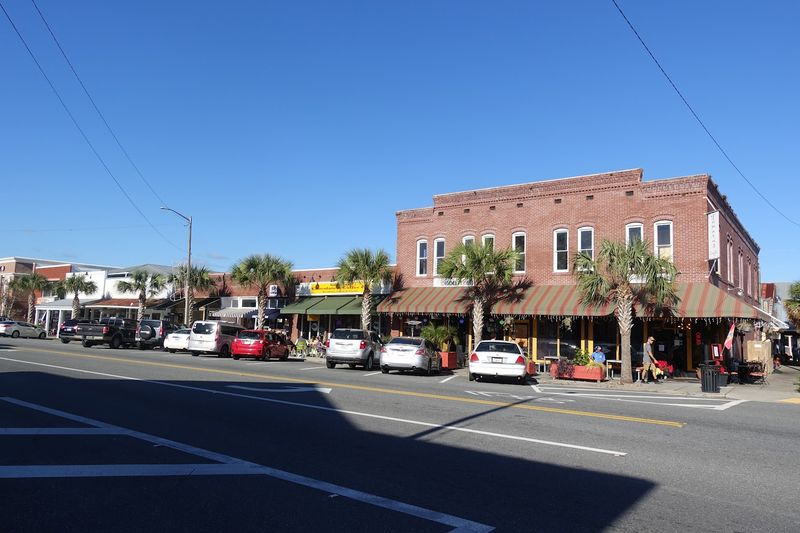
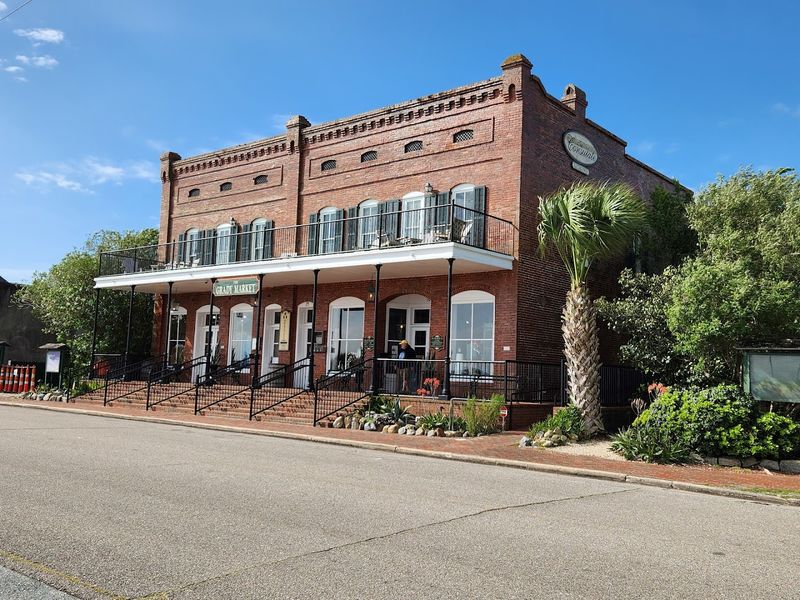
Walking through downtown Apalachicola is like flipping through a beautifully preserved architectural scrapbook. The brick buildings that line Commerce Street and Avenue E were constructed in the mid-to-late 1800s, and many still wear their original facades with pride.
Thick masonry walls, tall windows, and cast-iron details give the district a character that no modern renovation could fake.
Today, those same storefronts house an eclectic mix of businesses — art galleries showcasing Gulf Coast painters, boutiques selling locally made goods, and seafood restaurants where the catch of the day might have been pulled from the bay that very morning. It’s a rare combination of authentic history and living commerce that keeps the district feeling genuine rather than staged.
One of the best ways to appreciate the architecture is simply to slow down and look up. Cornices, decorative brickwork, and faded painted signs from century-old businesses still peek through on several buildings.
The Raney House, the Chestnut Street Cemetery nearby, and several commercial blocks are listed on the National Register of Historic Places. Preservation efforts here have been thoughtful, keeping the aesthetic honest without turning the whole town into a museum piece.
It rewards curious, unhurried visitors.
The Legacy of the Oyster Industry
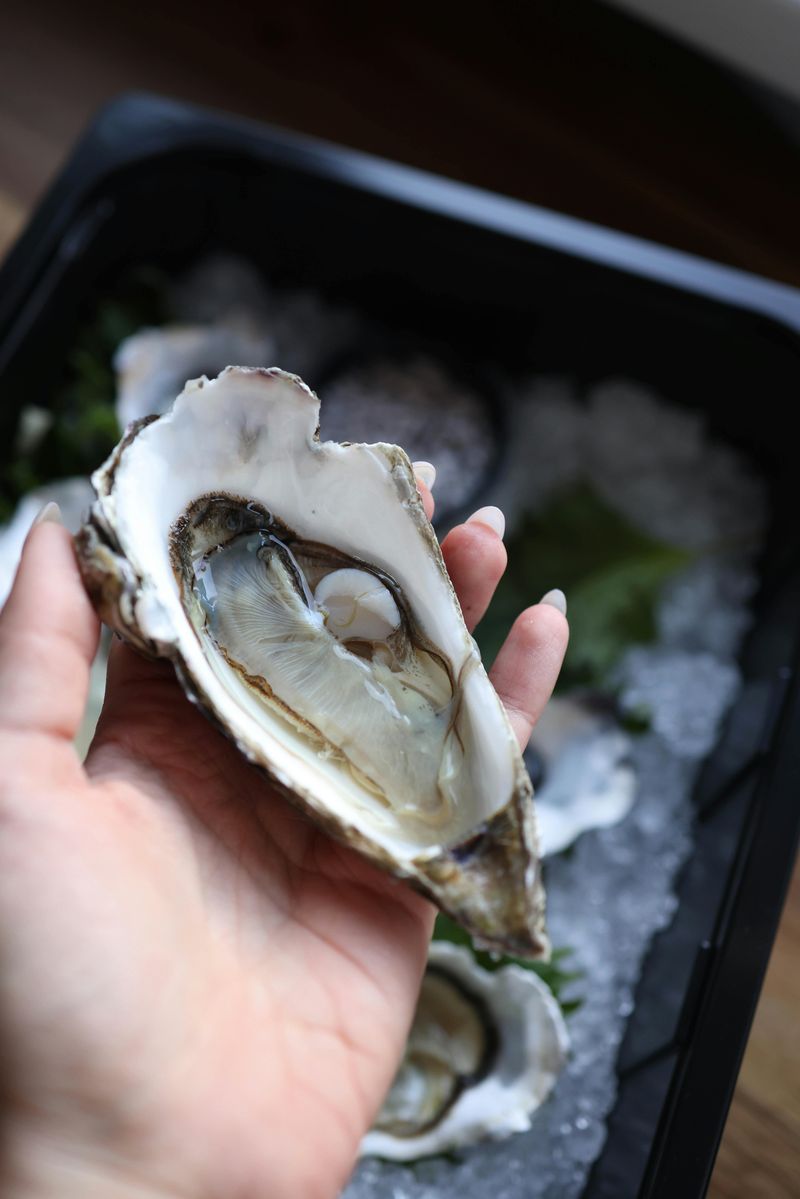
At its height, Apalachicola Bay supplied nearly 90 percent of all oysters harvested in Florida and about 10 percent of the entire nation’s supply. That’s a staggering figure for a bay that stretches only about 210 square miles.
The secret was the unique mix of freshwater flowing in from the Apalachicola River and saltwater from the Gulf, creating a nutrient-rich environment that made these oysters unusually plump and flavorful.
Generations of local families built their entire lives around the bay. Oystermen passed down their knowledge of tides, beds, and seasons from parent to child, creating a tightly knit working culture that was deeply tied to the rhythms of the water.
The oyster wasn’t just food here — it was identity, livelihood, and community pride all rolled into one briny shell.
Sadly, the industry has faced serious setbacks in recent decades. Upstream water management decisions, droughts, and a devastating hurricane in 2018 dramatically reduced oyster populations in the bay.
But the community hasn’t given up. Restoration programs and aquaculture experiments are underway, and locals speak about the bay’s recovery with cautious but genuine optimism.
The oyster’s story in Apalachicola is far from over — it’s just entering a new, harder chapter.
One of the Last Working Oyster Fleets in the South
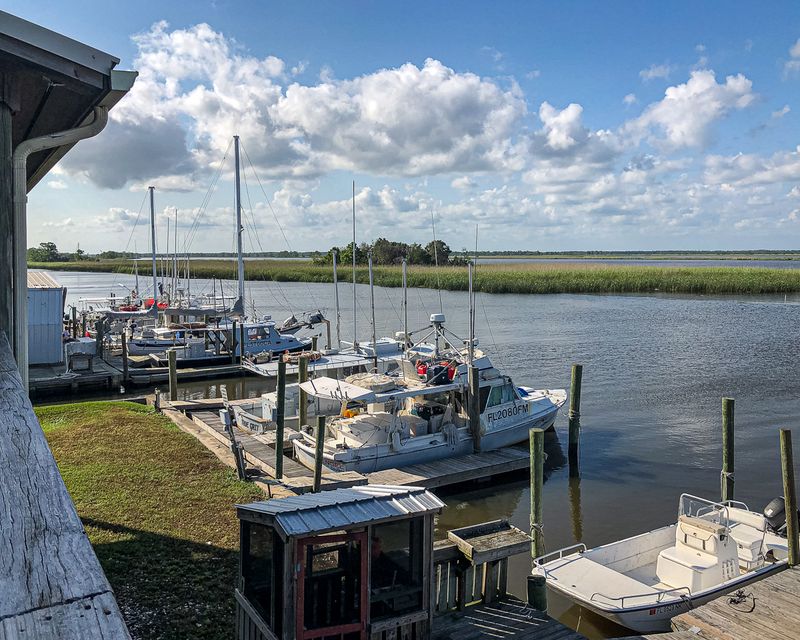
There’s something almost defiant about the boats still heading out from Apalachicola’s docks before sunrise. While industrial fishing operations have replaced traditional harvesting methods across much of the Gulf Coast, a small fleet here still works the bay using long-handled tongs — the same basic tools oystermen have used for over a century.
It’s slow, physical, skilled work, and watching it feels like witnessing something rare.
The fleet has shrunk considerably from its peak years when dozens of vessels would crowd the bay each morning. Today, only a handful of licensed oystermen remain, and many are older watermen who learned the craft from their parents.
Younger generations face tough economic realities that make it hard to justify staying in such an uncertain industry, which is why every boat still on the water feels like a small act of resistance against disappearing tradition.
Visitors can sometimes watch the fleet return to the docks in the late morning, boats low in the water with their catch. A few local processors still shuck oysters by hand in waterfront operations that welcome curious onlookers.
Supporting local seafood businesses — ordering those raw oysters at a waterfront restaurant — is one of the most direct ways travelers can help keep this remarkable tradition alive just a little longer.
Apalachicola Maritime Museum and Waterfront Heritage
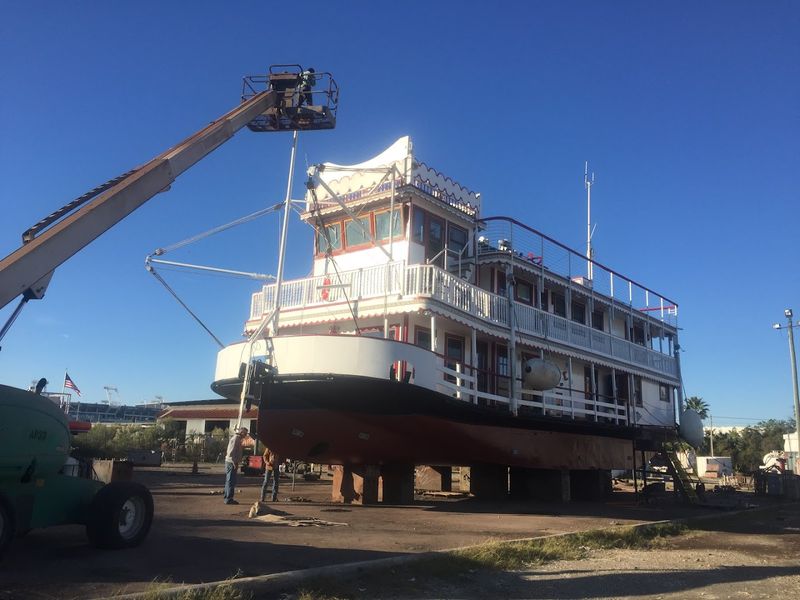
Seafaring towns have stories that deserve more than a paragraph on a historical marker, and the Apalachicola Maritime Museum makes sure this one gets its full telling. Housed near the waterfront, the museum features exhibits on the region’s boat-building traditions, the sponge and oyster industries, and the role the Apalachicola River played in connecting the Gulf to the interior South during the 19th century.
One of the museum’s most engaging offerings is its boat tour program, which takes visitors out onto the bay to experience the waterfront from the water itself. Seeing the town’s skyline from the bay — low-slung brick buildings backed by Spanish moss-draped oaks — gives you an entirely different appreciation for how this place was designed around its working waterfront.
The museum also hosts educational programs and restoration projects involving traditional Gulf Coast wooden vessels.
Even if you’re not typically a museum person, this one earns its visit. The exhibits are approachable and genuinely interesting, with enough real artifacts and local photographs to make the history feel personal rather than textbook-dry.
Check the museum’s current hours before visiting, as they can vary by season. It’s a compact but surprisingly rich experience that adds meaningful context to everything else you’ll see and taste in Apalachicola.
Fresh-From-the-Bay Seafood Scene
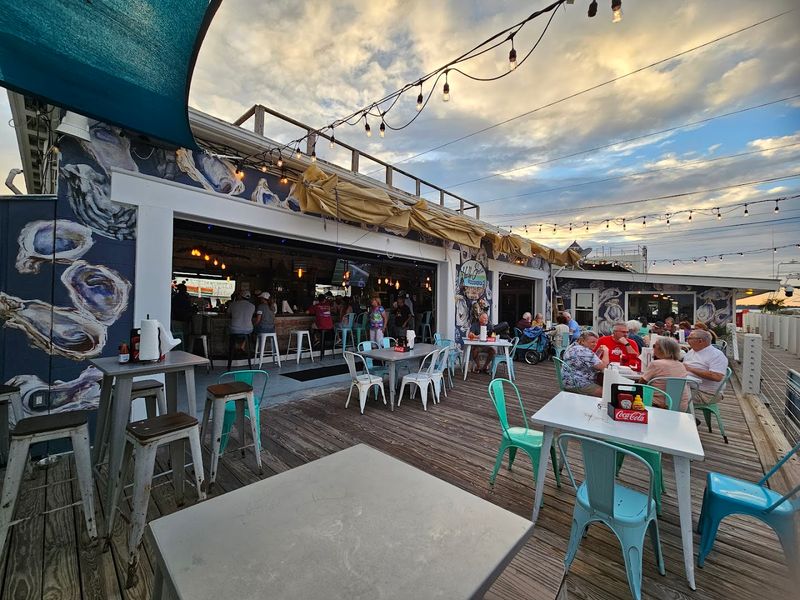
You haven’t really eaten oysters until you’ve had them raw at a waterfront spot in Apalachicola, hours after they were pulled from the bay. The flavor profile is distinctly different from oysters shipped across the country — briny, sweet, and clean, with a creaminess that loyal fans describe as almost addictive.
Locals will tell you the bay’s unique water chemistry is the reason, and after one taste, it’s hard to argue with them.
Beyond oysters, the broader seafood scene here punches well above the town’s small size. Shrimp, blue crab, mullet, and grouper all show up on menus with honest, unfussy preparations that let the freshness speak for itself.
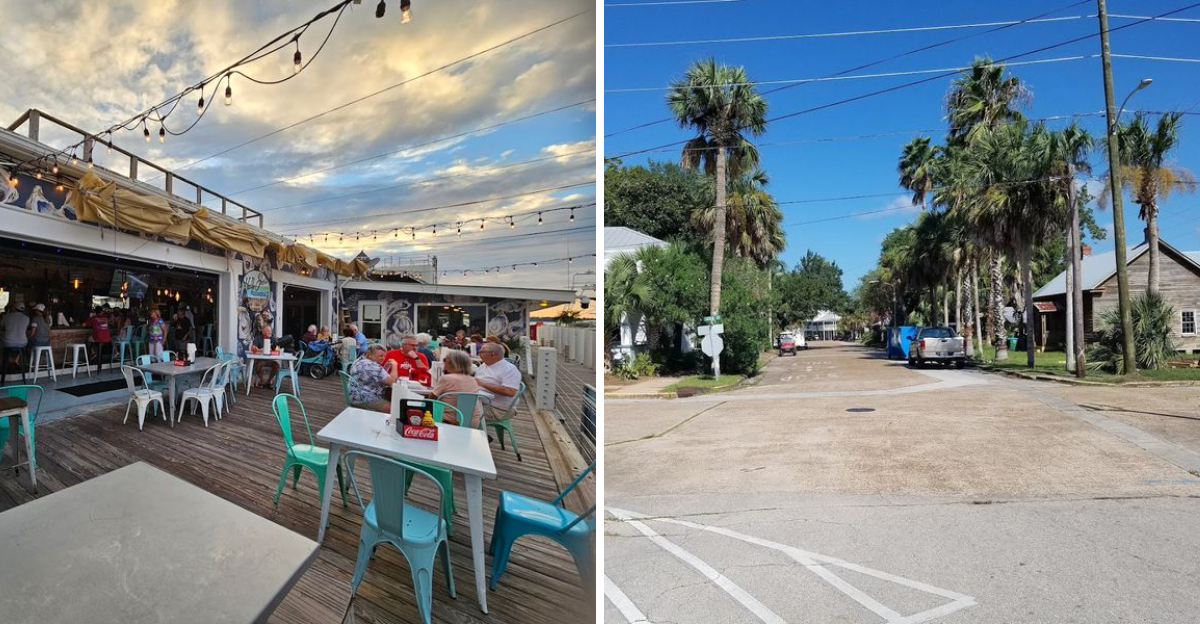
Restaurants like Up The Creek Raw Bar and Tamara’s Cafe have built loyal followings by keeping their sourcing hyper-local and their cooking straightforward. Picnic tables, paper plates, and cold drinks are common — pretension is not.
Budget travelers will appreciate that eating well here doesn’t require spending a fortune. A dozen oysters can still be had for a reasonable price at casual spots along the waterfront.
The atmosphere at these places is relaxed and unpretentious — fishermen and tourists often sit side by side, swapping stories over baskets of fried shrimp. That kind of easy mixing is part of what makes the food scene here feel genuinely special.
The Historic Orman House and Gardens
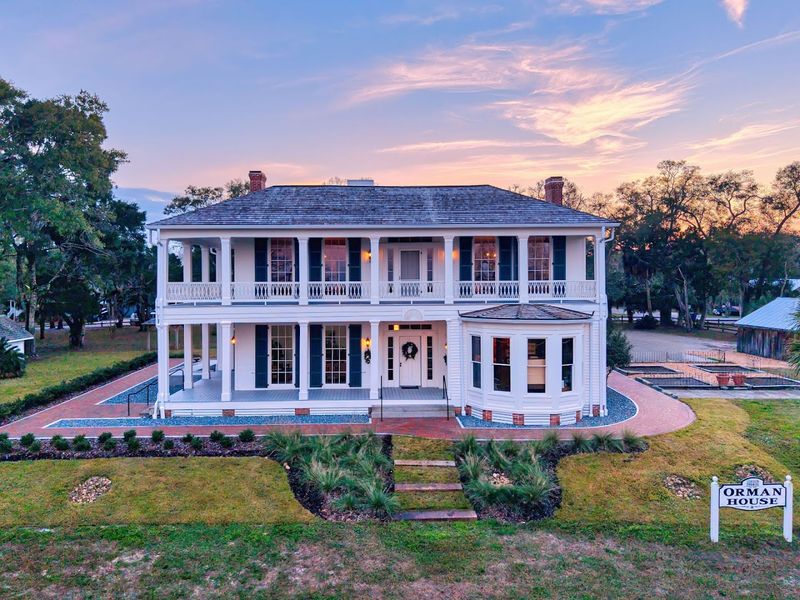
Built around 1838 for merchant Thomas Orman, the Orman House is one of the finest surviving examples of antebellum architecture in Florida’s Panhandle. Its Greek Revival design — with tall columns, wide verandas, and symmetrical windows — reflects the confident prosperity of Apalachicola’s cotton boom years, when wealthy merchants built homes meant to announce their success to the world.
Now managed as a Florida State Park, the property offers guided tours that walk visitors through the home’s original furnishings, architectural details, and the story of the families who lived there across generations. The gardens surrounding the house are equally worth exploring, with old-growth trees, camellias, and plantings that evoke a distinctly Southern sense of time and place.
What makes the Orman House stand out from other historic homes is how honestly it presents its history — including the uncomfortable realities of the enslaved labor that supported the wealth on display. That kind of contextual honesty makes the tour more meaningful and memorable.
Entry fees are modest, and the surrounding neighborhood is filled with other beautifully preserved 19th-century homes worth a slow walk. Combining the Orman House visit with a stroll through the historic district gives you a complete picture of what life looked like here during Apalachicola’s most prosperous era.
Quiet Streets and Uncrowded Coastline
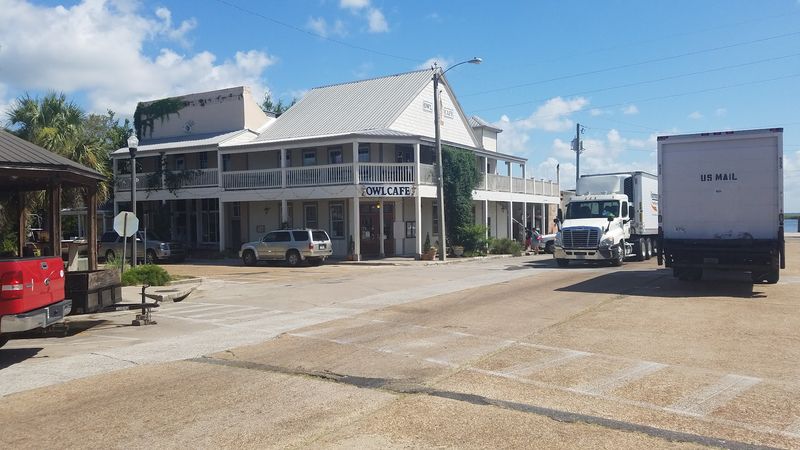
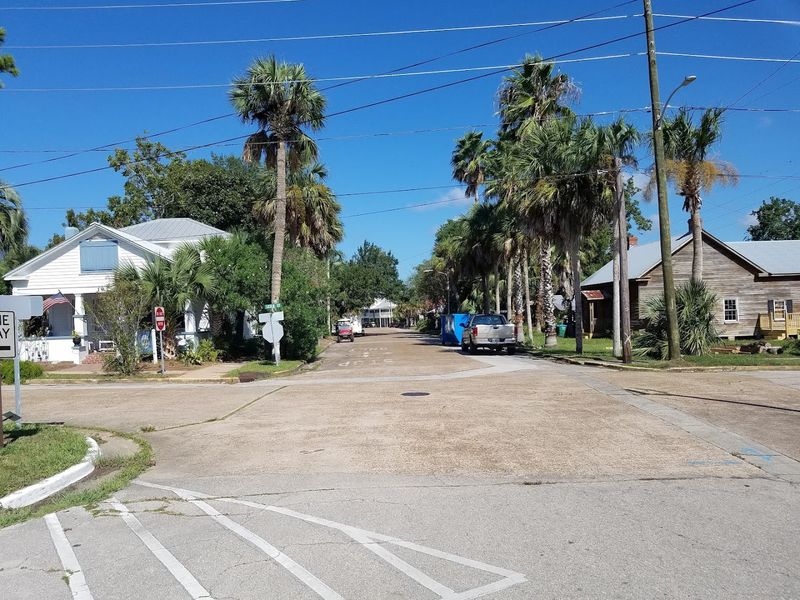
Florida has a well-earned reputation for traffic, crowds, and over-development — but Apalachicola operates on a completely different frequency. The streets here are genuinely quiet on most days, with more bicycles than tour buses and more locals than selfie sticks.
That unhurried pace isn’t manufactured for visitors; it’s just how the town naturally moves, and it’s deeply refreshing.
St. George Island, a barrier island just a short drive and bridge crossing away, offers some of the least developed Gulf Coast beach access in the entire state. St. George Island State Park sits at the island’s eastern end and protects miles of pristine white-sand shoreline, untouched dunes, and clear turquoise water that looks more Caribbean than Floridian.
Shelling, swimming, and kayaking are the main events here, with no resort towers blocking the horizon.
Dog Island, accessible only by boat, takes the solitude even further — no paved roads, no hotels, just raw Gulf Coast wilderness. For travelers who feel exhausted by Florida’s more packaged beach experiences, the Apalachicola area offers a genuine alternative.
Bring sunscreen, a good book, and a cooler with cold drinks. The coastline here rewards those who show up without an agenda, happy to simply sit and watch the Gulf do its slow, endlessly beautiful thing.
Festivals That Celebrate Local Culture
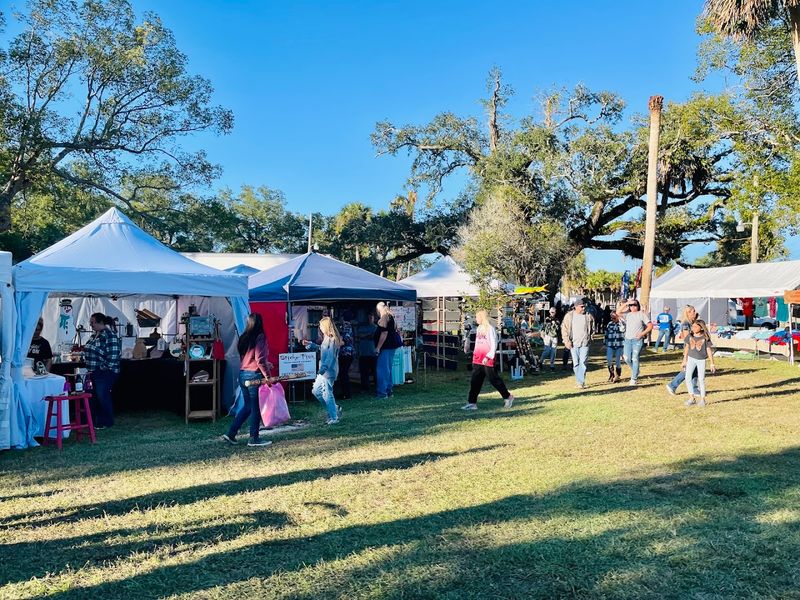
Every November, Apalachicola transforms into the center of Florida’s seafood universe during the Florida Seafood Festival, one of the state’s oldest outdoor festivals. The event draws tens of thousands of visitors for two days of oyster eating contests, live music, arts and crafts vendors, and more fried seafood than any reasonable person could consume in a single weekend.
It’s loud, celebratory, and completely unpretentious.
The festival has been running since 1963, which means it predates most of Florida’s famous tourist attractions by decades. That longevity says something about how deeply the oyster and seafood industries are woven into the community’s identity.
Locals treat it less like a tourism event and more like a hometown reunion, with families setting up lawn chairs in the same spots they’ve claimed for generations.
Beyond the November festival, the town also hosts smaller events throughout the year, including art walks, historic home tours, and waterfront music nights that bring the community together without the big crowds. The Apalachicola Historic Walking Tour, available as a self-guided map from the local visitor center, is worth picking up any time of year.
Festivals here feel earned rather than manufactured — a genuine expression of a community that takes its heritage seriously and enjoys sharing it with anyone curious enough to show up.
Essential Visitor Information for Planning Your Trip
Apalachicola sits in Florida’s Panhandle along the Gulf Coast, roughly 80 miles southwest of Tallahassee via Highway 98. The drive from Tallahassee takes about 90 minutes and passes through some genuinely beautiful North Florida countryside.
There’s no major airport nearby, so most visitors arrive by car — which actually works in the town’s favor, since having wheels makes it easy to explore the barrier islands and surrounding state forests.
Fall is widely considered the best time to visit. Temperatures cool to comfortable levels, the Florida Seafood Festival happens in early November, and the summer crowds are long gone.
Winter is also excellent — mild Gulf Coast weather, nearly empty streets, and the same great seafood without the wait. Summer can be hot and humid, though the barrier island beaches are at their most swimmable.
Most businesses in Apalachicola are locally owned, which means hours can shift seasonally and some spots close on Mondays or Tuesdays. Call ahead or check social media pages before counting on a specific restaurant or shop being open.
Accommodations range from charming historic bed-and-breakfasts to vacation rentals on St. George Island. Budget roughly $150 to $250 per night for lodging.
Cash is still appreciated at some local spots, so keep some on hand. This is one Florida trip that genuinely rewards slow, flexible travel.