Tucked into the rolling Ozark hills of Eureka Springs, Arkansas, Turpentine Creek Wildlife Refuge is doing something truly extraordinary — giving rescued big cats a safe, loving home for life.
Founded by a family with a passion for animals and a deep sense of responsibility, this nonprofit sanctuary has grown into one of the most respected big cat refuges in North America.
Beyond the incredible animals, visitors can also book an overnight stay in a one-of-a-kind treehouse, falling asleep to the sounds of lions and tigers just beyond the trees.
Whether you’re an animal lover, a conservation supporter, or just looking for an unforgettable Arkansas adventure, Turpentine Creek is a place that will stay with you long after you leave.
Sanctuary With a Big Heart
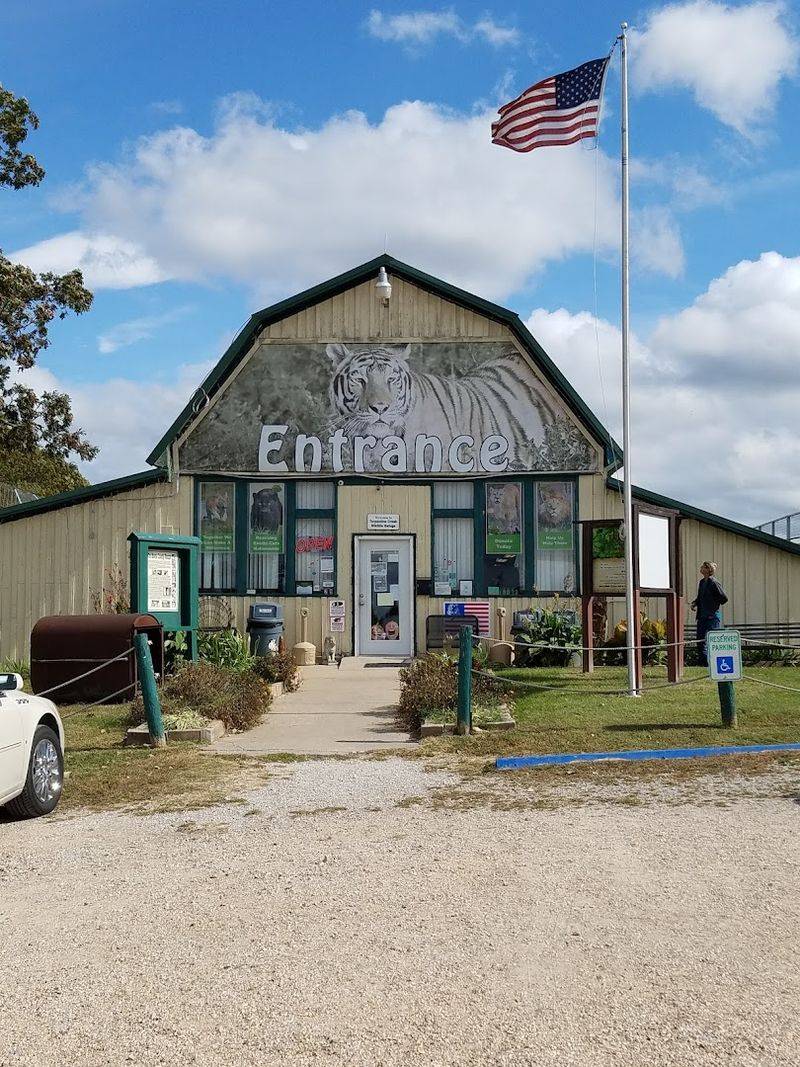
Some places stop you in your tracks the moment you arrive. Turpentine Creek Wildlife Refuge in Eureka Springs, Arkansas, is exactly that kind of place.
Nestled among the Ozark Mountains, this nonprofit sanctuary has been quietly changing lives — both human and animal — for decades.
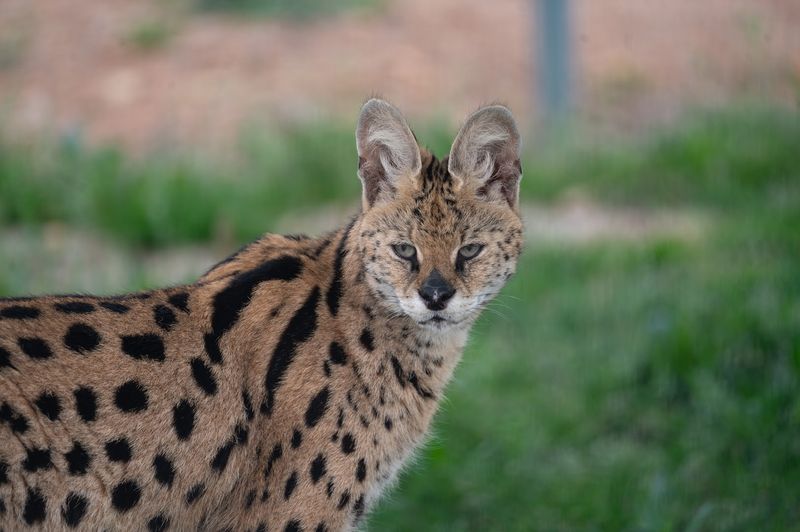
The refuge is home to lions, tigers, leopards, cougars, and other exotic animals that were rescued from unsafe or neglectful situations. These aren’t animals on loan from a zoo.
Every resident here has a permanent home, cared for by a passionate team that treats each creature as an individual with its own personality and needs.
What makes Turpentine Creek stand apart is its heart. Staff and volunteers go above and beyond every single day to ensure animals that once suffered now live in comfort, with space to roam, enrichment to enjoy, and consistent veterinary care.
Visitors often describe the experience as deeply moving — a reminder of what dedicated people can accomplish when they refuse to look away from a problem. Coming here means supporting a cause that genuinely matters, and you’ll feel that sense of purpose the second you walk through the gates.
Mission and Philosophy That Drive Everything

At the core of everything Turpentine Creek does is a mission that is both simple and powerful: rescue abused, abandoned, and neglected big cats, give them a lifetime home, and educate the public to help end the exotic animal trade. That last part — education — is just as important as the rescue work itself.
The refuge believes that real change happens when people understand the problem. Thousands of exotic animals in the United States are kept in backyard cages, roadside attractions, or private homes, often in terrible conditions.
By showing visitors the animals that result from this trade, TCWR turns awareness into action. Many guests leave as vocal advocates against private ownership of exotic animals.
The philosophy here is also one of no compromise. Animals accepted into the refuge are never sold, traded, or used for breeding.
They stay for the rest of their natural lives, no matter the cost. That commitment signals something rare in the world of animal rescue — a place that truly puts the animals first, every decision of every day.
That unwavering philosophy is what makes Turpentine Creek a sanctuary in the truest sense of the word.
How It All Began: A Family and a Lion
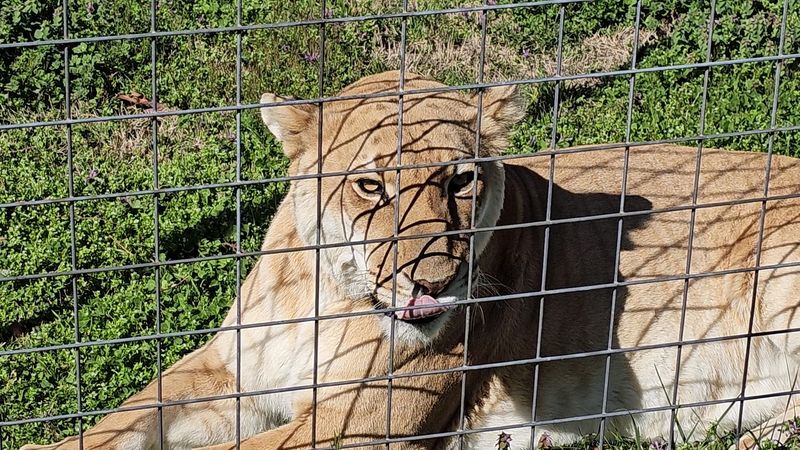
Every great story has a beginning, and Turpentine Creek’s starts in the early 1990s with a family, a piece of land in the Arkansas Ozarks, and a lion that needed help. Founder Hilda Traylor took in that first lion, not entirely sure what she was getting into, but absolutely certain she couldn’t turn away.
Word spread quickly that the Traylors would accept animals others couldn’t care for. More big cats arrived — tigers, cougars, leopards — each with a story of neglect or abandonment.
What started as a family effort on a stretch of rural land gradually grew into a structured, funded nonprofit organization with professional staff, proper enclosures, and a clear conservation mission.
Over the years, the refuge expanded both physically and in terms of reputation. It gained accreditation, attracted dedicated supporters nationwide, and became a model for how a grassroots rescue operation can scale responsibly.
Today, the Traylor family legacy lives on in every enrichment session, every medical treatment, and every tour that opens a visitor’s eyes to the realities of the exotic animal trade. The humble origin story makes the refuge’s current scale all the more remarkable and inspiring.
Animal Care That Goes Above and Beyond
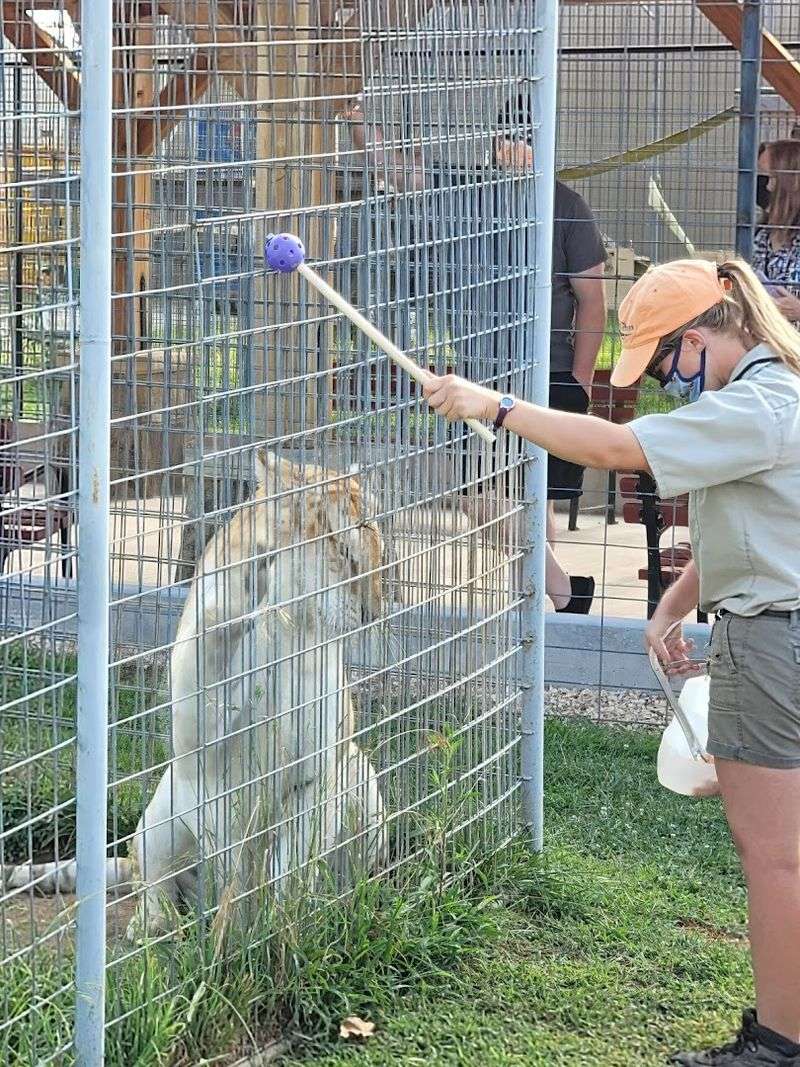
Caring for lions and tigers isn’t like caring for household pets. It requires specialized veterinary knowledge, custom nutrition plans, purpose-built enclosures, and an understanding of each animal’s unique behavioral needs.
Turpentine Creek has built all of that from the ground up, and the results speak for themselves.
The refuge has an on-site veterinary facility staffed by professionals who specialize in exotic animals. Regular health checks, dental care, and emergency procedures are all handled in-house, reducing stress on the animals.
Many residents have arrived in poor health and, thanks to expert care, gone on to live years — sometimes decades — longer than anyone expected.
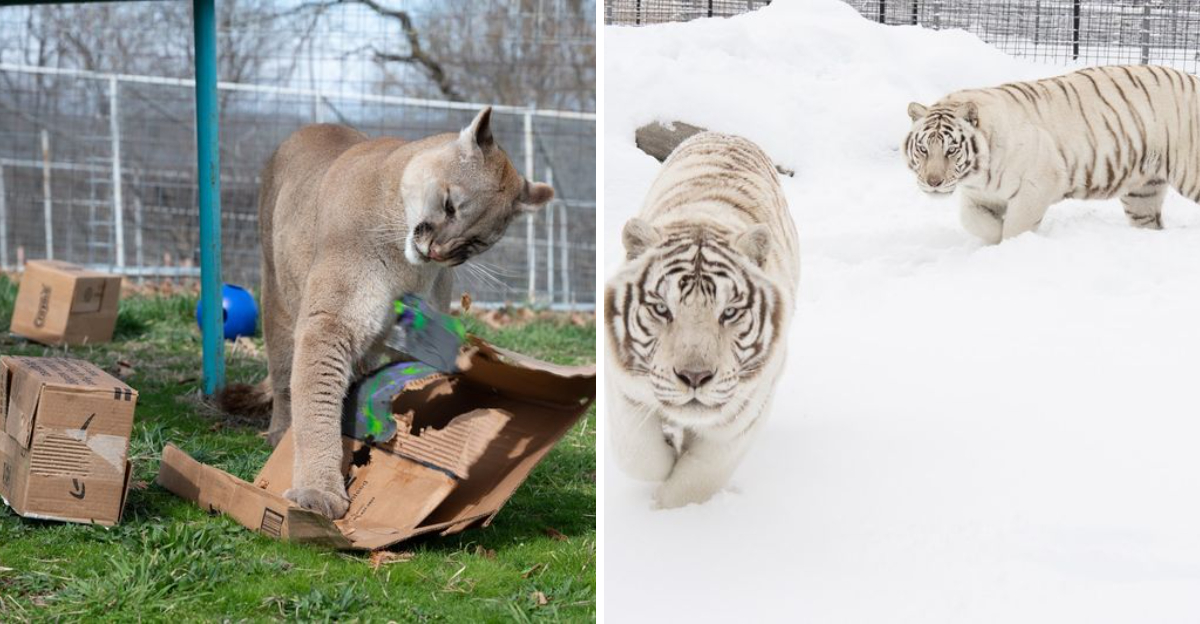
Enrichment is another cornerstone of care here. Animals receive toys, scent trails, puzzle feeders, and other activities that stimulate their natural instincts and keep them mentally sharp.
Staff rotate enrichment items regularly to prevent boredom, and they observe each animal closely to understand what brings out their best behavior. The combination of top-tier medical attention and thoughtful enrichment has earned the refuge recognition as a leader in exotic animal welfare.
For the animals here, quality of life isn’t an afterthought — it’s the entire point of everything the staff does each day.
Real Rescues, Real Transformations
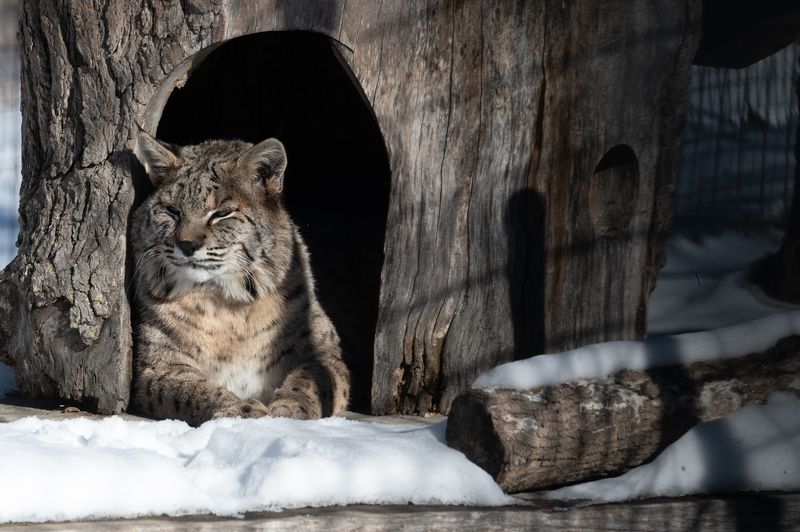
Behind every animal at Turpentine Creek is a story that can break your heart — and then put it back together again. Tigers confiscated from roadside attractions, lions found living in cramped cages, cubs taken from their mothers to be used as photo props — these are the animals that arrive at the refuge, often malnourished, fearful, and confused.
One well-known example involves a group of tigers rescued from a facility that could no longer care for them. Arriving underweight and skittish, they were given time, space, and consistent positive interaction.
Months later, those same tigers were rolling in the grass, splashing in water features, and showing the playful curiosity that defines healthy big cats.
Stories like these are what fuel the staff through long days and tight budgets. Each transformation is proof that the work matters, and that animals — even those who have suffered significantly — have an incredible capacity to heal when given the right environment.
Visitors who hear these rescue stories during tours often describe feeling genuinely moved, leaving not just with photos but with a changed perspective on wildlife, captivity, and the responsibility humans have toward the animals they affect.
Guided Tours and Discovery Area Education
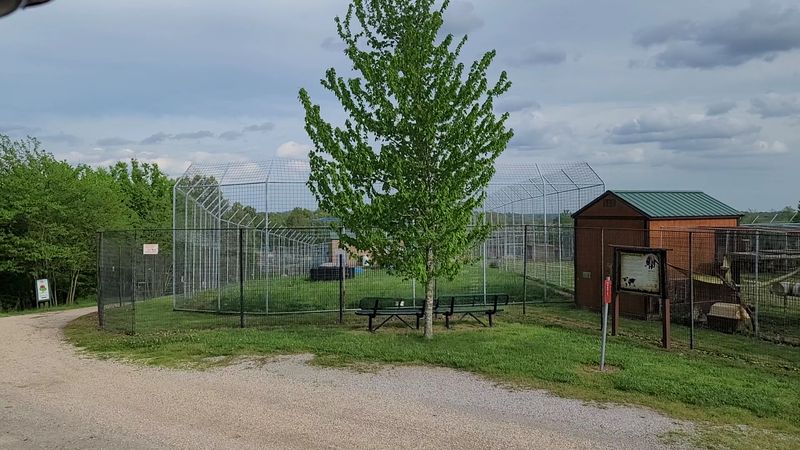
Visiting Turpentine Creek isn’t like strolling through a typical zoo. Every tour here is guided, meaning you’re always accompanied by someone who knows these animals personally and can tell you their individual stories.
That personal touch transforms a simple animal viewing into a genuine learning experience.
Tram tours wind through the property, stopping at enclosures so guides can introduce each resident and explain their background. The Discovery Area adds another layer of engagement, with educational displays that cover topics like the exotic animal trade, conservation efforts, and what visitors can do to help.
Kids and adults alike come away with knowledge they didn’t expect to gain on what might have started as a casual outing.
Tours run on a set schedule throughout the day, with limited spots available per session. Pre-booking is strongly recommended, especially on weekends and during peak seasons when the refuge sees its highest visitor numbers.
Admission includes both the guided tram tour and Discovery Area access, making it a solid value for families. The combination of up-close animal viewing and thoughtful educational content is what sets TCWR apart from most wildlife attractions in the region — and keeps visitors talking about it long after they’ve returned home.
Specialty Experiences Worth Seeking Out
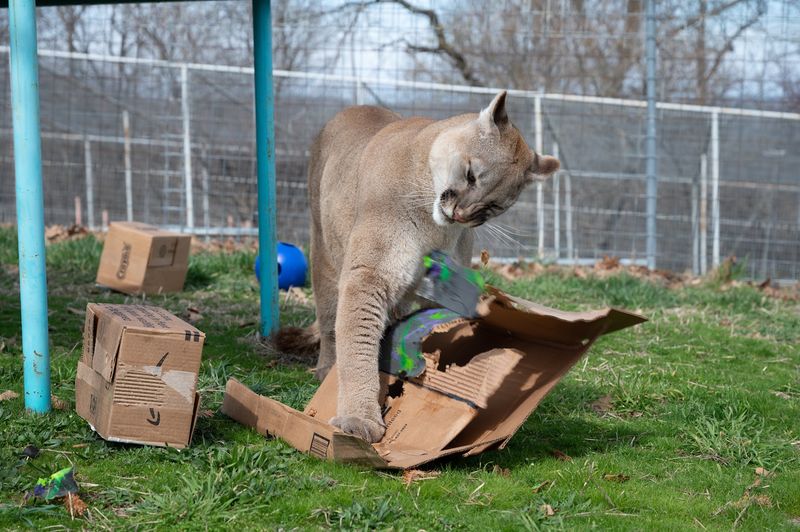
Beyond the standard guided tour, Turpentine Creek offers a handful of specialty experiences that take your visit to a completely different level. These aren’t flashy gimmicks — they’re thoughtfully designed opportunities to connect more deeply with the refuge’s mission and the animals that call it home.
Behavioral enrichment observation sessions let small groups watch as staff introduce new enrichment items to specific animals. Seeing a tiger investigate a pumpkin packed with scents or a leopard batting at a hanging toy is both entertaining and genuinely educational.
These sessions highlight how the refuge keeps its residents mentally stimulated and physically active.
Educational talks led by staff members go deeper into topics like exotic animal legislation, sanctuary operations, and the science of big cat behavior. These are perfect for school groups, but adults find them just as eye-opening.
Some specialty tours also focus on behind-the-scenes aspects of sanctuary management, giving participants a rare look at the logistics involved in caring for dozens of large predators. If you’re the kind of traveler who wants more than a surface-level experience, booking one of these add-ons well in advance is absolutely worth the extra planning.
The stories and knowledge you’ll take home are genuinely unforgettable.
Sleeping Overnight in the Treehouse Bungalow
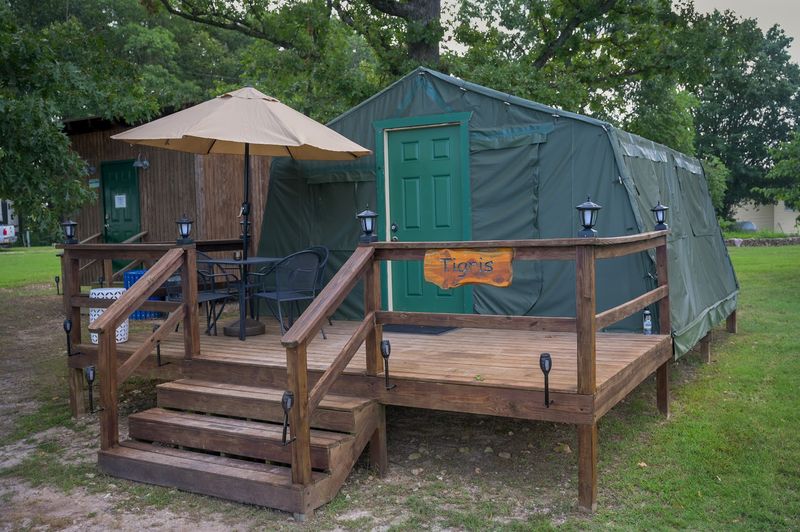
Imagine lying in bed at night, listening to a lion roar somewhere in the darkness beyond your window. That’s not a dream — it’s a Tuesday night at Turpentine Creek’s Treehouse Bungalow.
This elevated, quirky lodging option is one of the most unusual places to sleep in all of Arkansas, and it’s every bit as magical as it sounds.
The treehouse sits above the ground, offering a bird’s-eye view of the surrounding sanctuary and Ozark landscape. Inside, guests find comfortable accommodations designed for a cozy, nature-immersed stay.
The sounds of the refuge — rustling leaves, distant animal calls, morning birdsong — create an atmosphere that no hotel can replicate. Waking up to a sunrise over the Ozarks with a tiger roaring in the distance is genuinely surreal.
The bungalow accommodates up to four guests and is available from March through November, with a two-night minimum stay required. Guests receive two guided tours per day as part of their lodging package, making it easy to explore the refuge thoroughly.
Staying here feels like stepping into a world apart from everyday life — one where the boundary between human space and wild space becomes beautifully, memorably blurred. It’s the kind of experience that becomes a family story told for years.
Your Stay Directly Feeds the Mission

Booking a night in the treehouse isn’t just a cool travel experience — it’s an act of direct support for the animals living at the refuge. Every dollar spent on lodging goes straight into the operational costs of running a sanctuary that houses dozens of large, hungry, medically complex animals.
That connection between your stay and their wellbeing is something the refuge is very transparent about.
Feeding a single tiger costs hundreds of dollars per week. Multiply that across an entire population of big cats, plus veterinary bills, enclosure maintenance, and staff salaries, and the financial demands become staggering.
Revenue from tours, merchandise, donations, and lodging all contribute to keeping the lights on and the food bowls full.
Knowing that your treehouse booking helps pay for a lion’s next medical checkup adds a layer of meaning to the trip that you simply don’t get at a standard hotel. Many guests describe feeling like active participants in conservation rather than passive observers.
If you’re going to spend money on a travel experience, spending it somewhere it actually helps living creatures is about as good as it gets. The refuge’s financial transparency makes this feel genuine rather than just a marketing angle — because it truly is.
Essential Visitor Info Before You Go
Planning your trip to Turpentine Creek starts with a few key details. The refuge is located at 239 Turpentine Creek Ln, Eureka Springs, AR 72632, and can be reached by phone at +1 479-253-5841.
Daily tours run roughly from 8:30 am to 4:00 pm, with extended hours available during peak seasons.
Walk-in spots exist but fill up fast, especially on weekends and holidays. Pre-booking your tour online is strongly recommended to avoid disappointment.
Guided tram tours and Discovery Area access are both included with general admission, so you get a lot of value without any surprise add-on costs. Treehouse stays require a two-night minimum reservation from March through November, sleep up to four guests ages five and older, and include two tours daily.
Spring and fall are the best times to visit — temperatures are comfortable, animals tend to be more active, and crowds are more manageable than peak summer. Remember that this is a hands-off sanctuary: no touching or interacting with animals is permitted at any time, pets are not allowed on tours, and all guests must respect designated safety distances at enclosures.
These rules exist entirely for the animals’ wellbeing, and following them is how you show respect for the place and its residents.