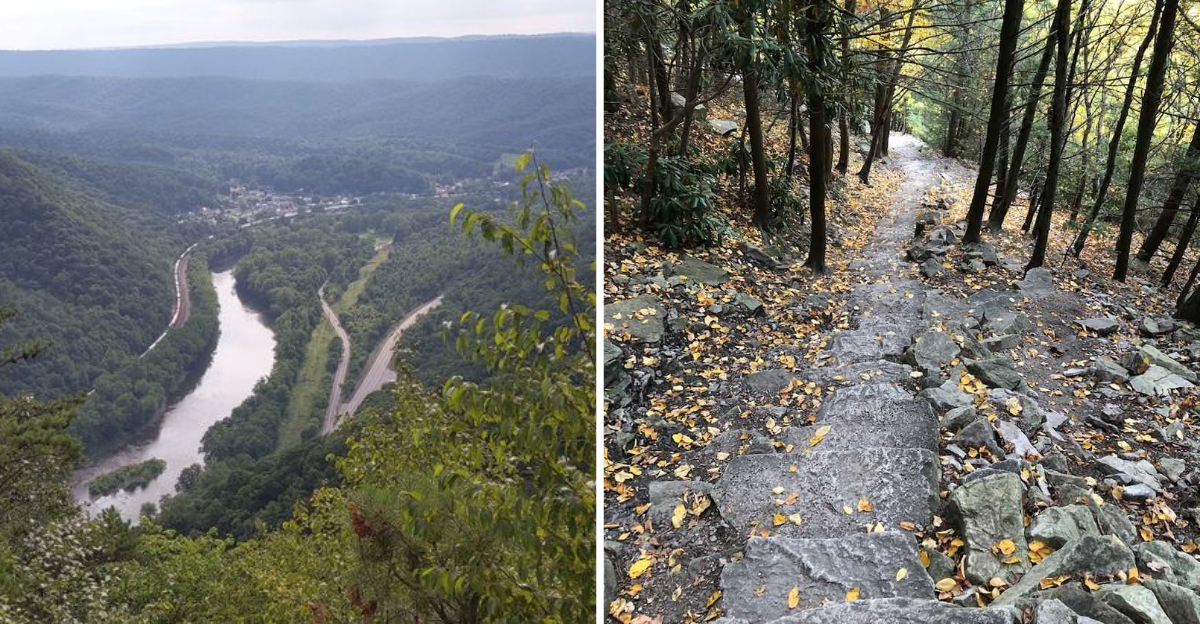
There is a reason hikers speak about Thousand Steps in hushed, proud tones. In less than a mile, you climb roughly a thousand stone stairs toward a valley-wide reveal that never gets old.
The history under your boots makes every switchback feel meaningful, and the markers counting your progress keep you motivated. Bring steady legs, a little grit, and a camera that can keep up.
Trail At A Glance
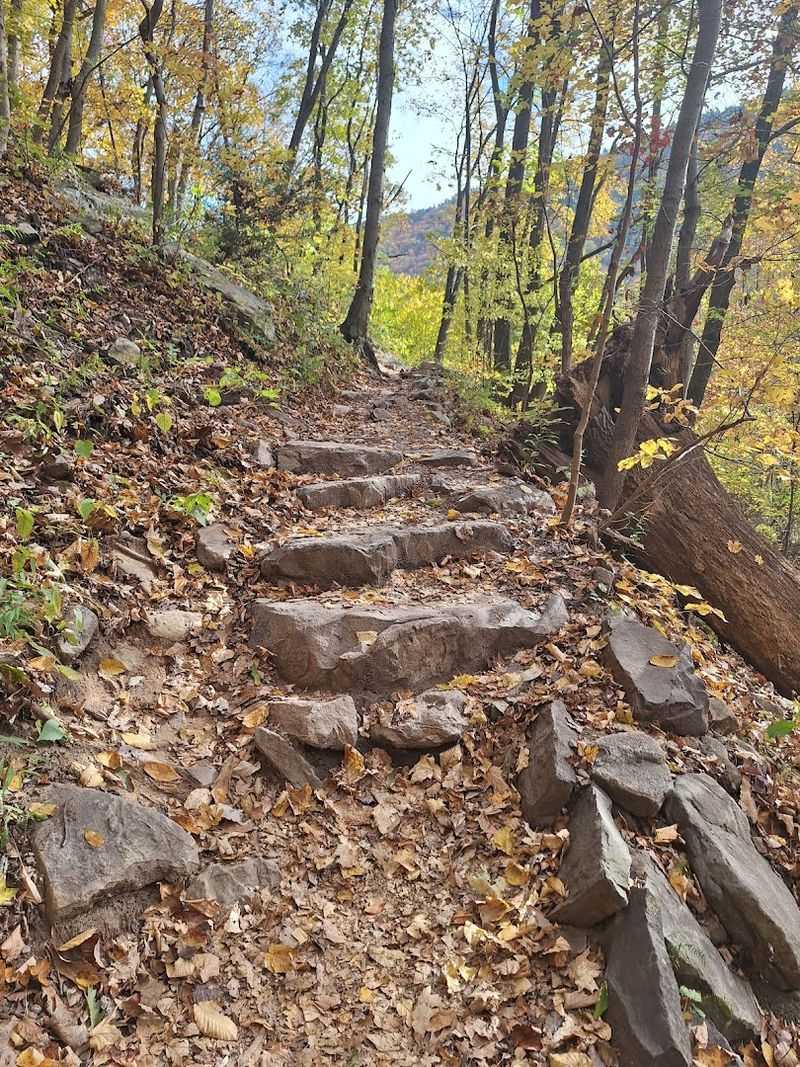
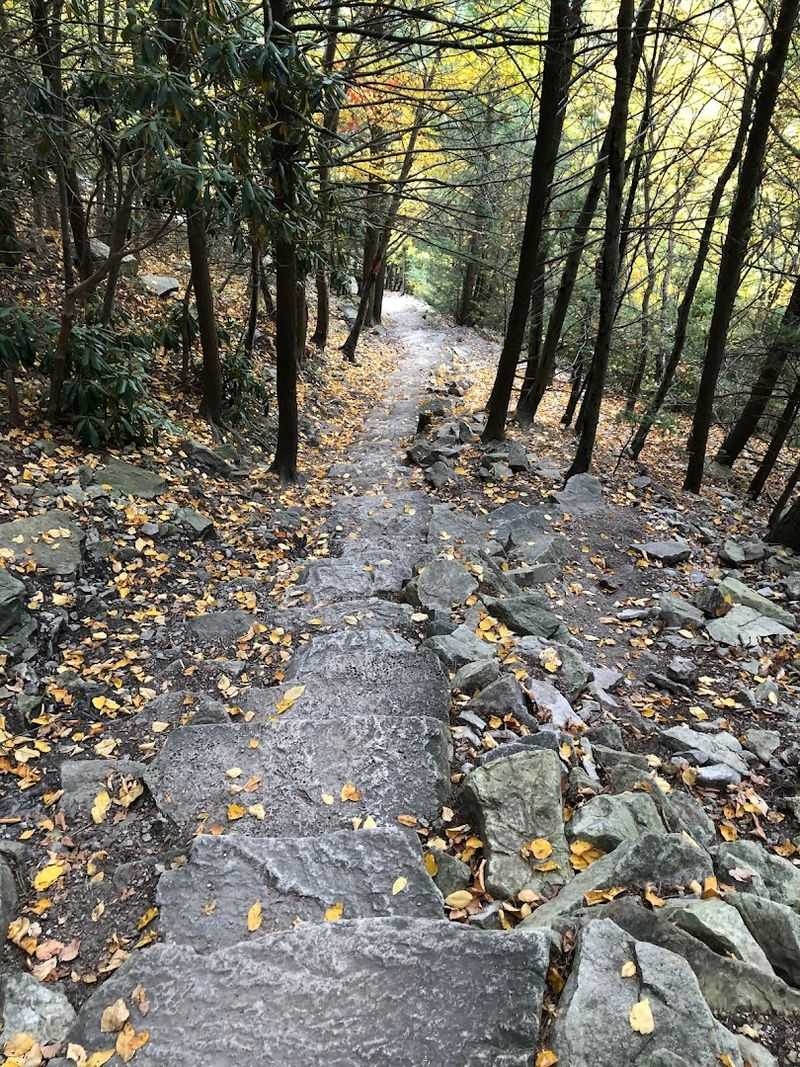
You feel it from the first stair, the way Jacks Narrows rises beside you like a granite amphitheater. Thousand Steps on the Standing Stone Trail stacks roughly a thousand cut stones in under a mile, punching nearly a thousand feet uphill.
It is steep, uneven, and unforgettable.
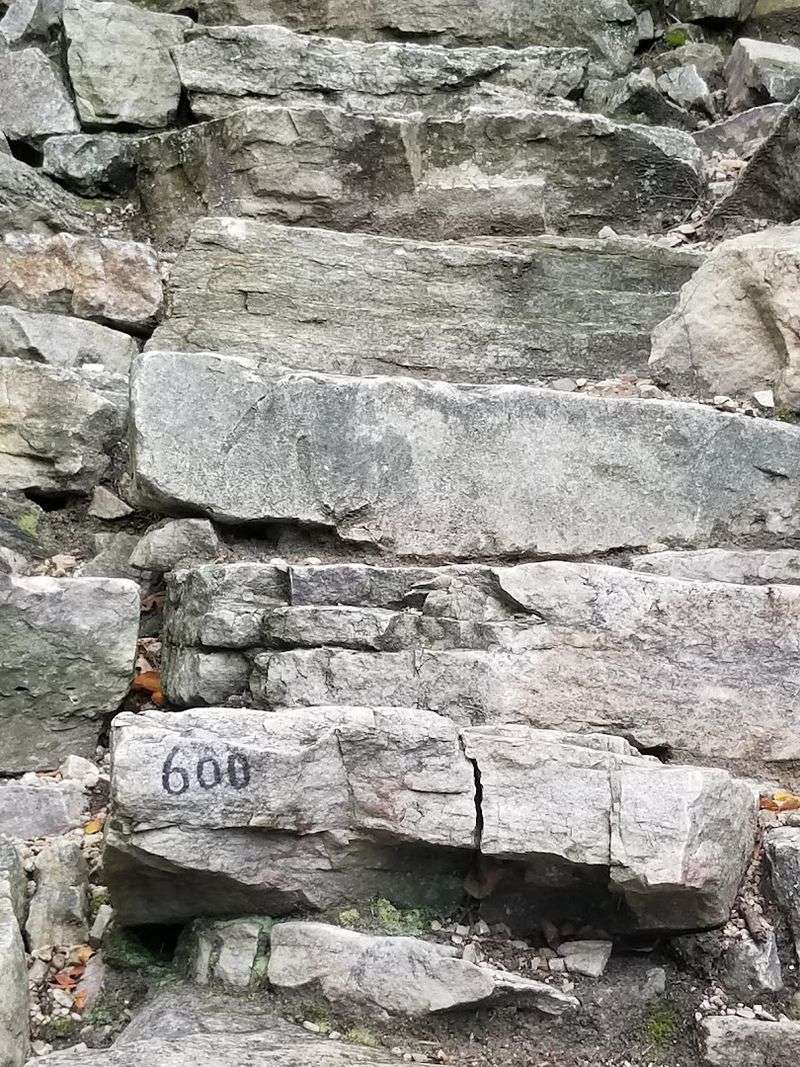
Markers painted every 100 keep you honest, and the brief landings become tiny victories. Expect hand-high risers, hop-sized gaps, and the constant decision to push or pause.
Poles help on the descent when legs shake.
Start from the small lot on William Penn Highway, cross carefully along the guardrail, and you will find the signed path easing to the first stones. Plan 60 to 120 minutes round trip, more if you tack on the ridge to the quarry overlook or the Dinky Shed.
Bring water, grippy shoes, and respect for the workers who once climbed this spine daily.
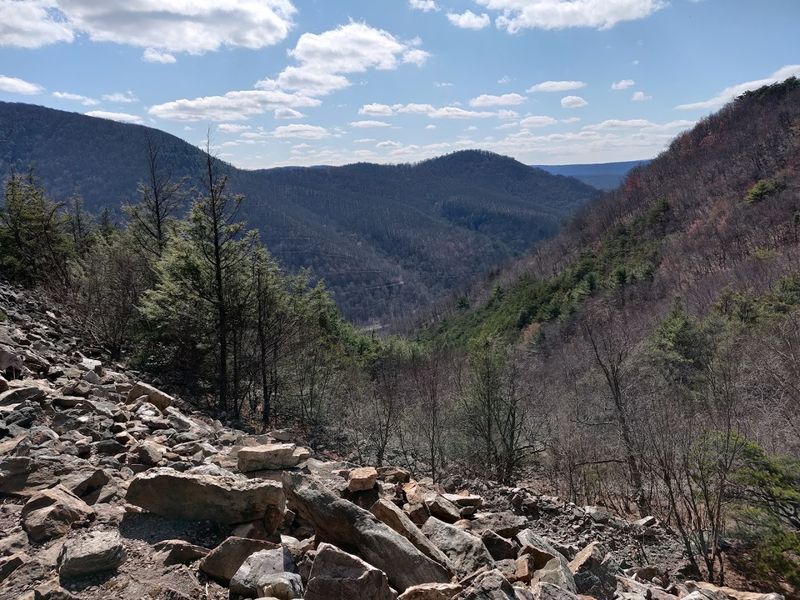
The payoff arrives fast by Pennsylvania standards, with views that open over Mount Union, the Juniata River, and waves of folded ridgelines. On a clear morning, shadows stripe the valley and trains thread the gorge like toy models.
Catch your breath, take the spur for the master view, and stash a memory that lingers long.
Finding The Trailhead And Parking
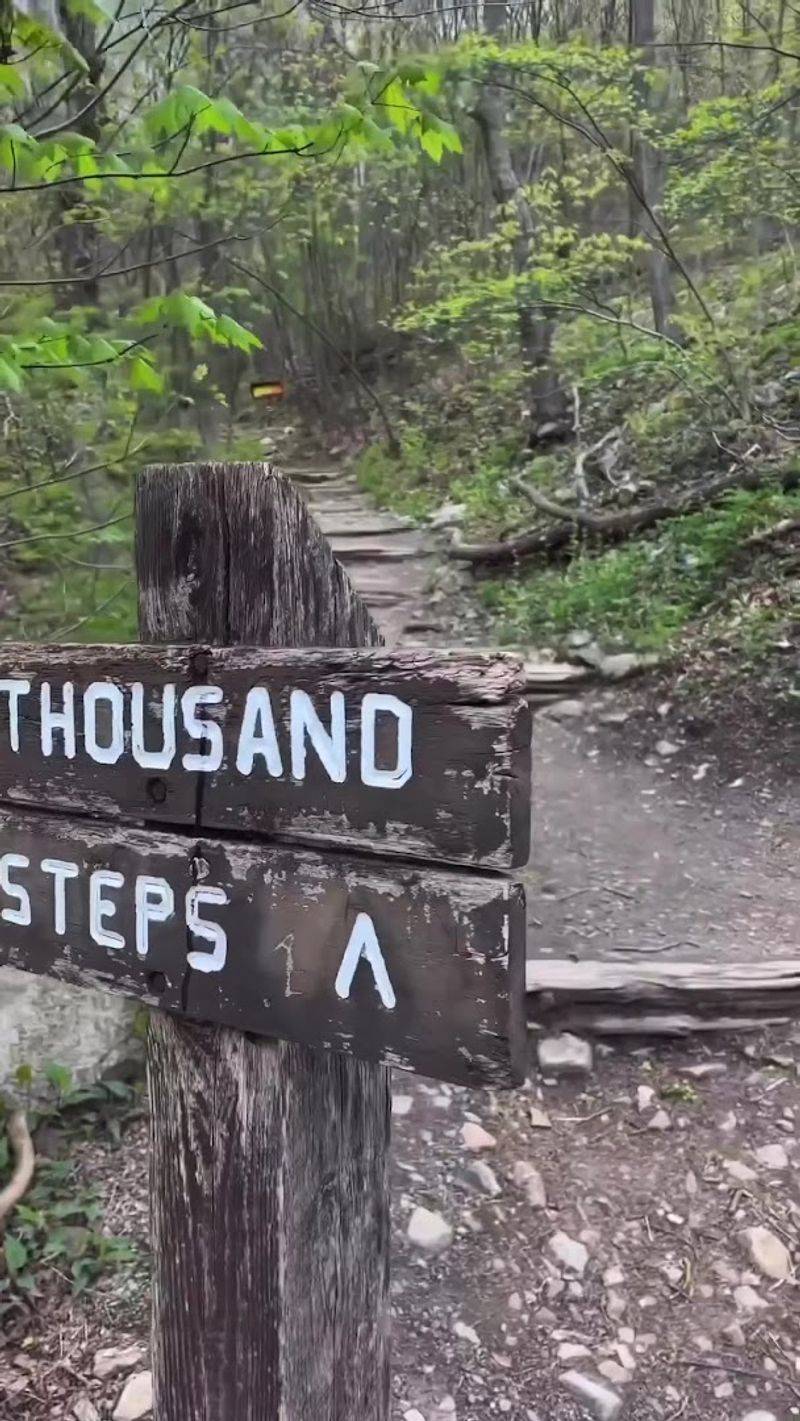
Skip the confusion at the shoulder by knowing the sequence before you arrive. Park in the small gravel lot off William Penn Highway, then follow the protected walkway against traffic to reach the signed approach path.
You will pass a porta potty, then the dirt trail eases toward the first visible steps.
Traffic moves quickly on Route 22, so keep kids close and pets leashed near the guardrail. Arrive early on weekends to avoid overflow; late afternoons can work too if storms are not brewing.
Local hikers often rotate in and out every 60 to 90 minutes, which helps turnover.
Pack smarter than you think you need. Shoes with bite are better than extra layers on this slope, and a liter of water per person is a safe baseline.
A small headlamp earns its keep if golden hour photos stretch longer than planned.
Watch for the step-count rock markings beginning after the first hundred. They are easy to miss under leaves and lichen, so glance left and right at landings.
A quick photo of the lot sign and trail map is handy, especially if you add the ridge spur to the quarry overlook later.
Pacing The 1,000 Plus Steps
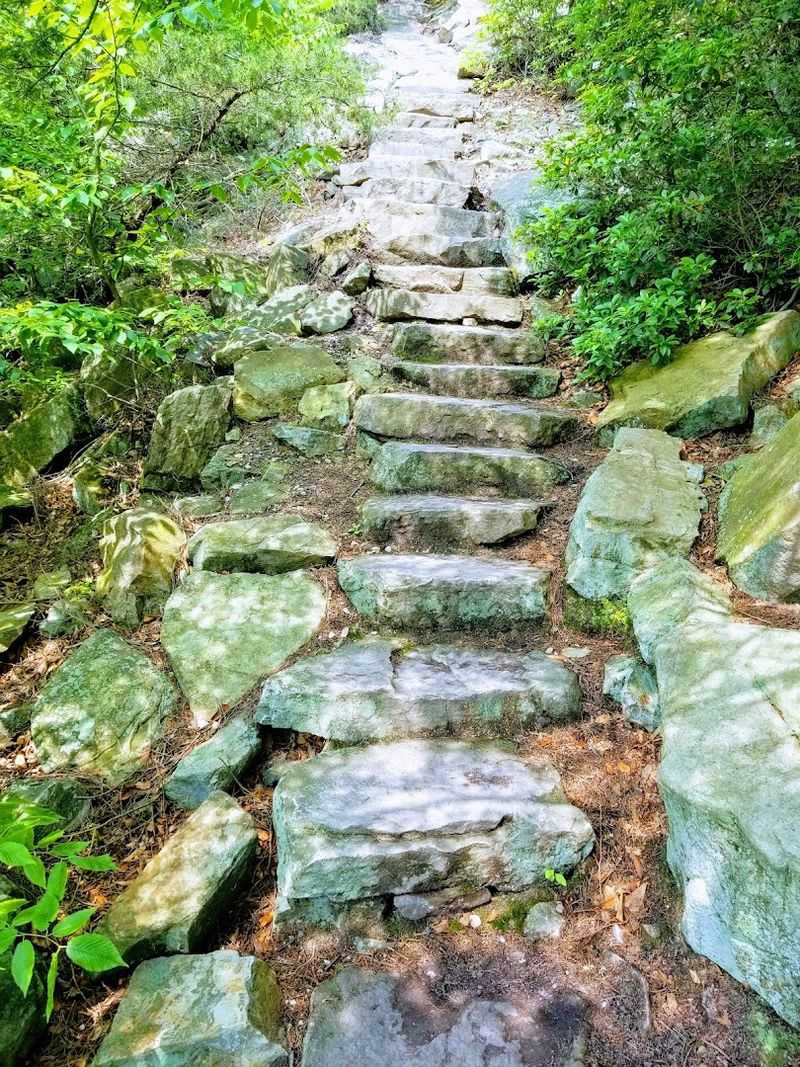
Charging the first 300 feels bold until the quads light up and breathing shortens. Set a rhythm you can keep, like 60 steps then 30 seconds on a landing, repeating until the 600 mark.
Those painted 100-step markers become mental checkpoints that nudge you forward without overthinking the whole climb.
Many stones are tall, some knee height, so alternating lead legs saves fatigue. Short shuffles beat big lunges, especially when the risers turn slick from rain or leaf litter.
Poles or a single trekking staff help absorb shock and guide balance across awkward gaps.
Breaks are not failure on this route, they are strategy. Use landings to sip water, drop your heart rate, and scan the valley for trains threading the gorge.
Ten micro-pauses usually beat one long stop that cools muscles too much.
On descent, switchbacks tax calves differently. Keep steps short, plant heels fully, and avoid bouncing down consecutive drops.
If knees chatter, tighten pole length a notch and trace the edges of stones, where traction often holds better than the polished centers.
Safety On The Steep Descent
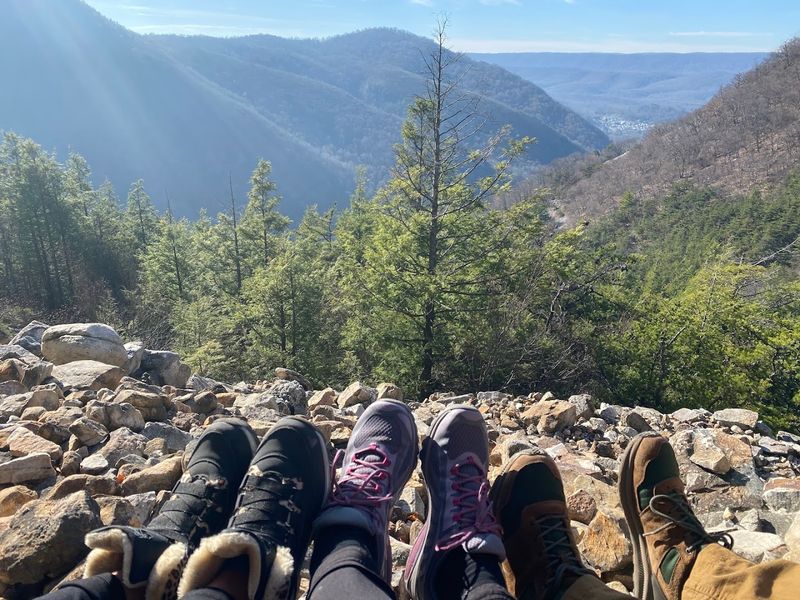
The view tempts fast feet, but the price of haste here is a slip you will remember. Stones tilt, lichen hides edges, and muscles cooled by photos can wobble at the worst moment.
Before heading down, retighten laces, shorten poles, and stash loose layers to keep balance clean.
Step square and test sketchy risers with a pole tap, especially after rain or leaf fall. Many hikers find the descent harder than the climb because eccentric loading pounds quads and knees.
Zigzag across wider stones to soften impact and keep your center over your feet.
Yield to uphill traffic at narrow points and communicate clearly. A quick “two down behind you” helps everyone prepare for passing on small landings.
If crowds stack up, wait for a clear stretch rather than threading high steps with pressure behind you.
Night hiking can be magical on clear evenings, but only with a headlamp, spare batteries, and dry conditions. Fog or drizzle turns the staircase into marble.
If weather shifts, do not hesitate to sit a minute, regain control, and continue with deliberate, confident steps.
Quarry Ledge Master View
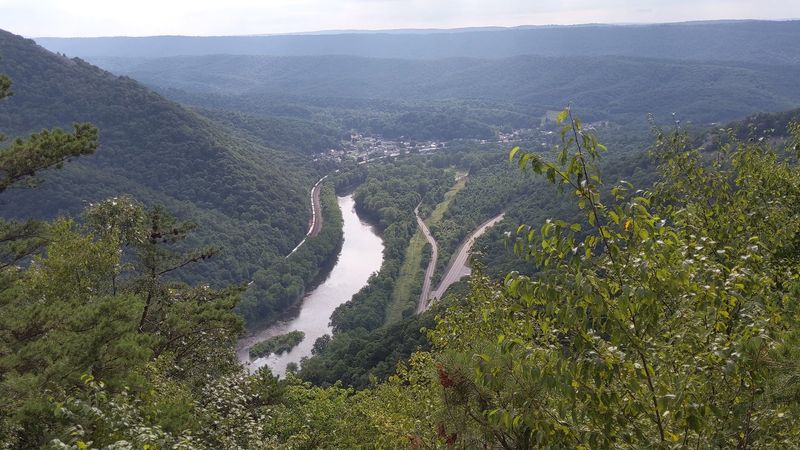
You put in the work, now cash the check. Beyond the main top-out, a gentle ridge stroll leads to the quarry ledge that locals call the master view.
The horizon spreads for miles, a sweep of river, rail, and ridgeline that looks painted every time.
Keep right on the obvious path or follow posted signs toward the quarry. The footing here is kinder, almost a victory lap after the stairs, but wind can whip across the open rock.
Sit with your back to the slope, snack, and give calves a grateful pause.
Photographers love early morning for shadows and midday for clarity after a front. If skies cooperate, look for hawks riding thermals above Jacks Narrows.
On quiet days you can hear trains echo off the walls like distant thunder.
Pack out every crumb and stay well back from exposed edges. The ledge is sturdy but not a stage for heroics.
A few extra feet of caution preserves both the moment and the memory you just earned.
Seasonal Timing And Weather Windows
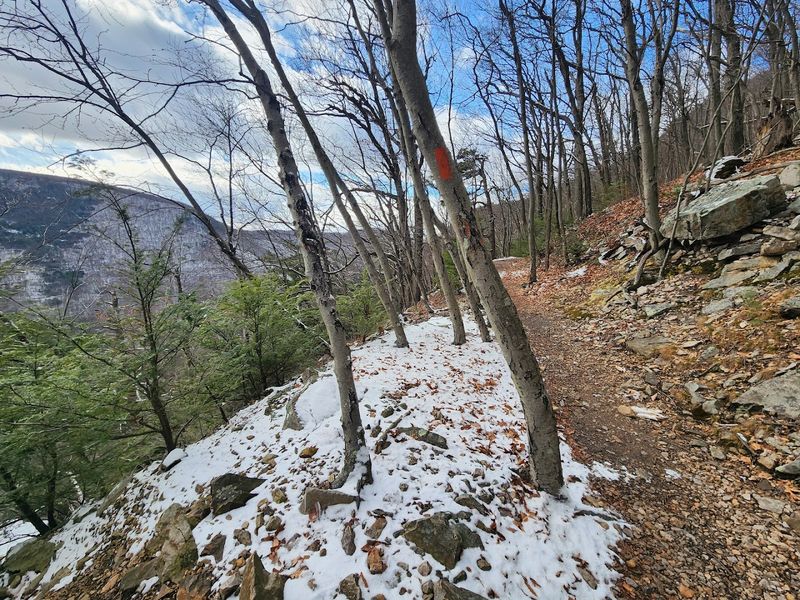
Spring rewards patience with cool air and clear views before the canopy fills. Morning rain can slick the stones, so wait for drying winds or carry microspikes if temps flirt with freezing.
Wildflowers thread the lower trail, a quiet bonus on the way to the big reveal.
Summer brings humidity and crowds, but early starts keep both in check. Shade covers much of the staircase, though pockets of sun bake exposed landings.
Pack extra water and salt-forward snacks for a sweatier ascent.
Autumn steals the show. Ridge after ridge turns copper, and the quarry overlook becomes a painter’s studio.
Weekend traffic peaks, so sunrise or weekday afternoons deliver the calm you crave.
Winter is minimalist poetry if you pick stable conditions. Fresh powder outlines each riser and the valley glows on bluebird days.
Ice, however, can armor the steps, so traction, warm layers, and conservative pacing are nonnegotiable.
Gear That Actually Helps
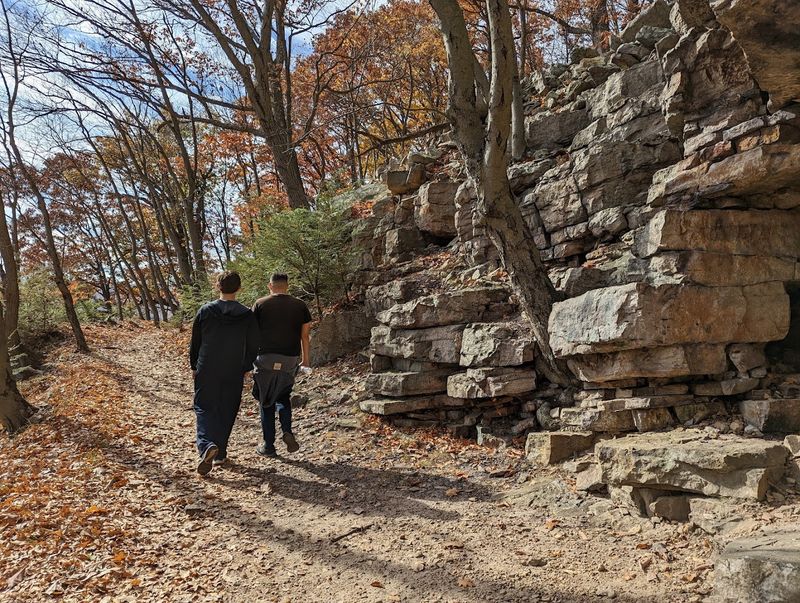
Gadgets are optional, grip is not. Shoes with sticky rubber turn awkward risers into routine steps, and a pack that sits high keeps weight from swinging on steep drops.
A liter of water per person covers average conditions, more in July and August.
Poles earn a permanent spot here, even for confident hikers. Shorten them a notch on the descent so arms can absorb shock while legs stay controlled.
A thin glove helps if you steady yourself on rough stone or cold railings.
Leave the bulky camera bag at home and bring a compact setup with a wrist strap. The best shots come fast at landings and the quarry ledge, where wind can bully tripods.
A headlamp and spare batteries live in the lid pocket for golden-hour surprises.
Snacks should be quick and salty. Think pretzels, jerky, and chews that do not crumble into pockets.
Pack a small trash bag, because carrying out micro-waste is the easiest way to keep the Narrows pristine.
Trail Etiquette And Crowds
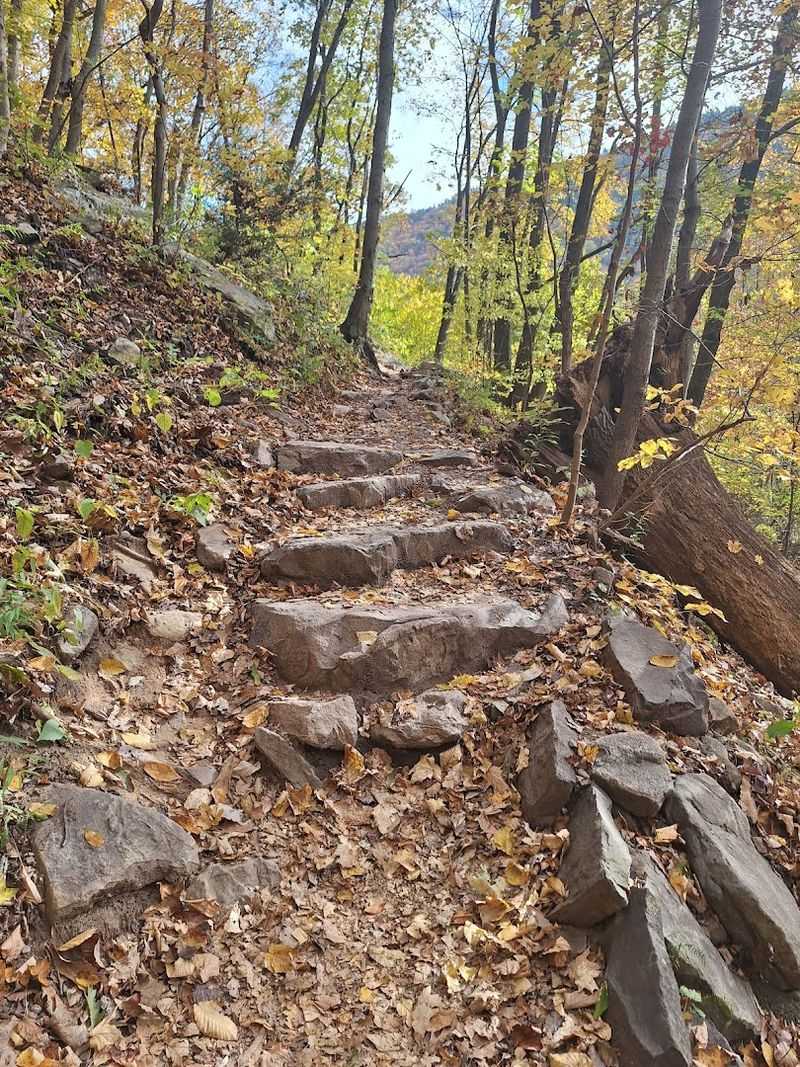
Shared effort creates instant community on this staircase. Yield to uphill hikers who are locked into a rhythm, and announce passes clearly on narrow spots.
Short breaks on landings keep flow moving and give you room for photos without blocking the line.
Dogs are welcome when leashed and trail-smart. Big gaps and sharp rock edges can rattle nervous pups, so test comfort early and turn if needed.
Pack extra water for them, since springs are not reliable.
Weekends after breakfast are peak hours. Beat the rush with a sunrise start or slide in late afternoon, leaving a headlamp safety net in your pack.
Off-season weekdays feel like a private tour with the same million-dollar overlook.
Noise carries in Jacks Narrows, amplifying every shout. Keep voices low and music off so the valley keeps its wild soundtrack.
A simple smile and step aside go further than any rule board ever could.
Photography Spots And Light
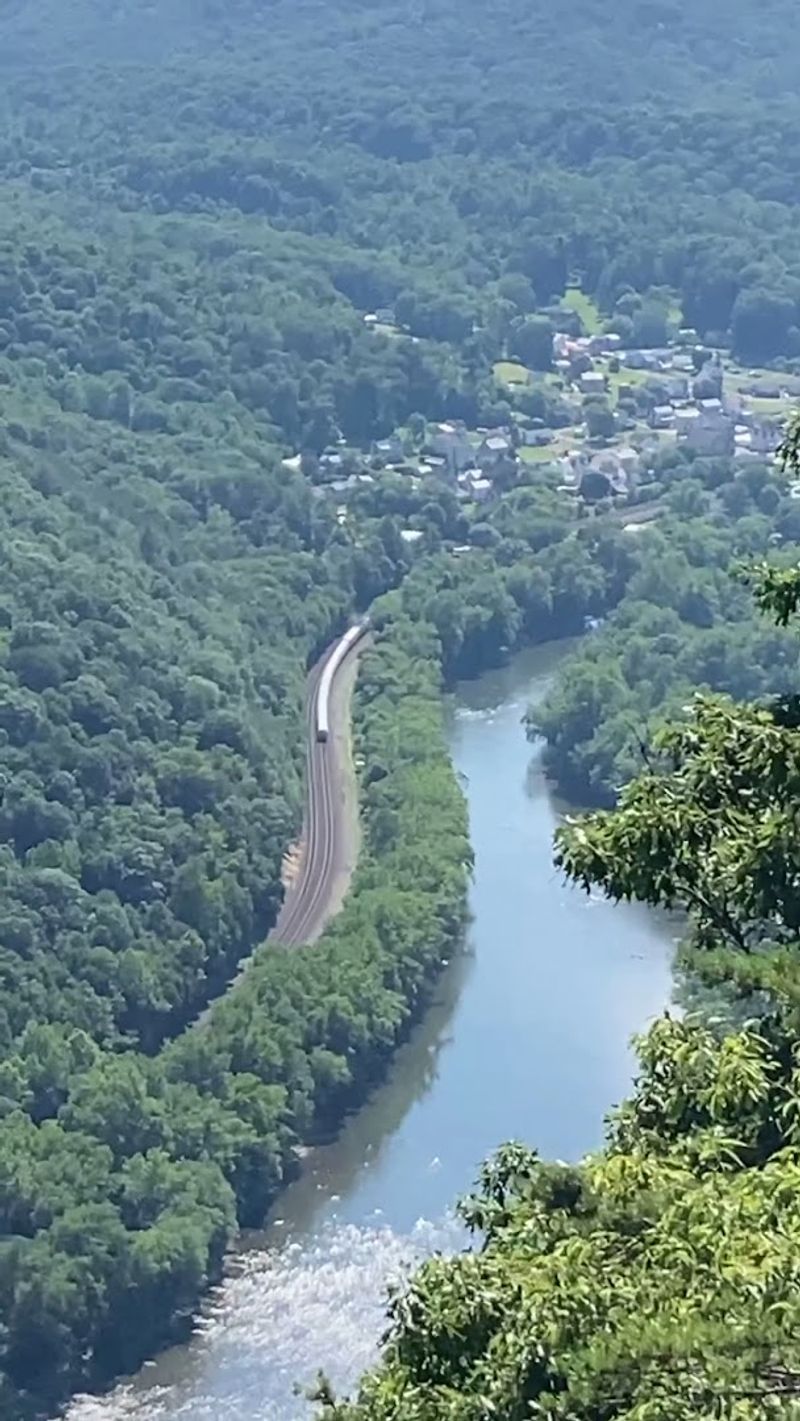
Great images here begin with restraint. Shoot the staircase textures on the way up, but save the big valley frames for landings where foot traffic can pass.
Early morning side-light sculpts the risers and lifts mist from the river like breath.
At the quarry ledge, anchor your frame with foreground rock and let the river bend lead the eye. Midday is harsh unless clouds soften the contrast, so bracket exposures or lean into black-and-white.
A circular polarizer tames glare off wet stone after rain.
Carry a microfiber cloth because sweat and humidity fog lenses fast. Phones do excellent work in HDR if you tap for highlights and keep elbows tucked.
Long exposures are tricky without a tripod, but a flat rock and timer still pull off silky cloud streaks.
Most of all, step back from edges to compose safely. No shot beats a steady stance and a clear exit line when gusts kick.
You will leave with keepers and both feet intact.
Geology And The Stone Underfoot
Your calves notice the rock first, but the story belongs to geology. These steps climb across hard ganister sandstone, a durable silica-rich stone once prized for refractory brick.
Layers reveal themselves in ledges, joints, and weathered faces that catch morning light.
Quarry scars sit near the ridge, where workers cut and hauled blocks along tramways. Tool marks still whisper from certain walls if you pause and look closely.
The Dinky lines connected that stone to Mount Union’s booming kilns, stitching labor and landscape into one.
Grip changes with texture, so scan for gritty surfaces rather than polished centers. Edges bite better when damp, but lichen can deceive, looking soft while acting like ice.
That is another reason poles feel like an insurance policy here.
Kids enjoy rock I-spy games on landings. Call out cross-bedding, quartz pebbles, and iron stains that paint rusty streaks.
A pocket magnifier turns a rest stop into a mini geology lab everyone remembers.
Fitness Benchmark And Training
This climb doubles as a fitness check you can feel in real time. If local hills are scarce, a stairwell or stadium session mimics the strain nicely.
Aim for intervals that match the trail: two to three minutes on, one minute easy, repeated eight to ten times.
Strength pays dividends on descent control. Calf raises, step-downs, and wall sits build the stamina to hold form when fatigue bites.
Core stability keeps you tall over tall risers and frees ankles to adapt.
On the day, warm up on the approach trail with ankle rolls and a few short bursts. Start conservative, then negative-split the staircase by finishing stronger from 700 to 1000.
If you track metrics, time from 0 to 500 versus 500 to top tells you a lot.
Recovery is part of the plan. Hydrate, snack salty, and stroll the ridge spur to flush legs before heading down.
You will feel the afterglow later, proof that this short route carries long benefits.
Family, Dogs, And Accessibility Notes
Plenty of families make this climb, but expectations matter. Small kids can manage sections, then turn with an adult while others continue upward.
Teens usually love the step markers and the sense of leveling up at each landing.
Dogs need steady nerves and good paws. The risers are tall, gaps irregular, and rough quartz can scuff pads on hot days.
Pack extra water and consider booties for sensitive feet if you plan to add the ridge.
This is not a wheelchair-accessible route and would be difficult for anyone with limited mobility. If members of your group want a taste without the commitment, the lower trail and first waterfall offer a pleasant out-and-back.
Communication and a clear regroup plan keep day dynamics smooth.
Take breaks often, share snacks, and celebrate micro-goals like the 300 or 600 rocks. The overlook is the prize, but the shared struggle steals the show.
Everyone gets to say I did it with a grin that lasts the ride home.