
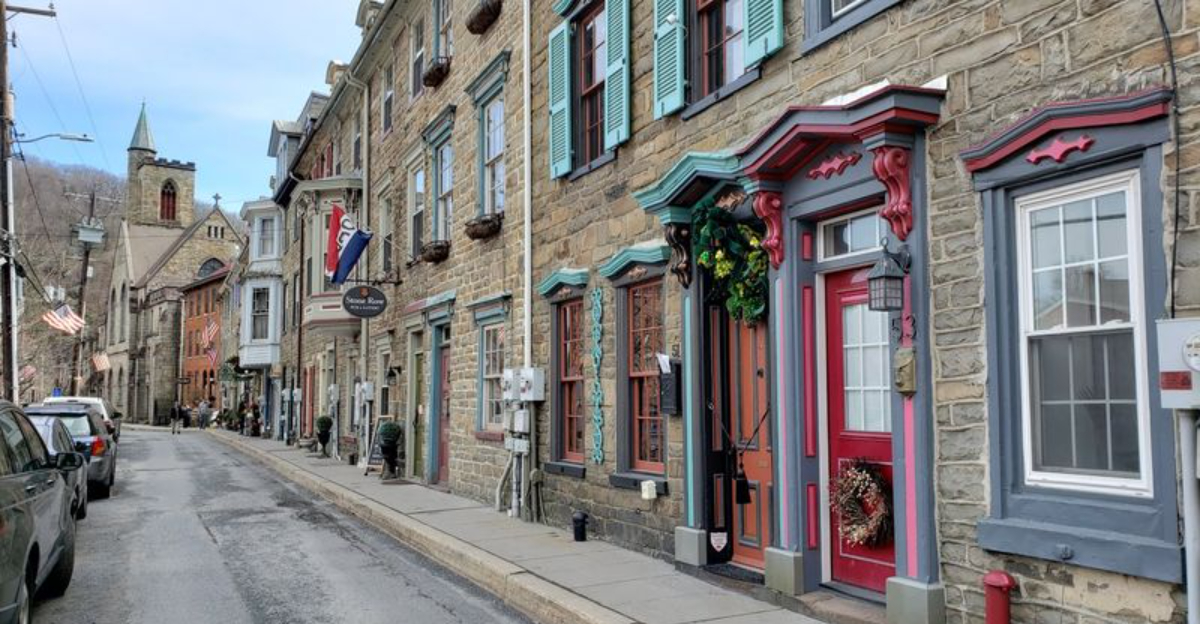
Who says spring break has to mean sunscreen and sand?
Pennsylvania is packed with jaw-dropping destinations that come alive every spring, from roaring waterfalls to fields bursting with color.
Whether you love hiking, history, or just soaking up fresh air, there’s something here that beats a crowded beach any day.
Pack your bags and get ready to discover why the Keystone State might just be the best spring break secret in the country.
Longwood Gardens (Kennett Square, PA)
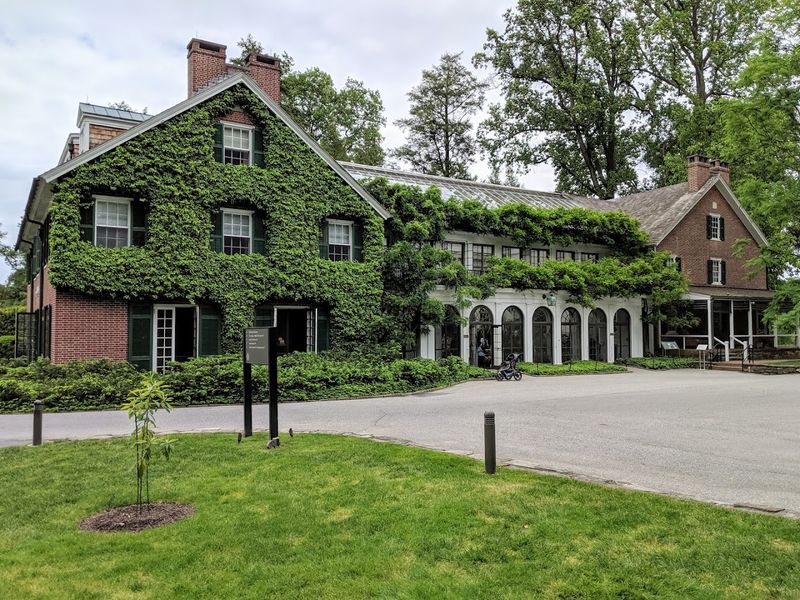
Few places in Pennsylvania put on a spring show quite like Longwood Gardens. Located in Kennett Square, this world-class botanical garden transforms into a living painting every April and May, with thousands of tulips, flowering trees, and carefully manicured landscapes bursting with color.
It’s the kind of place that makes you stop mid-step just to take it all in.
The indoor conservatories are a highlight no matter what the weather is doing outside. Step through the glass doors and suddenly you’re surrounded by tropical plants, cascading orchids, and warm, humid air that feels like a completely different world.
On a chilly spring day, that’s a pretty welcome surprise.
Longwood spans over 1,000 acres, so there’s always something new to discover around the next bend. Families with kids especially love the children’s garden, which is filled with interactive water features and whimsical spaces.
Evening fountain shows, which combine water, light, and music, are also a must-see experience. Plan to spend at least half a day here, because rushing through Longwood Gardens would honestly be a crime.
Cherry Springs State Park (Coudersport, PA)
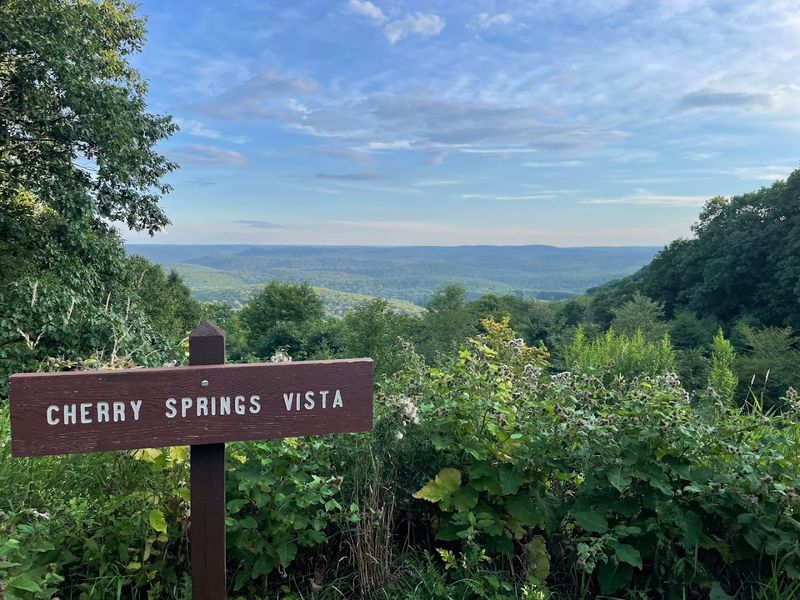
Forget watching the sun melt into the ocean. At Cherry Springs State Park, the real magic happens after dark, when one of the most spectacular skies in the entire country comes to life above you.
Ranked among the top stargazing spots in the eastern United States, this remote park sits at a high elevation with almost zero light pollution, making the Milky Way visible to the naked eye on clear nights.
Spring is actually a fantastic time to visit because temperatures are mild enough for comfortable camping, and the nights grow steadily clearer as the season progresses. Astronomers, both amateur and experienced, travel from hours away just to set up their telescopes here.
You don’t need fancy equipment though — just a blanket, some patience, and a willingness to look up.
The park has a designated astronomy field specifically designed to protect the dark sky environment, so visitors are asked to use red-light flashlights instead of white ones. It’s a small rule that makes a huge difference.
Camping spots fill up fast on weekends, so booking early is smart. Cherry Springs is genuinely unlike anything most people have ever experienced, and spring break is the perfect time to find out why.
Gettysburg National Military Park (Gettysburg, PA)
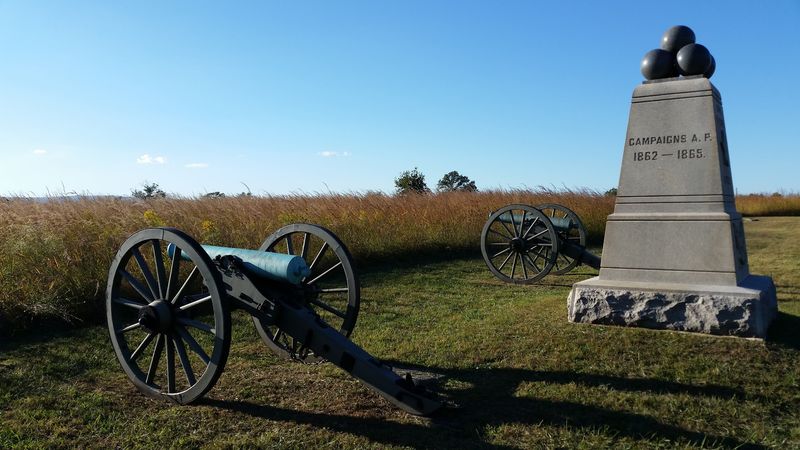
Something about Gettysburg in spring hits differently than any other time of year. The rolling fields turn a deep, lush green, flowering trees frame the monuments, and the whole landscape carries a quiet, almost sacred feeling.
It’s easy to understand why this place draws millions of visitors every year, but spring crowds are still manageable compared to the summer rush.
The battle fought here in July 1863 was one of the most pivotal moments of the Civil War, and walking the grounds makes that history feel immediate and real. Over 1,300 monuments and markers are spread across the park, each telling part of a larger story.
The auto tour route covers about 24 miles and can be done by car, bike, or even on horseback if you’re feeling adventurous.
A visit to the Museum and Visitor Center is worth building into your itinerary. The cyclorama painting alone, a massive 360-degree depiction of Pickett’s Charge, is genuinely stunning.
Ranger-led programs ramp up in spring and offer some of the best storytelling you’ll find at any national park. Gettysburg isn’t just a history lesson — it’s an experience that stays with you long after you leave.
Ricketts Glen State Park (Benton, PA)
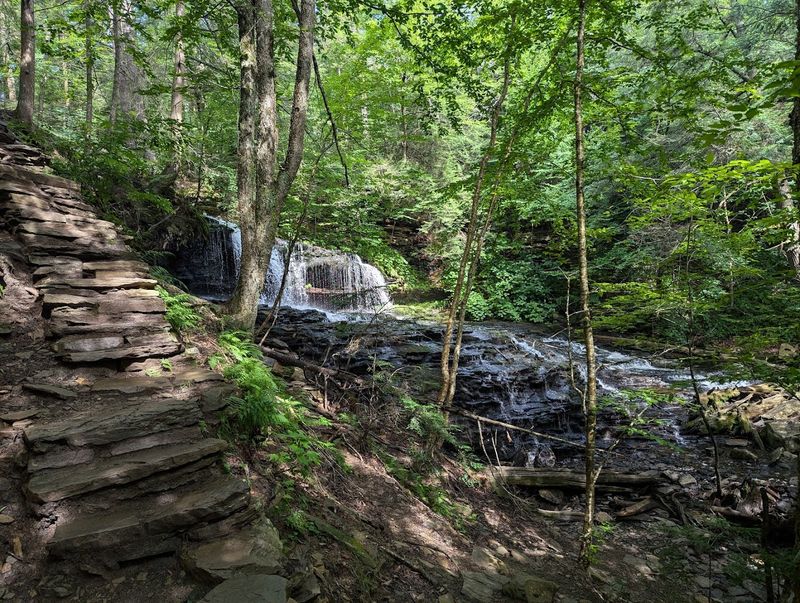
Twenty-two waterfalls. That’s what’s waiting for you at Ricketts Glen State Park, and in spring, every single one of them is roaring with snowmelt and recent rainfall.
The Falls Trail system winds through old-growth forest and past waterfalls ranging from gentle cascades to thundering drops as tall as 94 feet. Harrison Wright Falls and Ganoga Falls are crowd favorites, but honestly, every turn on this trail delivers something breathtaking.
The hike itself is rated moderate to difficult, so wearing proper footwear is important — trail conditions in spring can be muddy and slippery near the water. Trekking poles are a smart addition for anyone tackling the steeper sections.
Still, even younger hikers with a bit of trail experience can handle the loop with some preparation and patience.
Beyond the waterfalls, the park offers lake swimming, fishing, and camping that appeal to families looking for a multi-day adventure. Lake Jean is a stunning centerpiece surrounded by forest, and kayaking or canoeing on its calm water makes for a peaceful contrast to the dramatic waterfall hikes.
Ricketts Glen rewards visitors who slow down and take their time. Spring break is the ideal window to see this place at its most powerful and alive.
Phipps Conservatory and Botanical Gardens (Pittsburgh, PA)
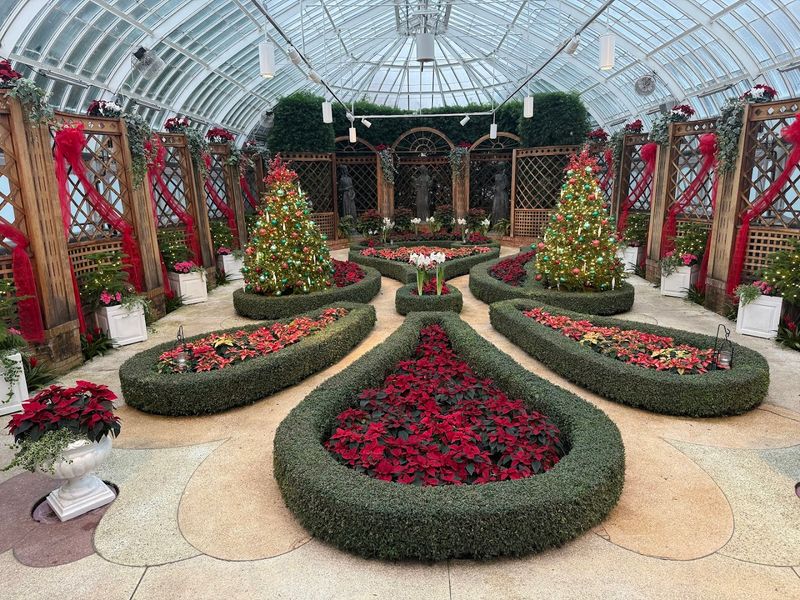
Built in 1893, Phipps Conservatory has been Pittsburgh’s warm and welcoming escape from unpredictable weather for well over a century. The Victorian glasshouse architecture is stunning on its own, but step inside and you’re greeted by an extraordinary collection of tropical plants, towering palms, and seasonal flower shows that rotate throughout the year.
Spring brings one of the most vibrant displays of the entire calendar.
What makes Phipps especially interesting is its commitment to sustainability. It’s one of the greenest museum buildings in the world, incorporating solar panels, geothermal energy, and living roofs into its design.
Visiting here means supporting a place that genuinely cares about the environment, which makes the experience feel even more meaningful.
The Spring Flower Show typically features thousands of blooms arranged in creative, themed displays that shift each season. Butterflies are often part of the experience, and kids absolutely love wandering through the butterfly forest room.
Phipps also hosts evening events and workshops for older visitors who want a more immersive experience. For families dealing with a rainy spring break day in Pittsburgh, Phipps is hands-down one of the best decisions you can make.
It’s colorful, educational, and genuinely beautiful from every angle.
Jim Thorpe, PA
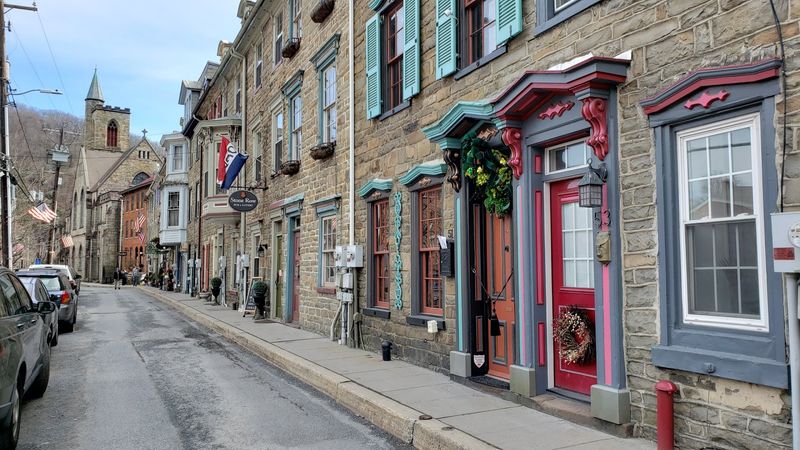
Tucked into the Lehigh Gorge, Jim Thorpe is the kind of small town that feels like it was pulled straight from a storybook. Victorian architecture lines the hillside streets, the Lehigh River winds through the valley below, and forested mountains frame the whole scene in every direction.
Spring is arguably the best time to visit, before summer tourists arrive and while the trees are just beginning to bloom with fresh green leaves.
Scenic train rides through the Lehigh Gorge are a signature experience here, and the spring scenery along the route is genuinely spectacular. The Lehigh Gorge Rail Trail also offers excellent biking and hiking for those who prefer to explore at their own pace.
White-water rafting on the Lehigh River picks up in spring as water levels rise, making it a thrilling option for adventure seekers.
The town itself is walkable and full of character, with independent shops, cozy restaurants, and historic sites to explore between outdoor activities. The Asa Packer Mansion and the historic jail are popular stops for those curious about the town’s colorful past.
Jim Thorpe has a personality all its own — equal parts rugged and charming — and spring gives you the best version of both. It’s a weekend destination that earns repeat visits.
Ohiopyle State Park (Ohiopyle, PA)
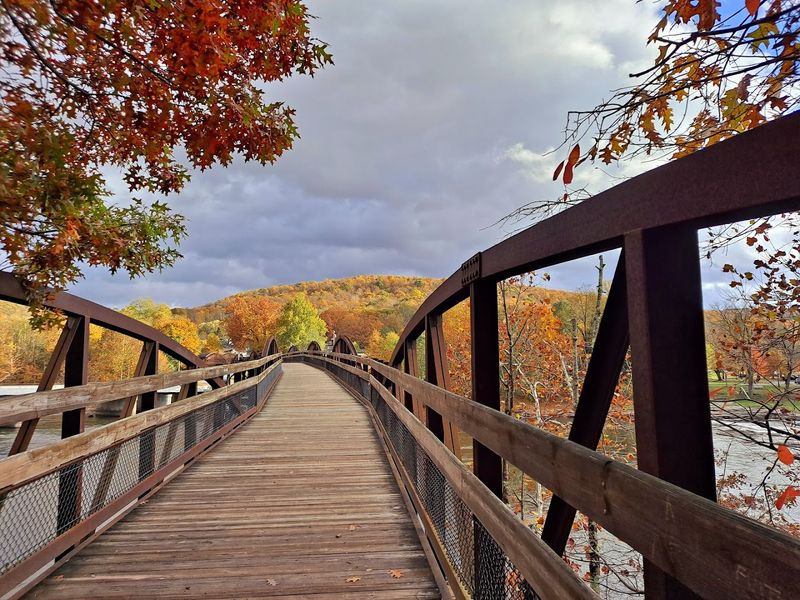
Every spring, the Youghiogheny River wakes up in a big way at Ohiopyle State Park. Snowmelt from the surrounding mountains sends water levels surging, turning the river into one of the most exciting white-water rafting destinations in the entire Mid-Atlantic region.
Class III and IV rapids draw paddlers from across the country, and outfitters in the small town of Ohiopyle make it easy for first-timers to jump in safely with guided trips.
Even if rafting isn’t your thing, Ohiopyle has plenty to offer. Cucumber Falls, one of the park’s most photographed spots, is especially dramatic in spring when water volume is at its peak.
The Great Allegheny Passage, a paved trail stretching over 150 miles, passes right through the park and offers outstanding cycling for all skill levels. Rental bikes are available nearby, making it simple to explore without hauling your own gear.
Wildlife sightings are common in early spring before heavy visitor traffic begins. Black bears, wild turkeys, and white-tailed deer are frequently spotted along the trails.
The natural waterslides at Meadow Run are a beloved local feature, though they’re best enjoyed when water temperatures warm up a bit later in the season. Ohiopyle is the kind of place that feels like a reward for choosing Pennsylvania over a plane ticket.
Hershey Gardens (Hershey, PA)
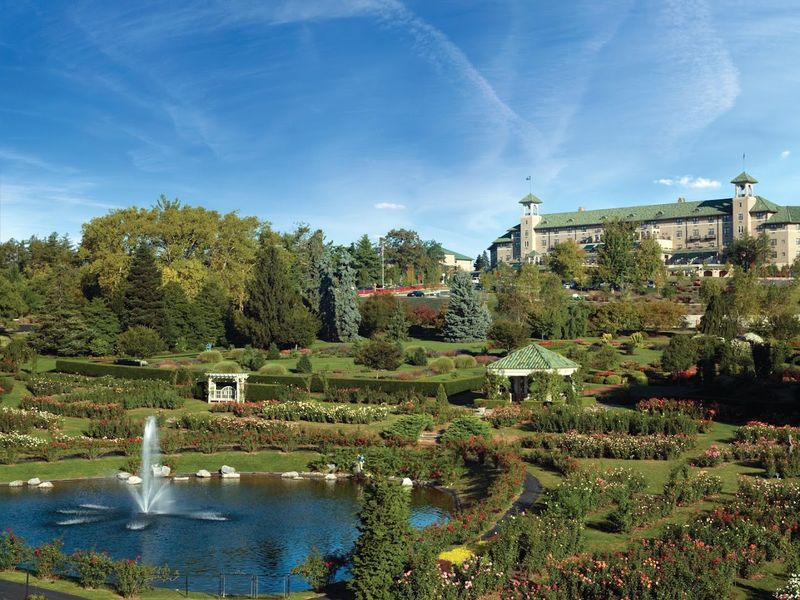
Milton Hershey originally planted this garden in 1937 with just 3,500 rose bushes. Today, Hershey Gardens has grown into a stunning 23-acre botanical destination that draws visitors from across the region every spring.
The hillside setting above Hersheypark gives the gardens a natural drama that flat botanical spaces can’t replicate, with sweeping views of the surrounding landscape visible from several points along the paths.
Spring is peak season here, when tulips, daffodils, and flowering trees transform the grounds into something out of a painting. The Children’s Garden is a big draw for families, featuring interactive themed spaces including a butterfly house, a treehouse, and a caterpillar garden designed specifically for younger visitors.
Older kids and adults tend to gravitate toward the themed garden rooms, each with its own distinct planting style and mood.
The butterfly atrium is genuinely one of the highlights of the entire property. Hundreds of free-flying butterflies from dozens of species fill the warm, humid space, landing on plants and occasionally on visitors who stand still long enough.
It’s a magical experience that even skeptical teenagers tend to love. Combine Hershey Gardens with a visit to the nearby Hershey Story Museum and you have a full, satisfying spring day without ever touching a grain of sand.
Lancaster (Lancaster County, PA)
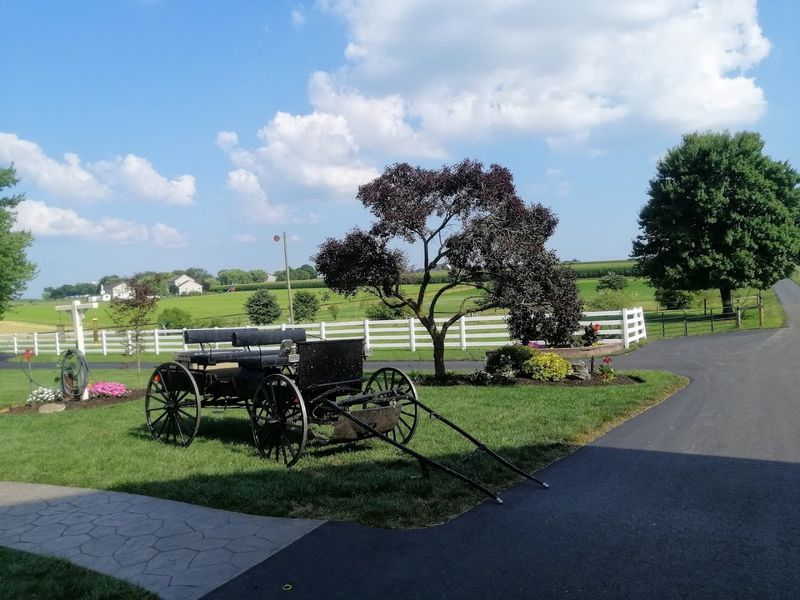
There’s a certain rhythm to Lancaster County that slows you down the moment you arrive, and spring is when that rhythm feels most alive. Freshly plowed fields stretch across the rolling countryside, roadside farm stands begin reopening with early-season produce, and the whole landscape shifts from winter brown to a patchwork of greens and golds.
It’s the kind of scenery that makes you want to roll down the car window and just breathe.
Pennsylvania Dutch Country is home to one of the largest Amish communities in the world, and visiting respectfully offers a genuinely eye-opening cultural experience. Horse-drawn buggies share the road with cars, hand-painted hex signs decorate old barns, and family-run businesses offer everything from handmade quilts to fresh-baked shoofly pie.
Central Market in downtown Lancaster, one of the oldest continuously operating farmers markets in the country, is a must-visit stop.
Spring brings fewer tourists than summer, which means shorter waits, more authentic interactions, and a less rushed feel throughout the county. Cycling the back roads is a popular way to explore, and several outfitters offer bike rentals along established routes.
Whether you’re drawn to the food, the history, the scenery, or all three, Lancaster County delivers a spring experience that’s quietly unforgettable. It doesn’t shout for attention — it earns it.
Bushkill Falls (Bushkill, PA)
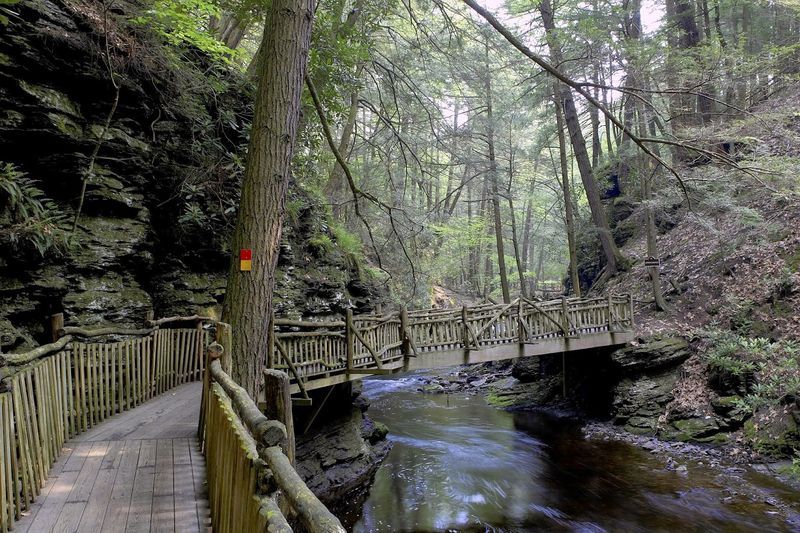
Called the Niagara of Pennsylvania, Bushkill Falls earns that nickname most convincingly in spring. Snowmelt and heavy spring rains send water thundering over the main falls and through a network of eight interconnected waterfalls tucked into the Pocono Mountains.
The main falls drop 100 feet, and the mist rising from the base on a cool spring morning creates an almost otherworldly atmosphere that photographs simply cannot capture fully.
The trail system at Bushkill is well-designed for different fitness levels. The shortest loop takes about 15 minutes and reaches the main falls, while longer trails wind deeper into the gorge past smaller cascades and through old-growth forest.
Wooden bridges and staircases connect the paths, making the terrain accessible even for visitors who aren’t experienced hikers. Just wear shoes with good grip, because spring conditions make some surfaces slippery.
Bushkill Falls is privately owned and has been managed by the same family since 1904, which gives the place a personal, well-maintained character that larger state parks sometimes lack. A small village of shops and a snack area near the entrance make it easy to turn the visit into a leisurely half-day outing.
Spring break timing lines up perfectly with peak water flow, so arriving early in the season means seeing these falls at their absolute most dramatic and powerful.
Valley Forge National Historical Park (King of Prussia, PA)
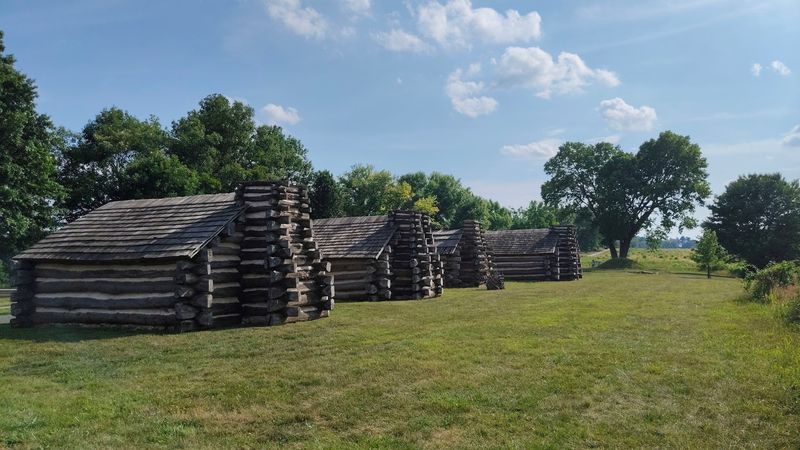
Most people know Valley Forge as the place where George Washington’s Continental Army endured a brutal winter in 1777 and 1778. What surprises many first-time visitors is just how beautiful and expansive the park actually is.
Over 3,500 acres of open meadows, forested hills, and scenic creek valleys make up the park, and spring turns the whole thing into a gorgeous, green, wide-open playground for outdoor enthusiasts.
The paved biking trail that loops through the park is one of the best family cycling routes in the Philadelphia region. The mostly flat terrain makes it manageable for kids, and the historic scenery along the way keeps the experience interesting for adults.
Walkers and joggers share the path, and the atmosphere on a sunny spring morning feels genuinely joyful. Picnic areas are plentiful, making it easy to pack a lunch and spend the whole day outside.
Historic landmarks are woven throughout the park, including reconstructed soldier huts, Washington’s Headquarters, and the grand Memorial Arch. Ranger programs in spring offer engaging, age-appropriate storytelling that brings the Revolutionary War history to life in memorable ways.
Valley Forge manages to be both a serious historical site and a relaxed outdoor destination at the same time. That rare combination makes it one of the most rewarding spring break stops in the entire state.
Kinzua Bridge State Park (Mount Jewett, PA)
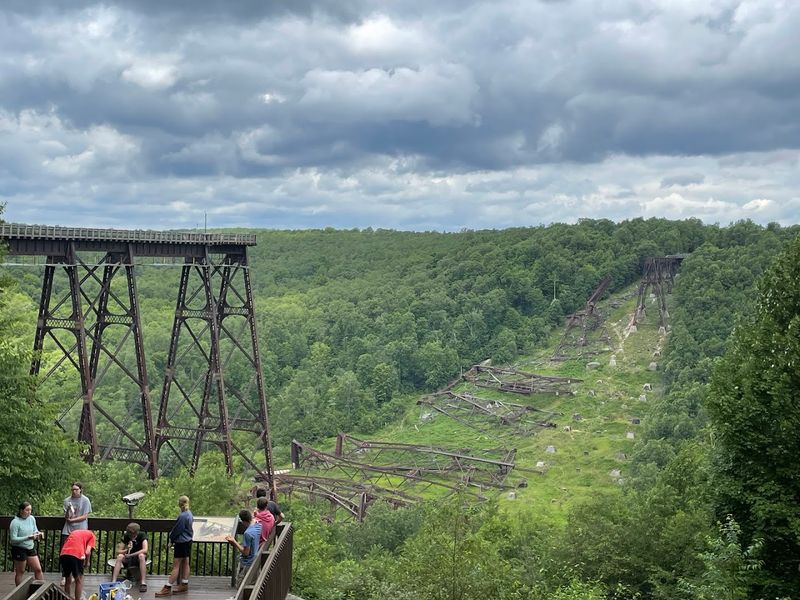
In 2003, a tornado tore through Kinzua Bridge State Park and toppled five of the original eleven towers of what was once the highest railroad bridge in the world. Rather than removing the wreckage, park officials made a bold decision — leave the fallen towers where they landed and build a glass-floored skywalk out from the remaining structure.
The result is one of the most unexpectedly moving and spectacular viewpoints in Pennsylvania.
Walking out onto the skywalk in spring is a full sensory experience. The valley below is waking up from winter, with fresh green leaves spreading across the hillsides in waves of color.
The Kinzua Creek winds through the gorge far below, and on clear days the views stretch for miles in every direction. Looking down through the glass floor at the twisted original towers is a humbling reminder of nature’s power.
The park also offers hiking trails that descend into the valley, letting you walk among the fallen towers up close and read interpretive signs explaining the bridge’s construction and history. The trail down is moderately challenging but absolutely worth the effort.
Kinzua is located in the Allegheny National Forest, which means the surrounding scenery is pristine and largely undeveloped. Spring break timing catches the forest at its most vibrant, making the long drive to Mount Jewett completely worth every mile.