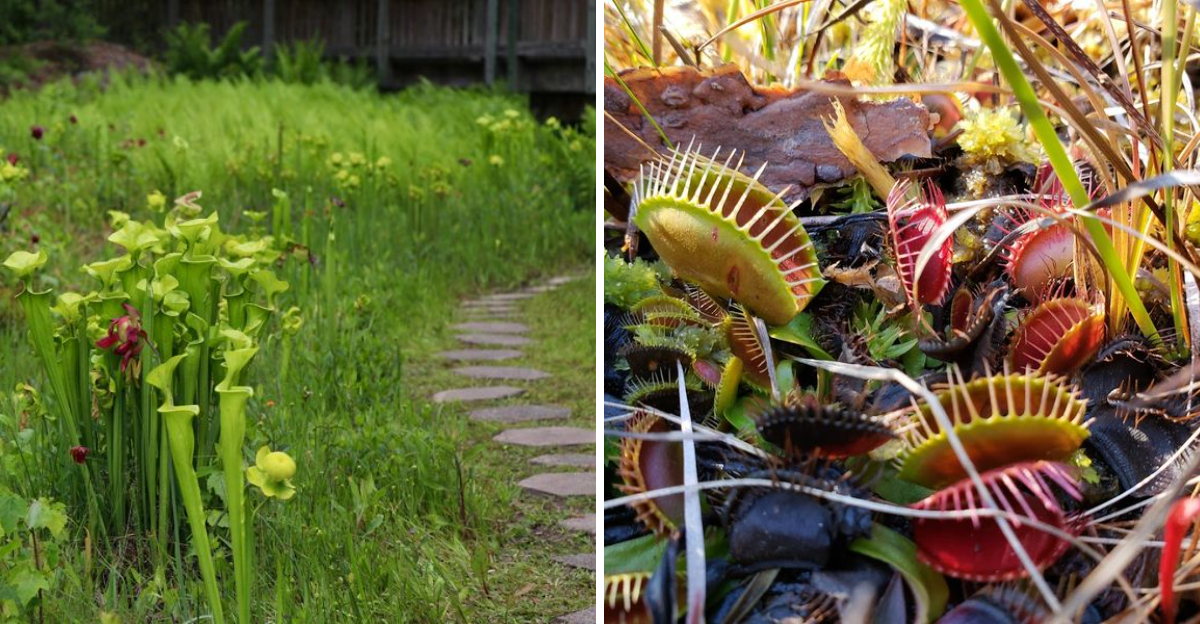
Tucked away in Wilmington, North Carolina, the Stanley Rehder Carnivorous Plant Garden is one of the most extraordinary natural spots in the entire country.
Venus flytraps are famous around the world, yet they grow wild in only a tiny region along the border of North and South Carolina — and this garden is one of the few places where you can see them doing exactly that.
Whether you are a nature lover, a curious student, or just someone looking for something truly different to explore, this garden delivers an unforgettable experience.
Get ready to discover a world where plants are the hunters.
Home to Native Venus Flytraps
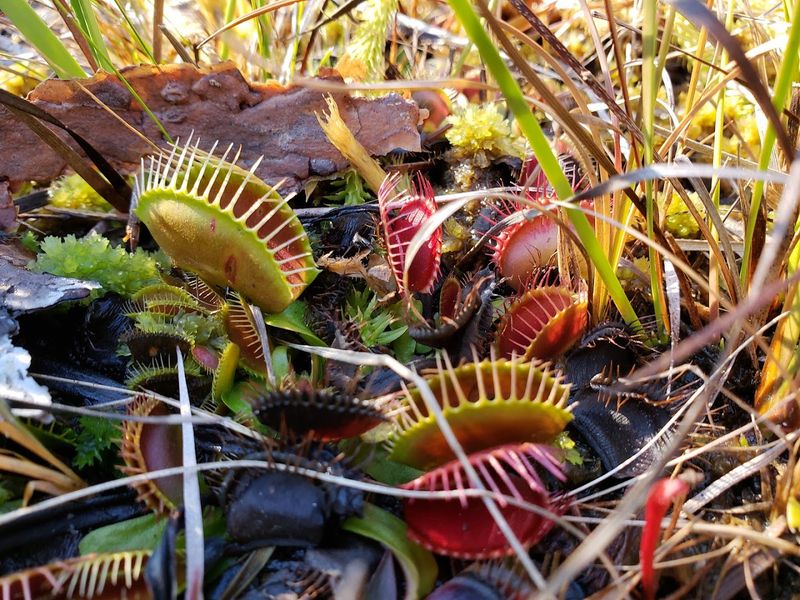
Most people have only ever seen a Venus flytrap sitting on a windowsill or in a small pot at a garden center. Seeing one growing wild in its natural habitat is a completely different experience — and honestly, a little mind-blowing.
Venus flytraps are native to an incredibly small area of the world, covering roughly a 75-mile radius around Wilmington, North Carolina. This makes the Stanley Rehder Carnivorous Plant Garden one of the most botanically significant spots in the entire United States.
The plants grow in the sandy, nutrient-poor soil of the local wetlands, conditions that most plants simply cannot survive.
Because the soil lacks nitrogen, Venus flytraps evolved their famous trapping ability to capture insects and supplement their diet. Watching a trap snap shut in the wild feels almost surreal.
Visitors often describe standing among dozens of wild flytraps as one of the coolest things they have ever seen in nature. If you have ever been fascinated by these plants, this garden offers the real deal in the most authentic setting possible.
Diverse Collection of Carnivorous Plants
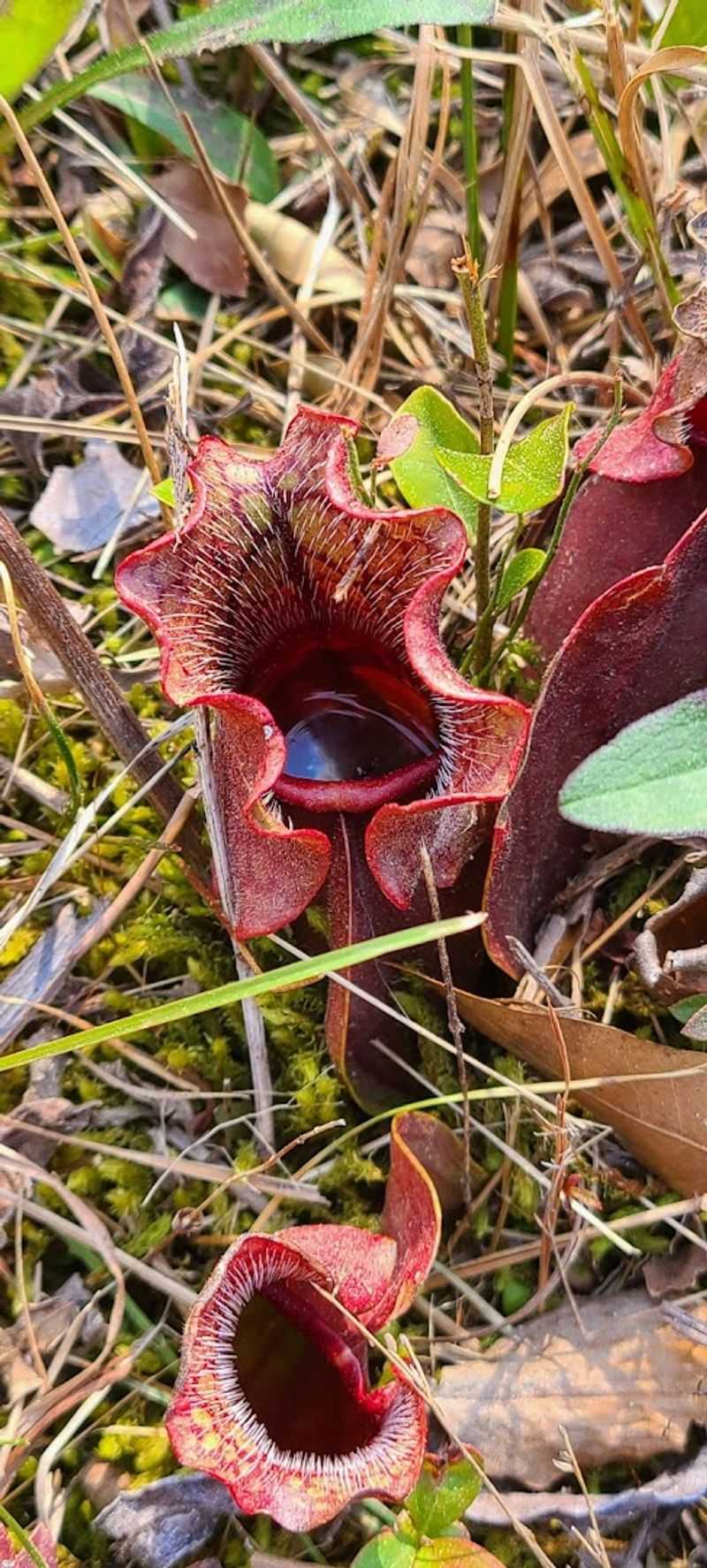
Venus flytraps tend to steal all the attention, but the Stanley Rehder Carnivorous Plant Garden is packed with other jaw-dropping species that are equally fascinating. Pitcher plants rise from the ground like elegant, tube-shaped traps, luring insects downward with sweet nectar before the bugs fall into a pool of digestive fluid.
It sounds like something from a science fiction movie, but it is completely real.
Sundews are another showstopper found here. These small plants are covered in tiny, glistening droplets that look like morning dew but are actually sticky glue traps.
When an insect lands on a sundew leaf, it gets stuck instantly and the leaf slowly curls around it. Each carnivorous species in this garden has developed its own clever strategy for catching prey.
Spending time here feels like exploring a miniature alien world right in the middle of a North Carolina neighborhood. The variety of shapes, colors, and trapping methods on display is genuinely surprising even for people who think they already know a lot about plants.
Bring your curiosity because there is far more going on here than most visitors expect.
Educational Signage and Guided Tours
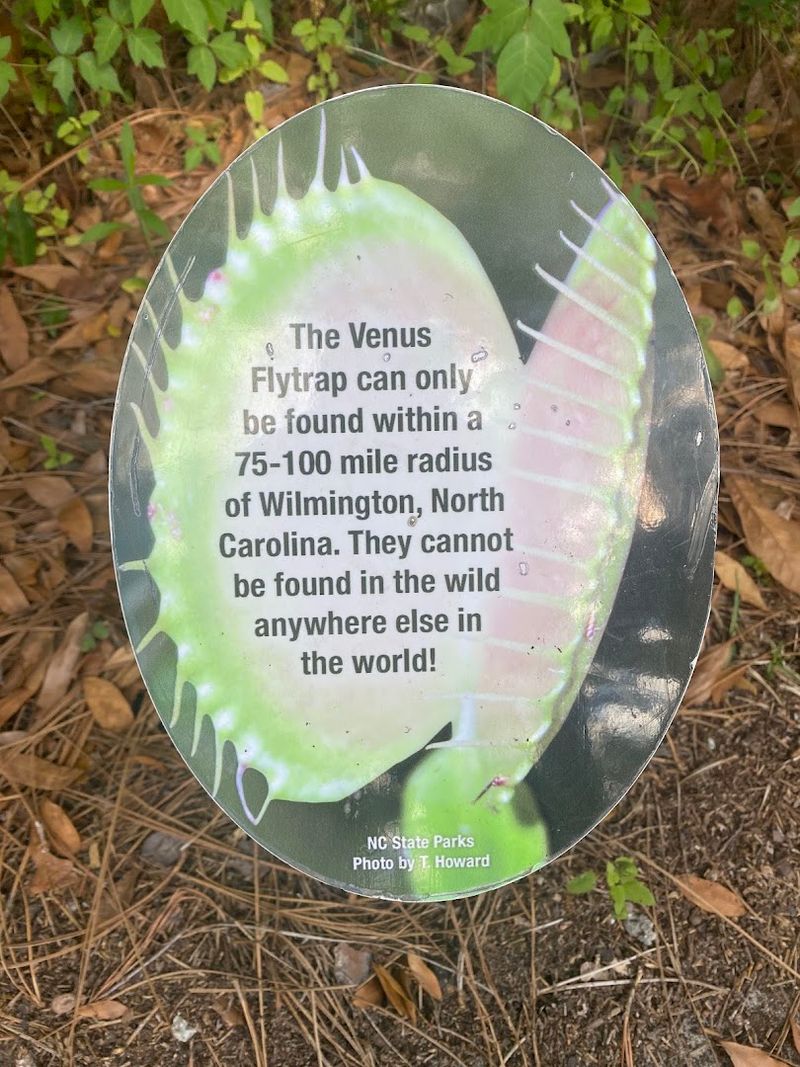
Walking through the garden without any background knowledge is still enjoyable, but understanding what you are actually looking at takes the experience to a whole new level. Fortunately, the garden does a great job of helping visitors learn as they explore.
Clear, easy-to-read interpretive signs are placed throughout the garden, explaining how each plant species works, what it eats, and why it evolved its unique trapping method. The language is straightforward enough for kids to follow along, but detailed enough to keep adults genuinely engaged.
You can move at your own pace and absorb as much or as little as you like.
Seasonal guided tours are also available and are absolutely worth scheduling if you can. A knowledgeable guide can point out things you might walk right past on your own, like a tiny sundew hiding among the grass or a pitcher plant with a trapped insect inside.
These tours often include fun facts about local conservation history and the story behind the garden itself. Whether you are visiting with a school group, a family, or just a few friends, the educational experience here adds real depth to every step you take.
Native Wetland Habitat Preservation
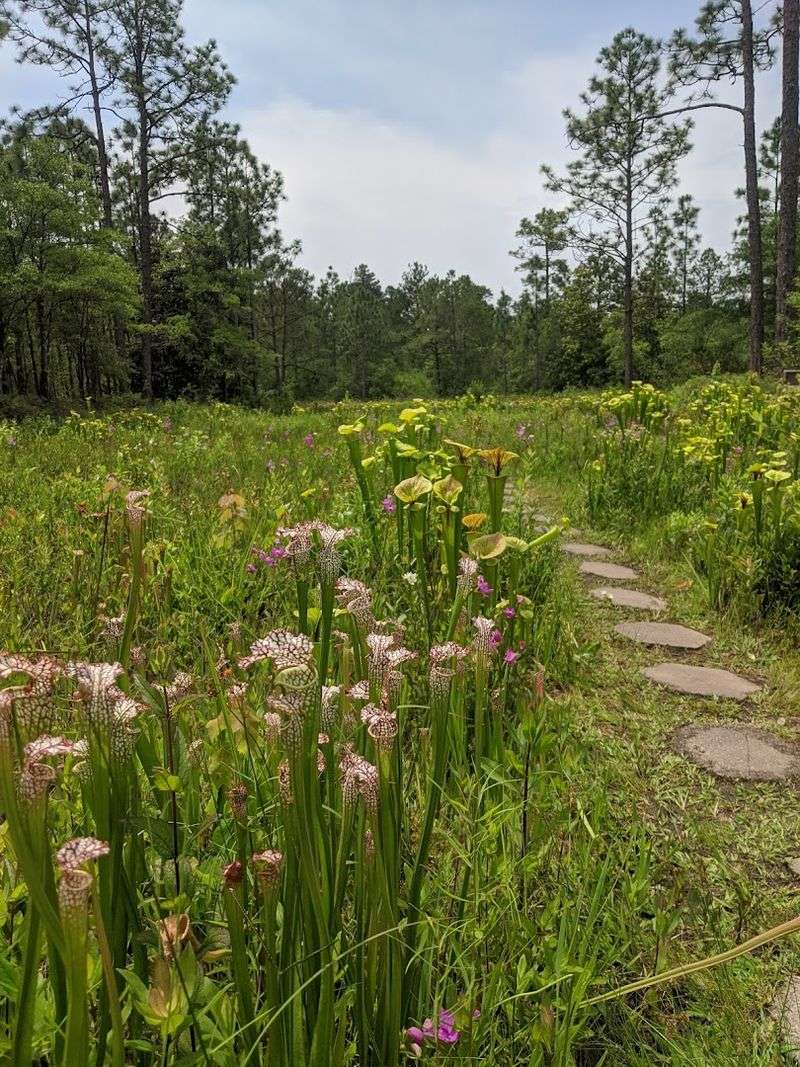
Here is something most people do not think about when they picture a garden: the soil matters just as much as the plants. At the Stanley Rehder Carnivorous Plant Garden, the entire wetland ecosystem has been carefully preserved to keep the carnivorous plants alive and healthy.
Without that specific environment, the plants simply would not survive.
Venus flytraps and their carnivorous neighbors need wet, acidic, nutrient-poor soil — conditions that are rare and fragile. Human development, drainage projects, and land clearing have already destroyed a huge portion of the natural wetlands in North Carolina.
This garden stands as a protected refuge where those conditions are actively maintained and respected.
Visiting here gives you a real appreciation for how delicate these ecosystems are. You start to understand why conservation matters not just in a big-picture sense, but in a very local, very specific way.
The ground beneath your feet in this garden represents a habitat type that has largely disappeared from the region. Protecting it is not just about saving pretty plants — it is about preserving a rare piece of North Carolina’s natural heritage that took thousands of years to develop.
Interactive Plant Exhibits
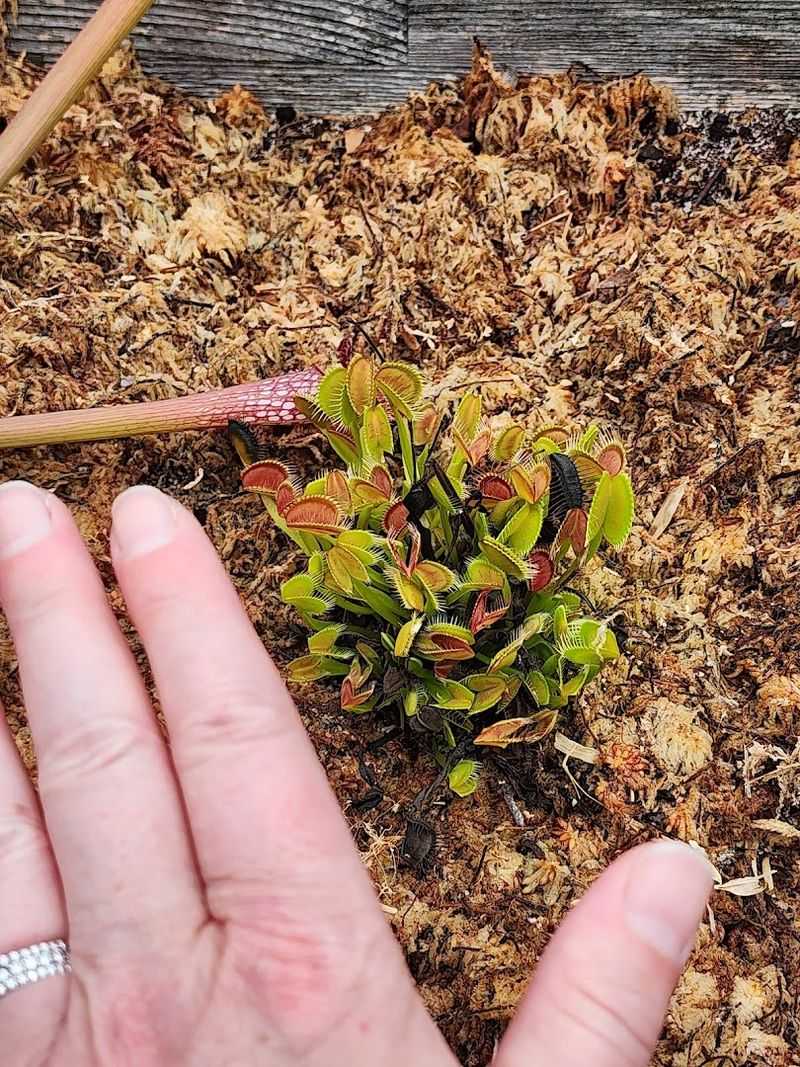
One of the best things about visiting the Stanley Rehder Carnivorous Plant Garden is that it does not feel like a stuffy museum where you have to keep your hands to yourself. The interactive elements here are designed to pull visitors in and make the experience genuinely hands-on and memorable.
Certain exhibit areas allow guests to safely explore plant structures in detail, getting close enough to observe the tiny trigger hairs inside a Venus flytrap or the sticky surface of a sundew leaf. Understanding how these mechanisms actually work — not just reading about them in a book — creates a much deeper appreciation for what makes carnivorous plants so remarkable.
For younger visitors especially, this kind of tactile engagement makes a lasting impression. Kids who might normally lose interest during a nature walk tend to stay completely focused here because the plants feel like living puzzles.
Adults find themselves equally hooked once they start examining the engineering behind each trap. The garden has done a thoughtful job of creating spaces where curiosity is actively rewarded, making every visit feel interactive rather than passive.
It is the kind of place that turns casual visitors into genuine plant enthusiasts.
Photography Opportunities
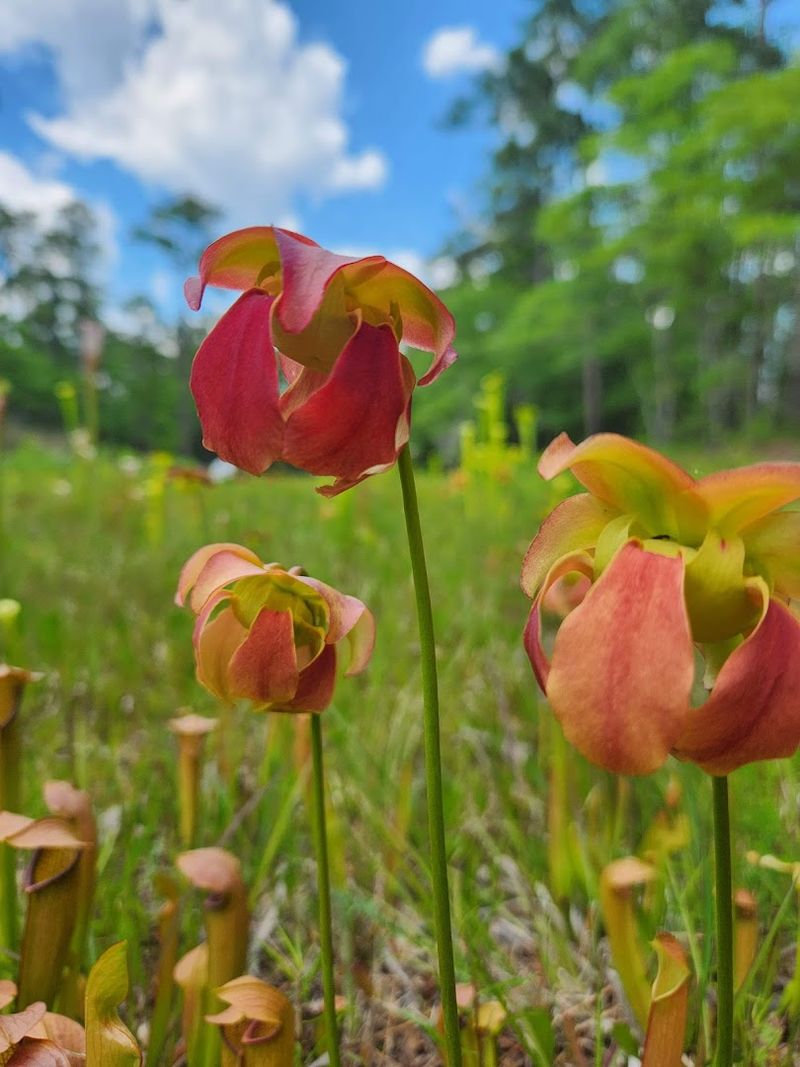
Photographers, listen up — this garden is a goldmine. The combination of unusual plant shapes, vivid colors, and dramatic trapping structures makes every corner of the Stanley Rehder Carnivorous Plant Garden a potential shot worth framing.
You do not need to be a professional to come away with stunning images.
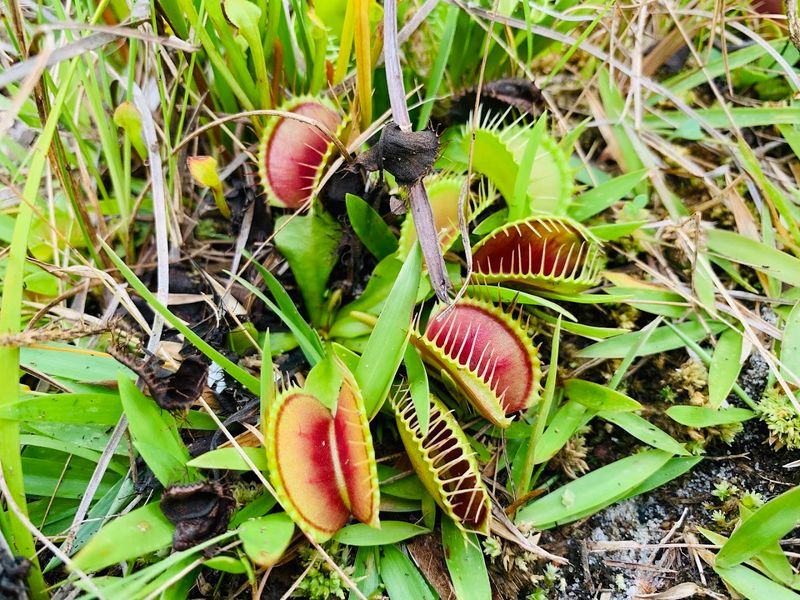
Macro photography absolutely shines here. Getting close to a Venus flytrap reveals an intricate world of fine hairs, reddish interiors, and geometric precision that looks almost architectural.
Sundews catch the light in a magical way, with their sticky droplets glimmering like tiny jewels against a green backdrop. Pitcher plants offer dramatic vertical lines and rich color gradients that photograph beautifully in natural light.
Early morning visits tend to offer the best lighting conditions, with soft golden light filtering through the surrounding trees and minimal shadows across the plants. The wetland setting itself adds mood and texture to any composition.
Even smartphone photographers consistently walk away from this garden with images that impress friends and family. Whether you are working on a nature portfolio or just want a few memorable shots for your social media feed, this garden rewards every type of photographer who shows up ready to look closely.
Seasonal Highlights
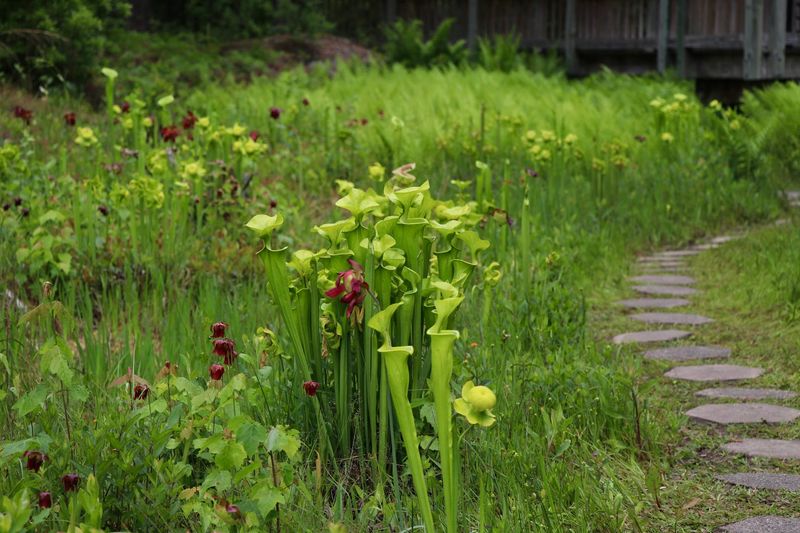
Timing your visit can make a surprisingly big difference in what you experience at the Stanley Rehder Carnivorous Plant Garden. Late spring and early summer — roughly May through July — is widely considered the prime window for seeing Venus flytraps at their absolute best.
During these months, the traps are fully open, deeply colored, and actively feeding. You have a real chance of watching a trap close around an unsuspecting insect, which is one of those rare natural moments that stays with you long after you leave.
The plants also produce tall white flower stalks during this period, adding an unexpected elegance to their already dramatic appearance.
Visiting outside of peak season is still worthwhile, but some plants may be dormant or less visually striking during the cooler fall and winter months. Spring also brings a burst of activity across the entire wetland ecosystem, with birds, insects, and other native wildlife adding to the overall energy of the place.
If you are planning a trip specifically to see Venus flytraps doing their thing in full wild glory, aim for late May or early June and you will be rewarded with the most vibrant, active version of this remarkable garden.
Conservation and Research Efforts
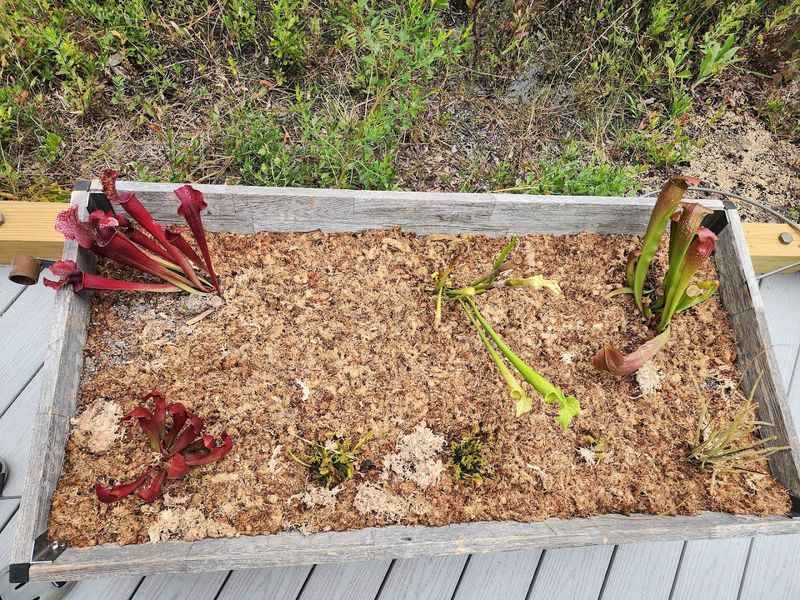
The Stanley Rehder Carnivorous Plant Garden is not just a pretty place to visit — it is an active participant in protecting one of the most endangered plant communities in North America. Venus flytrap populations have declined dramatically over the past century due to habitat loss, illegal poaching, and fire suppression that allows competing vegetation to take over their territory.
The garden works alongside conservation organizations and botanical researchers to monitor plant populations, restore habitat, and develop strategies for long-term survival of native carnivorous species. Research conducted here contributes to a broader understanding of how these plants interact with their ecosystem and what conditions are most critical for their survival.
Poaching is a surprisingly serious issue — Venus flytraps are protected under North Carolina law, and illegally collecting them from the wild is a felony offense. The garden helps raise awareness about this problem and encourages visitors to appreciate these plants in their natural setting rather than removing them.
Supporting the garden through visits, donations, or volunteering directly contributes to these ongoing efforts. Knowing that your visit helps fund real conservation work adds a meaningful layer to an already remarkable experience.
Family-Friendly Activities
Forget trying to drag reluctant kids through another boring museum — the Stanley Rehder Carnivorous Plant Garden has a way of turning even the most screen-addicted child into a wide-eyed nature explorer. Something about plants that eat bugs just works on every age group.
Scavenger hunts are available for younger visitors and encourage them to actively search for different plant species, observe specific features, and answer fun questions along the way. These activities are thoughtfully designed to build real scientific thinking skills while keeping the energy playful and engaging.
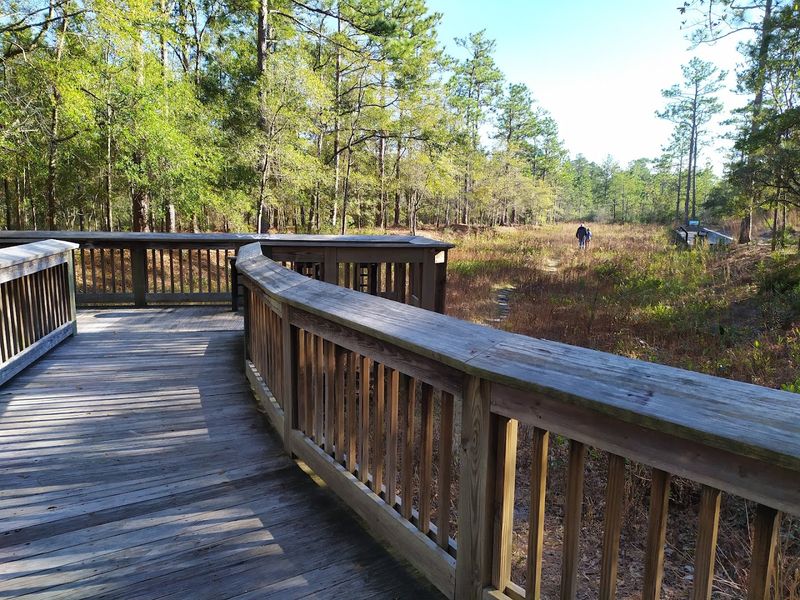
Nature walks through the preserve offer a relaxed pace that works well for families with kids of varying ages and energy levels.
Educational workshops are offered periodically throughout the year and cover topics ranging from carnivorous plant biology to broader wetland ecology. These sessions are led by knowledgeable guides who know how to communicate complex ideas in ways that click for younger audiences.
Parents often find themselves learning just as much as their kids during these programs. The garden strikes a rare balance between being genuinely educational and genuinely fun, which is exactly what families need when they are looking for an outing that everyone will actually remember and talk about afterward.
Visitor Essentials
Planning ahead makes a visit to the Stanley Rehder Carnivorous Plant Garden much smoother and more enjoyable. The garden is located within the Piney Ridge Nature Preserve at 3800 Canterbury Rd, Wilmington, NC 28403.
You can reach the garden by phone at +1 910-341-7852 if you have questions before your visit.
Admission is free, which makes this one of the most accessible and rewarding nature experiences in the Wilmington area. The garden is open to the public during daylight hours, but hours can vary seasonally, so calling ahead or checking the city of Wilmington parks website before you go is always a smart move.
Parking is available on site and the paths are generally easy to navigate for most visitors.
Wearing closed-toe shoes is strongly recommended since you will be walking near wetland areas where the ground can be uneven or damp. Bring water, sunscreen, and insect repellent, especially during summer visits.
Photography enthusiasts should pack a macro lens if they have one. Most importantly, remember that all plants in the preserve are protected — looking and photographing is very much encouraged, but touching or collecting any plant is strictly off-limits.
Respecting these rules helps ensure the garden stays vibrant for every visitor who comes after you.