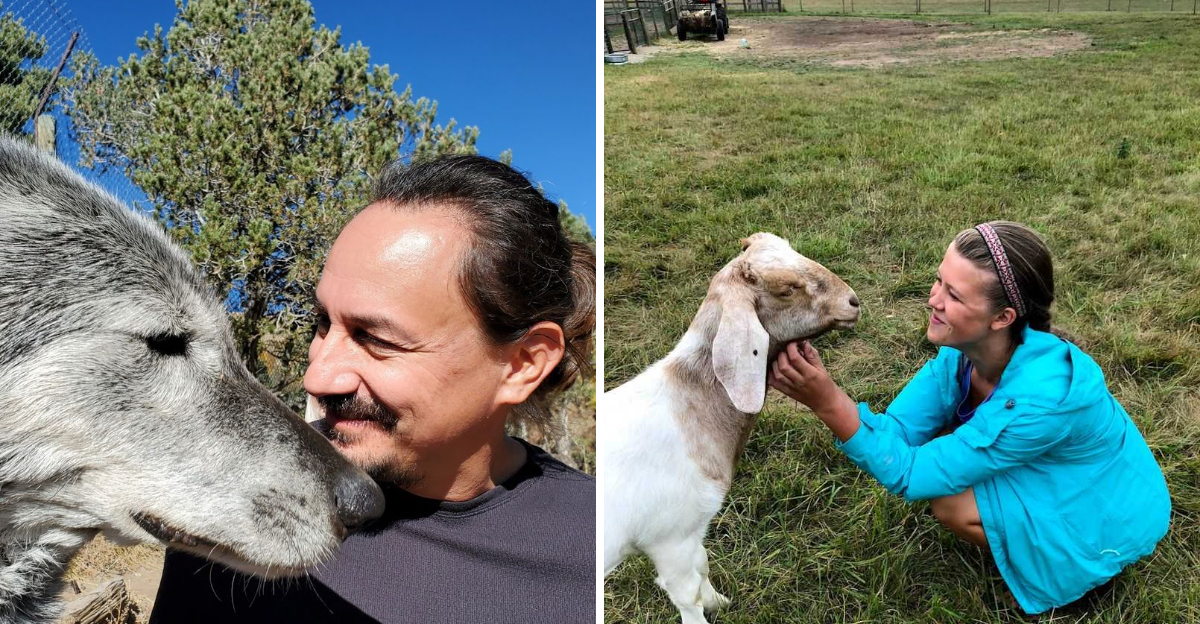
Across the United States, thousands of animals that once lived in cages, labs, or neglectful homes are now roaming open fields, splashing in ponds, and basking in the sun at remarkable sanctuaries.
These special places exist for one reason: to give rescued animals a safe, loving, and permanent home.
From lions and wolves to pigs and horses, each sanctuary tells a story of second chances and compassion.
If you love animals and want to discover places doing truly meaningful work, this list is for you.
The Wild Animal Sanctuary (Keenesburg, Colorado)
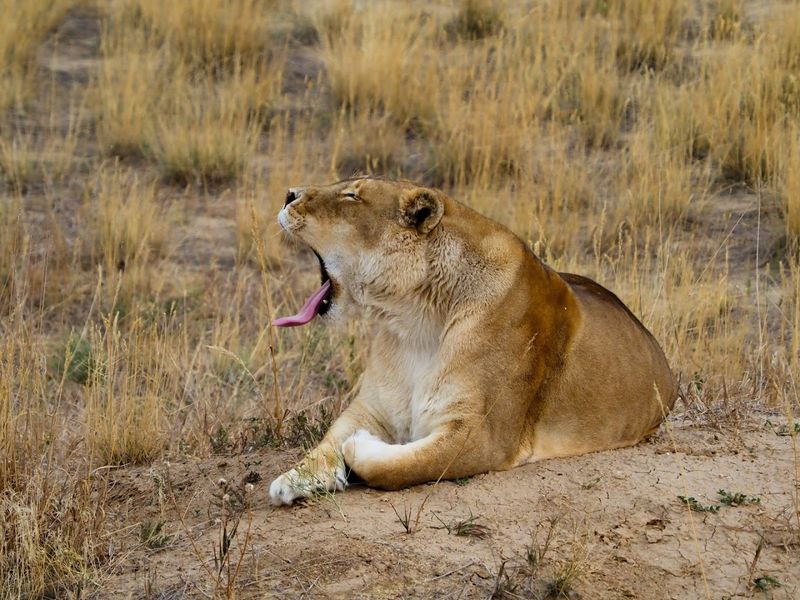
Picture a lion that once lived in a tiny cage finally stretching its legs across hundreds of acres of open Colorado prairie. That is exactly the kind of transformation The Wild Animal Sanctuary makes possible every single day.
Founded in 1980, it is one of the oldest and largest carnivore sanctuaries in the world.
The sanctuary rescues large animals like lions, tigers, bears, wolves, and leopards from roadside zoos, illegal ownership, and cruel living conditions. Instead of small enclosures, these animals get massive natural habitats where they can run, dig, and behave like the wild creatures they truly are.
One of the coolest features is a raised walkway that stretches over a mile long, letting visitors watch animals roam below without disturbing them. Over 10,000 animals have been rescued here since it opened.
The sanctuary also educates the public about the exotic pet trade and why wild animals should never be kept as pets. Staff and volunteers work around the clock to provide medical care, nutritious food, and enrichment activities.
A visit here genuinely changes how you see the relationship between humans and wild animals.
Black Beauty Ranch (Murchison, Texas)
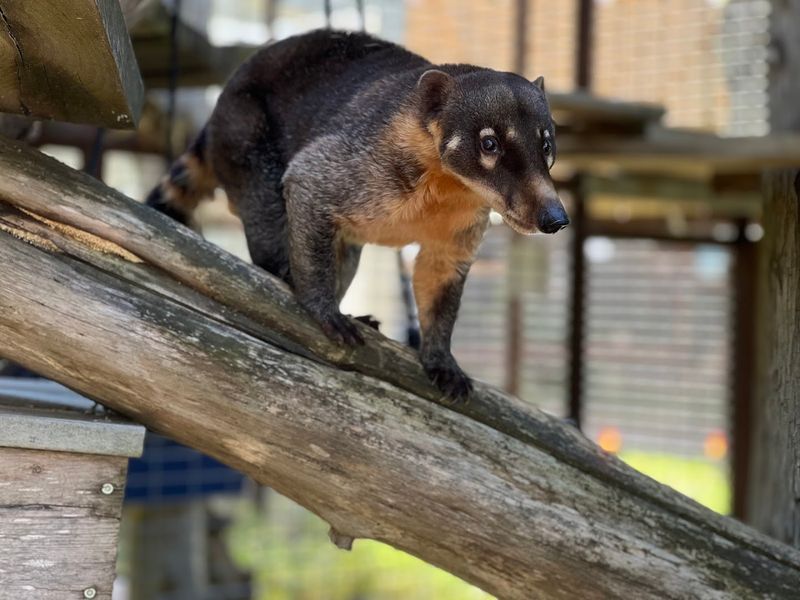
Named after the beloved horse from Anna Sewell’s classic novel, Black Beauty Ranch carries a powerful message: every animal deserves dignity and freedom. Operated by the Humane Society of the United States, this sprawling Texas sanctuary sits on over 1,400 acres of lush land and has been changing lives since 1979.
The ranch provides lifelong care to hundreds of animals rescued from research laboratories, neglect, the exotic pet trade, and entertainment industries. Residents include primates, bison, horses, donkeys, pigs, and even exotic birds.
Each animal arrives with its own difficult story, but the ranch works hard to help them heal physically and emotionally.
Staff members here are trained in animal behavior and rehabilitation, ensuring every resident gets individualized attention. The ranch does not operate as a traditional zoo, meaning the focus is always on the animals’ wellbeing rather than public entertainment.
Educational programs teach students and adults about animal cruelty, wildlife protection, and responsible stewardship. Black Beauty Ranch stands as living proof that with enough space, care, and patience, even deeply traumatized animals can rediscover joy.
It truly honors the spirit of the horse it was named after.
Farm Sanctuary (Watkins Glen, NY & Acton, CA)
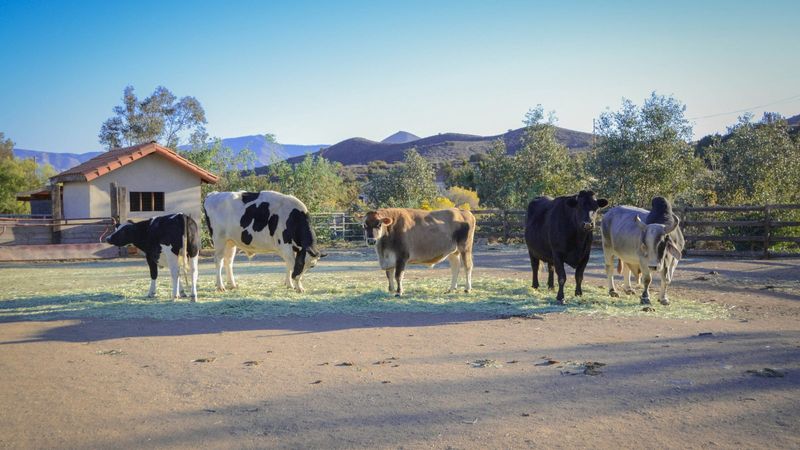
Back in 1986, a couple named Gene Baur and Lorri Houston started rescuing farm animals from stockyards and slaughterhouses, and Farm Sanctuary was born. Today it operates two locations — one in the Finger Lakes region of New York and another in California — and has rescued thousands of animals from factory farming conditions.
Cows, pigs, turkeys, chickens, goats, and sheep all call Farm Sanctuary home. Many arrive malnourished, injured, or traumatized, but the sanctuary’s dedicated team nurses them back to health and gives them space to live naturally.
Visitors are welcome and often describe meeting the animals as a life-changing experience.
Beyond animal care, Farm Sanctuary is a powerful voice for policy change and public education. The organization campaigns against cruel farming practices and promotes plant-based eating as a way to reduce animal suffering.
Their Adopt-a-Farm-Animal sponsorship program lets people from around the world support specific residents financially. Fun fact: one of their most famous rescues was a pig named Hilda, found nearly dead at a stockyard, who went on to live a full and happy life.
Farm Sanctuary proves that compassion and activism can go hand in hand beautifully.
The Gentle Barn (Santa Clarita, CA & Christiana, TN)
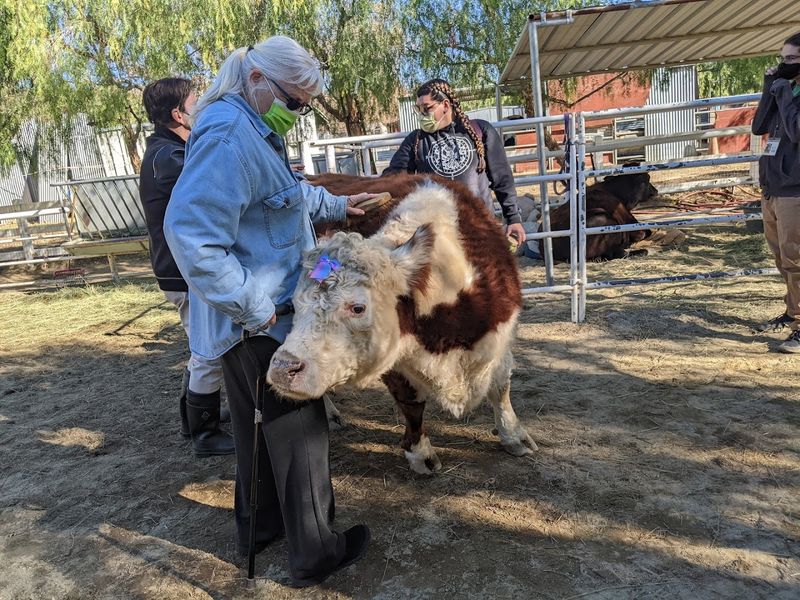
There is something extraordinary that happens when a traumatized child meets a traumatized animal — they recognize each other. The Gentle Barn was built on exactly that idea.
Founded by Ellie Laks in 1999 in Santa Clarita, California, this sanctuary rescues abused and neglected farm animals and then pairs them with people who are also healing from hardship.
Children from foster care, juvenile halls, and difficult home situations visit regularly to spend time with horses, cows, pigs, and goats who have survived their own rough beginnings. The animals’ stories resonate deeply with young visitors, creating powerful moments of empathy and connection that can spark lasting emotional growth.
A second location in Christiana, Tennessee, expanded the sanctuary’s reach to communities in the South. The Gentle Barn also opens its doors to the public on Sundays, welcoming families who want to experience the healing power of human-animal bonds firsthand.
Every animal at The Gentle Barn has a name, a biography, and a team of caregivers devoted to their happiness. The sanctuary has been featured on major television networks and continues to inspire people across the country with its unique and deeply moving approach to rescue and rehabilitation.
Best Friends Animal Sanctuary (Kanab, Utah)
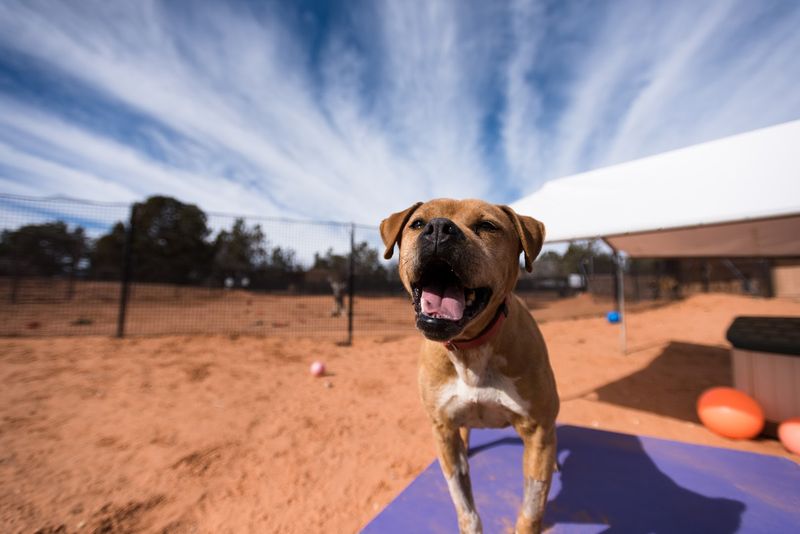
Tucked inside a breathtaking canyon in southern Utah, Best Friends Animal Sanctuary is a place where animals once labeled unadoptable get to prove everyone wrong. With over 3,700 acres of red rock desert, it is the largest no-kill sanctuary for companion animals in the entire United States, caring for dogs, cats, rabbits, horses, birds, and more.
Founded in 1984, Best Friends has been at the forefront of the no-kill movement, working to end the euthanasia of healthy and treatable shelter animals nationwide. The sanctuary partners with rescue groups and shelters across the country to reduce the number of animals killed simply because there was no room for them.
Visitors can actually volunteer during their stay, walking dogs, socializing cats, or helping with enrichment projects. The experience is often described as one of the most rewarding trips people ever take.
Best Friends also runs adoption programs, bringing animals to new forever homes regularly. The surrounding landscape is stunning, making the sanctuary feel like a peaceful retreat for humans and animals alike.
Their motto, “Save them all,” has become a rallying cry for animal lovers everywhere who believe every life has value.
Save the Chimps (Fort Pierce, Florida)
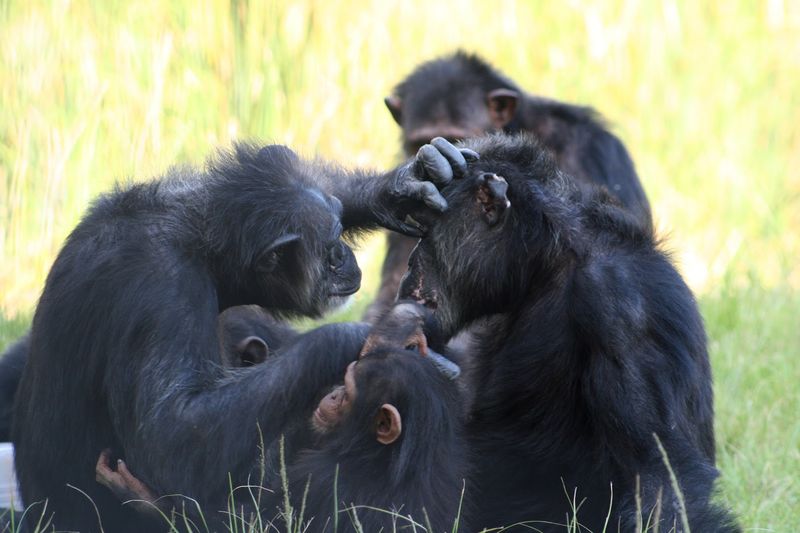
Chimpanzees are among our closest relatives in the animal kingdom, sharing about 98 percent of our DNA — yet for decades, hundreds of them were used in medical research and entertainment with little thought given to their emotional lives. Save the Chimps in Fort Pierce, Florida, exists to correct that injustice.
Founded in 1997 by primatologist Dr. Carole Noon, the sanctuary originally rescued 21 chimpanzees from a U.S. Air Force laboratory.
Today it is home to over 200 chimpanzees living on a series of large island habitats surrounded by moats. The islands provide space for the chimps to climb, forage, play, and form social bonds just as they would in the wild.
Each chimpanzee has a distinct personality, and staff members take time to learn individual preferences and quirks to provide the best possible care. Many of the chimps arrived with physical and psychological wounds from years in laboratory conditions, and the rehabilitation process can take years.
Save the Chimps is one of the largest chimpanzee sanctuaries in the world and does not breed or use its residents for any commercial purpose. Their work is a shining example of what genuine primate sanctuary care looks like.
Barn Sanctuary (Chelsea, Michigan)
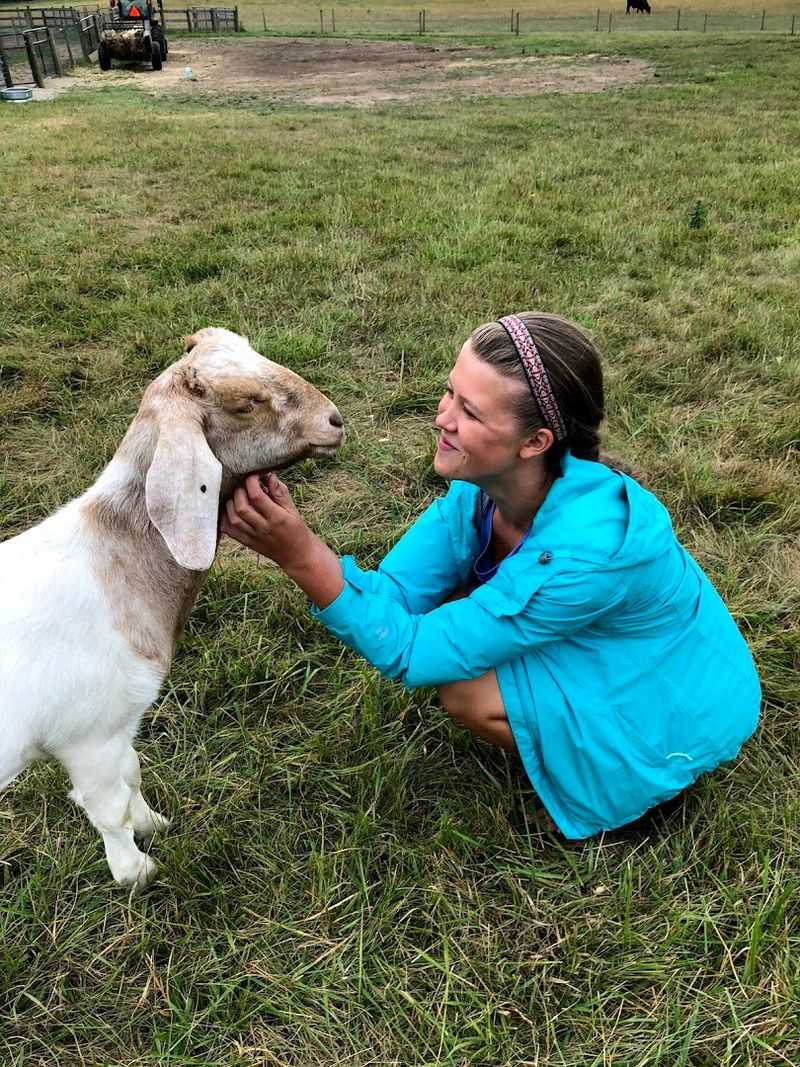
When you first walk onto the grounds of Barn Sanctuary in Chelsea, Michigan, you might be greeted by a curious pig trotting over to say hello or a cow gently nudging your hand. This charming sanctuary rescues animals from factory farms, neglect, and abandonment, giving them a permanent, peaceful home where they are treated as individuals rather than commodities.
Cows, pigs, chickens, goats, and turkeys are among the many residents here, each with a story that would break your heart and then put it back together again. The sanctuary places a strong emphasis on education, hosting school groups, community events, and farm tours that help visitors understand the realities of modern industrial farming and why animal welfare matters so deeply.
Many of the animals rescued by Barn Sanctuary were saved from extreme conditions — overcrowded barns, severe weather exposure, and chronic malnutrition. Staff work tirelessly to rehabilitate them physically and emotionally.
Supporters can sponsor individual animals or donate to help cover the significant costs of daily care. Barn Sanctuary also uses social media brilliantly to share residents’ stories, building a passionate online community of animal advocates.
Every visit reminds you that choosing compassion is always worth it.
Wild Spirit Wolf Sanctuary (Ramah, New Mexico)
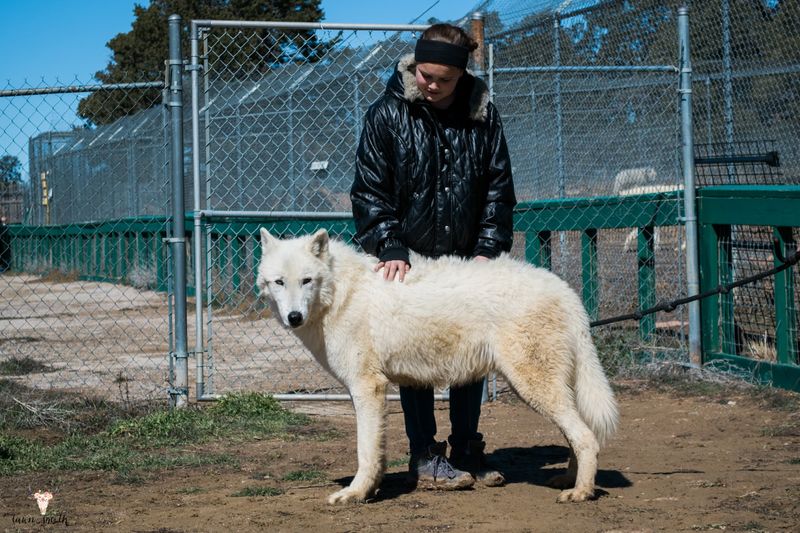
Wolves have a way of capturing the human imagination like few other animals can. But romanticizing wolves and actually living with one are two very different things — a reality that leads many wolf and wolfdog owners to abandon their animals when the wild instincts kick in.
Wild Spirit Wolf Sanctuary in Ramah, New Mexico, is there to pick up the pieces.
Recognized as the largest wolf and wolfdog sanctuary in North America, Wild Spirit provides permanent refuge for animals that have been abandoned, abused, or surrendered by owners who could not manage them. The sanctuary sprawls across high desert terrain, giving residents spacious, naturalistic enclosures where they can run, howl, and behave like the complex social animals they are.
Educational tours are a cornerstone of the sanctuary’s mission. Visitors can walk the property with knowledgeable guides who share fascinating facts about wolf behavior, ecology, and conservation.
The experience of hearing a wolf howl just a few feet away is something people never forget. Wild Spirit also advocates against the private ownership of wolves and wolfdogs, pushing for stronger regulations to protect both animals and people.
Their work is urgent, deeply needed, and absolutely captivating.
Noah’s Ark Animal Sanctuary (Locust Grove, Georgia)
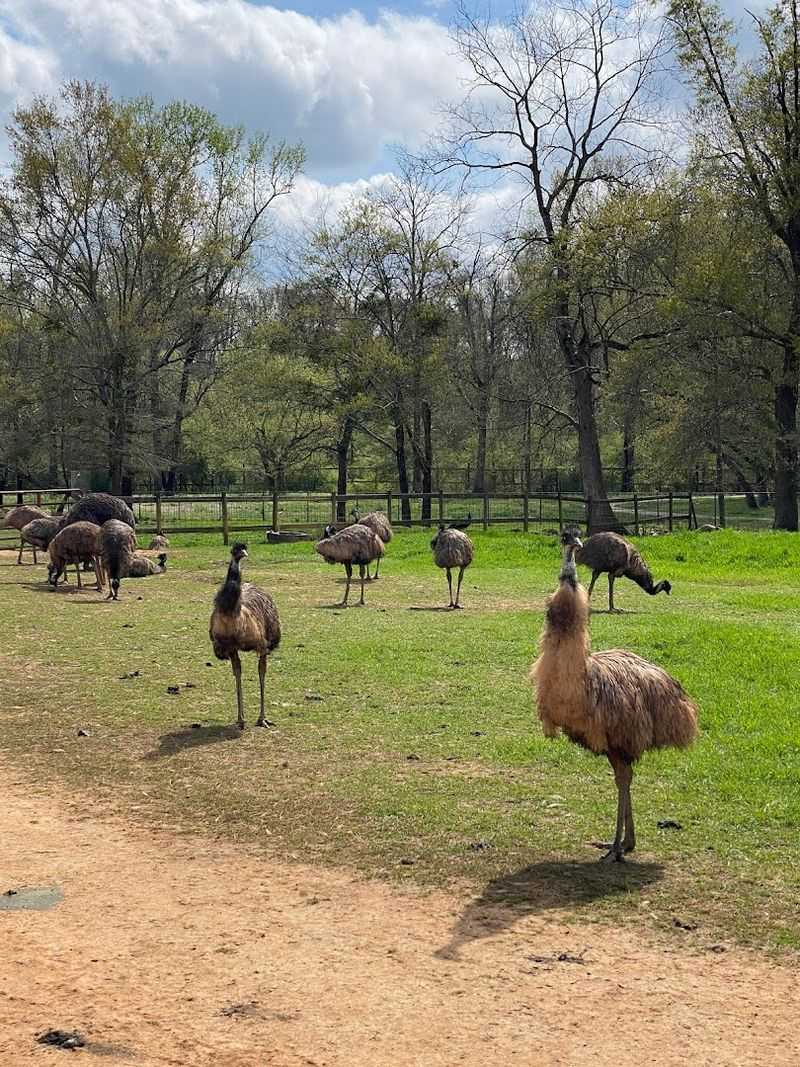
Some sanctuaries are known for one type of animal. Noah’s Ark in Locust Grove, Georgia, seems determined to welcome everyone.
Spread across 250 lush acres south of Atlanta, this remarkable nonprofit has been providing refuge since 1978 to animals rescued from circuses, private owners, illegal situations, and natural disasters.
Lions, tigers, bears, wolves, monkeys, reptiles, and domestic animals all share this sprawling property. One of the sanctuary’s most famous residents was a trio known as BLT — a bear, a lion, and a tiger — who were rescued together as cubs from a drug raid and became lifelong companions.
Their story went viral and inspired a documentary that touched hearts around the world.
Noah’s Ark is also deeply committed to serving people. The sanctuary runs programs for children with special needs, veterans dealing with trauma, and at-risk youth, using animal interactions as a powerful therapeutic tool.
Volunteers and staff pour enormous energy into daily care, enrichment activities, and habitat maintenance. School groups and families visit regularly for educational tours that bring wildlife conservation to life in a memorable way.
Noah’s Ark reminds us that rescue and community go hand in hand, and that healing can happen in the most unexpected places.
Critter Creek Farm Sanctuary (Gainesville, Florida)
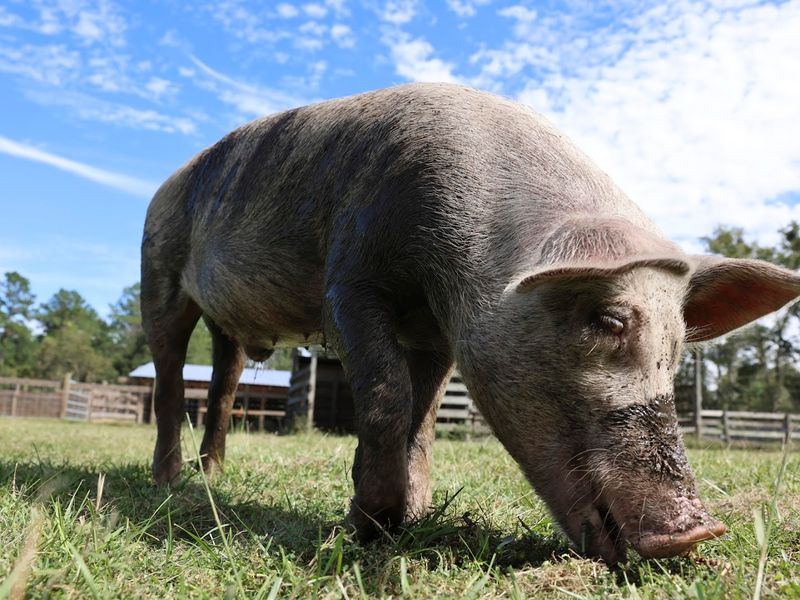
Florida is not the first place most people picture when they think of farm animal sanctuaries, but Critter Creek Farm Sanctuary in Gainesville is quietly doing extraordinary work. Specializing in rescued cows and other farm animals, this sanctuary offers neglected and abused livestock a safe, spacious, and loving home where they can finally exhale.
Many of the animals at Critter Creek arrive from situations of severe neglect — malnourished, injured, or deeply fearful of humans. The rehabilitation process is slow and patient, built on trust, consistent care, and plenty of good food.
Watching a once-terrified cow slowly warm up to a caregiver is one of the most rewarding things staff members describe about working there.
Education is woven into everything Critter Creek does. The sanctuary welcomes school groups, community visitors, and volunteers who want to learn about farm animal cognition, emotional lives, and the realities of industrial agriculture.
Cows are often the stars of the show — intelligent, curious animals that bond deeply with their herd mates and human caretakers. Critter Creek also advocates for stronger animal protection laws in Florida and beyond.
Supporting this sanctuary means supporting a future where every farm animal is treated with the respect they genuinely deserve.
Winslow Farm Animal Sanctuary (Norton, Massachusetts)
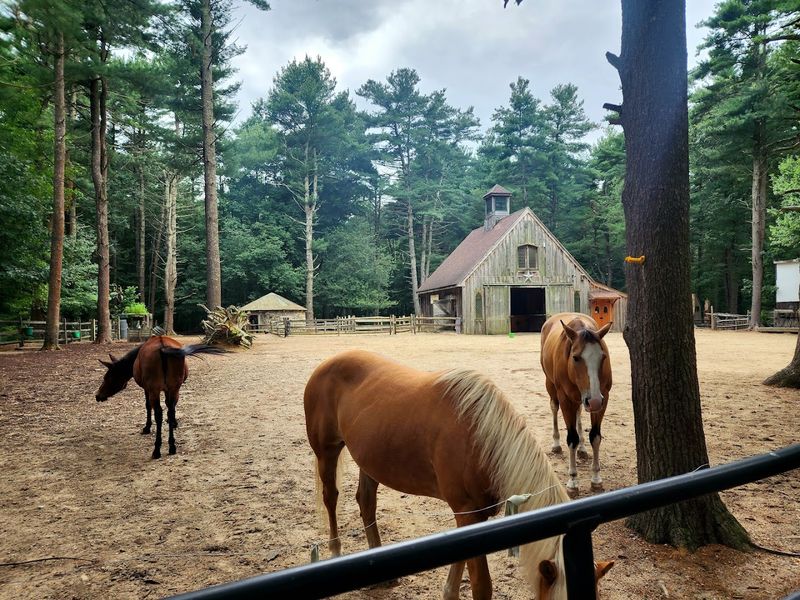
New England has a long history of farming, but Winslow Farm Animal Sanctuary in Norton, Massachusetts, is writing a very different kind of agricultural story. Home to hundreds of rescued animals, this sprawling sanctuary offers refuge to creatures that would otherwise have nowhere to go, creating a warm and bustling community of survivors.
Goats, pigs, horses, donkeys, chickens, turkeys, rabbits, and even exotic birds all share the property. What makes Winslow Farm particularly special is its focus on long-term rehabilitation and building genuine human-animal relationships.
Animals here are not just housed — they are known, loved, and celebrated as individuals with unique personalities and histories.
The sanctuary opens its gates to the public and hosts educational events throughout the year, making it a wonderful destination for families, school groups, and animal lovers of all ages. Children especially seem to light up when they realize that the pig they are petting was once abandoned on a highway or that the horse grazing nearby survived years of neglect.
Winslow Farm also accepts animals from other overwhelmed shelters and rescue organizations, acting as a safety net for the broader New England rescue community. Every corner of this sanctuary holds a story worth knowing.
Duchess Sanctuary (Oakland, Oregon)
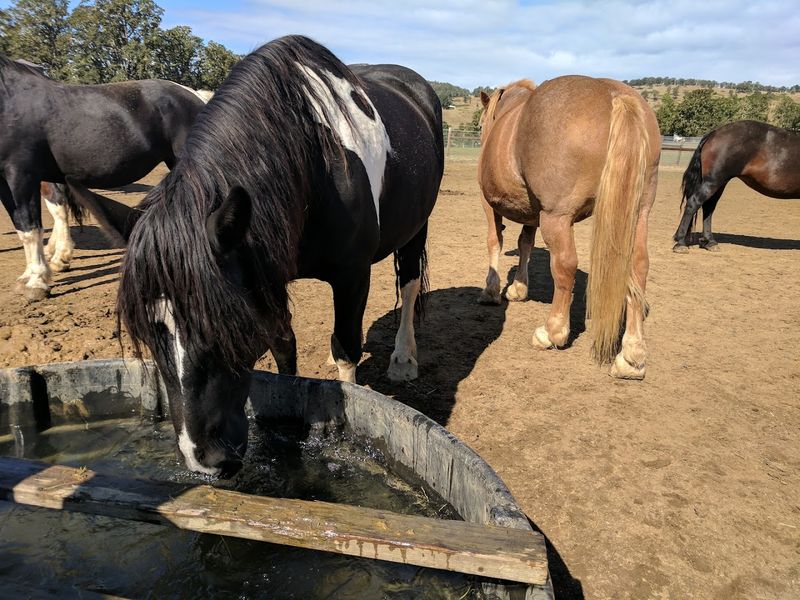
Horses are powerful, majestic animals — and some of the most commonly neglected large animals in the United States. Duchess Sanctuary in Oakland, Oregon, was created specifically to address that problem, offering a permanent haven for rescued horses and wild mustangs who have survived abandonment, starvation, and abuse.
Operated by the Fund for Animals in partnership with the Humane Society of the United States, Duchess spans hundreds of rolling acres in the Oregon countryside. Horses here live in natural herd groups, which is critically important for their psychological wellbeing.
Equines are deeply social animals, and the ability to bond with herd mates plays a huge role in their recovery from trauma.
Many of the mustangs at Duchess were rounded up from public lands through federal programs that have long been controversial among wild horse advocates. The sanctuary provides these animals with a dignified alternative to holding pens or auction lots.
Visitors are welcome to tour the property and learn about horse behavior, wild mustang conservation, and the challenges facing equine welfare across the country. The landscape itself is breathtaking — green hills, open skies, and horses running freely paint a picture that feels like something from a storybook, except it is beautifully, wonderfully real.
Animal Place (Grass Valley, California)
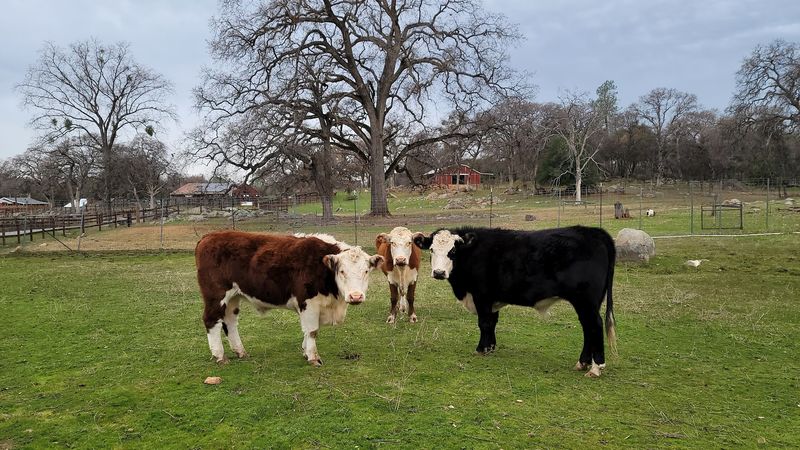
Founded in 1989, Animal Place in Grass Valley, California, holds the distinction of being one of the oldest farm animal sanctuaries in the entire United States. That long history means decades of refined expertise, deep community relationships, and thousands of individual animals whose lives were transformed by the care they received here.
The sanctuary rescues animals from cruelty cases, factory farms, and situations of abandonment, offering them a life completely free from exploitation. Cows, pigs, goats, turkeys, and chickens roam the sun-drenched Northern California hills, living at their own pace in a setting that honors their natural behaviors and social needs.
Animal Place is also known for its innovative Rescue Ranch adoption program, which has successfully rehomed thousands of hens rescued from egg-laying facilities. Rather than keeping every animal permanently, this program works to find loving homes for animals that are well-suited to domestic life, freeing up space for those who need more intensive long-term care.
Educational tours, volunteer programs, and vegan cooking events make Animal Place a hub of community engagement and advocacy. The sanctuary’s longevity is a testament to the dedication of its founders, staff, and supporters who have kept the mission alive for over three decades.
Mission: Wolf (Westcliffe, Colorado)
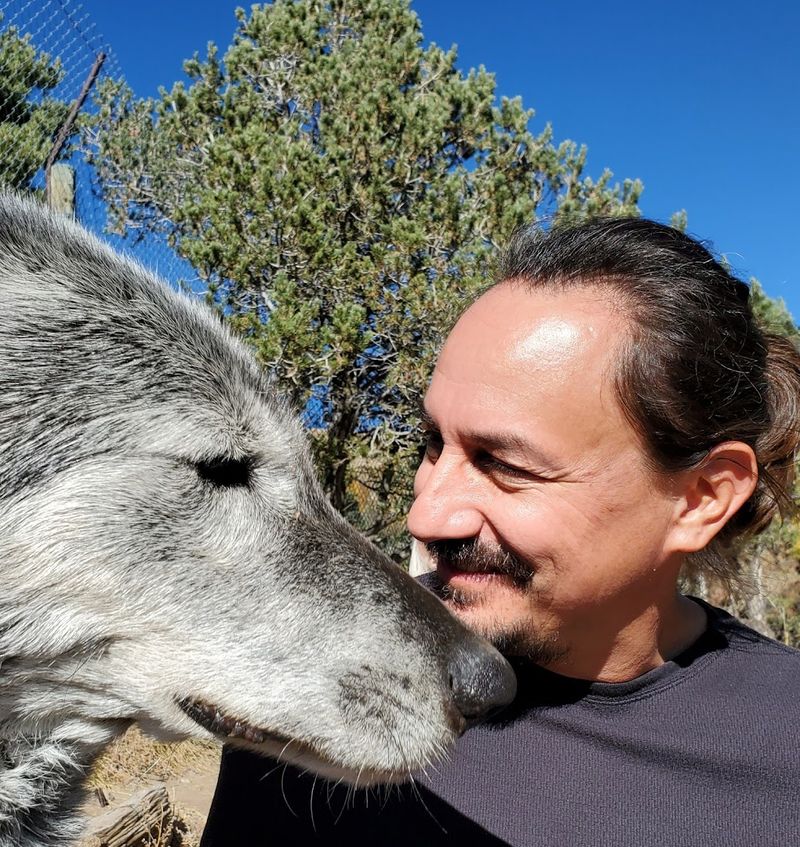
High in the Sangre de Cristo Mountains of southern Colorado, Mission: Wolf operates with a philosophy as rugged and honest as its landscape: wolves belong in the wild, and humans need to learn how to coexist with them. Founded in 1986 by Kent Weber, this remote sanctuary provides expansive mountain habitats for wolves and wolfdogs rescued from captivity.
Unlike more visitor-friendly facilities, Mission: Wolf keeps things intentionally simple and low-impact. The animals’ needs always come first, and the sanctuary limits commercial activity to preserve a calm, stress-free environment for its residents.
Visitors who do make the journey to this off-the-beaten-path location often describe it as a profoundly humbling experience.
Education is central to the sanctuary’s mission. Ambassador wolves travel with staff to schools, universities, and community events across the country, helping people understand wolf behavior, ecology, and the importance of protecting wild wolf populations.
The sanctuary also trains volunteers who live on-site, creating a close-knit community of dedicated caretakers. Mission: Wolf accepts no government funding, relying entirely on donations and grassroots support.
That independence allows them to speak freely and honestly about wolf conservation without political compromise. It is a sanctuary built on conviction, and that passion radiates through everything they do.
Forest Animal Rescue (Silver Springs, Florida)
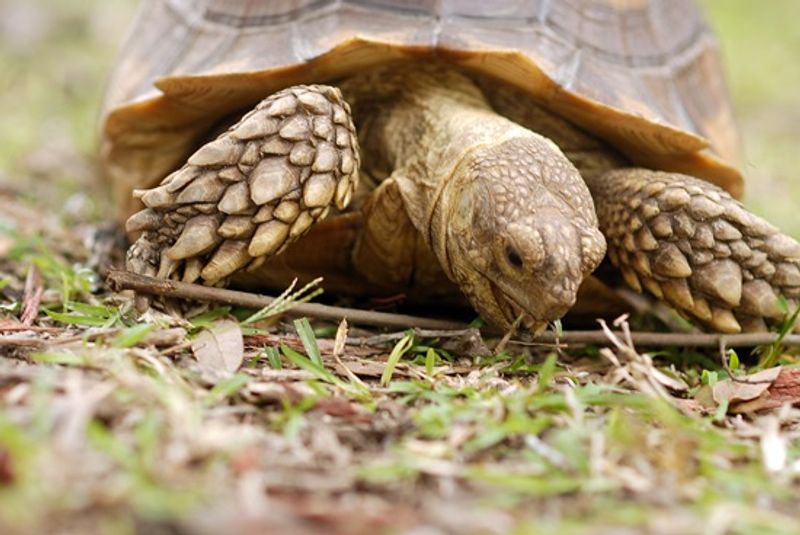
Florida’s warm climate and lush vegetation make it an unlikely but fitting home for exotic animals from around the world. Forest Animal Rescue in Silver Springs has been providing refuge to animals rescued from neglectful, illegal, or dangerous situations, giving them naturalistic habitats designed to meet their complex physical and behavioral needs.
Lions, bears, monkeys, and other exotic species call this sanctuary home, each arriving with a backstory that reflects the broader problem of exotic animal ownership in the United States. Florida has historically had some of the loosest exotic pet laws in the country, making sanctuaries like this one absolutely essential for the animals caught in the fallout.
Enrichment is a major priority at Forest Animal Rescue. Staff and volunteers create puzzles, foraging opportunities, and sensory experiences that keep animals mentally stimulated and engaged.
A bored big cat or primate can develop serious behavioral problems, so keeping minds active is just as important as providing food and veterinary care. The sanctuary also works with law enforcement and wildlife agencies to assist with confiscations of illegally held animals.
Public education about the exotic pet trade and its consequences forms a vital part of their outreach work, helping prevent future cases of neglect before they even begin.
Sanctuary One (Jacksonville, Oregon)
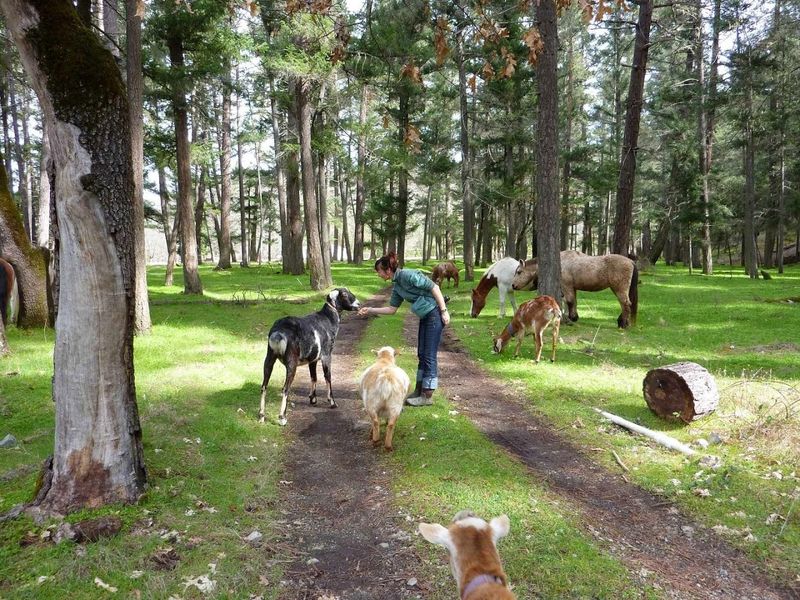
What happens when a sanctuary refuses to draw a hard line between farm animals and companion animals? You get Sanctuary One in Jacksonville, Oregon — a warm, inclusive refuge where goats, pigs, dogs, cats, horses, and birds all share the same beautiful Southern Oregon landscape and the same promise of lifelong care.
Every animal that arrives at Sanctuary One is guaranteed a permanent home if they are not adopted. That commitment is rare and meaningful, removing the uncertainty that shadows so many rescue animals.
The sanctuary focuses on rehabilitation, enrichment, and helping each resident find their footing after whatever hardship brought them there in the first place.
Sanctuary One also runs a unique Care Farm program that brings together people dealing with stress, trauma, or social isolation and pairs them with animals in structured therapeutic activities. Gardening, animal care, and mindfulness practices combine to create healing experiences for both humans and animals simultaneously.
The surrounding Applegate Valley is stunning, with rolling hills, clean air, and the kind of quiet that lets you actually hear a chicken scratching in the dirt or a dog sighing contentedly in the sun. Sanctuary One is proof that when you build a community around compassion, remarkable things grow there naturally.
Woodstock Farm Sanctuary (High Falls, New York)
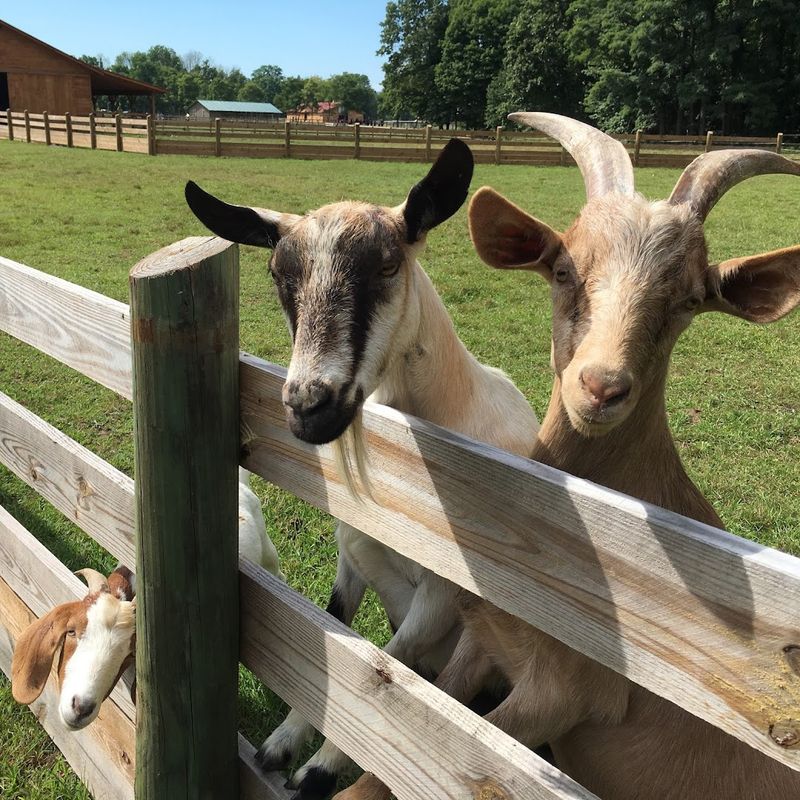
Nestled in the rolling Catskill Mountains of New York, Woodstock Farm Sanctuary carries its name with a certain spirit of freedom and idealism that feels entirely appropriate. Since its founding in 2004, this beloved sanctuary has given hundreds of rescued farm animals a peaceful life among the hills, streams, and forests of Ulster County.
Cows, pigs, turkeys, goats, chickens, and sheep all roam the property with a relaxed confidence that only comes from knowing they are genuinely safe. Many of the residents were rescued from factory farms, slaughterhouses, or abandonment situations, and the contrast between where they came from and where they ended up is nothing short of extraordinary.
Woodstock Farm Sanctuary is also a passionate advocate for veganism and ethical food systems, hosting events, farm tours, and educational programs that challenge visitors to think about the origins of their food. Their annual Hoe Down fundraiser draws hundreds of supporters for a day of community, music, and animal encounters that leave lasting impressions.
The sanctuary recently relocated from its original site to a larger property, giving residents even more space to thrive. Meeting a turkey who runs up to greet you or a pig who loves belly rubs has a way of reshaping your worldview completely and joyfully.