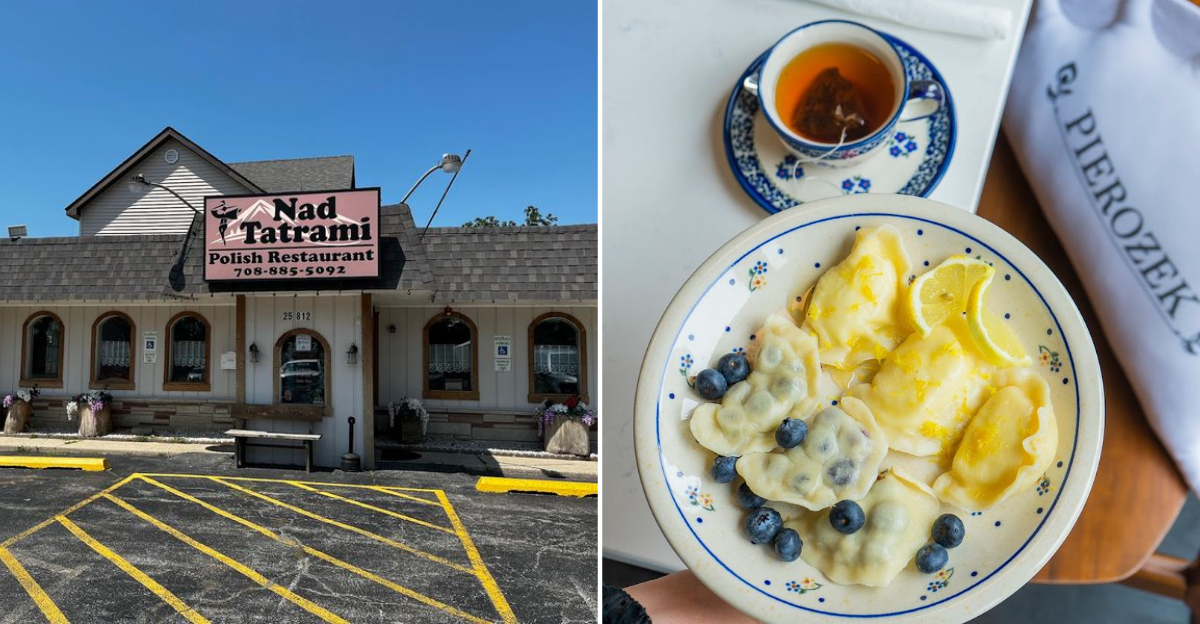
Some meals do more than fill you up – they bring back family tables, holiday gatherings, and recipes that never needed measuring cups. Across America, Polish restaurants are still serving the kinds of dishes people grew up with, from tender pierogi to simmered bigos and comforting bowls of żurek.
This list highlights beloved spots where tradition still shapes the menu and the atmosphere. If you have been craving food that feels rooted, generous, and unmistakably old-world, these are places worth knowing.
Karczma
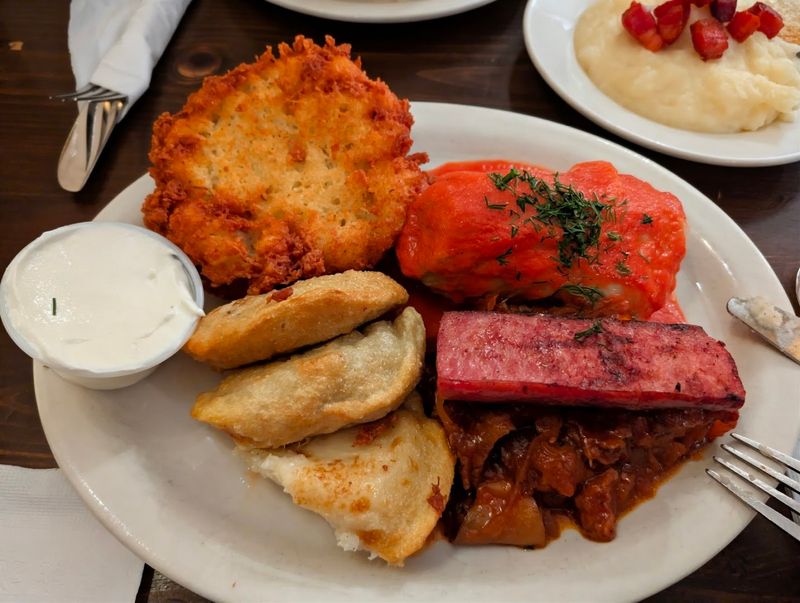
Karczma in Brooklyn feels like the kind of place built to preserve memory as much as appetite. In Greenpoint, where Polish life still shapes the neighborhood, this restaurant leans fully into old-world charm with carved wood, rustic details, and a menu packed with dishes many families would instantly recognize.
You come here for pierogi, hunter’s stew, schnitzel, and cabbage rolls that taste rooted in tradition.
What stands out is how complete the experience feels. The setting is theatrical without becoming gimmicky, and the kitchen backs it up with hearty portions and flavors that stay grounded.
If you want a restaurant that introduces Polish comfort food with confidence, Karczma makes a strong first stop.
It is especially good for sharing with people who may know the cuisine only by name. By the end of the meal, the classics make perfect sense.
This is Greenpoint comfort at its most welcoming and memorable.
Pierozek
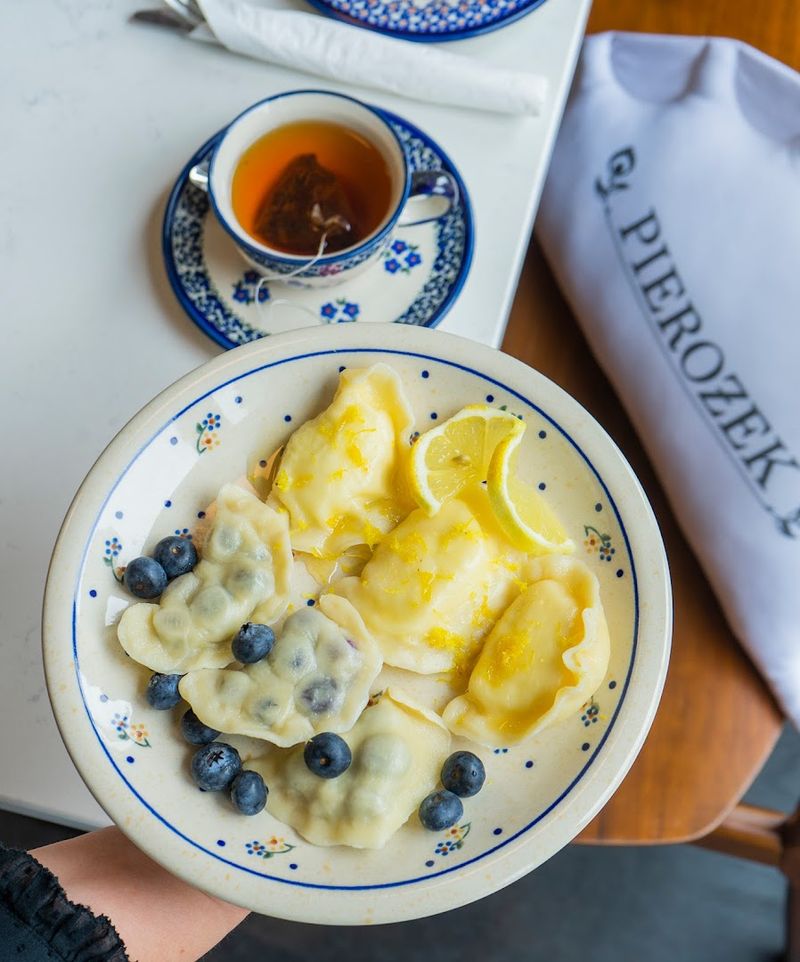
Pierozek proves that a focused menu can still carry deep tradition. This Greenpoint favorite has earned attention for its handmade pierogi, and once you see the variety and care behind them, that recognition makes sense.
The dumplings are the centerpiece, but they are more than trendy comfort food – they connect directly to the recipes and textures many Polish households know by heart.
The appeal here is precision. Fillings feel balanced, dough stays tender, and even simple combinations land with the kind of satisfaction that keeps regulars coming back.
It is a polished restaurant, yet the food still feels personal rather than precious.
If you are building an outline of essential Polish dining in America, Pierozek belongs on it because it shows how one classic dish can tell a larger story. You taste craft, memory, and neighborhood pride in every plate.
Sometimes one specialty says everything a restaurant needs to say.
Restaurant Relax
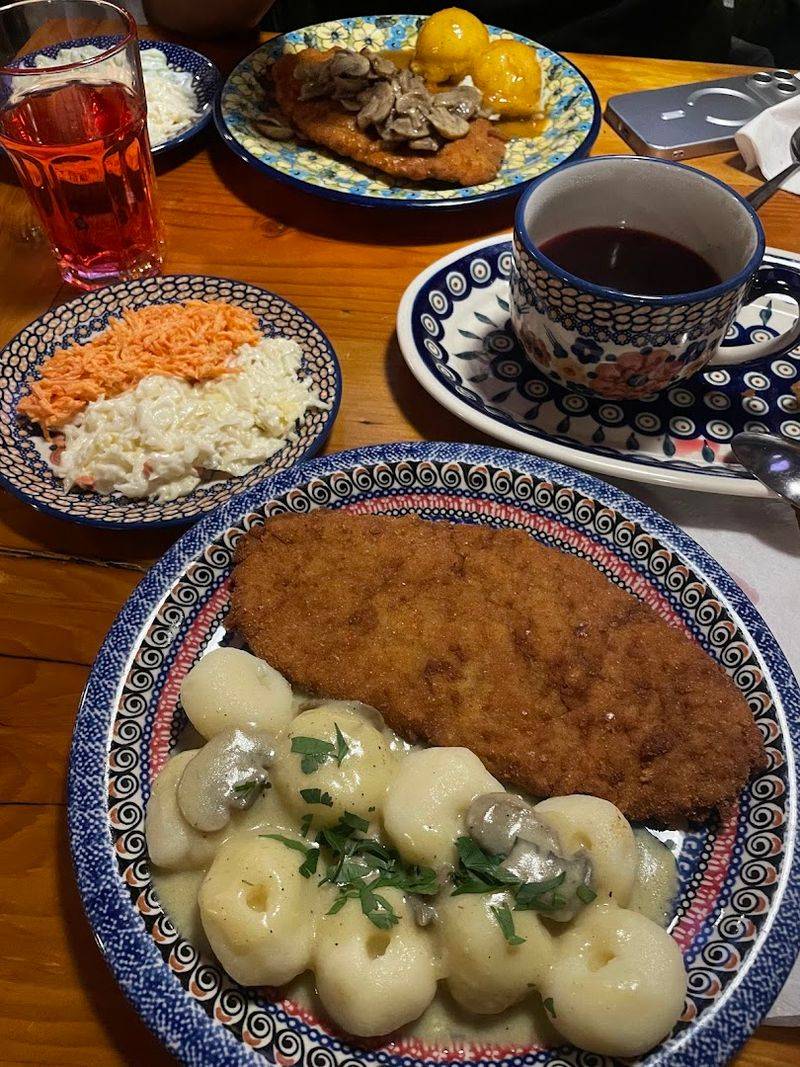
Restaurant Relax has long been one of those neighborhood places people mention with genuine affection. In Greenpoint, where diners often judge Polish food against family cooking, that kind of reputation matters.
The menu covers the standards you hope to find – soups, pierogi, potato pancakes, and meat-centered comfort dishes that feel designed for lingering meals rather than quick bites.
What makes Relax worth including is its dependable, old-school spirit. It does not need a flashy concept because its strength is familiarity, the sense that the kitchen knows exactly what regulars want and why they keep returning.
That consistency is a big part of what preserves classic food traditions in immigrant neighborhoods.
If you want a place that reflects everyday Polish dining rather than a curated performance of it, this one fits well. Relax feels lived-in, satisfying, and closely tied to the community around it.
Sometimes comfort comes from knowing a restaurant has stayed true to itself.
Staropolska Restaurant
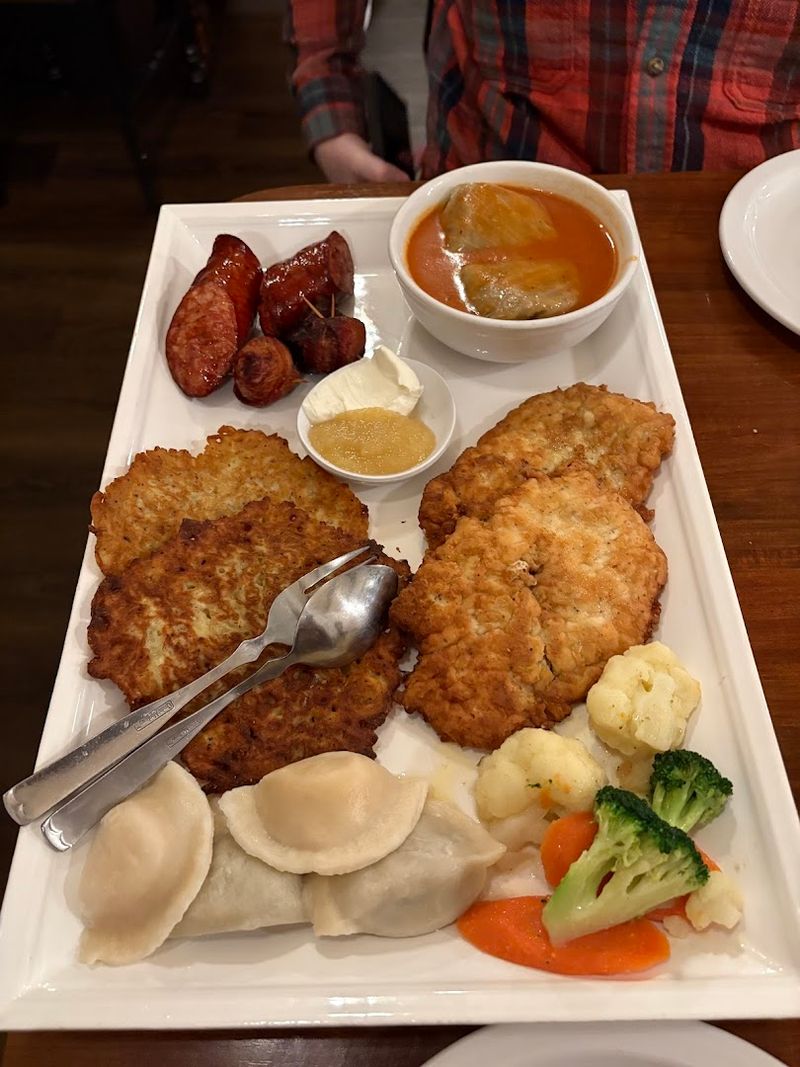
Staropolska is one of Chicago’s best-known addresses for a broad, traditional Polish meal. The name itself points to old Poland, and the menu follows through with classics like pierogi, potato pancakes, schnitzel, and rich stews that feel substantial in the best possible way.
In a city with deep Polish roots, that kind of range gives the restaurant real staying power.
The atmosphere matters here too. Staropolska offers the kind of setting that works for both first-time visitors and families ordering dishes they have loved for years.
Portions are generous, flavors are familiar, and the overall experience lands squarely in the comfort-food category.
For this outline, it represents Chicago’s long relationship with Polish cuisine. You are not just eating dinner – you are stepping into a local tradition that has been nourished by generations of immigrants and their descendants.
That sense of continuity is exactly what makes Staropolska such an enduring recommendation.
Kasia’s Deli
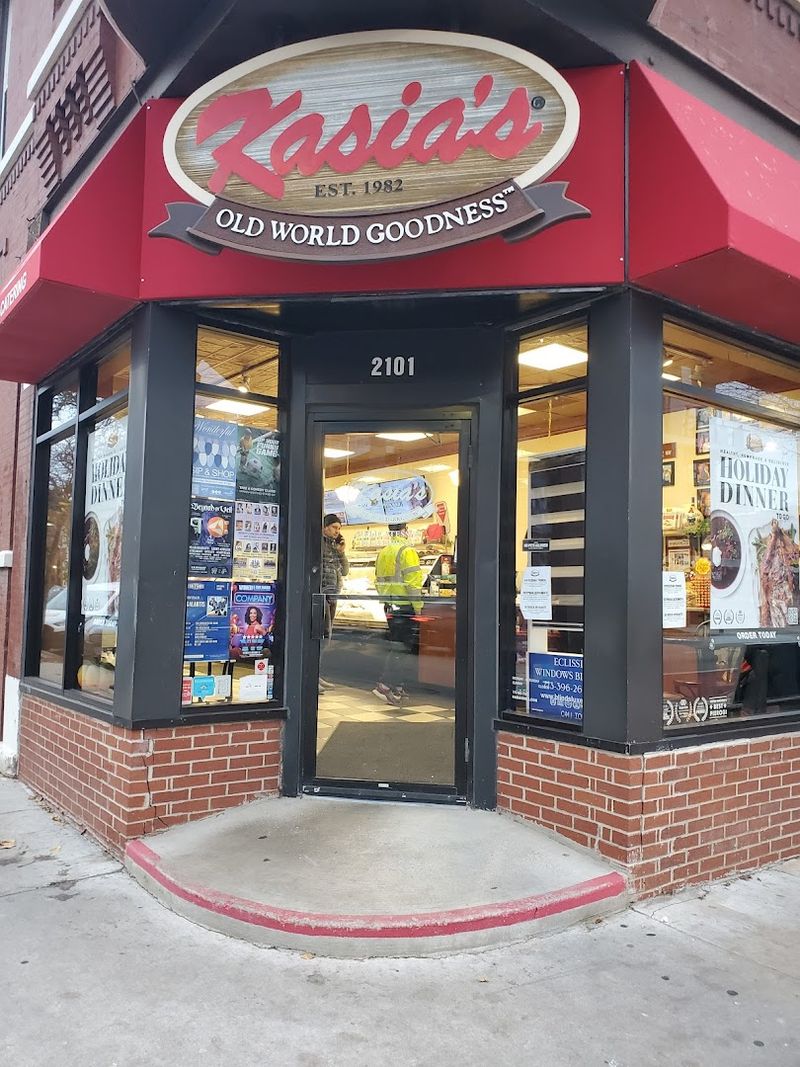
Kasia’s Deli occupies an important place in Chicago’s Polish food landscape because it bridges restaurant comfort and deli practicality. Many people know it for handmade pierogi, but the larger appeal is the feeling that you can access a whole pantry of tradition in one stop.
Prepared foods, deli staples, and classic dishes all help define its local importance.
For diners, that means flexibility. You can sit down for something satisfying, grab items for home, or pick up familiar foods tied to holidays and family routines.
The experience feels less formal than a full-service restaurant, but in some ways that makes it even more representative of everyday Polish American life.
Including Kasia’s broadens this list in a useful way. It shows that preserving cuisine is not only about table service and ambiance – it also happens through neighborhood institutions that keep beloved dishes available and accessible.
That everyday usefulness is part of why Kasia’s continues to matter so much.
Jolly Inn Restaurant
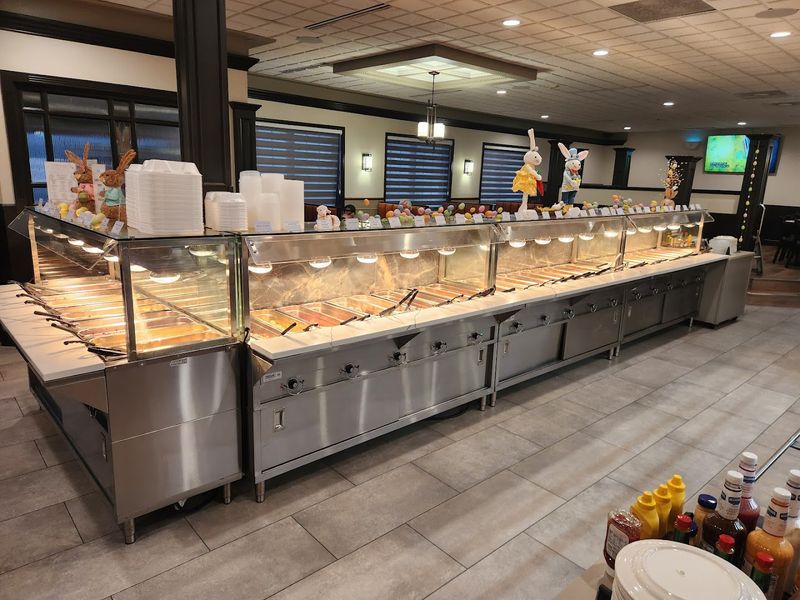
Jolly Inn Restaurant brings a banquet-style abundance that suits Polish comfort food especially well. Known for buffet dining and a deep lineup of classics, it gives guests a chance to sample the dishes that define many childhood tables, from bigos and cabbage rolls to soups and roasted meats.
In a city famous for Polish heritage, that breadth makes it a memorable stop.
The buffet format works in its favor because Polish food is often about variety and generosity. You can build a plate that moves from savory stews to dumplings and sides without feeling rushed into a single choice.
That sense of abundance echoes the hospitality many people associate with family gatherings.
For this article, Jolly Inn earns its place by showcasing scale without losing identity. It keeps traditional dishes visible, approachable, and satisfying for big groups, curious newcomers, and longtime regulars alike.
If your idea of comfort involves full plates and plenty of options, this restaurant fits beautifully.
Pierogi Kitchen
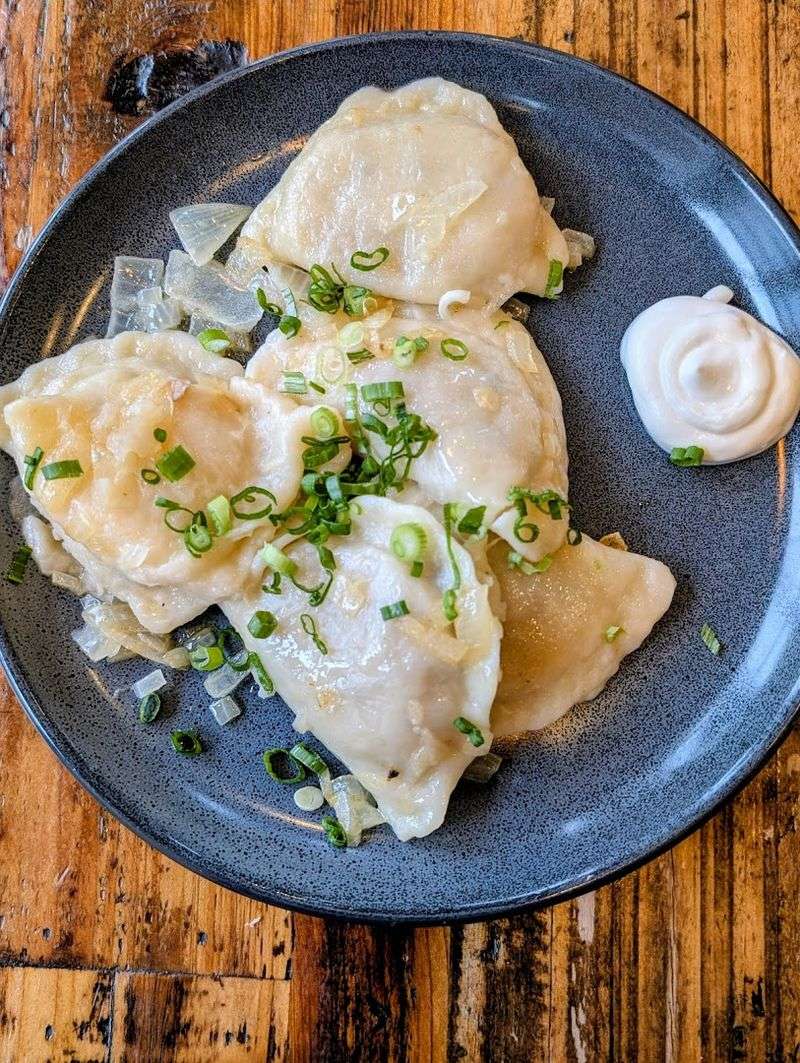
Pierogi Kitchen shows how a newer restaurant can modernize presentation while staying grounded in traditional flavor. As the name suggests, pierogi lead the story here, but the concept reaches beyond a single dish into the wider world of Polish comfort food and casual street-style eating.
It is a useful reminder that heritage cuisine can evolve without losing its center.
The restaurant feels especially approachable for diners who may be curious about Polish food but unsure where to begin. Familiar formatting, lively energy, and a menu built around crowd-pleasing staples make the experience easy to enter.
Beneath that accessibility, the classic roots still come through clearly.
Including Pierogi Kitchen adds range to this outline. Not every beloved Polish restaurant needs to look frozen in time to honor the past.
Sometimes the best tribute is making old favorites feel fresh, current, and worth revisiting with new eyes.
That balance between tradition and momentum gives this Chicago spot its charm.
Nad Tatrami Polish Restaurant
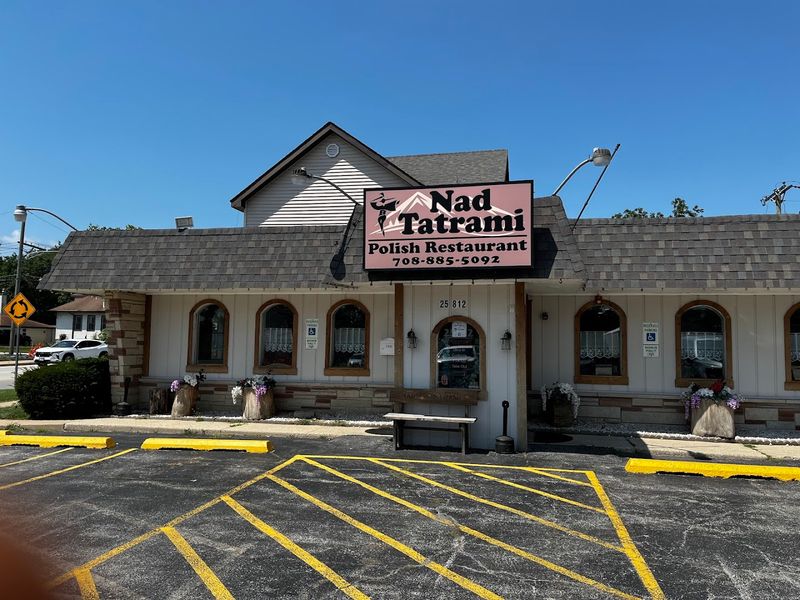
Nad Tatrami Polish Restaurant brings a regional spirit that helps this list feel richer and more complete. Located in Monee, it draws inspiration from the Tatra Mountains, which suggests hearty cooking, robust flavors, and a deep connection to homemade food traditions.
That regional framing gives diners more than just a standard menu of familiar classics.
You can expect the kind of dishes that speak to colder weather, long meals, and family-style satisfaction. Homemade touches matter here, because they turn recognizable staples into something more personal and rooted.
When a restaurant carries that level of intention, the food often feels closer to the source.
This stop deserves attention because it expands the map beyond major urban enclaves while still preserving strong cultural identity. It shows how Polish cuisine has traveled across America without losing its sense of place, memory, and warmth.
For diners seeking substance and sincerity, Nad Tatrami stands out in a meaningful way.
Smakosz Restaurant
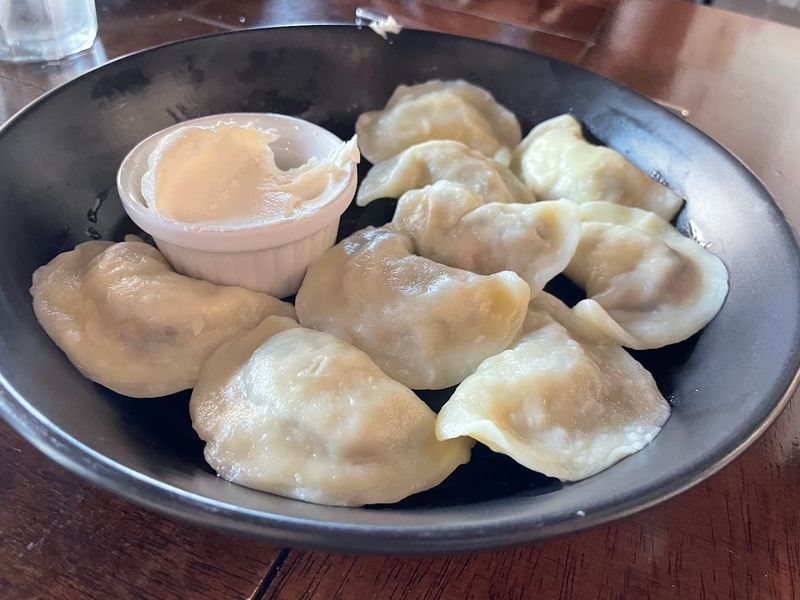
Smakosz Restaurant is the kind of neighborhood place that often tells you more about a cuisine than trendier destinations can. Popular with Chicago’s Polish community, it carries the weight of local trust, and that alone is a powerful signal.
Restaurants that become everyday favorites usually do so because the food tastes right, the portions satisfy, and the atmosphere feels familiar.
That community connection makes Smakosz especially valuable in an article like this. It points readers toward a dining room where tradition is not just displayed for visitors but actually lived by regulars.
The menu’s authenticity matters, yet so does the feeling that the restaurant belongs to the people around it.
When you are looking for classic dishes generations grew up with, places like Smakosz often provide the clearest answer. They preserve cultural memory quietly, through routine meals that continue to matter long after novelty fades.
That steady, lived-in authenticity is what earns Smakosz a place on this list.
Red Apple Buffet
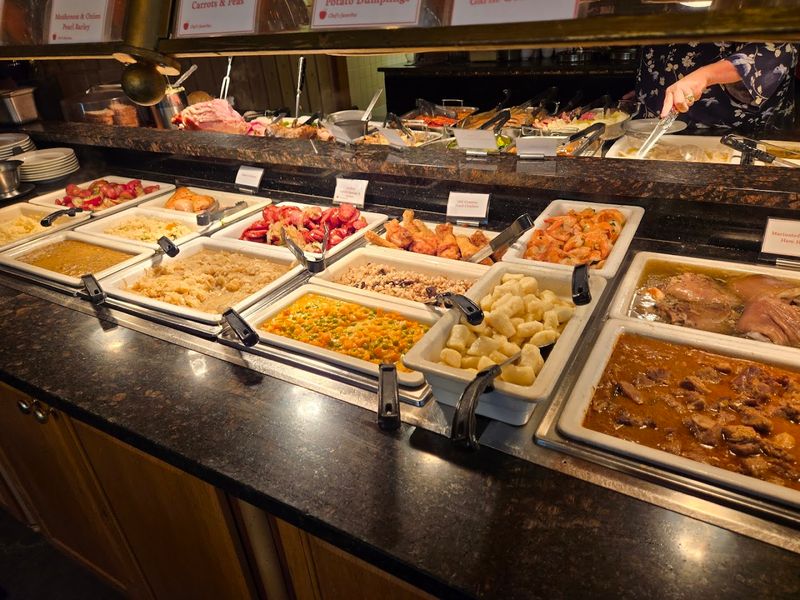
Red Apple Buffet has become one of Chicago’s most recognizable destinations for Polish comfort food on a grand scale. The draw is obvious: a large buffet filled with classic dishes that let you build the kind of meal many people remember from family parties and holiday gatherings.
Pierogi, sausages, cabbage dishes, soups, and roasted meats all contribute to that feeling of abundance.
The restaurant works especially well for newcomers because it lowers the pressure of ordering unfamiliar dishes. You can sample widely, compare favorites, and discover how broad traditional Polish cooking can be.
At the same time, longtime fans appreciate being able to revisit beloved staples in one place.
Red Apple belongs in this outline because it demonstrates the generosity at the heart of the cuisine. Polish food is often deeply tied to hospitality, and a buffet packed with classics captures that spirit in a very direct, satisfying way.
Come hungry, because this is not the kind of place that rewards restraint.
Polish Pączki Café
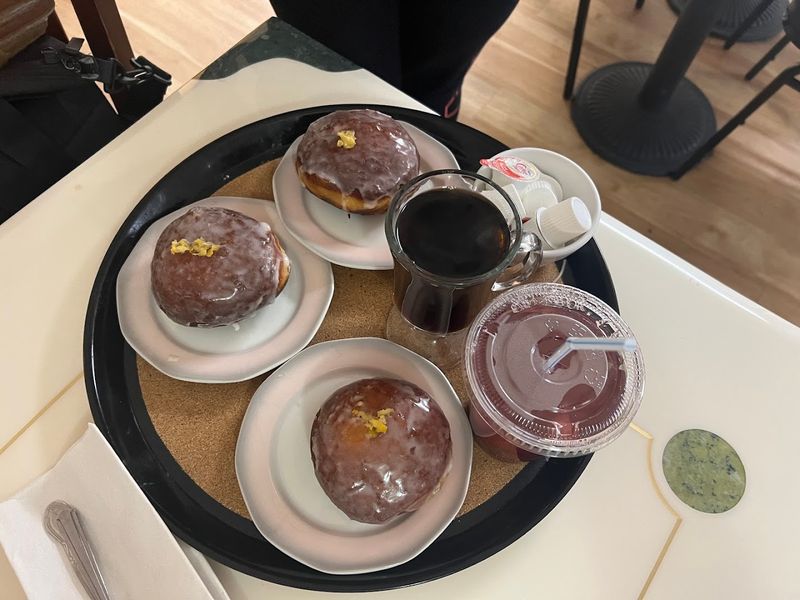
Polish Pączki Café adds a sweeter and more bakery-centered angle to this collection of restaurants. While savory classics like pierogi remain part of the appeal, the spotlight often falls on pączki and traditional baked goods that carry enormous nostalgic weight for many Polish and Polish American families.
Desserts and pastries can be just as powerful as a main course when it comes to cultural memory.
This kind of café matters because it reflects how Polish food traditions live across the whole day. Breakfast pastries, holiday treats, coffee, and light meals all play a role in keeping heritage visible and delicious.
The atmosphere tends to feel inviting, casual, and easy to revisit often.
Including this stop makes the article more representative of real eating habits, not just formal dinners. Sometimes the strongest connection to home comes from a filled doughnut, a pastry case, and recipes passed down through routine rather than ceremony.
That everyday sweetness is exactly what gives this café its charm.
Café Polonia
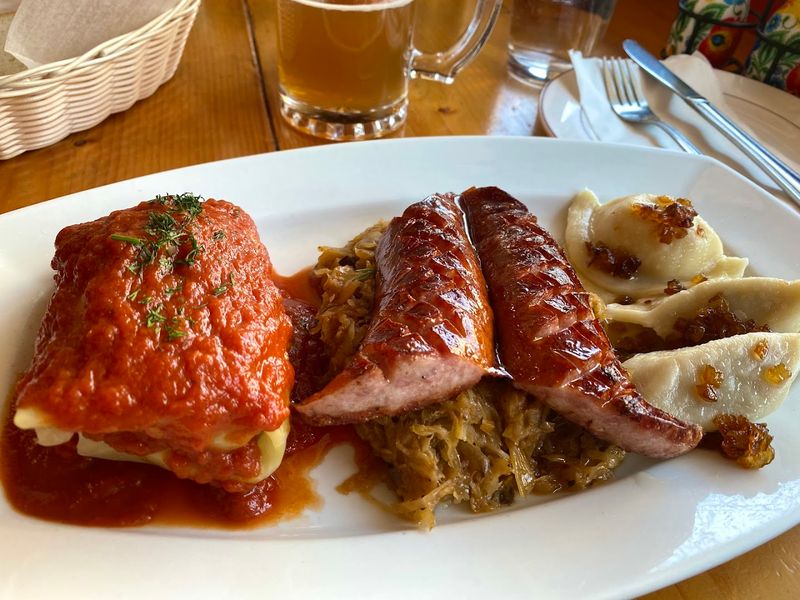
Café Polonia has long been one of Boston’s best-known destinations for traditional Polish cooking. Located in Dorchester, it offers a menu that highlights staples like bigos, kielbasa, and pierogi, giving diners a solid introduction to the hearty, savory side of the cuisine.
The restaurant’s staying power suggests that it has become meaningful to both Polish families and the wider city.
Part of its appeal is balance. The atmosphere feels welcoming enough for a casual meal but distinctive enough to make the experience memorable.
That combination matters when you want a restaurant to function as both community gathering place and cultural ambassador.
For this article, Café Polonia represents the classic neighborhood restaurant that keeps old dishes visible in a modern American city. It helps preserve flavors tied to home, celebration, and family continuity while remaining accessible to people tasting them for the first time.
That ability to feel both rooted and open is one reason Café Polonia endures.
Kramarczuk’s
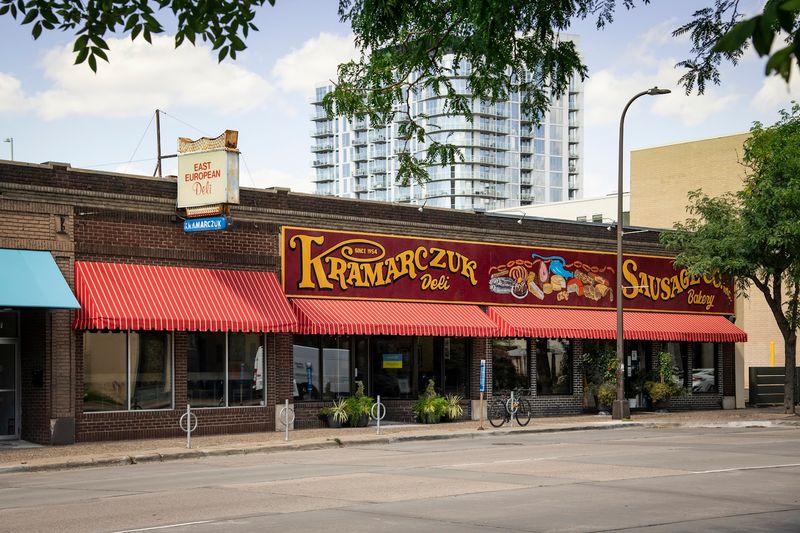
Kramarczuk’s is an icon in Minneapolis, and while it spans a broader Eastern European identity, its Polish connections make it highly relevant here. Famous for sausages, deli offerings, and prepared foods, it represents the kind of institution where culinary heritage is preserved through both restaurant meals and take-home traditions.
That dual role gives it unusual depth.
What makes Kramarczuk’s stand out is the sense of continuity. You are not only ordering food from a menu – you are stepping into a long-running community landmark shaped by immigrant history, neighborhood loyalty, and generations of craftsmanship.
Places like this help explain how traditional dishes survive in everyday American life.
Including it in the article adds valuable texture because it broadens the definition of where classic Polish flavors are experienced. Sometimes the most memorable meal begins at a deli counter, with the smell of smoked sausage in the air and recipes that have outlasted trends.
That living legacy is exactly why Kramarczuk’s still feels so essential.
Polish Village Cafe
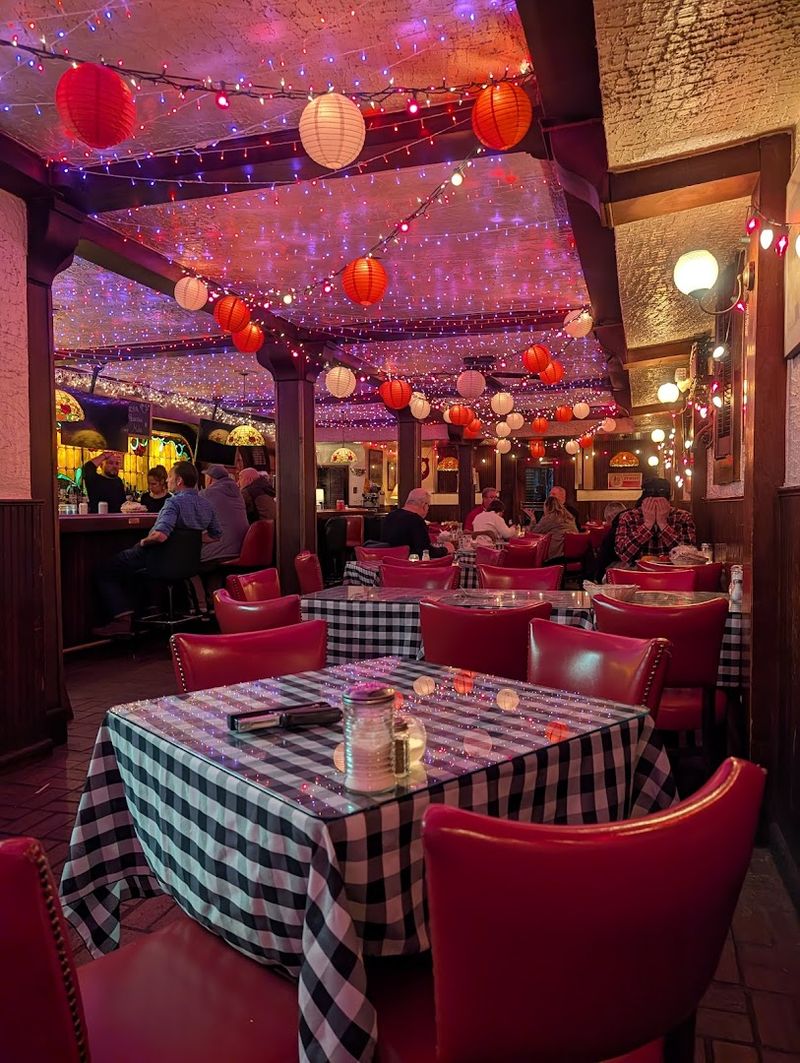
Polish Village Cafe in Hamtramck is one of those restaurants people remember as much for its atmosphere as for the food itself. Set in a distinctive basement-style space, it serves authentic Polish comfort dishes in surroundings that feel intimate, lived-in, and deeply tied to local history.
That combination gives every meal an extra layer of character.
The menu is exactly what many diners want from a classic Polish restaurant: hearty portions, familiar staples, and rich, satisfying flavors that do not apologize for being comforting. In a city shaped by Polish heritage, the restaurant has become a go-to place for both nostalgia and introduction.
It feels like a place you can confidently recommend.
For this outline, Polish Village Cafe represents how setting and cuisine can reinforce each other beautifully. The food tastes rooted, the room feels rooted, and together they create an experience that speaks to generations of community memory.
That depth of place is what makes this Hamtramck favorite so enduring.
Szarotka Restaurant
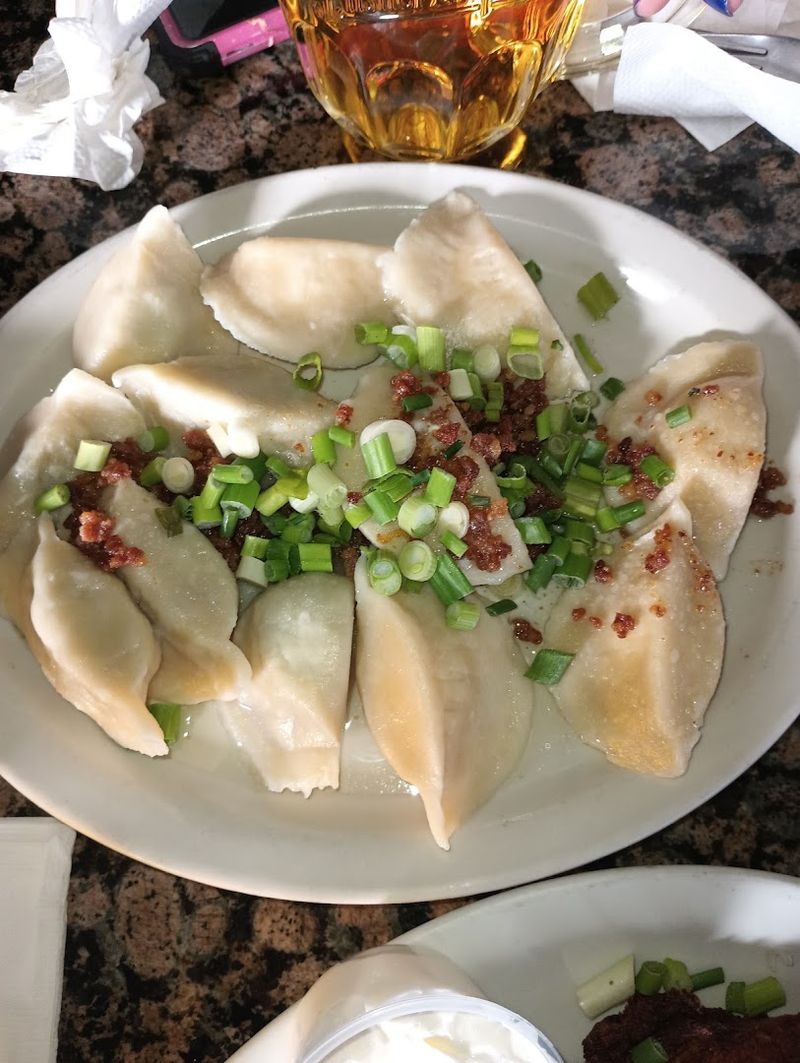
Szarotka Restaurant in Justice has the kind of steady, unfussy appeal that makes you trust the kitchen before the first plate lands. This is the sort of place you come to for pierogi, stuffed cabbage, and crisp potato pancakes that taste like they belong at a family table.
The menu stays close to the classics, and that restraint is part of the charm. Breaded cutlets, hearty soups, and sauerkraut-rich sides keep the experience grounded in the dishes many Polish American families grew up with.
Nothing feels dressed up for trendiness, which is exactly why it works.
Apolonia
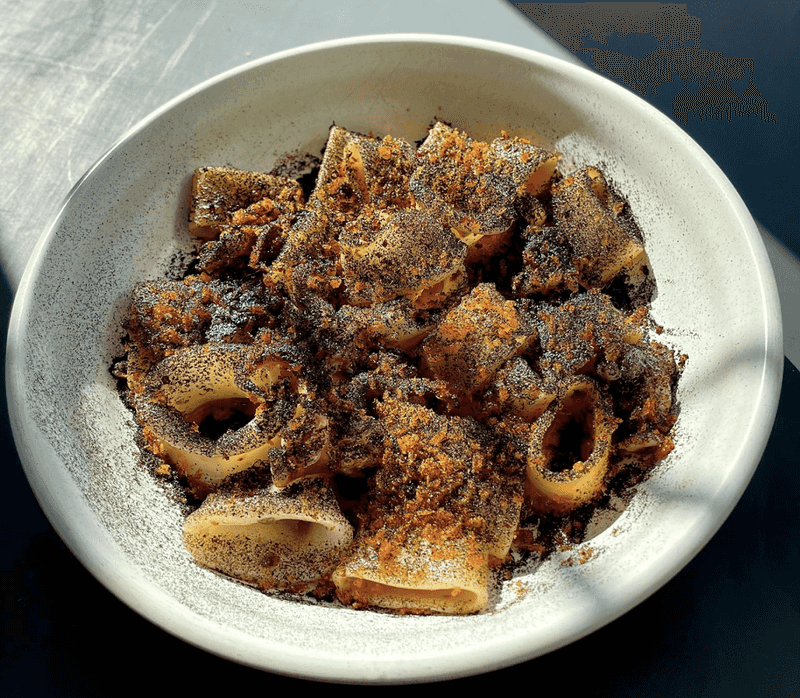
Apolonia takes a slightly more polished path, but it never loses sight of the flavors that make Polish cooking so lasting. In Chicago, it stands out for honoring familiar dishes while giving them a little extra finesse, letting old favorites feel both recognizable and newly exciting.
You will still find the comfort here – rich soups, carefully made dumplings, and meat-forward plates that nod to holiday meals and family gatherings. The difference is in the presentation and balance, not in abandoning tradition.
That makes Apolonia a strong fit for anyone craving classic Polish food with a thoughtful, contemporary touch.
Baba’s Pierogies
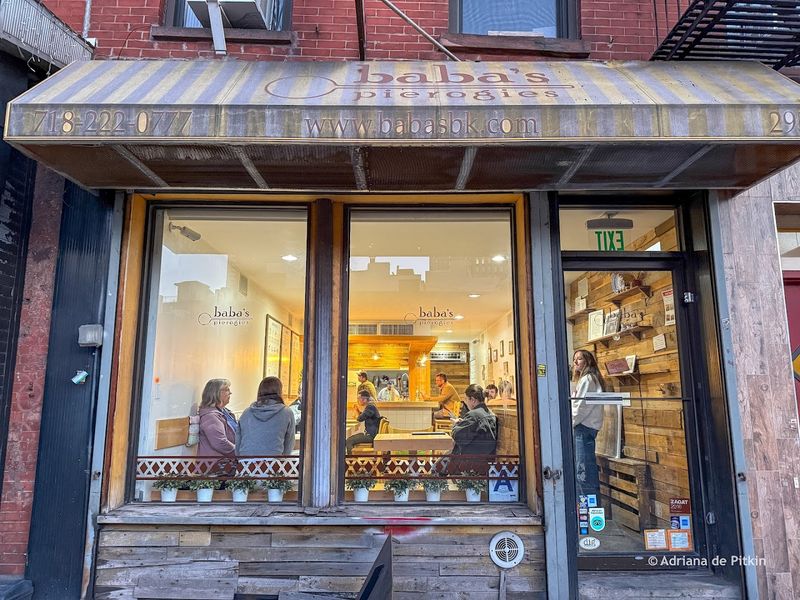
Baba’s Pierogies has the kind of name that already tells you what matters here: comfort, tradition, and food that feels made with real affection. The menu centers on handmade dumplings, but it does not stop there, bringing in the savory, filling flavors many people associate with family gatherings and holiday tables.
What stands out is how approachable everything feels, even if you did not grow up eating Polish food. You can settle into pierogi, kielbasa, and sides that lean hearty without feeling heavy, all in a setting that keeps the focus on warmth and familiarity.