Some trips are built around food or scenery, but these destinations make birds the main event. Across the United States, migration routes, rare habitats, and protected refuges create spectacles that feel almost unreal in person.
If you have ever planned a sunrise around a boardwalk or scanned a marsh until something extraordinary appeared, this list will speak directly to you. These are the places where packing binoculars is not optional, because the bird watching alone justifies the journey.
Everglades National Park, Florida
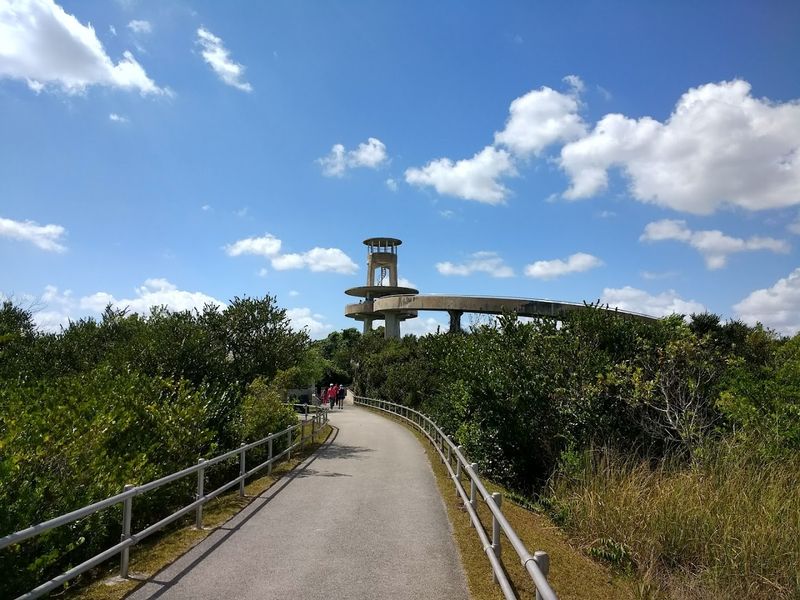
If you want a birding trip that feels cinematic from the first pullout, Everglades National Park delivers. This vast mosaic of marshes, mangroves, mudflats, and cypress domes supports an astonishing mix of wading birds, raptors, and subtropical specialties.
You are not just looking for one exciting sighting here, you are stepping into an ecosystem where movement and sound come from every direction.
Anhingas, herons, ibises, egrets, wood storks, and roseate spoonbills can all turn an ordinary stop into something memorable. Winter and spring are especially rewarding, when water levels concentrate birds and migratory species add to the show.
Shark Valley, Eco Pond, Paurotis Pond, and the Flamingo area each reveal a slightly different side of the park.
What makes the Everglades worth the trip is scale. Even experienced birders leave feeling humbled by how much habitat still stretches beyond the road or trail.
Bring patience, sun protection, and a spotting scope if you have one.
Cape May Bird Observatory, New Jersey
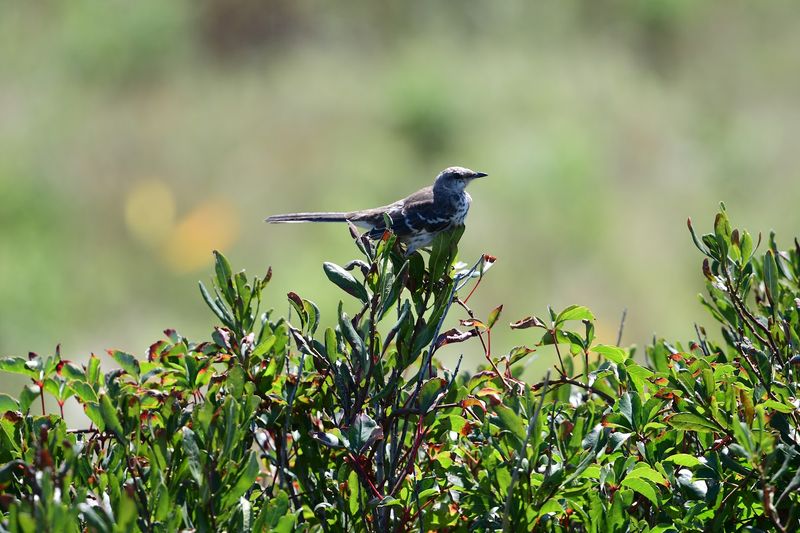
Cape May is one of those rare places where migration feels concentrated enough to touch. Perched at the southern tip of New Jersey, it acts like a natural funnel along the Atlantic Flyway, bringing raptors, warblers, shorebirds, and seabirds into thrilling view.
You can spend a single day here and still feel like the sky is changing every hour.
The Cape May Bird Observatory helps make the experience richer, with guided walks, seasonal reports, and expert insight that sharpen what you notice. Fall is legendary for hawk flights, songbird fallout, and visible migration, while spring brings its own colorful rush.
Higbee Beach, the state park, the hawk watch platforms, and nearby marshes each deserve real time.
What stands out most is the sense of anticipation. Even when the path looks quiet, the next bend can reveal a feeding flock, a rarity, or a sudden river of hawks overhead.
Come ready to look up often.
Bosque del Apache National Wildlife Refuge, New Mexico
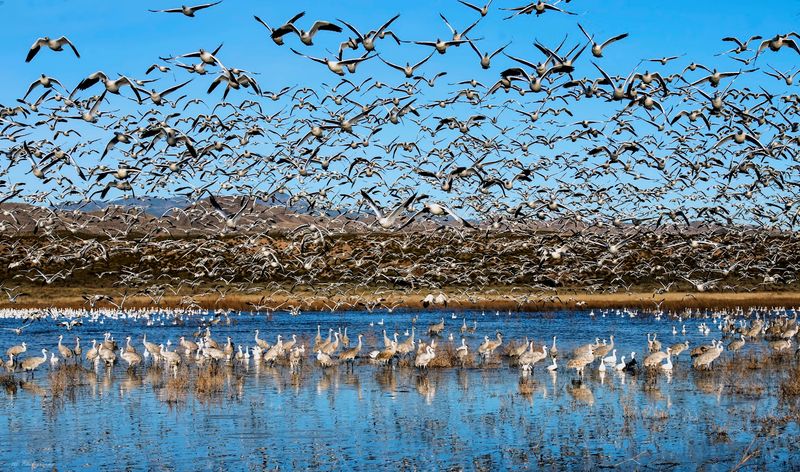
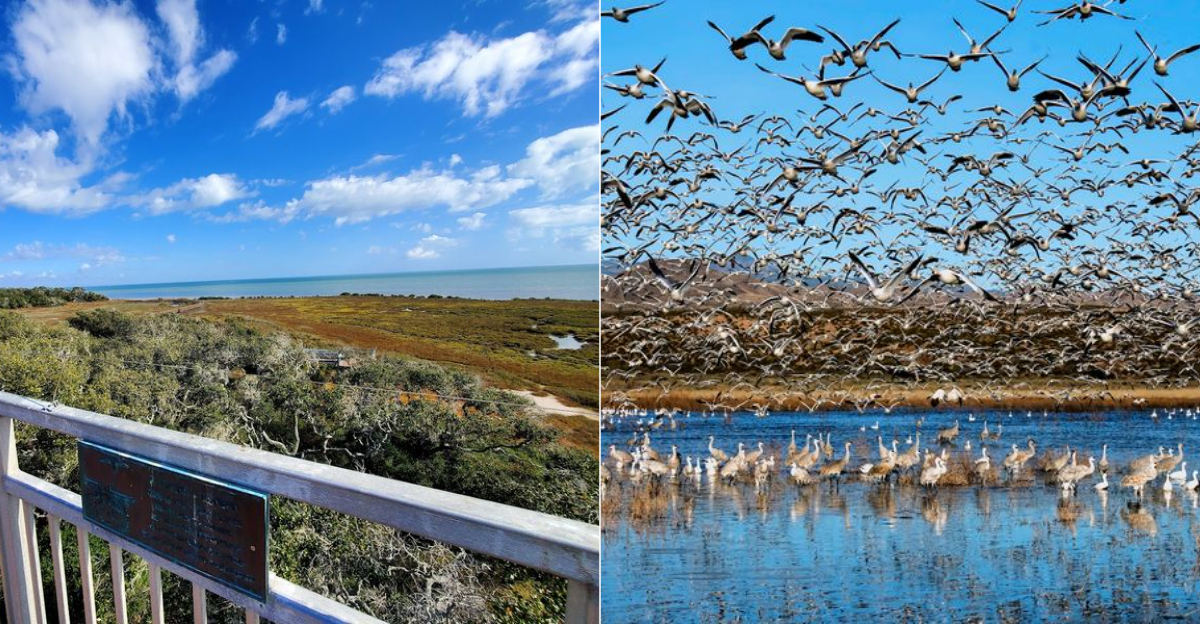
At Bosque del Apache, the sound arrives before the full spectacle does. Dawn can begin with distant crane calls and then erupt into a swirl of snow geese lifting off the wetlands in numbers that make the horizon feel alive.
If you love birding moments that stop conversation completely, this refuge earns its reputation fast.
Located in central New Mexico, Bosque del Apache is best known for winter concentrations of sandhill cranes, snow geese, ducks, and raptors. The carefully managed wetlands, fields, and viewing loops create unusually accessible birding, so you can see a lot without needing extreme effort.
The photography opportunities are equally famous, especially in golden light.
What makes the trip worthwhile is the drama of scale paired with intimacy. One minute you are scanning massive flocks, and the next you are watching a crane pair feed quietly beside the road.
Late fall through winter is prime time, though migration periods can also be excellent.
Platte River Valley at Rowe Sanctuary, Nebraska
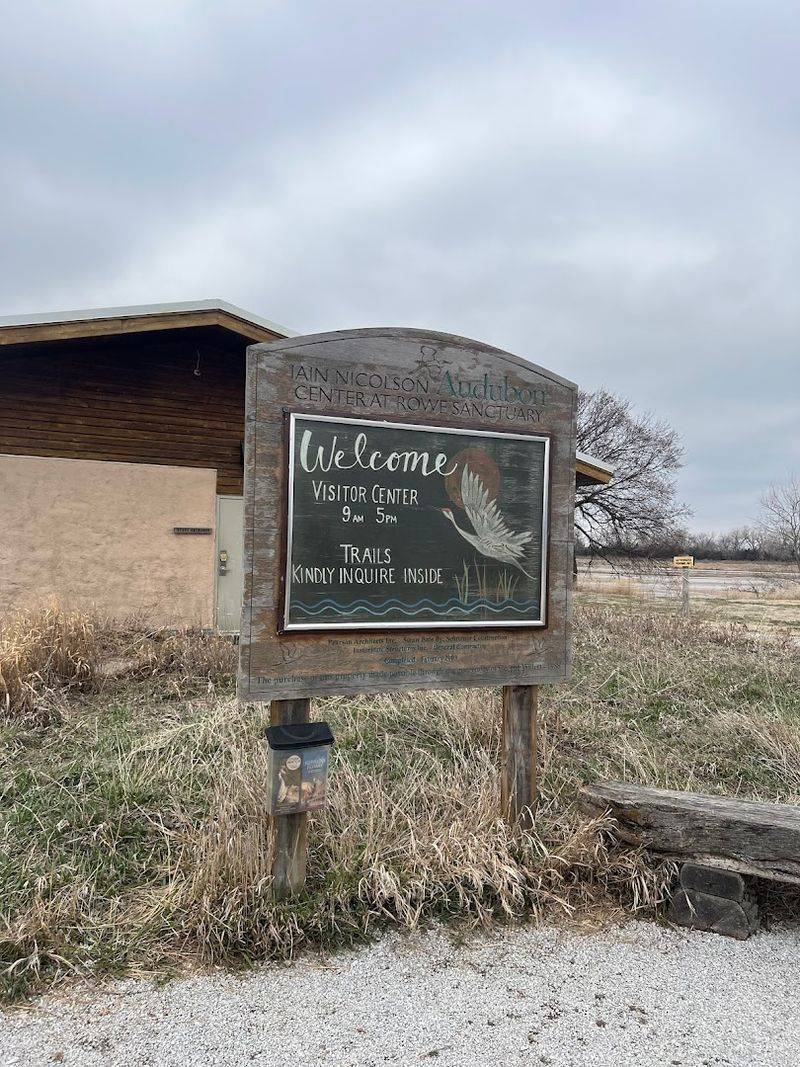
The Platte River Valley offers one of North America’s most unforgettable migration events. Each spring, hundreds of thousands of sandhill cranes stage along the river, turning open water and nearby fields into a living, calling, constantly shifting mass of birds.
Even if you have seen cranes before, this concentration feels bigger, louder, and more emotional than expected.
Rowe Sanctuary is the classic place to experience it well. Guided blind visits at sunrise or sunset put you close to river roosts, where the soundscape alone justifies the trip.
Around the broader valley, waterfowl, eagles, shorebirds, and prairie species add depth beyond the headline species.
What makes this destination special is timing and atmosphere. You are witnessing an ancient migration bottleneck, one that depends on the river in a way that feels both fragile and immense.
Plan ahead for peak spring dates, dress warmly, and expect the light, noise, and sheer number of cranes to stay with you long after you leave Nebraska.
Point Reyes National Seashore, California
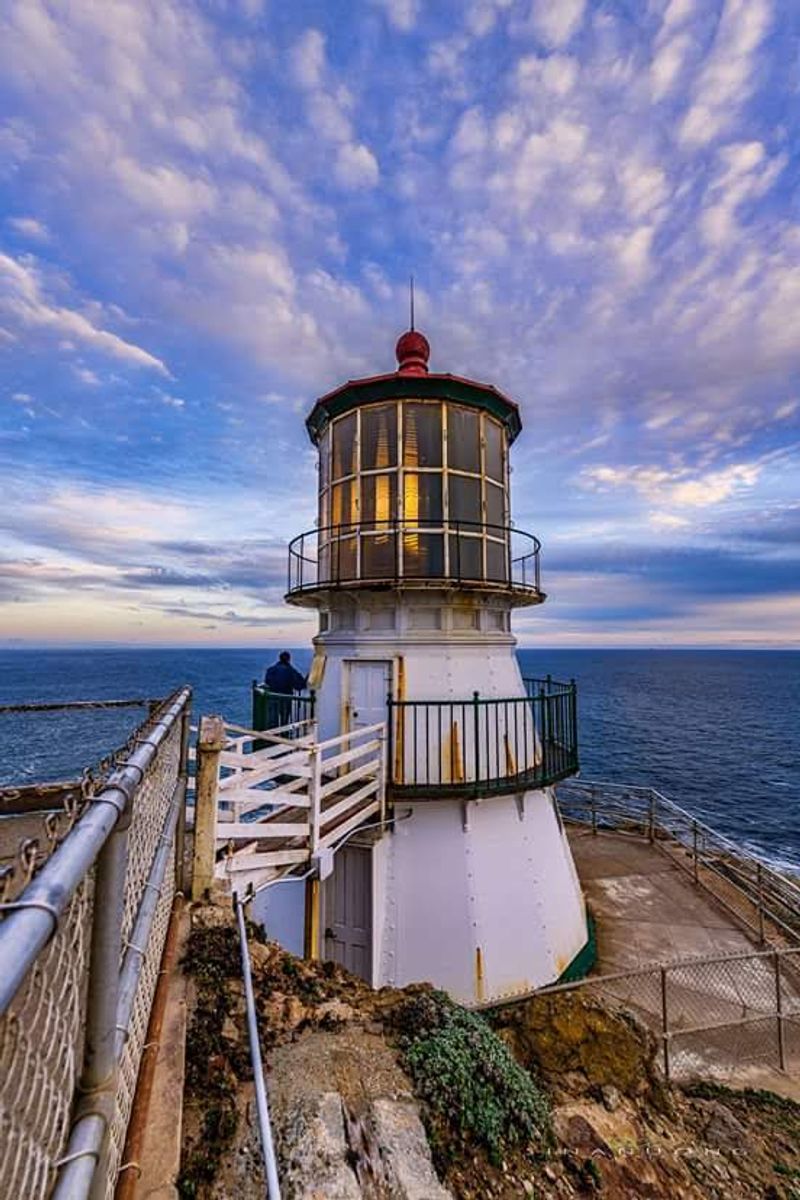
Point Reyes feels like several birding trips folded into one dramatic coastline. Headlands, beaches, estuaries, grasslands, and forested pockets create a remarkable variety of habitats, which is why the species list here is so impressively long.
You can scan for seabirds from a windy overlook in the morning, then spend the afternoon watching shorebirds and songbirds in calmer corners.
The park is famous for migration and vagrants, so every season offers something different to chase. Drake Estero, Abbotts Lagoon, Limantour, and the lighthouse area are especially rewarding, with chances for loons, grebes, raptors, alcids, and elegant waterfowl.
Weather matters here, and that changing coastal mood is part of the appeal.
What makes Point Reyes worth the trip is unpredictability mixed with abundance. It rewards patient birders, but it also gives casual visitors plenty of memorable sightings without much effort.
Bring layers, check recent reports, and let the wind guide your expectations rather than ruin them.
Bombay Hook National Wildlife Refuge, Delaware
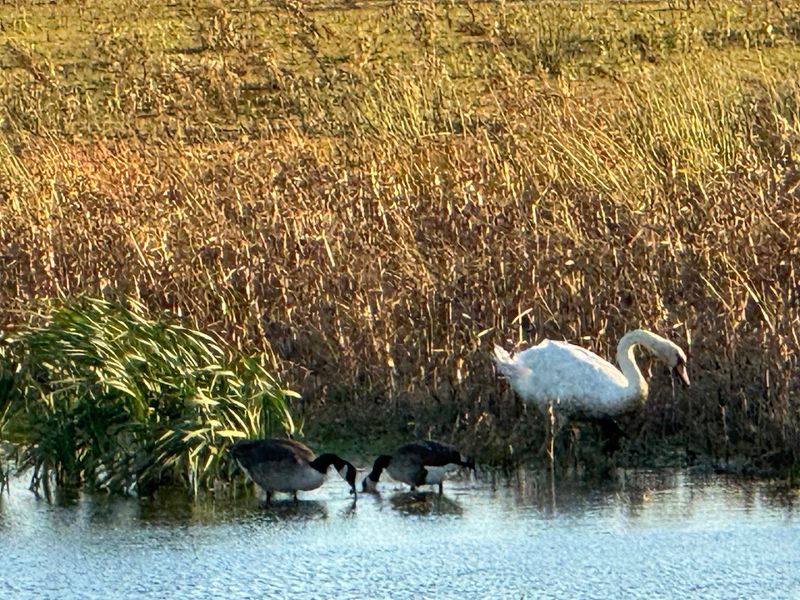
Bombay Hook is a place where tidal marsh birding feels wonderfully open and rewarding. Located along Delaware Bay, this refuge is known for broad salt marsh vistas, freshwater pools, mudflats, and impoundments that attract an impressive range of shorebirds, waterfowl, waders, and raptors.
If you like birding from pullouts, dikes, and slow scenic drives, it is an easy place to settle into.
Migration is the headline season, especially spring and fall, when shorebird movement and waterbird diversity can be exceptional. The refuge’s wildlife drive gives you repeated chances to stop, scan, and notice something new with each changing water level.
Egrets, herons, glossy ibises, black-necked stilts, and hunting harriers can all turn up in a satisfying day.
What makes Bombay Hook worth a dedicated trip is how productive it feels without being overwhelming. The landscape is broad, but the birding rhythm remains calm and readable.
Go around high tide if you can, and keep your ears open as much as your eyes.
Laguna Atascosa National Wildlife Refuge, Texas
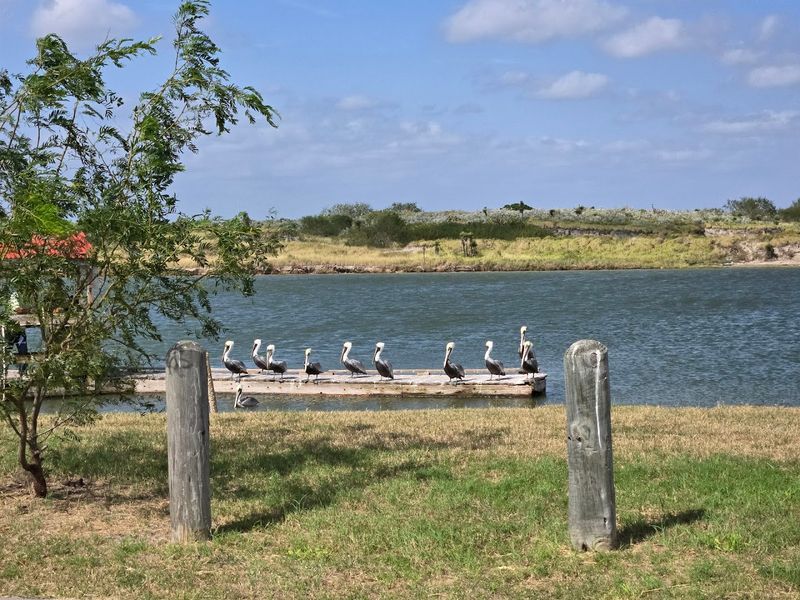
Laguna Atascosa is one of those South Texas birding destinations that keeps raising the bar with every stop. The refuge combines coastal prairie, wetlands, thornscrub, and savanna-like habitat, creating space for both widespread species and regional specialties that draw birders from across the country.
You come for the checklist, but you stay because the place feels genuinely alive.
Green jays, plain chachalacas, great kiskadees, white-tailed hawks, aplomado falcons, and colorful waterbirds all help define the experience. Seasonal conditions matter, yet there is usually something exciting in view, whether along the Bayside Drive, around the visitor center, or near freshwater ponds.
This is one of the richest birding areas in the United States for sheer variety.
What makes it destination worthy is that rarity and abundance can overlap in the same morning. You never feel far from a species that would be a major highlight almost anywhere else.
Bring bug spray, water, and your widest field guide curiosity.
Kilauea Point National Wildlife Refuge, Hawaii
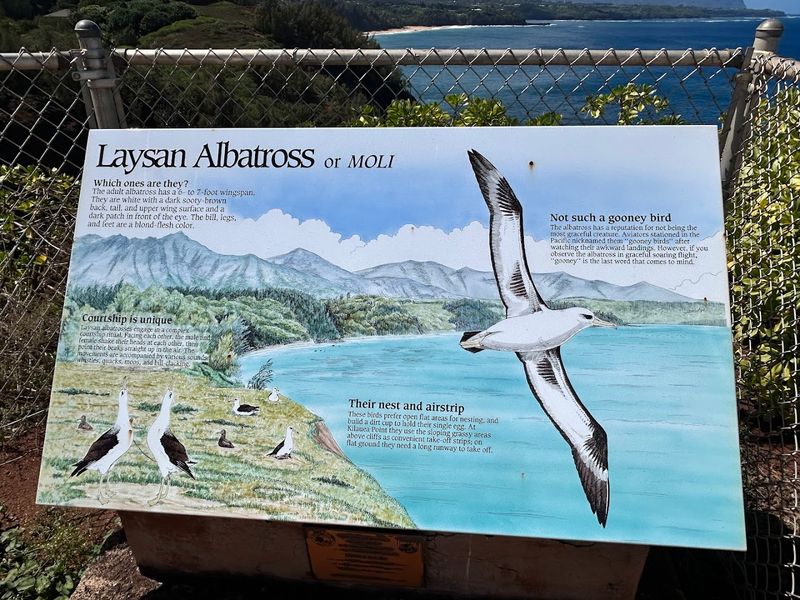
Kilauea Point offers a birding setting so dramatic it almost feels staged. On Kauai’s north shore, steep ocean cliffs, strong trade winds, and protected nesting habitat create one of the finest seabird viewing experiences in the country.
You are not hiking deep into wilderness for the payoff here, because much of the magic appears right from the overlook.
Red-footed boobies, great frigatebirds, wedge-tailed shearwaters, and Laysan albatross are among the stars, joined by native Hawaiian species that make the visit feel distinctly place specific. The historic lighthouse adds visual character, but the real draw is watching birds wheel, dive, and glide against the Pacific backdrop.
Winter can be especially rewarding for albatross activity and whale sightings offshore.
What makes Kilauea Point worth the trip is how concentrated and beautiful the experience is. Few American birding sites combine easy access, ocean scenery, and genuinely memorable seabird action so effortlessly.
Reserve entry ahead when needed and bring binoculars despite the close views.
Great Smoky Mountains National Park, Tennessee and North Carolina
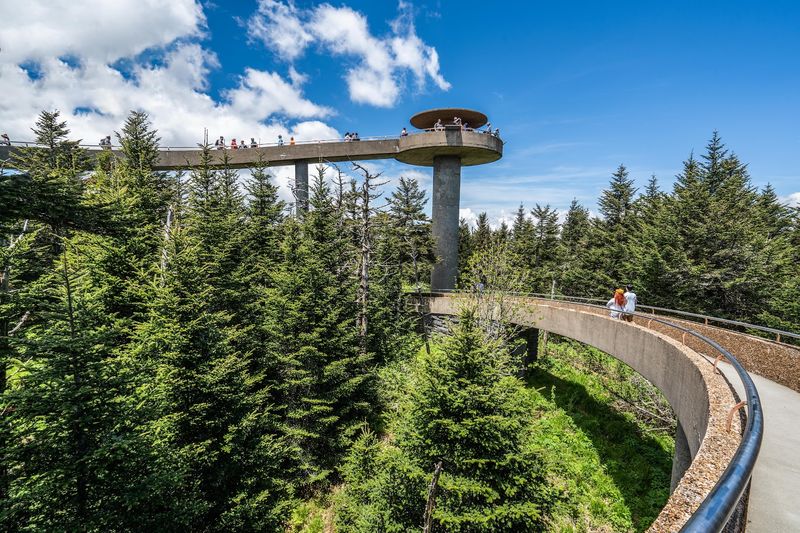
The Great Smoky Mountains are a dream destination if spring warblers make your pulse rise. Elevation changes, rich forests, and abundant water create a huge range of habitats, which is why the park supports remarkable breeding diversity and migration activity.
Birding here feels immersive, because the landscape itself seems to sing from every ridge and hollow.
Warbler season is the big draw, with favorites like Blackburnian, Cerulean, and Black-throated Blue possible in the right places and times. Cades Cove, Roaring Fork, Kuwohi area trails, and lower elevation forests can all produce memorable mornings, along with flycatchers, vireos, thrushes, and raptors.
Early starts matter, especially during spring leaf-out when birds are active and vocal.
What makes the Smokies worth the trip is how full the experience feels. Even between major sightings, the chorus of songs, misty views, and layered habitats keep your attention completely engaged.
Bring good footwear, learn a few calls ahead of time, and let your ears lead as much as your binoculars.
Mount Desert Island, Maine
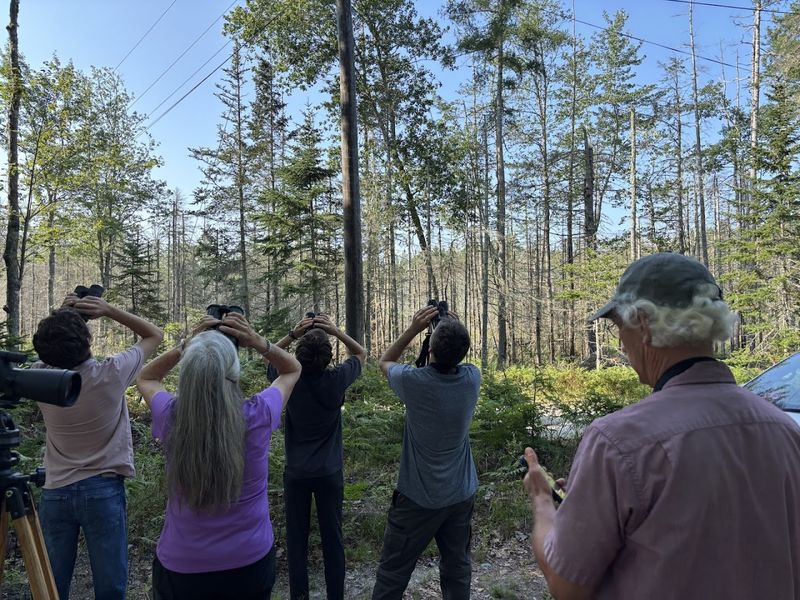
Mount Desert Island deserves attention beyond its famous national park boundaries. The broader island combines sheltered coves, working harbors, mixed forest, marshy edges, and exposed coastal points, creating a birding experience that feels both relaxed and surprisingly varied.
You can move from songbird habitat to sea watching in the space of a short drive.
Because the island sits along an active coastal corridor, migration can be especially interesting in spring and fall. Seaducks, loons, gulls, shorebirds, and passerines all contribute, while quieter inland spots can reward patient scanning and listening.
The island’s patchwork of public access points, village edges, and scenic roads encourages a slower style of birding that works beautifully here.
What makes Mount Desert Island worth the trip is the combination of charm and substance. It gives you Acadia-adjacent beauty with a more layered, local sense of place that broadens the birding experience.
Build in time for harborside scanning at dawn and sunset, when water, weather, and movement align especially well.
Magee Marsh Wildlife Area, Ohio
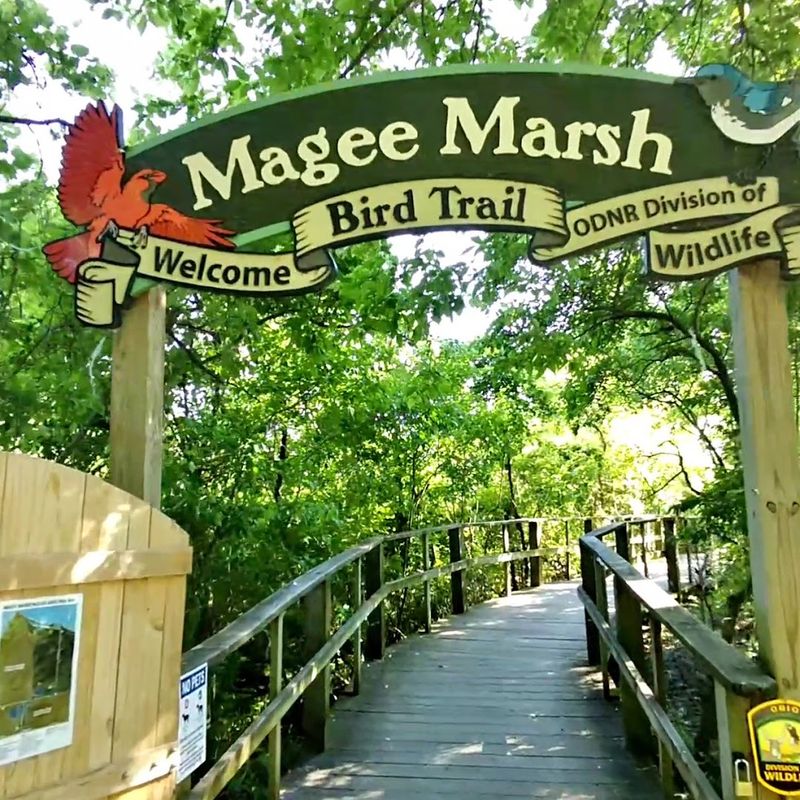
Magee Marsh has earned its reputation as the Warbler Capital of the World, and once you walk the boardwalk in peak spring migration, the title makes perfect sense. The site’s location along Lake Erie concentrates exhausted migrants in accessible habitat, often at eye level and sometimes astonishingly close.
If you enjoy colorful, fast-moving songbirds but hate distant views, this place can feel almost unreal.
May is the signature month, when waves of warblers, vireos, thrushes, and tanagers move through the trees and shrubs. The boardwalk is the centerpiece, but nearby marshes, beach areas, and surrounding sites along the Lake Erie shore add waterbirds, rails, and raptors to the mix.
A single morning can produce a checklist that would take much longer elsewhere.
What makes Magee Marsh worth the trip is intimacy. You are not just hearing migration happen overhead, you are watching it unfold right in front of you.
Arrive early, expect crowds in peak season, and still leave space to simply enjoy the spectacle.
Horicon Marsh State Wildlife Area, Wisconsin
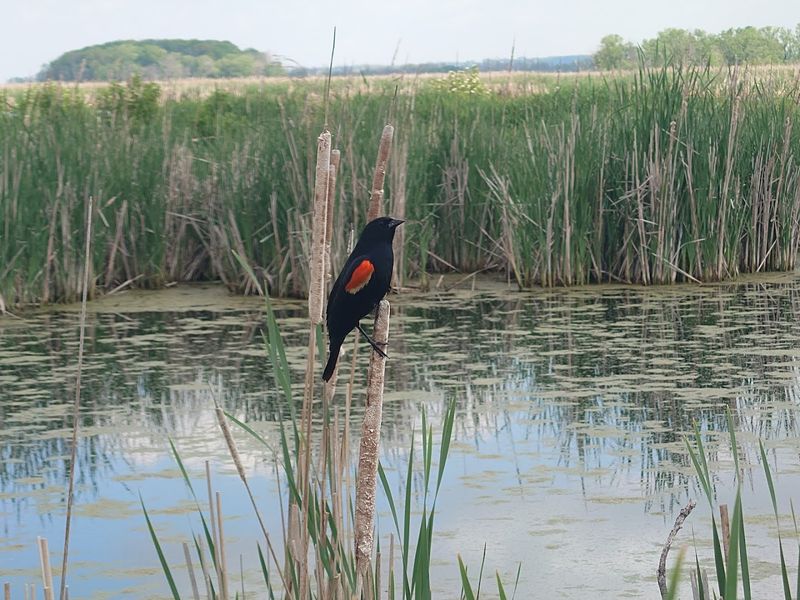
Horicon Marsh offers the kind of expansive wetland birding that makes you want to keep scanning just a little longer. As one of the largest freshwater marshes in the country, it supports a rich mix of waterfowl, marsh birds, waders, and raptors across open water, cattails, sedge meadows, and surrounding uplands.
The sense of scale alone makes the trip feel worthwhile.
Depending on season, you might find migrating geese, trumpeter swans, bitterns, rails, pelicans, herons, and an impressive chorus of blackbirds and marsh wrens. Auto tours, trails, canoe routes, and overlooks allow you to experience the marsh from multiple angles, which keeps the day interesting even if bird activity shifts.
It is especially rewarding during migration and early summer.
What makes Horicon Marsh stand out is how complete the wetland experience feels. You are birding a place shaped by water, weather, and movement on a scale that smaller refuges cannot quite match.
Bring a scope, expect changing light, and give yourself time for both driving loops and quiet observation stops.
Cheyenne Bottoms Wildlife Area, Kansas
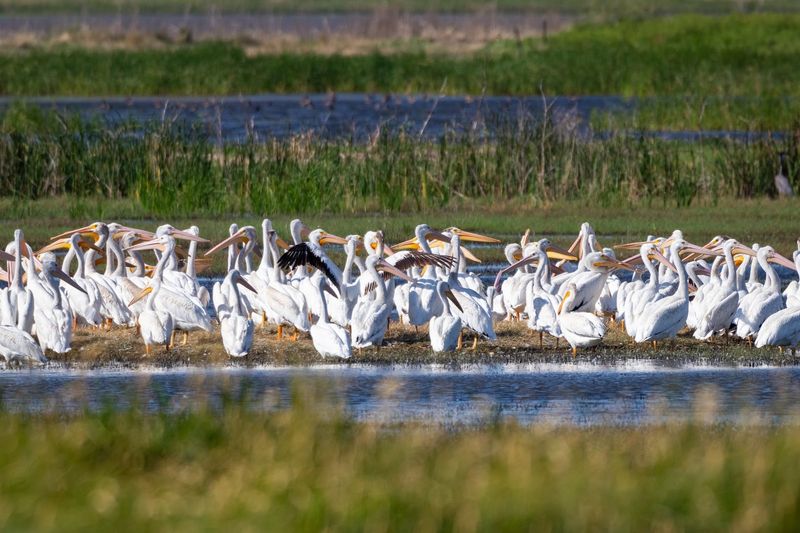
Cheyenne Bottoms is a reminder that some of America’s greatest birding happens far from the coasts. This vast inland wetland in central Kansas serves as a crucial stopover for migratory birds, especially shorebirds and waterfowl moving through the heart of the continent.
When conditions are right, the numbers and diversity can feel astonishingly out of proportion to the surrounding prairie.
Water levels shape the experience here, so checking recent reports is smart before you go. In productive periods, mudflats and shallow pools can host phalaropes, avocets, stilts, dowitchers, yellowlegs, ducks, gulls, and more, while raptors patrol the edges.
The broad road network and viewing pullouts make it possible to cover habitat efficiently.
What makes Cheyenne Bottoms worth the trip is its role in migration. You are watching a major crossroads in action, where species from distant breeding and wintering grounds briefly overlap in one remarkable basin.
Go with a scope, embrace the openness, and expect sky, wind, and water to shape every sighting.
Santa Ana National Wildlife Refuge, Texas
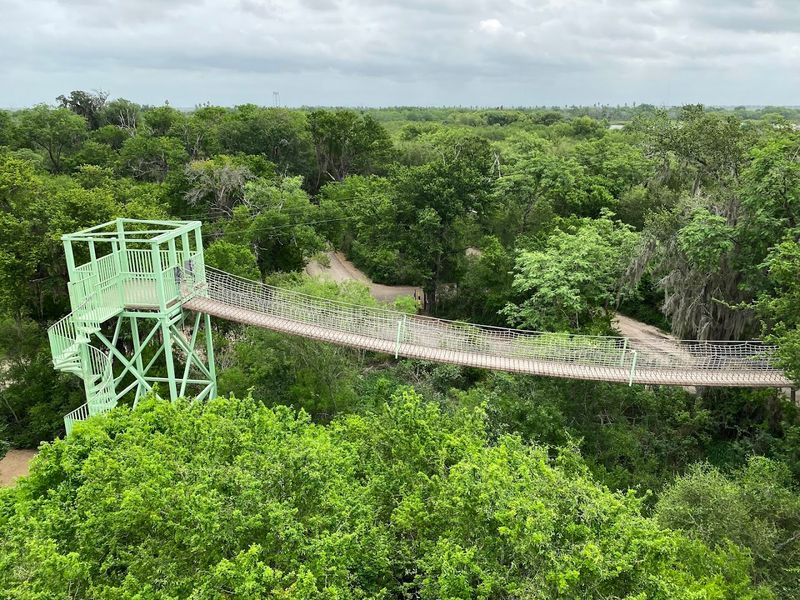
Santa Ana National Wildlife Refuge feels unlike almost anywhere else in the continental United States. Set in the Lower Rio Grande Valley, it offers subtropical woodland, wetlands, and river corridor habitat that support birds many American birders travel specifically to see.
If your dream checklist includes species with color and personality, this refuge deserves serious attention.
Green jays, Altamira orioles, plain chachalacas, groove-billed anis, and great kiskadees headline the experience, with seasonal migrants and raptors adding extra value. The trails, tower views, and feeding areas make birding feel active and constantly promising, especially in early morning.
It is also one of those places where butterflies and other wildlife enrich every slow walk.
What makes Santa Ana worth the trip is that it delivers a borderlands flavor you simply cannot replicate in most of the country. Even common birds here can feel thrillingly unfamiliar if you have traveled far to see them.
Visit in cooler months for comfort, but keep expectations high in any season.
Aransas National Wildlife Refuge, Texas
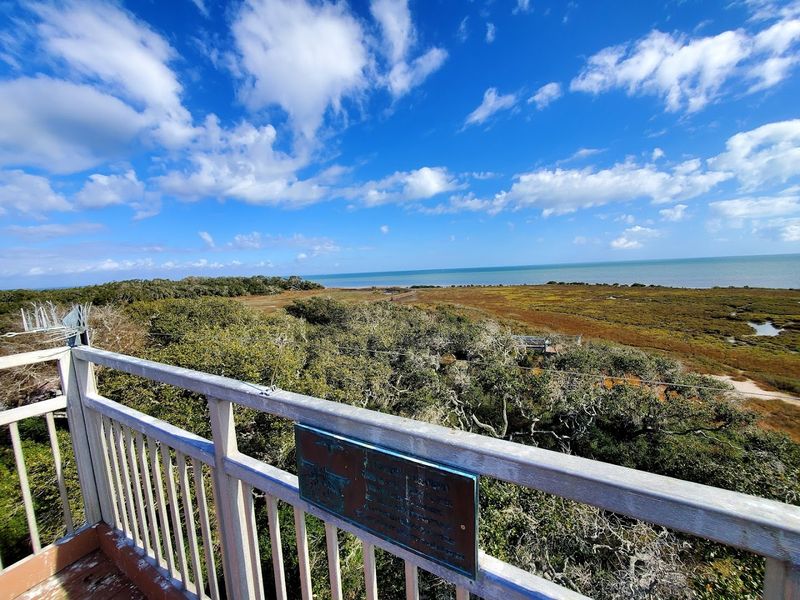
Aransas is the kind of destination that carries real emotional weight for birders. Best known as a wintering area for endangered whooping cranes, this stretch of Texas coast combines salt marsh, prairie, oak mottes, and estuarine habitat in a way that supports both iconic target species and strong overall diversity.
A visit here feels important as well as exciting.
Winter is the prime season, especially if whooping cranes are your focus, though many other waterbirds, shorebirds, ducks, and raptors keep the refuge lively. The driving tour and observation points are useful, but boat tours can offer especially rewarding crane views in surrounding habitat.
Patience matters, and so does light, because distance often shapes the experience.
What makes Aransas worth the trip is the chance to witness conservation success still unfolding. Seeing a towering whooping crane in its coastal winter home is one of those birding moments that stays vivid for years.
Pack a scope if possible, go slowly, and savor the refuge’s quiet grandeur.