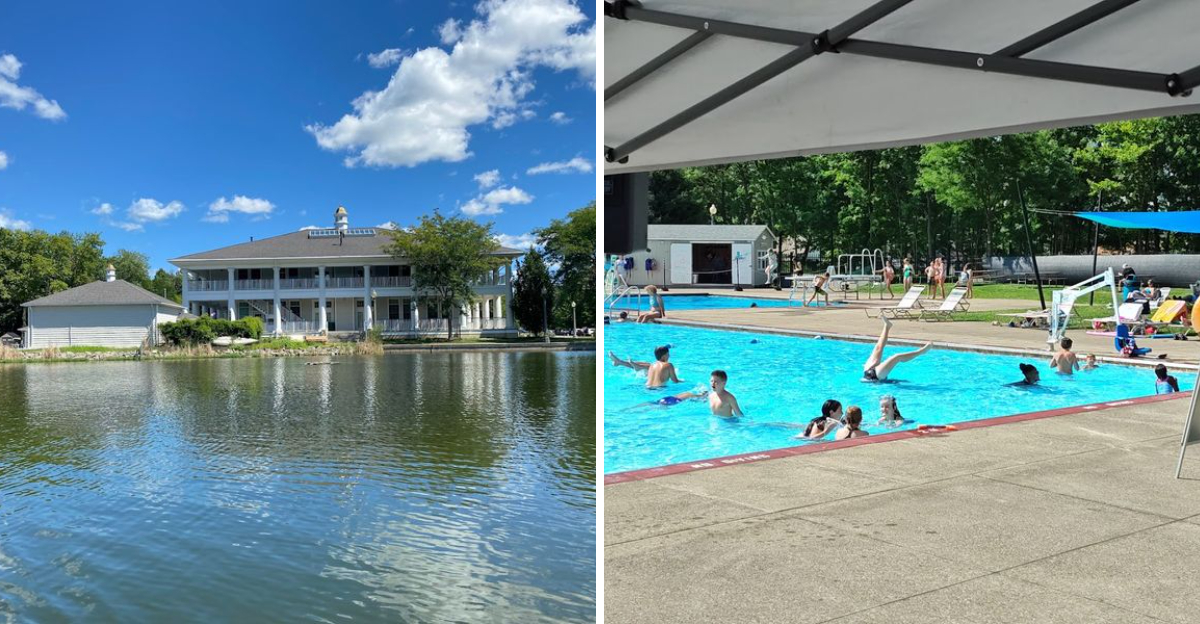
Imagine a wealthy businessman deciding that the best thing he could do with his fortune was give an entire park to the public — for free, forever.
That’s exactly what Frank H. Buhl did in 1911 when he donated roughly 300 acres of land to the people of Mercer County, Pennsylvania.
Buhl Park in Hermitage has been welcoming families, joggers, golfers, and picnickers ever since, without charging a single cent at the gate.
More than 110 years later, this remarkable gift still stands as one of America’s most generous acts of public philanthropy.
A Legacy of Generosity
Some gifts last a lifetime. Others last more than a century.
When Frank H. Buhl handed over 300 acres of Pennsylvania countryside to the public in 1911, he set in motion a legacy that generations of families in Mercer County would come to treasure deeply.
Buhl Park sits in Hermitage, Pennsylvania, and has been open and free to visitors every single day since its founding. No admission fees.
No membership required. Just open gates and green space waiting for anyone who shows up.
At a time when wealthy landowners typically kept their estates private, Buhl took the opposite approach. He believed that beauty, fresh air, and recreation belonged to everyone — not just those who could afford it.
That philosophy turned a collection of farmland tracts into one of western Pennsylvania’s most beloved public spaces. Today, the park draws thousands of visitors each year who come to walk, play, swim, and simply breathe in the outdoors.
The story of Buhl Park is really a story about what generosity looks like when it’s built to last. It’s a reminder that one person’s decision can shape the lives of an entire community for generations to come.
Who Was Frank H. Buhl?
Frank H. Buhl was not a man who stumbled into wealth by accident.
Born in 1859, he built his fortune through hard work in the steel and iron industries that defined western Pennsylvania’s explosive economic growth in the late 19th century.
Based in Sharon, Pennsylvania, Buhl became a prominent figure in regional business circles. He co-founded and led several successful manufacturing ventures, accumulating significant wealth during one of America’s most industrially productive eras.
But Buhl wasn’t content to simply keep his money for himself. He and his wife Julia shared a deep commitment to giving back to the communities that had supported their success.
Their charitable work extended beyond the park to include schools, churches, and civic organizations throughout the region.
Frank Buhl passed away in 1914, just a few years after donating the park, but his philanthropic vision lived on through the institutions he helped establish. He understood that lasting impact requires more than writing a check — it requires careful planning and legal structures to protect a gift over time.
His story stands as an inspiring example of how industrial-era wealth could be channeled into something truly meaningful for ordinary people.
The Vision Behind Buhl Farm Park
Frank and Julia Buhl weren’t just building a park — they were making a statement. Their core belief was simple but radical for the time: access to nature and recreation should never depend on how much money a person has in their pocket.
This wasn’t a trendy idea in the early 1900s. Most green spaces of that era were either private estates or exclusive clubs.
Public parks existed in big cities, but rural communities rarely had anything comparable. The Buhls wanted to change that for their corner of Pennsylvania.
They envisioned a place where a steelworker’s family could spread a picnic blanket right next to a business owner’s family, with no fences between them. That democratic spirit was baked into the park’s founding documents from the very beginning.
Julia Buhl, often overlooked in historical accounts, played a meaningful role in shaping this vision. She shared her husband’s belief that community well-being depended on shared spaces where people from all walks of life could connect and recharge.
That original vision has proven remarkably durable. The free-access model the Buhls championed over a century ago remains the park’s defining characteristic, making it genuinely unusual among American recreational spaces of any size.
Acquiring the Land (1907–1911)
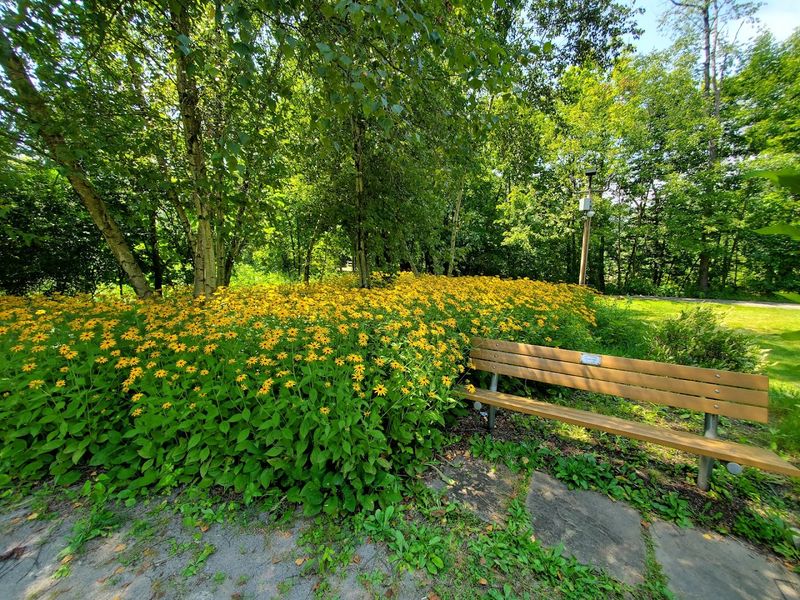
Great parks don’t appear overnight. The land that became Buhl Park was assembled piece by piece over several years, beginning around 1907 when Frank Buhl started purchasing contiguous farmland tracts in what was then a largely agricultural corner of Mercer County.
Assembling 300 acres required patience, negotiation, and a clear long-term goal. Buhl worked methodically to acquire neighboring properties, ensuring the final parcel would be large enough to support the kind of wide-open recreational space he had in mind.
The terrain he purchased was naturally beautiful — gently rolling hills, mature trees, open meadows, and a stream that could be dammed to create the artificial lake that would later become one of the park’s most popular features.
By 1911, the land assembly was complete, and Buhl was ready to make it official. The timing was deliberate; he wanted to ensure the property was legally protected as a public space before transferring ownership to a board of trustees.
This careful, multi-year process of land acquisition is part of what makes Buhl Park’s story so compelling. It wasn’t an impulsive gesture — it was a thoughtfully executed plan that took years to bring to life.
Design and Early Amenities
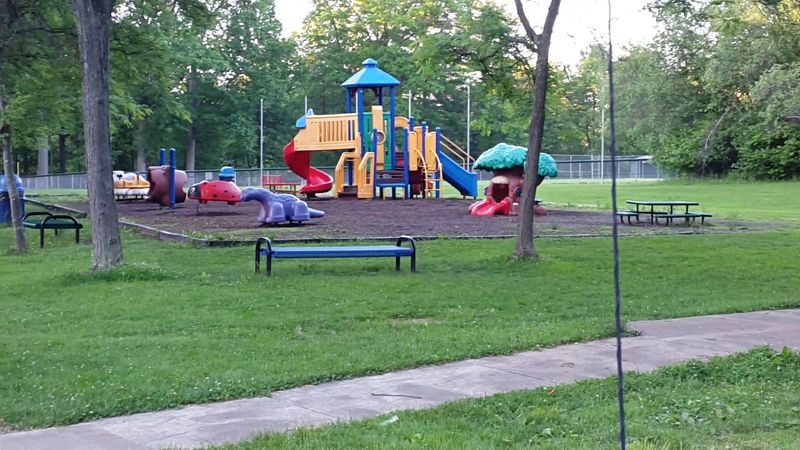
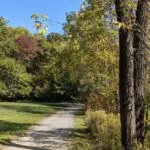
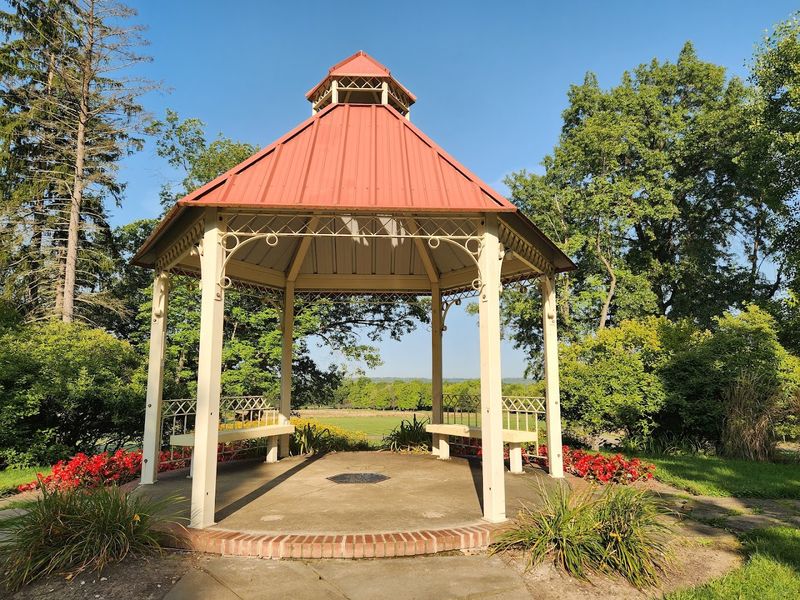
Right from the start, Buhl Park was designed to offer something for everyone. The original layout included shaded picnic groves with tables and fireplaces, open playgrounds for children, and winding pathways that encouraged leisurely walks through the natural landscape.
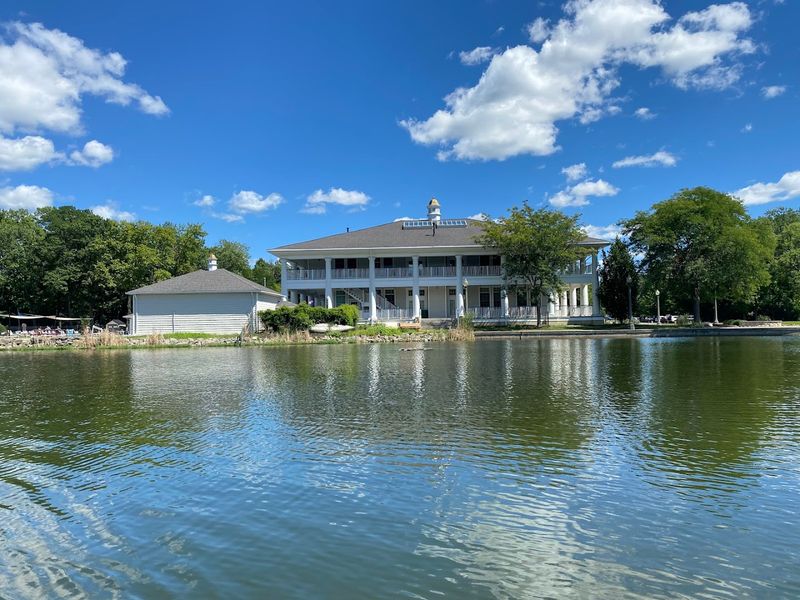
One of the most impressive early features was the artificial lake, created by damming a natural stream running through the property. The lake quickly became a social hub, offering a sandy beach where families could swim and cool off during hot Pennsylvania summers.
Tennis courts were added early on, reflecting a growing national enthusiasm for the sport among middle-class Americans. A nine-hole golf course — which remains free to this day — was also part of the original plan, a feature that was genuinely extraordinary for a public park of that era.
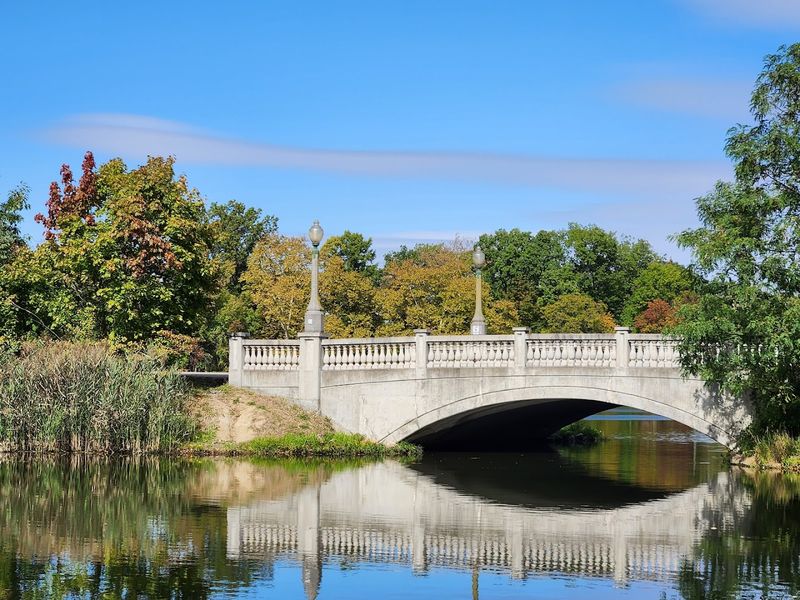
The overall design philosophy emphasized accessibility and ease of use. Wide, well-maintained paths connected different sections of the park, making it simple for families with young children or older adults to navigate the grounds comfortably.
Nothing about the layout was accidental. Every amenity was chosen with a specific goal in mind: to make the park a place where families would want to spend entire days together, returning season after season.
Opening to the Public
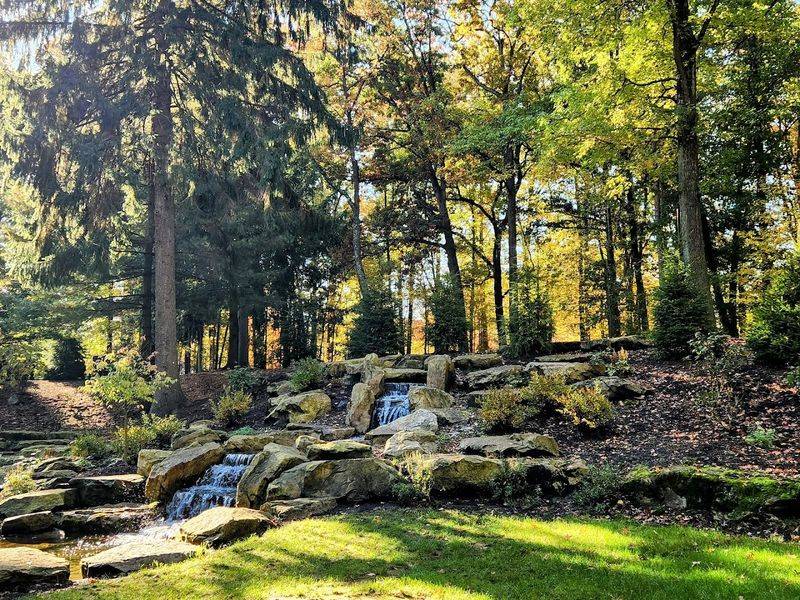
When the gates officially opened in 1911, something remarkable happened in Mercer County: a private fortune became a public treasure. Frank Buhl formally deeded the land to a board of trustees with one ironclad condition — the park must remain free and open to the public forever.
That legal structure was no small thing. By placing the property in the hands of a dedicated trust rather than a government body or private organization, Buhl created a mechanism designed to outlast any individual administration or political change.
The deed language was specific and intentional. It spelled out that the park existed for the “benefit and enjoyment of the public” — language that has guided every decision made about the property in the decades since.
Community response to the opening was enthusiastic. Families who had never had access to organized recreational space suddenly had 300 acres of parkland at their doorstep.
For many residents, it was transformative.
Local newspapers at the time described the opening as a milestone for the region, recognizing that what Buhl had done was genuinely unusual. Most wealthy donors of that era gave to institutions like universities or hospitals — not to open green space for working-class families to enjoy without charge.
Unique Features: Free 9-Hole Golf Course
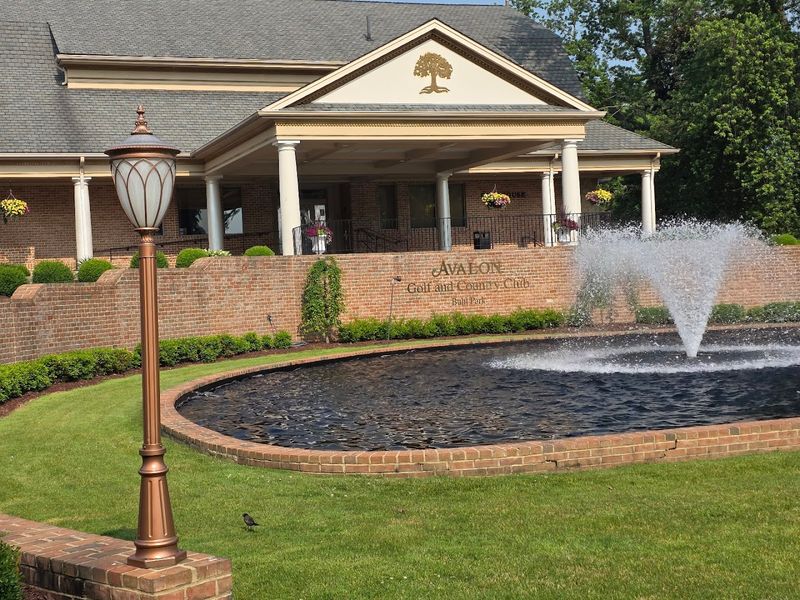
Ask any golfer what makes Buhl Park truly special, and the answer comes fast: a free nine-hole golf course. In a country where a single round of golf can easily cost $50 or more, Buhl Park has been offering its course to anyone who shows up — completely free of charge — for over a century.
That’s not a typo. Free.
No green fees. No membership.
No reservations required. Just bring your clubs, sign in, and play.
This makes Buhl Park’s golf course one of the rarest recreational facilities in the entire United States. Free public golf courses do exist, but they are extraordinarily uncommon, and almost none of them come with the history and character of this particular nine-hole layout.
The course winds through some of the most scenic sections of the park, with mature trees lining the fairways and natural terrain adding genuine challenge. It’s not a championship course, but it’s a genuinely enjoyable round that welcomes beginners and experienced players alike.
For families looking to introduce kids to the game without a hefty price tag, or for retirees who want a regular round without the financial burden, this free course is nothing short of a miracle. It perfectly embodies the spirit Frank Buhl intended when he created this place.
Evolution Over Time
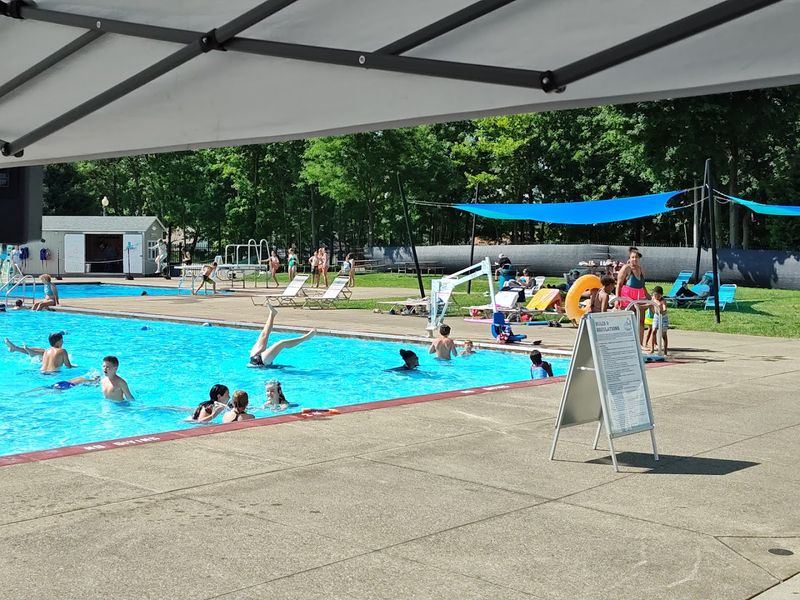
More than a century of operation has brought plenty of changes to Buhl Park — and almost all of them have been improvements. While the core mission of free public access has never wavered, the park’s amenities have evolved considerably to keep pace with how communities use outdoor spaces.
Biking trails were added as cycling became a popular recreational activity, giving riders a safe and scenic route through the park’s varied terrain. The addition of pickleball courts reflects a more recent trend — pickleball has exploded in popularity across the U.S., and Buhl Park made sure its community didn’t miss out.
An outdoor swimming pool brought a more structured aquatic option alongside the original lake beach, offering lifeguarded swimming during summer months. Disc golf, another fast-growing sport with a young and enthusiastic fan base, also found a home within the park’s grounds.
Playgrounds have been updated multiple times over the decades to meet modern safety standards while keeping the focus on fun and imaginative play. Seasonal events and programming have grown as well, turning the park into a year-round community calendar anchor.
Each addition has been guided by the same question the Buhls would have asked: does this make the park more useful and enjoyable for the most people? So far, the answer has consistently been yes.
Cultural and Community Impact
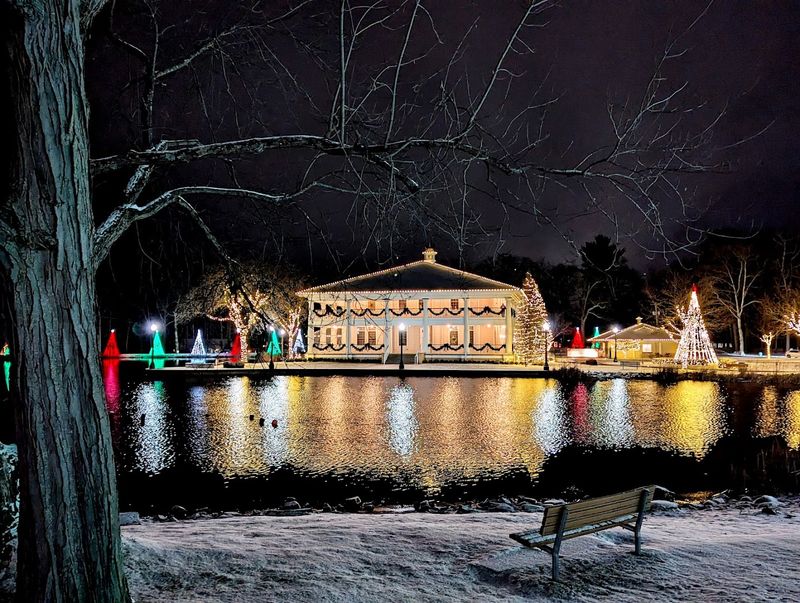
Over 110 years, Buhl Park has become far more than a collection of amenities. For Mercer County residents, it’s a place where life happens — where children take their first swim, where couples get engaged, where families mark milestones against a backdrop of green hills and open sky.
Community concerts, seasonal festivals, and organized sports leagues have turned the park into a living cultural hub. These events draw people together across age groups and backgrounds in a way that few other local institutions can match.
Summer evenings at Buhl Park carry a particular kind of nostalgia for longtime residents. Many adults in the region grew up playing on these grounds, and now they bring their own children and grandchildren to experience the same simple pleasures.
The park also serves an important social equity function. Because everything is free, it is genuinely accessible to families regardless of income.
In a region that has faced real economic challenges over the decades, that accessibility is not a small thing — it’s a lifeline to quality recreational space.
Local organizations regularly use the park for charity runs, fundraisers, and volunteer events, reinforcing its role as a true public commons. It’s the kind of place a community builds its identity around, even if most people never stop to think about how lucky they are to have it.
Essential Visitor Information
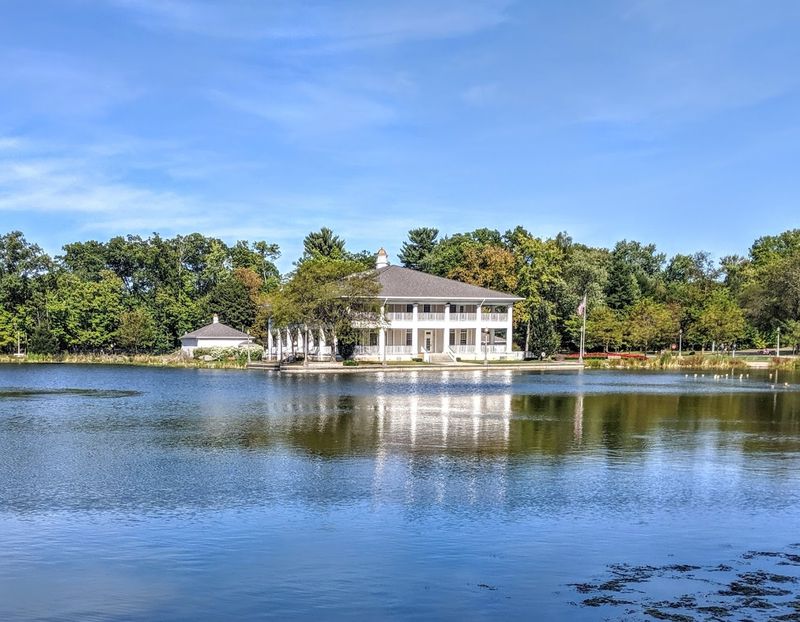
Planning a trip to Buhl Park is wonderfully straightforward — because almost everything there is free. The park is located at 715 Hazen Rd, Hermitage, PA 16148, and can be reached by phone at +1 724-981-5522.
Parking is available at multiple entrances with clear signage throughout the property.
The park is generally open year-round, though specific amenity hours vary by season. Spring through fall is the best time to experience the full range of offerings, including the golf course, outdoor pool, tennis and pickleball courts, disc golf, lake access, and playgrounds.
Winter visits offer quiet, peaceful walks through a beautifully dormant landscape.
Pack a picnic — the groves are lovely and the tables are plentiful. If you’re a golfer, bring your clubs and take advantage of that famously free nine-hole course.
Tennis and pickleball players should bring their own rackets and balls since equipment isn’t provided on-site.
Dogs are generally welcome on the walking paths, so four-legged family members can enjoy the outing too. Before visiting, check local listings or the park’s contact number for current event schedules, as seasonal programming can fill up the grounds on weekends.
Buhl Park is the kind of place that rewards a slow, unhurried visit. Give yourself a full afternoon and let the grounds do the rest.