Flamingo Gardens in Davie, Florida is one of those rare places that feels like a secret even though it has been around since 1927.
Spread across 60 stunning acres, this wildlife sanctuary and botanical garden is home to flamingos, rescued animals, and thousands of tropical plants.
Whether you are a nature lover, a family looking for a fun outing, or someone who just wants to hand-feed a flamingo, this place delivers an experience you will not forget anytime soon.
A Hidden 60-Acre Tropical Escape
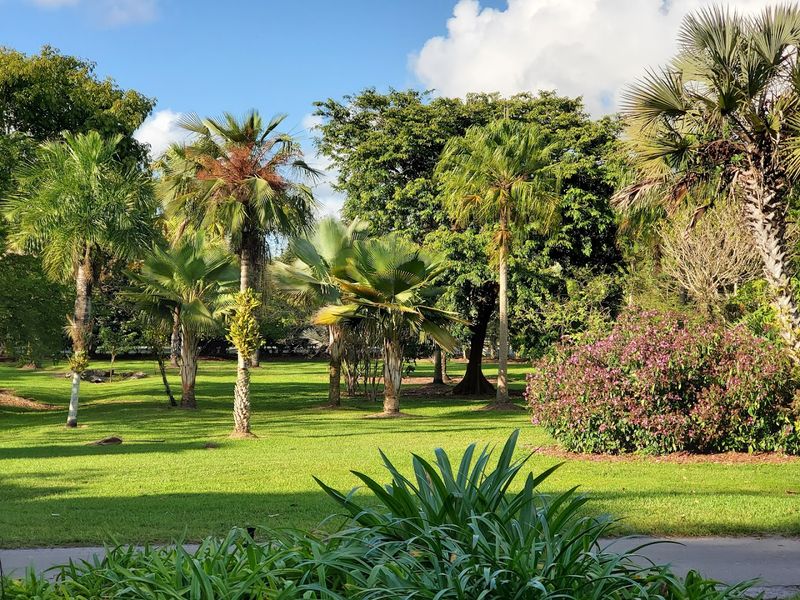
Most people driving through Davie, Florida have no idea that just off a busy road sits one of South Florida’s most stunning natural escapes. Flamingo Gardens stretches across 60 acres of tropical landscape, making it feel worlds away from the surrounding suburbs.
The sheer size of the property means there is always something new to discover, no matter how many times you visit.
Lush canopies of ancient trees shade the walking paths, and the air carries that earthy, green smell you only get in truly wild places. The gardens blend seamlessly into the natural South Florida environment, with wetlands, open meadows, and dense jungle-like zones all coexisting in one space.
Fort Lauderdale is just minutes away, yet stepping inside feels like entering a completely different world.
For families, couples, and solo visitors alike, this tucked-away sanctuary offers a refreshing break from the usual tourist spots. Admission is reasonably priced, and the experience is rich enough to fill a full morning or afternoon.
If you have never heard of Flamingo Gardens before, consider this your introduction to one of Broward County’s most underrated treasures.
The Famous Flamingo Lagoon Experience
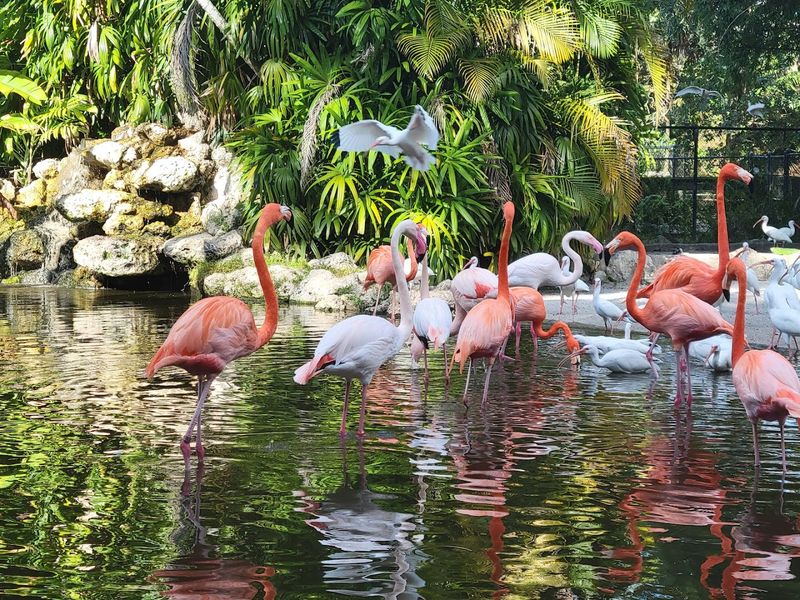
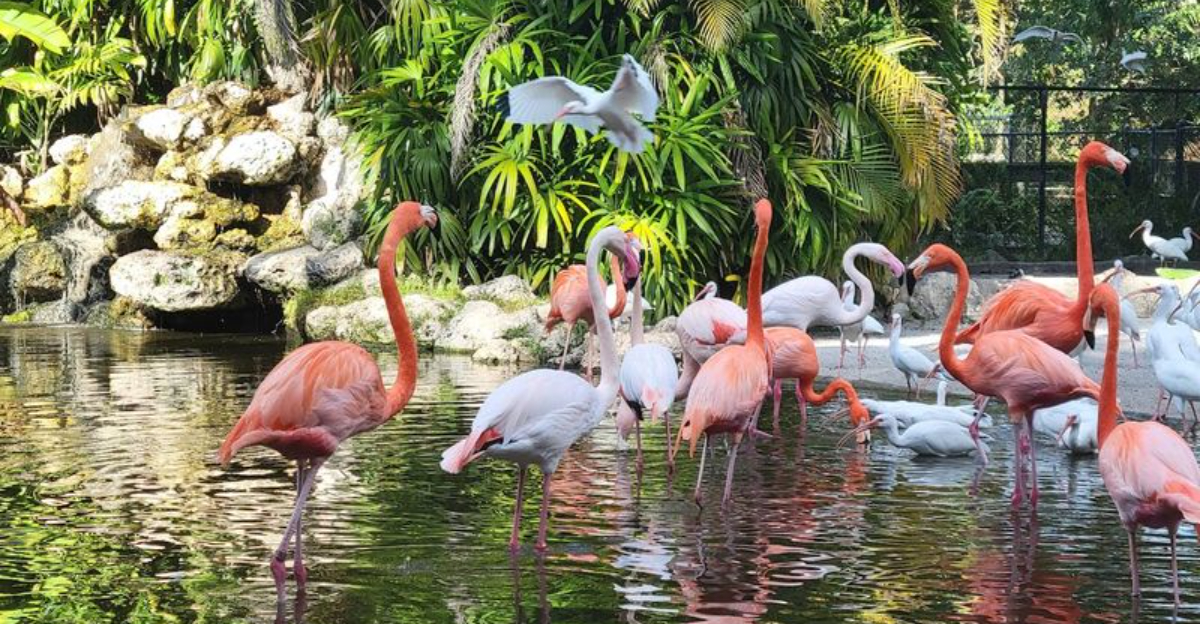
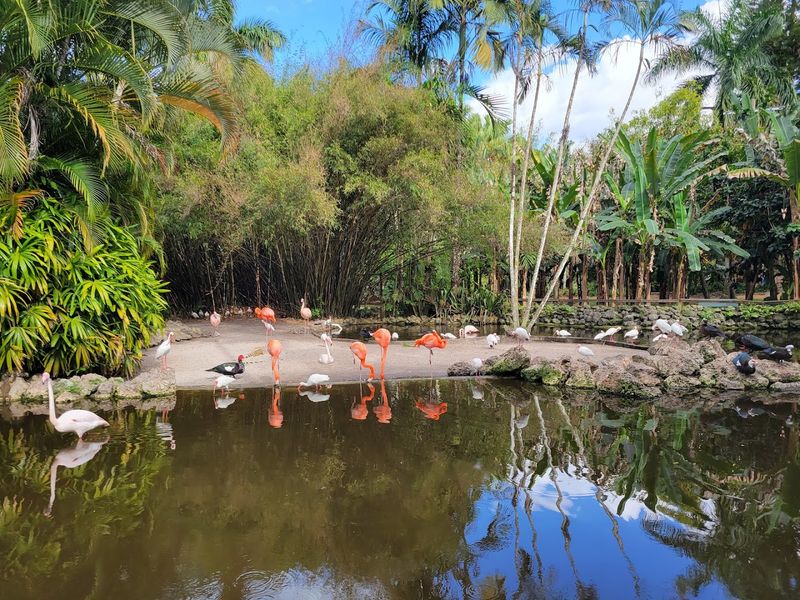
Picture dozens of brilliant pink flamingos clustered around a shimmering lagoon, their long necks curving gracefully as they preen and wade through the water. That is exactly what greets you at the flamingo lagoon, the beating heart of Flamingo Gardens.
The visual is so striking that most visitors stop in their tracks the moment they see it for the first time.
American flamingos are naturally social birds, and the lagoon setting lets them behave exactly as they would in the wild. You can observe them feeding, splashing, and interacting with each other in ways you simply cannot experience at a typical zoo.
The colors alone are worth the trip, especially on a sunny South Florida morning when the pink hues seem almost unreal against the blue sky.
Photographers absolutely love this spot, and it is easy to understand why. Whether you are shooting with a professional camera or just snapping photos on your phone, the flamingo lagoon delivers frame-worthy shots at every angle.
Plan to spend at least 20 to 30 minutes here soaking it all in, because this is the kind of scene that stays with you long after you leave.
You Can Hand-Feed Flamingos Up Close
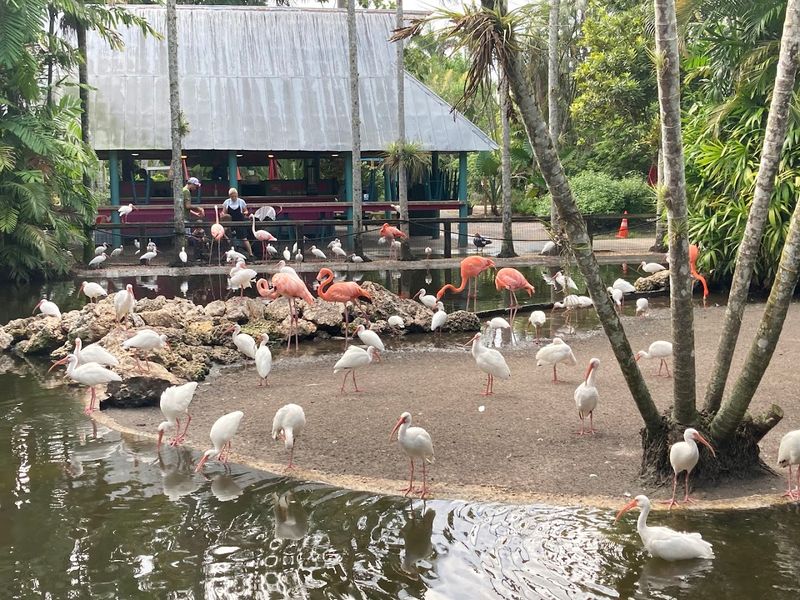
Feeding a flamingo right from your hand is the kind of experience most people assume only happens in wildlife documentaries. At Flamingo Gardens, it is a real, everyday opportunity that visitors of all ages get to enjoy.
Small cups of flamingo-approved food are available for purchase onsite, and the birds are comfortable enough with people to eat directly from an outstretched palm.
The feeling of a flamingo’s beak gently pecking at your hand is surprisingly soft and a little ticklish. Kids absolutely go wild for this moment, and honestly, so do most adults.
It is one of those rare interactions with wildlife that feels intimate without being intrusive, because the birds are completely at ease in their environment.
A few tips to make the most of the experience: move slowly, stay calm, and hold your hand flat to make it easy for the birds to access the food. The flamingos are used to people, but sudden movements can startle them.
Morning visits tend to offer the most active feeding behavior since the birds are livelier in cooler temperatures. This single experience alone is worth the price of admission and is something most visitors say they think about long after the visit ends.
A Sanctuary for Rescued and Injured Wildlife
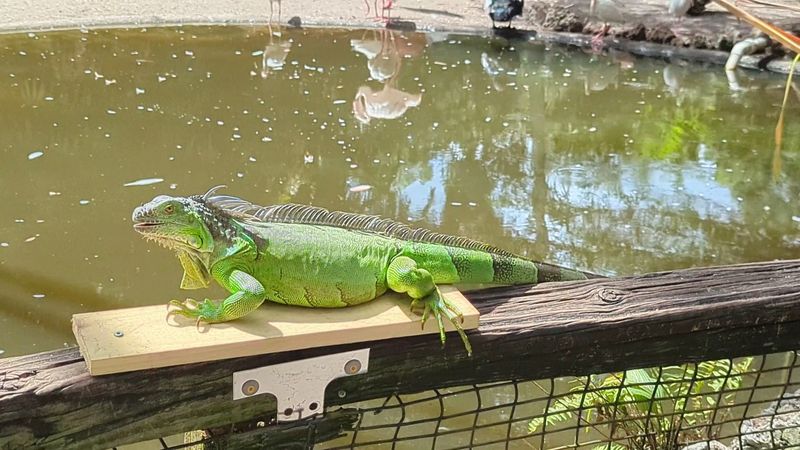
Flamingo Gardens is not just about pretty birds and botanical scenery. Behind the scenes, the sanctuary does serious conservation work by providing permanent homes for animals that cannot survive on their own in the wild.
Florida panthers, black bears, river otters, alligators, and birds of prey are among the rescued residents living out their lives here in safe, well-maintained habitats.
Many of these animals arrived at the sanctuary after being injured by vehicles, losing their habitat to development, or becoming unable to fend for themselves for other reasons. The staff works hard to give each animal a quality life, and you can see that care reflected in how comfortable and healthy the animals appear.
Watching a Florida panther pace through its enclosure or a great horned owl perch quietly on a branch is a powerful reminder of how important wildlife rescue efforts really are.
Visiting these exhibits also doubles as an education. Informational signs at each habitat explain the animal’s story, natural behaviors, and the threats their species faces in the wild.
It adds real depth to the visit and helps guests leave with a stronger appreciation for Florida’s native wildlife. Supporting Flamingo Gardens with your admission dollar directly helps fund this ongoing rescue and care work.
One of South Florida’s Oldest Botanical Gardens
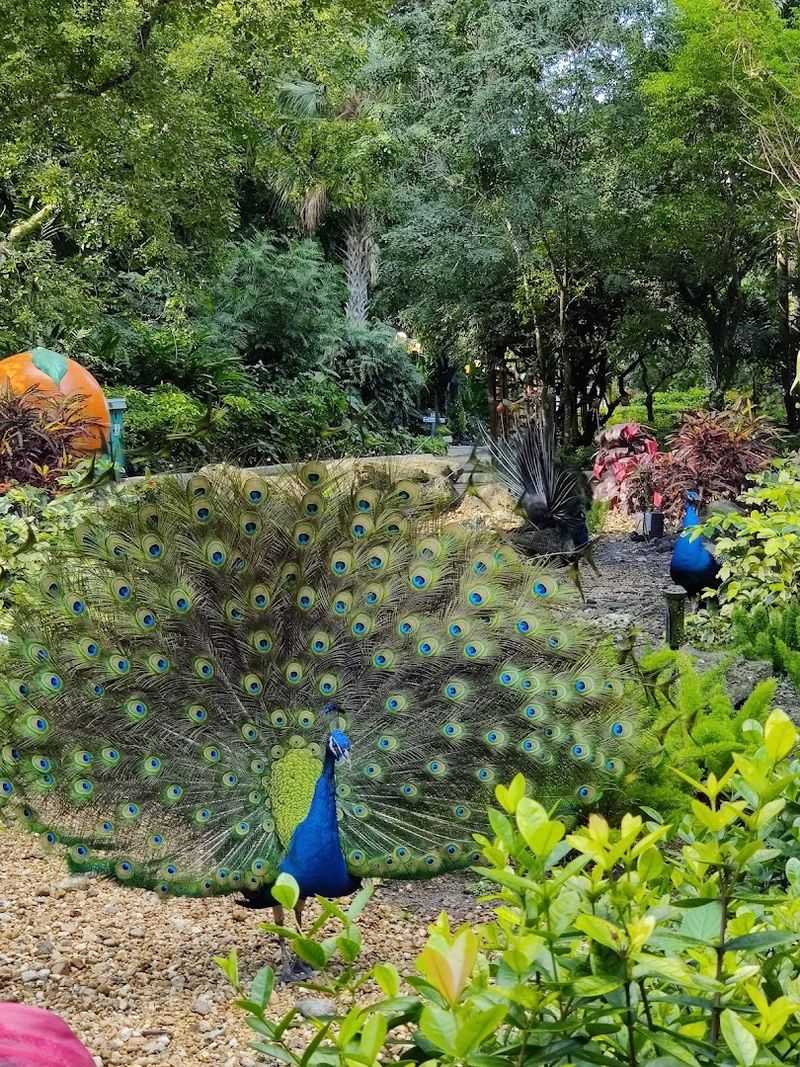
Founded in 1927, Flamingo Gardens holds the distinction of being one of the oldest botanical gardens in South Florida. That century of growth is visible everywhere you look, from the massive, sprawling trees that tower overhead to the rare plant species that have had decades to mature into impressive specimens.
Walking through the gardens feels like stepping through living history.
The collection includes more than 3,000 species of tropical and subtropical plants, many of which are difficult to find outside of specialized botanical institutions. Cycads, bromeliads, orchids, and heritage citrus trees are just a small sample of what grows here.
One of the standout features is a grove of champion trees, which are some of the largest recorded examples of their species in the entire state of Florida.
Plant enthusiasts will find plenty to geek out over, but even casual visitors who know nothing about botany tend to be impressed. The sheer variety of textures, colors, and sizes creates a visually rich environment that feels constantly stimulating.
Picking up a self-guided plant map at the entrance is a great way to make sense of what you are seeing and add a layer of discovery to your walk through the grounds.
The Everglades Aviary and Native Ecosystems
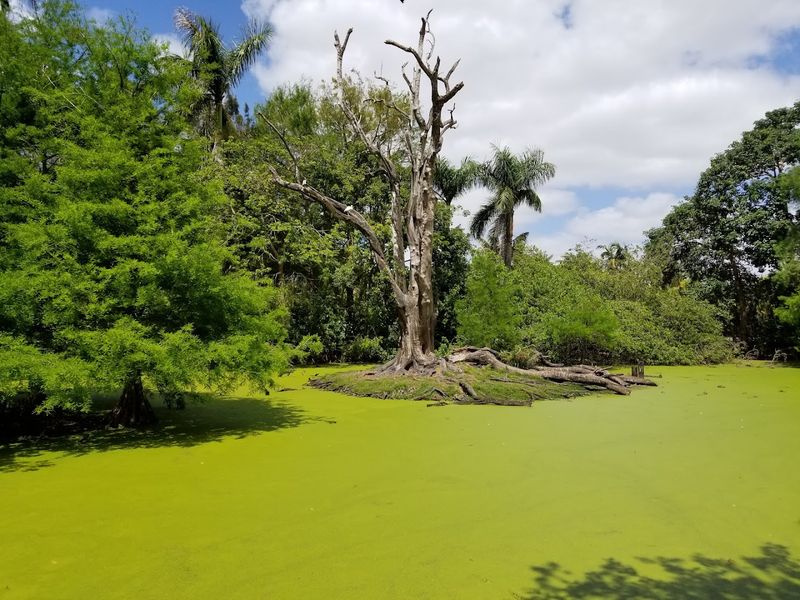
One of the most immersive spots in all of Flamingo Gardens is the massive free-flight aviary, designed to recreate the native ecosystems of Florida’s Everglades region. Inside, you will find yourself surrounded by recreated mangroves, freshwater wetlands, and cypress habitats, all populated with birds that naturally call these environments home.
It is genuinely easy to forget you are standing inside a constructed structure.
Roseate spoonbills, great blue herons, wood storks, anhingas, and brown pelicans are among the species you might encounter during a walk through the aviary. The birds move freely and behave naturally, which makes observation feel authentic rather than staged.
Birdwatchers especially appreciate how close you can get to species that are typically shy and difficult to spot in the wild.
The aviary also serves an important educational role by showing visitors what Florida’s native wetland ecosystems look like and why they matter. South Florida has lost a significant portion of its original wetland habitat over the past century, making spaces like this both rare and meaningful.
Spending time inside the aviary is a quiet, reflective experience, and the sounds of birds calling and water trickling make it one of the most peaceful corners of the entire sanctuary.
The Historic Wray Home Museum
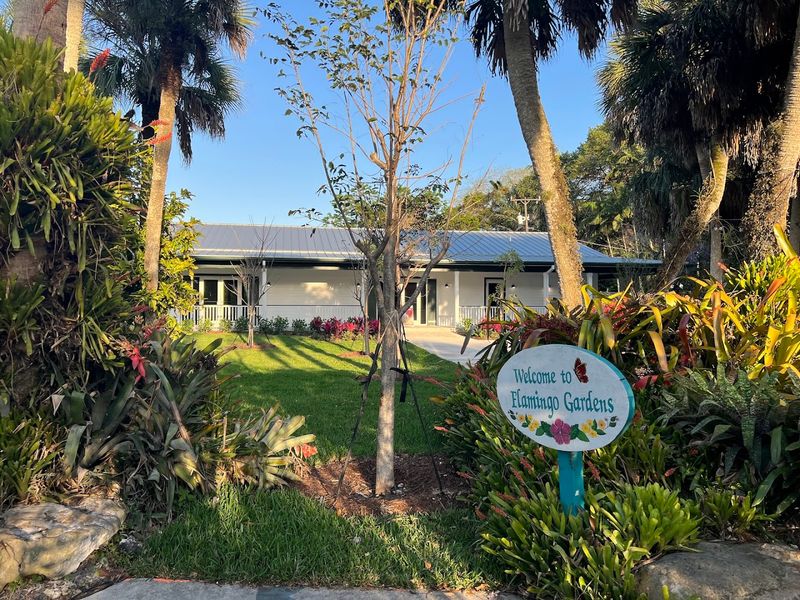
Tucked among the trees and flowering plants of Flamingo Gardens stands a beautifully preserved piece of South Florida history: the original Wray family home, built in the 1930s. Floyd and Jane Wray established what was originally a citrus grove estate on this land nearly a century ago, and the house they called home is still standing as a museum open to visitors today.
Stepping inside feels like a genuine trip back in time.
The museum showcases period furnishings, family photographs, and artifacts that paint a vivid picture of what daily life looked like in early South Florida. It is a charming and surprisingly touching exhibit, especially for anyone interested in the history of the region before it became the developed, fast-paced place it is today.
The Wray family’s vision of preserving the land eventually grew into the sanctuary and gardens visitors enjoy now.
The home itself is modest by modern standards, which somehow makes it even more endearing. Guides are occasionally available to share stories about the family and the estate’s evolution from a working citrus grove to a public botanical garden and wildlife sanctuary.
Even if history is not usually your thing, the personal story behind this place adds a warmth to the visit that is hard to put into words.
Tram Tours Through Jungle-Like Landscapes
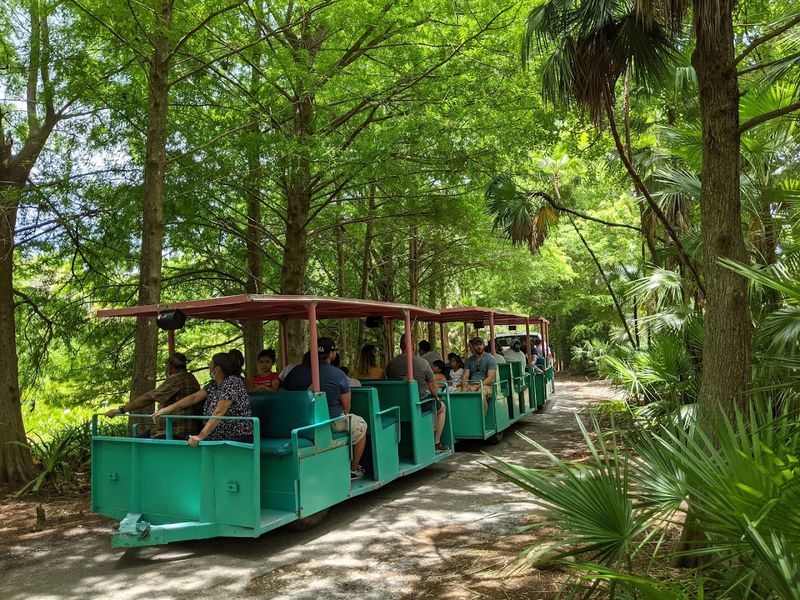
Not everything at Flamingo Gardens is easily accessible on foot, which is exactly why the narrated tram tour is such a popular feature. The guided ride takes visitors deeper into the property, traveling through sections of the grounds that most walkers never reach.
Rainforest zones, hidden plant collections, and wetland areas unfold around you as a knowledgeable guide shares stories and facts along the way.
The tram is a great option for visitors who want to cover more ground without wearing themselves out in the Florida heat. It is also ideal for older guests, young children, or anyone who simply wants to sit back and absorb the scenery at a relaxed pace.
The combination of movement and narration keeps things engaging, and you will likely notice details you would have missed on a solo walk.
Guides tend to be enthusiastic and well-informed, often sharing quirky tidbits about specific plants, the history of the estate, or interesting animal behaviors. The tour typically lasts around 30 minutes and is included with general admission, making it one of the best deals in the park.
Hopping on the tram early in your visit is a smart strategy since it gives you a solid overview of the entire property before you start exploring on your own.
Peaceful Walking Trails and Shaded Paths
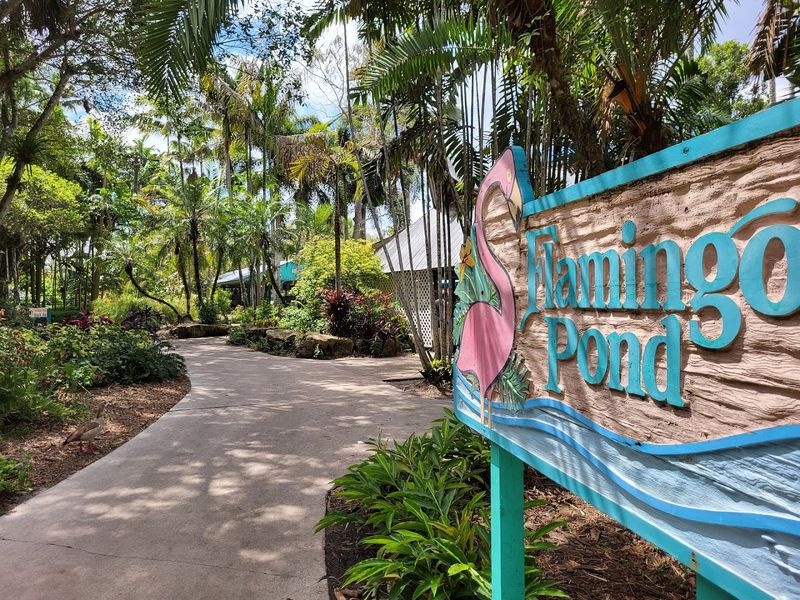
There is something genuinely restorative about walking through Flamingo Gardens at a slow, unhurried pace. The paved paths are well-maintained and easy to navigate, and the overhead canopy of mature live oaks creates a natural shade tunnel that keeps things surprisingly cool even on warm days.
Unlike busier tourist attractions, the layout here invites wandering rather than rushing.
The trails wind past flowering gardens, tranquil water features, and animal habitats, offering a mix of sights that changes around every bend. You might pause to watch an otter splash in its pool, then turn a corner and find yourself in front of a spectacular stand of bamboo or a centuries-old fig tree.
The variety keeps the walk interesting from start to finish.
Comfortable footwear is recommended since you could easily cover a mile or more depending on how thoroughly you explore. The grounds are stroller and wheelchair accessible, which makes the experience inclusive for visitors of all mobility levels.
Early morning walkers often report the most serene experience, with birdsong filling the air and the light filtering softly through the tree canopy. If you are looking for a calm, unhurried way to spend a few hours in nature without leaving Broward County, this is it.
Essential Visitor Information (Hours, Tips and Best Time to Go)
Planning your visit to Flamingo Gardens is straightforward, and a little preparation goes a long way toward making the most of your time there. The sanctuary is located at 3750 S Flamingo Rd, Davie, FL 33330, and can be reached by phone at +1 954-473-2955.
The gardens are open daily from 9:30 AM to 5:00 PM, giving you a generous window to explore everything the property has to offer.
Morning visits are strongly recommended for several good reasons. Temperatures are cooler in the early hours, which means more comfortable walking and more active animal behavior throughout the sanctuary.
The flamingos and other wildlife tend to be livelier before the midday heat settles in, making morning the prime window for feeding interactions and wildlife observation.
Budget around two to three hours for a thorough visit that includes the tram tour, the aviary, the flamingo lagoon, and a walk through the botanical gardens. Wearing light, breathable clothing and bringing sunscreen is always a smart move in South Florida.
Parking is available onsite and is free with admission. Checking the official website or calling ahead before your visit is a good habit, especially around holidays when hours may vary slightly.
This is one of those rare places that genuinely rewards every minute you spend inside it.