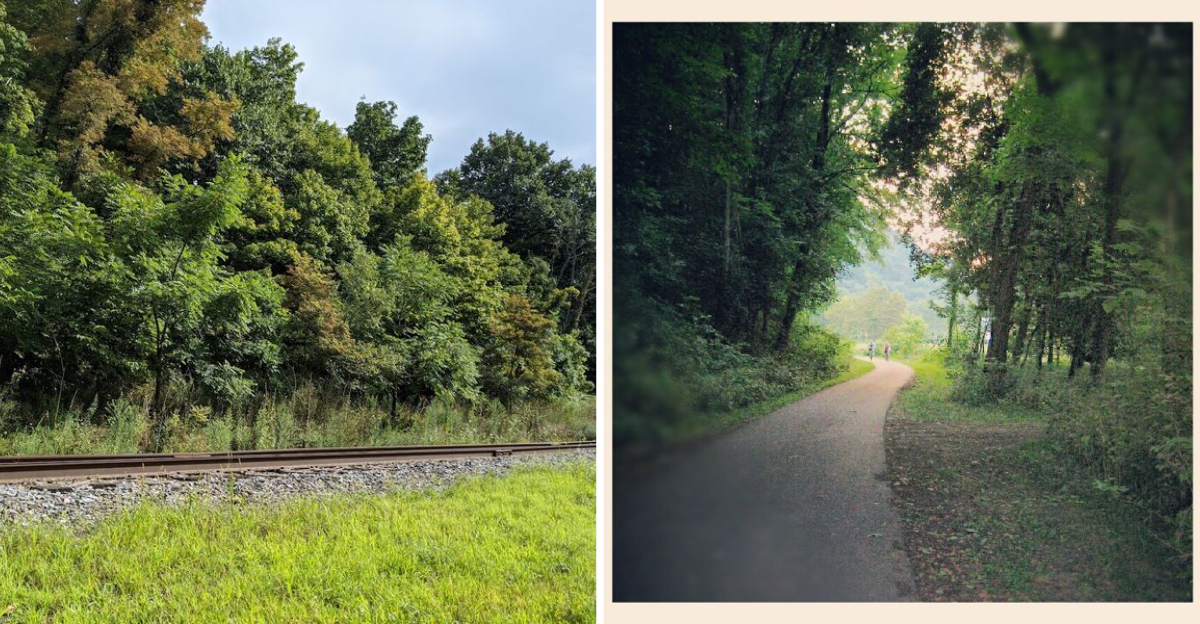
An old railroad corridor now carries conversations, tire tracks, and unforgettable views across the Alleghenies. The Great Allegheny Passage stretches roughly 150 miles through forests, river gorges, and welcoming small towns.
You get steady grades, big sky moments, and trail magic in every direction. Ready to plan a ride that feels ambitious yet surprisingly approachable?
From Rails to Trail: How the GAP Came to Life
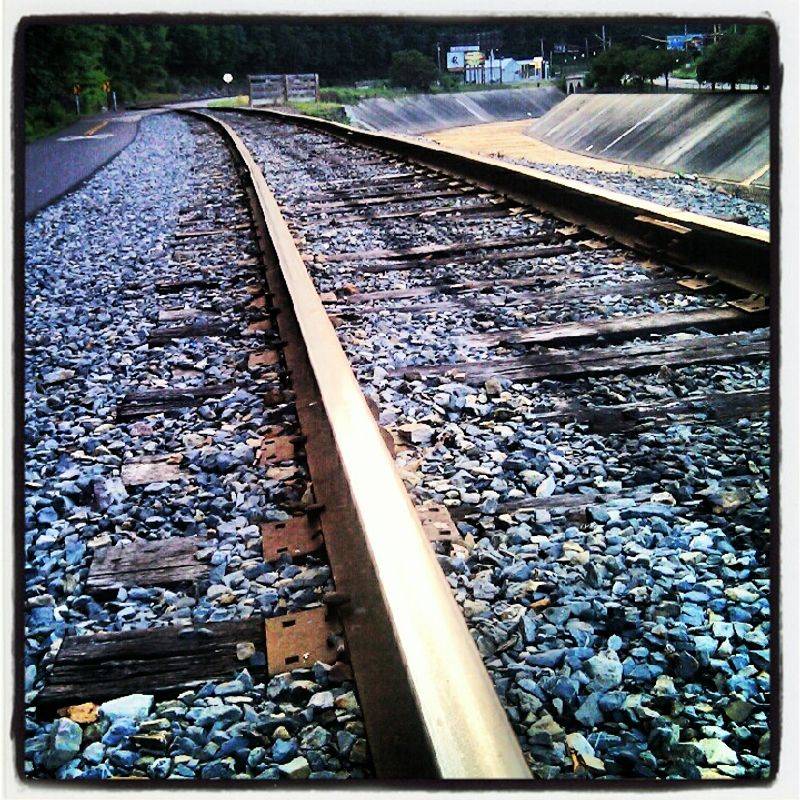
Long before gravel hummed under bike tires, steel wheels ruled this corridor across Pennsylvania. Freight crept through river gorges, coal cars rattled past hamlets, and telegraph poles stitched the valley skyline.
When trains slowed and industries faded, advocates saw possibility in the ballast and ties left behind.
Volunteers mapped rights of way, raised funds mile by mile, and persuaded towns to bet on pedal power. Engineers stabilized tunnels, decked towering trestles, and softened grades so you could ride for hours comfortably.
That steady vision became the Great Allegheny Passage, a continuous, welcoming rail trail stitched from former Western Maryland and Pittsburgh and Lake Erie lines.
You can still sense railroading heritage at every whistle post, interpretive sign, and mile marker engraved like a timetable. Local cafes inhabit depots, freight houses sell sandwiches, and cabooses sit repurposed as quirky overnight stays.
Ride it end to end, and the story becomes yours, told in rhythmic cadence of tires, wind, and friendly trail town hellos.
What began as salvage became a backbone for small businesses and slow travel across the Alleghenies. Your spending supports trail groups, preserves history, and keeps these miles open, safe, and beautifully maintained for the next rider as well.
Route Overview and Mileage You Can Count On
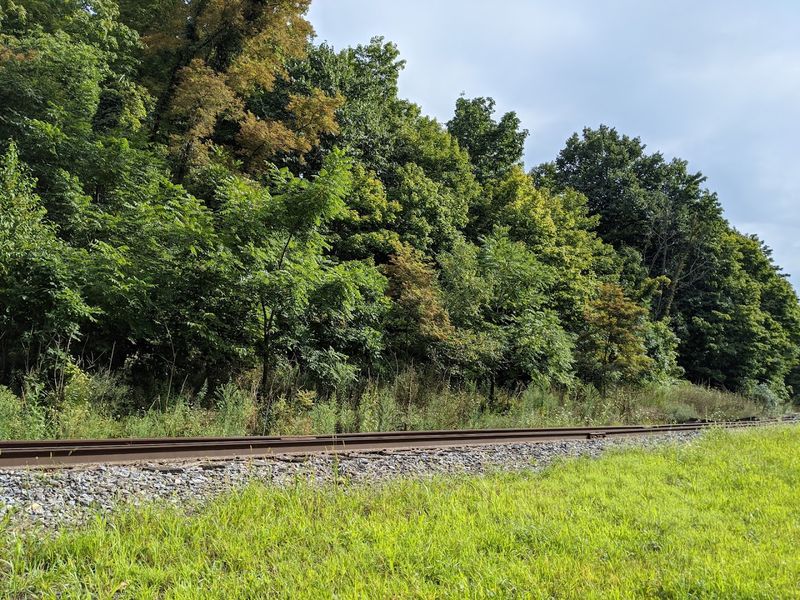
Imagine a line on the map that actually welcomes you to follow it at your own pace. The Great Allegheny Passage runs about 150 miles from Pittsburgh’s South Side to Cumberland, Maryland, where it links seamlessly with the C&O Canal Towpath.
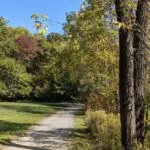
Most of the surface is crushed limestone, wide, forgiving, and easy to navigate.
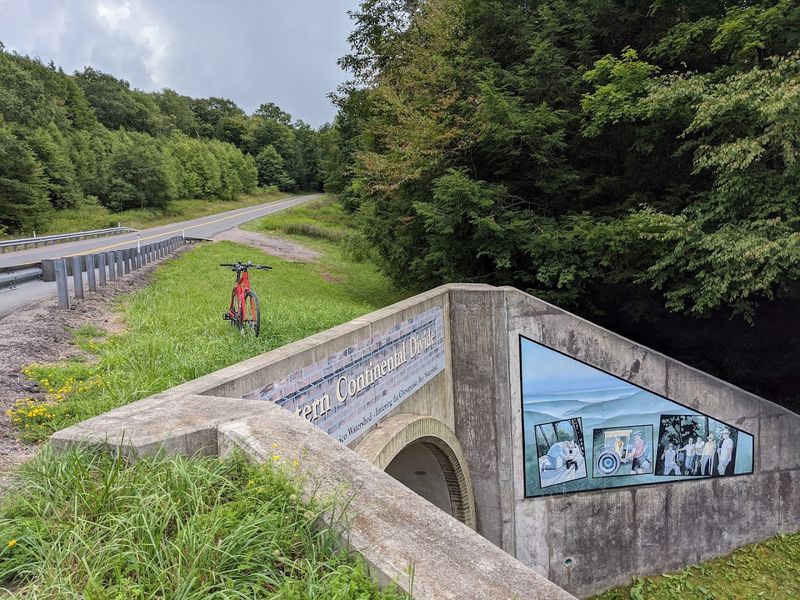
Grades hover around two percent or less, so you can hold an even cadence and chat across handlebars. Westbound from Cumberland trends uphill to the Eastern Continental Divide, then rewards you with gentle cruising toward Pittsburgh.
Eastbound feels opposite, offering a rolling, confidence building introduction to distance touring.
Town spacing ranges roughly every 10 to 20 miles, giving dependable places to refill bottles, grab a sandwich, or call it a day. Mileposts are frequent and accurate, making time checks and meetup points straightforward.
Handy trail guides list water, restrooms, bike shops, and lodging so you can plan stops with zero guesswork.
Break the route into digestible chunks for weekend rides, or stitch the whole corridor into a proud multiday journey. Keep an eye on seasonal maintenance notes and detours, then update your plan accordingly.
Every mile feels purposeful, signed clearly, and built for memorable days in the saddle.
Riding Through Big Savage Tunnel
Light pools on damp stone, and the temperature drops the moment you roll inside. Big Savage Tunnel stretches long and straight, a triumph of engineering lovingly restored for safe cycling.
Headlights help you track the center line while the echo of freewheels bounces around like distant rails.
Emerging on the far side delivers one of the route’s most photographed vistas. The ridge opens up to layered mountains, wind combed grass, and sky that suddenly seems much bigger.
Benches invite a pause, and every rider becomes a quiet silhouette against that horizon.
Pack a reliable front light, even on sunny days, and a spare battery for peace of mind. Sunglasses off before entry, zipper up for the chill, and call out gently when passing.
The surface is usually smooth, yet a cautious speed keeps things friendly for everyone.
History buffs appreciate the tunnel’s railroad lineage and careful rehabilitation after decades out of service. Trail stewards monitor conditions, so check seasonal opening dates before banking a long day around it.
Few moments on the Passage feel more cinematic, and you will remember the cool air and golden exit for years.
Salisbury Viaduct: Sky High Over Farm Country
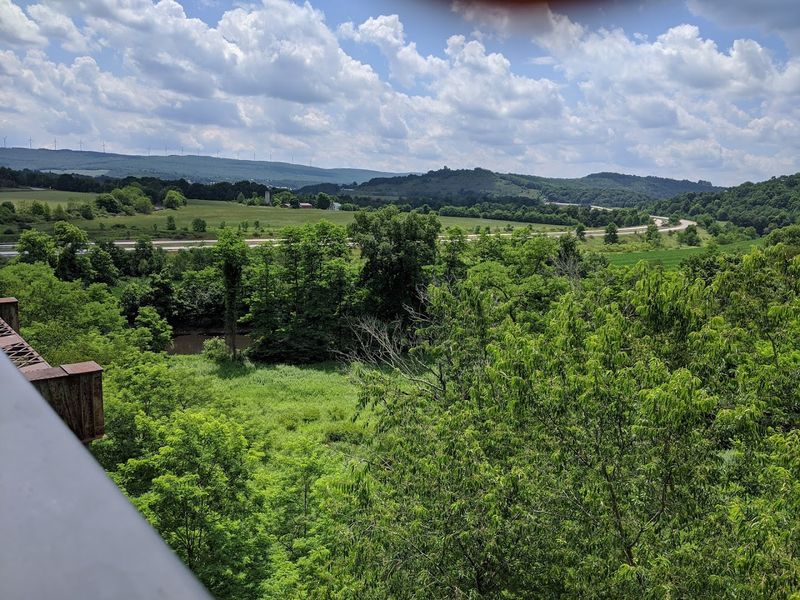
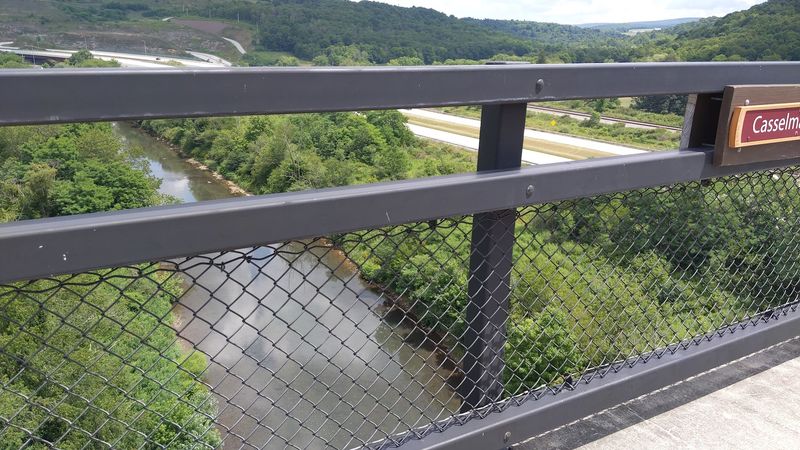
High above the valley, tires whisper over decking while fields stretch beyond the horizon. The Salisbury Viaduct carries you across open country with wind turbines spinning like patient metronomes.
Views expand in every direction, turning a simple crossing into an unforgettable pause button.
Height sensitive riders can focus on the middle line and steady breathing to stay centered. Railings feel substantial, and the surface rides consistently, so confidence builds step by step.
Photos come out best near sunrise or late afternoon when shadows carve texture across the landscape.
Crossing with friends makes conversation oddly hushed, as if the air itself requests attention. Stop only in designated areas, keep bikes to the right, and be mindful of gusts.
On busy weekends, brief pull offs keep traffic flowing and create space for families.
Interpretive panels share the bridge’s railroad past and the logistics behind its trail era. You appreciate the ingenuity that turned steel and rivets into a viewpoint for everyone, not just rail crews.
By the far end, momentum returns, and the next small town feels perfectly placed for a snack.
Camping, Lodging, and Trail Town Hospitality
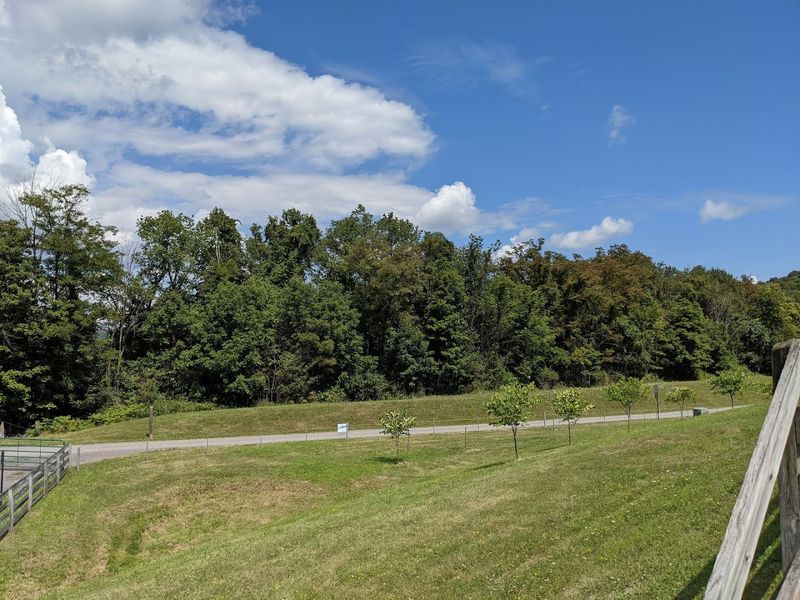
Nights along the Passage carry their own rhythm, from tent zippers to porch swings at vintage inns. Hiker biker sites keep costs reasonable and miles flexible, often with water, toilets, and picnic tables.
In town, B&Bs and small motels welcome cyclists with hose bibs, ice, and hearty breakfasts.
Booking ahead helps on peak weekends, while shoulder seasons reward spontaneous plans. Ask about secure bike storage, laundry access, and early coffee for pre sunrise rollouts.
Trail shuttles can reposition you or luggage, letting a group ride light without logistics stress.
Campers appreciate earplugs near busy crossings and a small tarp for sudden showers. A compact lock secures bikes to racks, posts, or designated rails at camps.
Respect quiet hours, and pack out every wrapper so shared spaces stay inviting for the next crew.
Local owners swap stories, trade weather tips, and point you toward hidden bakeries or patios. Your receipts matter, sustaining communities that keep the corridor open and welcoming.
By morning, fresh socks and a big mug of coffee change everything about the next climb.
Seasonal Strategies and Changing Conditions
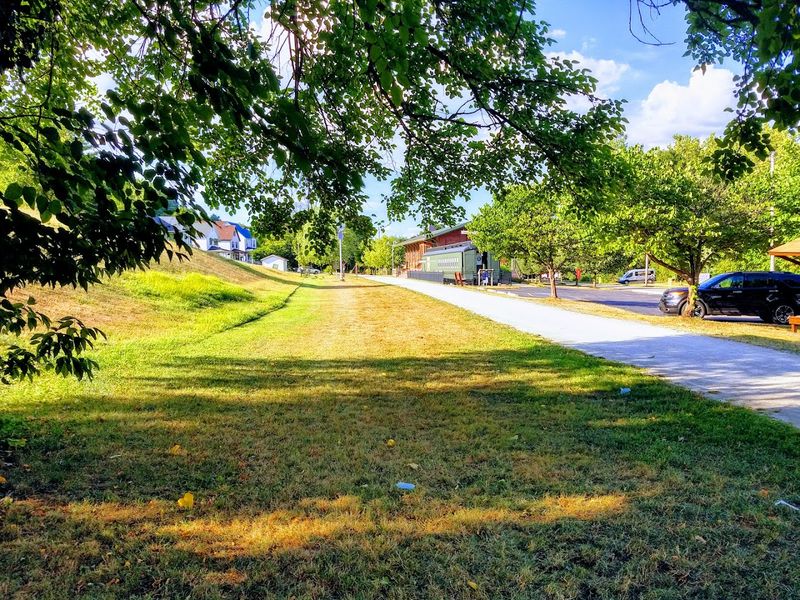
Each season reshapes the Passage and how you ride it. Spring brings wildflowers, occasional washouts, and cool mornings that reward extra layers.
Summer turns forests into green tunnels with busy weekends and warm afternoons requiring steady hydration.
Autumn steals the show with color that matches postcard promises. Leaves can hide sticks and marbles of gravel, so keep eyes scanning a bike length ahead.
Shorter daylight makes lights, reflective gear, and flexible finish times essential for comfort.
Winter remains rideable in sections when conditions align, especially for fat bikes and locals. Check maintenance updates, freeze thaw warnings, and any closures around tunnels or bridges.
Microspikes help for short walking sections if you meet ice in shaded cuts.
Wind patterns change on open ridges, nudging you sideways more than you expect. Pack a brimmed cap, wind vest, and a spare pair of dry gloves.
No matter the month, a quick forecast check and Plan B keep a good day good.
Safety, Etiquette, and Happy Miles
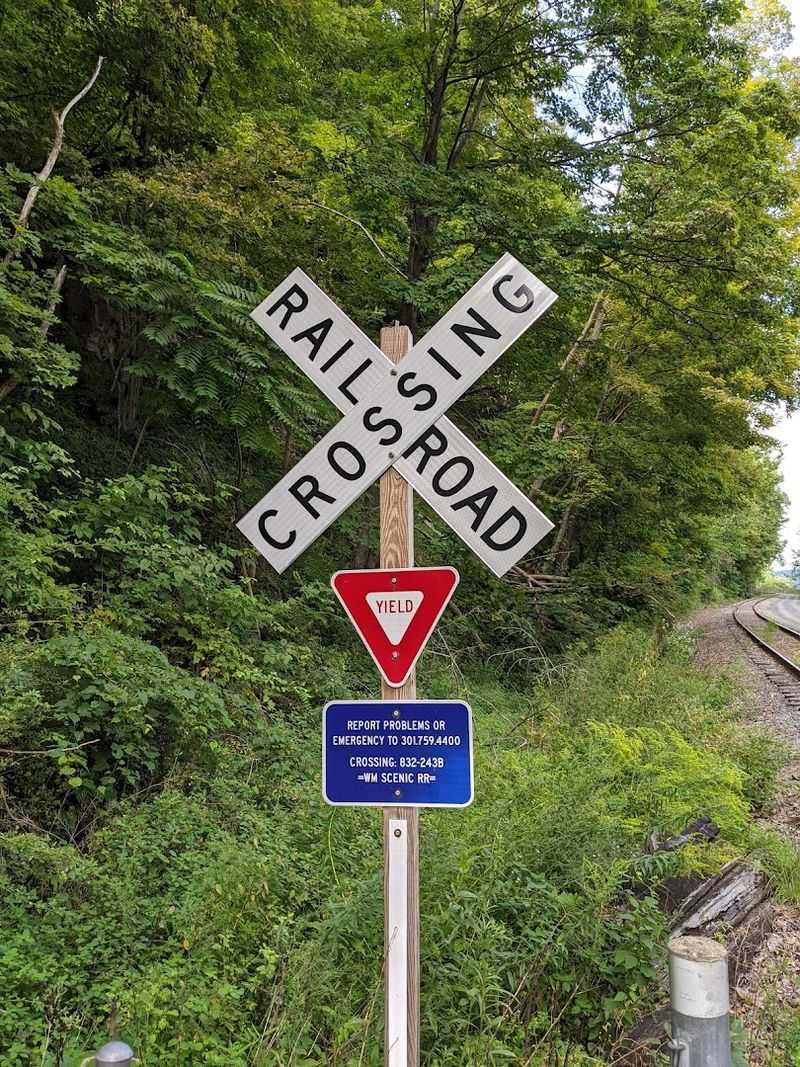
Good manners make this long corridor feel small in the best way. Announce passes with a bell or clear voice, then give a friendly thank you.
Keep right except to pass, and ride two abreast only when space and visibility allow.
Helmets, lights, and a simple flat kit solve most problems before they grow. Yield to pedestrians on narrow sections, and roll slowly near trailheads crowded with families.
Horses appear on occasional connectors, so dismount or keep distance if asked.
Cell coverage varies, which increases the value of paper maps and downloaded GPX files. A small first aid kit, sunscreen, and bug spray belong in the top tube bag.
Water capacity should match heat, with electrolytes earning a spot on sunnier days.
Local rules appear on kiosks, and volunteer crews appreciate riders packing out all trash. Shoulders relax when everyone communicates, and miles fly by with fewer surprises.
Courteous choices keep this place welcoming, practical, and joyfully shared by every user group.
Elevation, Pace, and Comfortable Daily Targets
Gentle grades can still stack up over long days, so pace choices matter. The climb from Cumberland to the Eastern Continental Divide is steady, never cruel.
Once you crest, momentum returns with long gliding miles toward Confluence and beyond.
Newer riders often settle around 30 to 45 miles per day with generous stops. Experienced tourers can stretch to 60 or 70 when daylight and tailwinds cooperate.
Breaks every 60 to 90 minutes help legs reset and keep snacks on schedule.
Gearing that favors higher cadence saves knees while hauling bags. A compact crank or wide range cassette lets you spin rather than grind.
Heart rate or perceived effort beats speed on crushed limestone, where conditions shift subtly with moisture.
Set an A plan and a B plan based on towns roughly 10 to 20 miles apart. Sharing a loose plan with your group prevents late day scrambles.
Arriving with energy left makes dinners happier, sleep deeper, and tomorrow’s first mile easier.
A 3 to 6 Day Itinerary That Works
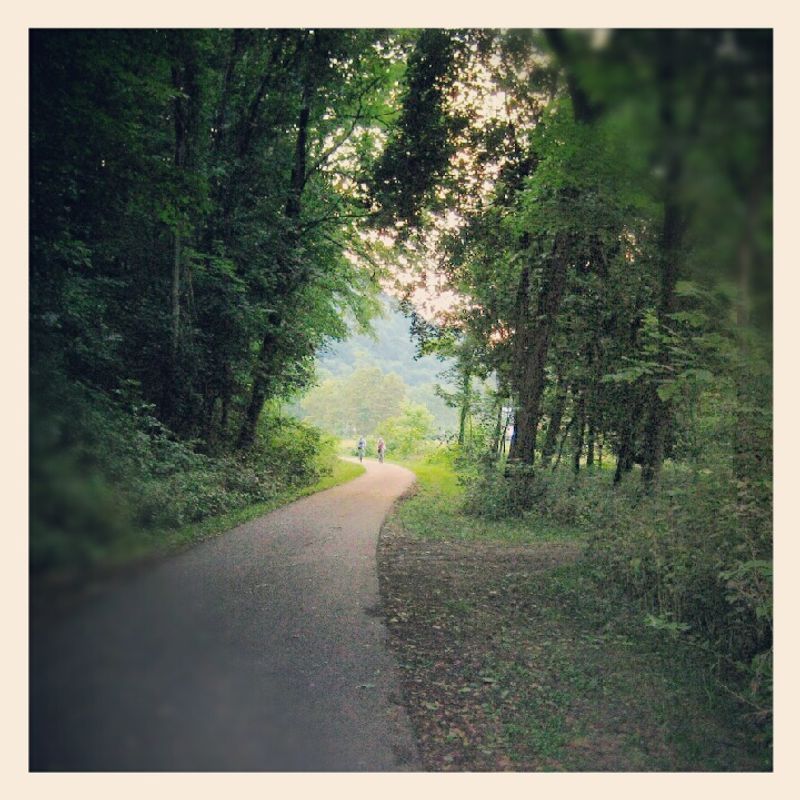
Short on time yet hungry for big scenery, consider a three day sampler. Start in Cumberland, climb to the Divide day one, then overnight near Meyersdale.
Day two crosses the Salisbury Viaduct and cruises to Confluence or Ohiopyle for river views.
Day three aims for West Newton or Boston, with a final morning push into Pittsburgh. This pacing captures tunnels, trestles, and welcoming towns without turning the ride into a slog.
Shuttle services close the loop cleanly, letting you focus on fun instead of car swaps.
With five to six days, stretch distances so afternoons include swims, bakeries, and side trails. Add a layover in Ohiopyle for whitewater or a hammock nap.
Another overnight in Rockwood or Connellsville gives flexibility when weather tosses curveballs.
Book lodging early during foliage season, and leave room for serendipity like a farm stand pie. Keep one dinner unscheduled so locals can steer you to a favorite.
By the terminus, your legs feel content, your photos look epic, and your calendar is planning a return.