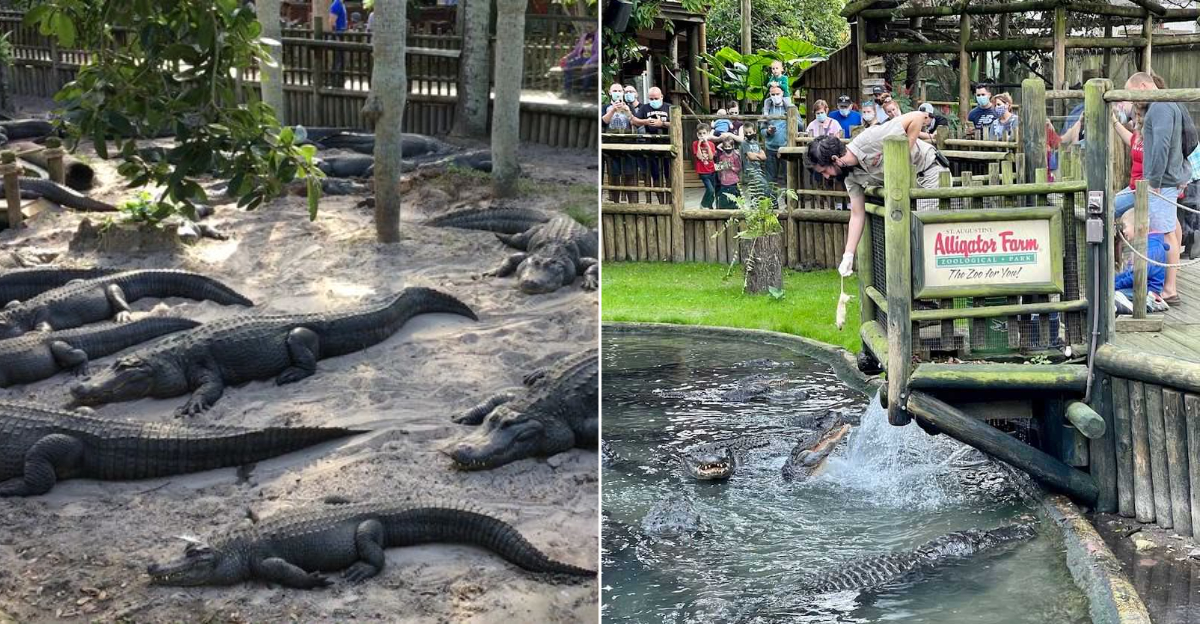
Tucked along Anastasia Boulevard in St. Augustine, Florida, the St. Augustine Alligator Farm Zoological Park has been wowing visitors for over 100 years. What started as a quirky roadside attraction has grown into a world-class zoological park featuring every species of crocodilian on the planet.
Whether you love wildlife, history, or a little adrenaline, this place delivers an unforgettable experience for all ages. Here are ten reasons why this legendary park deserves a top spot on your Florida bucket list.
Every Crocodilian Species on Earth, All in One Place
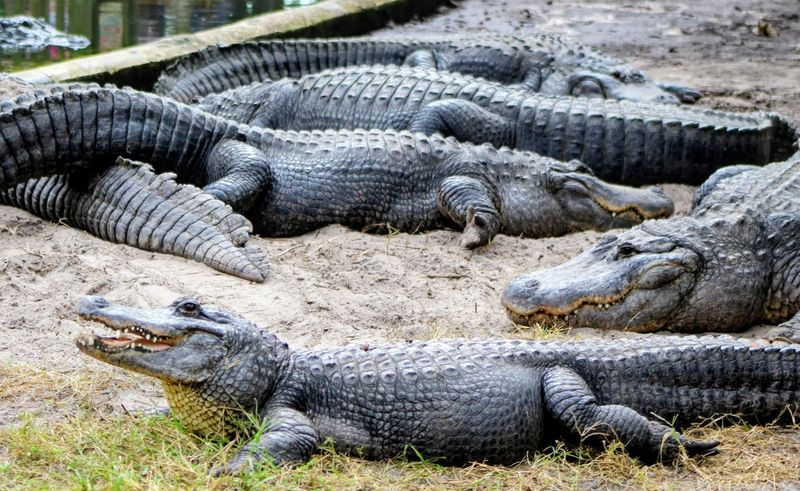
Somewhere in the world, there are 26 known species of crocodilians — and the St. Augustine Alligator Farm Zoological Park has every single one of them. That is not a marketing claim; it is a verified zoological achievement that very few institutions on the planet can match.
Walking through the park, you will encounter American alligators, saltwater crocodiles, gharials, caimans, and species most people have never even heard of.
Each enclosure is carefully designed to reflect the natural habitat of its residents. Informational signs explain the differences between species, their geographic origins, and the threats they face in the wild.
Staff members are genuinely passionate about what they do, and their enthusiasm makes each exhibit feel like a personal tour rather than a standard zoo visit.
For wildlife lovers and curious minds alike, this collection is jaw-dropping. Seeing a rare Siamese crocodile or a slender-snouted gharial up close puts the incredible diversity of reptile life into sharp perspective.
Visitors consistently say this part of the park alone is worth the price of admission. Plan to spend a good chunk of time here, because once you start exploring, it is very hard to walk away.
The Massive Alligator Lagoon and Its Staggering Population
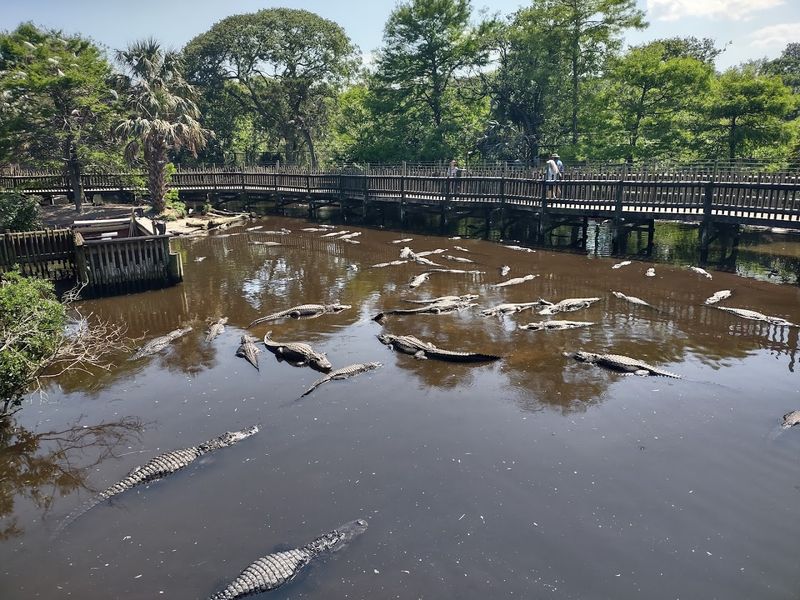
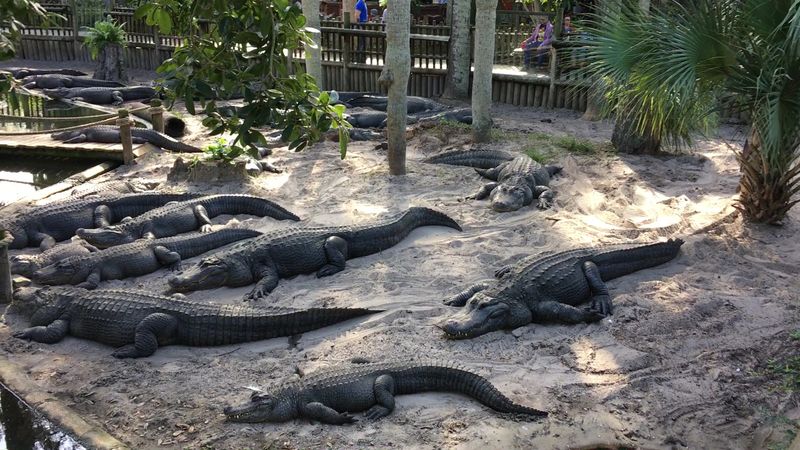
Ask a park keeper how many alligators live at the farm, and the answer will stop you in your tracks. According to staff, approximately 160 alligators roam the main swamp area alone, with somewhere between 500 and 600 total alligators living throughout the entire park.
Add another 200 to 300 crocodilians of other species, and you start to understand why this place earns five-star reviews almost universally.
The lagoon itself is a spectacle. Wooden boardwalks wind above the water, putting you just feet away from animals that have barely changed since the dinosaur age.
Chairs are set up along the edge so visitors can sit, relax, and watch the gators bask, swim, and occasionally vocalize with a deep, rumbling growl that surprises first-timers every single time.
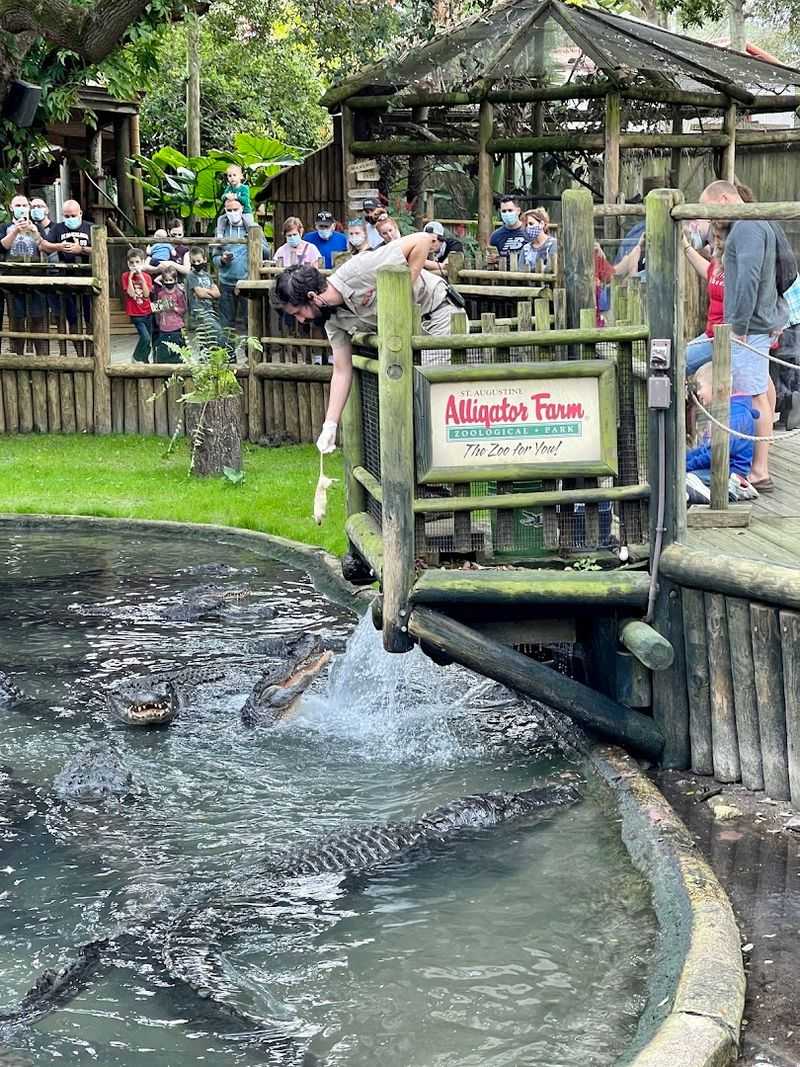
Feeding time transforms the lagoon into pure, thrilling chaos. Dozens of alligators surge toward the surface, snapping and splashing in ways that make you very grateful for the railing between you and them.
Families often describe this moment as the highlight of their entire trip. If you visit, check the schedule ahead of time and make sure you are there for a feeding — it is an experience that genuinely sticks with you.
Live Shows and Feeding Demonstrations That Steal the Show
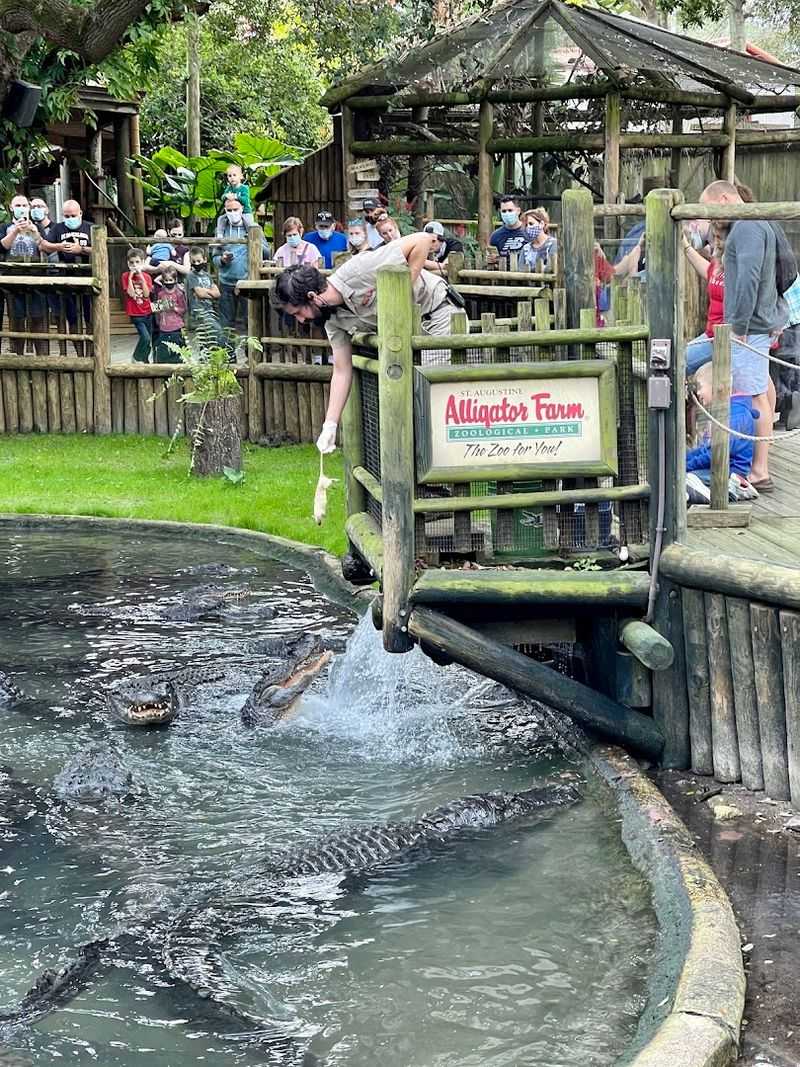
One of the most talked-about aspects of visiting the St. Augustine Alligator Farm is the live programming. Throughout the day, trained staff members lead shows and feeding demonstrations that combine education with genuine entertainment.
These are not scripted, robotic presentations — they feel more like conversations led by people who truly love what they do.
Reviewers frequently single out individual staff members by name for their outstanding performances. One keeper named Jordan drew particular praise for being entertaining, deeply knowledgeable, and completely at ease around the animals.
That kind of passionate expertise turns a casual zoo visit into something much more memorable. The shows are geared toward younger audiences but hold the attention of adults just as easily.
After each presentation, guests are usually welcome to ask questions, and the staff takes real time to answer them thoughtfully. This interactive element makes the shows feel personal rather than performative.
Multiple shows run throughout the day, so even if you miss one, another is never far away. Checking the daily schedule when you arrive is a smart move so you can plan your walk-through around the performances.
Many families say the shows gave them a much deeper appreciation for animals they thought they already knew.
Zip Lining Over Alligators for a One-of-a-Kind Thrill
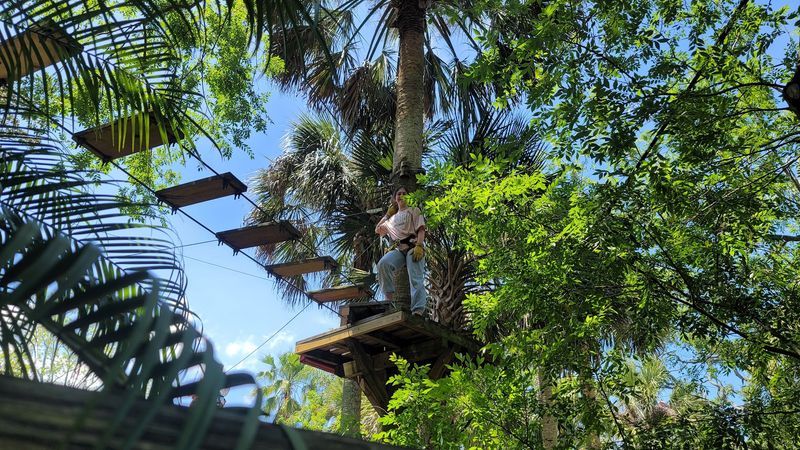
Most zoos ask you to look at the animals from behind a fence. The St. Augustine Alligator Farm gives you the option to fly over them.
The park’s zip line course sends riders soaring above the enclosures, offering a bird’s-eye view of the gators and crocodilians below that no ground-level walkway can replicate. It is genuinely unlike anything else you will find at a zoological attraction.
The zip line requires a separate ticket and has a minimum age of 8 and a height requirement of 44 inches. Safety is taken seriously, and the equipment is well-maintained.
For families with older kids or adults looking for a little extra excitement, this add-on is consistently described as a highlight worth every penny. The combination of adrenaline and wildlife viewing is a rare pairing that makes the Alligator Farm truly stand apart from other Florida attractions.
Even visitors who skip the zip line say watching others fly overhead adds an entertaining visual layer to the park experience. From below, you can see riders reacting with wide eyes and big smiles as they realize exactly what is beneath them.
Whether you are the type to strap in and go or the type to cheer from the ground, the zip line adds undeniable energy to the whole visit.
The Incredible Bird Rookery and Nesting Season Magic
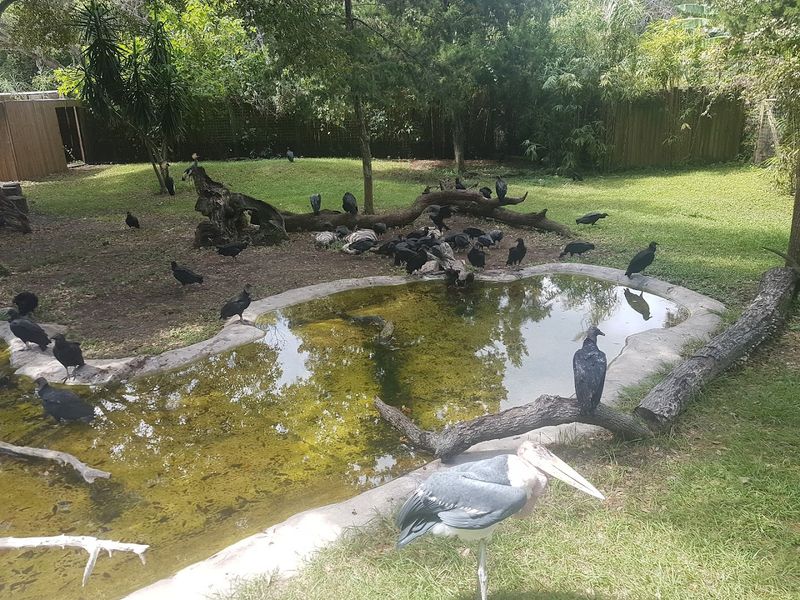
Here is something most first-time visitors do not expect: one of the best bird-watching spots in all of Florida is located right inside an alligator park. Wild herons, egrets, roseate spoonbills, and wood storks have chosen the trees above the park’s enclosures as their preferred nesting ground.
The reason? Alligators below keep predators away, making it a surprisingly safe place for birds to raise their young.
During nesting season, the rookery becomes a breathtaking natural spectacle. Dozens of large wading birds crowd the branches just feet above your head, tending to nests, feeding chicks, and filling the air with calls.
Photographers absolutely love this area, and it is easy to see why — the proximity and natural behavior on display are extraordinary. One reviewer described it as a moment where you completely forget you are at a tourist attraction.
Even outside of peak nesting season, the bird life around the park is impressive. The lush tree canopy throughout the grounds attracts a wide variety of local species, adding an unexpected layer of natural beauty to the experience.
Bird lovers often say the rookery alone justifies the trip. If you are visiting between late winter and early summer, you are in for a particularly special treat at this one-of-a-kind natural crossover.
Rare and Famous Residents Like Mr. Bones the Albino Alligator
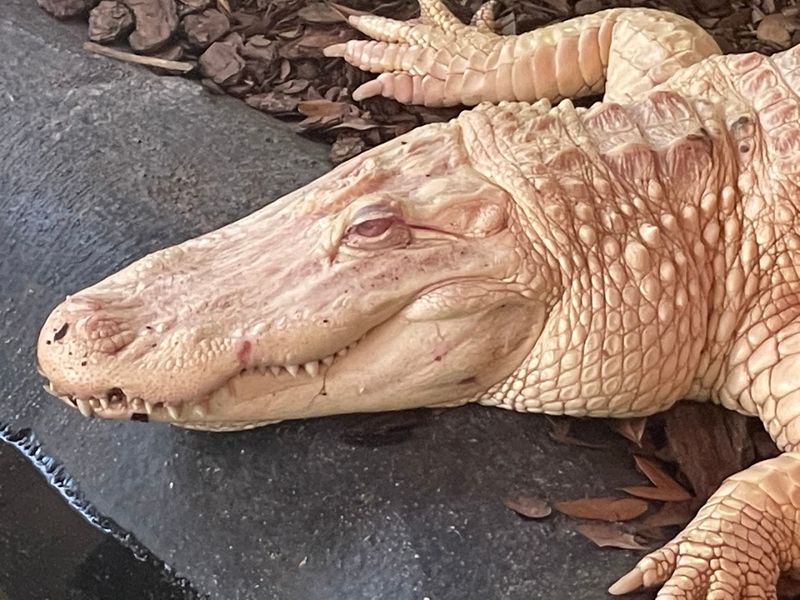
Not every zoo can claim a celebrity animal, but the St. Augustine Alligator Farm has a few. Mr. Bones, the park’s albino alligator, is one of the most photographed and beloved residents on the property.
Albino alligators are extraordinarily rare in the wild, where their lack of pigmentation makes survival nearly impossible. Seeing one up close is a genuinely special moment that visitors of all ages react to with visible awe.
Then there is Maximo, a massive saltwater crocodile that multiple reviewers have described as possibly the largest crocodile they have ever seen. Saltwater crocodiles are the biggest reptiles on earth, and Maximo lives up to that reputation in every way.
Standing at his enclosure, the sheer scale of the animal is almost hard to process. Staff members love talking about him, and the stories they share make the encounter even more compelling.
Beyond these two stars, the park is full of animals with their own personalities and stories. Elmer the duck has apparently won over a devoted fan base among regular visitors.
The rare gharial — a slender-snouted crocodilian from South Asia — also draws fascinated crowds. Each of these animals adds a unique character to the park that makes returning visits feel fresh and worth every trip back.
Exotic Wildlife Beyond Reptiles: Sloths, Lemurs, and Giant Tortoises
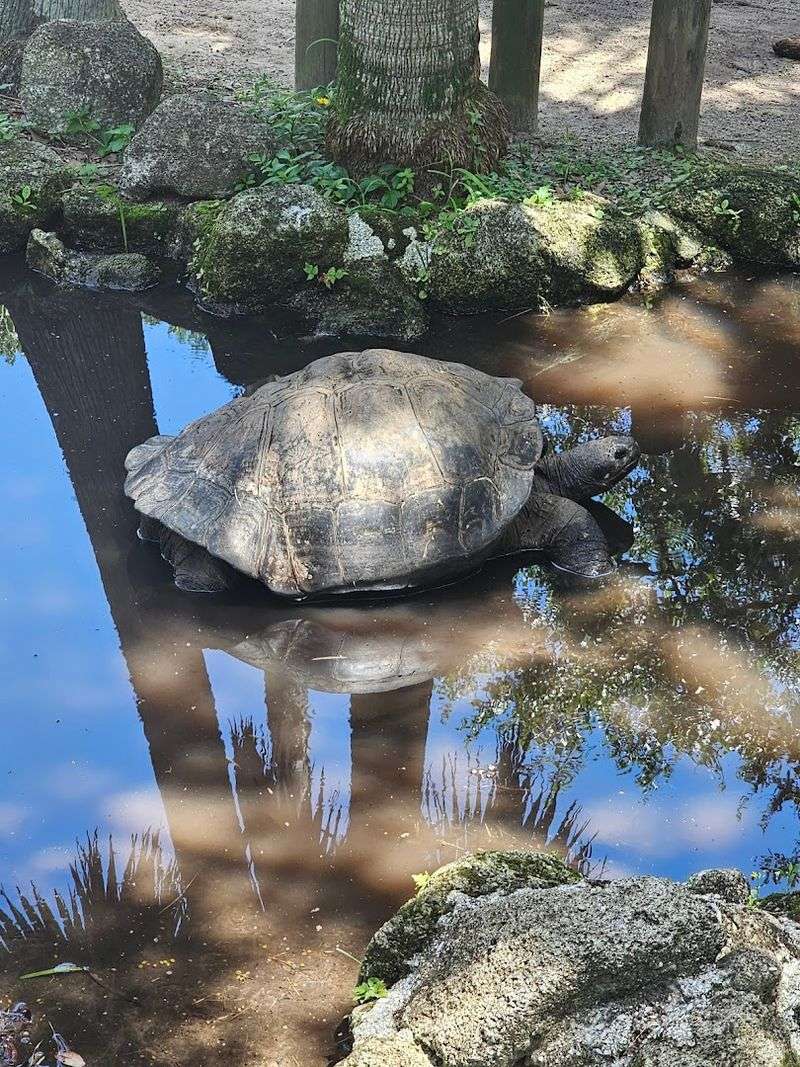
Despite what the name suggests, the St. Augustine Alligator Farm is a full zoological park with a diverse animal collection that stretches well beyond reptiles. Sloths, lemurs, giant Galapagos tortoises, small monkeys, and a wide variety of birds all call this park home.
For visitors expecting nothing but alligators, this variety comes as a very pleasant surprise.
The Galapagos tortoises are a particular crowd favorite. During a snack break at the park’s cafe, guests can watch these ancient giants from their seats — a surreal and oddly peaceful dining experience.
One reviewer who spent four hours at the park mentioned this moment specifically as one of their favorites. There is something deeply calming about watching a creature that can live for over 100 years slowly go about its day.
The sloths and lemurs draw plenty of attention too, especially from younger visitors who may not have seen these animals outside of a book or screen. The enclosures throughout the park are described by reviewers as spacious, well-maintained, and thoughtfully designed to reflect each animal’s natural environment.
The overall animal welfare at this park is something guests consistently notice and appreciate, making the experience feel responsible as well as entertaining.
A Shaded, Nature-Filled Layout That Keeps You Cool
Florida heat is no joke, especially in the summer months when temperatures regularly climb into the upper 80s and 90s. Thankfully, the St. Augustine Alligator Farm was practically designed with shade in mind.
A dense canopy of mature trees covers most of the park’s pathways and exhibits, creating a surprisingly comfortable environment even on the hottest days. One reviewer noted that despite visiting when it was nearly 90 degrees, they never felt overheated during their time in the park.
The boardwalk system winds through areas that genuinely feel like a natural Florida ecosystem. The swamp walkway, in particular, draws comparisons to the Everglades — a living, breathing corridor of water, wildlife, and ancient trees draped in Spanish moss.
Walking it feels less like a zoo visit and more like a nature hike, which is a rare quality for an urban attraction.
For moments when you need a real break from the heat, the park has an air-conditioned theater and a cafe with a comfortable seating area. Strollers move easily along the paved and boardwalk paths, making the layout accessible for families with young children.
The thoughtful design of the grounds is something visitors frequently mention as one of the reasons they stayed longer than expected and left wanting to come back.
Over a Century of History on Florida’s First Coast
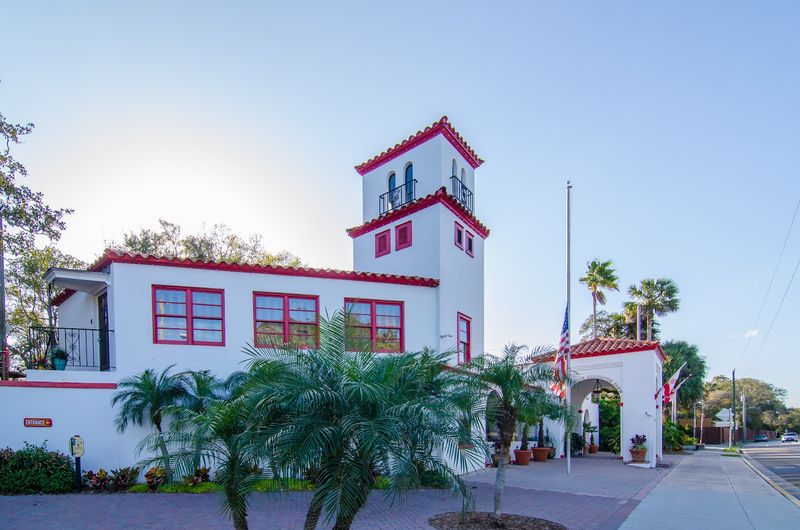
Some attractions feel like they were built last year to catch tourist dollars. The St. Augustine Alligator Farm is the opposite — it carries more than a century of genuine history within its walls.
Founded in the late 1800s, the park is one of the oldest continuously operating attractions in the state of Florida. That kind of longevity does not happen by accident; it reflects a sustained commitment to quality, education, and the welfare of its animals.
St. Augustine itself is the oldest city in the United States, and the Alligator Farm fits naturally into that fabric of deep historical identity. Visiting the park feels like stepping into a living piece of Florida’s story, back to a time when the state was still wild and untamed.
The connection between the park and the city gives the whole experience a richness that newer attractions simply cannot manufacture.
Over the decades, the farm has evolved from a simple roadside curiosity into a fully accredited zoological institution with serious conservation credentials. It participates in species survival programs and actively supports efforts to protect reptiles in the wild.
That evolution from novelty to necessity is something worth appreciating. When you buy a ticket here, you are supporting over 100 years of wildlife stewardship on Florida’s storied First Coast.
Practical Tips for Planning Your Visit to the Alligator Farm
Getting the most out of your visit starts with a little planning. The park is open every day from 9 AM to 5 PM, giving you a solid window to explore without rushing.
Most visitors report spending between two and four hours on the grounds, though some families stay until closing. Arriving early on weekends helps you beat the crowds, especially around the feeding shows, which can get packed during peak tourist season.
Adult tickets run around $37, which some visitors find steep at first glance. However, the overwhelming consensus in reviews is that the experience justifies the cost.
The park also offers discounts for guests with disabilities, so calling ahead at (904) 824-3337 is a smart move if that applies to your group. An annual pass is worth considering if you live nearby or plan to visit St. Augustine more than once.
Wear comfortable walking shoes, bring sunscreen, and carry water even though the tree cover helps with heat. The park is largely outdoors, so checking the weather before you go is a good habit.
The gift shop is well-stocked and makes for a fun final stop — just be warned, it is hard to leave empty-handed. The park is located at 999 Anastasia Blvd, just minutes from the St. Augustine Lighthouse.