Tucked deep inside the Big Cypress Seminole Indian Reservation near Clewiston, Florida, the Ah-Tah-Thi-Ki Museum is one of the most extraordinary cultural destinations in the entire state.
Its name means “a place to learn, a place to remember” in the Seminole language, and that meaning comes alive the moment you step onto its 60 acres of untouched Everglades wilderness.
Spanning over 5,000 years of Seminole history, this museum blends world-class exhibits with a breathtaking natural landscape in a way you simply won’t find anywhere else.
Whether you’re a history lover, a nature enthusiast, or just looking for something truly unforgettable, Ah-Tah-Thi-Ki delivers an experience that stays with you long after you leave.
Why Ah-Tah-Thi-Ki Is Unlike Any Museum You’ve Visited
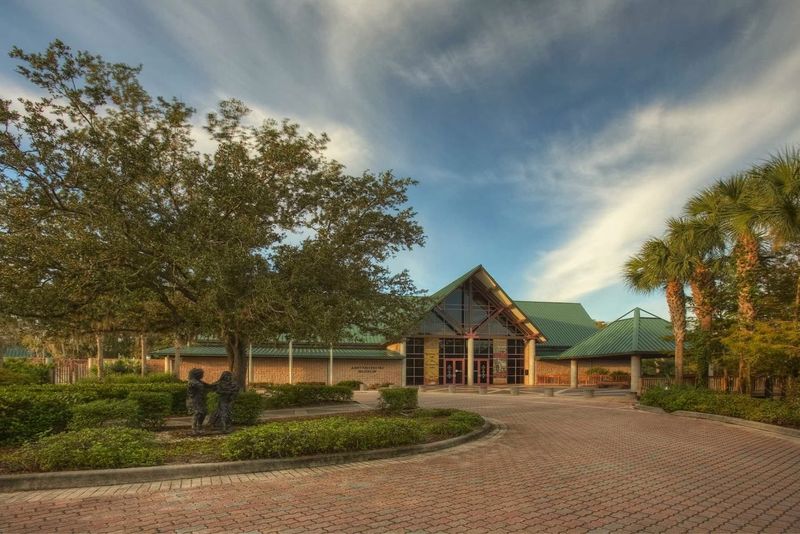
Some museums feel like quiet rooms full of old things behind glass. Ah-Tah-Thi-Ki feels like stepping into a living, breathing world.
Sitting on 60 acres of untouched Everglades inside the Big Cypress Seminole Indian Reservation, this museum wraps culture and nature together in a way that few places on Earth can match.
The name itself — Ah-Tah-Thi-Ki — translates to “a place to learn, a place to remember” in the Seminole language. That phrase isn’t just a tagline; it’s the heartbeat of everything happening here.
From the moment visitors arrive, the experience feels personal, respectful, and deeply rooted in the land.
What makes this place truly special is that it was built by the Seminole people, for the Seminole people — and then generously opened to the world. You’re not just observing a culture from the outside; you’re being welcomed into it.
The cypress trees, the marsh air, the traditional structures — all of it works together to create something rare. This is a destination that deserves far more attention than it gets, and every visit helps support the ongoing preservation of Seminole heritage.
How the Museum Came to Be: Founding and Accreditation
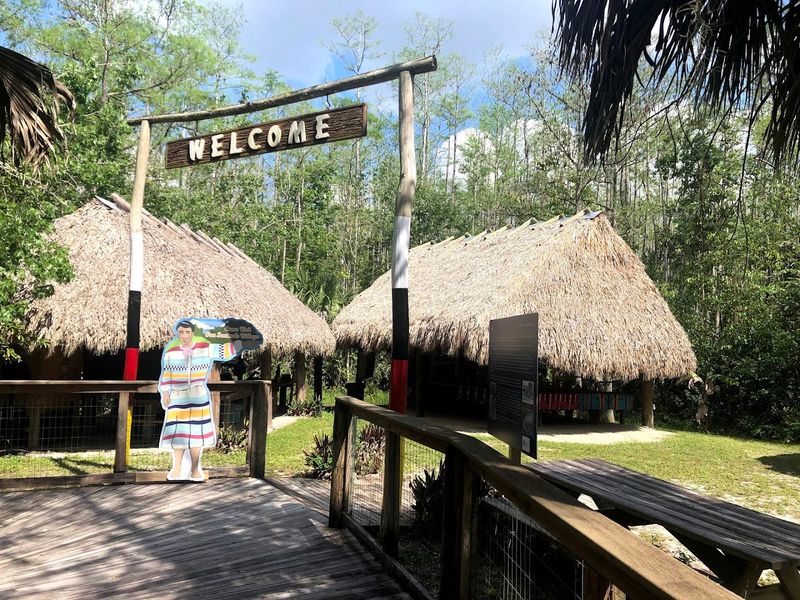
Founded in 1997 by the Seminole Tribe of Florida, Ah-Tah-Thi-Ki was created with a clear and powerful purpose: to preserve, protect, and share the rich cultural legacy of the Seminole people. The tribe recognized that their history needed a permanent, respected home — one they fully controlled and shaped on their own terms.
That vision paid off in a remarkable way. Ah-Tah-Thi-Ki became the first tribally governed museum in the United States to earn accreditation from the American Alliance of Museums, formerly known as the American Association of Museums.
That distinction is a big deal. Accreditation means the museum meets the highest standards in collections management, educational programming, and professional practices.
Earning that recognition wasn’t just a badge of honor — it was proof that Indigenous-led institutions can lead the entire museum world in excellence. The Seminole Tribe didn’t wait for outside institutions to tell their story.
They built the infrastructure, trained the staff, and created something that set a national benchmark. For anyone who cares about representation, cultural integrity, and the power of self-determination, the founding story of Ah-Tah-Thi-Ki is genuinely inspiring to learn about.
Celebrating a Living Culture: The Museum’s Mission and Vision
At its core, Ah-Tah-Thi-Ki isn’t just about the past — it’s about a culture that is very much alive today. The museum’s mission is to celebrate, preserve, and interpret centuries of Seminole history, from the earliest Indigenous lifeways to the vibrant cultural expressions happening right now in Seminole communities across Florida.
That forward-looking approach sets it apart from museums that treat Indigenous history as something frozen in time. Here, visitors learn not only where the Seminole people came from, but also how they adapted, survived, and thrived through centuries of enormous challenge — including wars, forced removal attempts, and decades of political struggle.
The Seminoles are famously known as the “Unconquered People” because they never signed a peace treaty with the U.S. government.
The museum’s vision honors that resilience without turning it into a spectacle. Exhibits are thoughtfully curated to show the full arc of Seminole life — spiritual practices, family structures, artistic traditions, and community values.
Visitors leave with a much richer understanding of what it means to belong to one of America’s most enduring Indigenous nations. The mission feels genuine because the people behind it have everything at stake.
Permanent Exhibits: Step Inside Seminole Life in the 1890s
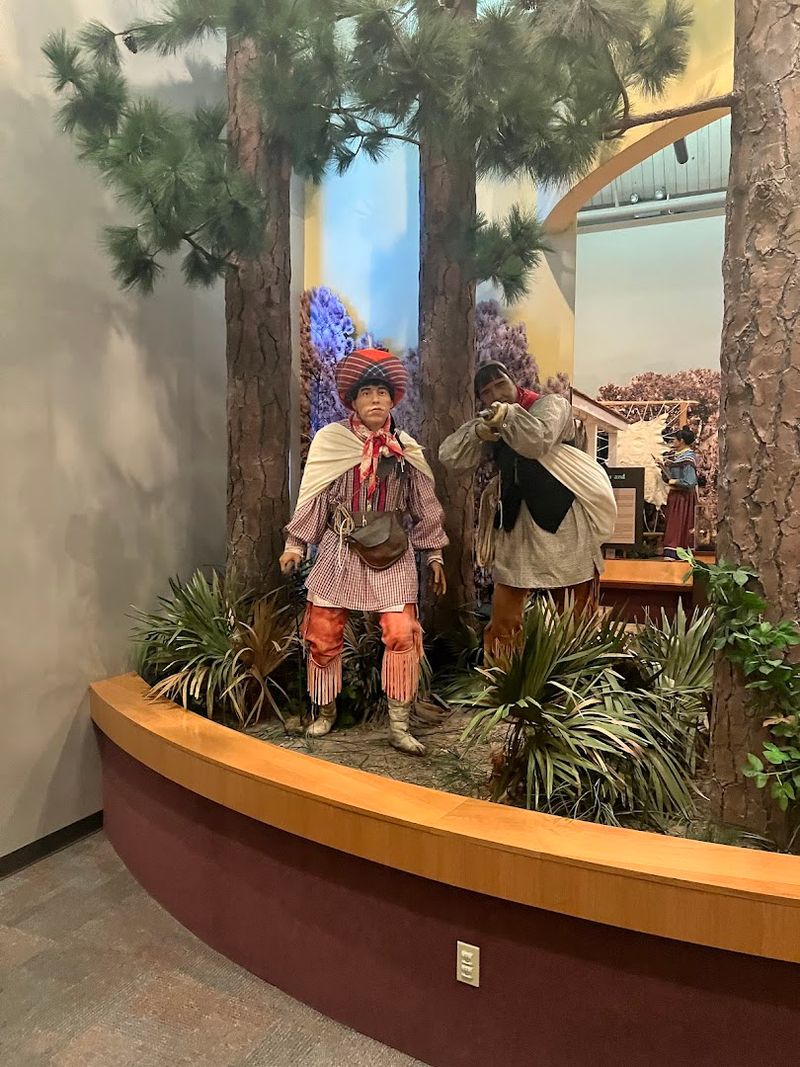
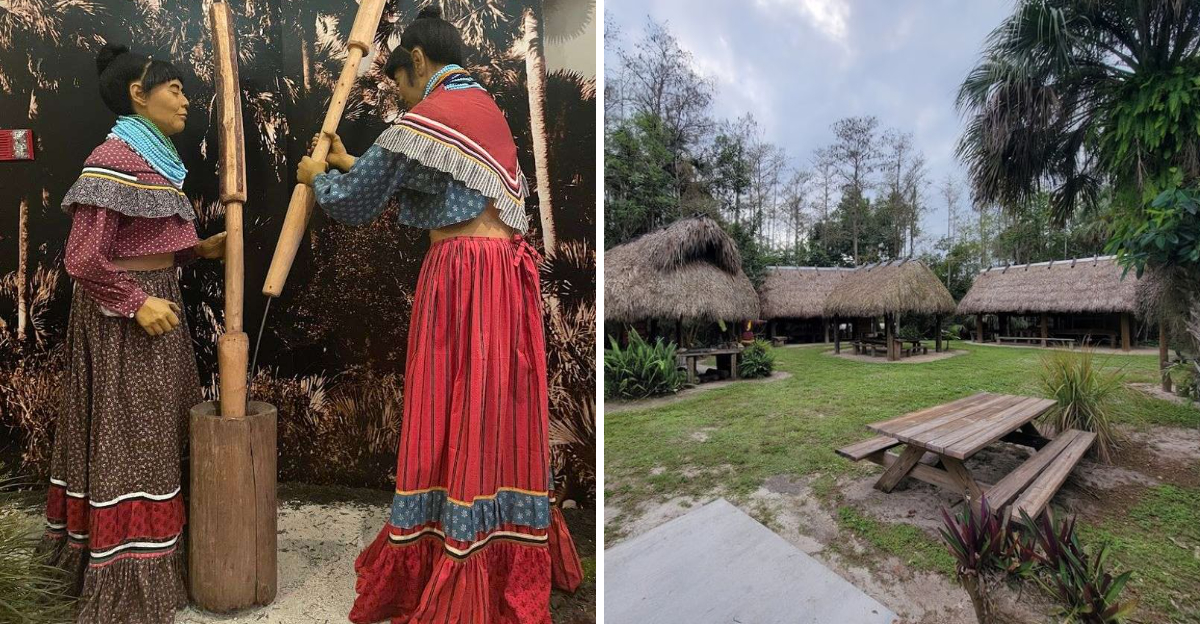
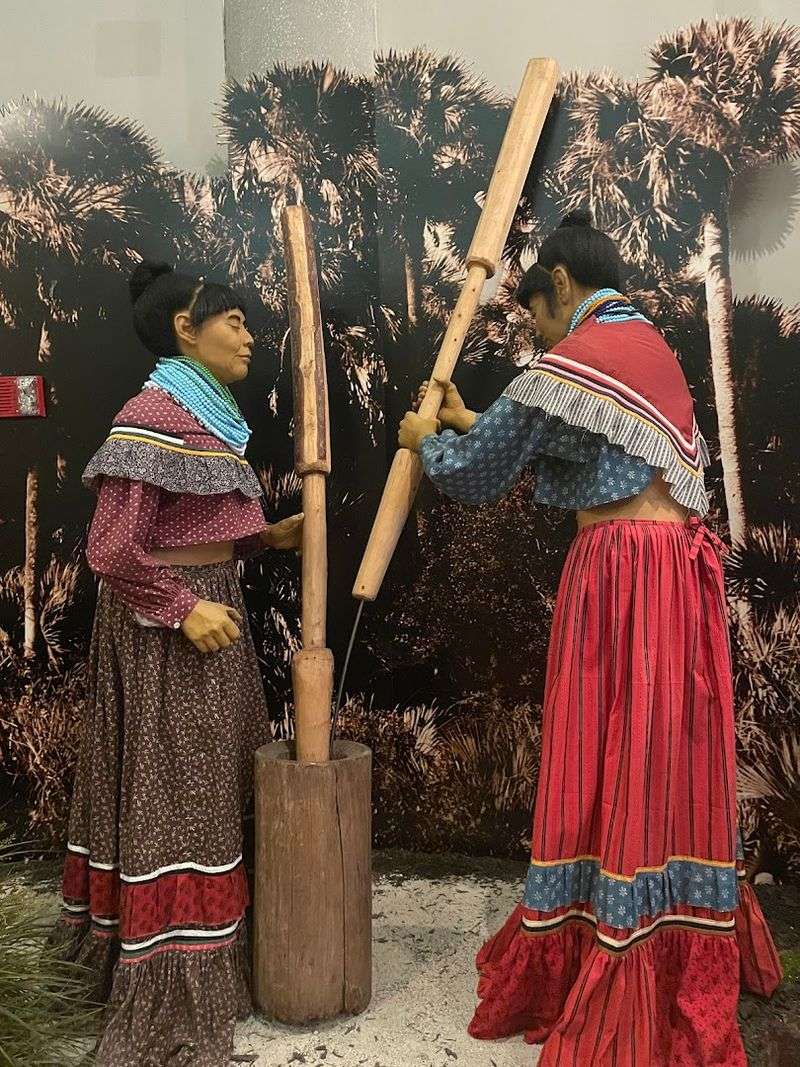
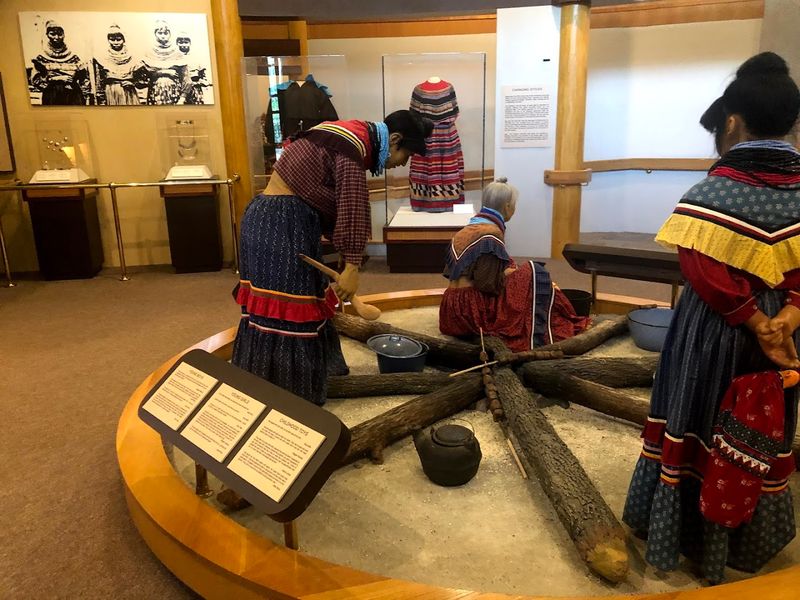
Walking into the permanent galleries at Ah-Tah-Thi-Ki feels like stepping through a time portal. The centerpiece of the museum experience is a stunning series of life-size dioramas that recreate Seminole life as it looked in the 1890s — a period of deep cultural richness set against the backdrop of the Florida Everglades.
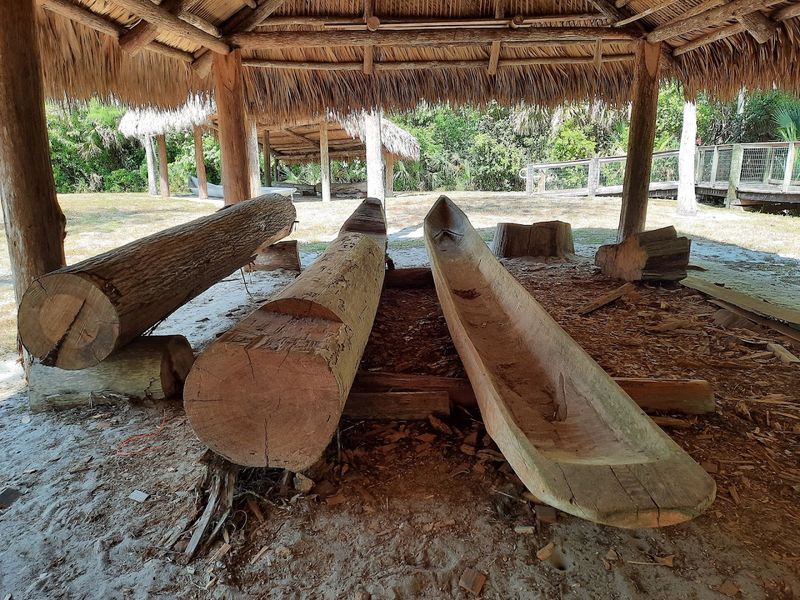
Visitors can see incredibly detailed scenes of daily life: Seminole families traveling by dugout canoe through cypress swamps, hunters tracking game through dense marshland, women preparing food over open fires, and children playing near traditional chickee structures. Each diorama is packed with authentic detail that makes history feel real and immediate rather than distant and abstract.
One particularly memorable display depicts the Catfish Dance, a ceremonial gathering that gives visitors a window into the spiritual and social life of the Seminole community. The craftsmanship behind these exhibits is extraordinary — the figures, clothing, and environments were created with input from tribal members to ensure accuracy and cultural respect.
Kids especially love walking through these galleries because everything feels so vivid and tangible. It’s the kind of history lesson that no textbook could ever replicate, and it lingers in your memory long after the visit ends.
We Seminoles: The Orientation Film That Sets the Stage
Before exploring the galleries, visitors are invited into a unique orientation theater that features a five-screen film called We Seminoles. Produced directly by the Seminole Tribe of Florida, this short but powerful film gives newcomers a rich historical foundation that makes everything else in the museum click into place.
Watching a story told entirely by the people who lived it makes a huge difference. We Seminoles isn’t narrated from the outside looking in — it’s the Seminole people speaking for themselves, sharing their perspective on their own history, struggles, and enduring identity.
The five-screen format wraps around the audience, creating a truly immersive viewing experience that goes well beyond a standard museum video.
Topics covered include the Seminole Wars, the tribe’s refusal to sign a peace treaty, life in the Everglades, and the cultural values that have kept the community strong across generations. Many visitors say this film is one of the most emotionally resonant parts of the entire museum experience.
Starting your visit here is strongly recommended because it transforms the exhibits from interesting displays into deeply personal stories. Give yourself time to sit, watch, and absorb — the film is short, but what it communicates stays with you for a very long time.
A Mile-Long Boardwalk Through the Heart of the Everglades
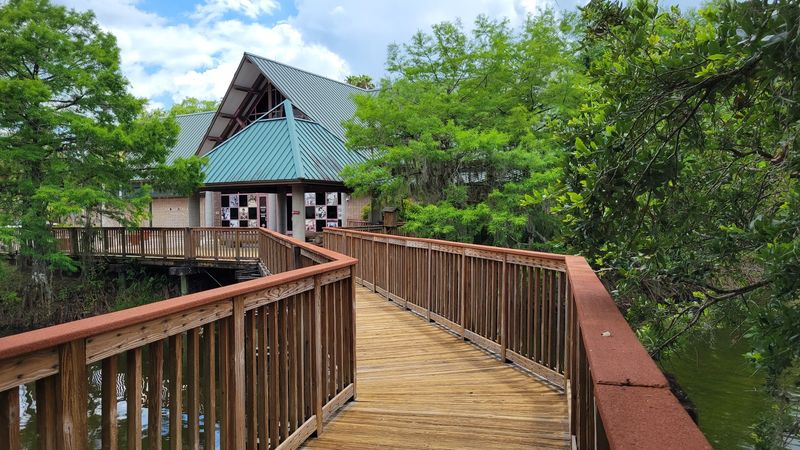
Leaving the museum building and stepping onto the outdoor boardwalk is a moment visitors rarely forget. Stretching one mile through a 60-acre cypress dome, the boardwalk winds through one of the most pristine patches of Everglades ecosystem you can access without a boat or a guide.
Massive cypress trees tower overhead, their roots rising from dark, glassy water below.
Along the trail, interpretive signs explain both the ecology of the Everglades and the Seminole people’s deep relationship with the plants and animals around them. You’ll learn which plants were used for medicine, which trees provided building materials for traditional chickee huts, and how the land shaped every aspect of Seminole daily life.
It’s an education in ecology and cultural history happening simultaneously, outdoors, in real time.
The boardwalk is accessible and relatively flat, making it manageable for most visitors including families with young children. Early morning walks are particularly magical — the light filtering through the cypress canopy, the sounds of birds and insects, and the stillness of the water create an atmosphere that feels genuinely sacred.
Wildlife sightings are common here, including birds, turtles, and the occasional alligator. Wear comfortable shoes and bring bug spray, especially during warmer months.
Seminole Village and Ceremonial Grounds Along the Trail
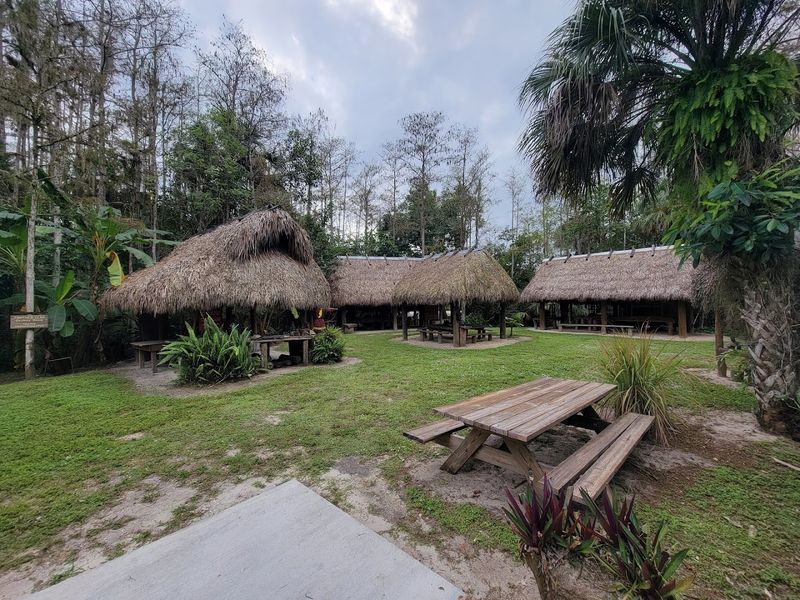
Midway along the boardwalk, visitors come upon something unexpected and wonderful — a recreated traditional Seminole village complete with open-air chickee structures and ceremonial gathering spaces. The village isn’t a Hollywood-style theme park recreation; it’s a carefully researched and tribally approved representation of how Seminole communities actually lived and gathered for generations.
On many days, tribal artisans can be found here demonstrating traditional crafts that have been passed down through families for centuries. Beadwork, basketry, patchwork sewing, and wood carving are among the skills you might witness up close.
Watching an artisan create intricate Seminole patchwork — a tradition that evolved in the early 20th century and became a defining art form of the tribe — is genuinely mesmerizing. The patterns are bold, geometric, and deeply symbolic.
The ceremonial grounds nearby offer a quiet, reflective space where visitors can learn about the spiritual life of the Seminole community. Signage is respectful and informative without overstepping cultural boundaries.
Children are often delighted by the hands-on atmosphere of the village area, and many families say this is the highlight of their entire visit. It’s one thing to read about a culture; it’s another to stand inside a space where that culture breathes and continues to grow.
Rotating Exhibits and Special Programs Throughout the Year
Beyond the permanent galleries, Ah-Tah-Thi-Ki keeps things fresh with a rotating schedule of special exhibits and cultural programs that explore both historical and contemporary dimensions of Seminole life. Repeat visitors often find something new on every trip, which makes the museum worth returning to across different seasons.
Past rotating exhibits have spotlighted Seminole artists working in contemporary mediums, archival photographs from key moments in tribal history, and collections of ceremonial objects that rarely go on public display. The museum also hosts events tied to the tribal calendar, giving outsiders a glimpse into how Seminole culture continues to evolve and celebrate itself in the present day.
Educational programs are offered for school groups, community organizations, and individual learners who want to go deeper than a standard museum walk-through. Storytelling sessions, craft workshops, and guided tours led by tribal members bring an authenticity that no outside educator could replicate.
Checking the museum’s website or calling ahead before your visit is a smart move — special events often add a layer of richness to the experience that you’d hate to miss. The museum’s programming reflects a community that is actively engaged with its own story rather than simply preserving it under glass.
Educational Value and the Museum’s Lasting Cultural Impact
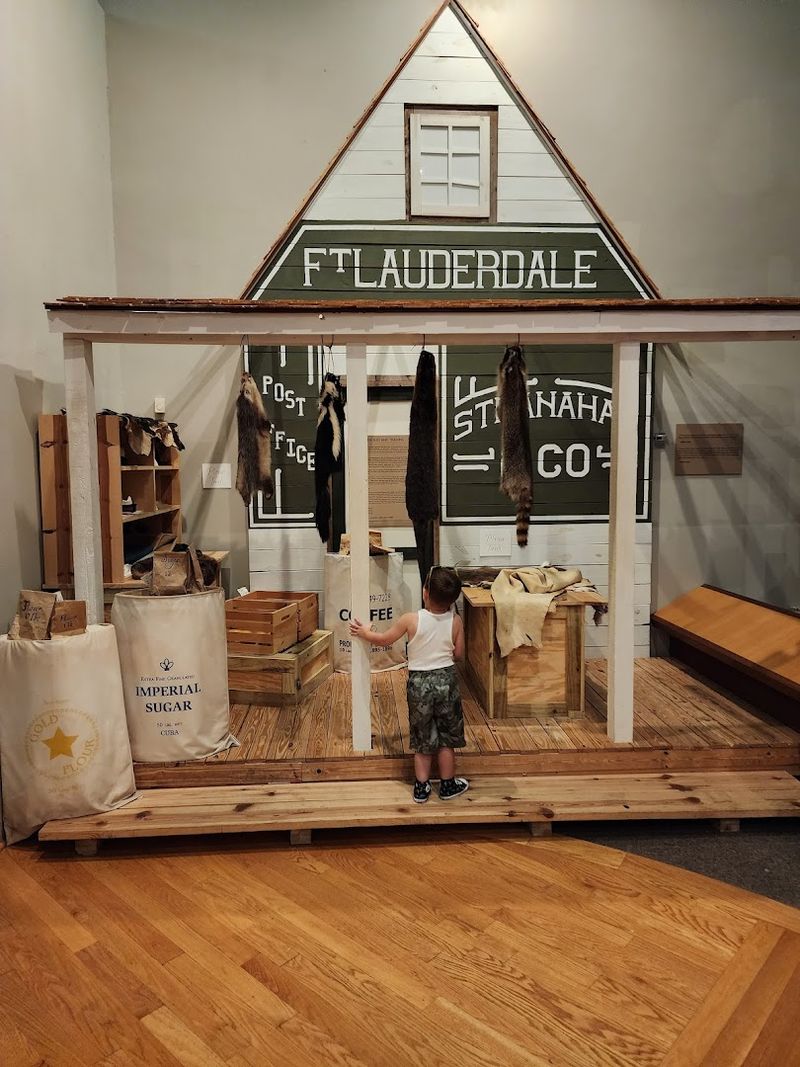
Few cultural institutions in Florida serve as important an educational role as Ah-Tah-Thi-Ki. For Seminole tribal members — especially young people — the museum is a living archive of identity, a place where ancestry is honored and the next generation is connected to something larger than themselves.
That internal cultural function alone would justify the museum’s existence.
For outside visitors, the educational value is equally profound. Most Americans know very little about the Seminole people beyond a few lines in a history textbook.
A visit to Ah-Tah-Thi-Ki corrects that in a way that feels respectful, engaging, and genuinely illuminating. Teachers regularly bring school groups here because the museum’s exhibits translate complex history into experiences that kids actually absorb and remember.
The broader cultural impact ripples outward too. By telling their own story on their own terms, the Seminole Tribe of Florida has created a model for Indigenous self-representation that other tribal nations across the country have studied and admired.
The museum challenges visitors to rethink assumptions about Native American history and to recognize that these are not stories of the past — they are ongoing, living narratives of a people who never gave up. That realization alone is worth the drive to Clewiston.
Plan Your Visit: Hours, Admission, and Helpful Tips
Getting to Ah-Tah-Thi-Ki takes a little planning, but the reward is absolutely worth it. The museum is located at 34725 West Boundary Road, Clewiston, FL 33440, deep inside the Big Cypress Seminole Indian Reservation.
It’s open daily from 9 AM to 5 PM, though boardwalk access closes at 4 PM, so arriving early gives you the best experience.
Admission is very reasonable — roughly $10 for adults, $7.50 for seniors, students, and military personnel, and free for young children and Seminole tribal members. For a full experience that includes the orientation film, all gallery exhibits, and the complete boardwalk trail, budget about 1.5 to 2 hours.
Families with curious kids might want to allow even more time.
A few practical tips: wear comfortable, closed-toe shoes for the boardwalk, bring insect repellent especially from spring through fall, and carry water since the outdoor trail can feel warm on sunny days. Photography is welcome in most areas.
For questions about group tours, special events, or accessibility accommodations, call the museum directly at +1 877-902-1113. The staff is knowledgeable and genuinely welcoming.
Whether you’re a first-time visitor or coming back for another look, Ah-Tah-Thi-Ki never disappoints.