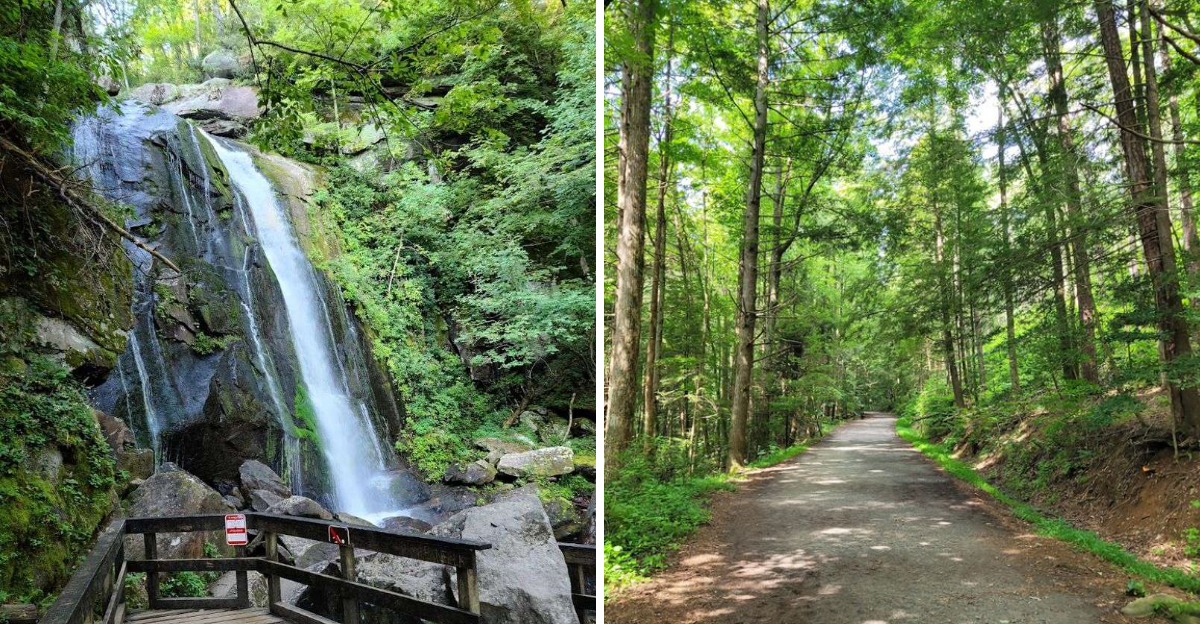
Tucked away in the foothills of Burke County, North Carolina, South Mountains State Park is one of the state’s best-kept secrets for outdoor lovers.
Sprawling across nearly 19,000 acres of rugged terrain, it offers everything from thundering waterfalls to quiet backcountry campsites.
Whether you are a seasoned hiker or a first-time camper, this park has something remarkable waiting for you.
Pack your boots, grab your gear, and get ready to explore one of North Carolina’s most rewarding wilderness destinations.
South Mountains State Park: A Rugged Wilderness Escape
Not every great adventure requires a long road trip to a national park. Sometimes the most rewarding escapes are hiding just beyond your own backyard, and South Mountains State Park in Connelly Springs, North Carolina, is exactly that kind of hidden gem.
Covering nearly 19,000 acres in the Appalachian foothills, this park feels more like backcountry wilderness than a typical state park. Elevations climb high, forests grow thick, and the sounds of rushing water follow you down almost every trail.
The landscape here is dramatic and raw, shaped by centuries of wind, rain, and rugged geology.
Burke County locals have long treasured this place, but visitors from across the state and beyond are catching on fast. The park sits far enough from city noise to feel truly remote, yet it remains accessible from major highways.
First-time visitors are often surprised by just how wild and vast the terrain feels once they step past the trailhead. South Mountains State Park earns its reputation as one of North Carolina’s finest outdoor destinations.
High Shoals Falls: The 80-Foot Showstopper
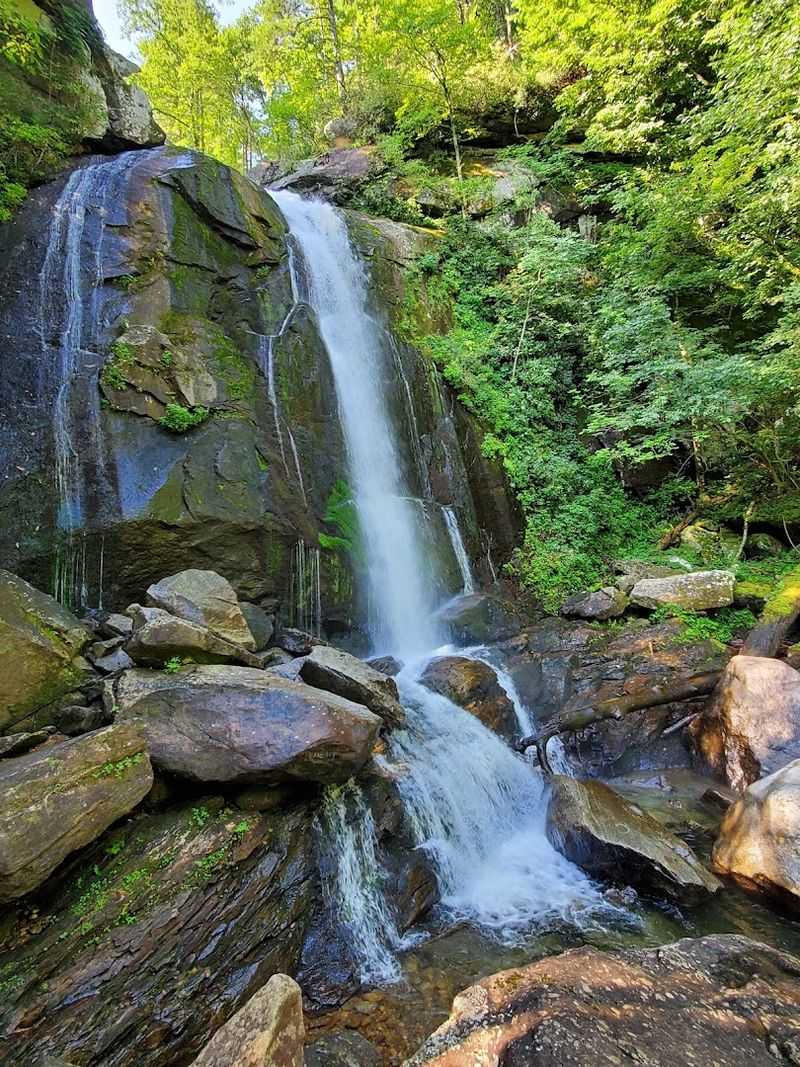
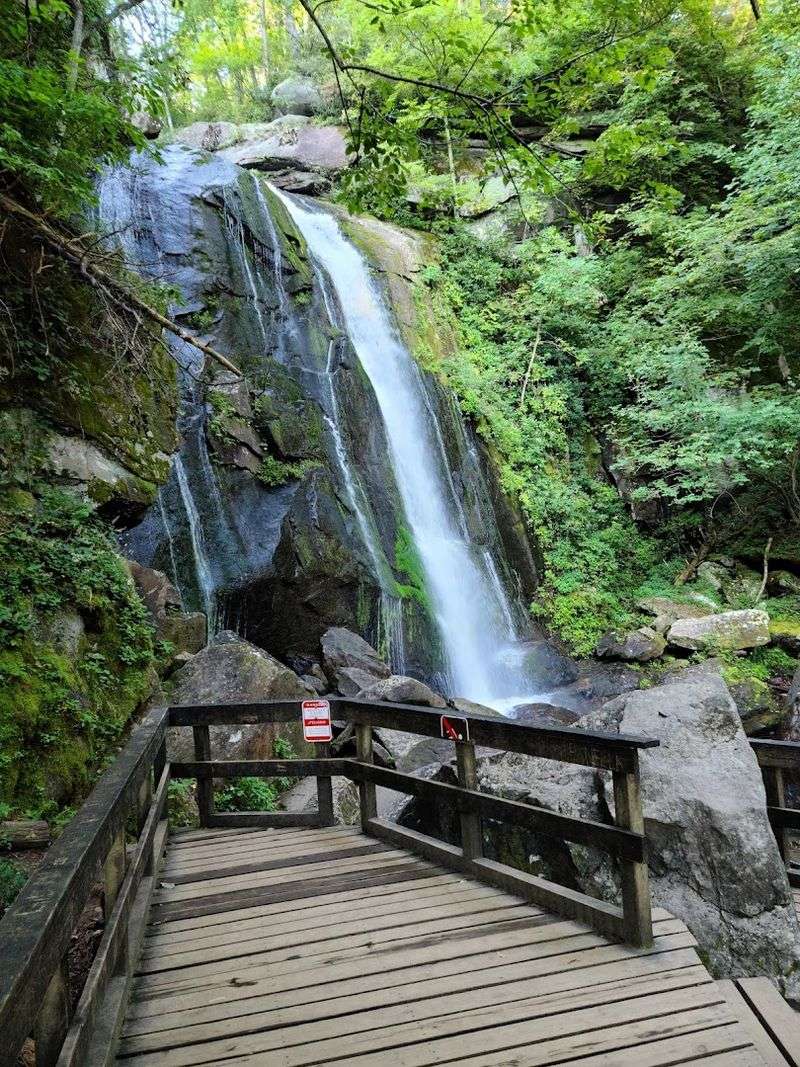
Standing at the base of High Shoals Falls and watching 80 feet of water thunder down into the Jacob Fork River is the kind of moment that stays with you long after you have driven home. It is loud, powerful, and absolutely breathtaking — the undisputed crown jewel of South Mountains State Park.
Reaching the falls requires a moderate 2.7-mile round-trip hike along the Jacob Fork River. The trail winds through a beautiful forest corridor before delivering you to a viewing platform with a front-row seat to the cascade.
Photographers especially love the early morning light that catches the mist rising off the water.
The falls run strongest in late winter and early spring when rainfall is plentiful. Summer visits are still rewarding, though the volume may be lower.
Families with children enjoy the accessible viewing area, which makes the experience enjoyable without requiring advanced hiking skills. Wear waterproof shoes if you plan to explore the rocky areas near the base.
High Shoals Falls is the reason many visitors come to this park once — and then keep coming back again and again.
40+ Miles of Trails for Every Type of Adventurer
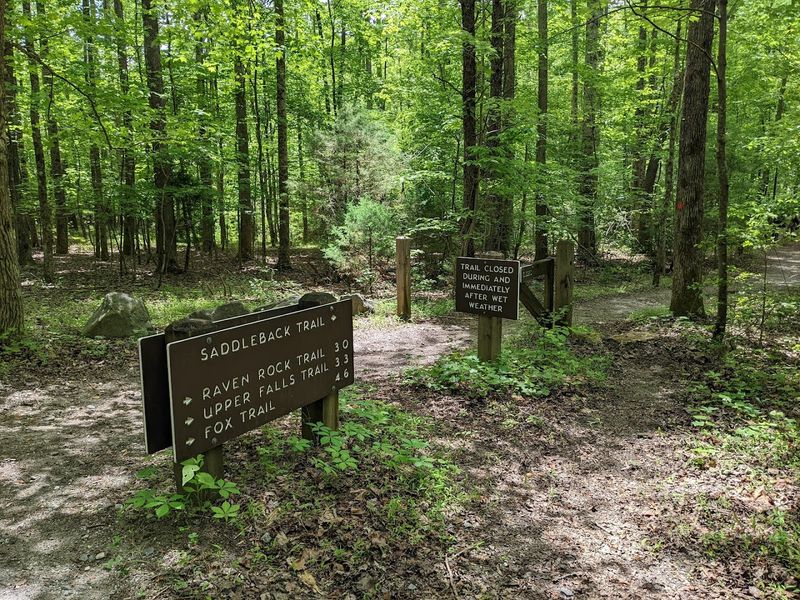
Forty miles of trails sounds like a lot — and it genuinely is. South Mountains State Park has built one of the most diverse trail networks among all North Carolina state parks, welcoming hikers, mountain bikers, and horseback riders across its winding web of routes.
Beginner hikers can stick to shorter, flatter paths along the Jacob Fork River, where the scenery rewards without demanding too much effort. Intermediate adventurers can tackle ridge loops that climb through mixed hardwood forests with occasional long-distance views.
For the most ambitious visitors, multi-hour ridge runs and backcountry connectors offer serious mileage with serious payoff.
Mountain bikers have dedicated singletrack trails that are considered some of the best in the western Piedmont region. Equestrian trails run separately through the park’s broader acreage, giving horse riders room to explore without trail conflicts.
Trail maps are available at the visitor center and online, and it is worth downloading one before you go since cell service can be spotty in the backcountry. No matter your fitness level or preferred activity, this trail system has a route that will challenge and delight you in equal measure.
Campsites That Put You Right in the Heart of Nature
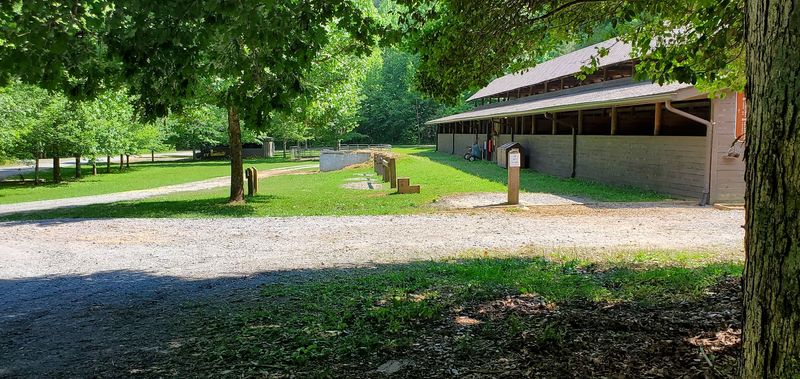
Camping at South Mountains State Park feels nothing like sleeping in a crowded campground. The park offers a range of camping experiences, from developed drive-in sites along the Jacob Fork River to more secluded options deeper in the woods, and every one of them delivers genuine connection with the natural world.
The drive-in campsites are equipped with picnic tables and fire rings, making them ideal for families or groups who want comfort alongside their outdoor experience. Falling asleep to the sound of the river moving over smooth stones is one of those simple pleasures that no hotel can replicate.
Sites book up quickly on spring and fall weekends, so reservations through the NC State Parks system are strongly recommended.
Campers who prefer a quieter stay should consider visiting on weekdays or during the shoulder seasons of early spring and late fall. The campground has restroom facilities nearby, which adds a welcome layer of convenience for families with younger kids.
Campfires are permitted in designated fire rings, and firewood is sometimes available for purchase. Every campsite here feels like its own little corner of the wilderness, surrounded by tall trees and natural sounds that city life cannot offer.
Backpacking Into the Backcountry for True Solitude
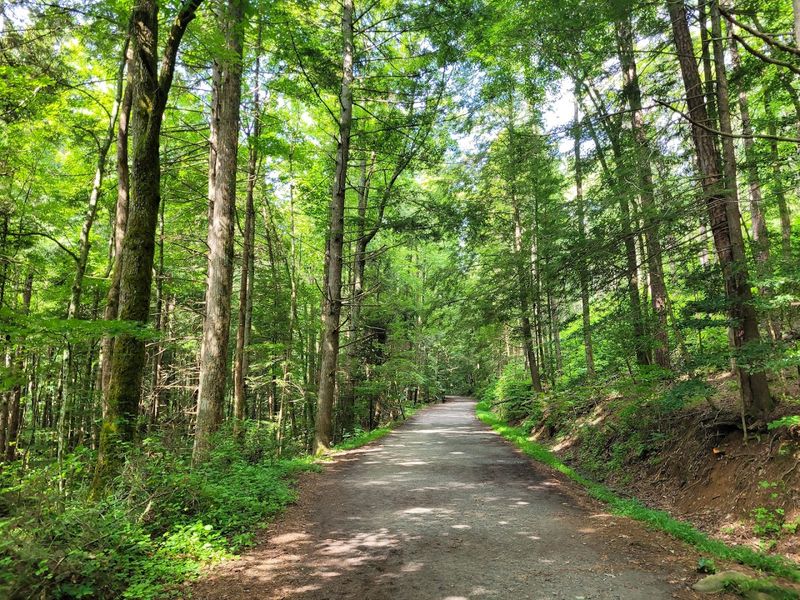
There is something profoundly different about spending a night miles from the nearest road, with nothing but forest sounds and starlight for company. South Mountains State Park makes that experience possible through its designated backcountry campsites, which are reserved specifically for hikers willing to earn their solitude one step at a time.
Several backcountry sites are scattered throughout the park’s interior, each requiring a hike of varying distances from the main trailheads. Visitors must obtain a free backcountry permit before heading out, which helps the park manage site use and keeps the wilderness experience from feeling crowded.
Permits can be arranged through the visitor center or by calling ahead.
Packing smart is essential for any backcountry trip here. Bring enough food and water filtration equipment since there are no supply stations once you leave the main area.
A lightweight tent, a reliable map, and proper layering for temperature swings at elevation will make your trip far more comfortable. The payoff for all this preparation is extraordinary — waking up in the quiet heart of the Appalachian foothills with no noise except birdsong and wind through the trees is an experience that resets the mind in ways a weekend hotel simply cannot match.
Wildlife and Ecology Hiding Around Every Corner
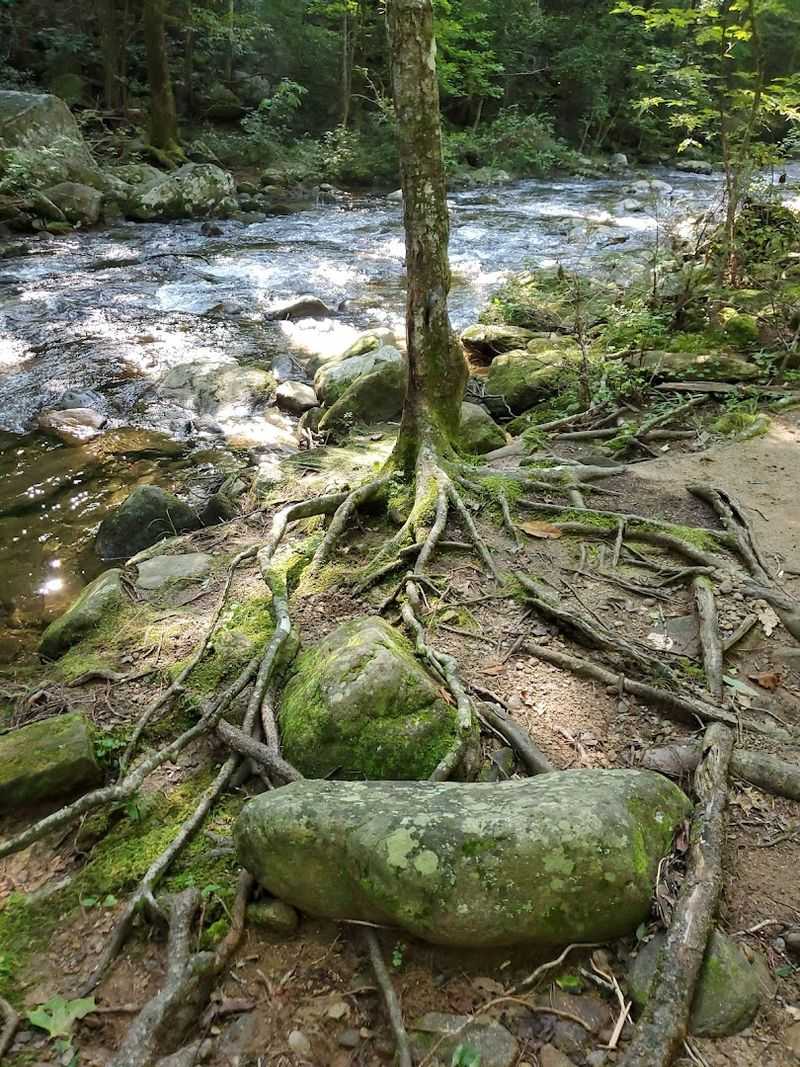
Keep your eyes open on any trail in South Mountains State Park and you will quickly realize you are sharing this landscape with a remarkably rich community of wildlife. The park’s mix of oak, hickory, and mixed hardwood forests creates layered habitat that supports everything from tiny salamanders to white-tailed deer.
Birdwatchers find this park especially rewarding during spring migration when warblers, vireos, and thrushes pass through in impressive numbers. Year-round residents include wild turkeys, pileated woodpeckers, and great horned owls.
Salamanders thrive in the moist stream corridors, and the park is considered an important refuge for several Appalachian salamander species that are sensitive to habitat loss.
Wildflowers add seasonal bursts of color along the trails, particularly in April and May when trilliums, bloodroot, and wild azaleas bloom across the forest floor. The ecological diversity here reflects the broader richness of the southern Appalachian foothills, a region biologists consider one of the most biodiverse temperate zones in North America.
Visitors who slow down, stay quiet, and pay attention to their surroundings will encounter far more wildlife than those who rush through. Patience and curiosity are the best tools you can bring to this park.
Trout Fishing on the Crystal-Clear Jacob Fork River
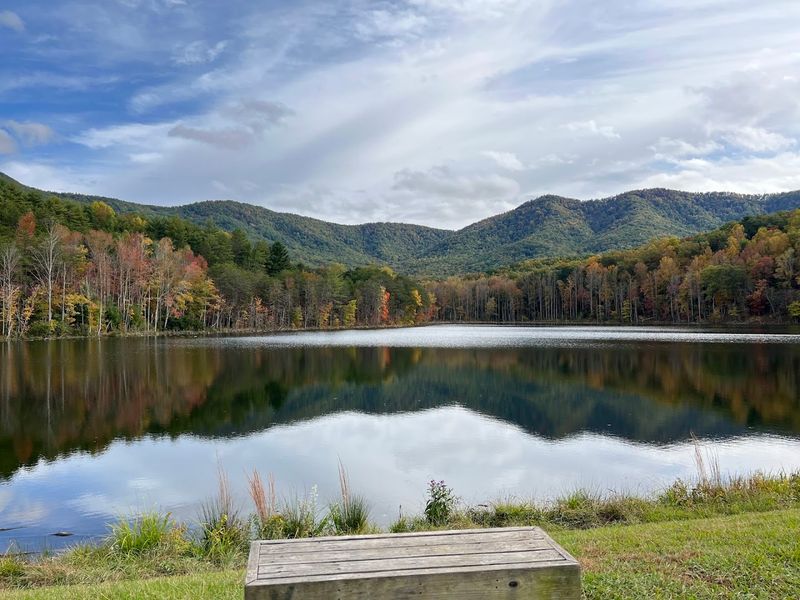
Anglers who have cast a line in the Jacob Fork River tend to talk about it with the kind of quiet enthusiasm reserved for truly special places. The water runs clear and cold through South Mountains State Park, creating ideal habitat for rainbow, brown, and brook trout that draw fishermen from across the region.
The Jacob Fork is a designated public mountain trout water, which means it is regularly stocked and managed to maintain healthy fish populations. Hatchery-supported trout fishing keeps the experience rewarding even during slower natural seasons.
Fly fishing is especially popular here because the river’s open stretches and rocky pools create classic trout water conditions that experienced anglers love to work.
A valid North Carolina fishing license with a trout fishing privilege license is required for anyone 16 years or older. The park’s trails run alongside much of the river, making it easy to explore different stretches on foot before choosing your casting spot.
Early mornings and overcast days tend to produce the best results since trout are more active in lower light. Even if you are new to fishing, the peaceful setting along the Jacob Fork makes the experience enjoyable whether you land a fish or simply enjoy the river’s beauty from the bank.
Scenic Overlooks and Panoramic Views Worth the Climb
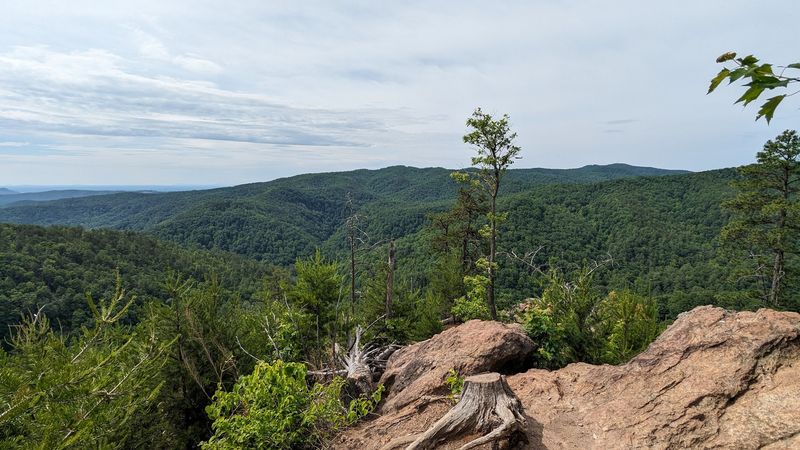
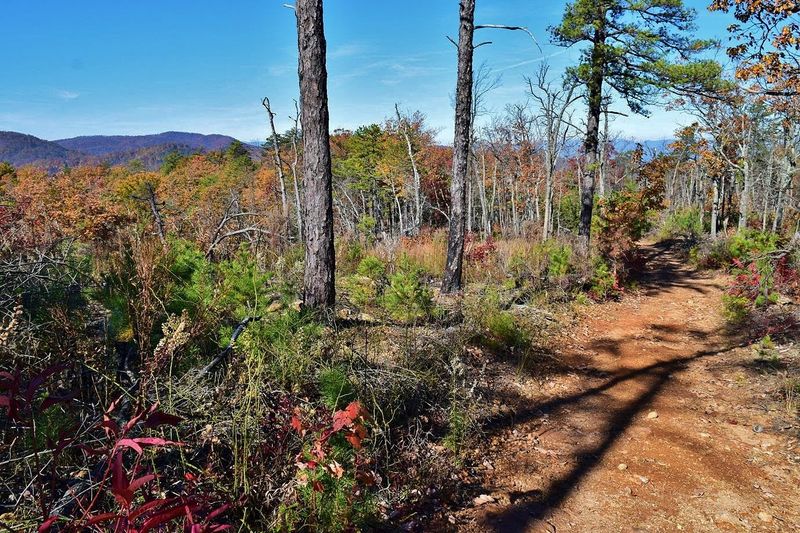
Buzzard’s Roost does not sound like the most glamorous name for a scenic overlook, but once you reach it, the view makes any skepticism disappear immediately. Perched near the park’s higher elevations — which top out close to 3,000 feet — this ridgeline lookout delivers sweeping panoramic views across the Burke County foothills that feel genuinely earned after the climb to reach them.
The hike to the overlook combines forested trail segments with rocky ridge walking that offers teaser views along the way before the main event. Clear days reward visitors with visibility stretching far into the distance, with layer after layer of blue-green ridgelines fading toward the horizon.
Fall is arguably the best season to visit for views since the tree canopy drops away and the colored foliage amplifies the landscape’s natural drama.
Sunrise and sunset visits create especially memorable experiences at the higher vantage points, though the park has specific hours so plan accordingly. Bring water and snacks for any ridge hike since the climbs can be demanding in warm weather.
A pair of binoculars adds another dimension to the experience, letting you scan the valley below for hawks riding thermals or distant farmland patchwork. Scenic overlooks like Buzzard’s Roost remind you exactly why wild places matter.
The Visitor Center: Your Gateway to the Park’s Story
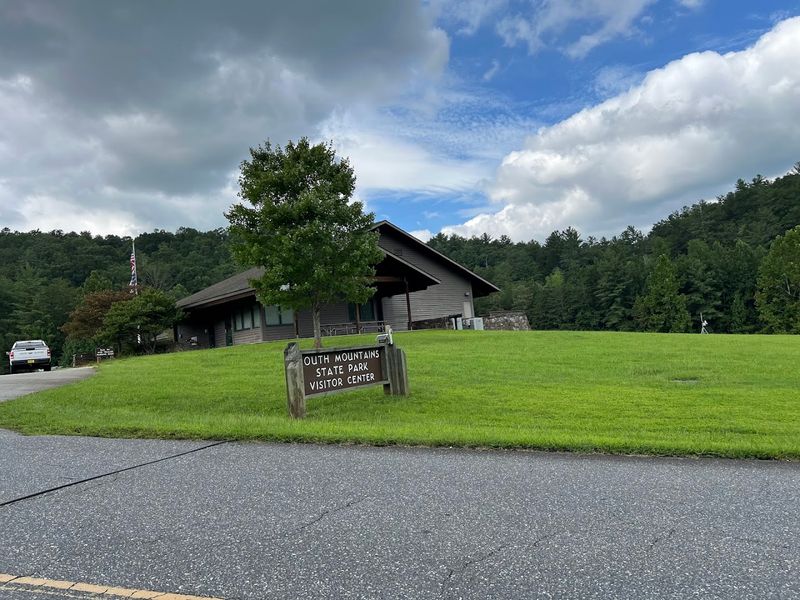
Before hitting any trail, stop at the visitor center — it will genuinely improve your time in the park. The facility features interpretive exhibits that walk visitors through the natural and cultural history of the South Mountains region, giving helpful context to everything you will see once you step outside.
Exhibits cover the park’s geology, plant communities, wildlife species, and the long human history tied to these mountains. Indigenous peoples, early European settlers, and the conservation movement that eventually created the park all have a place in the story told here.
Rangers and park staff are usually on hand to answer questions, share trail recommendations based on current conditions, and point out any wildlife activity reported recently on the trails.
Trail maps, park brochures, and backcountry permits are all available at the visitor center, making it a practical first stop for logistics as well as learning. The building itself is well-designed and blends naturally into the surrounding landscape.
Restrooms here are clean and a smart stop before heading deep into the backcountry. The visitor center is open during regular park hours, though schedules can vary seasonally, so checking the NC State Parks website before your visit ensures you do not miss out on the resources and ranger expertise available here.
Practical Tips to Make Your Visit Smooth and Memorable
Planning ahead makes a significant difference when visiting South Mountains State Park, especially during busy seasons. Spring and fall are the most popular times to visit — spring for wildflowers and waterfall volume, fall for foliage color and cooler hiking temperatures.
Summer brings heat and humidity but also lush green scenery and longer daylight hours for extended adventures.
The park entrance is located off Ward Gap Road near Connelly Springs, and the drive in is scenic but narrow in spots. Arrive early on weekends since the parking areas near the High Shoals Falls trailhead fill up fast, sometimes before 10 a.m. on peak days.
Camping reservations should be made well in advance through the NC State Parks online reservation system, particularly for spring and fall weekends when sites disappear quickly.
Cell service is limited throughout much of the park, so download offline trail maps before you arrive. Wear sturdy footwear on rocky trails, bring more water than you think you need, and pack out all trash to help preserve the park’s beauty.
Bug spray is useful from late spring through early fall. The park charges no entrance fee, which makes it one of the best free outdoor destinations in the entire state of North Carolina.