Pennsylvania’s small towns are hiding some of the most delicious food secrets you’ve never heard of.
From smoky sausages to pies, these communities have been making and sharing their own special dishes for generations.
Many of these traditions were passed down through Pennsylvania Dutch families and never really made it to the rest of the country.
If you’ve never explored the back roads of the Keystone State with an empty stomach and an open mind, you’re seriously missing out.
Old Forge Pizza
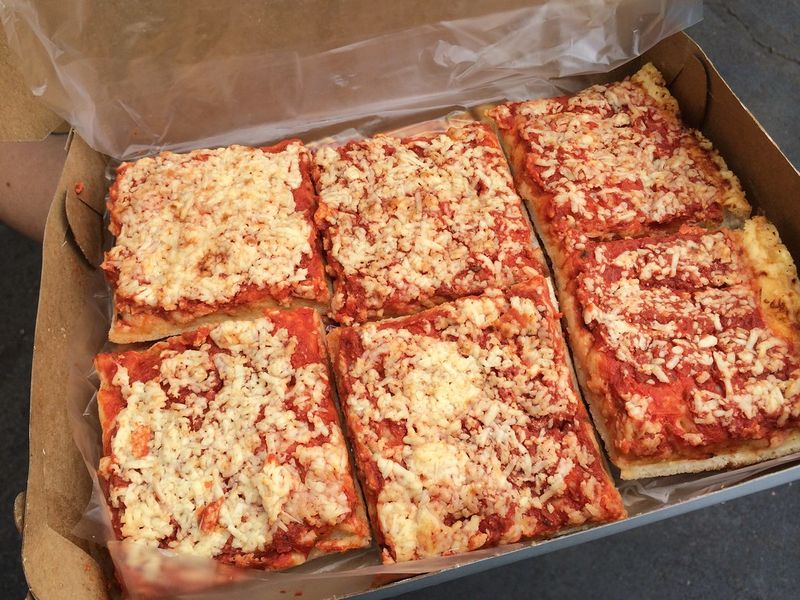
Ask anyone from Old Forge, Pennsylvania about pizza, and you’d better be ready for a passionate conversation. This small town near Scranton has a style of pizza so unique that locals refuse to call anything else by the same name.
It’s baked in a rectangular pan, cut into squares, and served on a tray rather than as a round pie.
The crust is thick, chewy, and slightly crispy on the bottom, with a texture that’s almost bread-like. What really sets it apart is the cheese blend, which often includes American cheese, giving it a creamy, salty flavor you won’t find anywhere else.
The sauce tends to be light, letting the cheese take center stage.
Old Forge restaurants take serious pride in this tradition. Places like Ghilarducci’s and Arcaro and Genell have been serving it for decades.
Locals get almost territorial when outsiders compare it to Chicago deep dish or regular Sicilian pizza. It’s neither of those things — it’s something entirely its own.
If you ever pass through northeastern Pennsylvania, skipping Old Forge pizza would be a genuine mistake you’d regret for years.
Scrapple
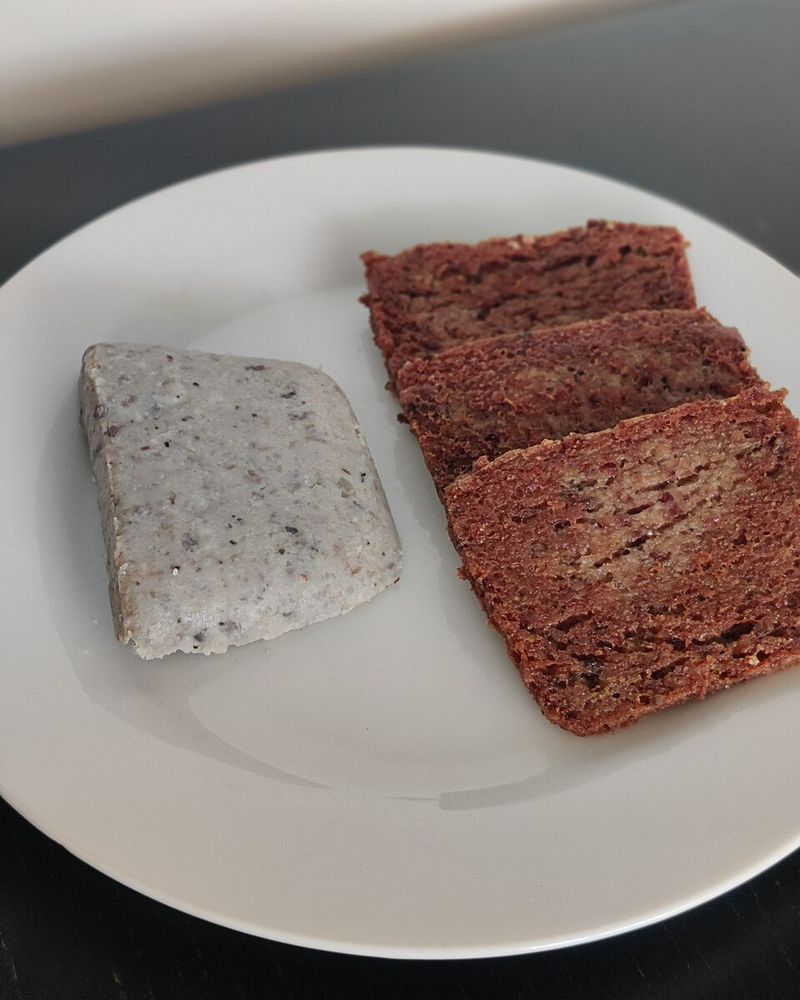
Scrapple has a name that might make you raise an eyebrow, but one crispy bite is usually enough to win people over. Born out of the Pennsylvania Dutch tradition of using every part of the pig, scrapple is made from pork scraps, cornmeal, flour, and a blend of savory spices.
The mixture is cooked together, pressed into a loaf, and then sliced and pan-fried until each side turns a gorgeous golden brown.
The outside gets wonderfully crispy while the inside stays soft and savory. Most Pennsylvanians grew up eating it alongside eggs on weekend mornings, drizzled with maple syrup or dabbed with ketchup.
The sweet-and-salty combo might sound odd, but it works in a way that’s hard to explain until you try it.
Scrapple is deeply tied to Lancaster, Lebanon, and Berks counties, where Pennsylvania Dutch heritage runs strong. You can find it at local diners, butcher shops, and grocery stores across the region, but it rarely appears on menus outside the mid-Atlantic states.
For many families, Saturday morning without scrapple just doesn’t feel right. It’s humble, hearty, and surprisingly hard to stop eating once you start.
Shoofly Pie
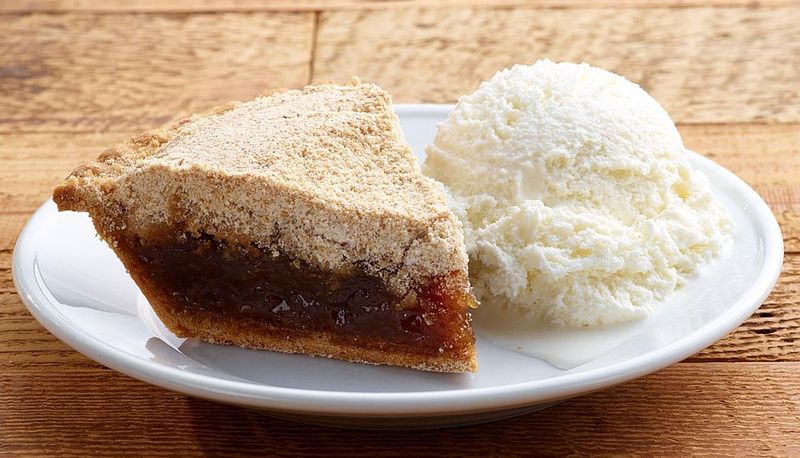
Shoofly pie has one of the best origin stories in American baking. The name supposedly comes from the fact that the sticky molasses filling would attract flies, and bakers had to shoo them away while the pie cooled on the windowsill.
Whether that’s true or just a good story, the pie itself is absolutely worth knowing about.
Made with rich blackstrap molasses and a buttery crumb topping, shoofly pie is a staple at Lancaster and Lebanon County bake sales, church dinners, and holiday tables. There are two main styles that locals debate with surprising intensity.
Wet-bottom shoofly pie has a gooey, almost custard-like molasses layer beneath the crumbs, while dry-bottom is more cake-like all the way through.
Traditionalists often insist that wet-bottom is the only real version, while others prefer the drier texture for easier slicing. Either way, both styles are deeply sweet and pair beautifully with a cup of black coffee.
Shoofly pie was originally eaten at breakfast, which might seem unusual today, but it made sense as a filling start to a long day of farm work. Many Pennsylvania Dutch families still bake it from handwritten recipes passed down through multiple generations.
Lebanon Bologna
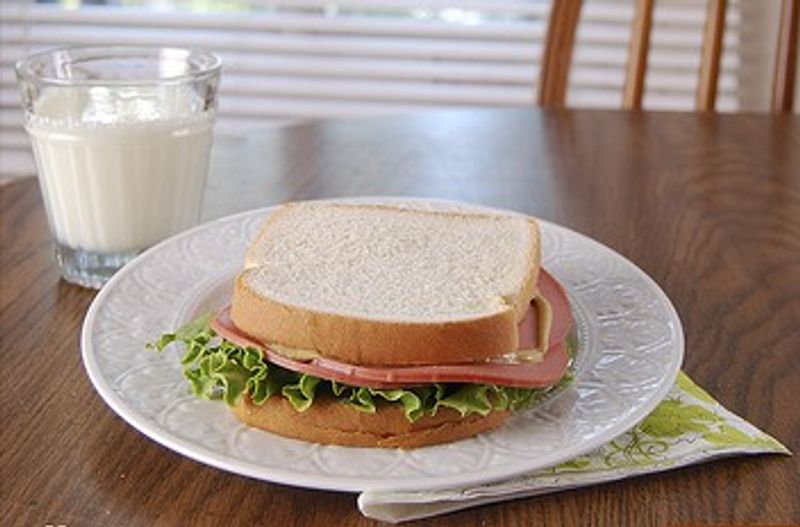
Lebanon bologna smells like a smokehouse and tastes like nothing else on a sandwich. This fermented, smoked beef sausage comes from Lebanon County, Pennsylvania, where it’s been produced for well over a century.
Unlike the soft, mild bologna most people know from the grocery store deli counter, Lebanon bologna has a tangy, almost sour flavor from the fermentation process, plus a deep smokiness that lingers pleasantly.
Seltzer’s Lebanon Bologna is probably the most famous producer, and their factory in Palmyra has been operating since 1902. The sausage is made with coarsely ground beef, seasoned with a proprietary spice blend, and then cold-smoked for days over hardwood.
The result is a firm, sliceable sausage with a rich mahogany color and a bold, savory punch.
Locals eat it thick-sliced on sandwiches with sharp cheddar and yellow mustard, or cubed up on snack plates at family gatherings. Some people even fry it in a pan until the edges curl and caramelize, which takes the flavor to another level entirely.
Visitors who try it for the first time are almost always caught off guard by how complex and satisfying it is compared to what they expected from anything called bologna.
Hog Maw
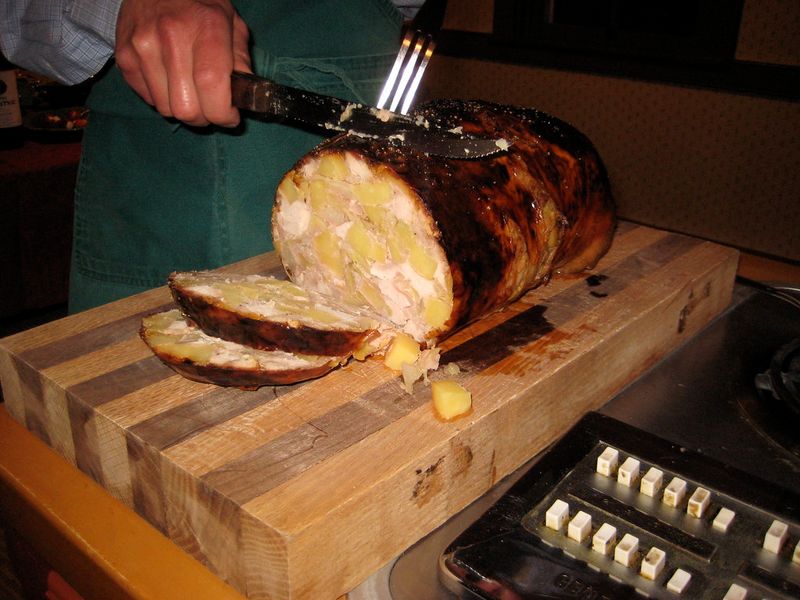
Hog maw might be the most misunderstood dish in all of Pennsylvania cooking. The name alone is enough to make outsiders hesitant, but for families in the Pennsylvania Dutch heartland, this stuffed pig stomach dish is as comforting and familiar as any holiday roast. “Maw” simply means stomach, and the pig stomach is used as a natural casing for a hearty, savory stuffing.
The filling is typically a combination of loose pork sausage, cubed potatoes, onions, and cabbage, all seasoned generously before being packed inside and sewn shut. The whole thing goes into the oven and bakes low and slow until the outside turns golden and slightly crispy while the filling becomes tender and deeply flavored.
Every family has their own version, and recipe debates at church dinners can get surprisingly lively.
Hog maw is traditionally served at Thanksgiving, Christmas, and community gatherings throughout Lancaster, York, and Dauphin counties. It’s a dish rooted in the Pennsylvania Dutch philosophy of wasting nothing and feeding everyone well.
Restaurants that serve it are rare, which makes finding it feel like stumbling onto something genuinely special. If a local family ever invites you to try their hog maw, say yes without hesitation.
Pennsylvania Dutch Pot Pie (Bot Boi)
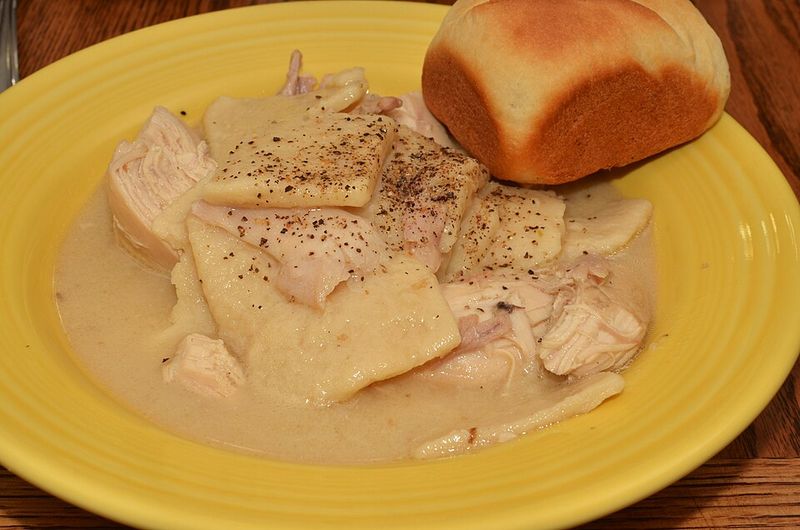
If you order pot pie in Pennsylvania Dutch country and expect a flaky crust with a creamy filling inside, you’re going to be wonderfully confused. Bot boi — the Pennsylvania Dutch name for this dish — is nothing like the frozen pot pies or restaurant versions most people know.
There’s no crust at all. Instead, it’s a thick, hearty chicken stew ladled over wide, flat, hand-cut noodles that are closer to pasta squares than anything else.
The broth is rich and savory, made by simmering a whole chicken with onions, celery, and parsley for hours. The broad noodles, sometimes called slippery pot pie noodles, absorb the broth as they cook, turning soft and silky while still holding their shape.
Potatoes are often added to make the dish even more filling.
Bot boi is the kind of meal that feels like a warm hug after a cold day working outside. It’s been a fixture in rural Pennsylvania kitchens for centuries, and many families still make it from scratch on Sundays or during cold-weather months.
Outside of central Pennsylvania, almost nobody knows this version exists, which makes trying it for the first time feel like discovering a genuinely hidden culinary treasure.
Chow Chow
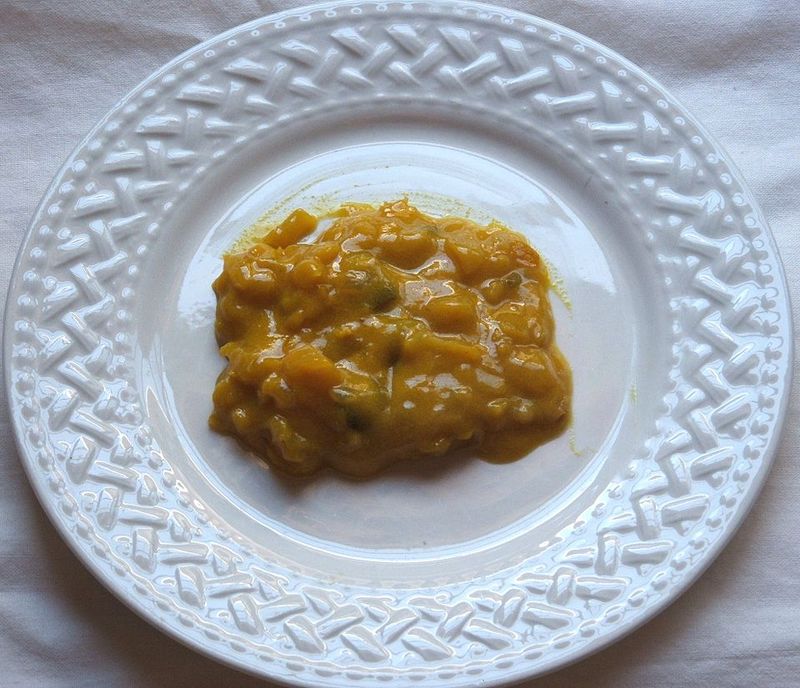
Chow chow is the kind of condiment that quietly steals the show at any Pennsylvania Dutch dinner table. This sweet-and-tangy pickled vegetable relish is made from a rotating mix of whatever vegetables are in season — cauliflower, green beans, corn, lima beans, peppers, carrots, and onions are all common additions.
The vegetables are packed into jars with a sweetened vinegar brine seasoned with mustard seed and turmeric, giving the finished relish a bright yellow color and a punchy flavor.
Making chow chow is traditionally a late-summer activity, when gardens are overflowing and families spend entire days canning together. Each household has its own recipe, and the exact combination of vegetables and spices varies from kitchen to kitchen.
Some versions lean sweeter, others more tangy, and a few add a gentle heat with hot peppers.
Chow chow is served alongside ham, hot dogs, baked beans, and sandwiches, adding a bright, acidic contrast to rich, savory foods. You’ll find jars of it at farm stands, country auctions, and church sales throughout Pennsylvania Dutch country.
Outside the region, very few people have encountered it, which means first-time visitors often leave with several jars tucked into their bags for the drive home.
Apple Dumplings
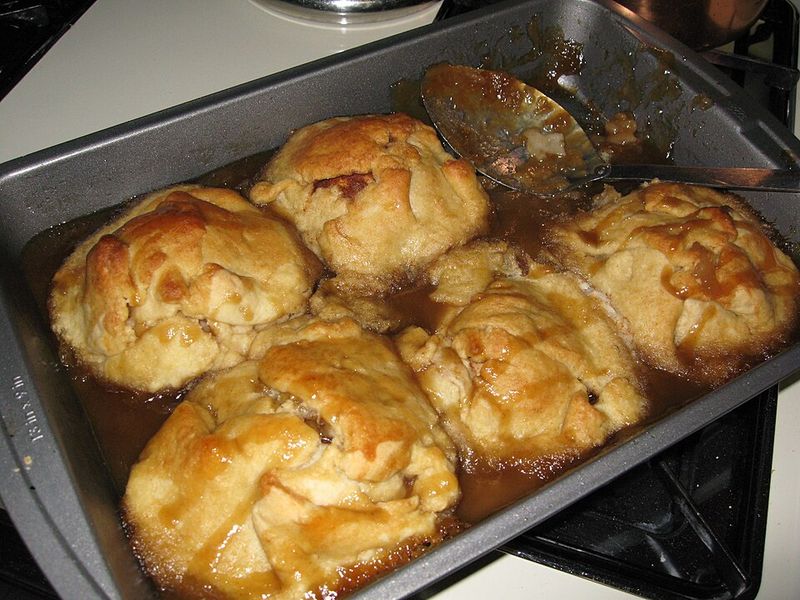
There’s something almost magical about a whole apple wrapped in pastry dough, baked until golden, and served warm with a drizzle of cream or a scoop of vanilla ice cream. Pennsylvania apple dumplings are a classic small-town treat that shows up at county fairs, fall festivals, and farmstands across the state every autumn, and they deserve far more national attention than they get.
The apples — usually a firm, tart variety like Stayman or Rome Beauty — are cored and filled with a mixture of cinnamon, sugar, and sometimes a small pat of butter before being wrapped snugly in homemade pie dough. They bake in a pan with a spiced syrup that caramelizes around the outside, creating a sticky, fragrant glaze that makes the whole kitchen smell incredible.
Apple dumplings are connected to Pennsylvania’s long agricultural history and its orchards, which have been producing some of the country’s best apples for centuries. The dish is humble in the best possible way — it requires simple ingredients and rewards patience.
Eating one fresh out of the oven at a roadside stand on a crisp October afternoon is the kind of experience that stays with you. No fancy restaurant version has ever quite matched that feeling.
Teaberry Ice Cream
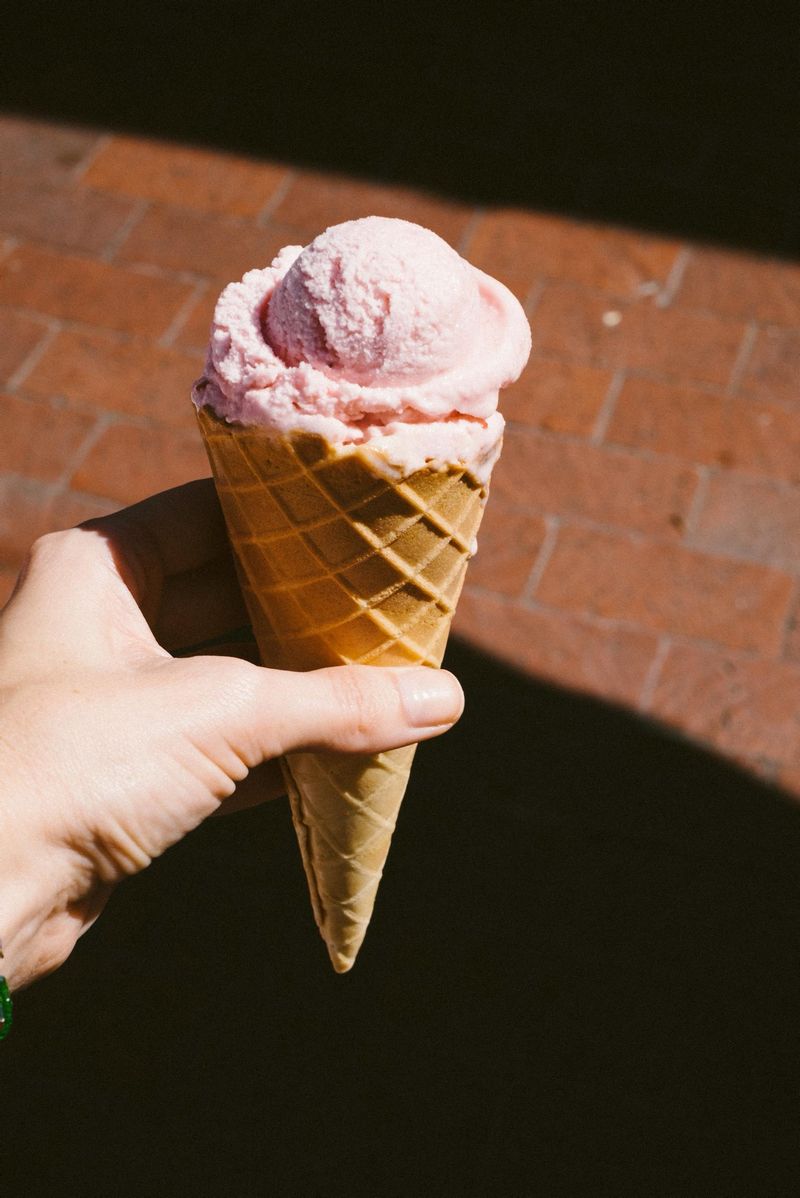
Teaberry ice cream is one of those flavors that makes Pennsylvanians get a little misty-eyed with nostalgia and makes everyone else say, “Wait, what exactly is a teaberry?” The teaberry is a small, native plant that grows wild in the forests of Pennsylvania and the surrounding region. Its berries and leaves produce a flavor that’s similar to wintergreen mint but softer, slightly fruity, and distinctly its own.
Local creameries in central and eastern Pennsylvania have been making teaberry ice cream for generations, and it remains a regional specialty that’s nearly impossible to find outside the state. The ice cream itself is a pale, dusty pink color with a cool, minty sweetness that’s refreshing without being sharp.
It pairs surprisingly well with chocolate sauce or a plain waffle cone.
Clark’s Teaberry Gum, which was made in Pennsylvania and had a loyal following for decades, helped keep the flavor familiar to locals even as the wild plant became less commonly known. For many people who grew up in small Pennsylvania towns, a scoop of teaberry ice cream on a summer afternoon is pure, uncomplicated happiness.
Visitors who try it on a recommendation often end up wishing they could bring a gallon home. It’s that kind of flavor.
Soupie
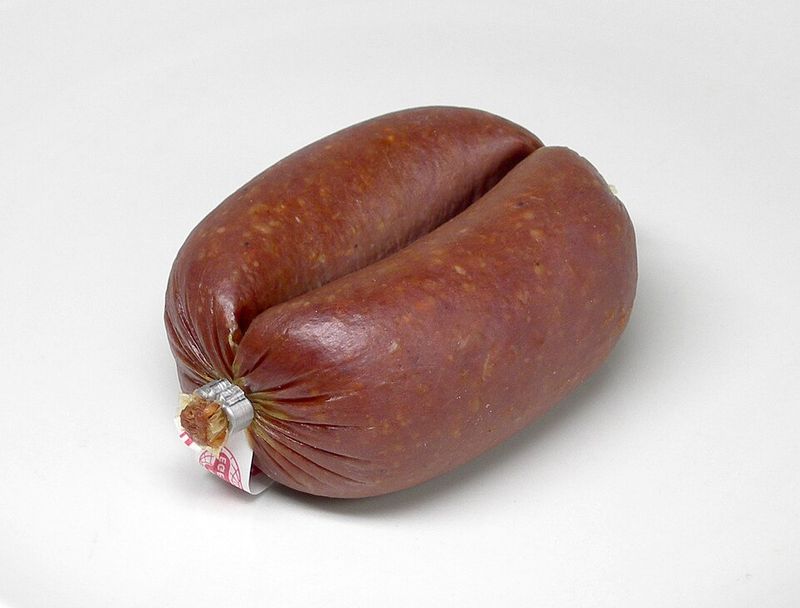
Soupie is the kind of food that exists almost entirely within the homes and communities that make it, which is exactly what makes it so fascinating. This dry-cured pork sausage is a specialty found in the coal mining regions of northeastern Pennsylvania, particularly among communities with Eastern European and Italian immigrant roots.
It’s made from coarsely ground pork seasoned with garlic, black pepper, red pepper flakes, and other spices that vary dramatically depending on whose grandmother taught the recipe.
The sausage is stuffed into natural casings and then hung to cure and dry for several weeks, developing a firm texture and a concentrated, spicy flavor. No two batches taste exactly alike because no two families follow the same recipe.
Some versions are aggressively hot, others are milder with a stronger garlic presence, and a few use a blend of spices that the maker refuses to fully disclose.
Soupie is sliced thin and eaten on bread, alongside cheese, or simply on its own as a snack. It rarely appears in stores or restaurants, which means the only reliable way to try it is through a personal connection to someone who still makes it.
That exclusivity is part of its charm — it’s a living tradition kept alive by the people who love it most.