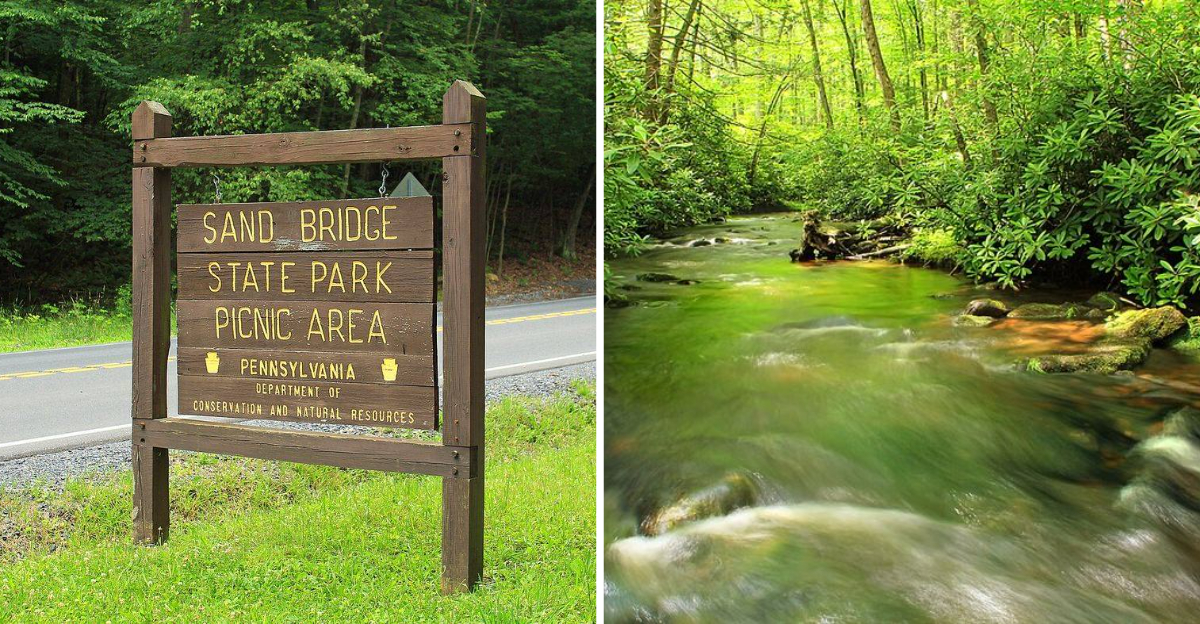
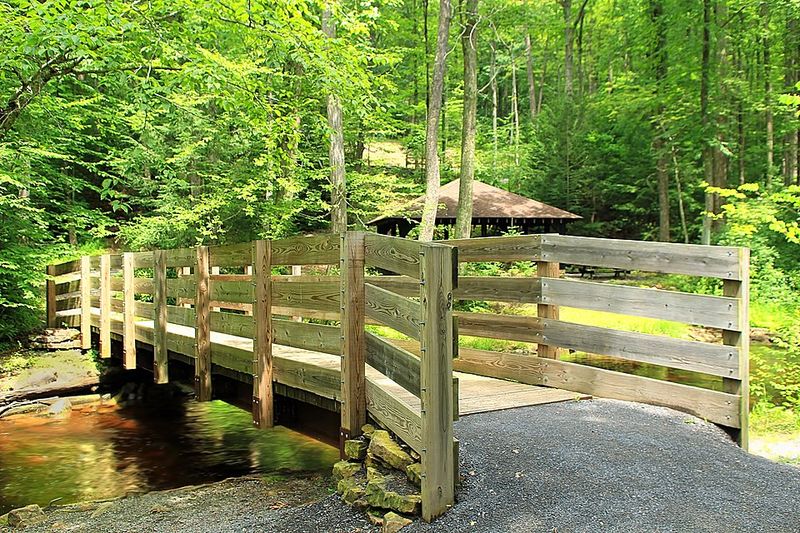
You have probably cruised past Pennsylvania’s smallest state park without even realizing it. Sand Bridge State Park hides in plain sight along Route 192, offering a pocket of calm where Rapid Run slips under a quaint footbridge.
It is only three acres, yet it delivers exactly what a road weary traveler craves: shade, water, and a quiet table to call your own. Here is how to make the most of this tiny, easy to love stop.
How Three Acres Steal the Show
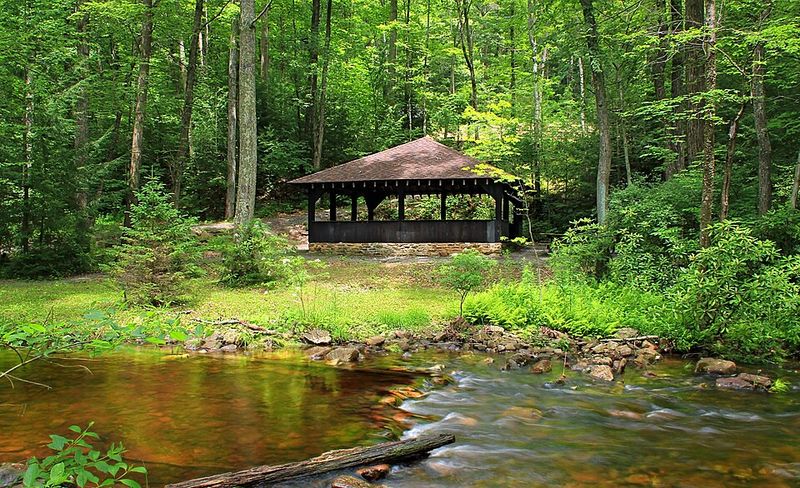
Blink at the bend on Buffalo Road and you could miss Pennsylvania’s tiniest state park. Tucked beside Rapid Run, these three acres deliver the vibe of a favorite neighborhood pocket park with official status.
You get picnic tables, grills, and that namesake footbridge, all wrapped in quiet.
History here is humble but charming. The site served motorists and picnickers long before smartphones made wayfinding effortless, and it still feels delightfully analog.
Locals use it as a pause button on busy Route 192, a place to reset between errands and adventures.
You will not find a visitor center, playground, or miles of trails, which is honestly the appeal. Bring a sandwich, savor the sound of water against stones, then stroll the bridge for a simple view that photographs beautifully.
It is small by design, and that makes every minute feel generous.
Hours run early to evening, with posted times varying by day, so a sunrise breakfast or golden hour stop both work. Parking is limited but usually adequate, especially on weekdays outside trout season.
If you collect Pennsylvania State Parks passport stamps, check the kiosk or nearby R. B.
Winter’s learning center. Bring cash for pavilion rentals if posted, and always pack out every crumb.
Finding It Along Route 192
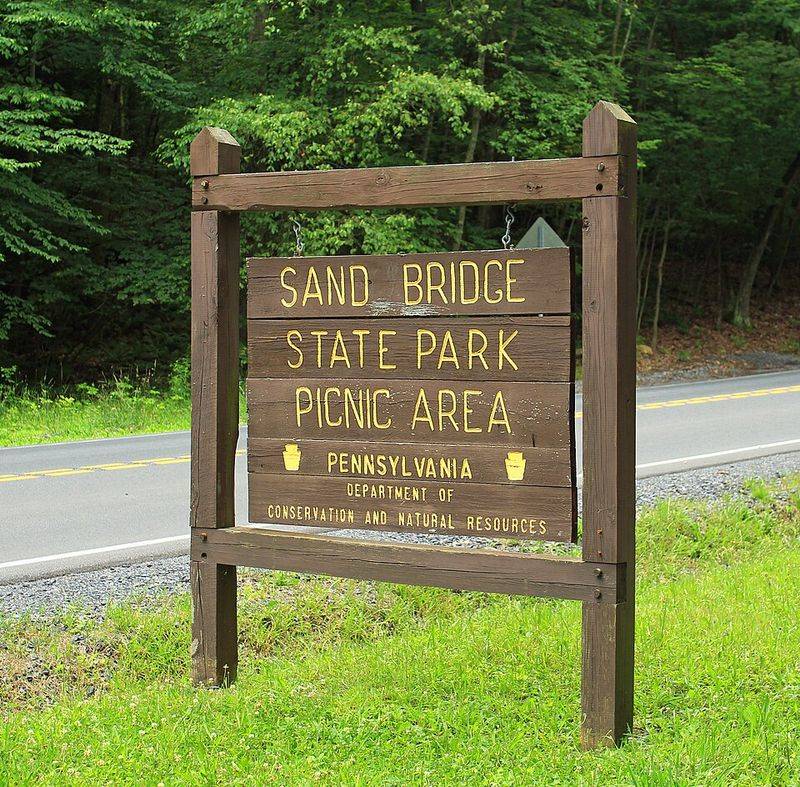
Navigation apps can zip right past the entrance if you are not watching for it. Look for the modest sign on Route 192 near Mifflinburg, where Buffalo Road traces Rapid Run.
The access road dips into a small lot with immediate views of water and stone.
Arrive early on sunny Saturdays to snag shade near the pavilions. Weekdays feel almost private, with the soundtrack of tires on distant asphalt and birdsong close by.
Pull through gently, since pedestrians and kids often cross between tables and the bridge.
If you plan a quick lunch stop, park nose out for an easy exit back to 192. Cell service can be spotty in the fold of the valley, so pre download directions or note the mile marker.
In winter, the entrance can be slick, so drive with care and check conditions.
Do not expect a gatehouse or a ranger greeting you at arrival. A bulletin board near the pavilion usually carries updates, fishing notes, and occasional event postings.
Keep the address handy for mapping: 13180 Buffalo Rd, Mifflinburg, PA, and confirm hours, which generally close at 8 PM but run later on some days.
Perfect Picnic Game Plan
Food always tastes better beside moving water, and Rapid Run proves it. Pack a cooler with sandwiches, fruit, and a small trash bag so the table leaves no trace of your visit.
Charcoal grills are available, but bring your own fuel and a metal scraper.
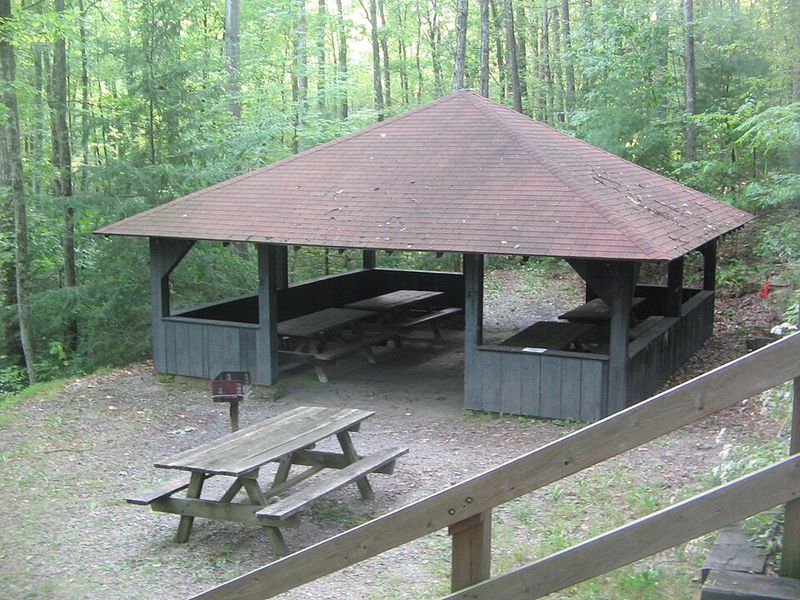
Shade is generous under the two pavilions, each suited to a family or small group. If you prefer sun, pick a table near the creek and let the current handle your playlist.
Keep dogs leashed and offer them a water break at the edge while you supervise.
Wind can kick up along the stream, so clip napkins and paper plates. A picnic blanket lets you sprawl without crowding the tables when the lot is busy.
If your timing is flexible, arrive after the lunch rush for open seating and quieter conversation.
Restrooms sit uphill and are primitive, so bring hand sanitizer and a small flashlight if you will be around at dusk. Remember that glass and creek banks do not mix well, so choose cans or reusable bottles.
Before leaving, rake the area with your eyes for twist ties, bread tags, and stray charcoal, then deposit trash in the carry out bag you brought.
Rapid Run and Trout Talk
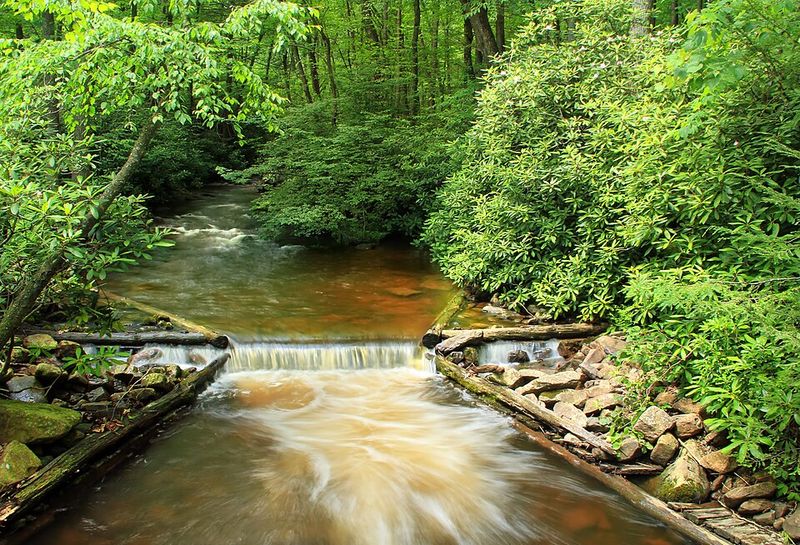
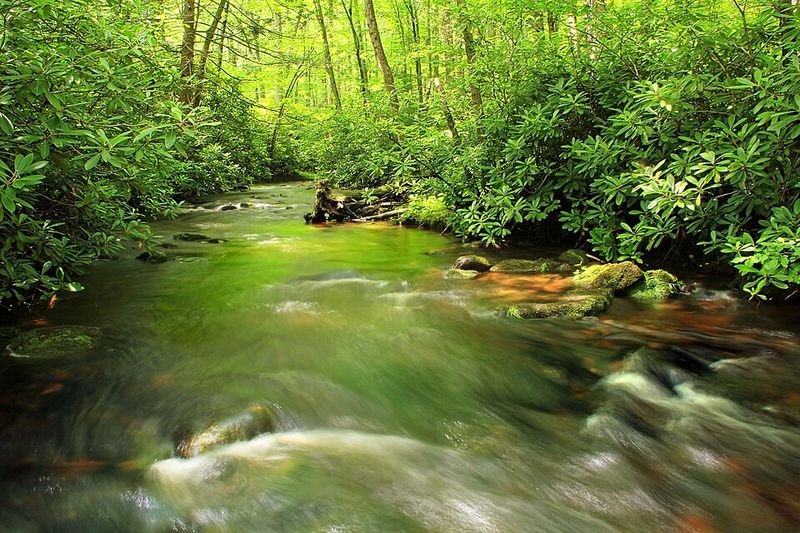
Cold water whispers through the park, and anglers know that sound well. Rapid Run carries wild character in a compact channel, with riffles that invite a few casts between errands.
You will see families tossing stones while a patient fisher works the seam by the bridge.
Check Pennsylvania Fish and Boat Commission regulations before you string a line. Stocking and seasonal rules shift, and artificial only stretches may apply upstream.
A compact sling bag, barbless hooks, and a modest net keep your setup friendly to both fish and bystanders.
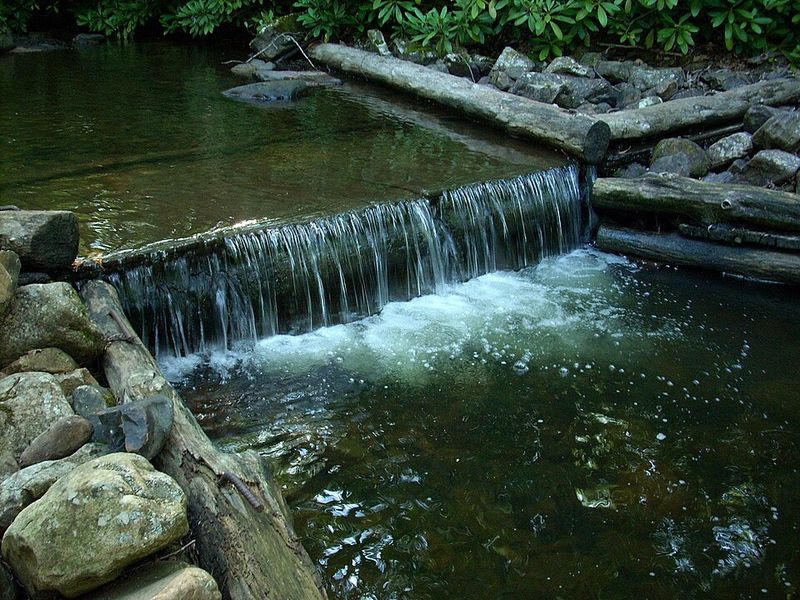
Photography fans should pause near the downstream side of the bridge. The current sheets over rock shelves that glow in late afternoon, giving you glassy exposures without wading.
Polarizing filters reduce glare, letting the pebble colors and darting shadows pop on screen.
Waders are not required for a satisfying stop, but water shoes help if you plan to step in briefly. Keep kids at arm’s length, since the flow quickens after rain and rocks get slick.
If you land a trout, practice a gentle release and reset the scene so the next visitor arrives to clean banks.
Accessibility and Practicalities
Small does not mean thoughtless. The lower lot places you close to tables and the bridge, while a separate route leads uphill toward the restroom and an additional parking spot.
Surfaces vary from packed dirt to short grass, with a few roots near the creek edge.
If mobility is a concern, start with a slow lap of the lower area to pick the smoothest path. Benches are limited, so bring a folding chair for the most comfortable setup.
On hot days, the pavilion shade and creek breeze make a real difference for sensitive guests.
Signage is straightforward, and the bulletin board carries the essentials. You will not find a staffed office, so jot the park phone number in case you need assistance: +1 570-966-1455.
Keep expectations focused on basic amenities that are well placed for short visits.
Restrooms are primitive and up a hill, so plan timing and footwear accordingly. After rain, the slope can be slick, and a walking stick earns its keep.
If you require the closest access, exit the lower lot, then take the left up the dirt road as signed toward the upper parking near the facilities.
Wildlife, Seasons, and Quiet Moments
Spring wakes the creek with cold sparkle and brings fly hatches that send swallows zigzagging overhead. Summer layers in shade and a soft chorus of insects, perfect for an unhurried picnic.
By fall, foliage paints the banks and makes the bridge a natural frame for family photos.
Winter is the sleeper hit if you dress for it. Ice collars the rocks, and breath clouds rise as cars hum past on 192.
A thermos of cocoa and a five minute walk can reset a long drive with almost no planning.
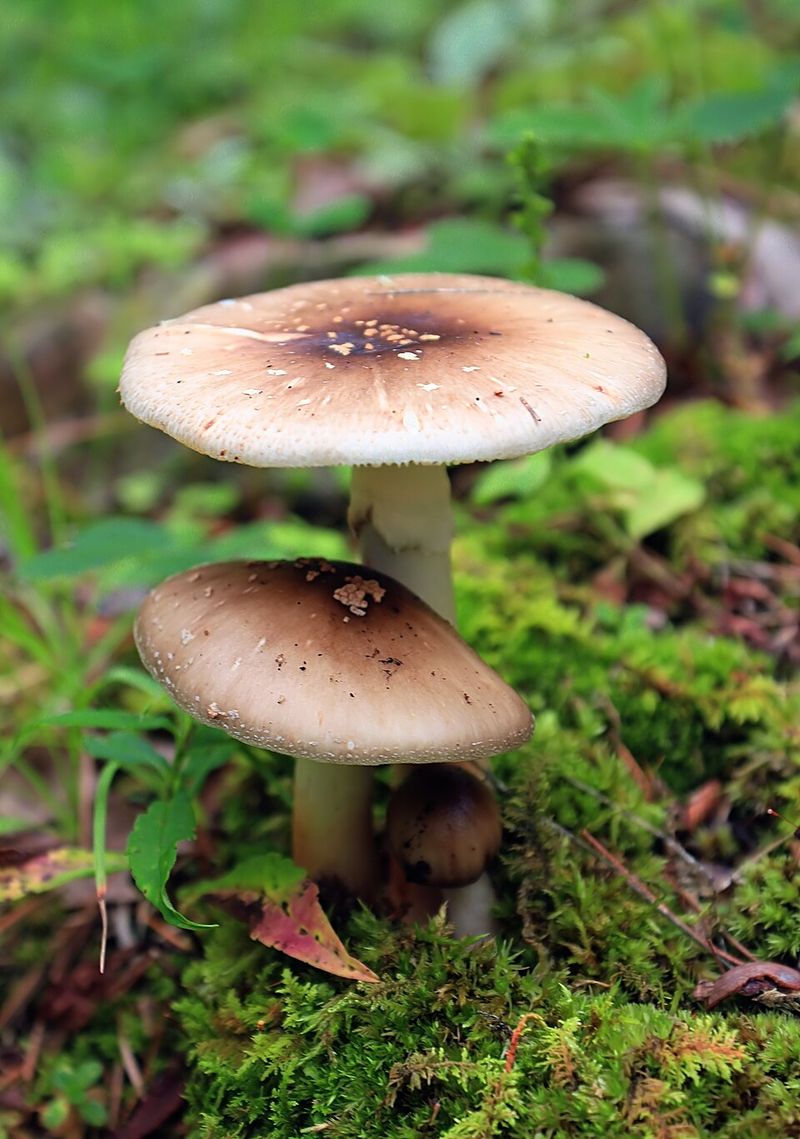
Wildlife here is subtle, and that is part of the charm. Watch for kingfishers sparring along the run, robins hopping near tables, and the occasional deer slipping across at dusk.
Keep food sealed and carry crumbs out so animals do not learn bad habits.
Noise levels rise and fall with the highway. Wait for a traffic lull to appreciate how quickly the soundscape flips to water and wind.
If you need stillness, arrive early or come on a cool weekday, when the only bustle is the creek itself working around stone.
Photography Cheat Sheet
Small scenes reward careful framing. Start with the bridge rail at chest height and let it lead the eye into the frame.
A circular polarizer darkens glare on Rapid Run, revealing pebbles and fishy shadows that turn snapshots into keepers.
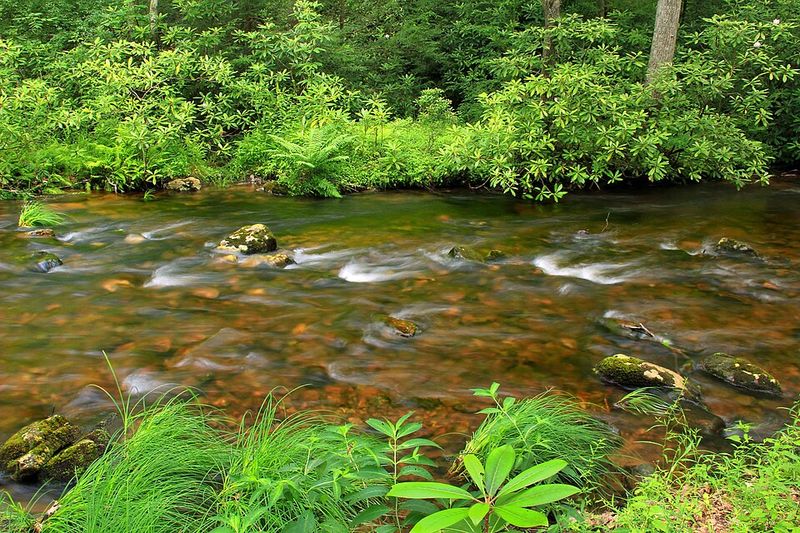
Long exposure blur is easy here. Stabilize on a tripod or the pavilion railing, stop down to f11, and set a low ISO to stretch the shutter.
Overcast days make water texture silky without blowing highlights on pale rocks.
People shots benefit from the park’s scale. Place a friend on the far bank for context and step back to compress distance with a short telephoto.
If privacy matters, wait for a gap between visitors and shoot quickly, then offer to share the image.
Keep an eye on condensation when seasons shift. Moving between car heat and creek cool can fog lenses, so cap gear and give it a minute to acclimate.
Before leaving, grab a wide establishing photo of the pavilion, bridge, and creek together, then you will have the memory anchor shot.
Etiquette and Leave No Trace
Tiny parks amplify both kindness and carelessness, so your choices stand out. Keep music low enough that water and birds still lead the soundtrack.
If your group is large, rotate tables fairly and leave at least one open during peak hours.
Trash cans may not be handy, so plan a full carry out routine. That means charcoal fully cooled and packed, micro litter like bread ties accounted for, and greasy foil sealed in a zip bag.
Dogs are welcome on leash, and a quick sweep for scraps protects paws and wildlife.
Fishing etiquette matters with tight quarters. Give anglers space along the bank and step wide around casting lanes.
If you are on the bridge, pause to let a cast land instead of walking through a backcast path.
Smoke drifts hang in the tree cover, so position grills downwind of tables when possible. Wipe tabletops with a reusable cloth and a splash of water to erase mustard trails before you go.
Offer a friendly hello to folks arriving as you leave, then hand off any dry firewood you will not use.
Quick Planning FAQ You Will Actually Use
Parking fills occasionally, but turnover stays brisk. Aim for mornings or late afternoons, and expect the quietest visits outside peak summer weekends.
Restrooms are primitive up the hill, so time that walk and bring sanitizer.
Grills are first come, first served, and you bring the charcoal. Tables show age, so a picnic cloth smooths things out and makes cleanup faster.
Cell service varies, so screenshot the map and bookmark the official DCNR page for updates.
Fishing is popular, and regulation checks are on you. Barbless hooks and gentle handling keep the stream healthy for the next kid who gets a first trout.
Pets are fine on leash, and a spare towel helps after creek curiosity strikes.
Yes, it is tiny, and that is exactly why it works on a busy day. Think of it as a reset station between R.
B. Winter, errands in Mifflinburg, or a hairpin tour through Bald Eagle State Forest.
Bring simple food, stay an hour, and leave the space cleaner than you found it.