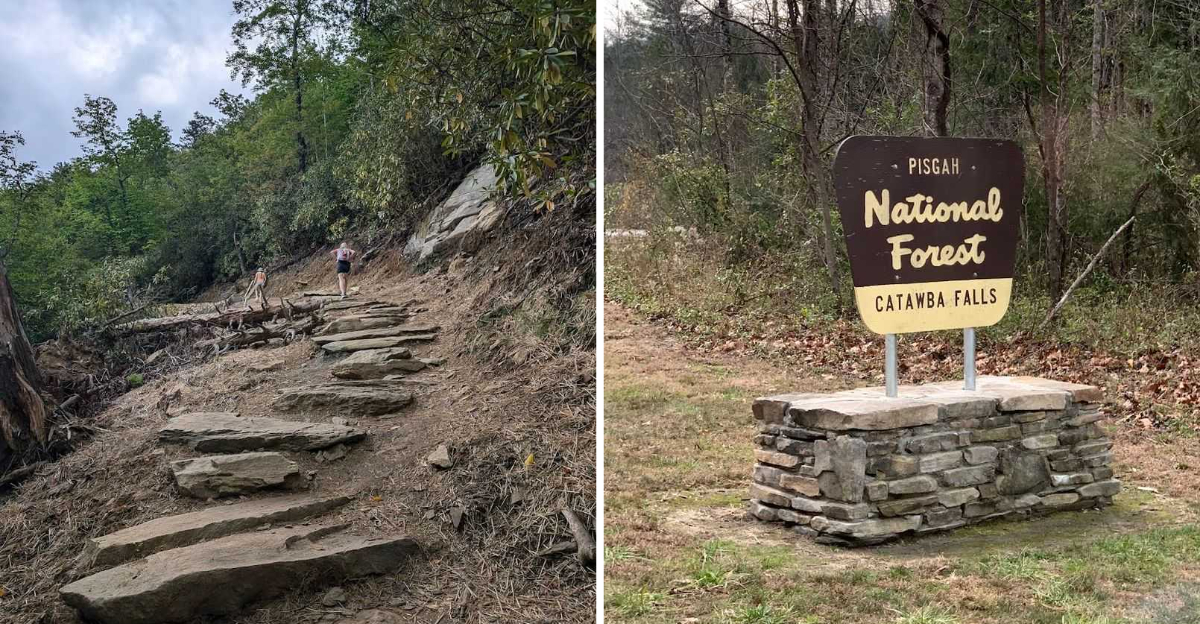
Freshly reopened and thoughtfully improved, Catawba Falls is the kind of hike that leaves your legs burning and your camera roll full. You get rushing water, skyward views from an observation tower, and a loop option that keeps things interesting from start to finish.
Come ready for 500 plus stairs and a couple of stream crossings that feel adventurous but manageable. If you want a trail that pays back every step, this is it.
Why the reopening feels special now
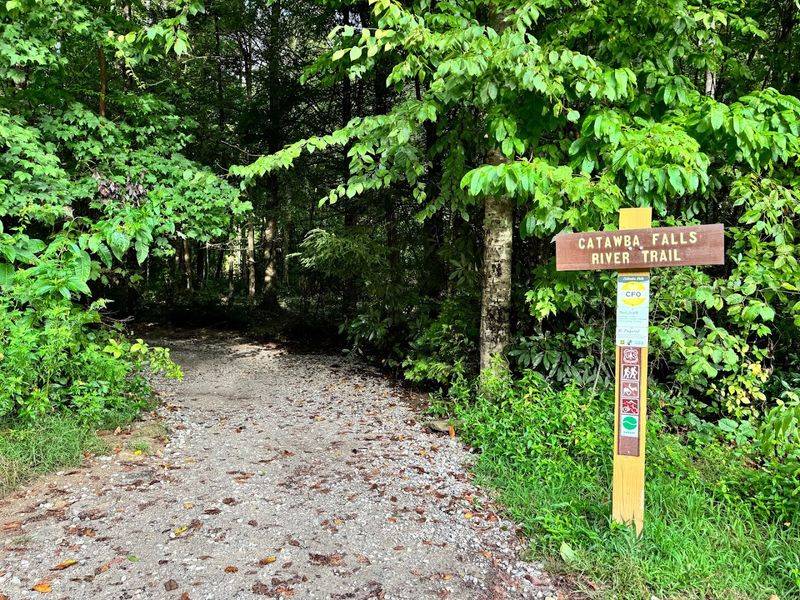
Months of closures often test a place’s spirit, yet this trail returned stronger and more thoughtful. You can feel that care from the first steps beyond the large parking lot, where clear signage points you toward the river.
Fresh tread, drainage fixes, and thoughtfully placed stairs translate into safer progress and repeatable joy.
Those stairs are real work, more than 500 of them, and you will feel every switchback. Breaks on platforms give calves a chance to reset while you catch the sound of water intensifying.
Each landing frames the valley in new ways, so you are not just climbing, you are curating viewpoints.
At the base, the perspective is cinematic, spray cooling your face as the creek barrels forward. From the tower, the falls stack into sculpted tiers that make photos look unreal.
Plan an early start, bring water plus a snack, and treat the loop like intervals, pacing the ridge and saving legs for the descent.
Parking, hours, and trailhead essentials
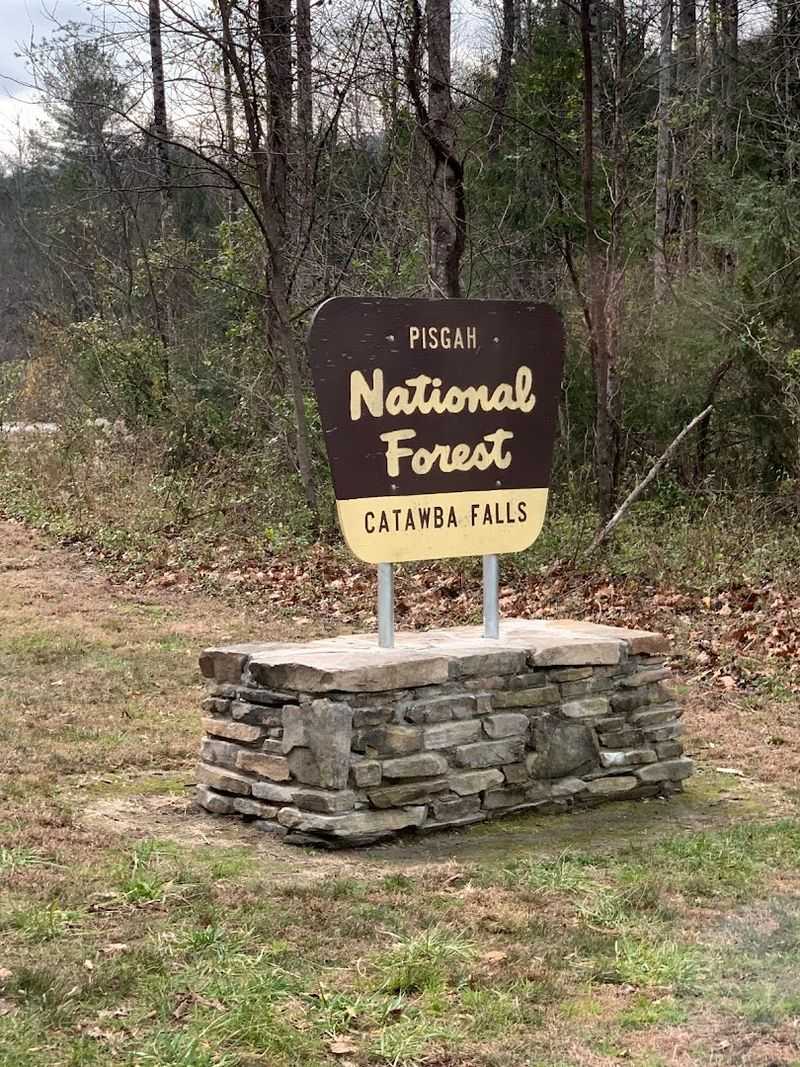
Getting set starts at 3074 Catawba River Rd in Old Fort, where a big lot and a restroom greet you. The area is open 24 hours, but crowds swell by late morning on weekends.
Pull in early or slide in late afternoon to bypass the rush and catch the falls glowing.
Wayfinding is simple thanks to clear maps and blazes. The waterfall trail leaves from the right side of the lot, with the ridge trail offering the loop option.
Benches near the tower and along steeper stretches become your best friends if you are pacing kids or waiting for a snack break.
Expect busy summer Saturdays and leaf season lines, yet turnover is steady. Keep a backup plan in Old Fort for coffee or an early lunch if parking pulses.
Pack out trash because bins cluster near the entrance, and consider a restroom stop in town if you are sensitive to trailhead odors.
Trail layout and the best loop direction
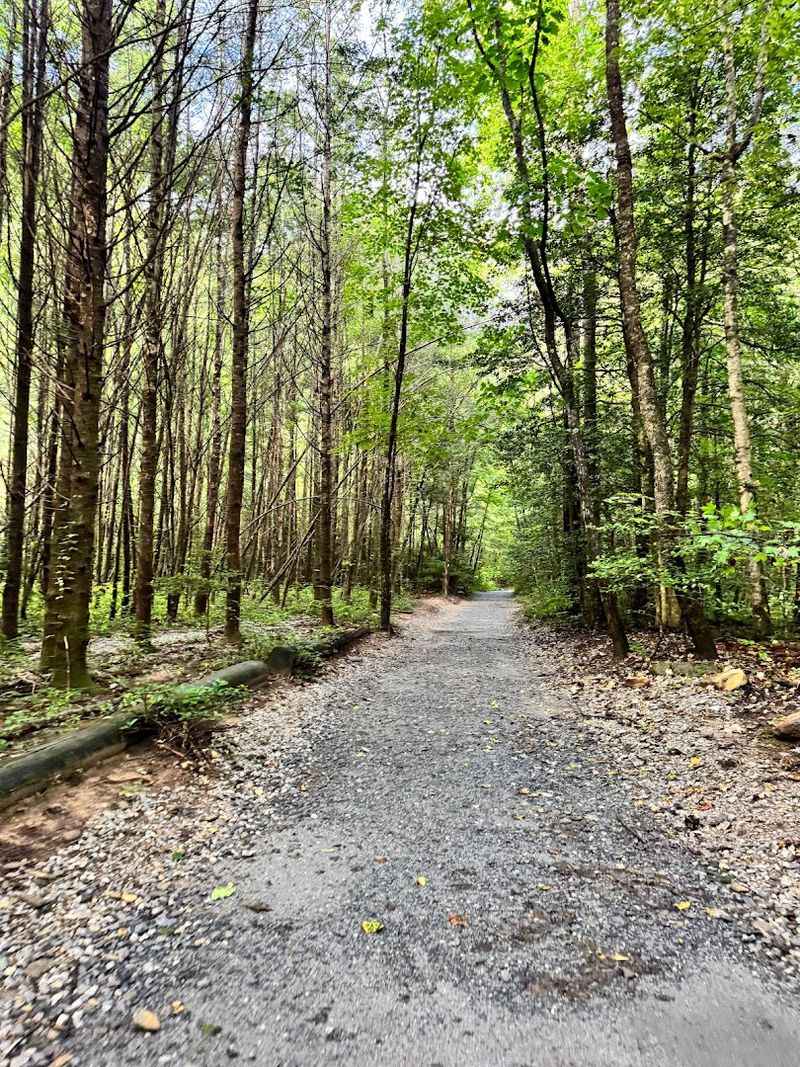
You have two clean choices here and both work. Start up the waterfall trail to tackle stairs on fresh legs, then descend the ridge for a gentler finish.
Or flip it if knees prefer down stairs over up, using the ridge’s steady incline to warm up before meeting the roar of water.
The classic pick is stairs first. Platforms give short breaks, and you arrive at the tower charged by spray and momentum.
After soaking in the view, the ridge trail leads you down broader tread, where conversation flows and feet unwind before returning to the lot.
Loop distance hovers around four miles, while the out and back option trims mileage if time runs short. Weather and crowds can tip the decision, so scan conditions at the kiosk.
No matter the direction, you will pass smaller cascades that reward unhurried pacing and a few mindful pauses.
Conquering the 500 plus stairs with smart pacing
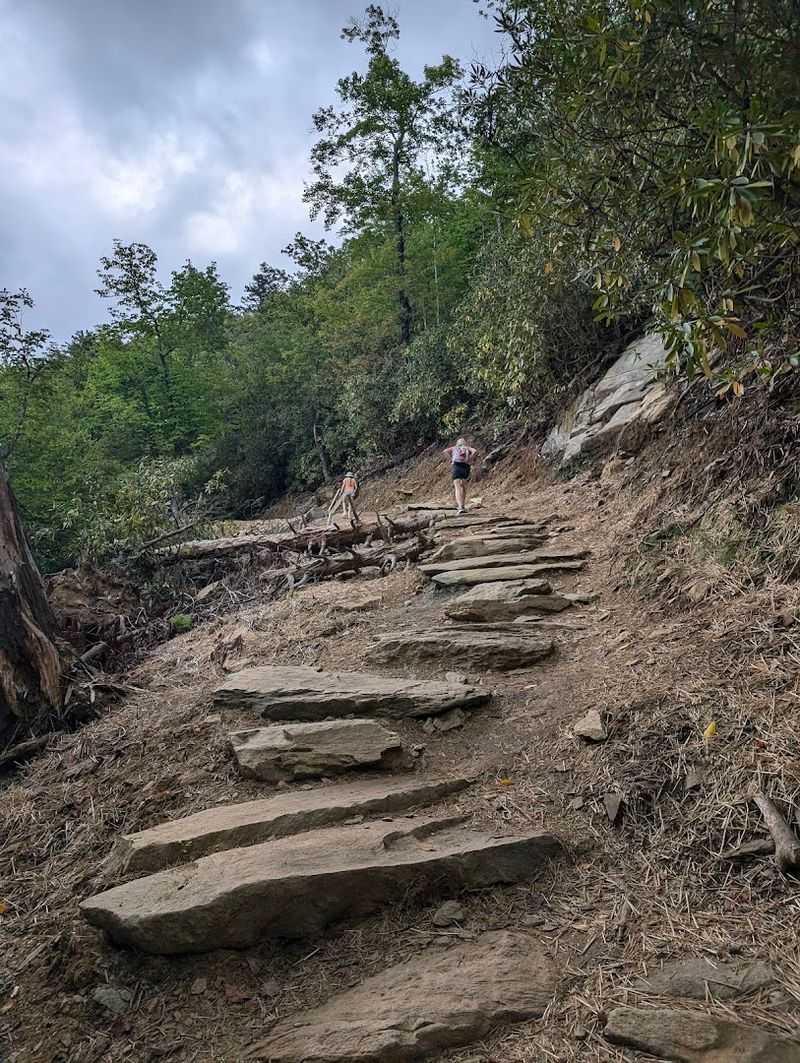
Those stairs look intimidating from below, but the secret is rhythm. Short steps, upright posture, and hands relaxed on the rail keep oxygen flowing while you tick off landings.
Think in clusters of 50, pausing briefly on platforms to sip water and let your pulse return to a comfortable hum.
Foot placement matters when leaves or drizzle make things slick. Plant the whole foot, avoid the stair edges, and use poles only if they will not crowd others on narrower turns.
When someone behind pushes faster, step aside on a platform and reclaim your cadence without pressure.
Kids often surprise adults here, sprinting segments, then collapsing in giggles on benches. Build mini goals like tower snacks or a photo at a favorite landing to keep morale high.
By the top, legs will buzz, but that first sweep of mountain horizon feels like a finish line worth training for.
Water crossings, footwear, and traction picks
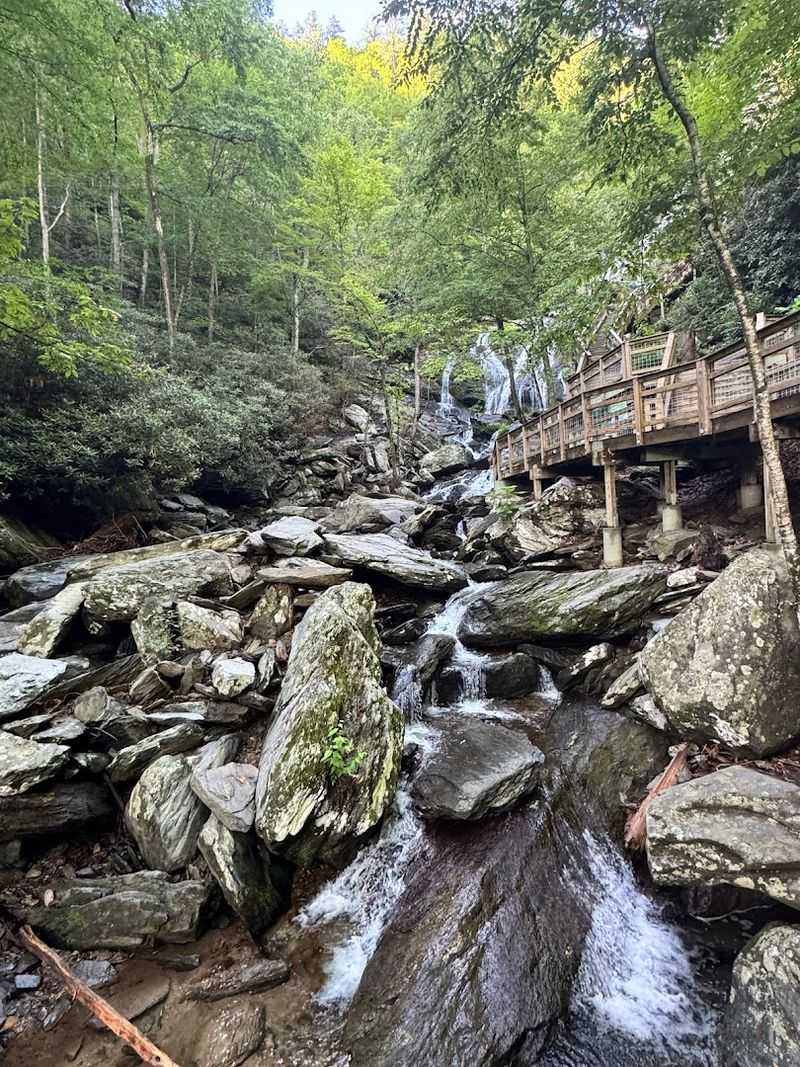
Most days you will face at least one rocky stream crossing, simple in low flow and tricky when rain swells the channel. Stable shoes with grippy soles make a huge difference.
Trail runners with sticky rubber or light hikers with waterproof membranes handle slick rock and shallow puddles without drama.
Pick a line before stepping. Look for submerged stones that do not wobble and use a pole or a sturdy branch for three points of contact.
If sandals are your thing, choose models with toe protection and heel straps, then pack dry socks to swap in after the crossing.
Leaves can hide slime on boards and rock, so test traction with gentle pressure before committing. On chillier mornings, keep feet warm by wearing wool socks that insulate even damp.
When water runs high, turn around rather than gamble, because the base view of the falls already exceeds most trail payoffs.
Observation tower and the best photo angles
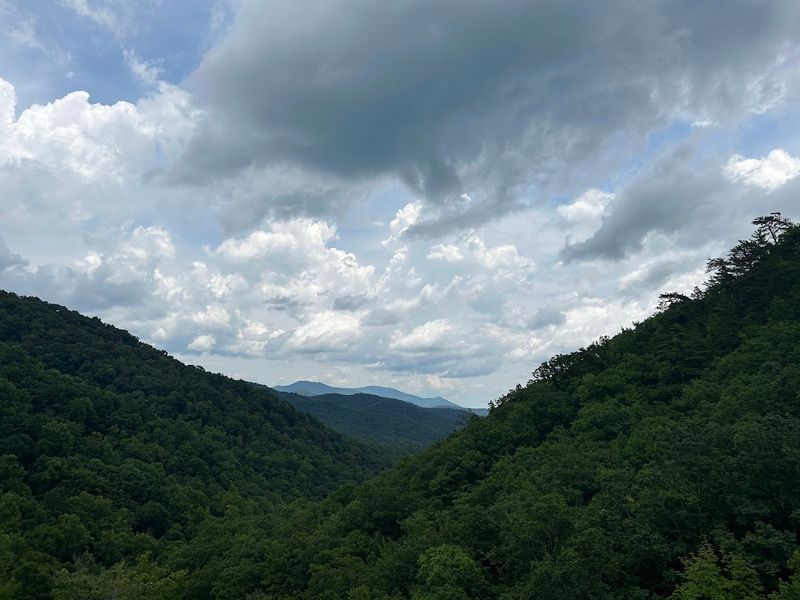
Views stack beautifully from the tower, but your best frame starts lower. Shoot through foreground branches near the first landing to add depth and scale.
Then climb to the tower for a clean, centered composition that showcases tiered water, catching spray as it feathers into late afternoon light.
Phones do well in 1x or 2x here, while a 24 to 70 mm lens covers most needs. Keep a microfiber cloth handy because mist finds everything.
If glare flares, use your hat brim as a makeshift hood and keep the horizon straight by anchoring elbows to the rail.
For crowds, wait one breath after groups move on and you will often have a quiet 30 seconds. Long exposures look elegant, but do not block stairs with a tripod during busy windows.
Snap fast, step aside courteously, and then savor the scene with your own eyes for a beat.
Safety, weather, and seasonal timing
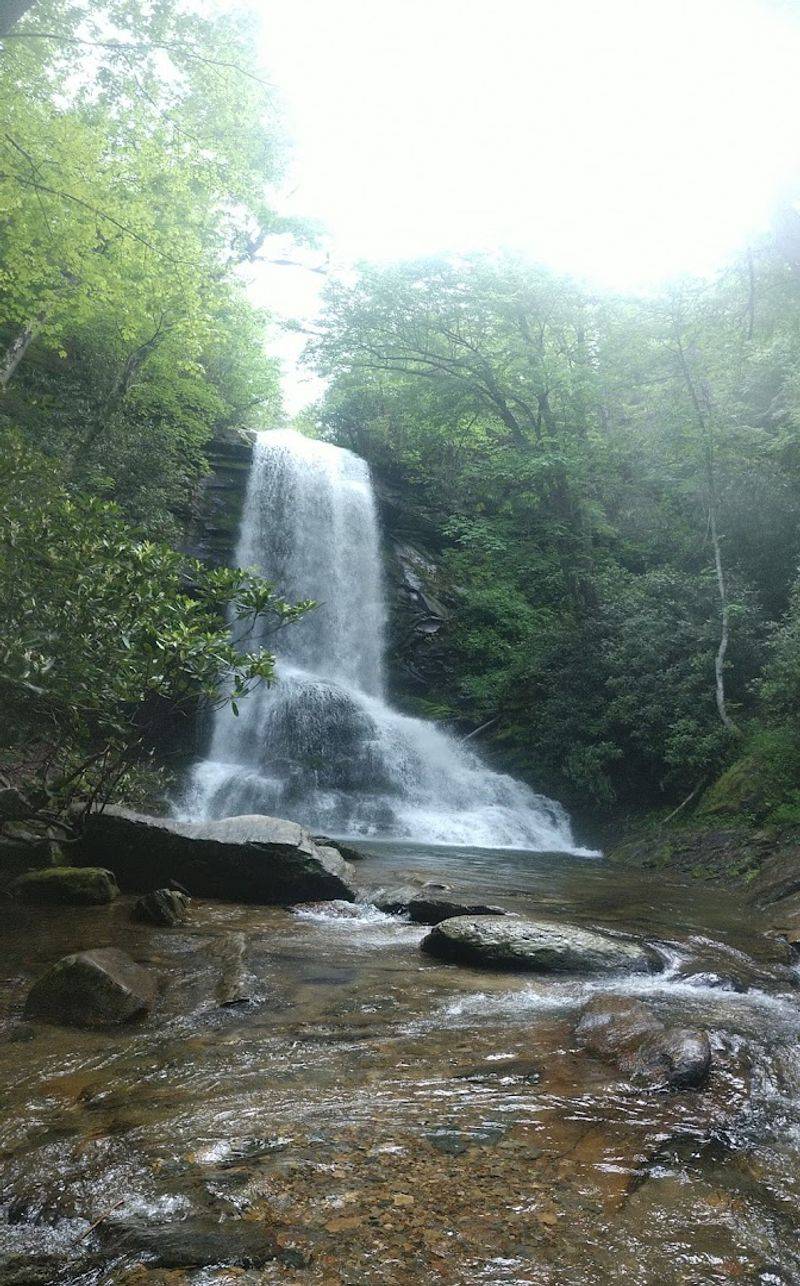
Flow peaks after steady rains, turning the falls thunderous and photogenic, yet slick surfaces raise risk. Check forecasts, avoid severe storm windows, and bring a light shell even on sunny days.
In winter, shaded steps ice early, so microspikes can pay off and warm layers prevent post-summit chills.
Spring wildflowers brighten the river path and make early mornings magical. Summer brings family energy, swimming holes near calmer pockets, and heavy afternoon parking.
Fall steals the show with color, so plan sunrise arrivals or weekday afternoons to sidestep gridlock and enjoy cooler air for the climb.
Heat compels extra water, saltier snacks, and patience on the stair stack. Thunder rumbles mean you pivot, because towers and ridgelines are not lightning friends.
Year round, let conditions set your ceiling and remember that the base view delivers the essence of Catawba without pushing into sketchy calls.
Crowds, etiquette, and Leave No Trace moves
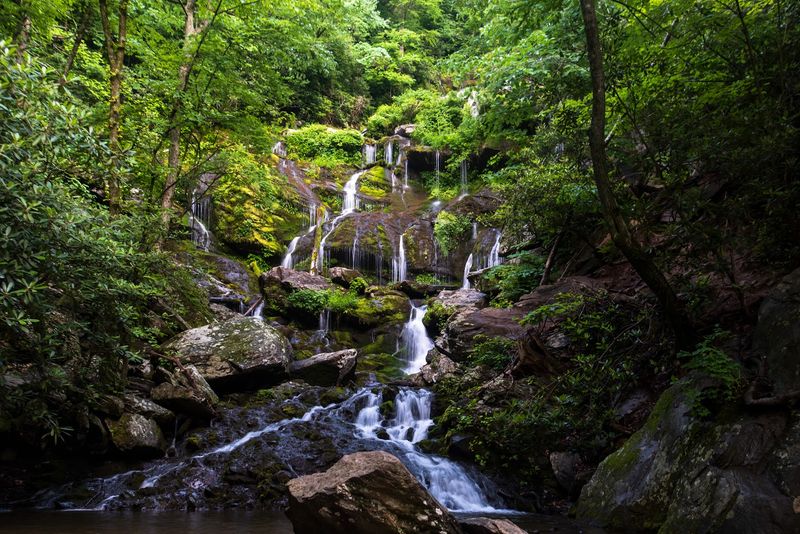
Popular trails need intentional kindness. Yield to uphill hikers on narrow pitches, keep music in your own ears, and pause on platforms instead of mid stair to catch your breath.
Short, predictable movements prevent pileups, and a quick smile resets the tone when everyone is working just as hard.
Pack out every wrapper because trash cans cluster at the lot, not deep in the woods. Dog teams should carry bags and plan to haul them back out, using short leashes near crossings and stairs.
When taking photos, step to the side quickly so the flow of people does not stall.
Peak days often include controlled chaos and that is okay. Show newcomers how to pass safely, thank patient folks, and keep lunch stops off the main corridor.
A tidy trail reads as respect for the forest, the river, and the crews who rebuilt this place for all of us.
Families, dogs, and realistic pacing
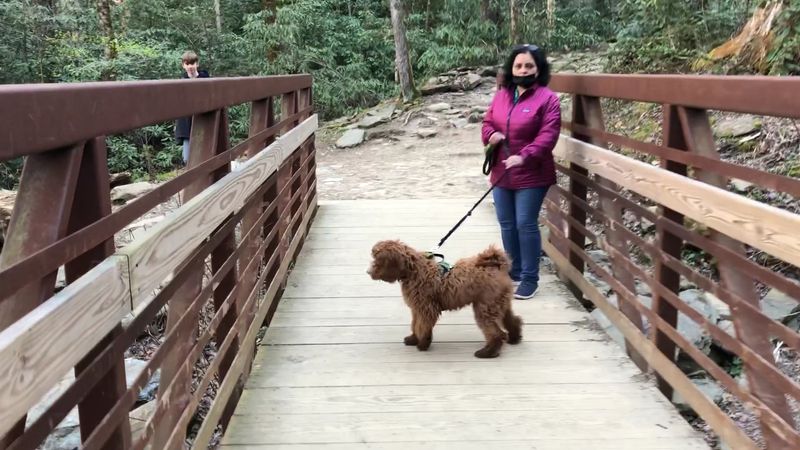
Daypacks feel lighter when expectations match the terrain. Young hikers often crush the riverside miles, then stall on the stair climb, so build mini challenges and celebrate landings.
Pack fruit, crackers, and a favorite cookie for the tower platform, and aim for shade breaks to keep moods steady.
Dogs do great with shorter nails, grippy paw pads, and a harness for control on steep boards. Keep the leash tight near busy platforms and crossings because crowds can rattle even confident pups.
Water is scarce above the base, so carry a collapsible bowl and an extra half liter per dog.
Set turnaround times to beat nap windows or early dinners. If energy dips, soak in the base viewpoint and call it a win because the roar alone feels unforgettable.
On cooler days, stash a light puffy for wiggly kids who cool down fast once the climbing pause sets in.
Gear checklist for a smooth day
Simple kits shine here. A 15 to 20 liter pack carries one to two liters of water, salty snacks, a compact rain shell, and a warm layer in cool seasons.
Add a small first aid kit, sunscreen, and a headlamp if afternoon plans might stretch toward dusk on the ridge.
Footwear takes center stage with sticky outsoles and supportive midsoles. Toss in dry socks for post crossing comfort and a microfiber cloth for misty lenses.
Trekking poles collapse easily on the tower and reappear for confidence descending wet steps or balancing across pebbled braids of the creek.
Phones handle navigation, yet a photo of the kiosk map backs you up. Shoulder seasons justify microspikes, and summer favors a cooling bandana plus electrolyte tablets.
With this setup, you can adapt gracefully to crowds, drizzle, and that satisfying stair burn without overpacking or second guessing.