Georgia has a long, proud history of barbecue that goes way beyond trendy restaurants and fancy menus.
Across the state, a handful of old-school joints have been quietly doing things the right way for decades — cooking meat low and slow over real wood-fired pits.
These places are small, sometimes rough around the edges, and almost always packed with loyal locals who wouldn’t eat their BBQ anywhere else.
If you’re chasing real smoke flavor and honest Southern cooking, Georgia’s classic pit joints are exactly where you need to be.
Fresh Air Barbecue (Jackson)
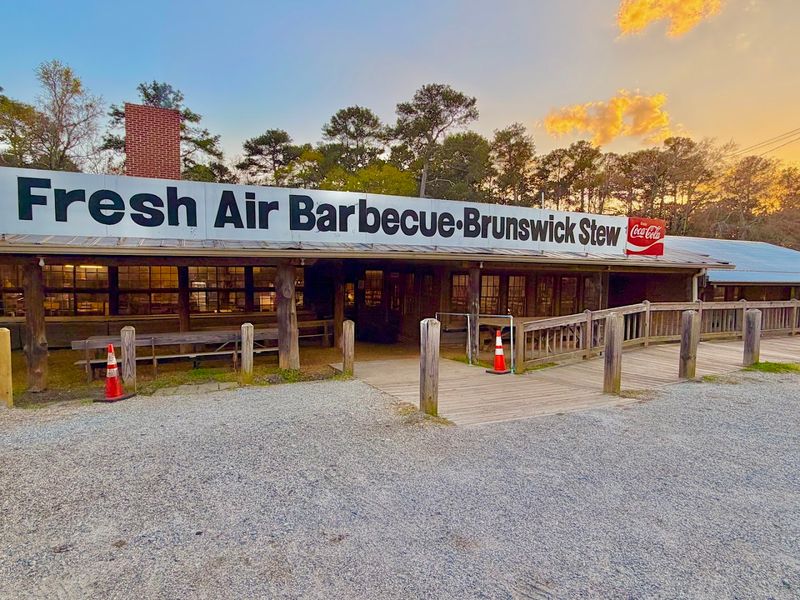
Since 1929, Fresh Air Barbecue in Jackson has been doing one thing exceptionally well — cooking pork low and slow over wood-fired pits the old-fashioned way. Many food historians consider it the oldest continuously operating pit BBQ joint in Georgia, and that title is well-earned.
Walking in feels like stepping back in time.
The menu is stripped down and unapologetic. Chopped pork and Brunswick stew are the stars, and neither has changed much in nearly a century.
There are no fusion twists or trendy sides here — just the kind of honest, smoke-forward food that built Georgia’s BBQ reputation in the first place.
What makes Fresh Air special isn’t just the age — it’s the consistency. Generation after generation of Georgia families have made the drive to Jackson for the same plate of smoky pork, and the kitchen keeps delivering.
The dining room is simple, the service is no-fuss, and the focus stays entirely on the food. For anyone serious about understanding what traditional Georgia pit barbecue really tastes like, Fresh Air Barbecue is the clearest, most authentic starting point you’ll find anywhere in the state.
Old Brick Pit Barbeque (Atlanta)
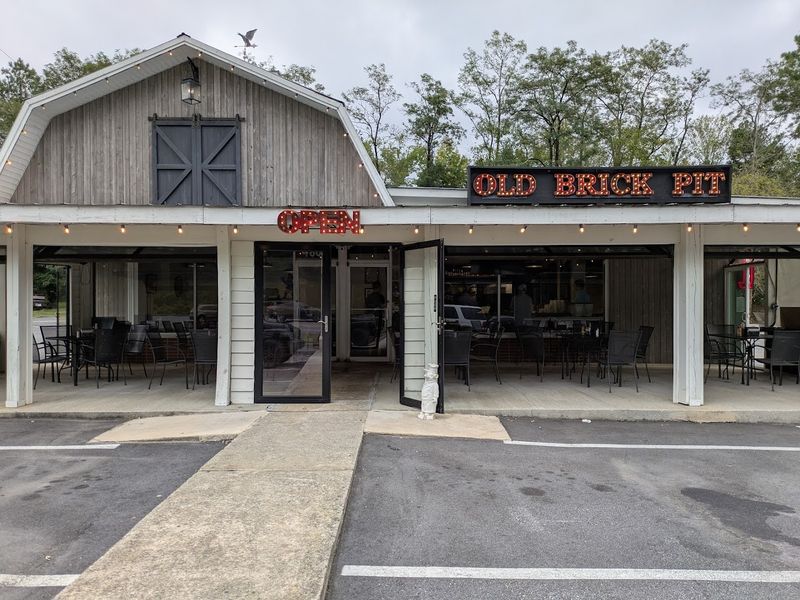
You almost have to know it exists to find it. Old Brick Pit Barbeque is a tiny roadside shack in Atlanta that looks like it belongs in a different era — because in the best possible way, it does.
The name isn’t just a catchy label; there is a literal brick pit inside where pork is cooked over real wood, just like it’s always been done.
The chopped pork is the undisputed headliner. It comes out fine and tender, dressed with a tangy red sauce that cuts through the smoke without overpowering it.
Nothing about this place is trying to impress anyone — and somehow, that’s exactly what makes it so impressive to first-time visitors.
Old Brick Pit is a reminder that great barbecue doesn’t need a polished dining room or a curated craft beer list. It needs good wood, good meat, and someone who genuinely cares about the process.
Atlanta has seen wave after wave of food trends come and go, but this little shack has stayed rooted in tradition. For locals who grew up eating here, it’s not just a restaurant — it’s a landmark worth protecting.
Old Hickory House (Tucker)
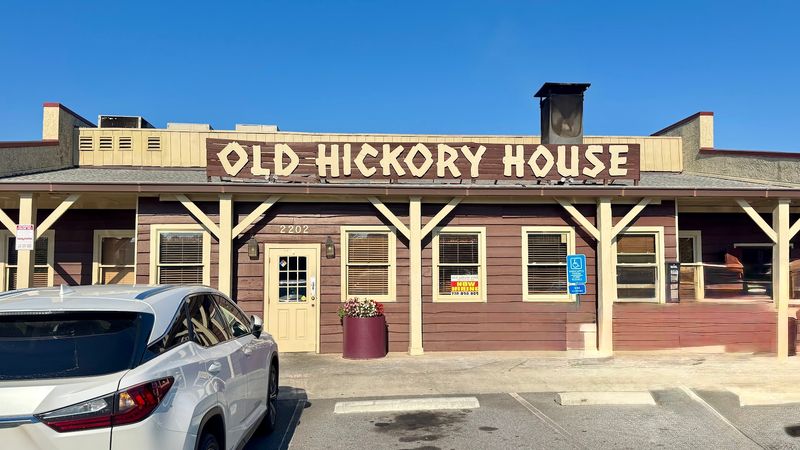
Back in the 1950s, Old Hickory House was part of a larger BBQ chain that stretched across the Atlanta area. Most of those locations are long gone, replaced by parking lots and strip malls.
But the Tucker outpost survived, and today it stands as a genuine time capsule of mid-century Southern barbecue culture.
The pit-smoking methods and family recipes that defined the original chain are still in use here. There’s something quietly remarkable about that — sitting down to a plate of smoked meat prepared the same way it was when Eisenhower was president.
The menu feels familiar in the best sense, built around the classics that made Georgia BBQ famous.
Old Hickory House isn’t trying to be a museum, but it functions like one for anyone who cares about food history. The regulars who fill the seats on any given afternoon aren’t there for nostalgia alone — they’re there because the food is genuinely good.
Smoky, tender, and seasoned with decades of practice, every plate tells a story about a style of cooking that deserves to be remembered. Tucker is lucky to still have it, and smart visitors make a point to stop in.
Sconyers Bar-B-Que (Augusta)
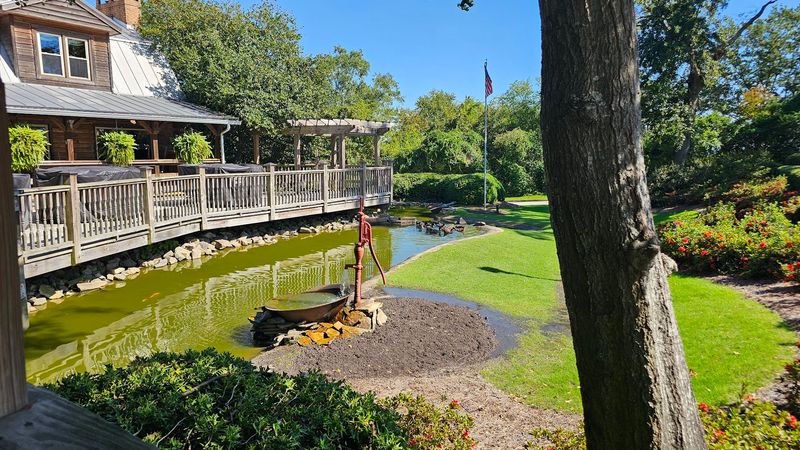
Ask anyone in Augusta where to find real barbecue, and Sconyers Bar-B-Que will almost certainly come up in the first breath. This family-run institution has built its reputation over decades, anchored by oak- and hickory-fired pits and recipes that haven’t needed updating since they were first written down.
The menu leans into the classics — tender pulled pork, meaty ribs, and hash cooked the old way, served in a rustic setting that feels wonderfully untouched by modern restaurant trends. Hash, for those unfamiliar, is a deeply regional dish that pairs smoked meat with a savory stew base, and Sconyers does it right.
It’s the kind of thing you have to try to fully understand.
What separates Sconyers from most BBQ spots isn’t just the food — it’s the atmosphere. The dining room is large enough to feed a crowd but still carries that neighborhood-joint warmth that makes you feel like a regular on your first visit.
Families, construction workers, and out-of-town visitors all end up at the same tables, connected by a shared appreciation for honest food cooked with real fire. Augusta without Sconyers would feel like something important was missing from the city’s identity.
Fincher’s Barbecue (Macon)
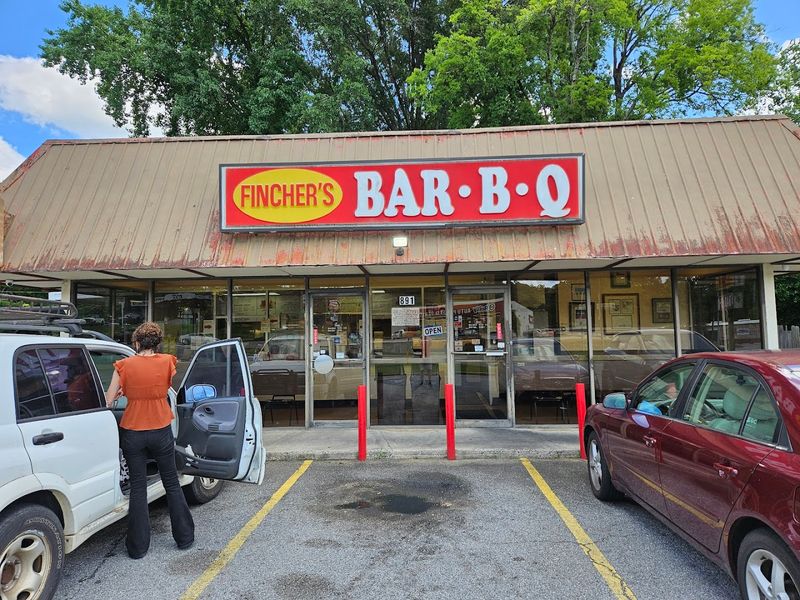
Fincher’s Barbecue has been feeding Macon for generations, and the secret to its longevity is refreshingly simple — they never tried to fix what wasn’t broken. Chopped pork, straightforward sauces, and zero interest in modernizing the formula.
That stubborn commitment to tradition is exactly what keeps loyal customers coming back year after year.
Growing up in Macon often means growing up with Fincher’s as a regular stop. Birthday lunches, after-church meals, Friday afternoons after a long week — this is the kind of place that quietly becomes part of a family’s routine without anyone making a big decision about it.
The food earns that loyalty honestly, with smoke and seasoning that builds real flavor over long, patient cooking times.
There’s no pretense at Fincher’s. The building is humble, the menu is short, and the staff isn’t trying to sell you on an experience.
They’re focused on the plate in front of you, which is exactly where the focus should be. For visitors passing through Macon, stopping here is less about finding a trendy food destination and more about connecting with a piece of Central Georgia culture that has outlasted just about everything else around it.
Bigun’s Barbeque (Talking Rock)
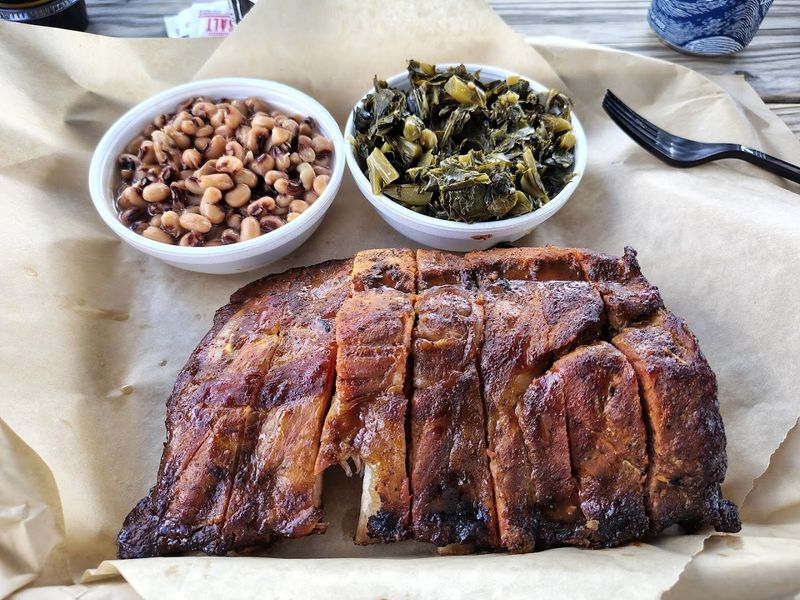
Talking Rock, Georgia, is the kind of small town that most people drive through without stopping. Bigun’s Barbeque is a very good reason to pump the brakes.
Tucked along the road in a no-frills building that doesn’t advertise itself loudly, this North Georgia spot lets the smoke do the talking — and it has plenty to say.
The barbecue here comes from traditional pits, cooked slow enough to develop the deep, layered flavor that shortcuts simply can’t replicate. The exterior is modest almost to the point of being easy to miss, but regulars know better.
Word of mouth has kept Bigun’s on the radar of serious BBQ enthusiasts who make the winding drive up into the North Georgia foothills specifically for this food.
There’s a particular kind of satisfaction in finding a place like Bigun’s — somewhere off the beaten path that rewards the effort of seeking it out. No hype, no social media strategy, just a pit, some wood, and meat that speaks for itself.
In a region where roadside gems are becoming increasingly rare, Bigun’s stands as proof that real barbecue culture is still alive and well in the quieter corners of Georgia’s mountain country.
Southern Soul Barbeque (St. Simons Island)
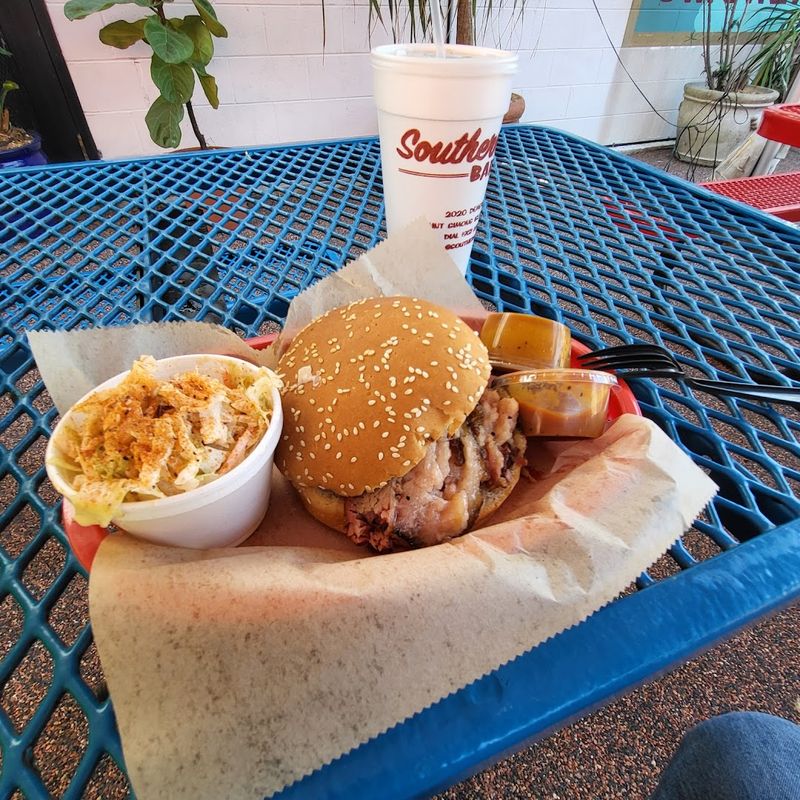
Not many BBQ joints can claim a former gas station as their home base, but Southern Soul Barbeque on St. Simons Island wears that history like a badge of honor. The building’s bones still carry that old roadside-stop energy, and somehow it fits the food perfectly — unpretentious, practical, and full of character.
Wood-smoked meats are the foundation here, cooked using pit methods that honor the deep Southern roots of coastal Georgia barbecue. The laid-back atmosphere matches the Island’s pace, but don’t let the relaxed vibe fool you.
The kitchen takes the craft seriously, and the results — tender brisket, pulled pork, smoked sausage — reflect that dedication with every bite.
Southern Soul has earned a reputation that extends well beyond St. Simons, drawing visitors from across the state and beyond who specifically plan their coastal trips around a meal here. The outdoor seating, the smell of wood smoke drifting through the salty air, and the sound of live music on certain evenings all add up to something that feels genuinely special.
It’s the kind of discovery that turns a casual day trip into a food memory you end up telling people about for years afterward.
Scott’s Walk-Up Bar-B-Q (Cartersville)
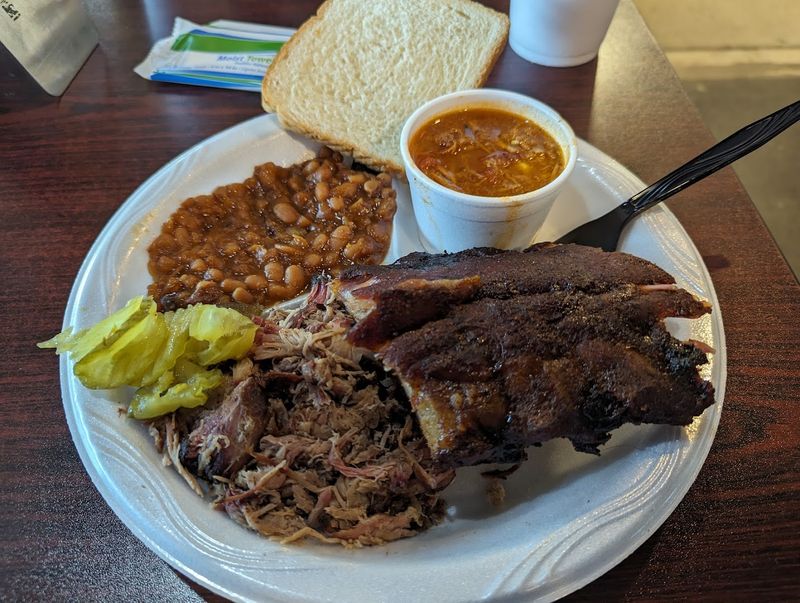
A walk-up window, a small building, and a pit that never seems to cool down — that’s Scott’s Bar-B-Q in Cartersville in a nutshell. No dining room to speak of, no waitstaff, no frills of any kind.
Just some of the most honest, smoke-drenched barbecue in Northwest Georgia served to whoever shows up hungry.
Locals swear by the chopped pork and Brunswick stew, and both dishes deliver the kind of deep, slow-cooked flavor that only comes from genuine patience and real wood fire. The stew, thick and hearty, is the sort of thing you want on a cool afternoon — rich with pork and vegetables and smoke worked into every spoonful over hours of cooking.
Scott’s is the kind of spot that reminds you barbecue was never meant to be complicated. The focus here is sharp and unwavering — cook the meat right, keep the menu manageable, and let the quality speak louder than any marketing could.
Cartersville residents have known about this place for years, and there’s a quiet pride in that local knowledge. First-timers who stumble across it tend to leave with the same look on their face: a mix of surprise and immediate satisfaction.
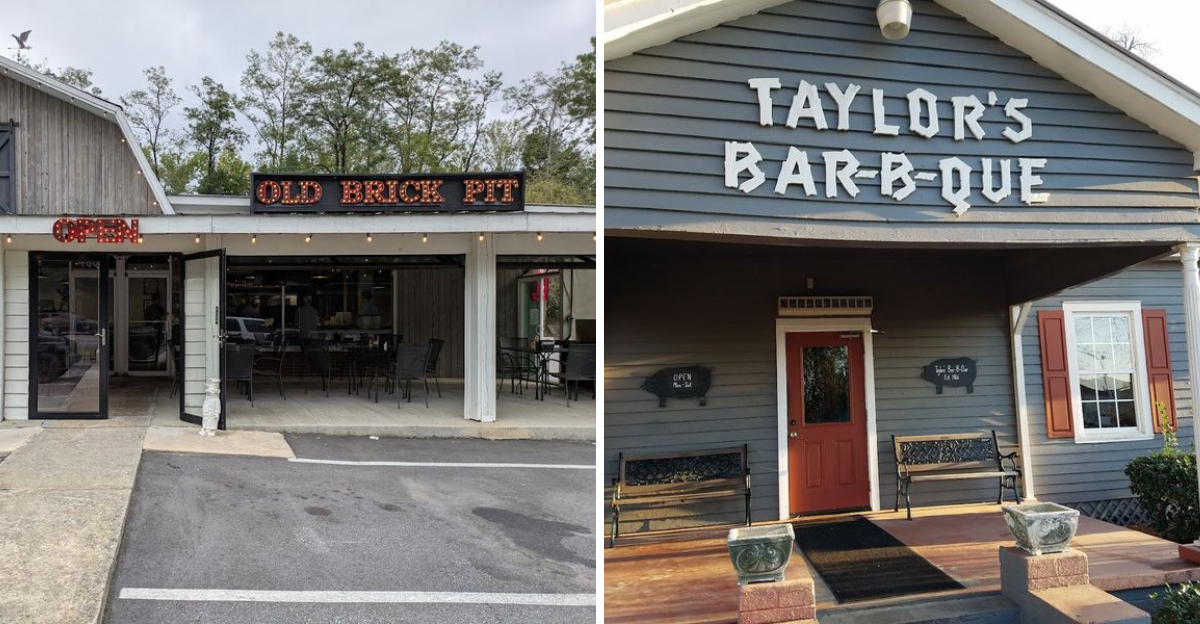
Taylor’s Barbecue (Waynesboro)
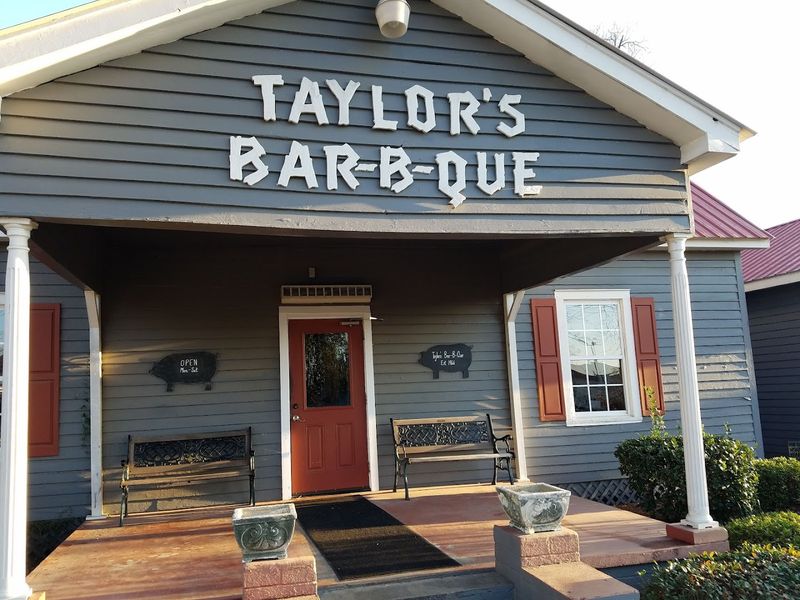
Since 1958, Taylor’s Barbecue has been anchoring the food culture of Waynesboro with a style of pit cooking that predates most modern BBQ trends by decades. Middle Georgia has its own distinct barbecue identity, and Taylor’s is one of the clearest expressions of it — built around open pits, slow cooking, and a vinegar-based sauce that cuts through the smoke with a sharp, clean finish.
That sauce is worth discussing on its own. Vinegar-based barbecue sauces represent one of the oldest regional styles in Southern cooking, and they’re not as common in Georgia as they once were.
Taylor’s keeping that tradition alive isn’t just good for customers — it’s genuinely important for preserving a piece of culinary history that could easily disappear without places like this holding the line.
The meat comes out chopped, tender, and deeply flavored from the long hours over open pits. There’s no shortcut visible anywhere in the process, and the results prove it.
Waynesboro doesn’t always make the lists of Georgia food destinations, but anyone willing to make the drive will find in Taylor’s a restaurant that has earned its place in the state’s barbecue story many times over across more than six decades of cooking.
Poole’s Bar-B-Q (East Ellijay)
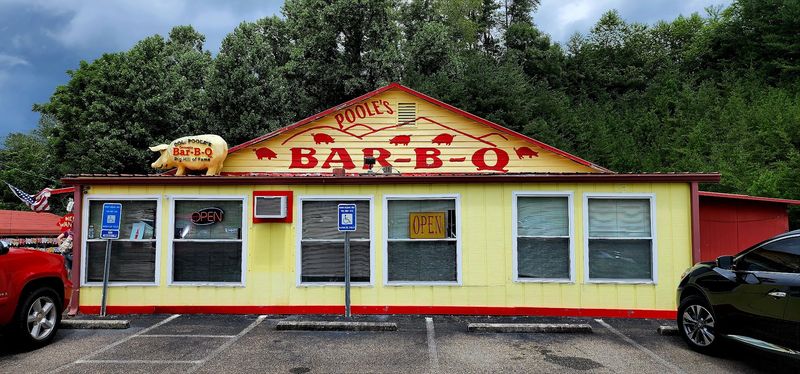
Poole’s Bar-B-Q in East Ellijay is part roadside attraction, part North Georgia institution, and entirely its own thing. What started as a patchwork of old trailers and outdoor pits has grown into one of the most distinctive-looking BBQ spots in the state — and the food inside those weathered walls is every bit as memorable as the scenery outside them.
Meat is cooked over wood-fired pits the way it’s always been done here, and the come-as-you-are setting makes every visit feel casual and comfortable. There’s no dress code, no reservation required, and no pressure to be anything other than hungry.
That informality is part of the charm, and it mirrors the spirit of old-school barbecue culture more honestly than most polished restaurants ever could.
Poole’s has become a destination for fall visitors heading up to the North Georgia mountains for apple-picking season, and many of them quickly realize the BBQ is just as worth the trip as the foliage. But regulars know this place year-round, stopping in whenever the craving for real smoke flavor hits.
Poole’s is a reminder that the best food experiences often come wrapped in the most unexpected packages — and that a few old trailers and a good pit can outlast just about anything.