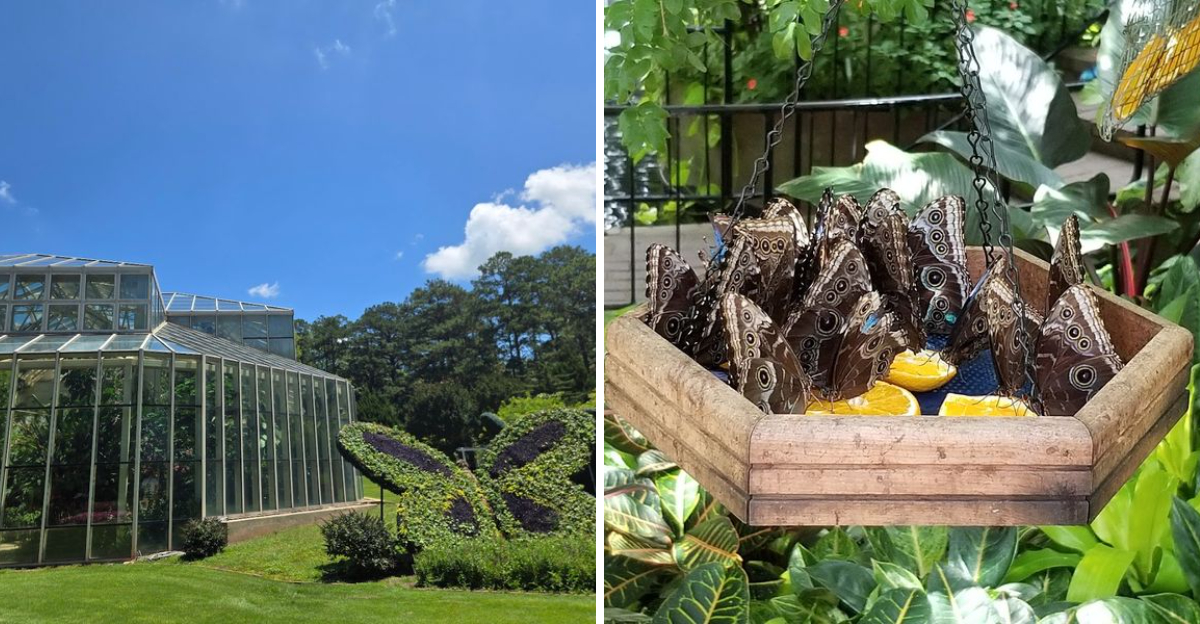
Tucked inside the beautiful Callaway Gardens in Pine Mountain, Georgia, the Cecil B. Day Butterfly Center is one of the most magical places you can visit in the entire Southeast.
Imagine stepping through a glass door and suddenly finding yourself surrounded by hundreds of brilliantly colored butterflies fluttering all around you.
This stunning conservatory is home to more than 50 species of free-flying butterflies from across the globe, all living inside a lush, warm, tropical environment.
Whether you are a nature lover, a curious kid, or just looking for something truly unforgettable, this is one Georgia destination that will absolutely take your breath away.
A Tropical Escape in Georgia
Stepping through the entrance of the Cecil B. Day Butterfly Center feels like being transported to a completely different world.
The moment the doors close behind you, the Georgia heat outside fades away and a warm, humid tropical breeze wraps around you. Butterflies of every color imaginable drift past your face, land on nearby flowers, and occasionally rest right on your shoulder.
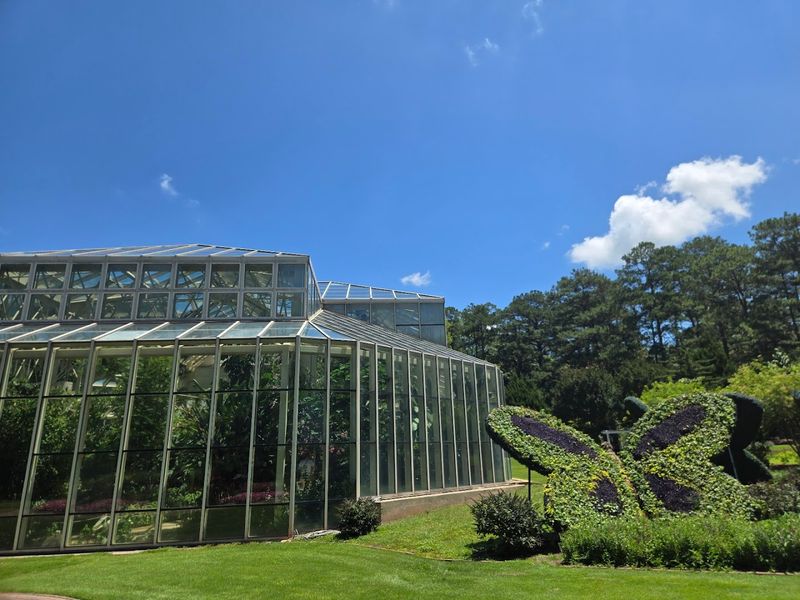
Located within the sprawling Callaway Gardens resort in Pine Mountain, Georgia, this conservatory ranks among the largest glass-enclosed butterfly habitats in all of North America. The space was carefully designed to feel like a living, breathing rainforest rather than a simple exhibit.
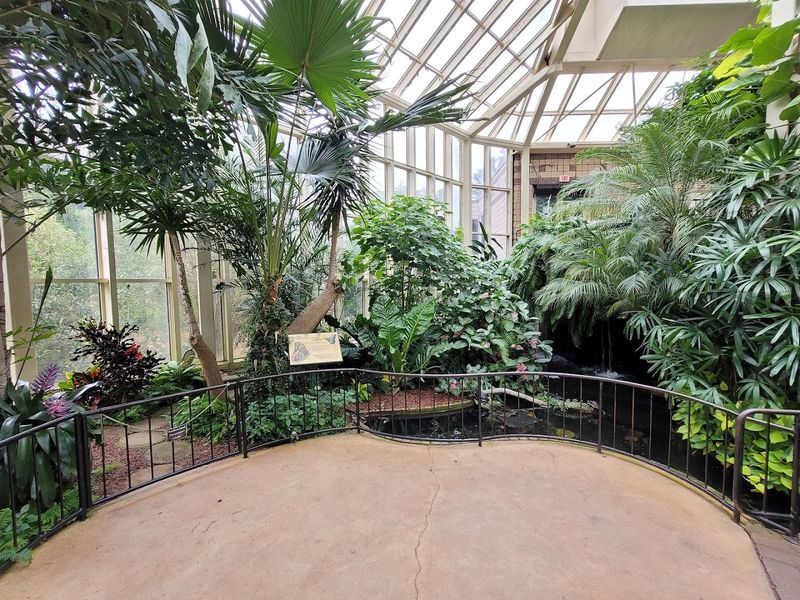
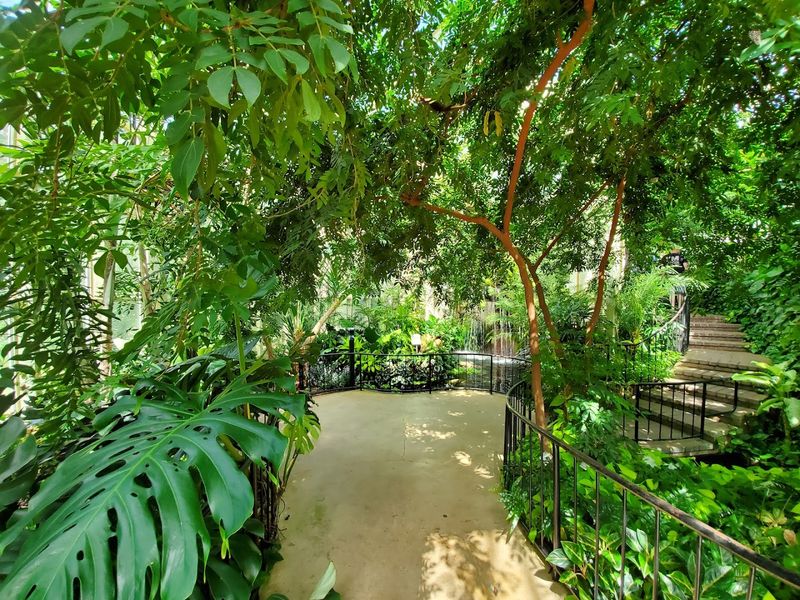
Towering tropical plants, cascading water features, and winding garden paths all work together to create an atmosphere that feels genuinely wild and free.
Families, couples, school groups, and solo travelers all find something special here. Children squeal with delight when a butterfly lands on their hand, while adults simply pause and soak in the beauty around them.
No matter how many times you visit, the experience never gets old. Plan to spend at least an hour inside — you will not want to leave.
History and Legacy of the Center
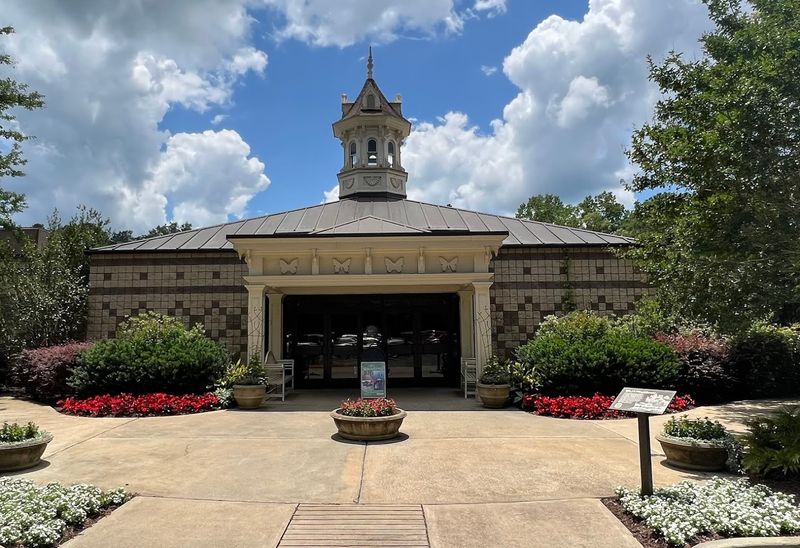
When the Cecil B. Day Butterfly Center first opened its doors in 1988, it was a groundbreaking moment for conservation and nature tourism in the United States.
Very few places in the country had ever attempted to create a free-flight butterfly conservatory on this scale, making Callaway Gardens a true pioneer in the field. The center was named in honor of Cecil B.
Day, the visionary businessman who founded the Days Inn hotel chain and who had a deep personal passion for nature and conservation.
Cecil B. Day passed away in 1978, but his family and the Callaway Gardens foundation chose to honor his memory by creating something he would have truly loved — a place where people could connect with the natural world in a meaningful and unforgettable way.
That original vision has never faded. Decades later, the center still draws hundreds of thousands of visitors each year.
The legacy of this place goes far beyond just butterflies. It represents a commitment to education, conservation, and the belief that wild beauty should be shared with everyone.
Visiting feels like participating in something larger than yourself, a quiet tribute to a man who believed nature deserved our deepest respect and care.
Architectural Marvel: The Tropical Glass Conservatory
At 7,300 square feet, the glass conservatory at the Cecil B. Day Butterfly Center is nothing short of an engineering achievement.
Every panel of glass was carefully angled to maximize natural sunlight throughout the day, keeping the interior warm and bright even during cooler Georgia months. The structure was specifically engineered to trap heat and humidity, mimicking the conditions found in tropical rainforests thousands of miles away.
Walking through the curved glass corridors feels like being inside a giant greenhouse — but one that is alive with wings instead of just leaves. The high ceilings allow butterflies to soar freely without feeling confined, and the open layout gives visitors plenty of room to wander along winding paths.
Benches are tucked throughout the space so you can sit quietly and simply observe the world buzzing around you.
Architects and engineers had to solve some clever challenges when designing this space. Maintaining the right balance of temperature, humidity, and ventilation without disturbing the butterfly population required thoughtful planning at every level.
The result is a structure that feels completely natural from the inside, even though every element was deliberately crafted. It is a beautiful reminder that human ingenuity and nature can sometimes work in perfect harmony.
Butterfly Diversity: Species You Will Encounter
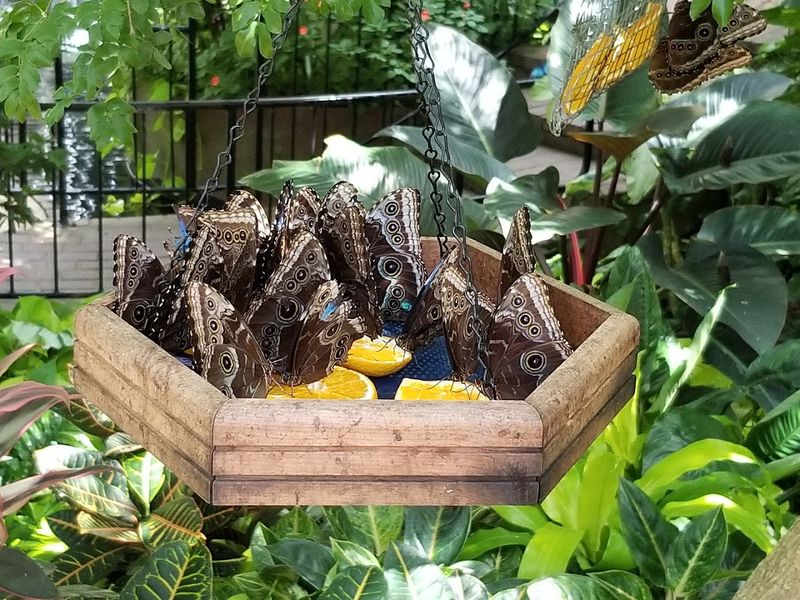
More than 50 species of butterflies from around the world call this conservatory home at any given time. On any single visit, you might spot a blazing orange Gulf Fritillary, a velvety black-and-yellow Giant Swallowtail, or the jaw-dropping iridescent wings of a Blue Morpho butterfly catching the light like a tiny piece of sky.
The sheer variety of shapes, sizes, and colors on display is genuinely astonishing.
Butterflies arrive at the center as pupae — the chrysalis stage — sourced from certified butterfly farms in tropical regions around the world. Once they emerge and dry their wings, they are released directly into the conservatory.
This means the population is constantly refreshed, so no two visits ever look exactly the same. Regular visitors often say they notice different species each time they come.
Staff members are stationed throughout the conservatory and love answering questions about specific species. Ask about the difference between a moth and a butterfly, or why some wings have eyespot patterns.
You will walk away knowing far more than you expected. For butterfly enthusiasts, bringing a field guide or downloading a butterfly identification app before your visit can make the experience even richer and more rewarding.
Year-Round Exhibits and Seasonal Highlights
One of the best things about the Cecil B. Day Butterfly Center is that it is open and spectacular every single month of the year.
Unlike outdoor gardens that peak only in spring or summer, this controlled tropical environment keeps things lively and colorful no matter what the weather is doing outside. That makes it a fantastic option for a winter day trip or a rainy afternoon adventure.
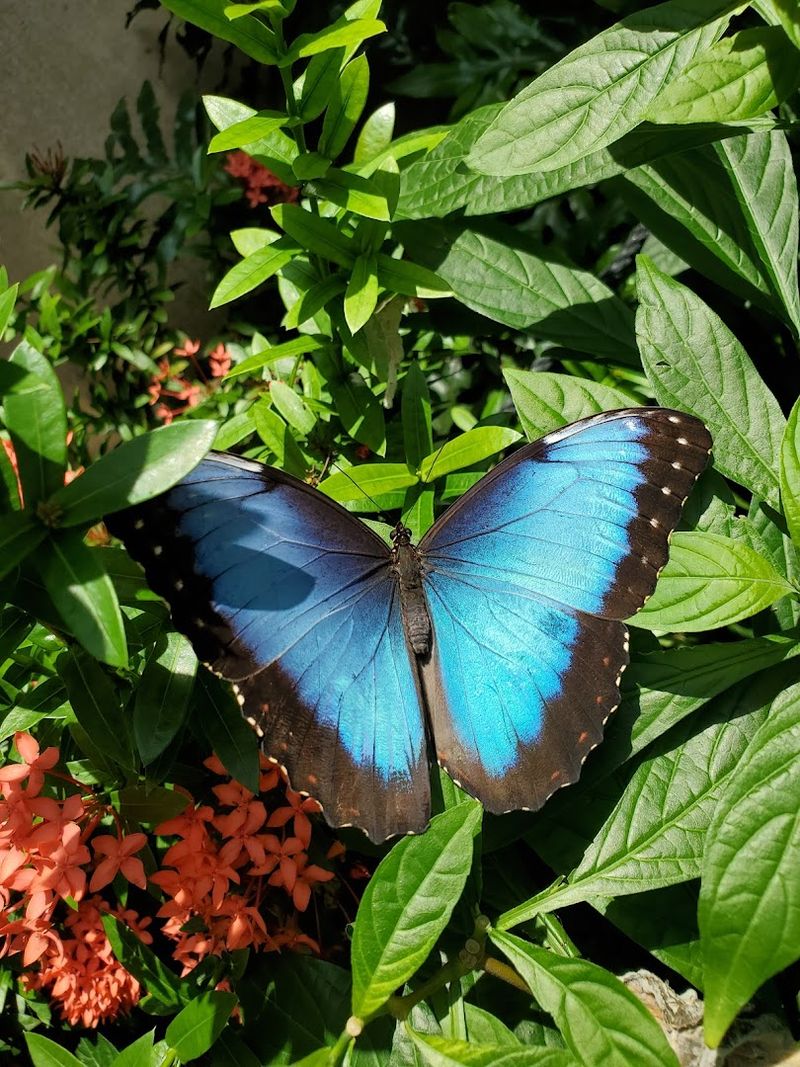
September is widely considered the crown jewel of the calendar here, thanks to Blue Morpho Butterfly Month. During this special event, the conservatory introduces a notably higher number of those breathtaking blue-winged beauties, creating a display that visitors consistently describe as otherworldly.
The electric blue of a Morpho wing in full sunlight is something photographs struggle to fully capture.
Other seasonal highlights include special programming tied to the Monarch butterfly migration in fall and themed events during the holiday season. Spring brings an explosion of new species as fresh pupae arrive from tropical farms.
The center also coordinates its programming with the broader Callaway Gardens seasonal calendar, so your butterfly visit can easily be paired with other attractions like the beautiful azalea gardens or the Robin Lake Beach area nearby.
Tropical Plant Life and Living Ecosystem
Butterflies do not just need open air — they need food, shelter, and the right environment to truly thrive. The plant team at the Cecil B.
Day Butterfly Center has filled every corner of the conservatory with carefully selected tropical species that serve as both nectar sources and natural perches. Bright lantana, fragrant pentas, and bold tropical hibiscus are among the favorites that keep the butterflies well-fed and active throughout the day.
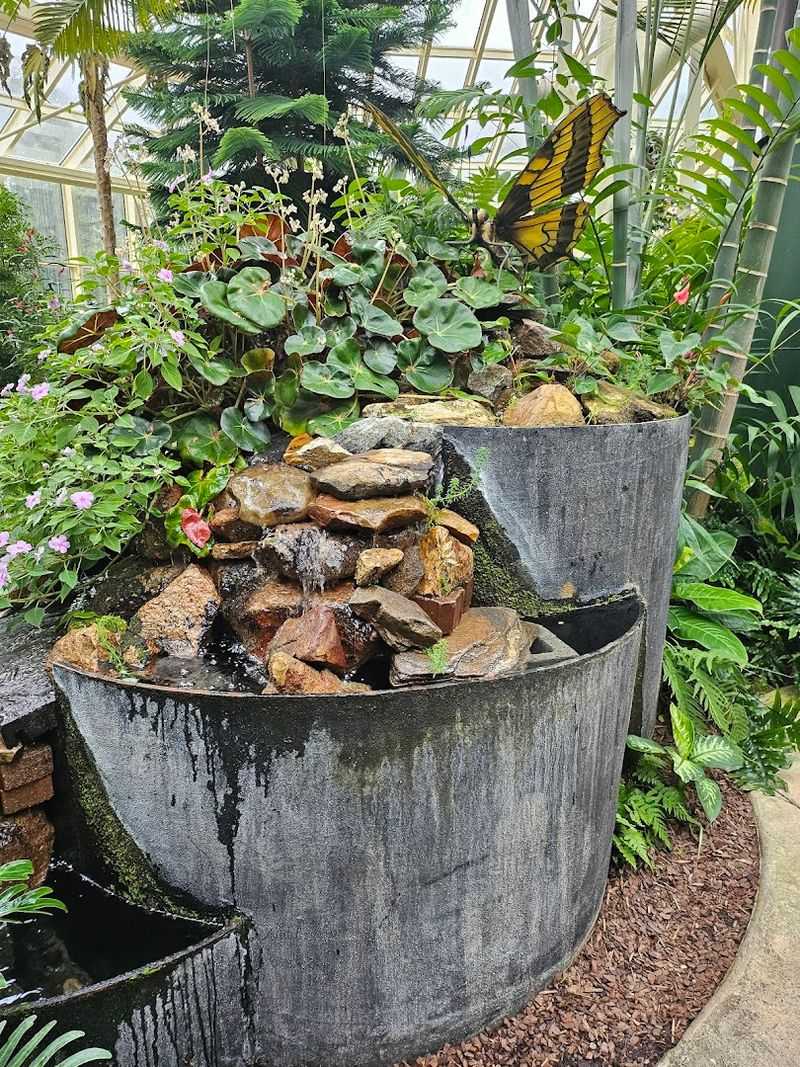
Small water features and shallow puddling stations are also scattered throughout the space. Many butterfly species, especially males, gather at wet sandy spots to sip minerals from the water — a behavior called puddling that is fascinating to watch up close.
The combination of flowing water sounds, blooming flowers, and fluttering wings creates a sensory experience that feels genuinely immersive.
The plant collection is maintained by a dedicated horticultural team who work constantly to keep the ecosystem balanced and healthy. Replacing plants, trimming foliage, and introducing new species are all part of the regular routine.
For gardeners, this conservatory is an incredible source of inspiration. Many visitors leave with fresh ideas about how to make their own backyards more welcoming to local butterfly and pollinator populations.
Educational Experiences and Presentations
Beyond the beauty of simply watching butterflies, the Cecil B. Day Butterfly Center offers a surprisingly rich lineup of educational programming.
The popular Butterfly 101 presentation is a crowd favorite, breaking down the life cycle of a butterfly in a clear and engaging way that both kids and adults genuinely enjoy. Staff educators have a real gift for making science feel exciting rather than textbook-dry.
Specialized talks cover topics like how to plant a pollinator-friendly garden at home, the jaw-dropping annual Monarch butterfly migration, and why butterfly conservation matters on a global scale. These presentations do not talk down to visitors — they treat everyone as curious learners capable of understanding real science.
School groups often schedule visits specifically around these educational sessions, and teachers consistently rave about the quality of the programming.
Hands-on learning moments pop up throughout the conservatory as well. Staff members sometimes carry butterflies on their hands and invite guests to observe up close.
Chrysalis viewing stations let you watch the magical process of metamorphosis in real time. For young visitors especially, seeing a butterfly emerge from its chrysalis is the kind of memory that sticks with them for years and can spark a lifelong love of the natural world.
Photography and Visitor Experience Tips
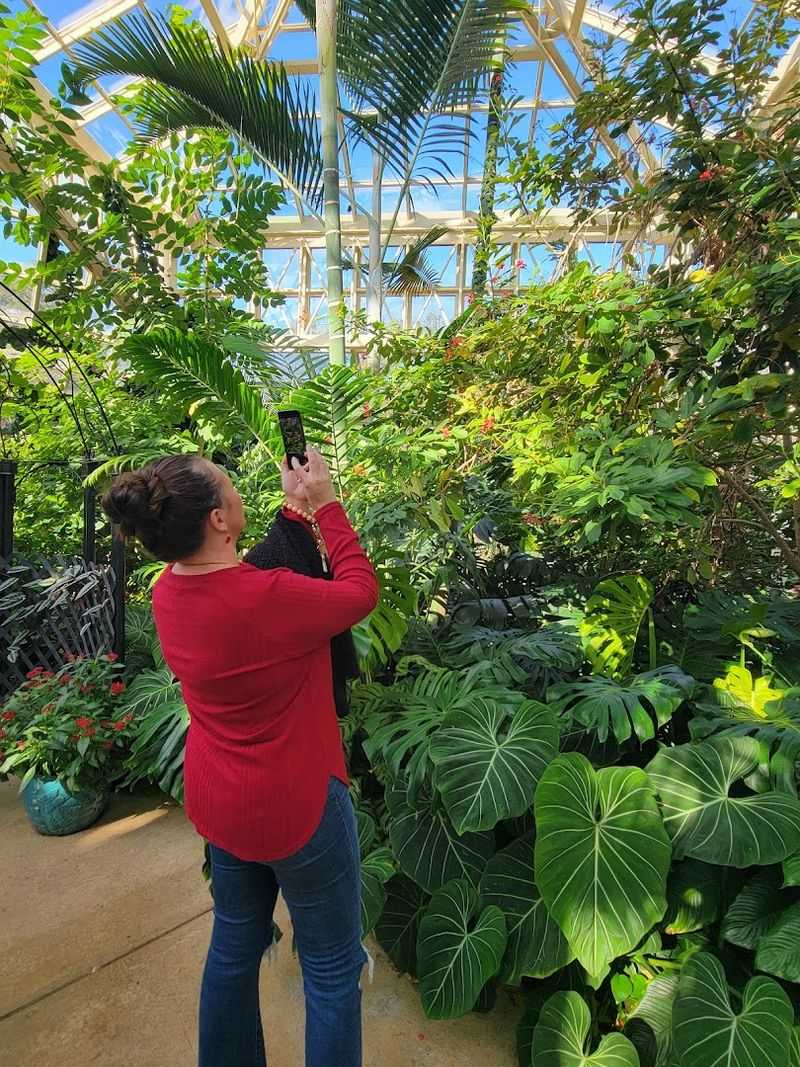
Photographers absolutely love this place, and for good reason. The combination of soft natural light filtering through the glass ceiling, vibrant tropical colors, and slow-moving butterfly subjects makes for genuinely stunning images.
Macro lenses are ideal for capturing wing detail, but even a smartphone camera can produce beautiful results here if you know a few simple tricks.
Mornings tend to be the sweet spot for photography and general butterfly activity. Butterflies are cold-blooded, meaning they rely on warmth to fuel their movement.
As the conservatory heats up in the first hours after opening, butterflies become noticeably more active, flying more frequently and landing on flowers to feed. Arriving right at opening time gives you the best chance of catching them in action before the crowds build up.
Moving slowly and quietly makes a huge difference in how close butterflies will allow you to get. Sudden movements or loud noises cause them to scatter quickly.
Wearing brightly colored clothing — especially red, yellow, or orange — can actually attract butterflies to land on you, which makes for incredible photos. Avoid wearing strong perfumes or colognes, as these can confuse or deter the butterflies.
Patience is truly your most powerful tool inside this conservatory.
Supporting Conservation Through Your Visit
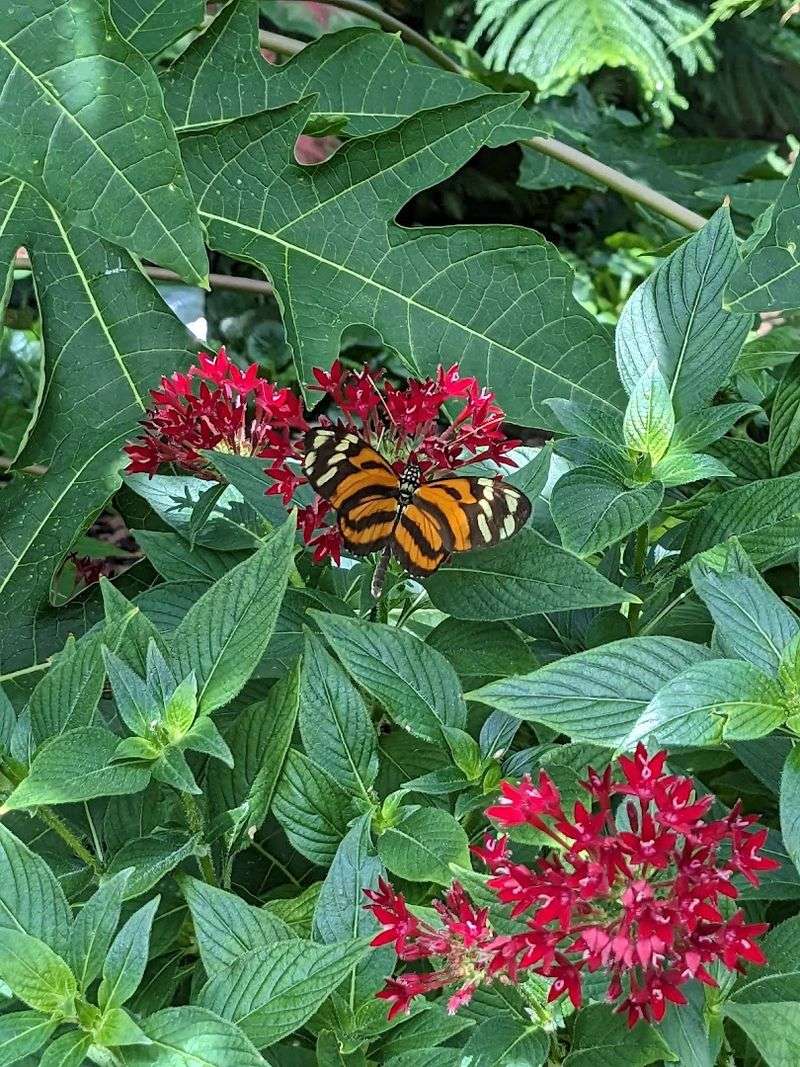
Every ticket purchased at the Cecil B. Day Butterfly Center does more than just fund a beautiful experience — it actively supports butterfly conservation on a global scale.
The center purchases its butterfly pupae from certified butterfly farms located in tropical countries like Costa Rica, El Salvador, and the Philippines. These farms provide sustainable livelihoods for local families while also creating powerful economic incentives to protect surrounding rainforest habitat.
When local communities can earn a living by farming butterflies rather than clearing forests, conservation and economic development become partners rather than opposites. The Cecil B.
Day Butterfly Center has been participating in this model for decades, making it one of the longest-running examples of conservation-through-commerce in the butterfly world. That is something genuinely worth feeling good about as a visitor.
The center also contributes to broader pollinator education efforts, helping visitors understand why butterflies, bees, and other pollinators are essential to healthy ecosystems and global food supplies. Many guests leave feeling inspired to take small actions at home — planting native flowers, reducing pesticide use, or joining local conservation groups.
Your visit here is not just a fun outing; it is a small but real contribution to protecting the natural world for future generations.
Visitor Info and Tips for Planning Your Trip
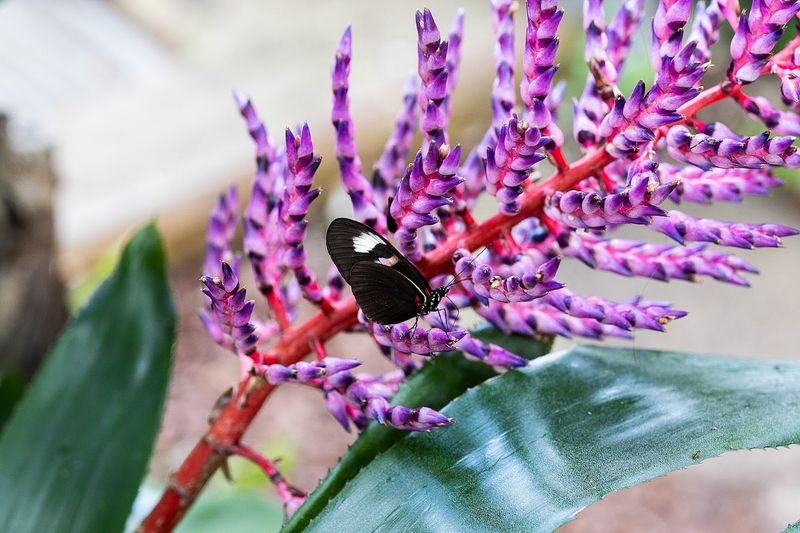
Planning your visit to the Cecil B. Day Butterfly Center is straightforward and rewarding.
Admission to the butterfly center is typically included with a full Callaway Gardens day pass, which also gives you access to the gardens, beach, and other attractions across the property. Purchasing tickets online in advance is always a smart move, especially during peak seasons like spring break, summer, and September’s Blue Morpho Month when crowds are larger.
The conservatory is open year-round, generally from mid-morning through late afternoon, though hours can shift slightly by season. Parking at Callaway Gardens is free, which is a genuinely nice perk for families trying to manage a day trip budget.
A gift shop near the butterfly center exit offers nature-themed souvenirs, books, and butterfly-related items that make lovely keepsakes or gifts for back-home nature lovers.
Accessibility is well considered throughout the facility. Paved pathways inside the conservatory are smooth and wide enough for strollers and wheelchairs, making the experience enjoyable for visitors of all mobility levels.
Visiting on a weekday morning typically means smaller crowds and more active butterflies. Wear comfortable shoes, bring a water bottle, and give yourself plenty of unhurried time — rushing through this place means missing half the magic waiting around every turn.