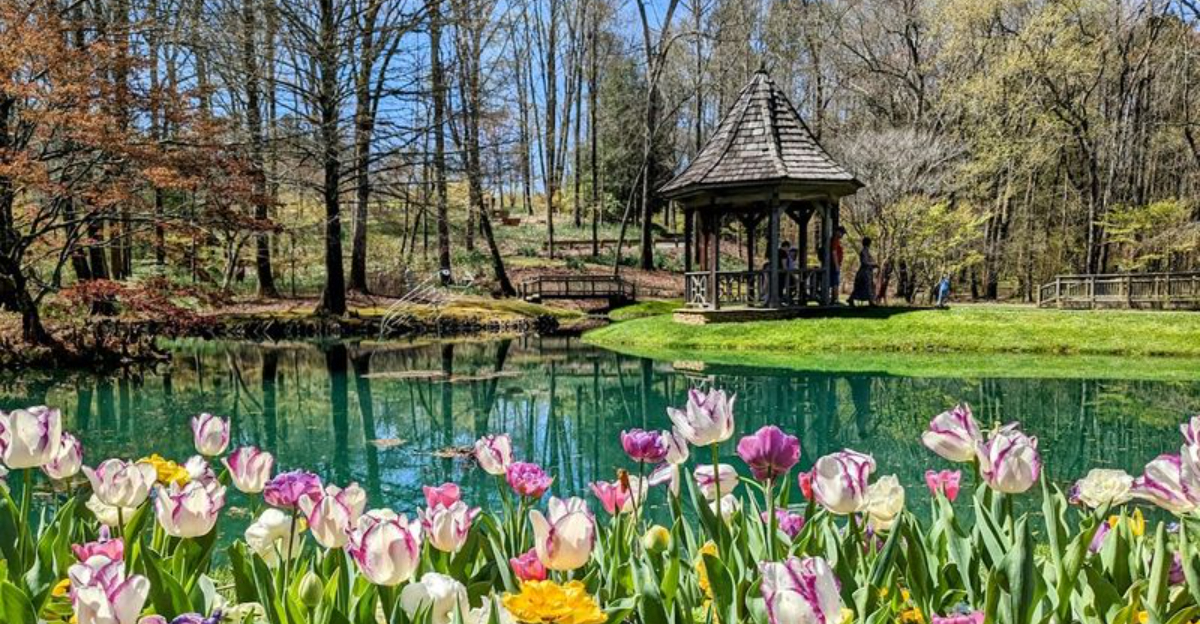
Tucked away in the rolling hills of Ball Ground, Georgia, Gibbs Gardens is one of the most spectacular garden destinations in the entire Southeast. Every spring, over 20 million daffodils burst into bloom across 220 acres, creating a golden sea of flowers that has to be seen to be believed.
Founded by landscape designer Jim Gibbs, this stunning estate features 16 distinct garden areas that change with every season. Whether you are planning your first visit or your tenth, there is always something breathtaking waiting for you at Gibbs Gardens.
The Legendary Daffodil Festival
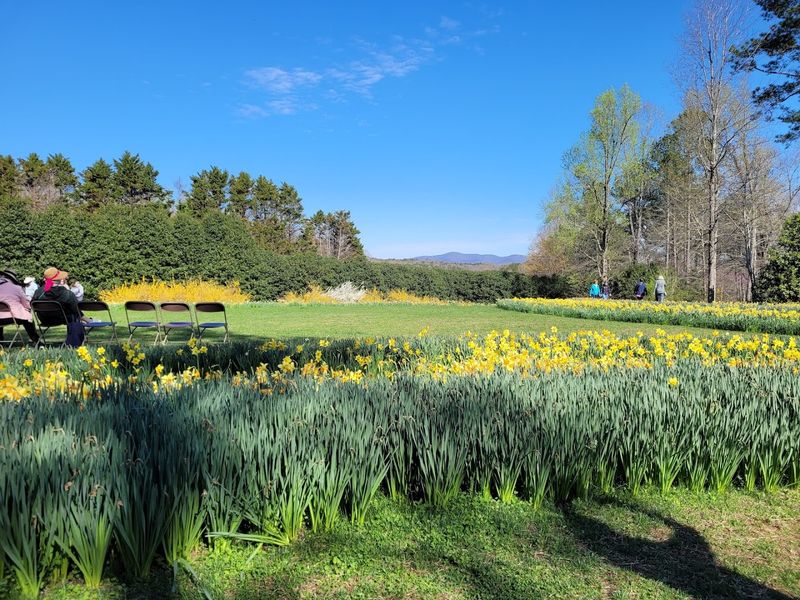
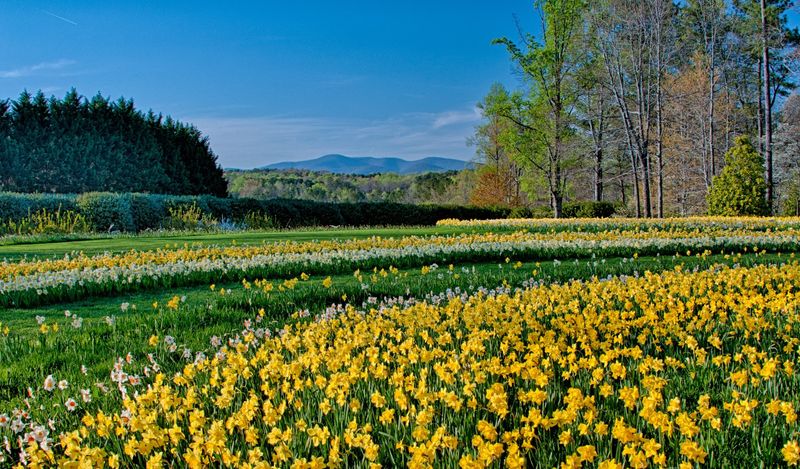
Some places earn their reputation quietly, but Gibbs Gardens announces itself with over 20 million daffodils every single spring. The Daffodil Festival is the crown jewel of the garden calendar, drawing visitors from across Georgia and beyond who come just to witness this golden explosion of color.
Fields, hillsides, and woodland paths all transform into rivers of yellow and white blooms that stretch as far as the eye can see.
The festival typically runs from late February through mid-March, depending on the weather. Timing your visit early in the morning on a weekday gives you the best experience with fewer crowds and softer light for photography.
Wearing comfortable walking shoes is strongly recommended because the terrain includes gravel paths and gentle slopes.
What makes this display so remarkable is its sheer scale. Jim Gibbs planted these bulbs over decades, building up what is now one of the largest private daffodil collections in North America.
Dozens of daffodil varieties bloom in waves, meaning the color show can last several weeks. Checking the garden website before your visit helps you catch peak bloom.
This is genuinely one of spring’s greatest natural spectacles in the American South.
The Japanese Garden
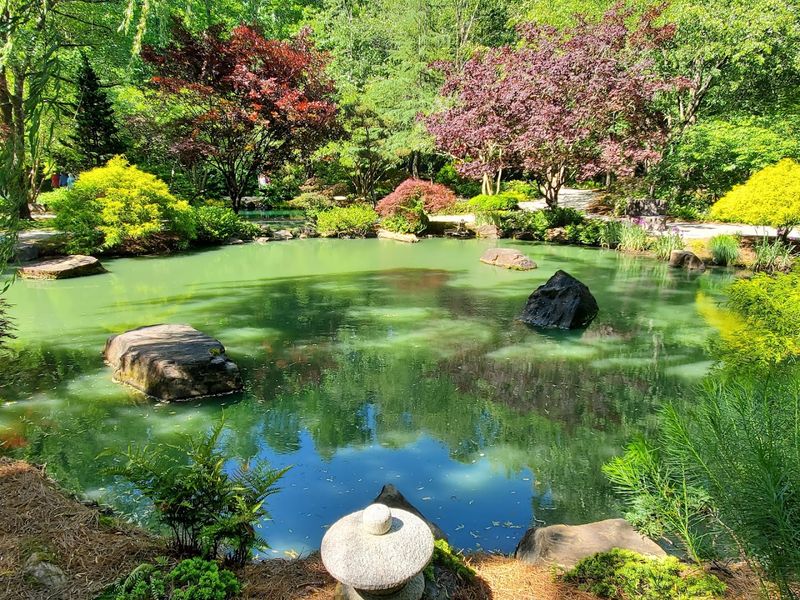
Walking into the Japanese Garden at Gibbs Gardens feels like stepping through a portal into another world entirely. Stone lanterns line quiet paths, ornamental bridges arch over glassy ponds, and Japanese maple trees create a living canopy that shifts from soft green in summer to blazing crimson and gold in autumn.
Multiple visitors have called it the most magical corner of the entire property, and it is easy to understand why once you are standing inside it.
This garden was designed with careful attention to traditional Japanese aesthetics, emphasizing balance, simplicity, and harmony with nature. Koi fish drift lazily through the water features, and thoughtfully placed sculptures add moments of quiet discovery around every bend.
The atmosphere encourages you to slow down, breathe deeply, and just look around.
Fall is widely considered the best time to visit this section because the maple foliage reaches peak intensity around late October and November. Families, couples, and solo visitors all find something meaningful here.
Photography enthusiasts especially love the reflections in the ponds during golden hour. If you only have time for one section of the garden, many returning visitors say the Japanese Garden should be your first stop.
The Wildflower Garden and Butterfly Habitat
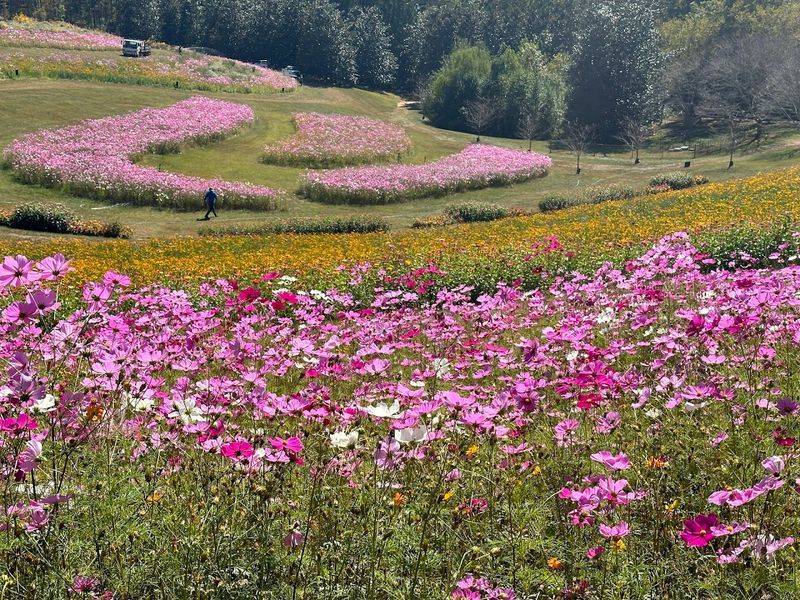
Butterflies do not follow schedules, but at Gibbs Gardens they seem to have made an exception. The Wildflower Garden buzzes with life from late summer well into fall, attracting dozens of butterfly species that drift lazily from bloom to bloom.
Visitors consistently mention spotting monarchs, swallowtails, and painted ladies dancing through the native plantings, making every walk through this area feel like a nature documentary come to life.
The wildflower section was designed to celebrate Georgia’s native plant heritage, featuring species that naturally thrive in the region’s soil and climate. Coneflowers, black-eyed Susans, and wild asters create bold sweeps of color that look effortless but reflect careful planning.
The informal, meadow-like style gives this area a completely different energy from the more structured sections of the garden.
Bringing binoculars is a smart move if you are a bird or butterfly enthusiast because the habitat also attracts hummingbirds and songbirds. Kids absolutely love this section because of all the movement and color happening at eye level.
It is also a great spot to learn about pollinator conservation, as informational signs explain the relationship between native plants and local wildlife. Plan to spend at least thirty minutes here.
The Manor House and Formal Gardens
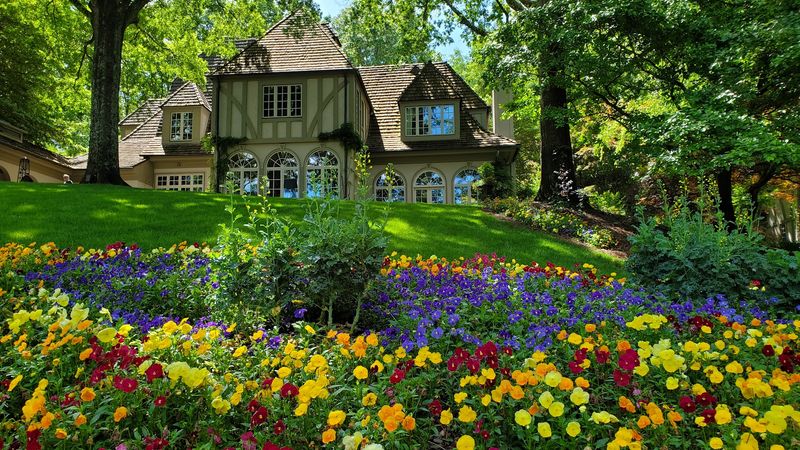
Jim Gibbs built more than a garden; he built a legacy rooted in beauty and craftsmanship. The Manor House sits at the heart of the estate as a stunning architectural centerpiece, surrounded by formal gardens that reflect classic European landscape design.
Perfectly clipped hedges, symmetrical flower beds, and decorative fountains create a sense of grandeur that makes visitors feel like they have wandered onto the grounds of a private English estate.
The formal gardens surrounding the Manor House are meticulously maintained year-round, ensuring that even outside the main flower seasons there is visual interest in the structure of the plantings. Ornamental trees, climbing roses, and seasonal annuals rotate through the beds, keeping the display fresh and colorful.
The views from the upper terraces looking out over the property are genuinely breathtaking.
Many visitors choose to rest on the benches near the Manor House after completing the main garden trail, enjoying the peaceful atmosphere and the surrounding scenery. The area is also popular for photography because the architecture provides an elegant backdrop.
One reviewer described the Manor House views as exquisite, and that word fits perfectly. Arriving with a fully charged camera battery is highly recommended for this section of the property.
16 Distinct Garden Styles Across 220 Acres
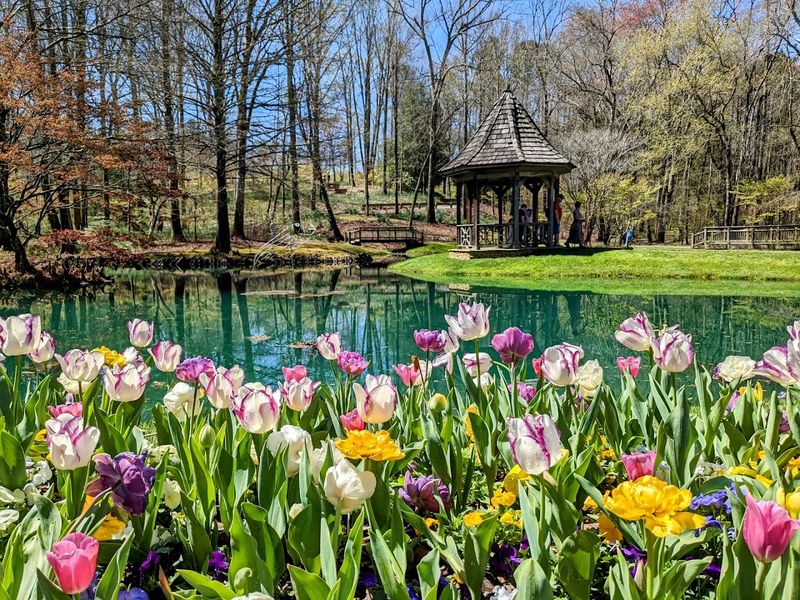
One of the most remarkable things about Gibbs Gardens is how much variety is packed into a single visit. Spread across 220 acres, the property features 16 distinct garden areas, each with its own personality, plant palette, and design philosophy.
You could visit in February for the daffodils, return in June for the roses and water lilies, come back in October for the fall foliage, and each trip would feel genuinely different.
The garden styles range from formal European-inspired layouts to relaxed woodland walks, from manicured perennial borders to wild meadow plantings. Water features appear throughout the property in various forms, including ponds, streams, and decorative fountains.
Red directional arrows are placed along the paths to help visitors navigate without getting turned around, which makes exploring the full property much less stressful.
Most visitors cover the main route plus the butterfly garden in about two to three hours, logging roughly three miles of walking. Wearing layers is smart because Georgia spring mornings can start cool and warm up significantly by midday.
Bringing a printed map from the entrance helps you prioritize which sections to visit if time is limited. The sheer scale of this place is part of what makes it so special and memorable.
Seasonal Blooms Beyond Daffodils
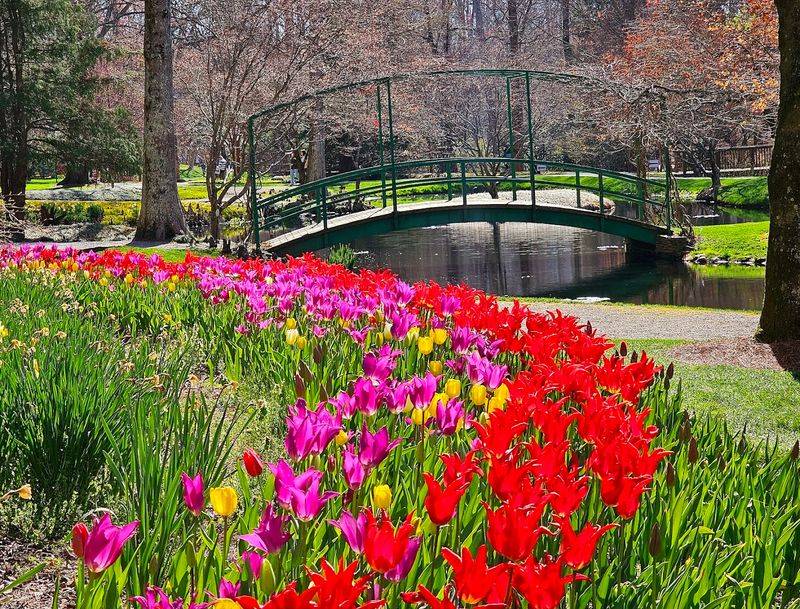
Spring daffodils get most of the headlines, but Gibbs Gardens keeps the color coming long after the yellow fades. Tulips take center stage in March and April, carpeting the fields with bold reds, purples, and pinks that feel almost too vivid to be real.
One visitor mentioned missing tulip season but finding the hydrangeas just as jaw-dropping, which speaks to how generously the garden cycles through its seasonal offerings.
Summer brings water lilies floating serenely on the ponds, climbing roses scrambling over trellises, and lush perennials filling the formal beds with layer after layer of texture and color. Even late September visits have yielded plenty of blooms, according to multiple reviewers who were pleasantly surprised by how much was still flowering outside the peak spring window.
Fall transforms the property once more, with Japanese maples turning fiery shades of red, orange, and gold while chrysanthemums and asters add late-season color to the beds. Winter visits reveal the elegant bones of the garden, including sculptural trees, stone features, and the quiet beauty of bare branches against the sky.
Checking the garden website for the current bloom calendar before your visit helps you time things perfectly for whatever flower you most want to see.
The Garden Cafe and Visitor Amenities
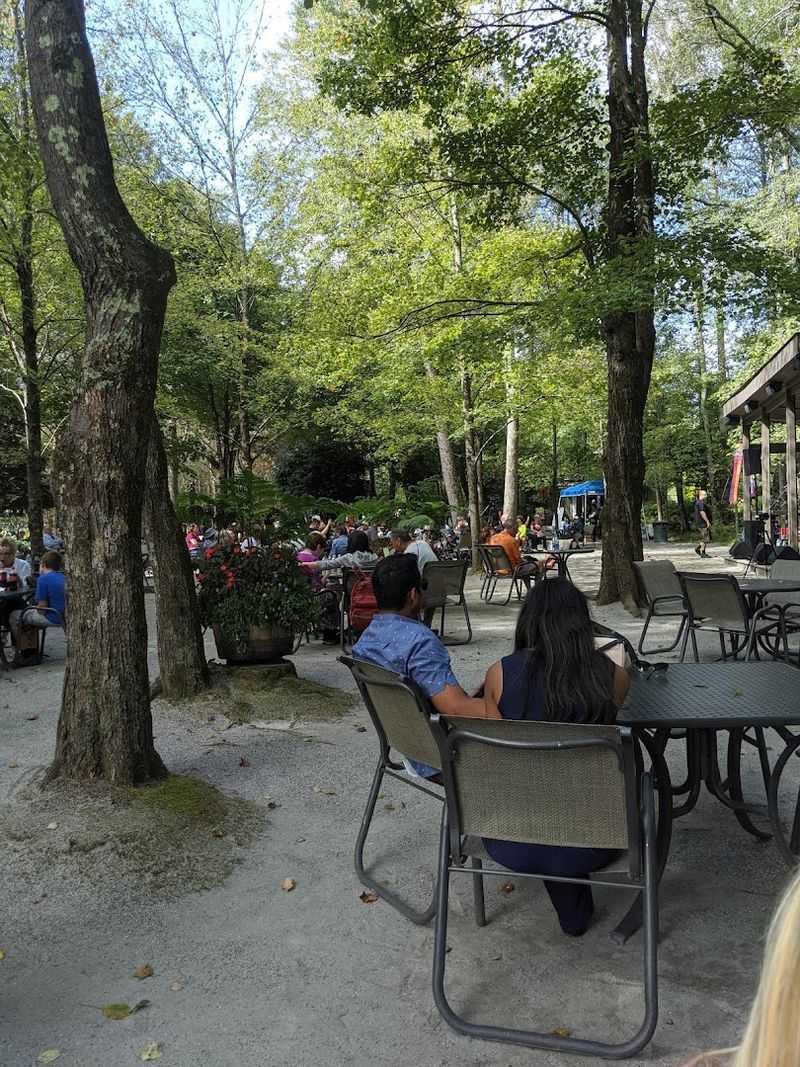
After walking three miles through 220 acres of breathtaking scenery, a good sandwich starts to sound pretty appealing. The Garden Cafe at Gibbs Gardens offers a limited but high-quality menu that several reviewers have praised enthusiastically.
One visitor specifically called the sandwiches high quality and delicious, which is exactly what you want to hear when your feet are tired and your appetite is building after a long, beautiful morning outdoors.
Beyond the cafe, the visitor amenities at Gibbs Gardens are thoughtfully designed to make your experience as smooth as possible. Ample free parking is available, with staff members on hand to direct traffic and help visitors find spots efficiently.
Restroom facilities are clean and well-maintained, and strategically placed benches throughout the property give you plenty of opportunities to sit, rest, and soak in the surroundings.
Clear signage and printed maps are available at the entrance, making navigation straightforward even for first-time visitors. The staff throughout the property are consistently described in reviews as friendly, approachable, and genuinely enthusiastic about helping guests.
Annual membership passes are available and represent excellent value for anyone planning multiple visits across different seasons. The combination of beautiful scenery and well-run facilities makes the overall experience feel polished and welcoming from start to finish.
Photography Opportunities Throughout the Property
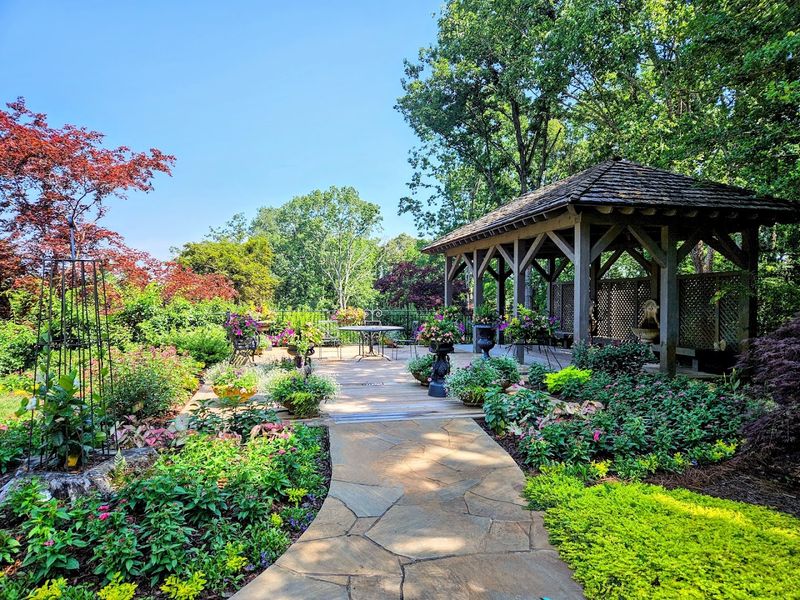
One enthusiastic reviewer summed it up perfectly with three words: do not forget your camera. Gibbs Gardens is a photographer’s paradise in every season, offering an almost overwhelming abundance of compelling subjects, from sweeping daffodil fields to intimate close-ups of individual blooms, from reflective koi ponds to atmospheric woodland paths dappled with filtered sunlight.
Every corner of the property seems designed to be photographed.
The Japanese Garden is particularly beloved by photographers for its layered compositions, water reflections, and the dramatic color contrasts of the maple trees in autumn. The formal gardens near the Manor House provide elegant architectural backdrops, while the wildflower meadows offer a looser, more natural aesthetic.
Early morning visits reward photographers with softer light and fewer people in the background of their shots.
Smartphone photographers will find plenty to work with, but bringing a proper camera with a zoom lens opens up even more creative possibilities for capturing butterflies, koi fish, and distant mountain views. The North Georgia mountain backdrop visible from certain areas of the property adds an extra dimension to landscape shots that you simply cannot replicate in a flatland garden.
Charging your batteries the night before and bringing an extra memory card are practical steps worth taking before your visit.
Family-Friendly Activities and Accessibility
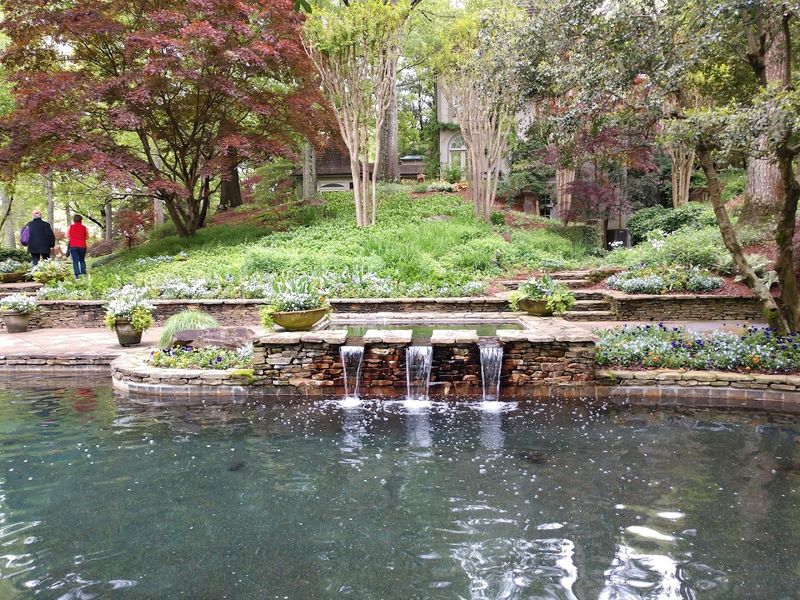
Gibbs Gardens has earned a loyal following among families, and it is not hard to see why. The property offers a rare combination of natural beauty and gentle adventure that works for grandparents, parents, and young children all at the same time.
Kids are captivated by the butterflies in the wildflower meadow, the koi fish in the Japanese Garden ponds, and the sheer sensory richness of walking through fields of flowers taller than their heads.
The main garden trail covers approximately three miles and takes most groups between two and three hours to complete at a relaxed pace. The gravel and packed-earth paths are manageable for most visitors, though it is worth noting that the terrain is not fully paved, which can be challenging for strollers or wheelchairs in some sections.
Comfortable, supportive footwear is strongly recommended for everyone in your group.
Bringing a small backpack with water bottles and snacks is a smart move for families with younger children, supplementing the cafe offerings and keeping energy levels up throughout the walk. The peaceful atmosphere makes it an ideal setting for a low-key family outing that does not involve screens or crowds.
Multiple reviewers have described it as a perfect family-friendly activity that leaves everyone refreshed and genuinely happy by the end of the day.
Planning Your Visit: Tips, Hours, and Membership
Getting the most out of Gibbs Gardens starts with a little bit of planning. The garden is located at 1987 Gibbs Drive in Ball Ground, Georgia, roughly an hour north of Atlanta, making it an easy day trip from the city.
Hours run Tuesday through Sunday from 9 AM to 4 PM, and the garden is closed on Mondays. Arriving close to opening time on a weekday is the best strategy for experiencing peak bloom seasons without large crowds.
Admission prices are reasonable, and the garden offers annual membership passes that pay for themselves quickly if you plan to visit more than twice in a year. Multiple reviewers specifically recommended purchasing an annual pass, noting that each season brings a completely different visual experience worth returning for.
The website at gibbsgardens.com is the best resource for current bloom updates, seasonal event schedules, and ticket pricing.
Wearing layers is wise because North Georgia mornings can be cool even during spring daffodil season, and the open fields offer little shade in the middle of the day. Comfortable walking shoes are non-negotiable given the gravel paths.
You can reach the garden by phone at 770-893-1880 if you have specific questions before your visit. With a 4.8-star rating from over 4,500 reviews, the expectations you bring will almost certainly be exceeded.