Imagine sitting down for dinner inside a building that has stood since 1872, its stone walls holding more than a century of stories.
That is exactly what you get at Oldestone Steakhouse in New Hope, Pennsylvania, where a stunning Methodist church has been transformed into a jaw-dropping 9,000-square-foot dining destination.
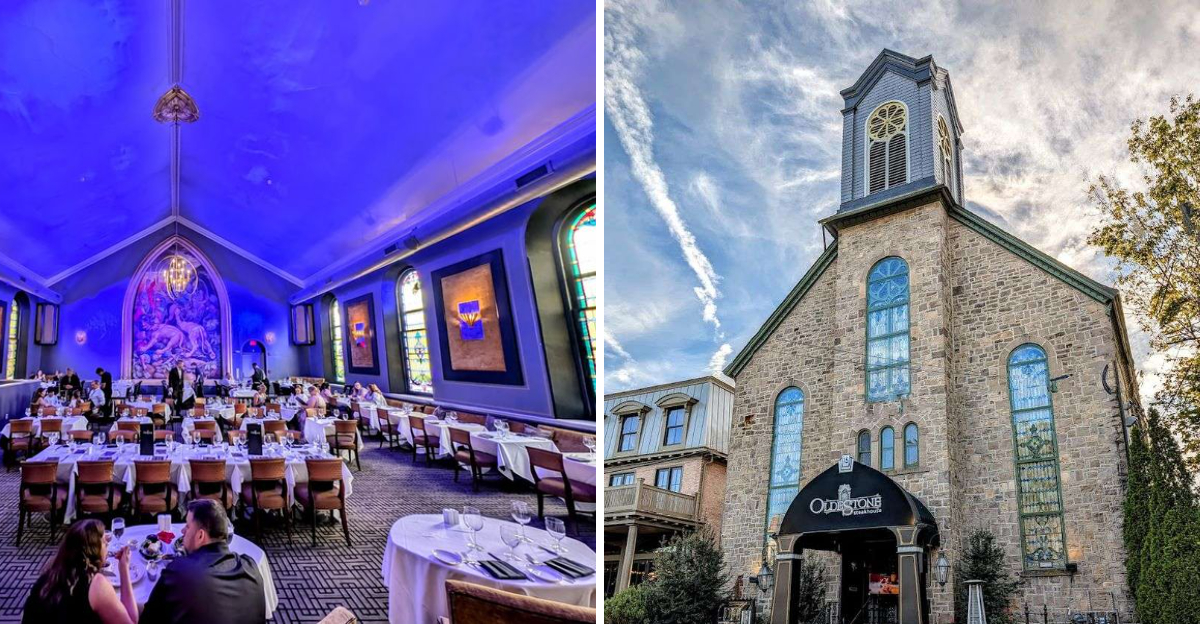
Stained-glass windows, soaring ceilings, and a breathtaking mural greet you at every turn.
This is not just a meal out — it is a full-on experience where history, art, and incredible food come together under one very remarkable roof.
A 19th-Century Church With Deep Roots
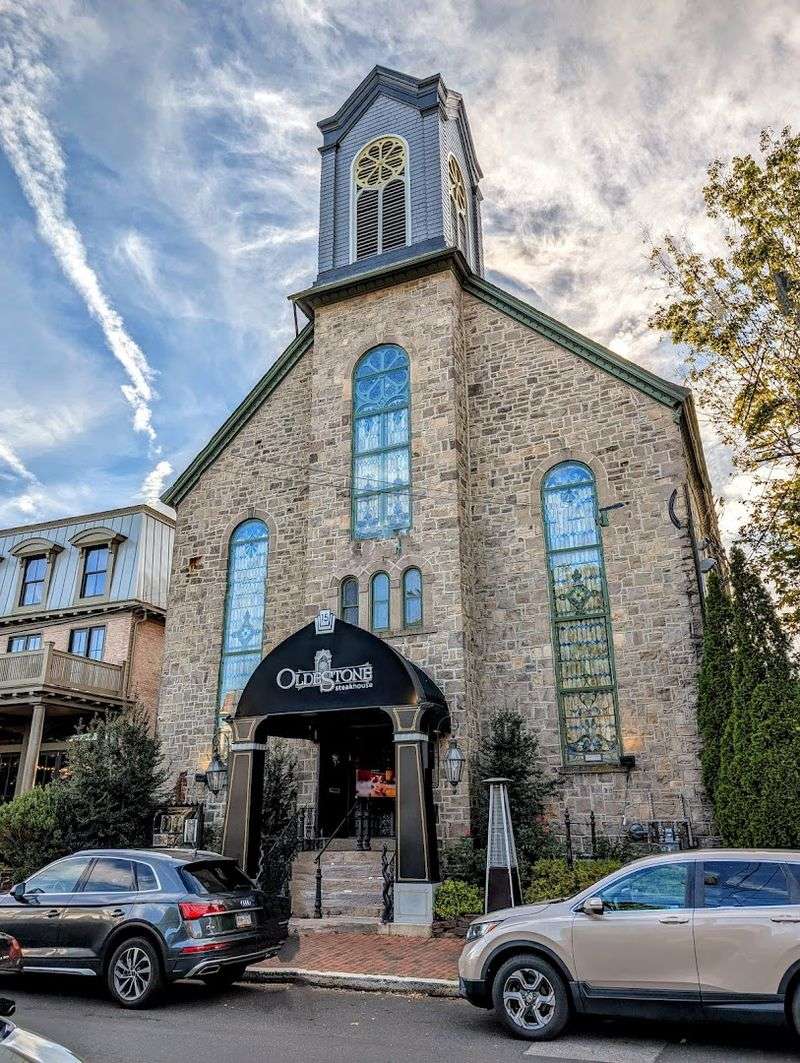
Some buildings carry a soul that no renovation can erase. Built in 1872, this Methodist church was a cornerstone of the New Hope community for well over a century, gathering generations of families under its stone arches and soaring ceilings.
New Hope, Pennsylvania, is already known as a quirky, artistic, and historically rich river town sitting right along the Delaware River. Having a church this old standing at its heart only deepens that identity.
The structure was not just a place of worship — it was a landmark that watched the town grow, change, and evolve around it.
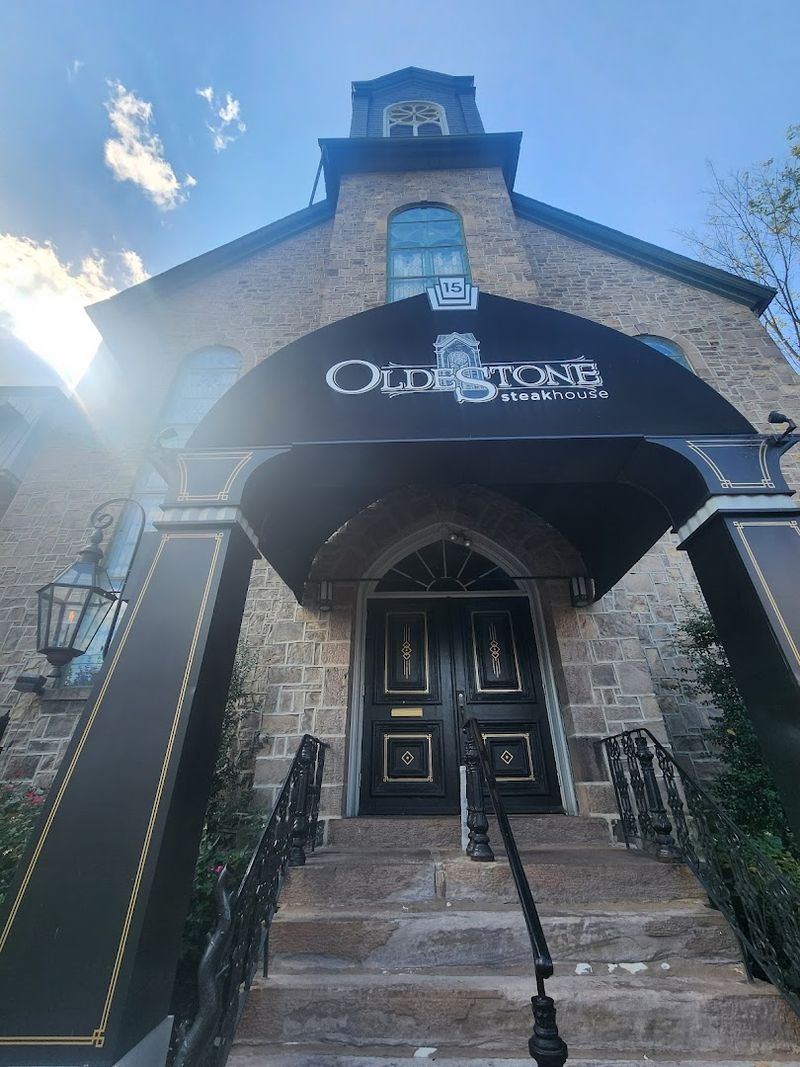
What makes this building so special is how much of its original character has been preserved. The stonework, the tower, the thick walls — all of it speaks to the craftsmanship of 19th-century builders who constructed things meant to last forever.
Walking up to the entrance, you immediately sense that you are about to step into something that goes far beyond a typical night out. History literally surrounds you before you even open the door.
From Sacred Space to Culinary Destination
Turning a house of worship into a restaurant is no small task — it takes vision, sensitivity, and a whole lot of respect for what came before. After the congregation moved on, the building sat quietly until 2003, when it was first reimagined as a dining space, eventually evolving into what is now known as Oldestone Steakhouse.
The transition from sacred to culinary was handled with remarkable care. Rather than stripping the building of its identity, the designers leaned into its history, letting the architecture guide every decision.
Old stone walls became the backdrop for candlelit tables. Arched doorways that once welcomed churchgoers now welcome hungry diners.
What is truly remarkable is how natural the transformation feels. You never get the sense that the building is fighting against its new purpose.
Instead, it feels like the church simply found a new way to bring people together — over shared plates and good conversation instead of hymns and sermons. Oldestone Steakhouse honors that legacy without being precious about it, striking a rare balance between reverence for the past and excitement about the present.
It is a second life done extraordinarily well.
A Massive 9,000-Square-Foot Transformation
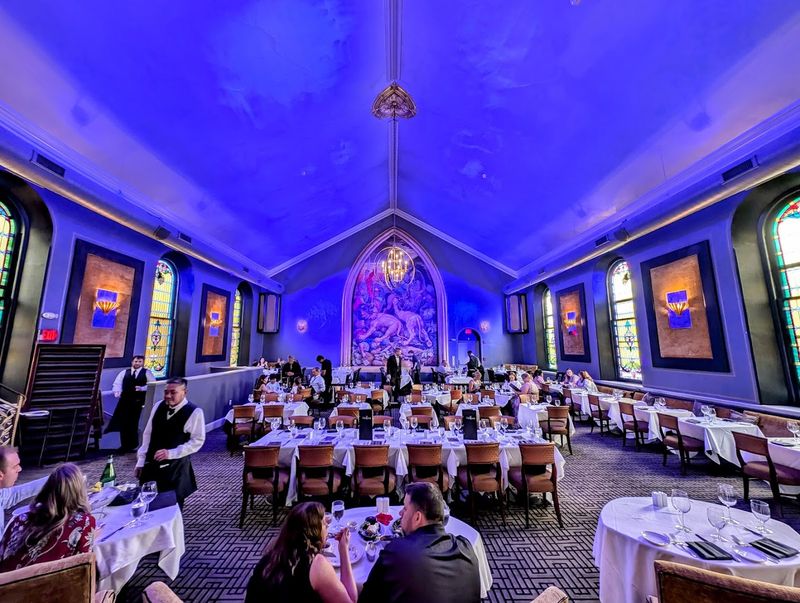
Nine thousand square feet sounds enormous on paper, but inside Oldestone Steakhouse, that space feels purposeful rather than overwhelming. Spread across multiple levels, the layout gives the restaurant an almost theatrical quality, where every corner offers a slightly different perspective on the same stunning building.
The sheer scale of the space means the restaurant can serve a surprisingly large number of guests without ever feeling like a crowded cafeteria. High ceilings create a sense of openness, while carefully placed lighting keeps things warm and intimate even in the larger sections.
It is a tough balance to strike, and the design team pulled it off beautifully.
Moving through the different levels is part of the fun. Each floor has its own energy — from the grandeur of the main sanctuary dining room to the cozier upper spaces tucked beneath the original rafters.
You could visit multiple times and have a noticeably different experience depending on where you are seated. For a building that started as a single open worship space, the creative use of vertical and horizontal square footage is genuinely impressive and makes the whole place feel endlessly explorable.
Original Architectural Details Still Shine
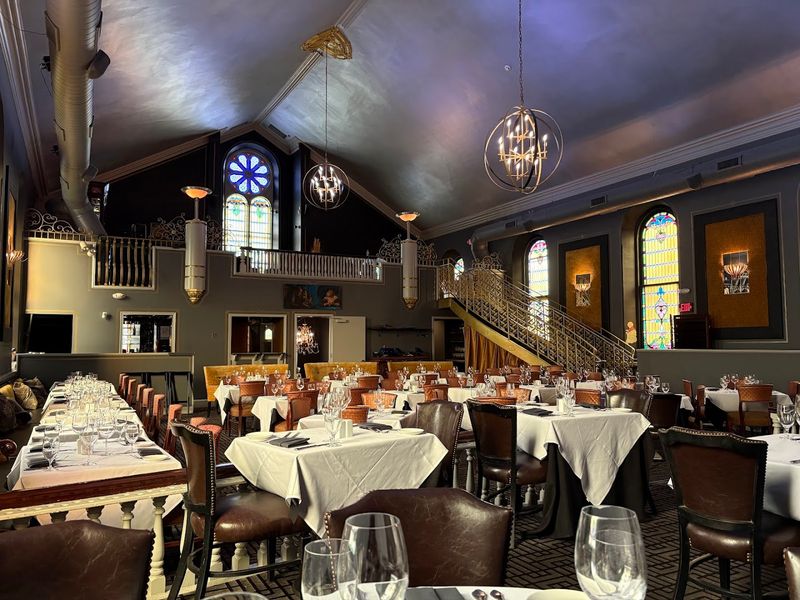
Not every renovation respects what already exists, but Oldestone Steakhouse made preservation a priority from the very beginning. Guests dine surrounded by original stonework that has been standing for over 150 years, and the texture of those walls adds a warmth that no modern material could replicate.
The stained-glass windows are among the most beloved features. Sunlight filters through them during the day, casting pools of color across the dining room floor.
At night, the glow from within makes the exterior of the building look like something out of a fairy tale. These windows were not restored just for aesthetics — they are a direct connection to the building’s original purpose and the people who worshipped here decades ago.
Even smaller details like the remnants of the pulpit and the preserved bell tower remind you that this place has a layered past. Church pews have been cleverly repurposed as seating in certain areas, giving guests a literal seat in history.
Every architectural detail that survived the renovation tells a story, and together they create an atmosphere that no amount of interior design budget could manufacture from scratch. Authenticity like this simply cannot be faked.
The Stunning Redemption Mural Centerpiece
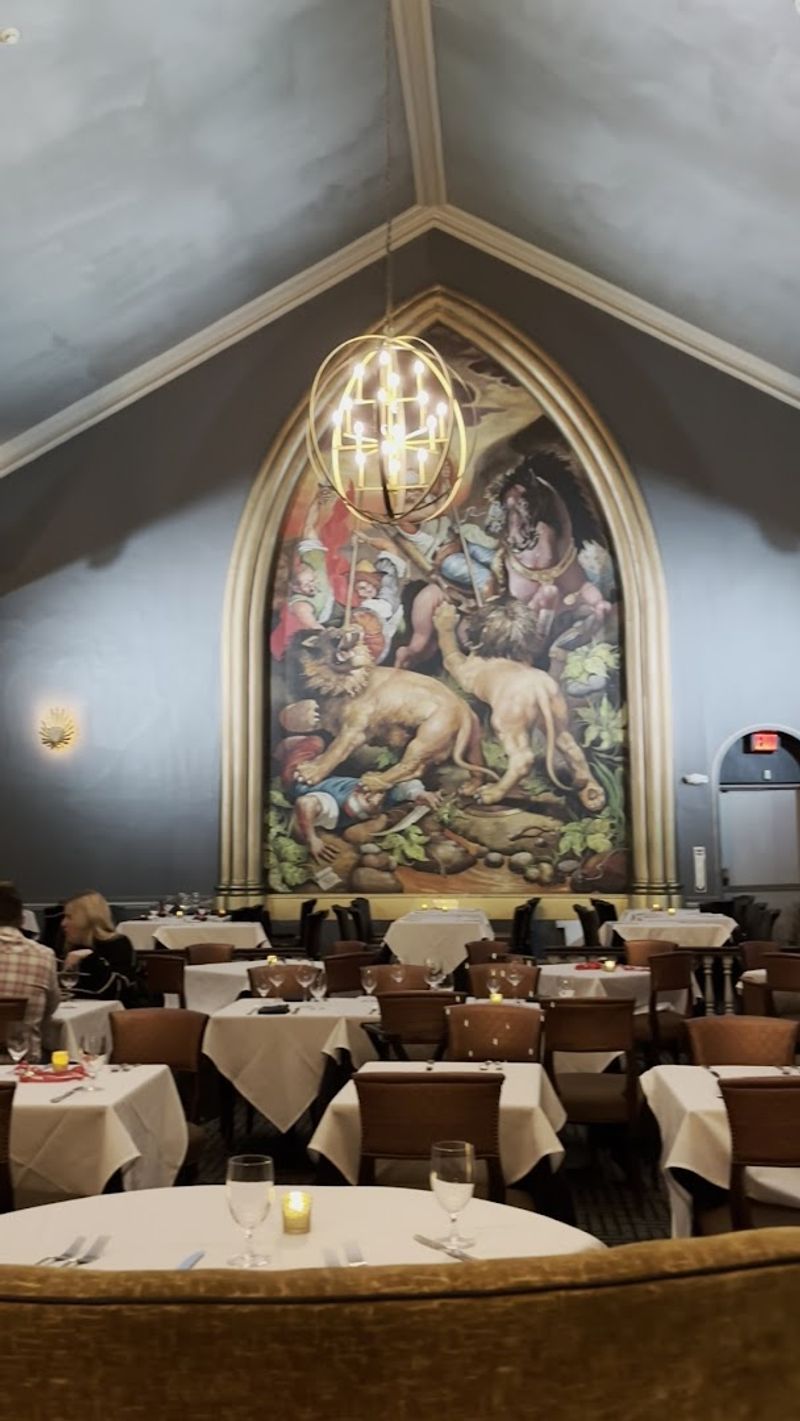
Stop in your tracks the moment you enter the main dining room, because there is a 30-foot mural staring right back at you. Titled Redemption, this massive artwork dominates the former altar wall with the kind of bold, unapologetic presence that makes you forget you were about to order a steak.
The mural was commissioned specifically for the space, designed to fill the altar area in a way that felt spiritually resonant without being overtly religious. The result is a piece that blends storytelling, symbolism, and raw visual power into something that feels perfectly at home in a building with this much history.
Artists who create work at this scale understand that the environment becomes part of the canvas.
Diners seated in the main room find themselves naturally drawn to it throughout the meal. It shifts slightly depending on the lighting — warmer and more golden during dinner service, more dramatic and shadowy as the evening deepens.
First-time visitors often spend several minutes just standing and taking it in before even looking at the menu. As a focal point, Redemption does everything a great piece of art should do: it provokes, it moves, and it makes the entire space feel alive with meaning and intention.
Multi-Level Dining With Unique Atmospheres
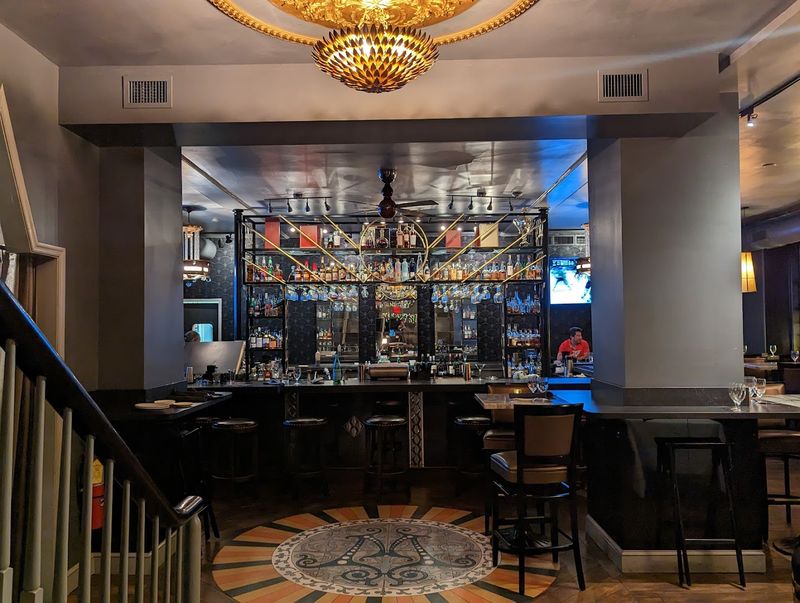
One of the smartest things about Oldestone Steakhouse is how it uses the building’s natural architecture to create distinct dining zones. Rather than treating the entire 9,000 square feet as one uniform room, the design breaks it into spaces that each carry their own mood and personality.
The main dining room in the former sanctuary is the showstopper — grand, cathedral-like, and buzzing with the energy of a full house. It is the kind of room where a special occasion feels even more special just by being in it.
Nearby, the bar and lounge area offers a more relaxed vibe, perfect for those who want to sip cocktails and graze on appetizers without committing to a full sit-down meal.
Head upstairs and the atmosphere shifts again. The upper level carries a more intimate, tucked-away feeling that contrasts beautifully with the openness below.
Whether you are celebrating an anniversary, catching up with old friends, or simply treating yourself to a solo dinner with a good book, there is a corner of this restaurant that fits your mood perfectly. That kind of flexibility is rare, and it is one of the main reasons Oldestone earns repeat visits from locals and tourists alike.
A Menu Blending Steakhouse Classics and History
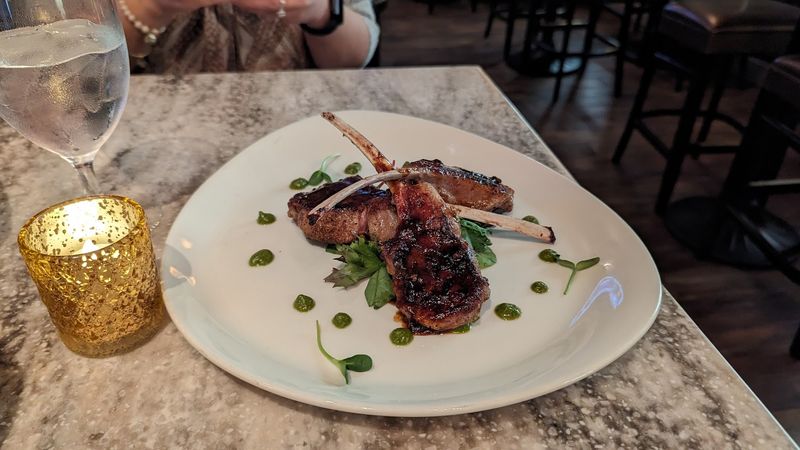
Great ambiance only gets you so far — the food has to deliver, and at Oldestone Steakhouse, it absolutely does. The menu centers on prime steaks and fresh seafood, offering the kind of classic steakhouse experience that never really goes out of style.
A beautifully seared ribeye or a buttery lobster tail hits differently when you are eating it beneath 150-year-old stone arches.
What sets the menu apart is its nod to the restaurant’s own history. Before becoming Oldestone, the space housed a Creole-inspired restaurant, and some of those beloved dishes have been woven into the current menu as a tribute.
It is a thoughtful culinary callback that rewards guests who know the building’s story while also introducing newcomers to flavors they might not expect from a traditional steakhouse.
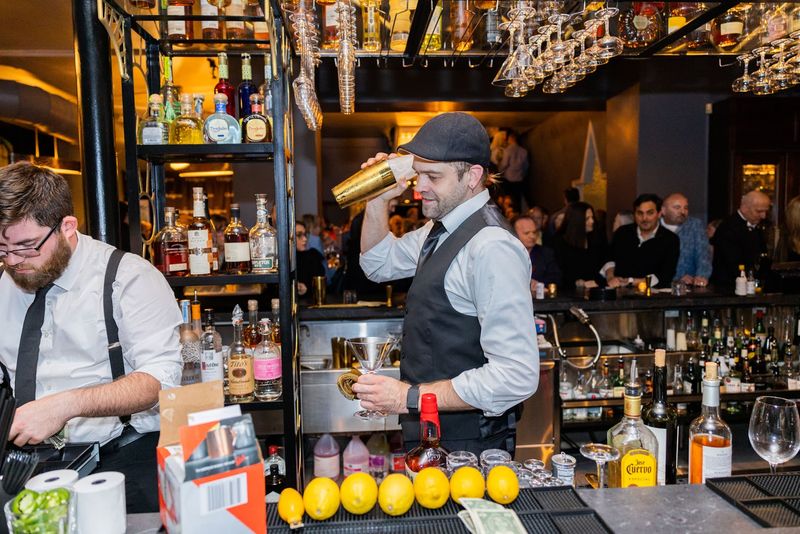
Seasonal ingredients and rotating specials keep things interesting for repeat visitors, and the cocktail program is equally well-considered. The bar team takes the same care with drinks that the kitchen applies to food, resulting in a full dining experience that feels cohesive from the first sip to the last bite.
Dining here is not just about eating well — it is about tasting a place with a real and layered identity that shows up on every plate.
Thoughtful Design That Bridges Eras
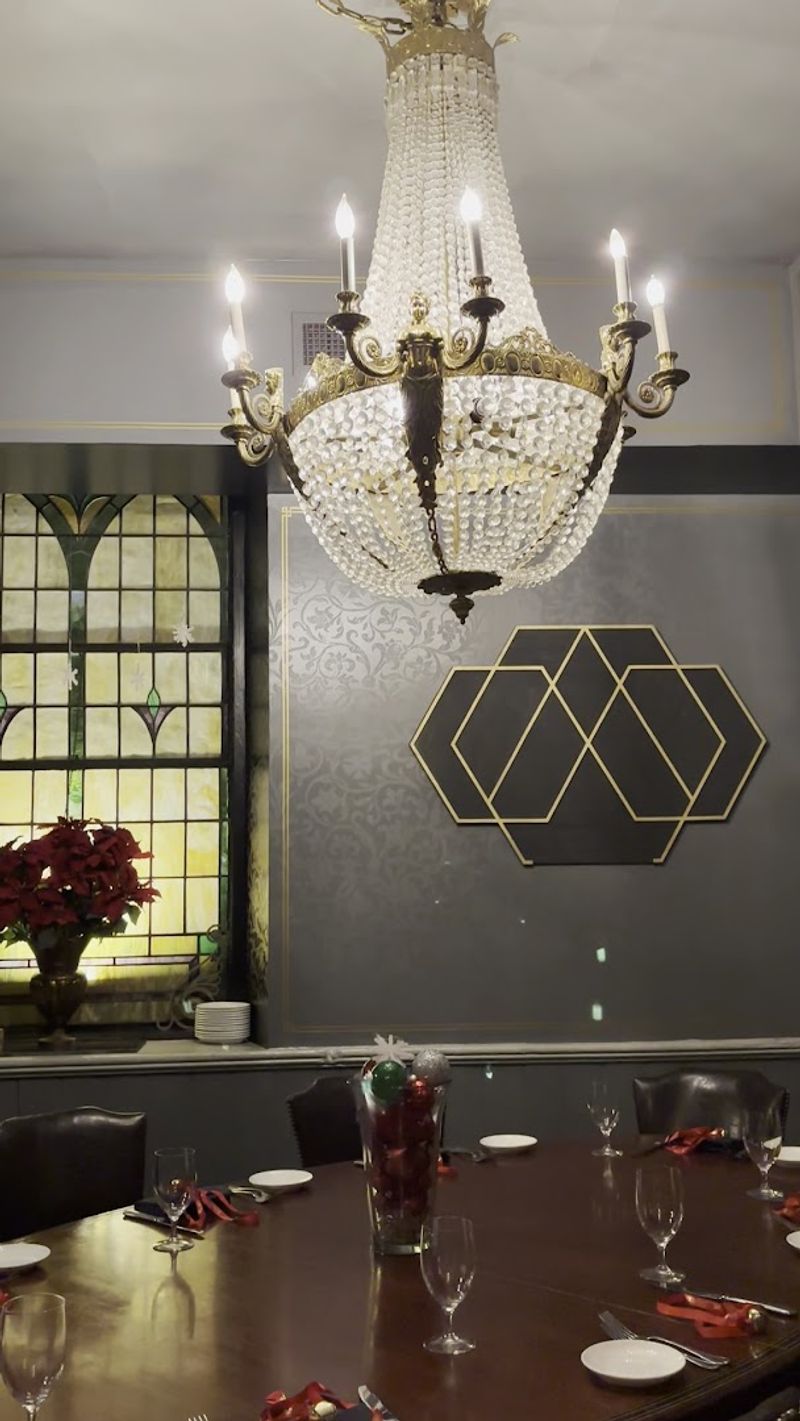
Blending old and new in a space this historically loaded could easily go wrong, but Oldestone Steakhouse threads the needle with real finesse. Art Deco accents — think geometric metalwork, bold lines, and sleek custom bars — sit comfortably alongside preserved church pews and original chandeliers without either element feeling out of place.
The design team clearly understood that the goal was not to erase the past or overwhelm it with modernity, but to create a conversation between the two. A vintage chandelier hanging above a marble bar top.
A repurposed church pew tucked into a modern banquette setup. These are not accidents — they are deliberate choices that reward guests who pay attention to the details around them.
The layered aesthetic also means the space photographs beautifully, which has helped Oldestone build a strong visual presence online and attract a younger crowd of design-conscious diners alongside its longtime regulars. But beyond social media appeal, the real achievement is how the design makes guests feel.
There is a sense of being held by history while still being firmly in the present, a rare emotional quality that only the most thoughtfully designed spaces can produce. Walking through it feels like flipping through a very well-curated scrapbook of time.
Visitor Information
Planning a visit to Oldestone Steakhouse is straightforward, but a little preparation goes a long way. The restaurant is located at 15 S.
Main Street in New Hope, Pennsylvania, right in the heart of a walkable downtown area packed with galleries, boutiques, and other great dining spots. Arriving early enough to stroll around town before your reservation is highly recommended.
Dinner service runs daily, and weekend lunch hours give daytime visitors a chance to experience the space in natural light, which shows off those stained-glass windows in a whole new way. Reservations are strongly encouraged, especially on weekends and holidays when the restaurant fills up quickly.
Booking through Resy is the easiest option, and you can browse the full menu ahead of time at oldestonenewhope.com to plan your order before you even arrive.
Valet parking is available nearby, which is a genuine convenience in a town where street parking can get competitive on busy evenings. For questions or to make a reservation by phone, the restaurant can be reached at +1 215-862-7044.
Whether you are a first-time visitor or a returning regular, Oldestone Steakhouse delivers an experience that lingers long after the last bite. Few restaurants anywhere can match its combination of history, design, food, and atmosphere.