Hidden in the suburbs of Miami, Florida, there is a wildlife attraction unlike anything you have ever seen before.
At Monkey Jungle, the roles are completely reversed — you walk through enclosed, mesh-covered tunnels while over 300 monkeys roam freely in the lush jungle around you.
It sounds wild, and honestly, it is.
Whether you are a curious kid, a nature lover, or just someone looking for a truly one-of-a-kind adventure, this place will leave you amazed.
What Makes Monkey Jungle Unique
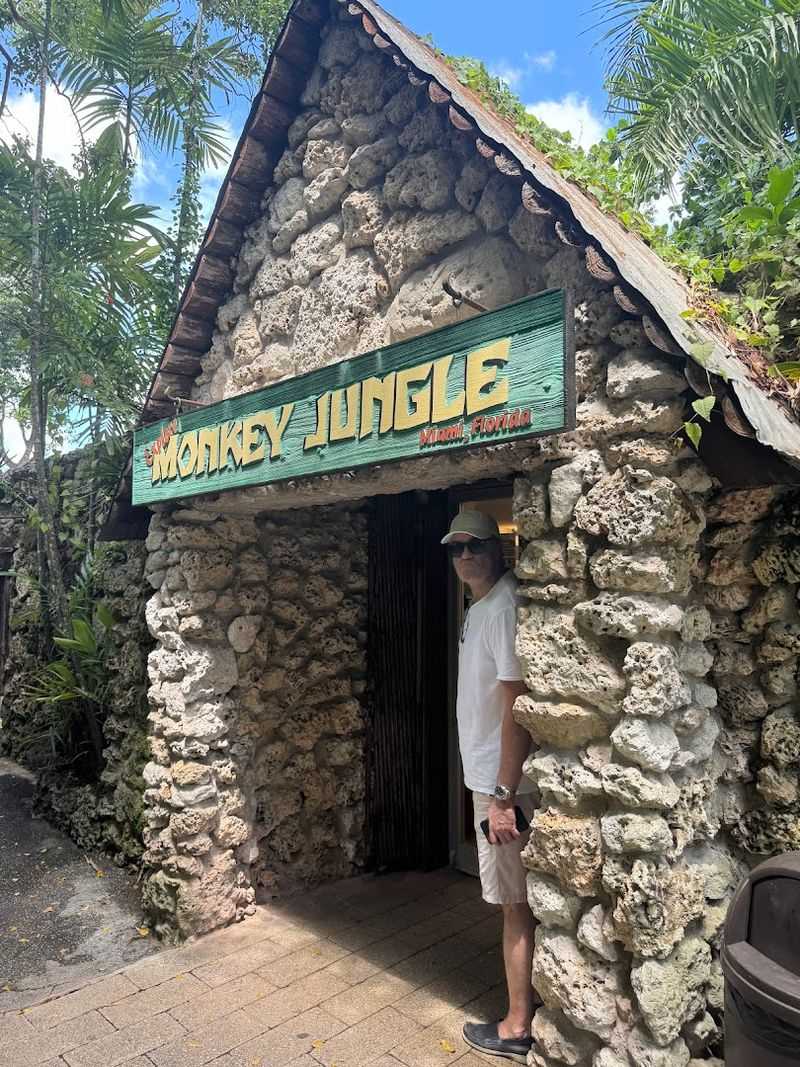
Forget everything you know about a typical zoo visit. At Monkey Jungle in Miami, the whole setup is flipped upside down — you are the one inside the enclosure, and the monkeys are the ones roaming free.
It is one of the only places in the world where this kind of experience exists.
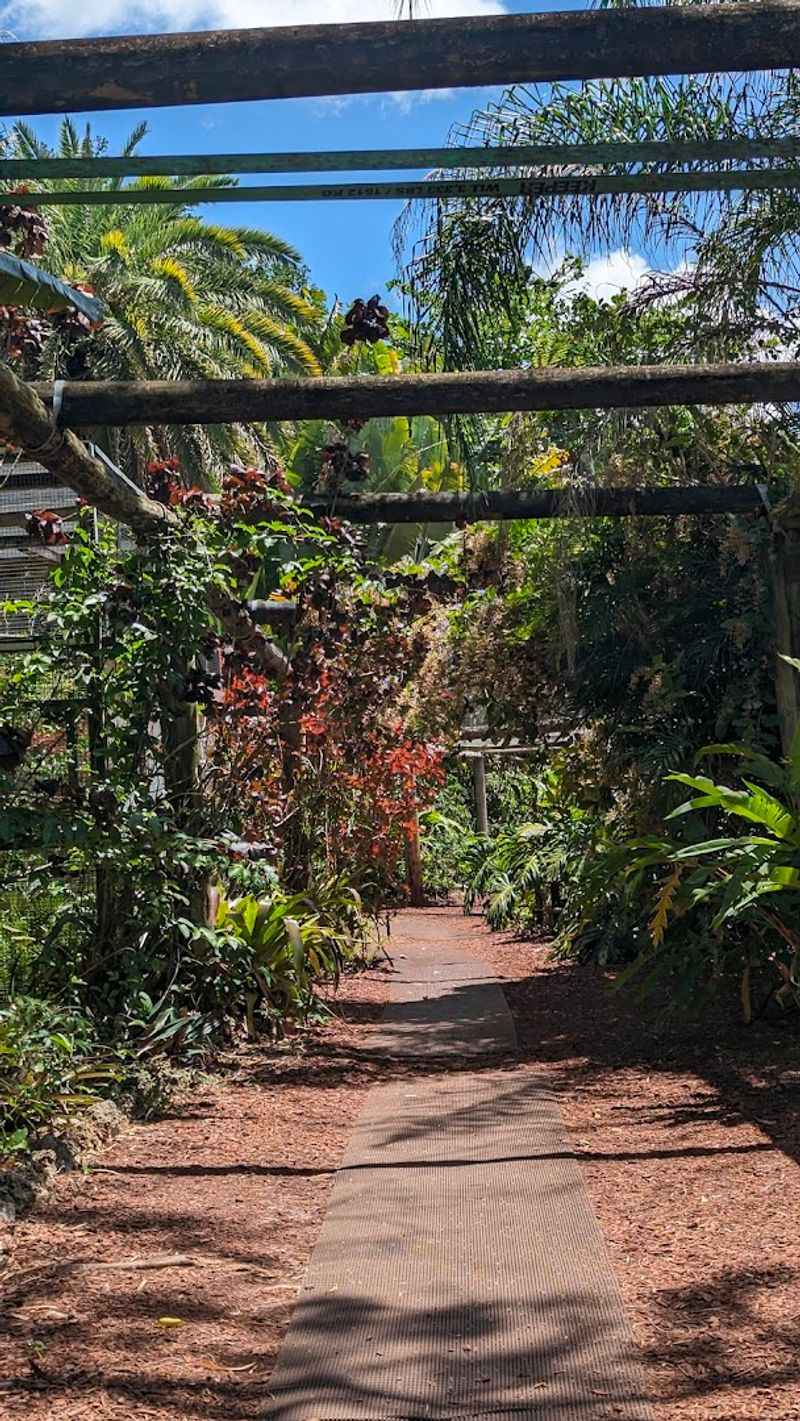
The park sits on 30 acres of subtropical forest in South Miami, giving the primates plenty of natural space to swing, climb, and play. Tall trees, thick vines, and lush greenery surround the winding pathways, making it feel like you have stepped into a real rainforest.
The animals are not behind glass — they are right there, sometimes just inches away from you through the mesh walls.
This flipped dynamic creates something truly special. You are not watching animals from a distance; you are inside their world.
Monkeys may leap overhead, stare at you curiously, or playfully interact near the tunnel openings. It is interactive, surprising, and exciting at every turn.
If you are looking for a wildlife experience that feels genuinely different from anything else in Florida, Monkey Jungle absolutely delivers on that promise every single time.
A Brief History of Monkey Jungle
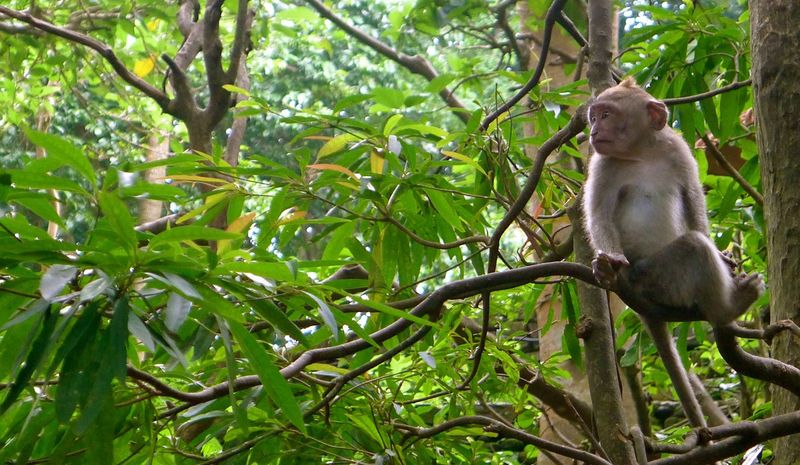
Back in 1935, a man named Joseph DuMond did something that most people probably thought was absolutely crazy — he released six Java macaques into the wilds of South Florida and watched what happened next. DuMond was an animal behaviorist, and he genuinely wanted to study how primates behaved in a free-roaming, natural environment rather than a confined cage.
His experiment worked better than anyone expected. Those original six monkeys thrived in the subtropical climate, and their population grew steadily over the decades.
DuMond opened the land to the public, and Monkey Jungle was officially born. Families started visiting, word spread, and the park became a beloved South Florida institution.
Today, nearly 90 years later, Monkey Jungle is still family-owned and operated. It has grown from a small behavioral experiment into a full primate sanctuary that houses over 30 species of primates.
The park has been recognized as an important site for primate conservation and scientific research. Visiting Monkey Jungle means you are stepping into a place with deep roots — a living legacy of one curious scientist who believed animals deserved to live as naturally as possible.
The Walk-Through Tunnel Experience
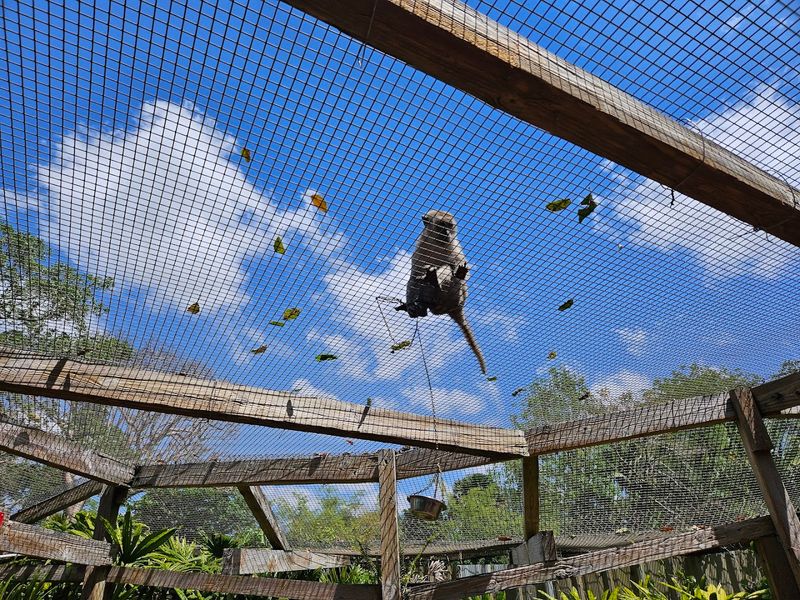
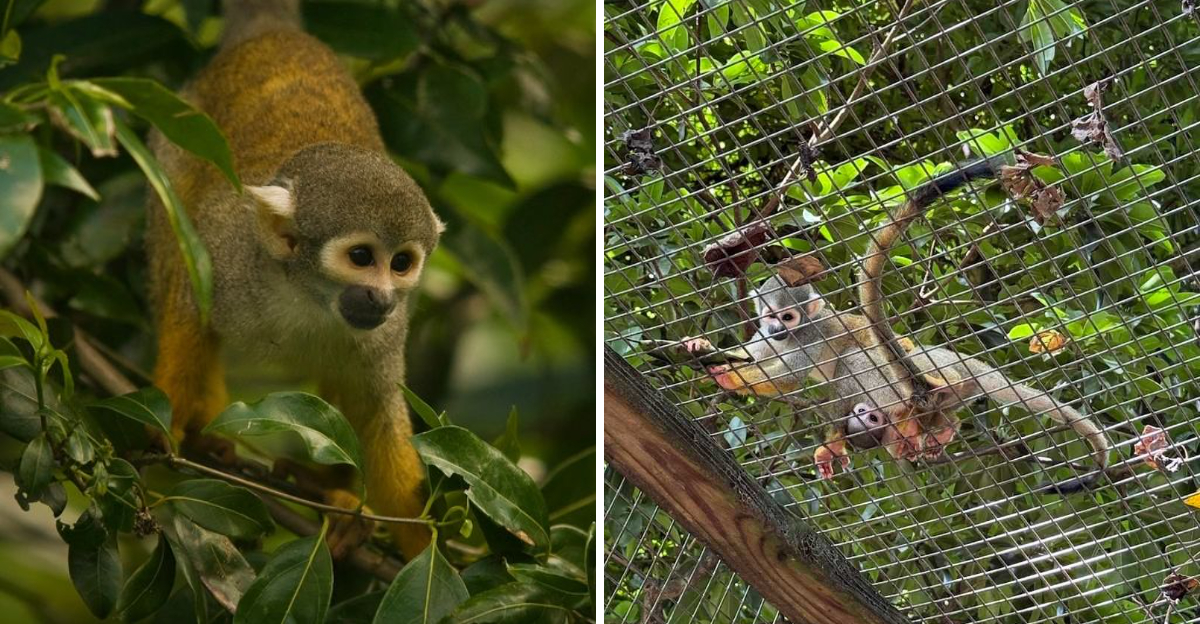
Stepping into those caged tunnels for the first time is genuinely thrilling. The mesh-enclosed walkways wind through the jungle like a trail inside a giant birdcage, except instead of birds, there are monkeys everywhere around you.
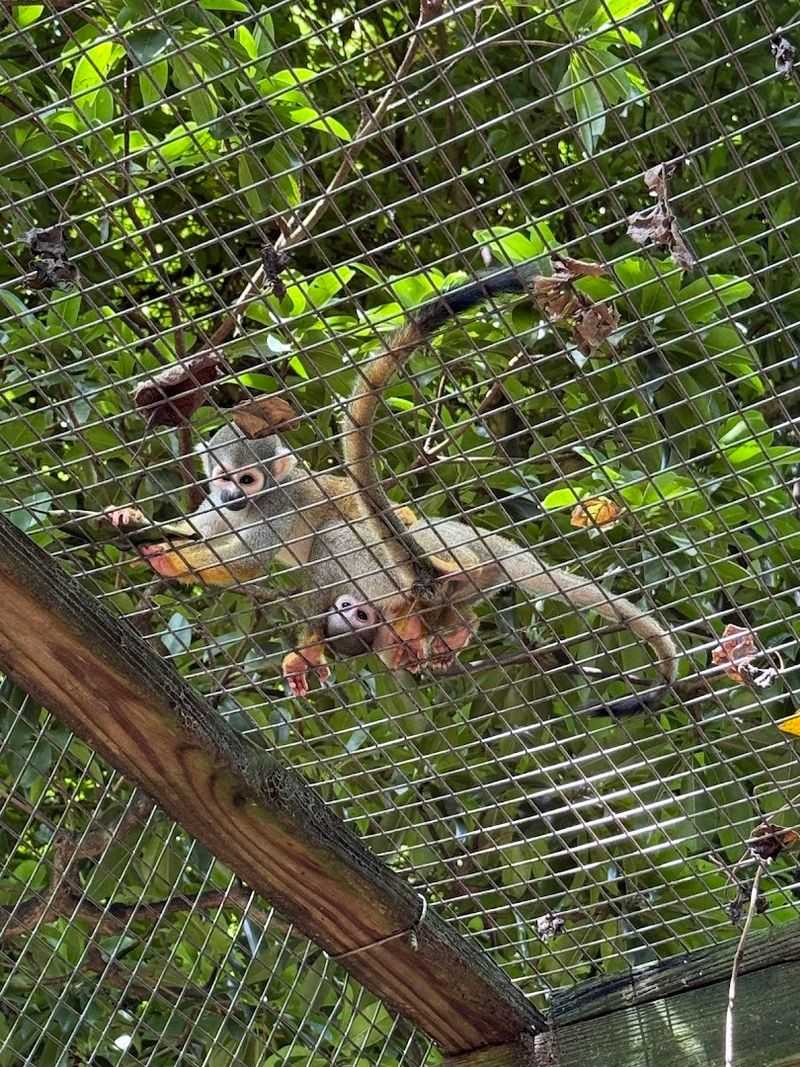
Some hang from branches just above your head, others scramble along the ground nearby, and a few might even peek at you through the wire mesh with wide, curious eyes.
The tunnels are designed to keep visitors safe while allowing the primates to move completely freely. You follow a winding path through different areas of the jungle, and the experience changes around every corner.
One moment you might be watching a spider monkey swing gracefully through the treetops, and the next you could have a macaque sitting right at eye level, studying you just as much as you are studying it.
The whole walk takes anywhere from 45 minutes to over an hour, depending on how long you stop to watch. There is no rushing this experience — the best moments happen when you slow down and just observe.
Kids especially tend to go wide-eyed the entire time. Bringing a camera is highly recommended because photo opportunities are absolutely everywhere along the route.
Primate Population and Species
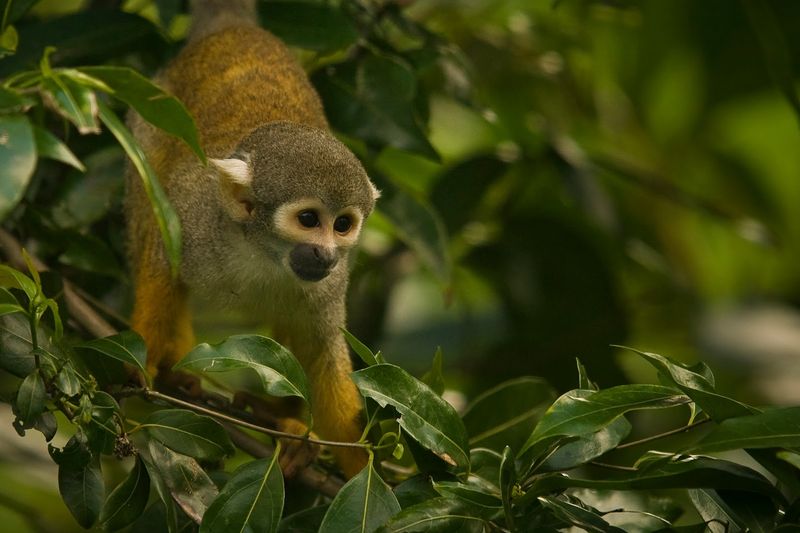
With over 300 monkeys calling this place home, Monkey Jungle is one of the most primate-rich attractions in the entire United States. The park houses more than 30 different species, ranging from tiny squirrel monkeys to larger spider monkeys and the original Java macaques that started it all back in 1935.
Seeing so many different species in one place is genuinely eye-opening.
Each species has its own personality and quirks, and you start to notice the differences pretty quickly as you walk through. Java macaques tend to be bold and curious, often approaching the tunnel mesh without much hesitation.
Spider monkeys are acrobatic showoffs, swinging through the upper canopy with incredible ease and speed. Smaller species like the squirrel monkeys move in energetic little groups, chattering and darting around with endless energy.
What makes observing these animals so rewarding here is that their behaviors are completely natural. They are not trained to perform or prompted by handlers during most of the day.
You are watching real primate social dynamics unfold — grooming, foraging, playing, and communicating. It is the kind of wildlife observation that even seasoned animal lovers find surprisingly moving and educational.
Every visit offers something new because no two days in the jungle are exactly alike.
Highlighted Exhibits and Habitat Zones
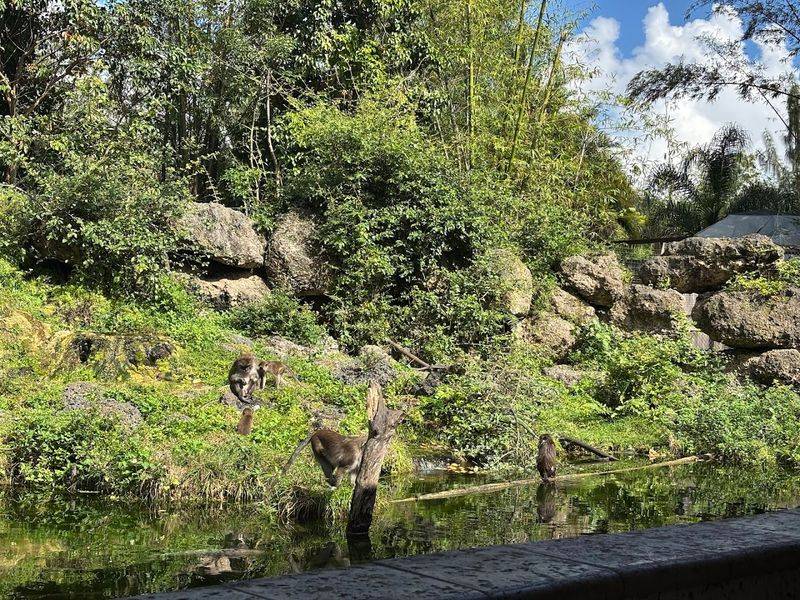
One of the most talked-about spots in the entire park is the wild monkey swimming area. Yes — swimming monkeys.
Java macaques at Monkey Jungle have developed a fascinating habit of diving into water to retrieve food, and watching them splash around with surprising confidence is one of those moments you genuinely do not expect. It is playful, funny, and oddly impressive all at once.
Beyond the swimming area, the park is divided into themed habitat zones that are designed to mimic the natural environments of different primate species. The rainforest zone is dense and shaded, filled with tropical plants and climbing structures that keep the animals active and engaged throughout the day.
Other sections feature more open forest areas where larger groups of monkeys move freely in extended family units.
Each zone offers a different mood and a different kind of primate-watching experience. Some areas feel calm and peaceful, while others buzz with activity and noise.
The park does a thoughtful job of creating environments that encourage natural behaviors rather than forcing animals into artificial setups. Walking through each zone feels like traveling through different ecosystems, and the variety keeps the experience fresh and engaging from start to finish throughout your visit.
Monkey Shows and Feeding Demonstrations
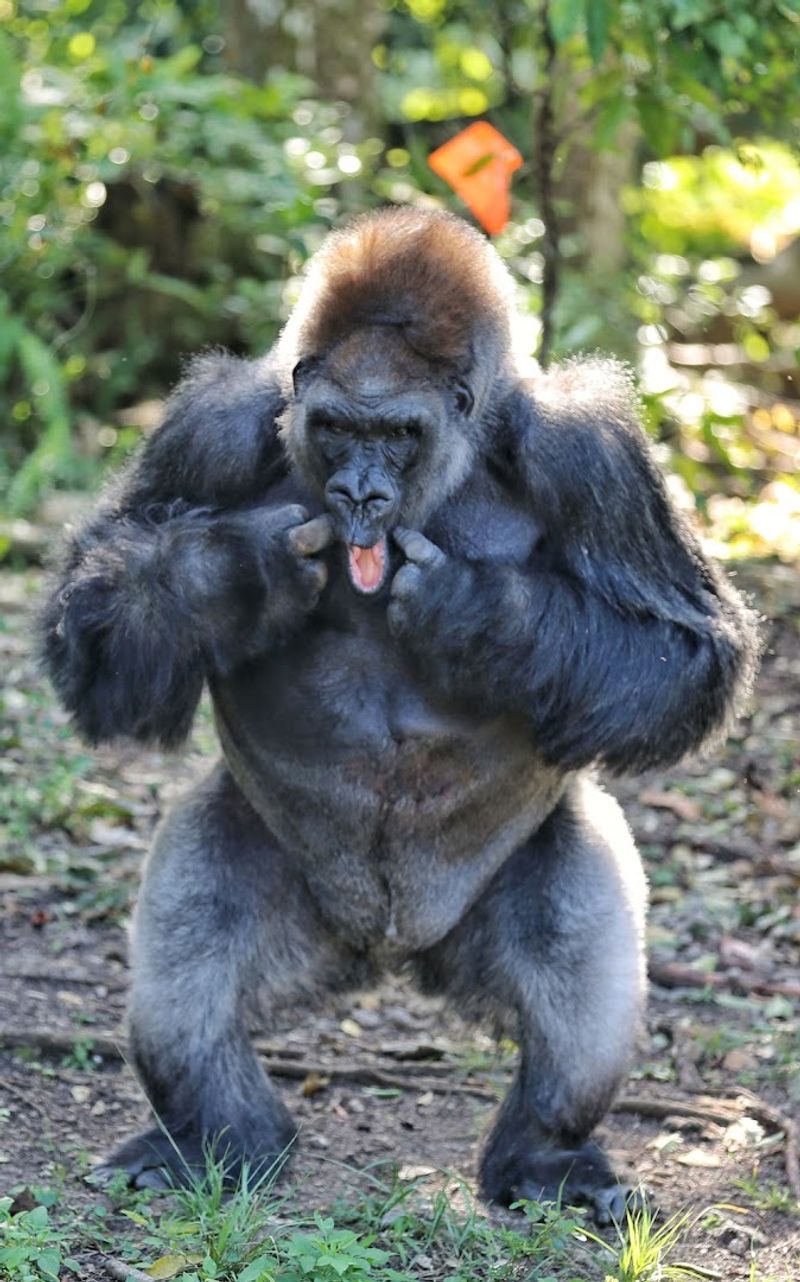
Scheduled shows and feeding demonstrations are some of the most entertaining parts of any visit to Monkey Jungle. Trained guides lead eco-show events that highlight natural primate behaviors in ways that are both educational and genuinely fun to watch.
These are not circus-style performances — they are more like guided observation sessions that help you understand what you are actually seeing.
Feeding demonstrations are especially popular with kids and adults alike. Watching monkeys forage, problem-solve for food, or even swim to retrieve floating fruit from a pool brings their intelligence front and center.
You quickly realize that these animals are far more thoughtful and capable than they might first appear during a casual walk-through.
Show times are scheduled throughout the day, so checking the daily schedule when you arrive is a smart move. Morning shows tend to draw slightly smaller crowds, which means better viewing spots and more relaxed interactions.
Staff members are knowledgeable and genuinely enthusiastic about the animals in their care, and they are always happy to answer questions. Plan to arrive at least 10 minutes before a scheduled show to grab a good spot.
These demonstrations add real depth to the visit and make the whole experience feel much more connected and meaningful.
Conservation and Education Mission
Monkey Jungle has always been about more than just entertainment. From its earliest days as a behavioral research site, the park has carried a strong commitment to understanding and protecting primates.
Today, that mission continues through active conservation programs, scientific partnerships, and educational outreach that reaches thousands of visitors every year.
The park works to preserve species that face real threats in the wild, including habitat loss and illegal wildlife trade. Several of the primate species housed at Monkey Jungle are listed as vulnerable or endangered in their native ranges.
By giving these animals a safe, enriched environment and educating the public about the challenges they face, the park plays a small but meaningful role in the broader effort to protect primate populations worldwide.
Educational programs are available for school groups and families, covering topics like primate behavior, tropical ecosystems, and wildlife conservation. These programs are designed to spark genuine curiosity rather than just deliver facts.
Talking to the staff and guides during your visit is one of the best ways to deepen your understanding of what you are seeing. Monkey Jungle quietly reminds you that every animal you encounter has a story worth knowing, and that human choices have a direct impact on whether those stories continue.
Other Attractions On-Site
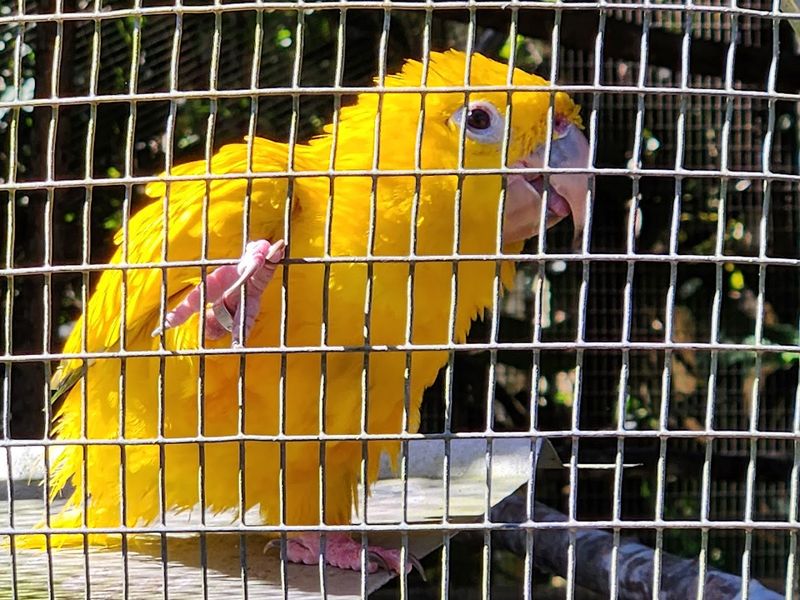
Primates are the clear stars of the show at Monkey Jungle, but they are not the only reason to stick around. The park also features a tropical aviary where colorful birds from rainforest environments around the world are on display.
Parrots, macaws, and other exotic species add a vivid burst of color and sound to the already lively atmosphere of the jungle setting.
Interactive experiences scattered throughout the park make it easy for families to stay engaged for a full half-day or longer. Some areas allow for closer observation of smaller primates in more enclosed settings, which is especially great for younger children who want a clearer look without the distance of the main tunnel walkways.
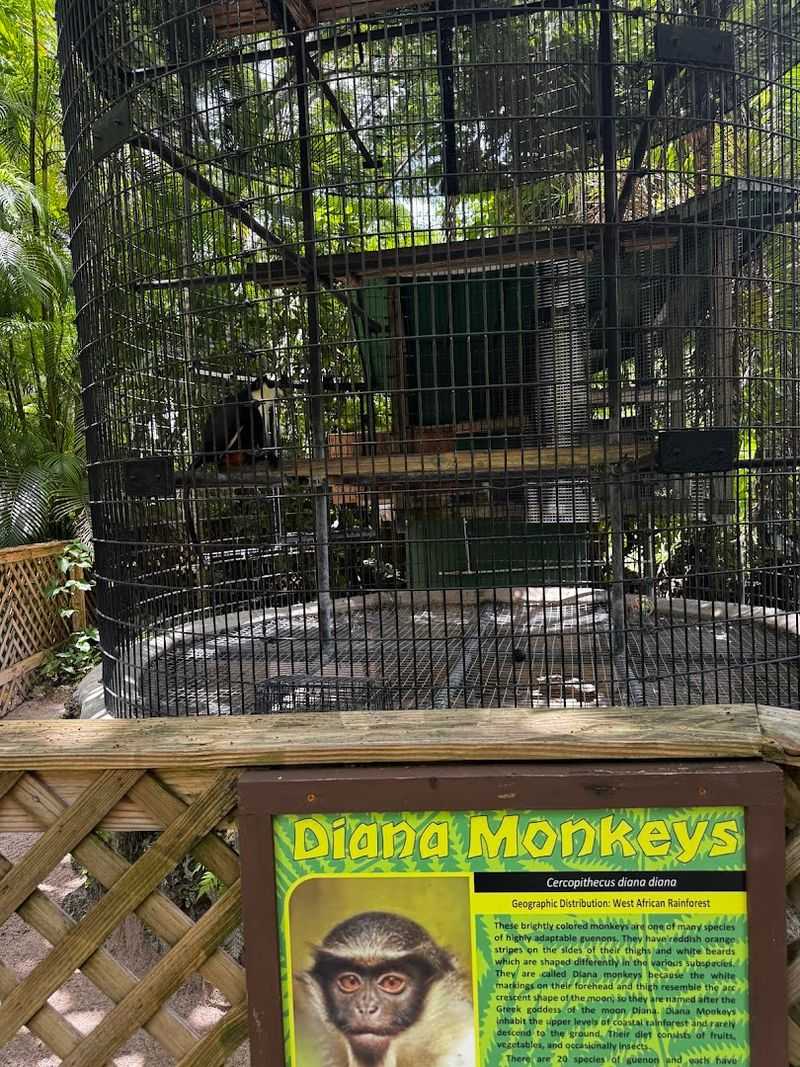
Interpretive signs and educational panels are posted throughout, turning the entire park into an outdoor classroom.
The overall layout of Monkey Jungle is designed to flow naturally from one area to the next, so you never feel rushed or lost. Shaded rest areas are placed along the route, giving you spots to sit, cool down, and just soak in the sounds of the jungle around you.
Whether you spend two hours or most of the day here, there is always something interesting around the next corner waiting to catch your attention.
Who Should Visit Monkey Jungle
Honestly, Monkey Jungle is one of those rare places that works well for almost everyone. Families with kids tend to have an absolute blast — children light up the moment they realize the monkeys are right there, moving freely all around them.
The experience is hands-on enough to feel exciting but structured enough to feel safe and manageable even with young ones in tow.
Animal enthusiasts and wildlife photographers will find plenty to keep them busy for hours. The natural behaviors on display throughout the park offer the kind of candid, unscripted moments that are nearly impossible to capture at a traditional zoo.
Students studying biology, ecology, or animal behavior will find the park genuinely informative and visually engaging in ways that textbooks simply cannot replicate.
Even travelers who are not big nature fans tend to walk away impressed. There is something about being physically surrounded by free-roaming primates that shifts your perspective in a meaningful way.
It is humbling, funny, surprising, and occasionally a little chaotic — which makes it memorable. If your group includes anyone who thinks they have already seen everything Florida has to offer, bring them here.
Monkey Jungle has a reliable way of proving that assumption completely wrong from the very first step inside.
Visitor Info and Planning Tips
Monkey Jungle is located at 14805 SW 216th St, Miami, FL 33170, and can be reached by phone at +1 305-235-1611. The park is open daily, and both self-guided walk-through options and guided rainforest adventure tours are available.
Booking reservations in advance is a smart move, especially if you want to secure spots for the scheduled feeding shows and eco-demonstrations.
Morning visits, especially between 9 a.m. and noon, tend to offer the best combination of cooler temperatures, active animals, and smaller crowds. Florida heat can get intense by mid-afternoon, so arriving early makes the walking experience far more comfortable.
There is a snack bar on-site for food and drinks, and shaded rest spots are available throughout the park for when you need a break.
Wear comfortable, closed-toe shoes since you will be walking on jungle trails for a good chunk of your visit. Sunscreen, a hat, and insect repellent are all worth packing.
A camera or fully charged phone is practically essential — you will want to capture every unexpected moment. Follow all staff guidance regarding monkey interactions, and never try to feed or touch the animals outside of designated areas.
A little preparation goes a long way toward making this an unforgettable outing.