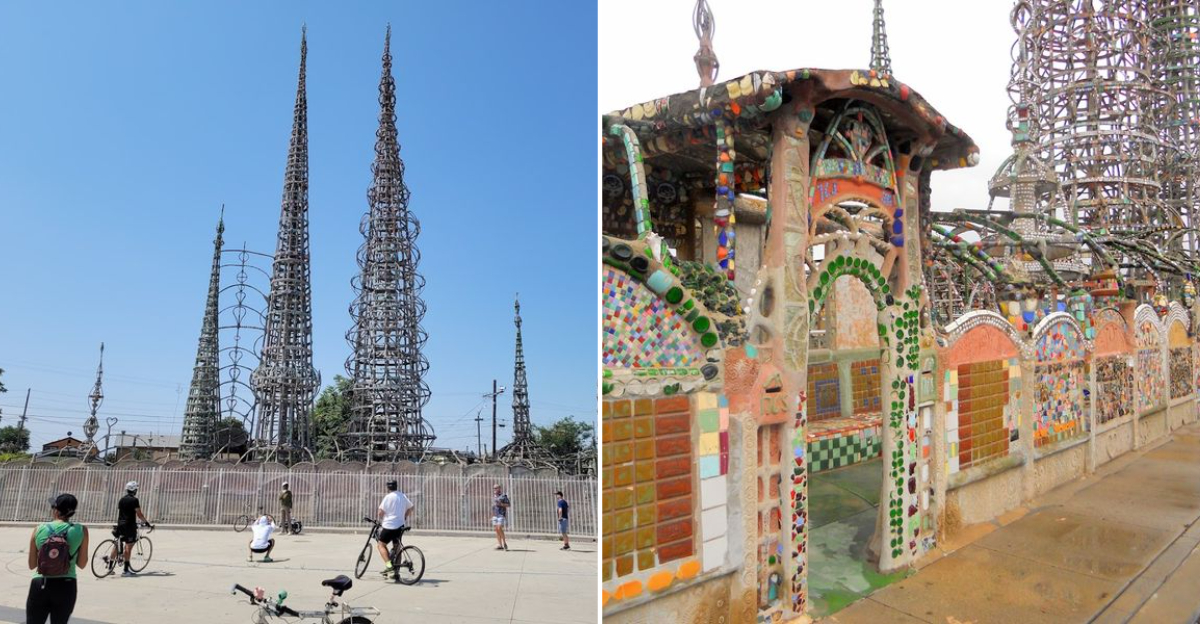
Some Los Angeles landmarks impress you with size, but Watts Towers pulls you in with imagination, grit, and astonishing detail. This is the kind of place that feels bigger the closer you get, revealing history, craftsmanship, and community in every shard of glass and tile.
If you think you already know LA, this site will challenge that idea in the best way. Here is a focused guide to what makes Watts Towers Arts Center one of California’s most unforgettable cultural stops.
The astonishing vision of Simon Rodia
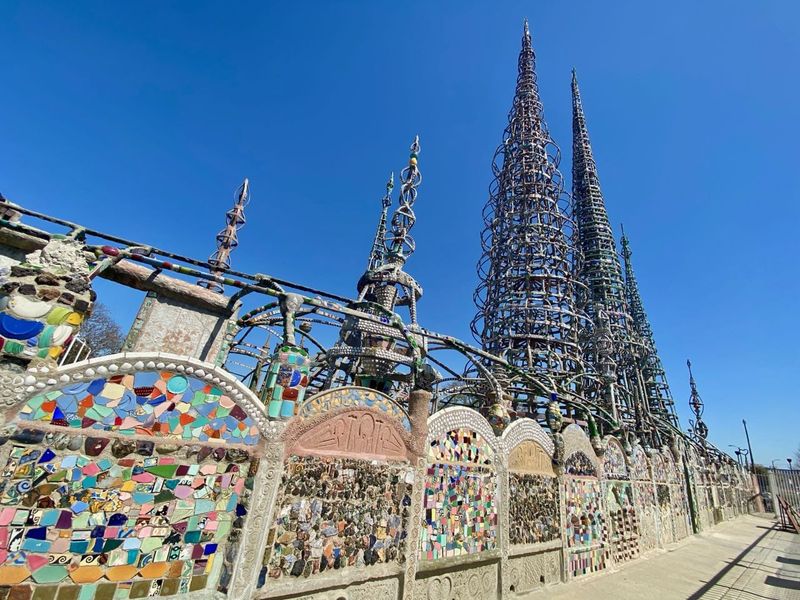
What makes Watts Towers unforgettable is the fact that one man, Simon Rodia, imagined and built this landmark with relentless patience. He spent decades shaping steel, mortar, broken tile, glass, and shells into a vertical artwork that still feels improbable when you stand beneath it.
I think that is the first thing you should carry into a visit – this place is not just unusual, it is personal.
Rodia was not backed by a major institution, wealthy patron, or formal architectural office. Instead, he worked largely alone, creating towers, walls, and decorative features that transformed ordinary materials into something visionary.
When you look closely, you can feel the persistence in every embedded fragment.
The story matters because it changes how you see the site. These structures are not random eccentricities, but a disciplined act of imagination built over many years.
Visitors often arrive curious about the towers themselves and leave equally moved by the determination behind them.
That human scale is the magic. Watts Towers feels monumental, yet it never loses the handmade intimacy that makes you lean in, slow down, and notice another detail every few steps.
Why the towers feel like an outdoor art museum
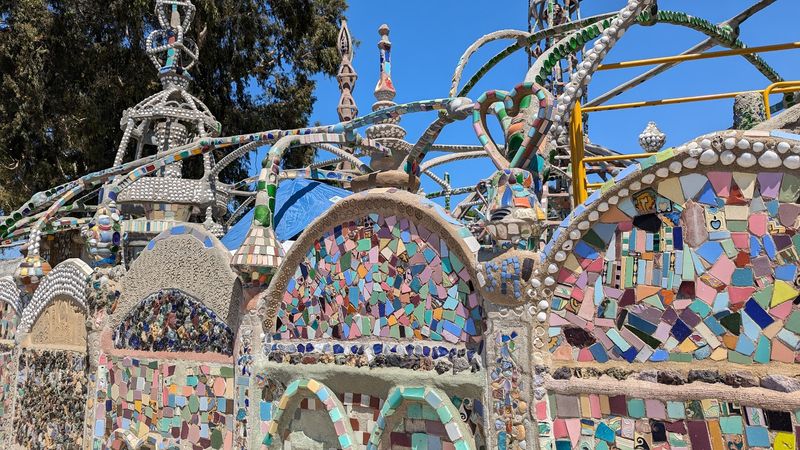
It is easy to call Watts Towers a landmark, but that label alone feels too small once you see the full environment. The site reads like an outdoor art museum, where sculpture, architecture, decoration, and storytelling blend into one immersive experience.
Instead of a single object on display, you move through a handmade world built with rhythm, repetition, and surprise.
The towers rise dramatically, but the surrounding features deserve equal attention. Arches, walls, embedded patterns, and smaller sculptural elements create a sense of movement across the grounds.
I would not rush this part, because the site rewards slow looking more than quick photography.
Another reason it feels museum-like is the way meaning builds layer by layer. From far away, you notice height and silhouette.
Up close, textures take over, and suddenly every shell, bottle fragment, and tile piece becomes part of a much larger visual language.
That shift from overview to detail is what great museums do so well, and Watts Towers achieves it outside, under open sky. You are not simply checking off a stop in Los Angeles.
You are stepping into a place that teaches you how to look.
The mosaic details that reward close looking
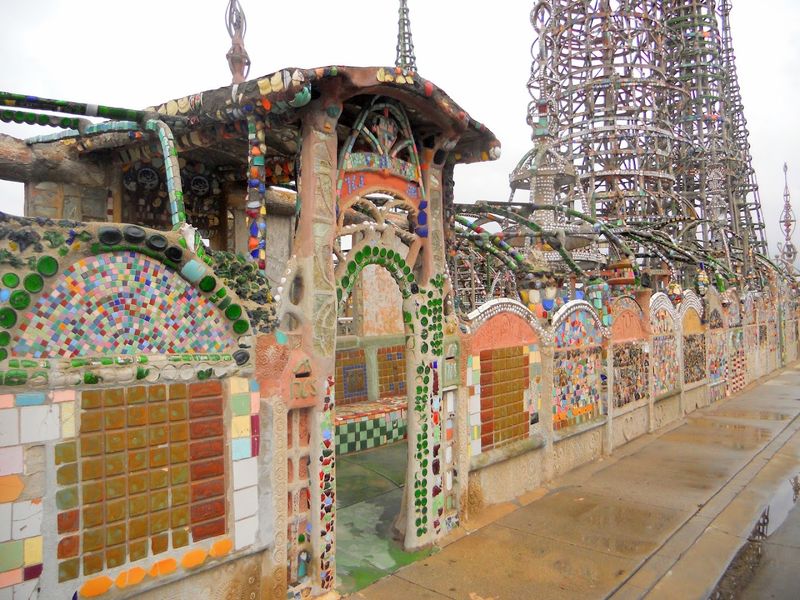
The closer you get to Watts Towers, the more it stops being a skyline curiosity and becomes a study in texture. Broken ceramics, glass, shells, and metal fragments are arranged with such care that the surfaces seem to pulse with energy.
What looks chaotic from a distance becomes deliberate, balanced, and deeply expressive up close.
This is where many visitors have the same reaction: the details are far richer than expected. Reviews often mention that the towers become more impressive after reading the plaques or taking the tour, and that makes sense.
Without context, you see beauty, but with context, you begin to notice intention in every repeated motif and embedded object.
I love that the materials are so ordinary. There is something moving about everyday remnants being transformed into art that feels both delicate and durable.
It gives the site a democratic spirit, as if creativity is not reserved for rare materials or elite spaces.
If you visit, leave time for stillness. Let your eyes move slowly across the surfaces instead of scanning for a single perfect photo.
Watts Towers is one of those rare places where attention itself becomes part of the experience, and every extra minute reveals another surprise.
How guided tours deepen the experience
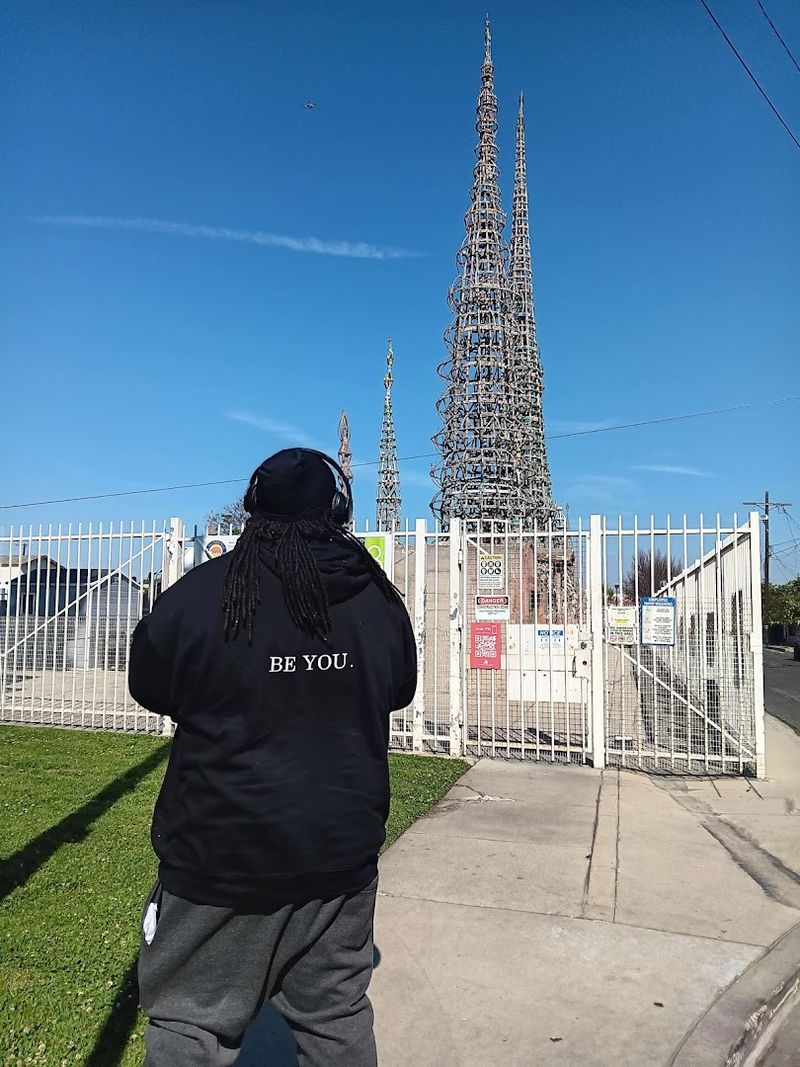
If you only see Watts Towers from outside the fence, you will still understand why people stop here. But the guided tour is what turns a visually striking site into a memorable cultural experience.
Visitors repeatedly praise knowledgeable staff, and that guided context seems to unlock the real depth of the landmark.
The tour helps explain how the structures were made, why they survived, and what Simon Rodia’s life adds to the meaning of the place. It also draws your attention to things that are easy to miss when you wander alone.
I have found that sites like this become far more vivid when a guide connects the artwork to the neighborhood, the era, and the conservation story.
Practical details matter too. Reviews note that entry into the gated area is tied to tours, and hours are limited, so planning ahead is smart.
Checking current times through the official website or by phone can save you from arriving during lunch closure or on a closed day.
Most importantly, the tour slows you down. Instead of treating the towers like a quick roadside attraction, you begin to see them as an artistic achievement that deserves concentration, patience, and a little curiosity from everyone who walks in.
The role of the Watts Towers Arts Center
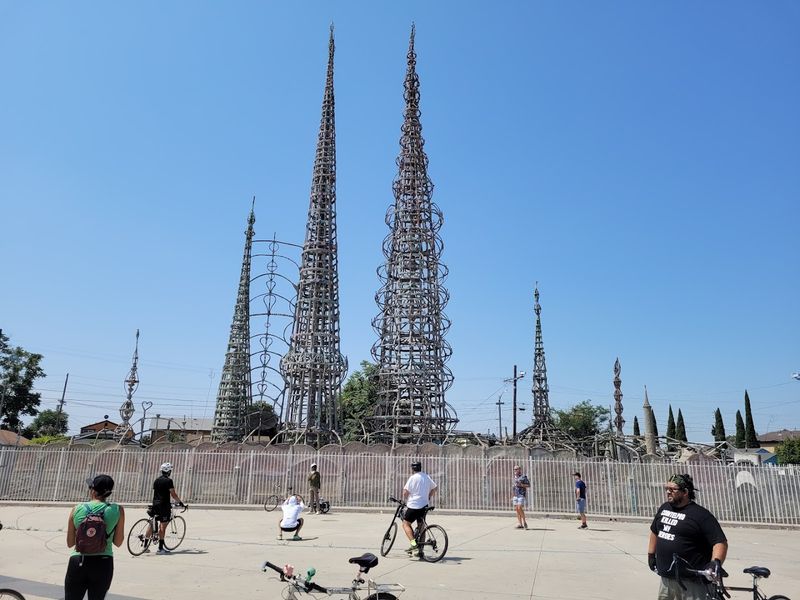
Watts Towers is not only a historic sculpture site. The adjacent Watts Towers Arts Center gives the landmark an active, living role in the present, connecting Rodia’s vision to community creativity today.
That connection is one reason the place feels so vital rather than frozen behind a fence.
Visitor reviews describe exhibitions, cultural programs, and a welcoming atmosphere that broadens the experience beyond the towers themselves. Instead of arriving, snapping a few pictures, and leaving, you get the chance to engage with local art and the cultural life surrounding the landmark.
That is important, because the towers make even more sense when seen as part of an ongoing artistic ecosystem.
The center also reinforces the idea that this site belongs to more than art history textbooks. It serves families, students, local artists, and travelers who may be visiting an arts center for the first time.
I think that accessibility is part of the landmark’s enduring power.
When a historic place still inspires current creative work, it avoids becoming merely symbolic. Watts Towers Arts Center helps keep the story active, relevant, and community-rooted.
For visitors, that means you are not just looking at the past. You are stepping into a conversation that continues right now.
A symbol of endurance and preservation
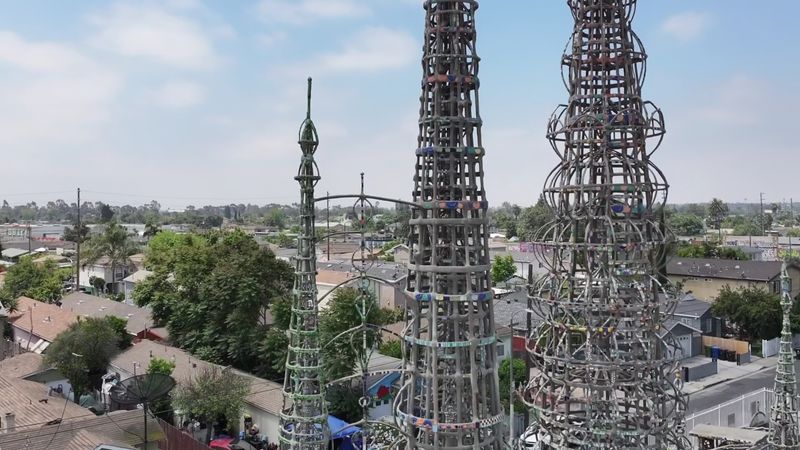
One of the most powerful things about Watts Towers is that it still stands. For a structure made from steel and found materials, and created outside traditional architectural systems, its survival feels almost miraculous.
That endurance gives the site emotional weight before you even begin unpacking its artistic significance.
Preservation is part of the story now. Some visitors mention scaffolding and ongoing repairs, which might initially seem distracting, but I would see them as proof that the work is being cared for rather than neglected.
Conservation reminds you that landmarks like this do not survive by luck alone – they survive because people decide they matter.
There is also something fitting about a place built through persistence requiring continued persistence to protect it. Watts Towers has weathered time, scrutiny, and changing ideas about what counts as serious art.
Today, it stands as a historic and cultural landmark precisely because people recognized that its uniqueness could not be replaced once lost.
That makes a visit feel larger than simple sightseeing. You are witnessing a work that has outlasted doubt and continues to demand attention.
In a city known for reinvention, Watts Towers offers a different lesson: sometimes endurance itself is the most extraordinary form of artistic achievement.
What the neighborhood context adds to a visit
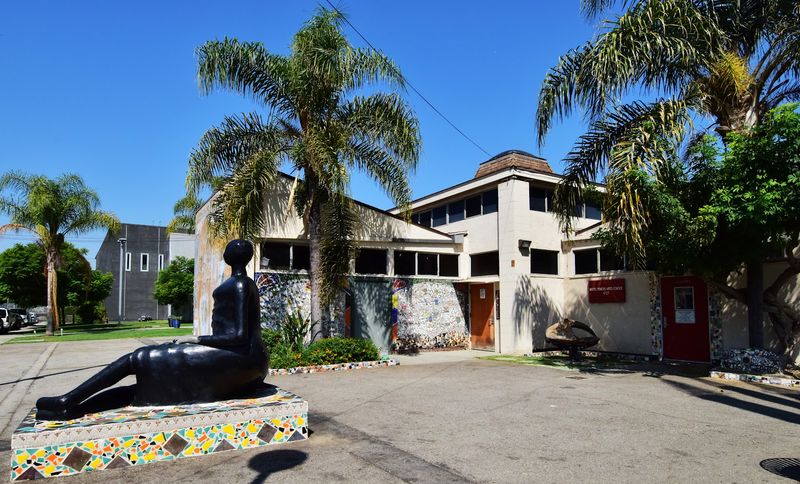
Watts Towers does not sit in an isolated park or polished cultural district, and that is part of what makes the experience feel grounded. The neighborhood context gives the landmark a stronger sense of place, reminding you that this is not an abstract masterpiece removed from daily life.
It exists within Watts, and that setting shapes how the site is understood.
Several visitors describe the area as urban, worn, and off the usual tourist path. Rather than treating that as a reason to avoid the landmark, I think it is better to approach with awareness, plan your visit carefully, and respect the community around it.
The contrast between the ordinary street setting and the extraordinary towers only heightens the sense of discovery.
This context also reinforces why the landmark matters culturally. Watts Towers is not just a famous artwork dropped into Los Angeles.
It has become symbolic of the neighborhood and carries layers of local identity, memory, and resilience that you cannot separate from the visit.
When you arrive with that understanding, the site feels less like a hidden oddity and more like a meaningful civic landmark. You are seeing a place where art, history, and community remain tightly connected, which is exactly why the experience lingers long after you leave.
Festivals, performances, and living culture
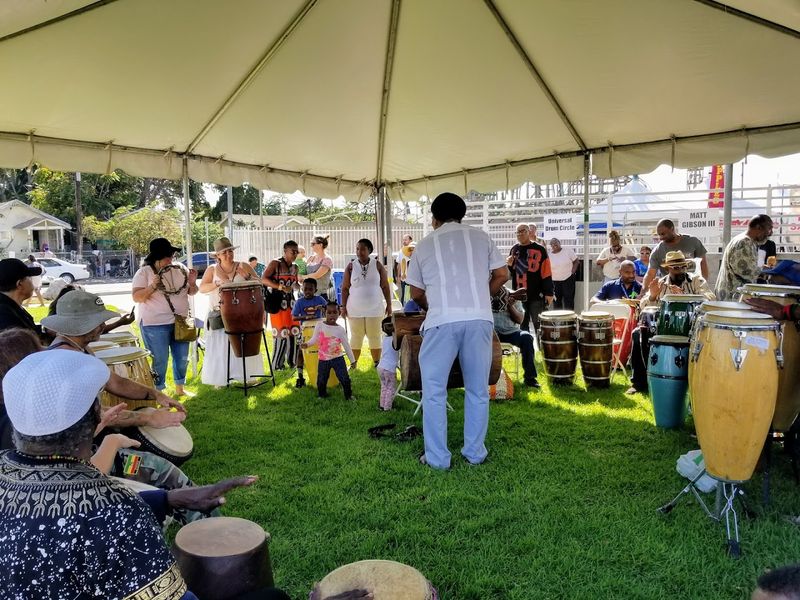
Watts Towers becomes even more compelling when you realize it is not only a site to observe, but also a place where culture is still actively made. Reviews mention events like the Day of the Drum Festival, live performances, vendors, and gatherings that turn the grounds into a vibrant communal space.
That living energy expands the landmark beyond architecture and into shared experience.
There is something especially fitting about music and public celebration happening beside Rodia’s work. The towers themselves feel rhythmic, with repeating lines, curves, and decorative patterns that almost suggest movement.
When performances fill the site, the visual art and community atmosphere seem to answer each other naturally.
I love this aspect because it resists the idea that historic places must stay quiet to remain meaningful. At Watts Towers, history and present-day creativity can coexist.
The site becomes both memorial and meeting ground, honoring what was built here while welcoming people to make new memories around it.
If your timing lines up with a festival or public event, you may leave with a different impression than someone who comes on a quiet day. Both experiences matter, but the event setting reveals another truth about Watts Towers: it is not only preserved art.
It is an active cultural heartbeat.
Planning your visit wisely
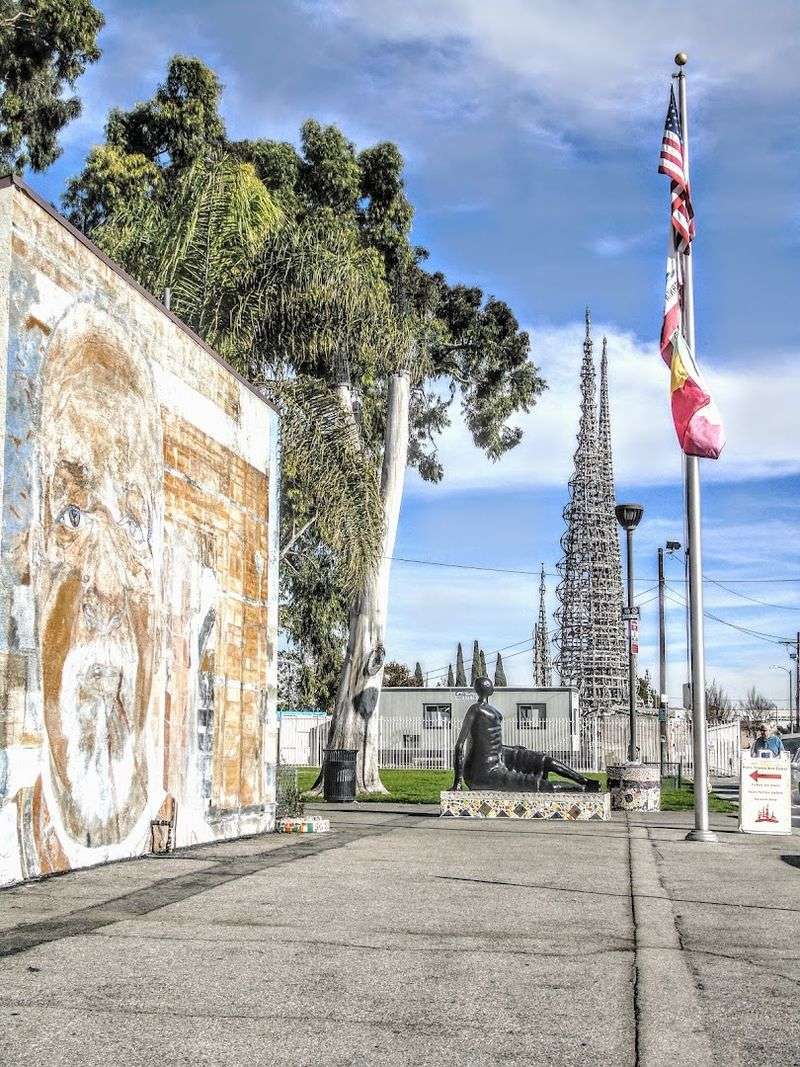
A little planning can make a big difference at Watts Towers, especially because this is not a drop-in attraction with all-day access. Current posted hours are limited to Wednesday through Saturday mornings, and several reviews note lunch closures, guided entry rules, and the importance of checking details ahead.
That alone should shape how you build your visit.
Parking is another point worth noting. Visitors mention that the street address can be awkward for turning around and that parking access is better from Willowbrook Avenue.
If you are driving, that small piece of information could save you time and frustration before you even reach the entrance.
I would also treat the site as something more than a quick photo stop. Some people spend only twenty or thirty minutes, but most of the strongest reviews come from those who took the tour, read the interpretive material, and explored the arts center.
A little extra time gives the landmark room to unfold.
Because access can depend on tour schedules and operational details, checking the official website or calling ahead is simply smart travel. Watts Towers rewards preparation.
Once logistics are handled, you can focus on what matters most: the story, the details, and the atmosphere of a truly singular place.
Why Watts Towers remains unforgettable
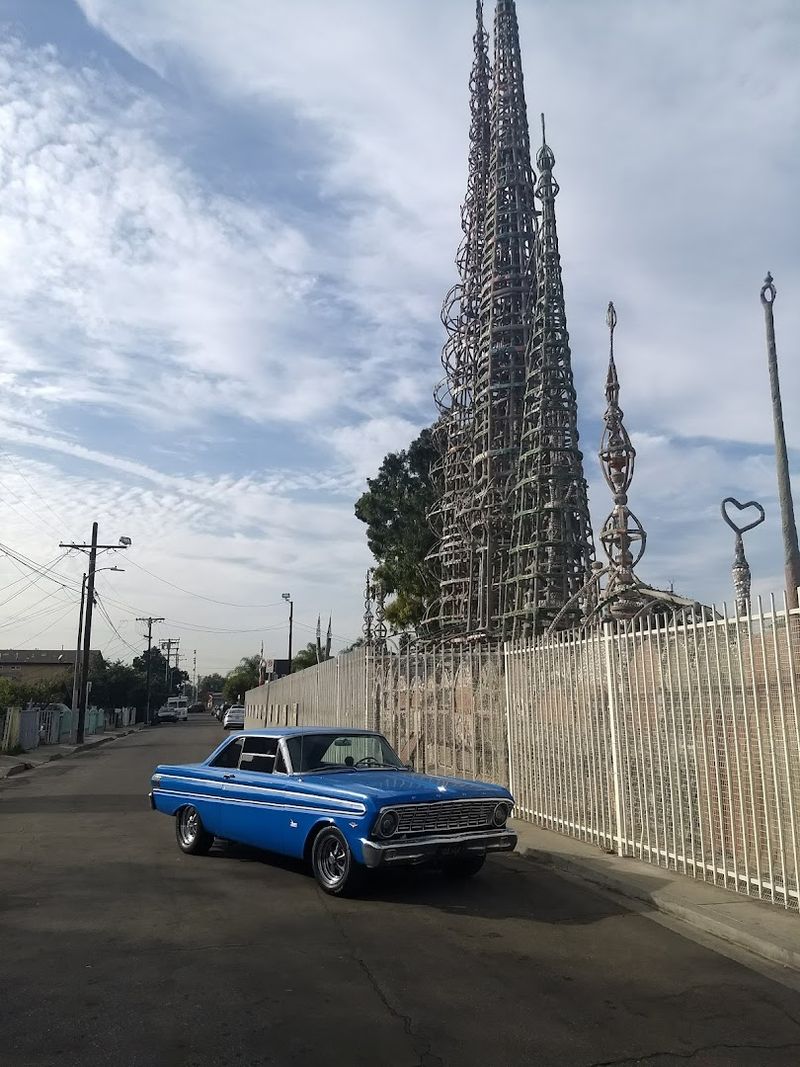
Some landmarks impress because they are grand, polished, or famous. Watts Towers stays with you for a different reason: it feels improbable, intimate, and deeply human all at once.
Even after learning the facts, you are still left wondering how one person transformed such humble materials into something so commanding.
That lasting impact comes from the way the site combines opposites. It is fragile-looking yet resilient, local yet internationally significant, handcrafted yet monumental.
I think that tension is why so many visitors call it inspiring, moving, or worth the trip, even if they arrived with modest expectations.
The landmark also asks you to reconsider what art can be and where it belongs. At Watts Towers, beauty is not separated from labor, community, or history.
The work rises from ordinary materials and an ordinary neighborhood, yet it reaches the level of a cultural symbol for Los Angeles and beyond.
If you visit with patience, the place does more than give you a memorable view. It leaves you thinking about persistence, creativity, and the power of making something extraordinary without waiting for permission.
That is why Watts Towers remains one of California’s most unusual landmarks and one of its most meaningful artistic spaces.