Tucked along the shores of Plymouth, Massachusetts, Plimoth Patuxet Museums brings the year 1627 to life in a way that no textbook ever could. With costumed actors who never break character, authentic reconstructed homes, and a living Wampanoag homesite, this place makes early American history feel completely real.
Whether you are a history lover or just curious about how the Pilgrims and Indigenous people actually lived, this museum delivers a one-of-a-kind experience worth every step of the journey.
The 1627 English Village Recreation
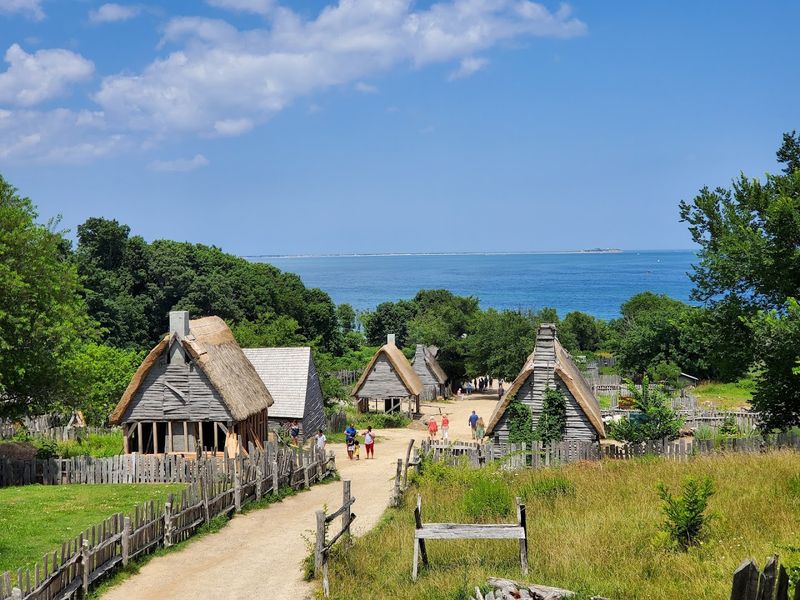
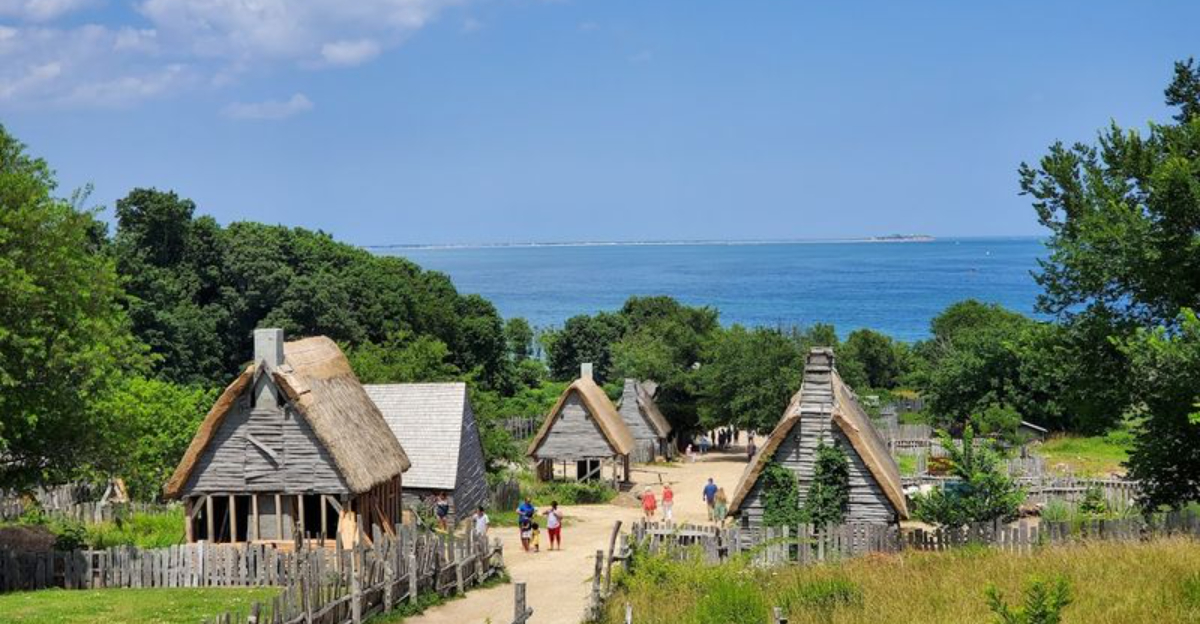
Walking into the English Village at Plimoth Patuxet Museums feels like stepping through a time machine set to 1627. Every detail has been carefully researched and recreated, from the thatched roofs on the homes to the hand-hewn wooden fences lining the narrow paths.
Visitors are not just looking at history from behind a rope — they are walking right through it.
The costumed interpreters here are truly remarkable. They speak in period-accurate English dialects and stay completely in character, no matter what questions you throw at them.
Ask them about their neighbors or their crops, and they will answer as if the year 1627 is the only year that has ever existed. It is both impressive and surprisingly moving.
Homes of famous colonists like Myles Standish and William Bradford have been reconstructed here, and several are open for self-guided exploration. You can peek inside a kitchen or a sleeping area furnished just as it might have looked nearly 400 years ago.
Families with kids especially love this section because everything is touchable and interactive. The museum encourages hands-on exploration, making it one of the most memorable living history experiences on the entire East Coast.
The Wampanoag Homesite
Before the Pilgrims ever set foot on Plymouth soil, the Wampanoag people had already built a rich and complex civilization here. The Wampanoag Homesite at Plimoth Patuxet Museums offers a respectful and detailed look at how these Indigenous people lived, worked, and connected with the natural world around them.
It is one of the most eye-opening parts of the entire visit.
Native staff members — not actors playing roles, but actual Wampanoag people — share their culture’s history through demonstrations of real daily tasks. From cooking over open fires to crafting tools and hollowing out trees to make canoes, every activity carries deep cultural meaning.
The smell of woodsmoke in the air adds a layer of authenticity that photographs simply cannot capture.
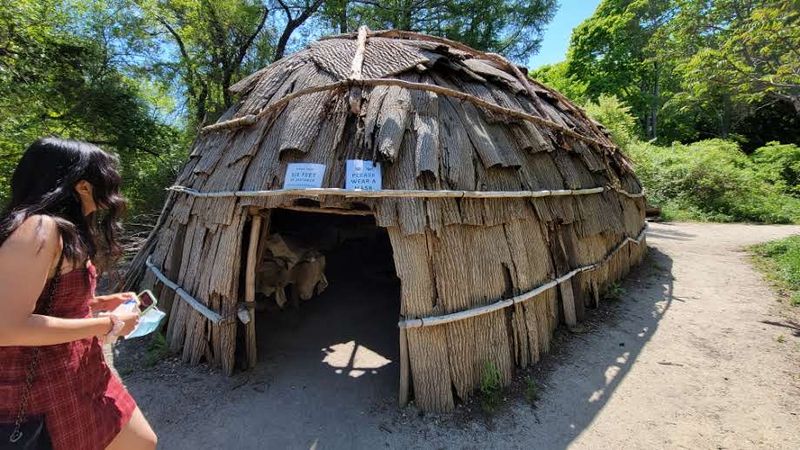
The wetu, a dome-shaped traditional dwelling, stands as a centerpiece of the homesite. Visitors can step inside and learn how these structures were built and used across different seasons.
The craftsmanship involved is genuinely impressive.
Many visitors say this part of the museum completely shifted their perspective on early American history. Hearing the Wampanoag story told by Wampanoag people themselves creates a balanced, powerful, and deeply human understanding of the past that stays with you long after you leave.
Costumed Character Interpreters Who Never Break Character
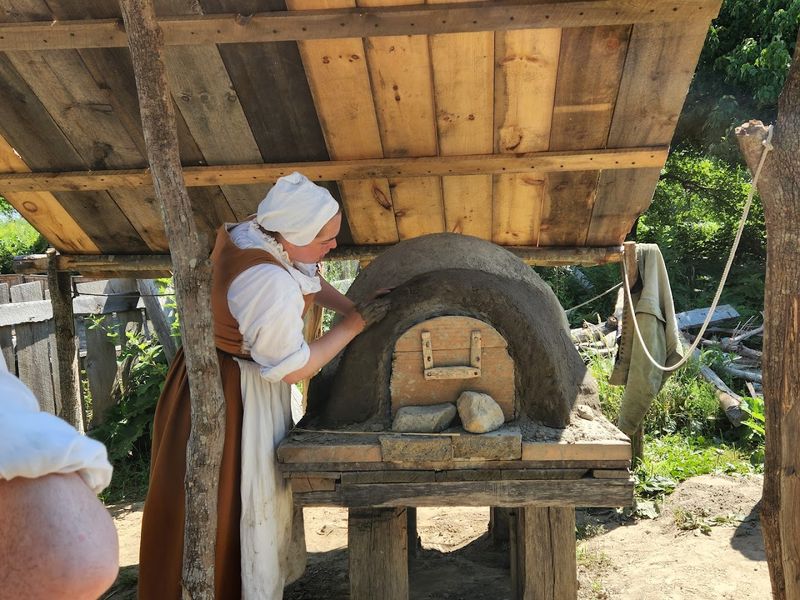
One of the most talked-about features of Plimoth Patuxet Museums is the incredible dedication of its costumed character interpreters. These men and women fully embody specific historical figures from the 1627 colony, and they do not step out of character — not even for a second.
Rain, cold, or a room full of curious kids asking wild questions, they hold their roles with remarkable commitment.
What makes this so special is that visitors can actually have real conversations with these characters. Ask a woman about her daily chores, and she will describe washing wool and tending the garden.
Ask a man about his opinion on the Wampanoag neighbors, and you will get a thoughtful, period-accurate response that reveals the complex social dynamics of the time.
Several reviewers noted that talking with the interpreters was the highlight of their entire visit. One guest mentioned that the experience completely changed how they understood Pilgrim history — not as a simple story of survival, but as a nuanced, human drama with multiple perspectives.
The interpreters also use old-fashioned language and accents, which adds a wonderfully immersive layer to the experience. Engaging with them as much as possible is the single best tip for getting the most out of your time at this museum.
The Mayflower II Ship
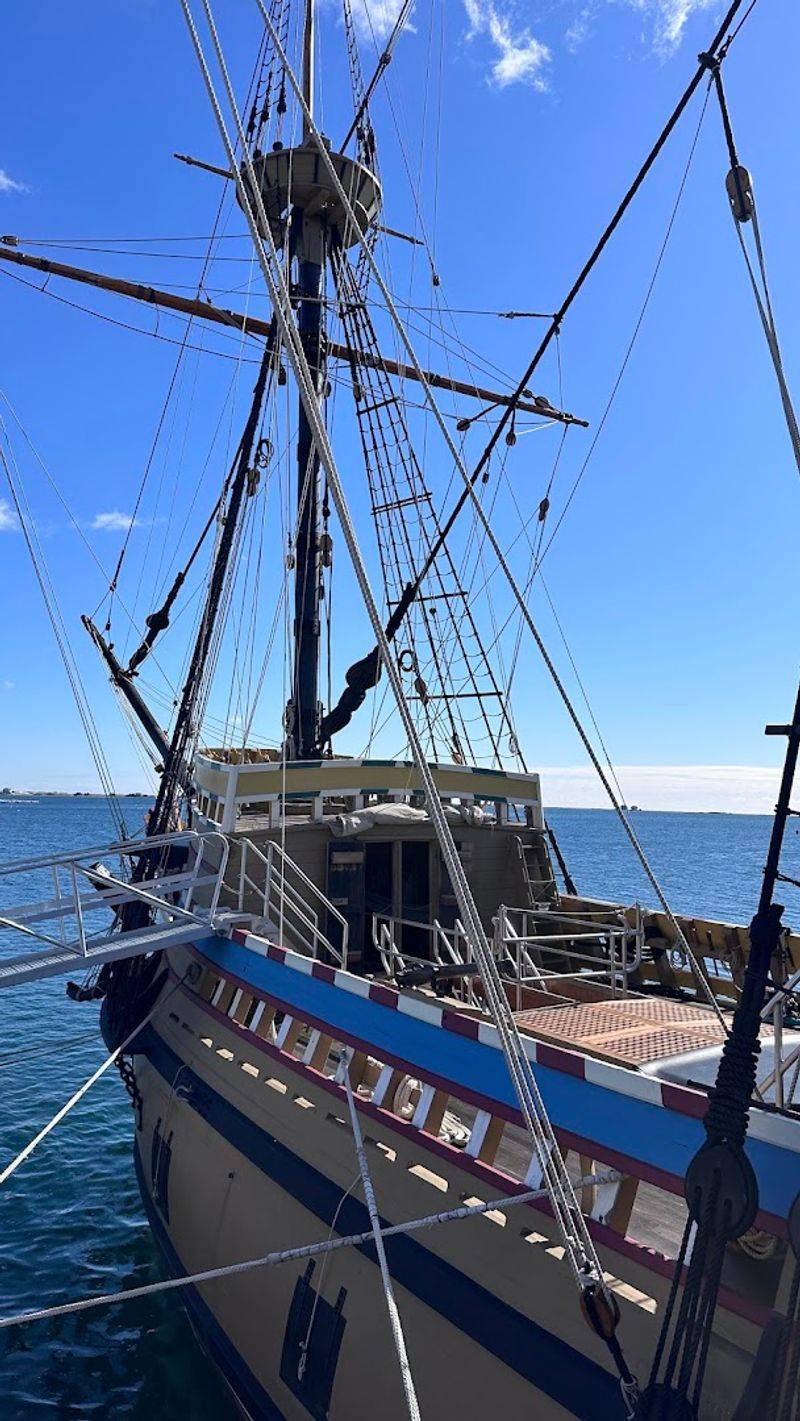
The Mayflower II is one of the most awe-inspiring sights you can experience when visiting the Plymouth area. This full-scale replica of the original 1620 ship gives visitors a real sense of just how small and crowded the vessel was when 102 Pilgrims crossed the Atlantic Ocean.
Standing on its deck, it becomes very hard to imagine surviving a two-month sea voyage in such tight quarters.
Built in England in the 1950s and sailed across the Atlantic as a gift to the American people, the Mayflower II is now managed by Plimoth Patuxet Museums. Costumed interpreters on board bring the 1620 voyage to life, sharing stories of the crossing, the storms, and the incredible determination it took to reach the New World.
Visitors can explore the deck, peek into the cargo hold, and learn about the navigation tools used centuries ago. The experience is hands-on and genuinely fascinating for all ages.
Kids especially love climbing around the ship and imagining life as a young Pilgrim passenger.
Purchasing a combination ticket that includes both the Mayflower II and the main museum campus is strongly recommended. Together, they create a complete picture of the Pilgrim journey from ocean crossing to colony building.
The Hobbamock’s Wampanoag Wetu Dwelling
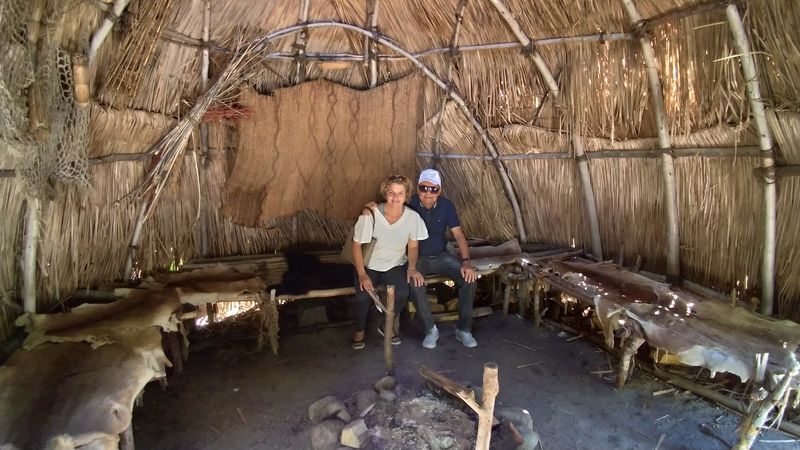
Tucked within the Wampanoag Homesite, the wetu is a structure that quietly commands your full attention. This dome-shaped dwelling was the traditional home of the Wampanoag people, crafted from bent saplings and covered with woven mats or bark.
Stepping inside one feels like entering a world that has been thoughtfully preserved across centuries of change and challenge.
The construction of a wetu is itself a fascinating story. Wampanoag people could assemble and disassemble these homes as needed, moving them seasonally to follow food sources and weather patterns.
That kind of practical, sustainable thinking was remarkably sophisticated and deserves far more recognition than it typically gets in standard history lessons.
At Plimoth Patuxet Museums, the wetu is not just a display piece — it is a living part of the homesite where Native staff members explain its construction, use, and cultural significance. Visitors frequently describe this as one of the most memorable and educational stops on the entire grounds.
The contrast between the wetu and the English Village homes nearby is striking and intentional. Seeing both types of dwellings side by side encourages visitors to think critically about how different cultures approached shelter, community, and daily life in the same geographic space at the same moment in history.
The Colonial Gardens and Livestock
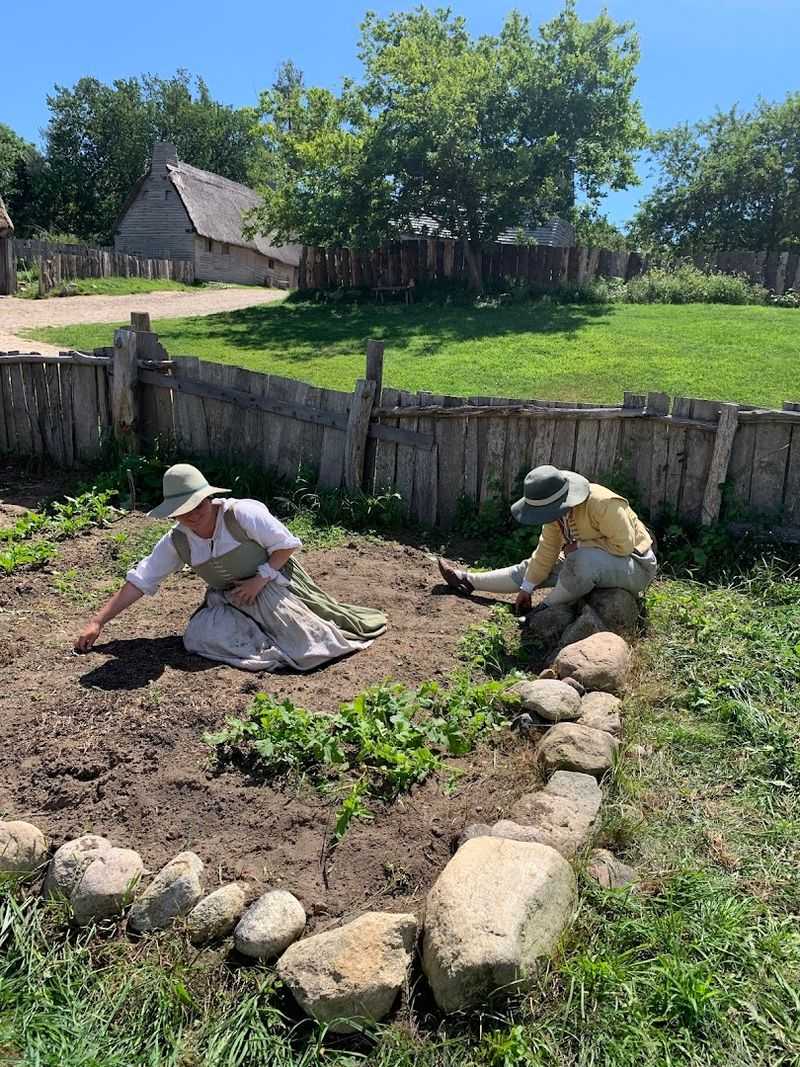
History is not only found in buildings and speeches — sometimes it lives in a patch of growing vegetables and the sound of sheep grazing nearby. The colonial gardens and livestock area at Plimoth Patuxet Museums offer a surprisingly peaceful and grounding part of the visit.
Here, heritage crops are grown using 17th-century methods, and the produce actually ends up on the tables at the museum’s dining events.
Animals like sheep, goats, and cows roam the grounds, representing the livestock that the English settlers would have depended on for food, wool, and labor. Seeing these animals in such a historically accurate setting makes the daily struggles of colonial life feel very real and very human.
It is one thing to read about farming in the 1600s; it is another to smell the hay and hear the animals firsthand.
The gardens are planted and tended with careful attention to historical accuracy. Flowers grown for medicinal and decorative purposes sit alongside root vegetables and grains that would have been staple foods in a 17th-century household.
Every plant tells a story about what people ate, how they healed, and how they survived.
Children and adults alike tend to slow down in this area, which offers a quieter, more reflective contrast to the busy energy of the English Village nearby.
The Grist Mill at Plimoth Patuxet
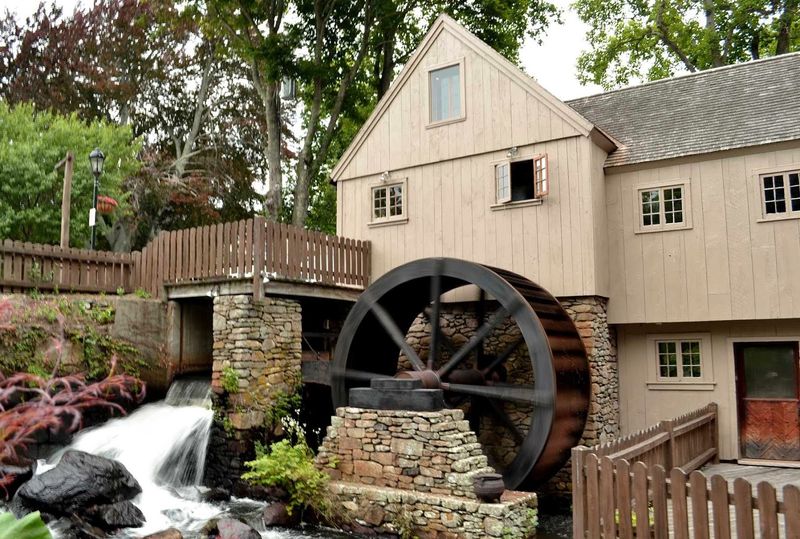
Perched at the top of a hill near the town center of Plymouth, the Grist Mill is one of those hidden gems that rewards the visitors who make the effort to find it. Operated by Plimoth Patuxet Museums, this working reproduction of a 17th-century mill demonstrates exactly how grain was ground into cornmeal and flour using water power — a technology that was absolutely essential to colonial survival.
The mill is included in the Heritage Pass package, which also covers the Mayflower II and the main museum campus. Several visitors noted that younger guests, particularly boys, were completely captivated by the mechanical workings of the mill.
Watching massive wooden gears turn and water rush through the millrace is genuinely exciting, even for people who do not think of themselves as history enthusiasts.
Staff at the Grist Mill are knowledgeable and enthusiastic, walking visitors through the entire process from raw grain to finished meal. You can even purchase freshly ground cornmeal in the gift shop, which makes for a uniquely memorable souvenir.
One practical tip worth noting: the Grist Mill is a bit out of the way and easy to miss if you are short on time. Plan your visit so you have enough energy left to make the short trip there — it is absolutely worth it.
The Visitor Center and Museum Exhibits
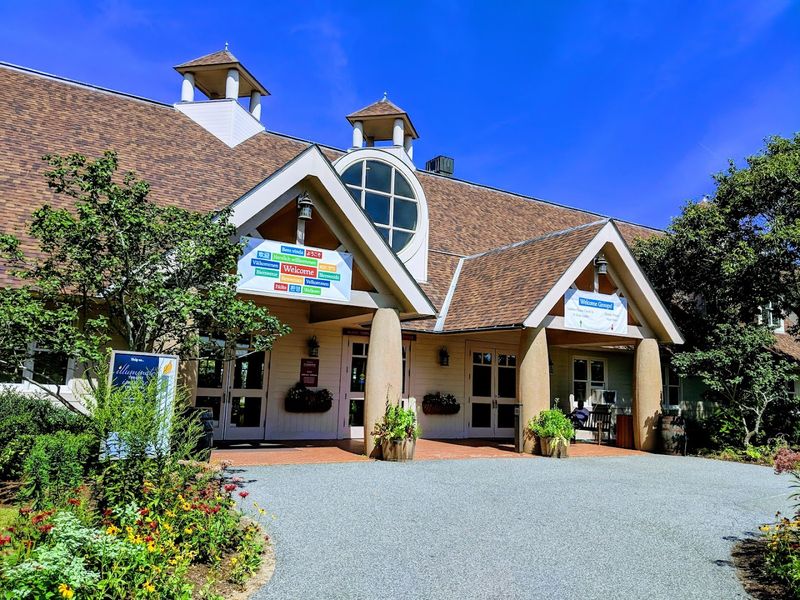
Before heading out into the living history areas, the Visitor Center at Plimoth Patuxet Museums sets the stage beautifully. Clean, modern, and thoughtfully designed, the center houses exhibits that provide essential context about the Pilgrims, the Wampanoag people, and the events leading up to and following the 1620 landing.
Starting here makes everything you see outdoors feel even more meaningful.
The interior displays are well-organized and easy to follow, even for younger visitors. Artifacts, maps, and multimedia presentations explain the social, political, and cultural forces that shaped early Plymouth Colony.
Reviewers consistently praise the quality of the exhibits, noting that the information is presented in a balanced and respectful way that honors both the Pilgrim and Wampanoag stories equally.
Staff members stationed throughout the visitor center are soft-spoken, welcoming, and genuinely happy to answer questions. Whether you are a first-time visitor or a return guest, they help orient you to the grounds and suggest the best route for your interests and energy level.
The gift shop near the visitor center also offers a lovely selection of historically themed books, crafts, and locally made products. Picking up a book about Wampanoag culture or colonial cooking is a wonderful way to extend the learning long after the visit ends.
The Heritage Pass and Ticketing Options
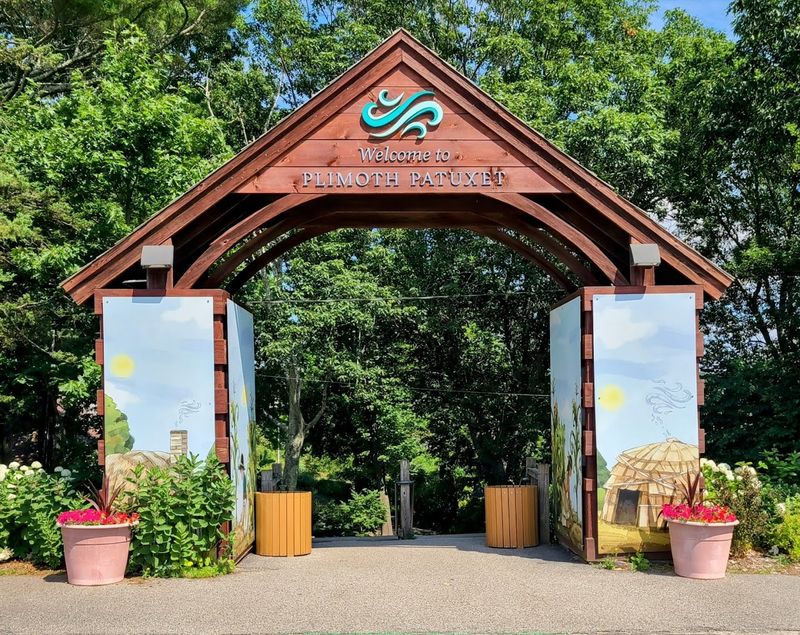
Getting the most out of a trip to Plymouth starts with understanding your ticket options, and the Heritage Pass is widely considered the smartest choice available. This combo pass covers admission to three separate Plimoth Patuxet Museums sites: the main museum campus, the Mayflower II ship, and the Plimoth Grist Mill.
For history lovers who want the full Plymouth experience, it offers outstanding value compared to buying individual tickets at each location.
Standard adult admission to just the village can run around $35, which some visitors consider steep at first glance. However, nearly every reviewer agrees that the depth of the experience justifies the price, especially when you factor in hours of immersive, educational content spread across multiple sites.
The key is giving yourself enough time — a single afternoon is rarely enough to do it all justice.
A membership option is also available and is particularly worth considering if you plan to visit more than once. One reviewer shared that purchasing an annual membership allowed their family to return the very next day, which turned out to be one of the best decisions of their trip.
Tickets can be purchased at the door or online in advance. Booking ahead during peak tourist seasons, especially around Thanksgiving, is strongly advised to avoid long lines and potential sellouts on popular dates.
Thanksgiving Dinner at the Patuxet Room
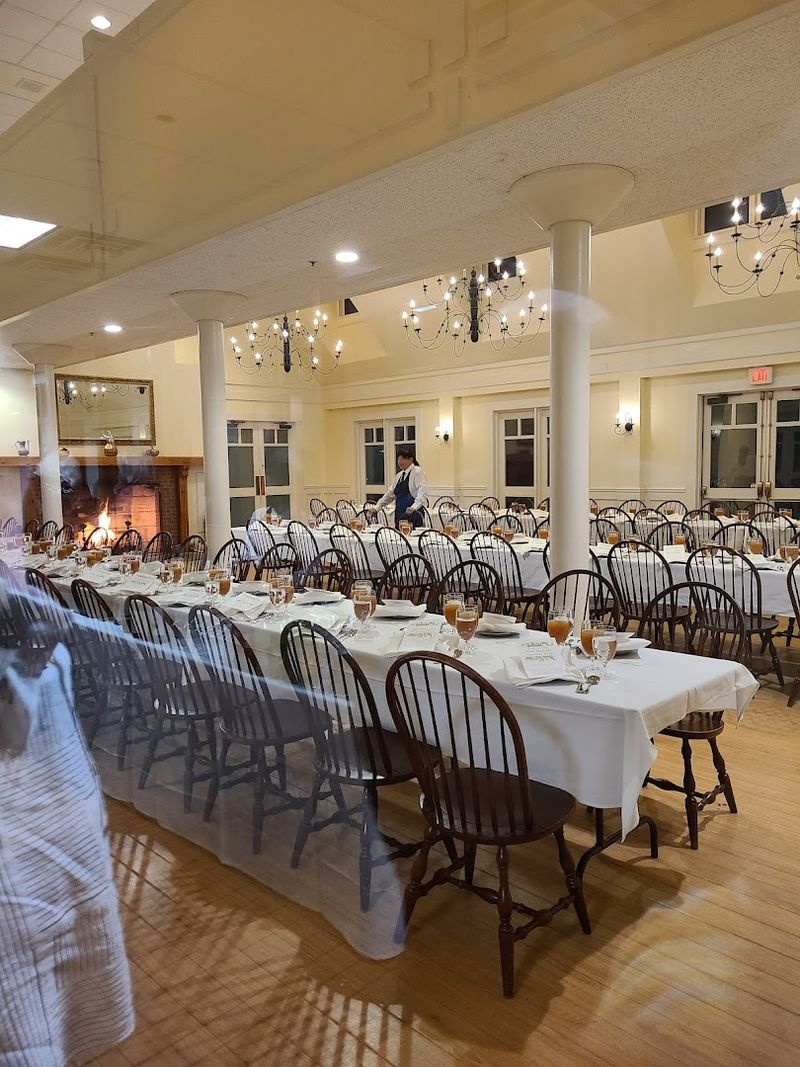
Few dining experiences in New England carry the kind of historical weight that a Thanksgiving dinner at the Patuxet Room does. Hosted at Plimoth Patuxet Museums, this traditional meal brings together heritage recipes, seasonal ingredients, and the spirit of the original 1621 harvest celebration in a setting that feels genuinely special.
Groups, families, and history lovers have made it a cherished annual tradition.
One review described a group dinner arranged through Plentiful Catering as absolutely magnificent, with the food and atmosphere combining to create an unforgettable evening. The Patuxet Room itself is a warm and welcoming space, and the staff go out of their way to make every dining event feel thoughtful and personal.
Special thanks from guests to individual staff members like Janet and Erin speak to the level of care that goes into each event.
Even outside of the formal dinner events, the museum cafe serves food inspired by colonial and regional New England traditions. The Pilgrim Fries, mentioned by multiple visitors, have developed something of a fan following among repeat guests.
Simple, satisfying, and surprisingly delicious, they are worth ordering.
Dining at the museum adds a sensory dimension to the historical experience that most visitors do not expect. Tasting food rooted in the same traditions you have just spent hours exploring is a uniquely powerful way to close out a remarkable day.