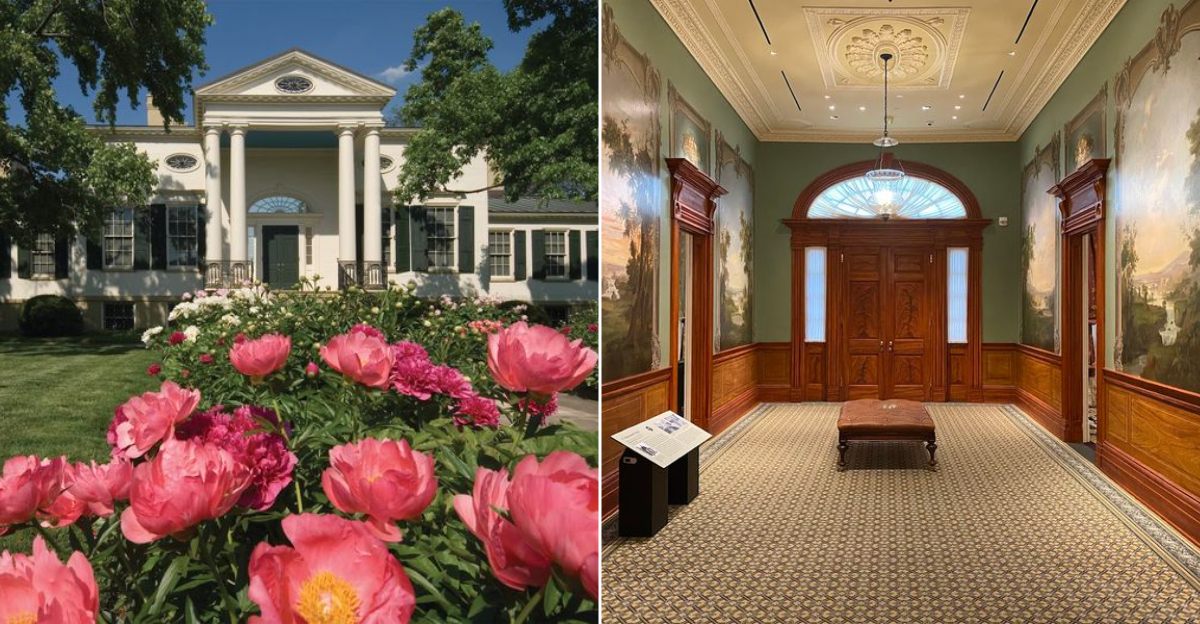
Tucked away on Pike Street in Cincinnati, Ohio, the Taft Museum of Art is one of those rare places that surprises nearly everyone who walks through its doors. What looks like a stately Federal-style mansion from the outside turns out to be home to a world-class collection of European masterworks, decorative arts, and fascinating history.
From Rembrandt portraits to Limoges enamelware, the treasures inside this 200-year-old home are genuinely jaw-dropping. Whether you are an art lover or just curious, this museum offers an experience that feels personal, unhurried, and completely unforgettable.
Rembrandt van Rijn Portraits
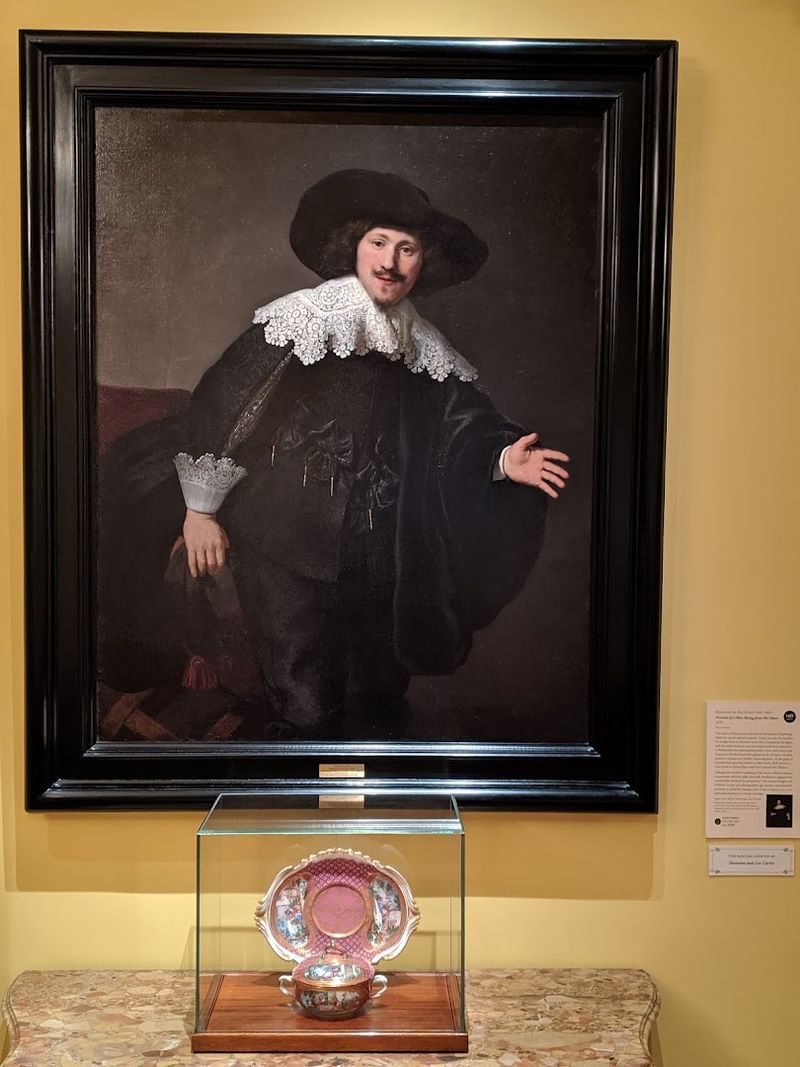
Standing face-to-face with a real Rembrandt painting is the kind of moment that stops you cold. At the Taft Museum of Art, visitors can experience exactly that — no velvet ropes, no thick glass barriers, just you and one of history’s greatest painters separated by a few feet of air.
Rembrandt van Rijn, the 17th-century Dutch master, is celebrated for his extraordinary ability to capture human emotion through light and shadow. His technique, known as chiaroscuro, creates a glowing warmth that makes his subjects feel alive even centuries later.
The portraits at the Taft carry that same electric energy.
What makes viewing these works at the Taft special is the intimate setting. Unlike massive museums where masterpieces compete for attention, here each painting gets its own moment to breathe.
Visitors often linger longer than expected, drawn into the depth of each brushstroke.
Multiple reviewers have specifically mentioned the Rembrandt collection as a highlight of their visit. One guest simply wrote, “Check out the Rembrandt!” — short, enthusiastic, and completely understandable.
For anyone with even a passing interest in art history, this alone makes the trip to Cincinnati worthwhile.
The Historic Federal-Style Mansion
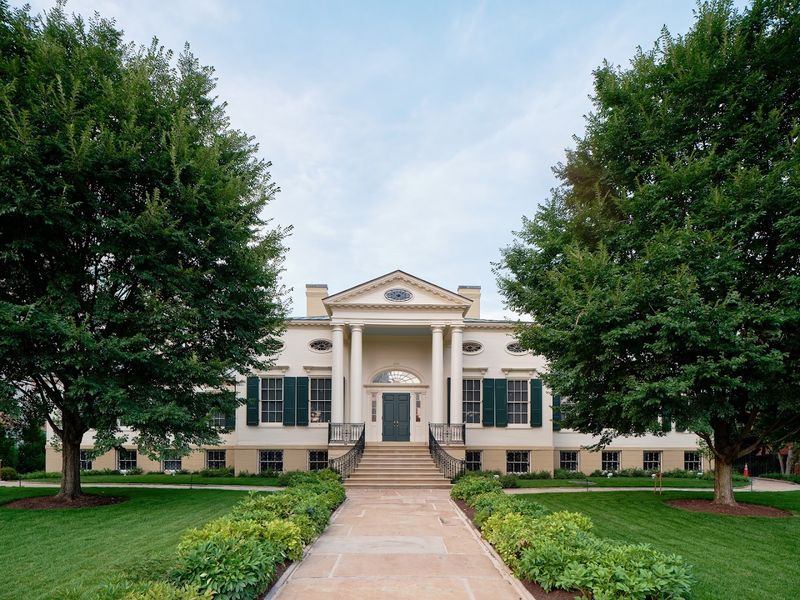
Before you even set foot inside, the building itself demands attention. Built in the 1820s, the Taft Museum of Art is housed in one of Cincinnati’s most beloved architectural landmarks — a graceful Federal-style mansion that has stood at 316 Pike Street for two centuries.
Federal-style architecture is known for its symmetry, elegant proportions, and refined details. The mansion’s white exterior, tall windows, and columned portico give it a dignified presence that feels both welcoming and impressive.
It is actually recognized as the oldest wooden structure still standing in downtown Cincinnati, which is a remarkable fact on its own.
The building carries deep historical weight. The Taft family lived here from 1873, and in 1908, William Howard Taft famously accepted his presidential nomination from the mansion’s very own portico.
Walking through these rooms means stepping into a genuine piece of American history.
Visitors consistently rave about the architecture. One reviewer called it “grand and extraordinary,” while another noted that “the building itself is a work of art.” Even if you never looked at a single painting, spending time inside this beautifully restored home would still be a memorable experience worth every minute.
J.M.W. Turner Watercolors and Paintings
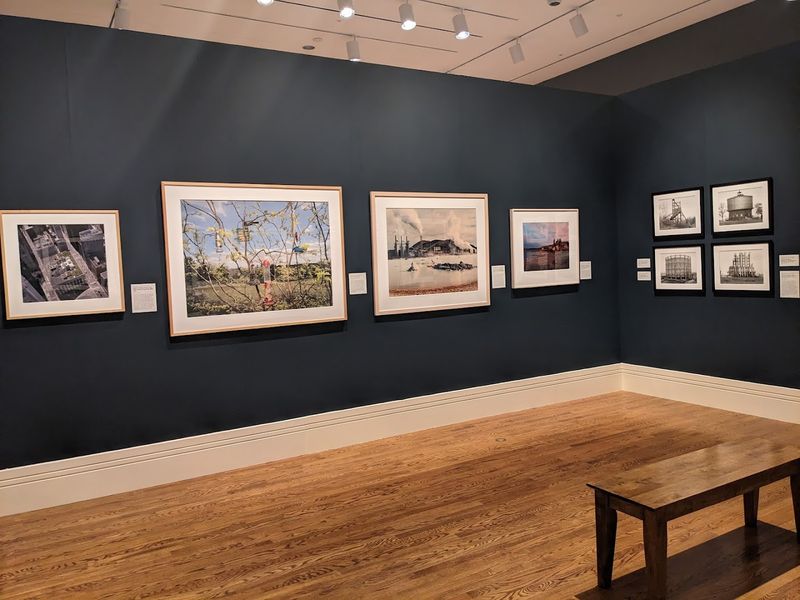
Few artists in history have captured light the way Joseph Mallord William Turner did. His paintings seem to glow from within, as if the sun itself is hiding just behind the canvas.
The Taft Museum of Art holds a remarkable collection of Turner works that regularly draws visitors from across the country.
Turner, a British Romantic painter active in the late 18th and early 19th centuries, was a pioneer of atmospheric landscape painting. His loose, expressive brushwork and obsession with light and weather were revolutionary for his time and remain breathtaking today.
Seeing his watercolors up close reveals a spontaneity and brilliance that reproductions simply cannot capture.
One enthusiastic reviewer described the Taft as having “an ideal Turner to other junk ratio” — a funny but deeply sincere compliment. The museum’s curators clearly understand how to present these works so they shine without distraction.
The period room settings add an extra layer of magic to the viewing experience.
The museum has even hosted dedicated Turner watercolor exhibitions, giving fans even more reason to visit. Whether you already love Turner or are encountering his work for the first time, these paintings have a way of making the room feel bigger and brighter than it actually is.
Limoges Enamelware Collection
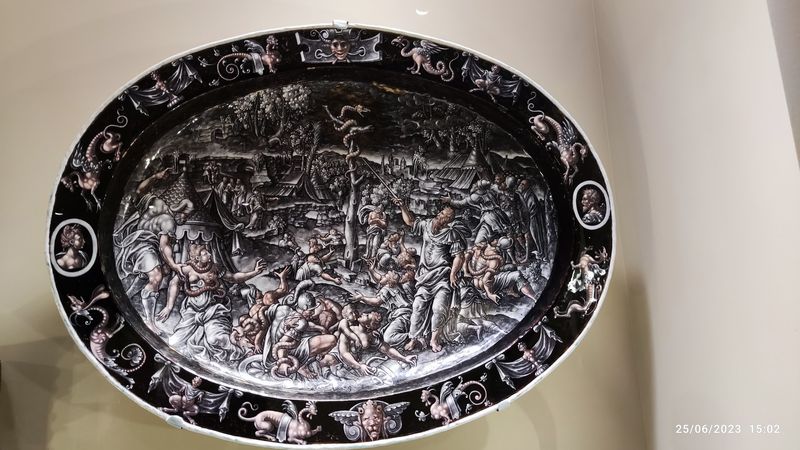
Not everything at the Taft Museum of Art hangs on a wall. One of the collection’s most underrated treasures is its stunning display of Limoges enamelware — and according to at least one well-traveled reviewer, it may be the finest such collection they have ever seen anywhere.
Limoges enamelware comes from the Limoges region of France and dates back to the 12th century. Artists painted intricate scenes onto copper panels using powdered glass that was then fired at high temperatures to create jewel-like, permanent colors.
The technique required extraordinary patience and skill, and the results are genuinely mesmerizing.
At the Taft, these pieces are displayed with care and context, helping visitors understand both their artistic and historical significance. The vivid blues, deep reds, and shimmering golds feel almost impossibly bright for objects that are hundreds of years old.
They reward slow, careful looking — the kind of looking that big, crowded museums rarely allow.
Decorative arts like Limoges enamelware are sometimes overlooked in favor of paintings, but they deserve just as much admiration. Crafted without modern tools or technology, each piece represents a level of human dedication and artistry that is genuinely humbling to witness in person at the Taft.
John Singer Sargent Portrait of Robert Louis Stevenson
There is something almost electric about encountering a John Singer Sargent portrait in person. One reviewer singled out the Taft’s portrait of Robert Louis Stevenson — the beloved Scottish author of Treasure Island and Strange Case of Dr Jekyll and Mr Hyde — calling it simply “amazing.” That reaction makes complete sense once you see it.
Sargent, an American expatriate painter working in the late 19th and early 20th centuries, was the undisputed master of society portraiture. His brushwork was loose and confident, his ability to capture personality and psychological depth unmatched by nearly anyone of his era.
The Stevenson portrait in particular crackles with nervous energy and intellectual intensity.
Sargent and Stevenson were actually friends, which gives this painting an added layer of personal intimacy. You are not looking at a formal commissioned likeness — you are seeing how one brilliant creative mind perceived another.
That human connection comes through vividly in every stroke of paint.
Seeing this work at the Taft, in an intimate room rather than a vast gallery hall, amplifies its impact considerably. The museum’s scale works in the painting’s favor, allowing visitors to spend as much unhurried time as they want absorbing every detail of this remarkable portrait.
The Entrance Hall Murals
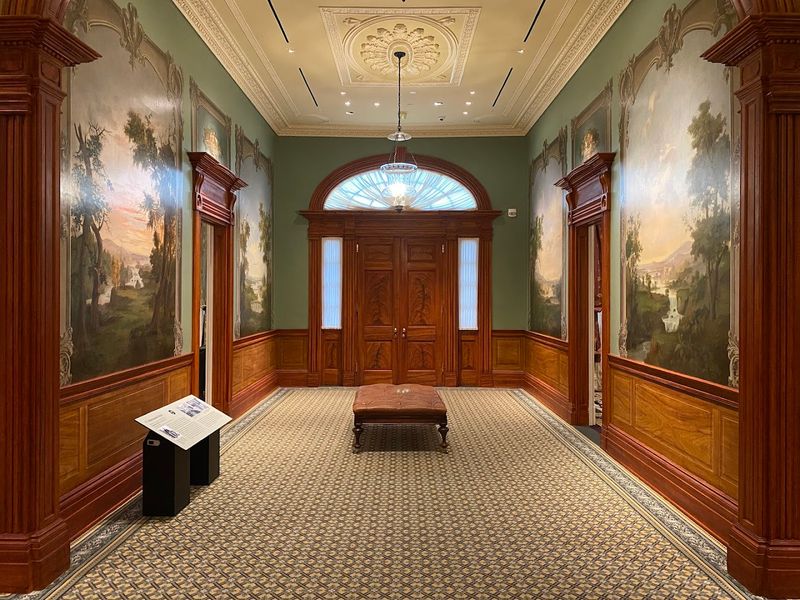
Surprises are part of what makes the Taft Museum of Art so memorable, and few surprises hit harder than the entrance hall murals. More than one visitor has described them as a “remarkable” and completely unexpected delight — the kind of thing you do not read about in advance but end up talking about for days afterward.
These murals, painted directly onto the walls of the mansion’s entrance hall, depict sweeping landscape scenes in a style that blends European Romantic painting with early American decorative arts traditions. They were created in the early 19th century and have been carefully preserved as part of the building’s historic fabric.
Walking into a room covered floor to ceiling in painted landscapes creates an immersive feeling that no framed canvas can replicate. You feel transported — surrounded by rolling hills, trees, and skies painted by a hand that understood both beauty and storytelling.
It is a genuinely theatrical experience.
The murals set the tone for the entire visit. From the moment guests step inside, they understand that this is not a typical museum experience.
The Taft blurs the line between art, history, and home in a way that feels completely natural and deeply satisfying for visitors of all ages and backgrounds.
European and Asian Porcelain Collection
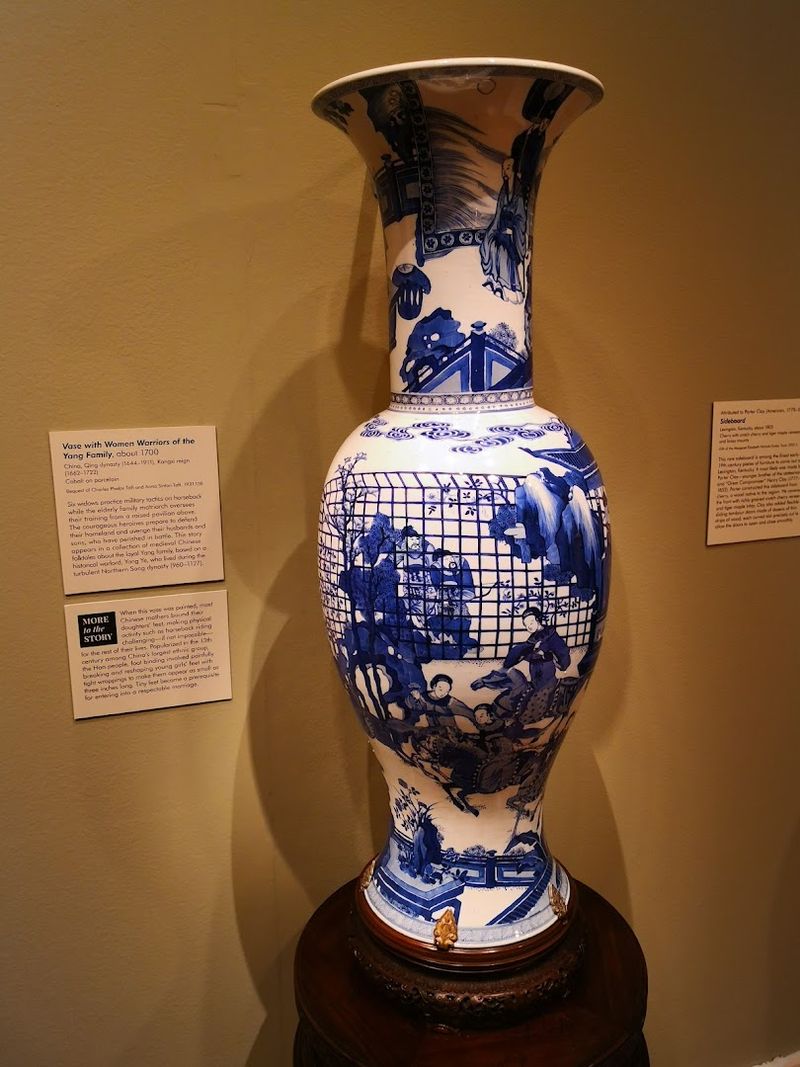
Porcelain has a way of stopping people in their tracks. Something about its fragility, its translucent beauty, and the impossibly fine detail that artists managed to paint onto curved surfaces makes it endlessly captivating.
The Taft Museum of Art holds a large and impressive collection of both European and Asian porcelain that consistently earns praise from visitors.
The collection spans centuries and continents, offering a fascinating window into how different cultures approached the art of ceramic making. Chinese export porcelain, Meissen figurines, Sevres vases — each piece tells a story about trade, taste, and the global movement of artistic ideas across borders and oceans.
One reviewer who described themselves as a frequent museum-goer specifically highlighted the Taft’s porcelain as exceptional, calling the Limoges works the best they had ever seen. That level of enthusiasm from a seasoned art traveler speaks volumes about the quality and rarity of what the museum has assembled over the decades.
Displayed in period room settings throughout the mansion, the porcelain pieces feel right at home. Rather than sitting in sterile cases under fluorescent lights, they are presented in rooms that evoke the domestic spaces they were originally created to inhabit.
The effect is warm, human, and genuinely beautiful.
Thomas Gainsborough and Jean-Baptiste-Camille Corot Landscapes
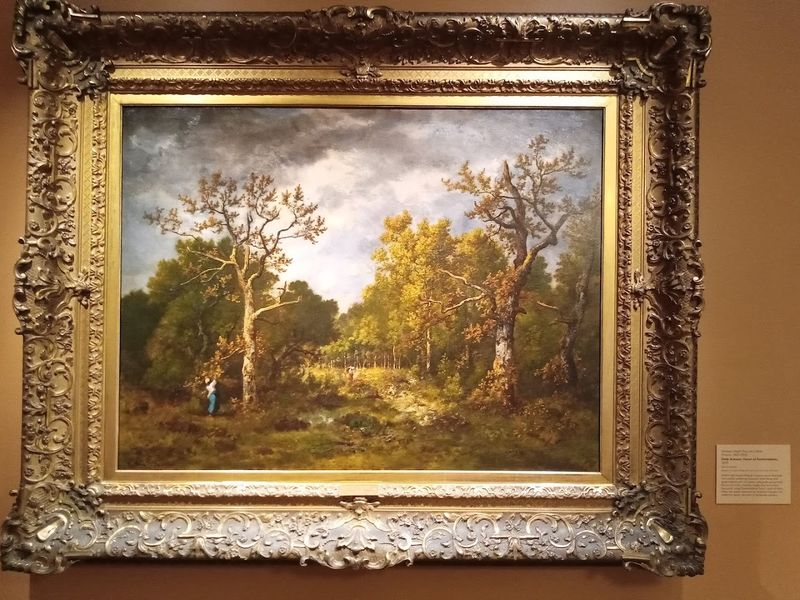
Landscape painting has a unique power to calm the mind and stir the imagination at the same time. The Taft Museum of Art holds works by two landscape masters — Thomas Gainsborough and Jean-Baptiste-Camille Corot — whose paintings carry that rare quality of making you feel genuinely peaceful just by looking at them.
Gainsborough, the 18th-century British painter, is celebrated for his feathery, almost musical handling of trees and light. His landscapes feel like memories of perfect summer afternoons, full of dappled shade and gentle movement.
Corot, his French counterpart active in the 19th century, brought a silvery atmospheric quality to his forest scenes that influenced the entire Impressionist generation that followed him.
One reviewer visiting the Taft specifically described the dining room as featuring gorgeous French landscapes — a detail that perfectly captures how the museum weaves art into the experience of moving through a real home. Seeing Corot’s misty woodlands in a room where people once gathered for meals adds an unexpected layer of warmth.
Together, Gainsborough and Corot represent the breadth of the Taft’s European collection. These are not minor works by secondary artists — they are serious paintings by historically significant masters, displayed with the kind of care and context that helps visitors truly appreciate what they are seeing.
The Gardens, Cafe, and Overall Visitor Experience
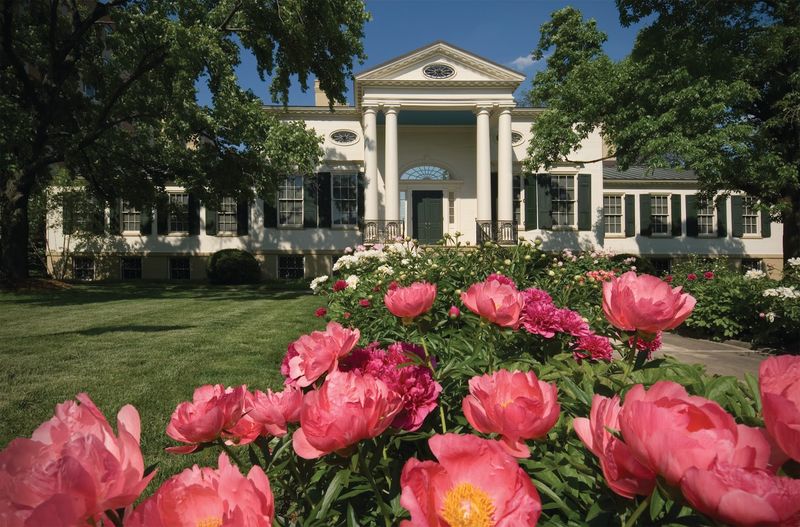
Great art deserves a great setting, and the Taft Museum of Art delivers on every level. Beyond the paintings and decorative arts inside the mansion, the museum offers a full experience that visitors consistently describe as one of the most enjoyable cultural outings in all of Cincinnati.
The gardens surrounding the historic mansion are peaceful and beautifully maintained. Whether you visit in spring when flowers are blooming or in the crisp air of autumn, the grounds offer a lovely place to pause, breathe, and reflect after spending time with so much remarkable art.
Several visitors have noted how the outdoor spaces add a calming dimension to the overall visit.
Inside, the on-site cafe earns enthusiastic praise from nearly everyone who tries it. Reviewers have raved about the grilled cheese and tomato bisque, and the museum has even hosted special high tea events complete with live harp music.
The gift shop rounds out the experience with a thoughtfully curated selection that leans toward books, art items, and quality souvenirs.
Admission is free on Sundays and Mondays, which makes the Taft accessible to everyone. The staff are consistently described as welcoming, knowledgeable, and passionate about sharing the collection.
From the moment you arrive to the moment you leave, every detail of the Taft experience feels genuinely considered and warmly human.