Ohio might not be the first place that comes to mind when you think of world-class festivals, but that’s exactly what makes it such a great surprise. From polka dancing on lakeshores to watching dozens of hot air balloons rise at dawn, the state packs an incredible range of experiences into a single calendar year.
Whether you’re into music, food, history, or just something genuinely different, there’s a festival here worth building a weekend around. Pack a bag and get ready — 2026 is shaping up to be a great year to explore Ohio one festival at a time.
The Hocking Hills Music Festival — Hocking Hills, June
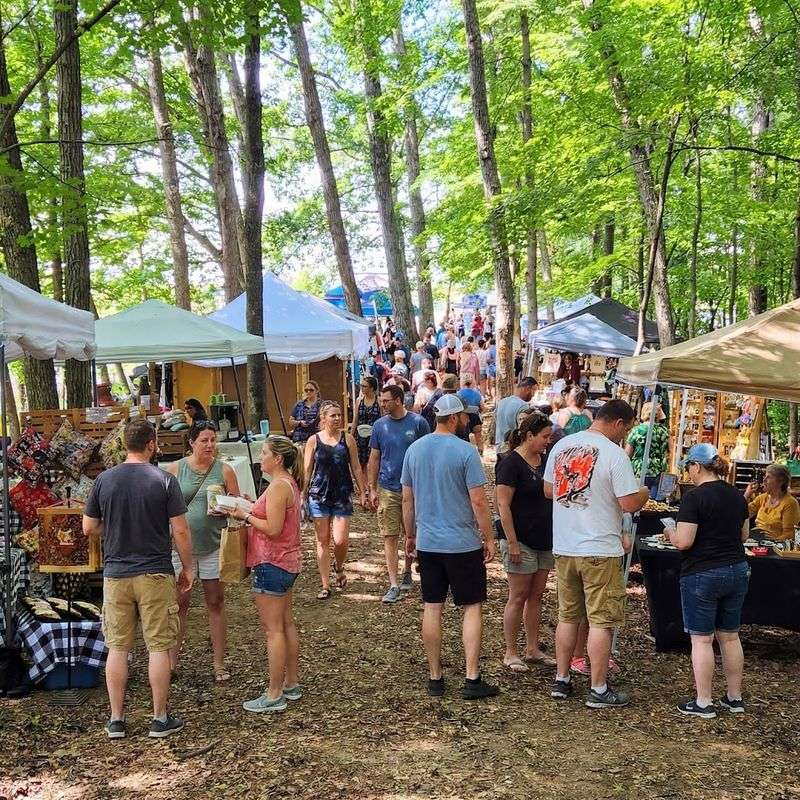
There’s a version of a music festival that has almost nothing in common with a stadium show — no massive crowds pressing toward a distant stage, no corporate sponsorship banners blocking the view. The Hocking Hills Music Festival in Hocking Hills is that version, and it’s genuinely hard to replicate anywhere else in Ohio.
Set against the sandstone gorges and forested hills of one of the state’s most scenic natural areas, this multi-day June event focuses on roots music, Americana, folk, and bluegrass. General admission is intentionally capped to keep the grounds from feeling overwhelmed, which means the atmosphere stays relaxed even when the lineup is strong.
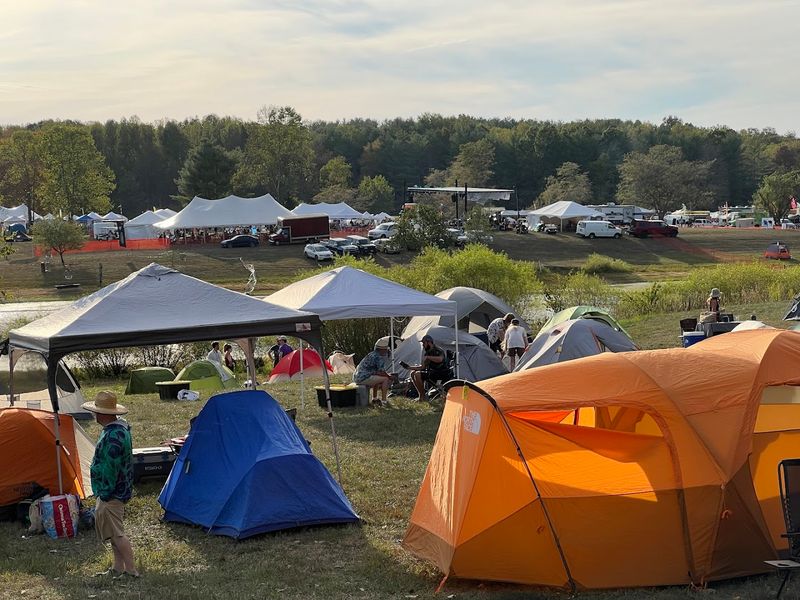
Attendees camp on-site, and the combination of live music, firelight, and the sound of the surrounding forest at night creates something that a day-trip ticket simply can’t replicate. Waking up in the woods, walking to a morning set, and spending the afternoon exploring the nearby trails before the evening shows begin — that’s the full experience here, and it’s worth every bit of the planning it takes to get there.
Ohio Pawpaw Festival — Albany, September
Most Americans have never tasted a pawpaw — and that’s exactly why this festival exists. The Ohio Pawpaw Festival in Albany celebrates the largest fruit native to North America, a tropical-tasting oddity that grows wild across Ohio’s river valleys and ripens each September.
George Washington reportedly enjoyed chilled pawpaws as a dessert, and indigenous peoples relied on it as a staple food long before European settlers arrived.
The fruit fell out of commercial use because it bruises easily and has a shelf life of only a few days after picking — making it nearly impossible to ship or stock in grocery stores. That scarcity is part of what gives this festival its energy.
People travel from across the country specifically to taste something they genuinely cannot buy at home.
Beyond the tastings and cooking competitions, the festival covers the pawpaw’s ecological role as the sole host plant for the zebra swallowtail butterfly. Educational talks run throughout the weekend alongside live music and craft vendors.
Albany is a small town in Athens County, and this small festival has quietly developed a national following among food and foraging enthusiasts who know exactly what they’re coming for.
Cleveland International Film Festival — Cleveland, March–April
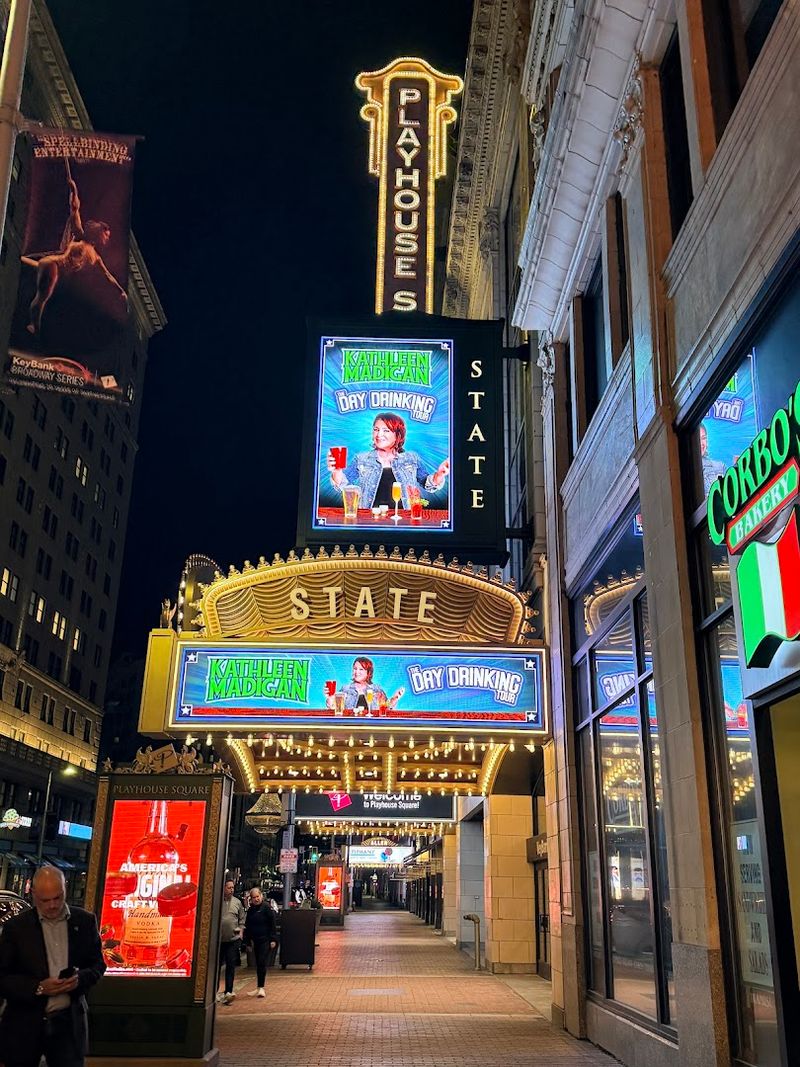
Running since 1977, the Cleveland International Film Festival has grown into one of the largest competitive film festivals in the United States — screening over 200 films from more than 60 countries across two weeks each spring in downtown Cleveland. What makes it stand out from bigger-name festivals isn’t the celebrity factor.
It’s the fact that it was genuinely built for film audiences rather than industry insiders.
Tickets are priced for regular moviegoers, the programming skews toward films with broad appeal, and the competitive structure means you’re watching work that has been seriously evaluated — not just assembled into a showcase. Documentaries, international features, short film programs, and spotlight screenings all run simultaneously across multiple downtown screens.
For anyone who enjoys film but finds Sundance or SXSW inaccessible or overwhelming, Cleveland offers a real alternative. Films that premiere here consistently go on to wider release and awards consideration, which means attending isn’t just enjoyable — it’s a genuine opportunity to see significant work before it reaches mainstream distribution.
The downtown venue is easy to navigate, and the city itself is worth a few extra days if you’ve never spent time there.
Nelsonville Music Festival — Nelsonville, May
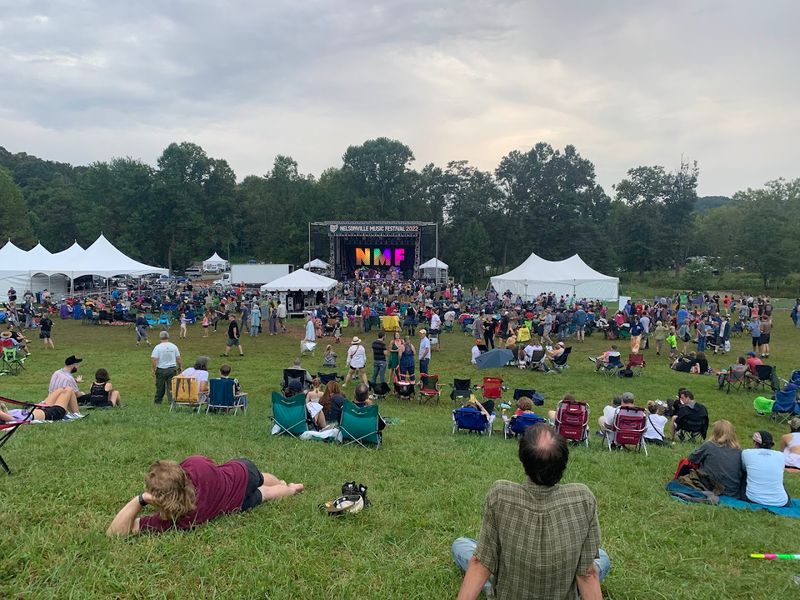
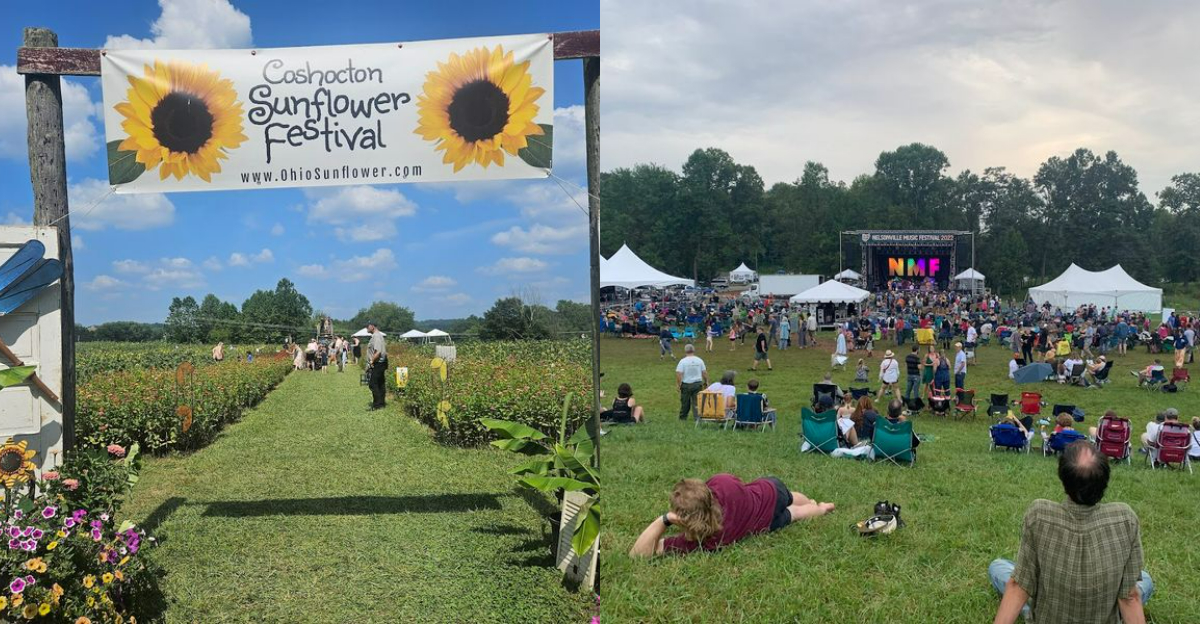
Started in 2005 by a local record store owner, the Nelsonville Music Festival has always been as much a civic project as a cultural event. That grounding shows.
Held over four days on the grounds of Hocking College in Athens County, the festival books a genuinely strong mix of nationally recognized artists alongside regional acts — and does it at ticket prices that don’t require a second mortgage.
Nelsonville itself is an Appalachian Ohio town with a real brick-street downtown and a history shaped by the coal industry’s rise and long decline. The festival didn’t appear despite that context — it grew out of it, and the connection between the event and the community it runs in gives it a texture that larger commercial festivals rarely achieve.
Camping is available on-site, the layout is relaxed and walkable, and the overall vibe leans toward community gathering rather than spectacle. If you arrive a day early, walk the downtown streets and spend some time understanding what Nelsonville is before the crowds arrive.
The festival makes more sense — and feels more meaningful — when you know the town it’s rooted in.
Balloon A-Fair — Muskingum County, June

Photographs of the Balloon A-Fair are stunning. But people who have attended consistently say the same thing: being there in person is something else entirely.
The pre-dawn mass ascension — when balloons inflate on the ground in darkness and then rise together at sunrise — is one of those experiences that photographs well but lands completely differently when you’re standing underneath it.
The sound of the burners firing in the dark, the slow expansion of the envelopes, and then the color flooding in as daylight arrives is a sequence that people describe as more affecting than they expected. Dozens of balloons rising simultaneously over the rolling hills of east-central Ohio near Zanesville creates a visual that’s genuinely difficult to prepare for.
Beyond the morning ascensions, the festival includes glow events after dark when tethered balloons light up the field in synchronized bursts, which draws its own crowd and has a completely different energy than the daytime launches. Plan to arrive before dawn for the morning ascension — it’s the signature moment of the event and the one worth setting an alarm for, no matter how early that alarm has to go off.
Ohio State Fair — Columbus, July–August
The butter sculpture alone is worth the trip. Carved from hundreds of pounds of butter and displayed in a refrigerated glass case, it has been a fixture of the Ohio State Fair since 1903 — the subject changes every year, it’s judged like any other exhibit, and it draws a genuine crowd every single time.
That fact says something real about what people are actually there to see.
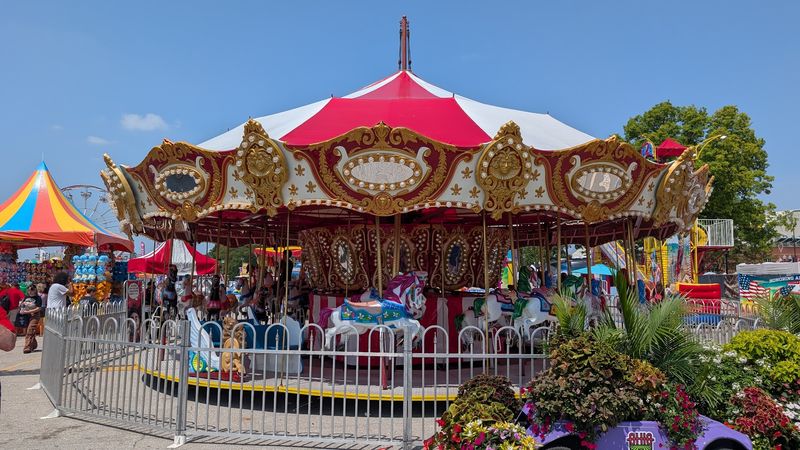
Running for nearly two weeks in late July and early August, the Ohio State Fair is one of the largest in the country. The 360-acre fairgrounds in Columbus draws over a million visitors annually across livestock shows, competitive exhibits, a full midway, free concert series, and food vendors covering nearly every category of fried and grilled food imaginable.
The agricultural competition is serious business — these are working farmers and breeders showing animals they’ve raised all year, and the livestock barns are worth spending real time in if you’ve never watched that kind of judging up close. Arrive with a plan for what you want to see first, because trying to cover everything in one visit without a strategy usually ends in exhaustion before sunset.
Germanfest — Cincinnati, June
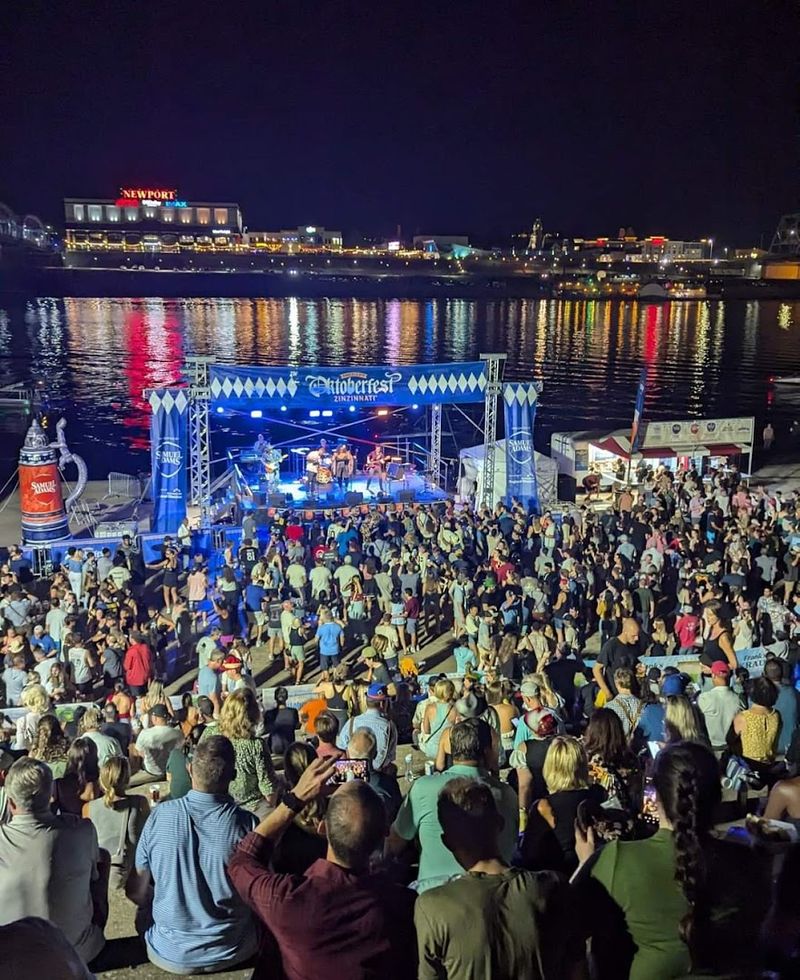
Over-the-Rhine was built almost entirely by German immigrants between 1840 and 1900, and it contains over 900 surviving 19th-century buildings — more than any comparable neighborhood in the United States. The neighborhood nearly collapsed during the 1970s and 80s but has been substantially restored.
Walking through it during Germanfest, when the streets are closed to traffic and the buildings are lit at night, gives you a clear picture of what Cincinnati looked like at its industrial peak.
Germanfest is one of the largest German heritage festivals in the country, held annually over a long June weekend in this historic district. The food and beer program is the anchor — traditional German cuisine alongside a serious draft beer selection — but the music ranges from traditional German bands to contemporary acts that keep the energy moving across multiple stages.
The neighborhood itself is the real draw. Restaurants, bars, and coffee shops that operate year-round give the area a lived-in quality that pop-up festival grounds never have.
Come for the festival, stay for the architecture, and budget time to wander the side streets after the main stages go quiet for the night.
Wooster Oktoberfest — Wooster, September
Wayne County has the largest Amish population of any county in the world — larger even than Lancaster County, Pennsylvania. The surrounding countryside is a working agricultural landscape of farms, roadside produce stands, and wood workshops that operates largely without electricity or motor vehicles.
That context matters when you’re planning this trip, because combining the Wooster Oktoberfest with a drive through the county’s back roads gives the whole experience a texture that’s hard to replicate anywhere else in Ohio.
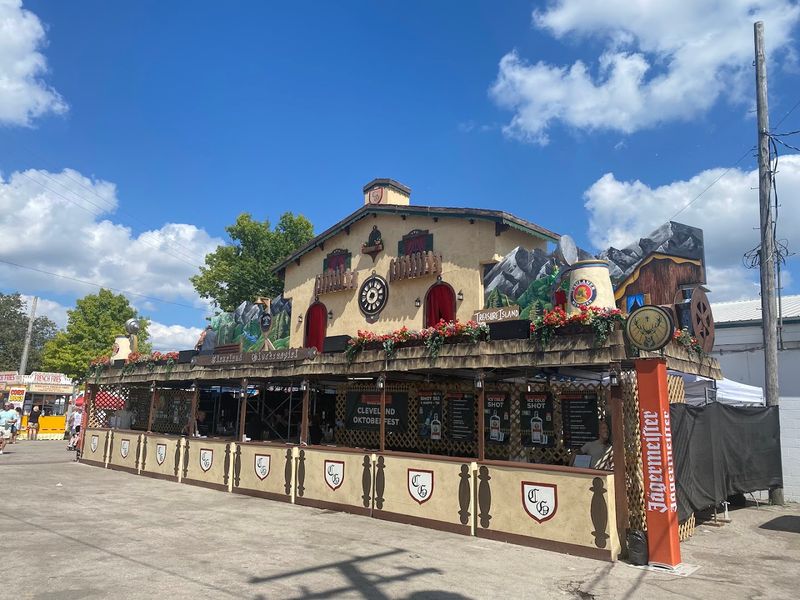
The Oktoberfest itself is community-scale and grounded — centered on Wooster’s historic courthouse square, with traditional food, beer, music, and a bratwurst judging competition that people take seriously. What distinguishes it from a commercial Oktoberfest is exactly that community scale.
This is a town celebrating its heritage, not a ticketed production designed for maximum throughput.
Wooster is also home to the College of Wooster and a well-preserved Victorian downtown that rewards walking. Arrive Friday, spend Saturday at the festival, and leave Sunday via the county’s back roads.
That three-day structure turns a single festival into a genuinely full Ohio weekend worth remembering.
Athens International Film and Video Festival — Athens, April

Running continuously since 1974, the Athens International Film and Video Festival is one of the oldest short film festivals in the United States — and most people outside the film world have never heard of it. That obscurity is part of what makes it worth knowing about.
This is a genuine discovery festival, not a prestige showcase, and the films screening here are largely impossible for a general audience to see anywhere else.
Held at Ohio University each April, the festival focuses specifically on independent short films, documentaries, and experimental video work. The Golden Athena award has been given since 1974, and films that have screened here have gone on to win Academy Awards in the short film and documentary categories — which tells you something about the quality of the curatorial eye behind the programming.
Athens itself is an unusually good festival town. The Ohio University campus gives the event an intellectual energy, and the surrounding town — one of the more culturally active small cities in the state — offers enough restaurants, coffee shops, and live music venues to fill the gaps between screenings comfortably.
Plan to stay at least two full days to do the programming justice.
Coshocton Canal Festival — Coshocton, May
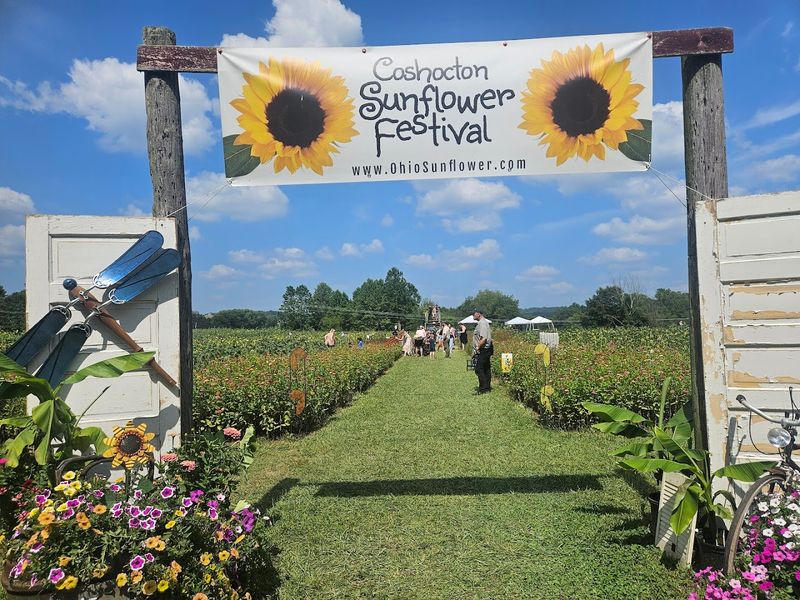
Roscoe Village was a thriving canal hub in the 1830s and 1840s — then was essentially bypassed and forgotten when the railroads replaced the canals in the 1850s. Because the town was bypassed rather than redeveloped, much of the original 19th-century architecture survived intact.
The restoration project that began in the 1960s worked with original buildings rather than reconstructions, which gives the village a solidity that recreated historic sites often lack.
The Coshocton Canal Festival layers living history programming on top of that already-preserved setting. Canal boat rides, period craft demonstrations, costumed interpreters, and traditional music fill the weekend, and the broader history of the Ohio and Erie Canal — the waterway that connected the Great Lakes to the Ohio River and drove the state’s early economic growth — runs through everything on display.
For anyone who finds traditional museums a little flat, Roscoe Village during the festival is a different experience. The buildings are real, the interpreters are knowledgeable, and the canal itself is still there.
Walking the towpath and watching a horse-drawn boat move through the water makes the pre-railroad Midwest feel genuinely close rather than abstractly historical.
Millersport Sweet Corn Festival — Millersport, August
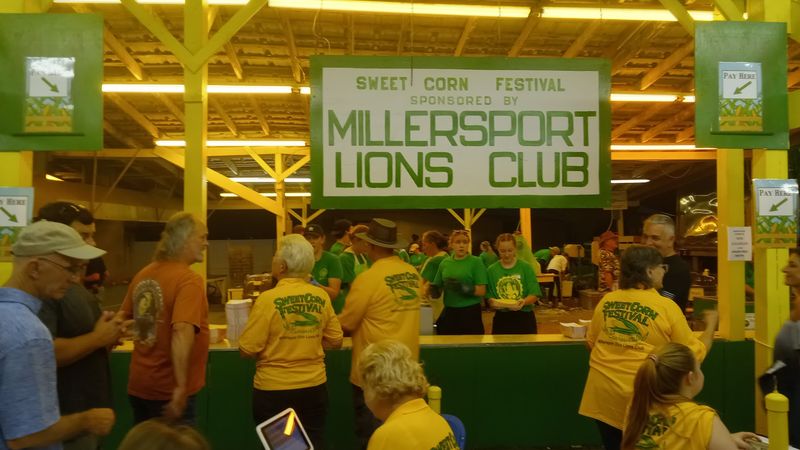
The sweet corn at Millersport is free. Roasted over open fires in large batches and handed out to anyone in line, the festival goes through tens of thousands of ears over its four-day run.
That fact alone — a festival built around giving something away — sets the tone for what kind of event this is and why people keep coming back to it year after year since 1946.
Millersport is a small village in Fairfield County, and the Sweet Corn Festival is the kind of county-level agricultural celebration that used to be common across Ohio and has become increasingly rare. Carnival rides, live music, and a parade round out the program, but the corn is the reason people drive from across the state to stand in line in August heat.
There’s something genuinely refreshing about a festival with this kind of uncomplicated purpose. No sponsorship tiers, no VIP sections — just an enormous amount of roasted sweet corn, a community that has been doing this the same way for nearly eight decades, and a crowd that arrives knowing exactly what they came for.
Sometimes the simplest things are the hardest to improve on.
Utica Sertoma Ice Cream Festival — Utica, June
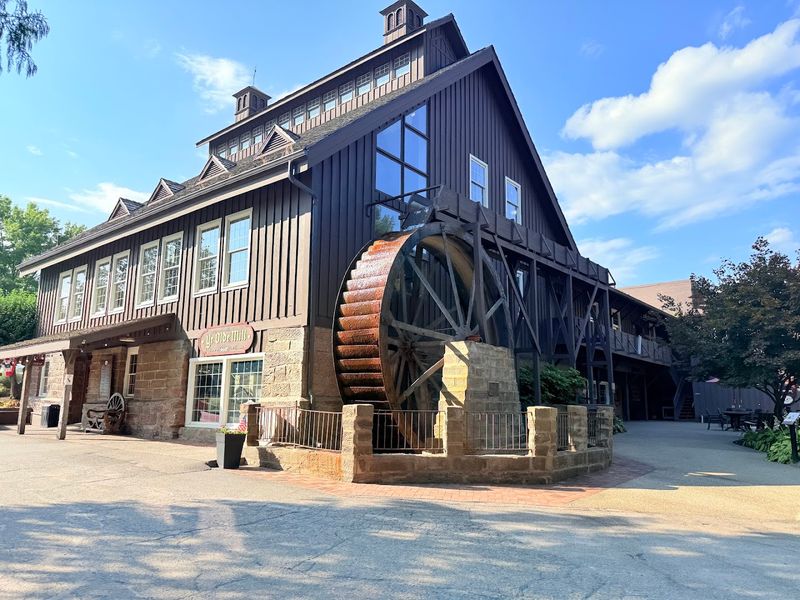
Some festivals are built around a grand idea. The Utica Sertoma Ice Cream Festival is built around something better — the simple, universal pleasure of a cold scoop on a warm June afternoon.
Held in the small town of Utica, it draws tens of thousands of visitors every year, which is remarkable for a community of fewer than 2,500 people.
Local dairy farms supply fresh product, and the variety of flavors goes well beyond vanilla and chocolate. Kids and adults line up with equal enthusiasm.
If you want a festival that feels genuinely unhurried and joyful, this one delivers exactly that.