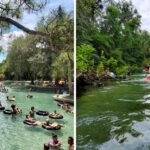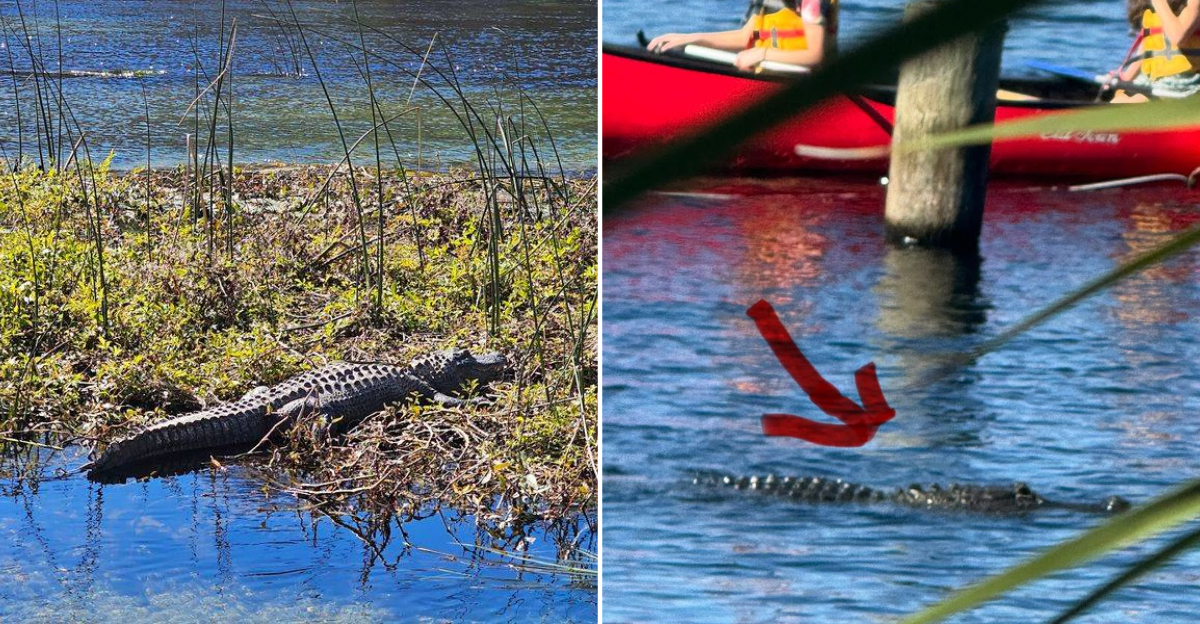
Florida springs may look crystal clear and peaceful, but many connect to rivers, marshes, and backwater habitats where alligators thrive. I ranked these spots by how naturally they overlap with prime gator territory, plus how often visitors realistically have a chance of seeing one.
That does not mean every swim area is dangerous, but it does mean you should pay attention to the broader ecosystem around each spring. If you want the best mix of spring beauty and real wildlife context, this list gives you a smart place to start.
Wakulla Springs State Park
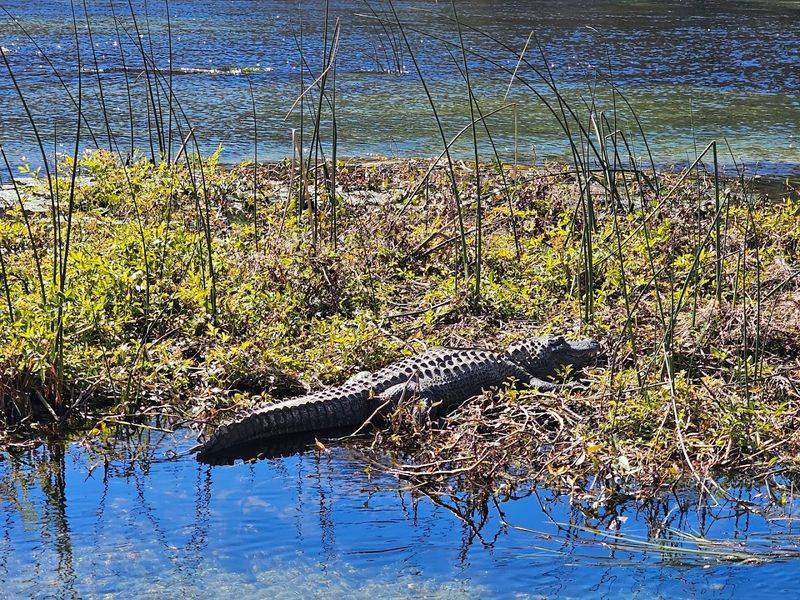
If you want the Florida spring where an alligator sighting feels most plausible, Wakulla Springs is my top pick. This huge first-magnitude spring flows straight into the Wakulla River, and that broad river habitat gives gators exactly what they like.
Calm banks, vegetated edges, and long stretches of wild water make sightings feel like part of the normal experience here.
Boat tours are a major reason this spring ranks first. You are not just staring at a contained swimming basin, you are moving through a living river corridor where alligators, birds, and turtles all share space.
That wider setting naturally raises your odds compared with springs that feel more isolated or heavily developed.
I would stay especially alert along shorelines, quieter coves, and sunny resting spots. Even when gators are not close to the main swim area, they can appear in connected water.
If you visit Wakulla, assume wildlife is part of the deal. That is exactly what makes it unforgettable.
Silver Springs State Park
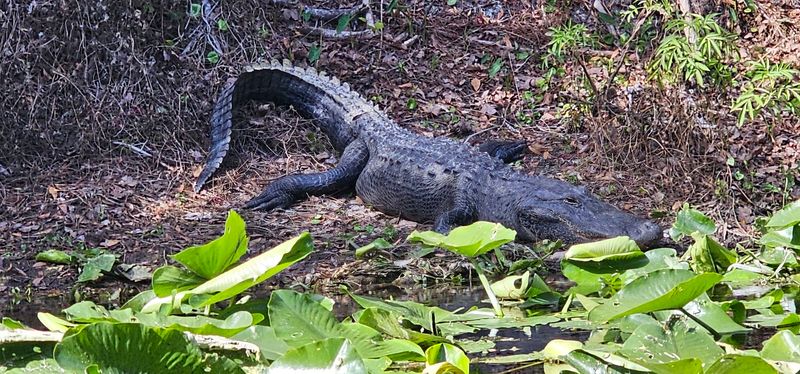
Silver Springs ranks near the very top because its famous clear waters are part of a bigger river system where alligators are fully at home. The Silver River has long, natural banks, submerged vegetation, and enough quiet habitat that wildlife sightings never feel surprising.
If you take a glass-bottom boat or paddle route, you are entering classic gator country.
What boosts the odds here is the mix of visibility and habitat. You can often see into the water or scan sunny edges where reptiles like to bask, yet the surrounding river still feels wild enough to support them comfortably.
That combination makes Silver Springs feel more sighting-friendly than springs limited to a compact swimming hole.
You probably will not see an alligator every visit, but the chance feels very real. Early morning, slower river sections, and less crowded stretches are the places I would watch most carefully.
For a spring with broad wildlife appeal, Silver Springs is hard to beat. It feels beautifully transparent and undeniably untamed.
Manatee Springs State Park
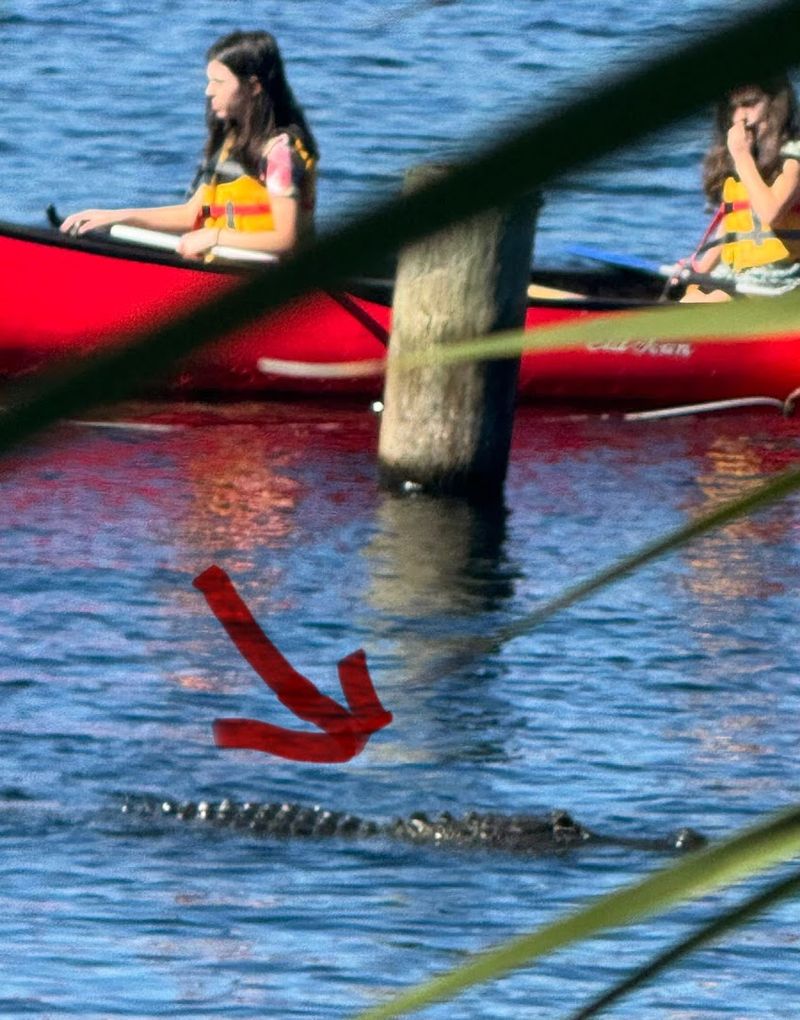
Manatee Springs earns a high ranking because it links directly to the Suwannee River, one of the most alligator-friendly systems in the state. The spring itself can feel calm and inviting, but the broader hydrology matters more than the postcard view.
Once a spring run feeds a large wild river, your odds of seeing a gator rise fast.
This park has the kind of habitat mosaic alligators use well. You get slow river water, wetland edges, wooded banks, and warm basking spots, all within a relatively connected landscape.
That makes sightings more likely than at springs where the main basin is clearer, smaller, or more separated from bigger natural waterways.
If you are tubing, paddling, or exploring beyond the immediate swim area, stay aware. The farther you move toward the Suwannee and quieter margins, the more realistic a sighting becomes.
I would not call Manatee Springs gator-central, but it absolutely belongs near the top tier. The surrounding habitat is just too suitable to ignore.
Juniper Springs Recreation Area
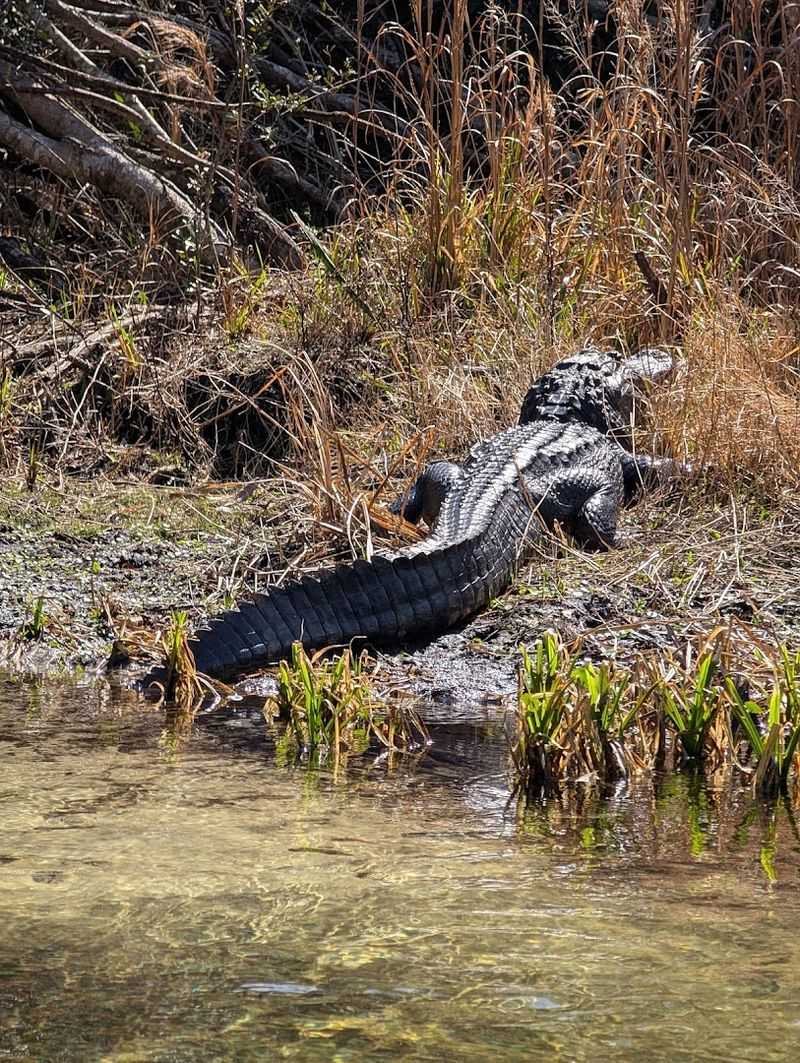
Juniper Springs is one of the most beautiful springs in Florida, but the surrounding landscape is what pushes it this high on the list. It sits within Ocala National Forest, where spring runs, swampy zones, and wild backwaters create real alligator habitat.
That setting gives Juniper more wildlife credibility than many people expect from such a pretty spot.
The spring run is narrow in places and feels intimate, which can make any reptile sighting feel especially memorable. Reports of larger alligators in nearby waters and surrounding swamp reinforce that this is not just a manicured swimming destination.
It is a functioning ecosystem with enough cover and connection for gators to move through naturally.
I would be most alert beyond the central recreation focus, especially where water darkens and vegetation thickens. Those transition zones usually matter more than the bright postcard views.
Juniper feels adventurous in a way some springs do not. That wild character is exactly why its alligator potential ranks so strongly.
Blue Spring State Park
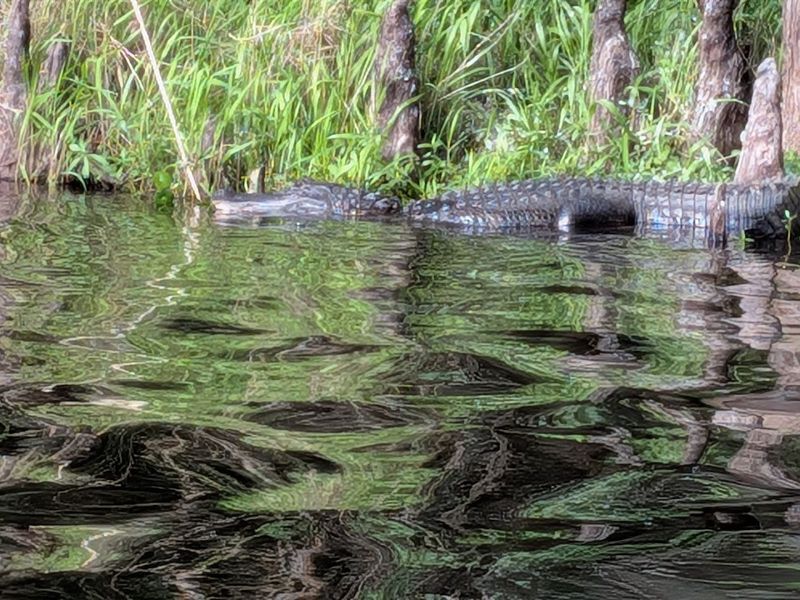
Blue Spring is famous for manatees, but that reputation can overshadow the fact that it sits in the St. Johns River watershed, which definitely supports alligators. Because of that broader connection, I cannot rank it too low, even though many visitors focus on the managed spring run and designated recreation areas.
The larger environment is still classic central Florida reptile country.
Outside peak swim zones and heavily monitored sections, sightings become more plausible. The river system, vegetated margins, and seasonal changes all influence where wildlife shows up, and alligators are part of that equation.
They may not be the headline animal here, but they are not some strange exception either.
If you visit Blue Spring, I would think in layers. The spring boil may feel controlled and iconic, yet connected water beyond the most photographed spots tells a wilder story.
This is why Blue Spring lands in the middle of the ranking. The odds are meaningful, just not as front-and-center as at the highest ranked parks.
Ichetucknee Springs State Park
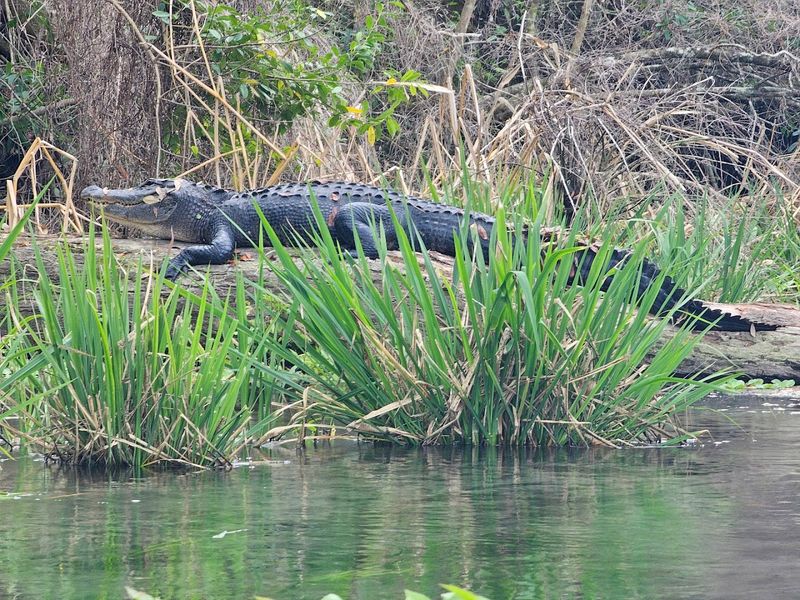
Ichetucknee Springs ranks a little lower because its famously clear upper river and heavily used tubing sections are not where most people would expect frequent alligator sightings. Even so, connected marshes, river margins, and less trafficked areas still provide suitable habitat.
That means the odds are lower, not absent.
This is one of those springs where location within the park matters more than the park name alone. In the clearest, busiest stretches, wildlife tends to keep a lower profile, especially during peak recreation periods.
But move toward quieter edges or think beyond the upper showcase areas, and the possibility becomes more realistic.
I would describe Ichetucknee as a place where habitat exists without making itself obvious to casual visitors. You are more likely to remember tubing and blue water than a reptile encounter, yet the ecosystem absolutely allows for one.
That balance is why I placed it here. It is neither an alligator hotspot nor a spring where the species feels ecologically out of place.
Jackson Blue Spring Recreation Area
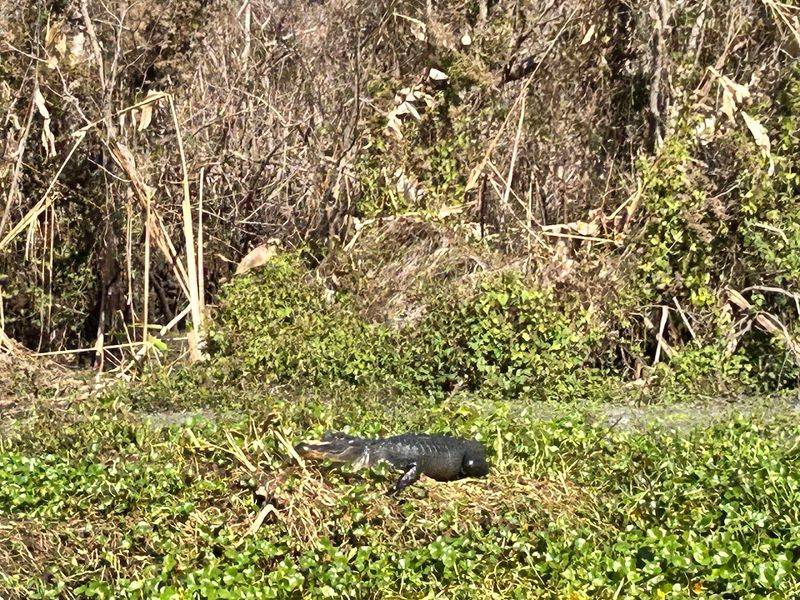
Jackson Blue Spring deserves attention because its spring run ultimately feeds the Chipola River, and that larger river connection puts it in legitimate alligator territory. Still, compared with more famous statewide hotspots, visitor expectations around gators here tend to be lower.
That is why I placed it in the lower middle rather than near the top.
The main spring is known more for clarity, diving, and paddling than for constant reptile sightings. But alligators do not need celebrity status to be present, they need connected freshwater habitat, and the Chipola system provides that.
Downstream stretches and quieter banks are where I would mentally place the higher odds.
This is a spring where the map matters more than the marketing. If you trace the waterway outward, the alligator logic becomes easier to see.
I would not rank Jackson Blue among the most likely springs for a sighting, but I also would not dismiss the possibility. Connected river ecology gives it a credible place on this list.