Hidden in plain sight at the edge of Key West’s historic waterfront, the Key West Shipwreck Museum is one of the most surprisingly fascinating stops on the island. Housed inside a recreation of an 1850s wrecker’s warehouse, the museum brings to life the dangerous and lucrative world of shipwreck salvaging that once made Key West the richest city per capita in the United States.
Real artifacts pulled from ships that spent over a century on the ocean floor are displayed throughout, giving visitors a genuine connection to maritime history. Whether you are a history buff, a curious traveler, or just looking for something memorable to do with your family, this museum delivers an experience that is hard to forget.
Authentic Silver Coins Recovered From Sunken Ships
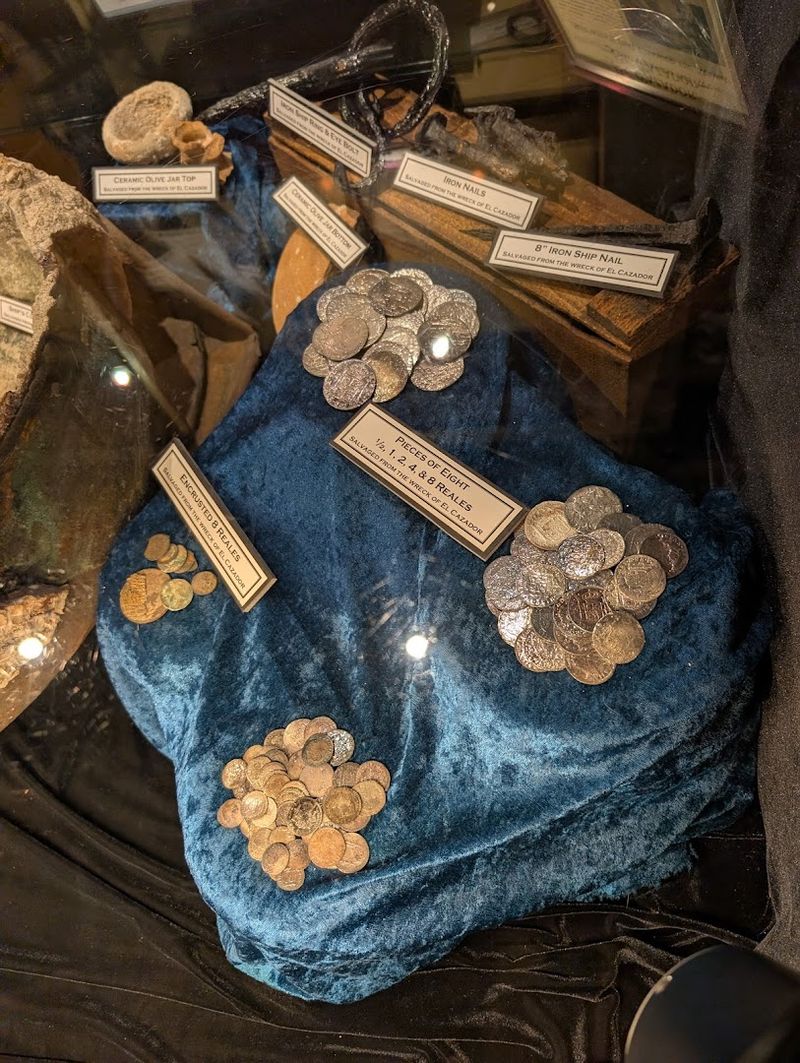
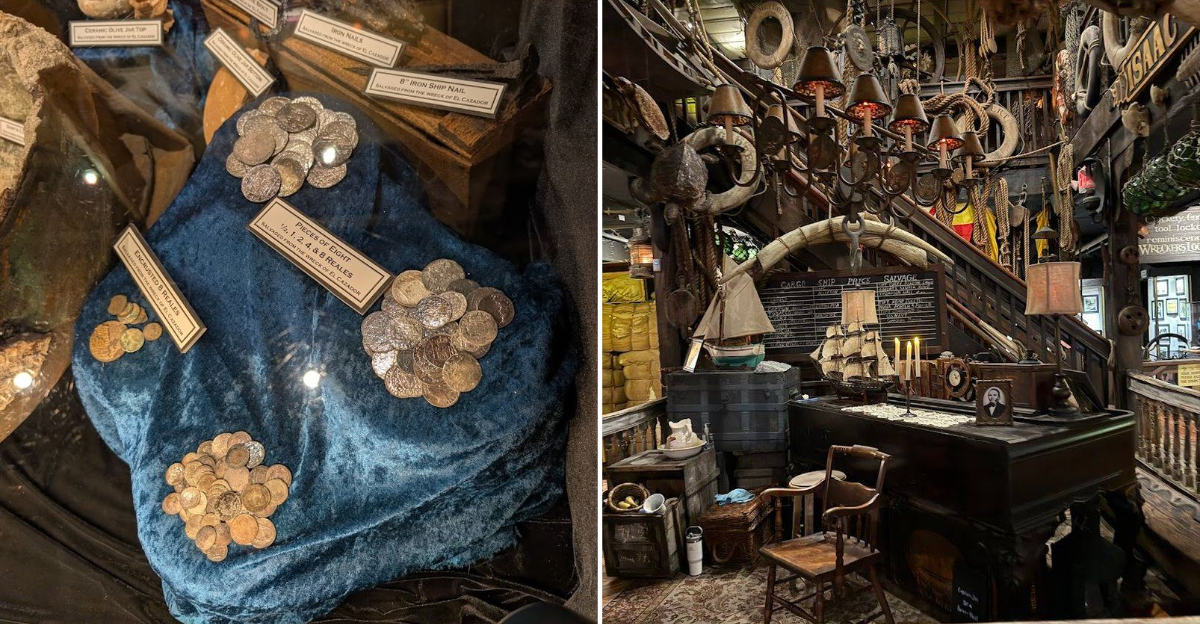
There is something almost magical about holding history in your hands, and at the Key West Shipwreck Museum, visitors get surprisingly close to doing exactly that. Among the most talked-about artifacts in the collection are the authentic silver coins pulled from ships that sank in the Florida Straits decades and even centuries ago.
These are not replicas or decorative props — they are the real thing, recovered by the daring salvagers known as wreckers.
Each coin tells a story about trade routes, merchant vessels, and the unpredictable waters surrounding the Florida Keys. You can see the effects of years spent on the ocean floor in their rough, oxidized surfaces.
The museum does a wonderful job of providing context, explaining which ships the coins came from and what those voyages meant to the broader history of commerce in the region.
Visitors of all ages tend to stop and stare at these displays longer than expected. Kids especially love the treasure-hunt feeling that comes with seeing real sunken riches up close.
Fun fact: Key West wreckers were legally licensed salvagers, not pirates, and the coins they recovered were processed through official courts right on the island.
The Isaac Allerton Wreck Story
Every great museum has a centerpiece story, and at the Key West Shipwreck Museum, that story belongs to the Isaac Allerton. This merchant vessel sank in 1856 while navigating the treacherous reef system off the Florida Keys, and its wreck became one of the most valuable salvage operations in Key West history.
The ship carried a cargo worth over $100,000 at the time — an enormous fortune by 19th-century standards.
The museum uses the Isaac Allerton as its anchor narrative, weaving together the broader story of the wrecking industry through this single dramatic event. Visitors learn how licensed wrecking crews raced to reach downed ships, competed for the right to lead salvage operations, and risked their own lives to bring cargo back to shore.
It is a story full of tension, strategy, and genuine danger.
What makes this display so compelling is the combination of storytelling and physical evidence. Actual items recovered from the Isaac Allerton are on display, connecting visitors directly to that 1856 disaster.
The museum’s atmospheric lighting and immersive design make you feel like you are standing inside the wrecker’s warehouse the morning after a haul. It is history told with real weight and texture.
Original Salvaged Cargo and Trade Goods on Display
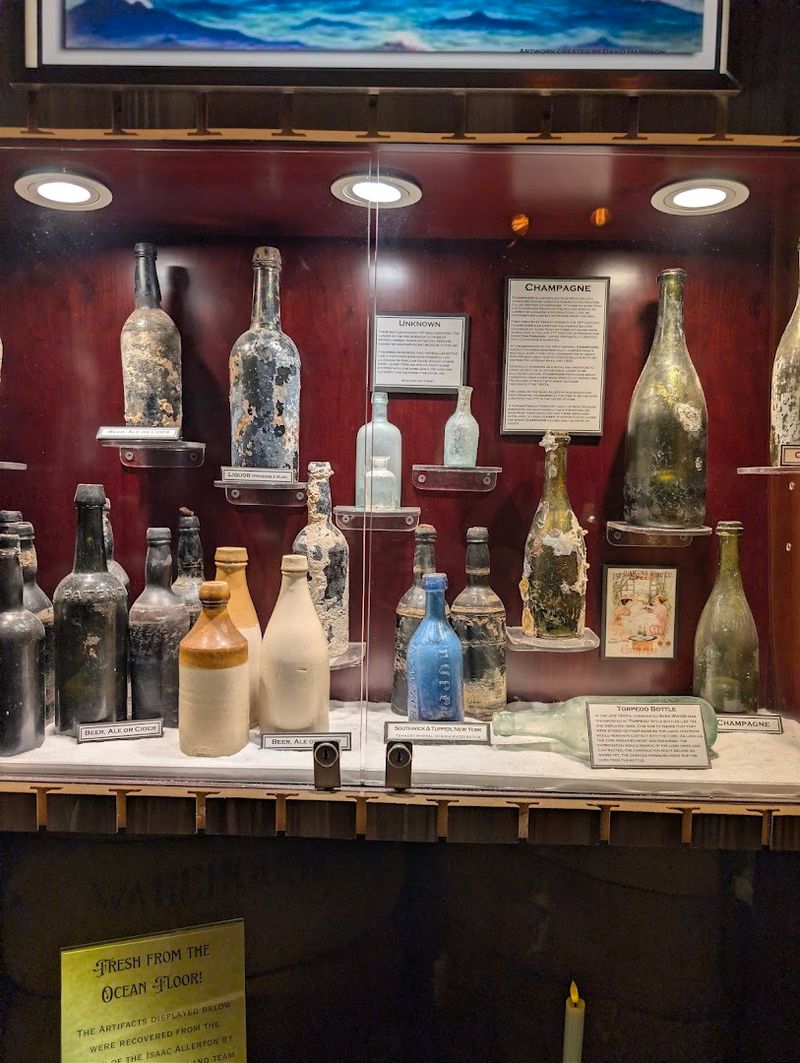
Forget the textbook version of maritime history — the cargo displays at the Key West Shipwreck Museum put you face to face with the actual goods that were traveling the seas when disaster struck. From ceramic bottles and glass containers to wooden crates and commercial merchandise, the variety of salvaged trade goods on display is genuinely impressive.
Each item was pulled from the ocean floor and preserved for visitors to examine up close.
What makes these displays stand out is how ordinary some of the objects are. A simple jar or household tool becomes extraordinary when you learn it spent over a hundred years at the bottom of the Florida Straits.
The museum labels each piece with information about its origin, the ship it came from, and what it tells us about trade patterns in the 1800s. That kind of context transforms a dusty artifact into a window into the past.
Families with kids will appreciate how tangible everything feels. Rather than reading about trade history in the abstract, children can see the actual objects that merchants were shipping across the Caribbean and Gulf of Mexico.
The museum recently added new items brought up from recent recovery efforts, which keeps the collection feeling alive and evolving rather than frozen in time.
The Wrecker’s Lookout Tower With 360-Degree Views
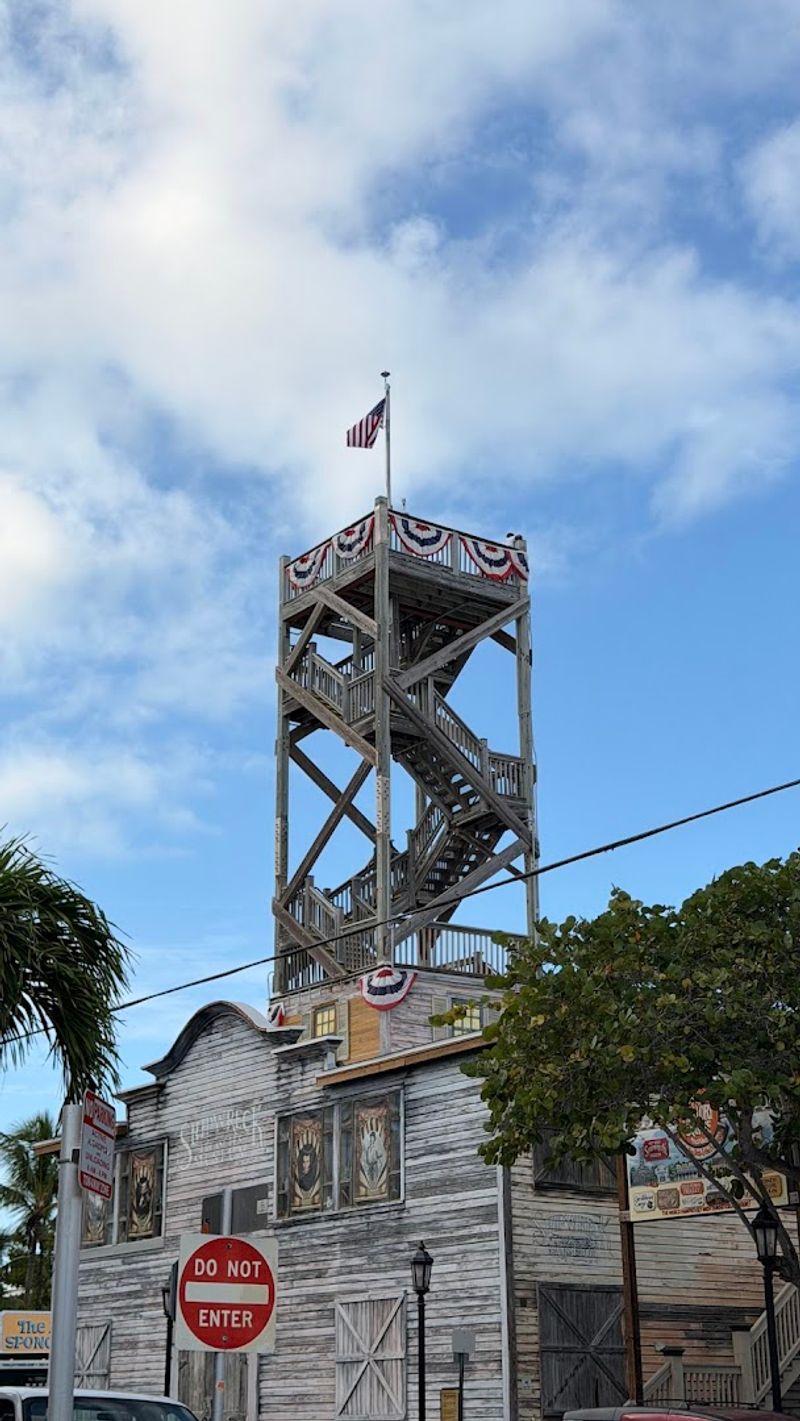
Climbing the wrecker’s lookout tower might just be the most unexpectedly rewarding part of a visit to the Key West Shipwreck Museum. Rising high above the flat island landscape, the tower offers a sweeping 360-degree view of Key West, the surrounding water, and the distant horizon.
In the 1800s, wreckers used towers exactly like this one to spot ships in distress on the nearby reef — and whoever spotted a wreck first had the right to lead the salvage operation.
The climb involves a good number of stairs — roughly 100 steps from ground level — so comfortable shoes are a smart choice. Once you reach the top, the payoff is immediate.
Visitors consistently describe the view as one of the best on the entire island, with a perspective you simply cannot get anywhere else in Key West. On a clear day, the water stretches out in every direction in shades of blue and green that feel almost unreal.
Do not forget to ring the bells on the way up and down — it is a small tradition that adds a fun, playful touch to the climb. The tower is also one of the highest accessible points in Key West, making it a favorite photo spot for visitors.
Come early in the morning or later in the afternoon for the best light.
Captain Joe — The Museum’s Live Historian and Entertainer
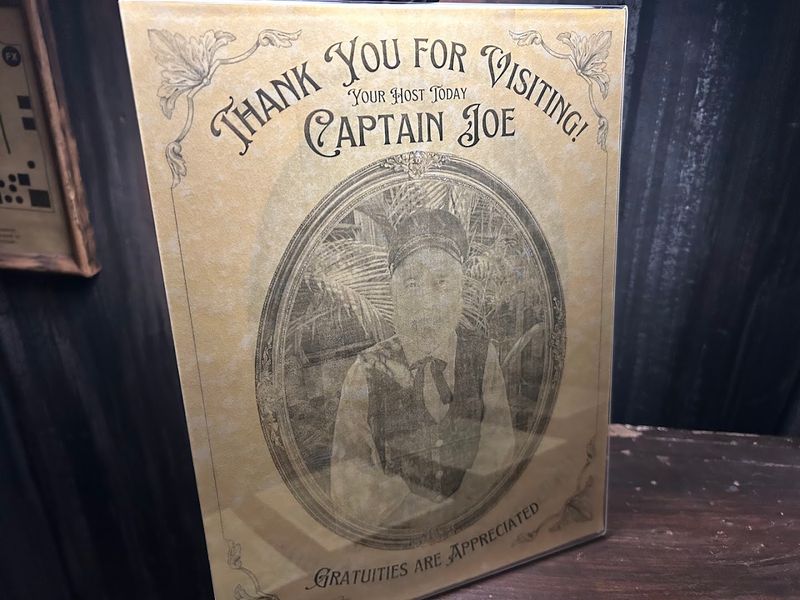
Ask any visitor what they remember most about the Key West Shipwreck Museum, and a huge number of them will say the same name: Captain Joe. This live historian and entertainer holds court on the second floor of the museum, blending genuine historical knowledge with humor, magic tricks, and old-fashioned storytelling.
He has a rare gift for making history feel urgent and alive rather than distant and dry.
Captain Joe stays in character throughout his performance, speaking as though he lived through the wrecking era himself. He fields questions from visitors of all ages with patience and enthusiasm, and his answers are packed with details that you will not find on any wall placard.
Parents have noted that even young children who might otherwise lose interest stay completely engaged when Captain Joe is working the room.
His combination of jokes, interactive moments, and deep historical knowledge creates something closer to a theatrical experience than a standard museum tour. Visitors regularly describe him as the highlight of the entire trip, not just the museum but Key West as a whole.
If you happen to visit on a slower day and get a more intimate session with Captain Joe, consider yourself lucky. He is genuinely one of a kind and absolutely worth the trip on his own.
Immersive Film Presentations on the Wrecking Industry
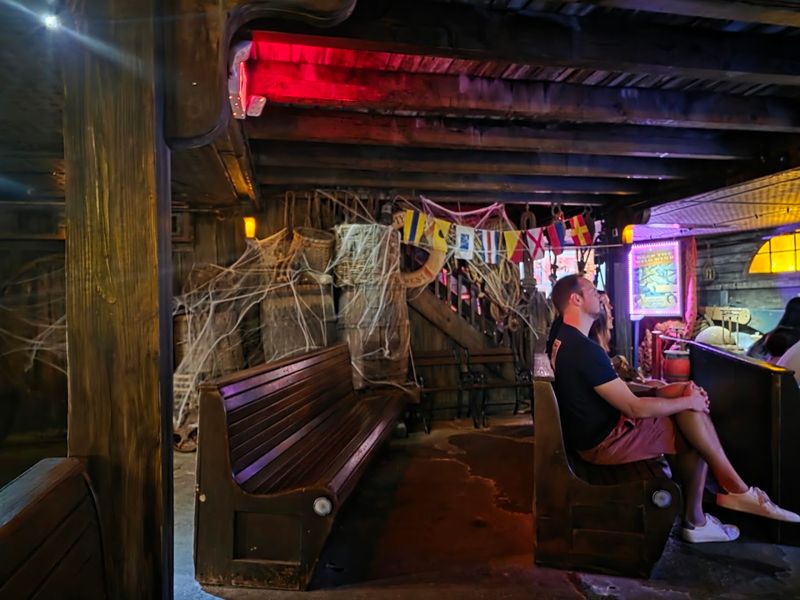
Before you explore the artifact displays, the Key West Shipwreck Museum eases you into its world with an immersive film presentation shown in a below-sea-level screening room. The film sets the stage for everything you are about to see, explaining the history of the wrecking industry, the geography of the Florida reef system, and why so many ships met their end in these waters.
It is a smart way to give visitors the context they need to fully appreciate the artifacts upstairs.
The production quality of the film is well above what you might expect from a small regional museum. It uses a mix of dramatic recreations, historical imagery, and narrated storytelling to paint a vivid picture of life in 19th-century Key West.
By the time the film ends, most visitors feel genuinely curious about what they are about to encounter in the rest of the museum — which is exactly the point.
The below-sea-level setting of the screening room adds a subtle atmospheric touch that is easy to overlook but quietly effective. It signals right from the start that this museum is paying attention to how it makes you feel, not just what it shows you.
Families with younger children will find the film approachable and engaging without being overly complicated or slow-paced.
Hands-On Silver Bar You Can Actually Lift
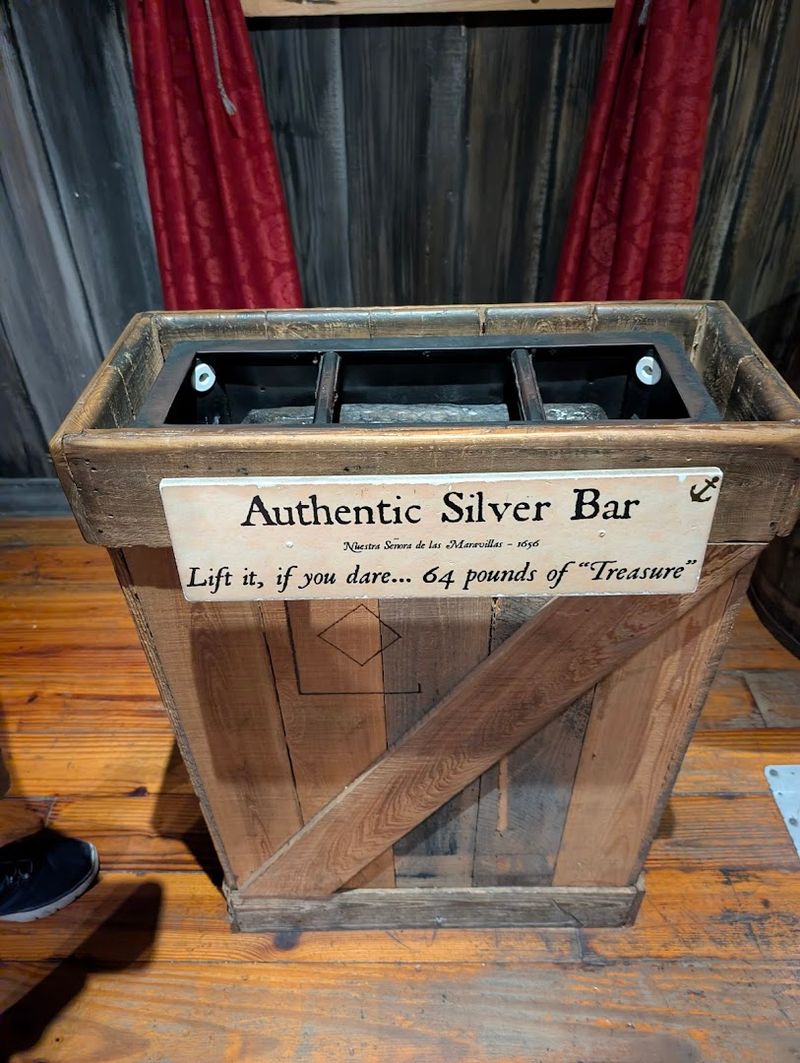
Most museums ask you not to touch anything. The Key West Shipwreck Museum flips that expectation with one of its most popular interactive features: a real silver bar that visitors are invited to lift.
Recovered from a shipwreck and displayed openly rather than behind glass, the bar gives visitors a direct physical connection to the weight and reality of sunken treasure. Spoiler alert — it is much heavier than it looks.
The experience of actually picking up a piece of recovered maritime history is surprisingly emotional for many visitors. There is a big difference between reading about silver bars in a ship’s cargo manifest and feeling the dense, cold weight of one in your own hands.
Children absolutely love it, and adults tend to linger at this display longer than almost any other in the museum.
The silver bar also opens up a natural conversation about how wreckers valued the cargo they recovered and how salvage auctions in Key West operated. Museum staff and docents are nearby to answer questions and share details about where the bar came from and what it would have been worth at the time of the wreck.
It is a simple but genuinely effective way to make history feel personal and immediate rather than distant and abstract.
The Recreated 1850s Wrecker’s Warehouse Atmosphere
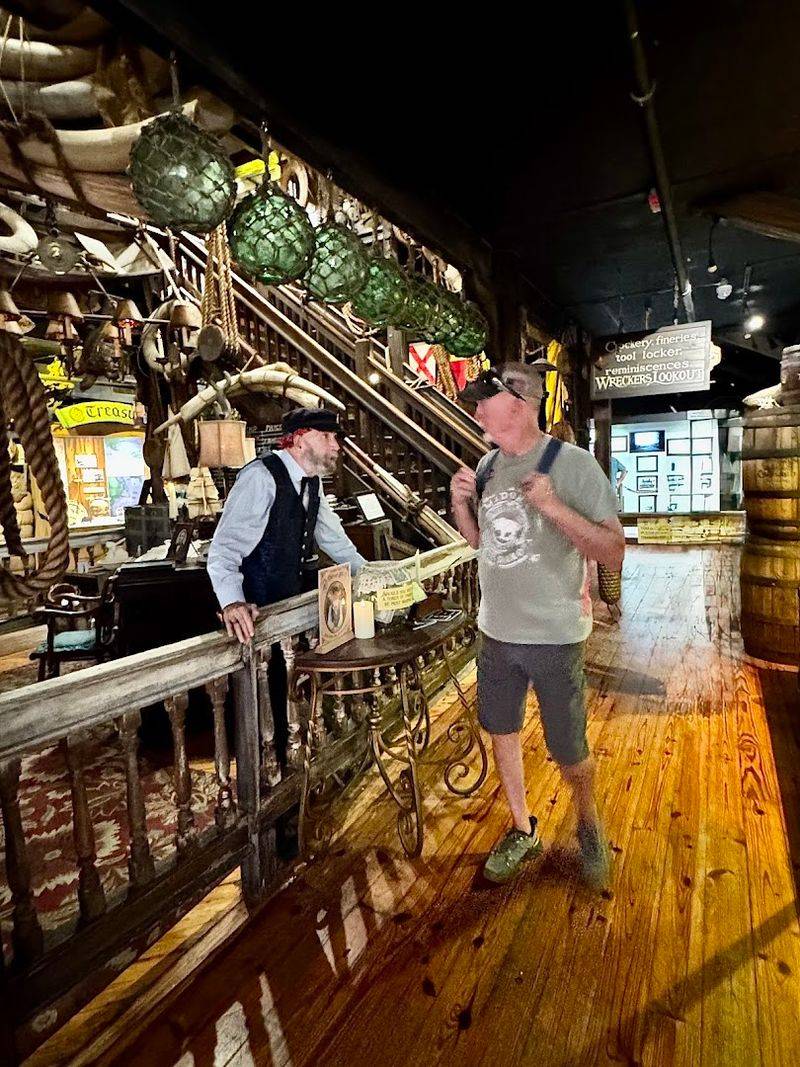
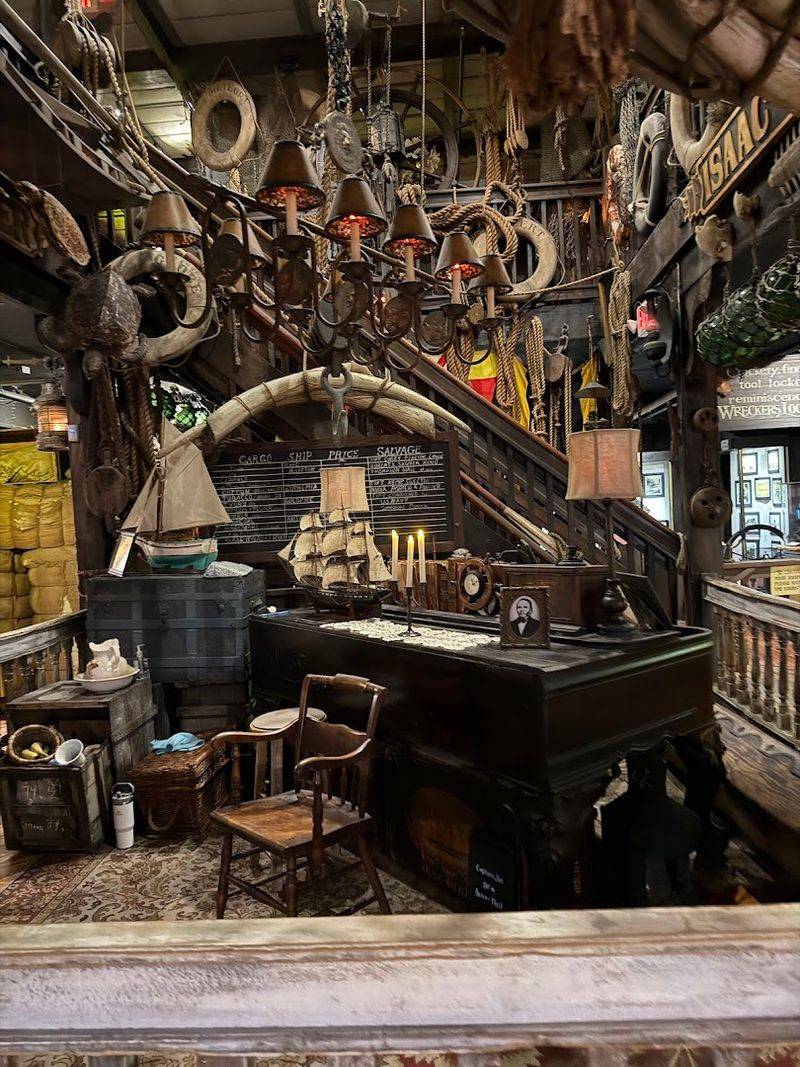
Walking into the Key West Shipwreck Museum feels like stepping through a time portal. The entire building is designed as a recreation of an 1850s wrecker’s warehouse, complete with aged wooden walls, period-appropriate lighting, and the kind of dim, slightly ominous atmosphere that suits a museum about maritime disasters perfectly.
Visitors frequently describe the setting as dark and immersive in the best possible way.
The design choice to recreate an actual working warehouse rather than a conventional museum gallery is a smart one. It grounds everything you see in a specific time and place, making the artifacts feel like they belong to this world rather than sitting in clinical isolation behind glass.
The creaking floors and warm lantern-style lighting give the space a theatrical quality that enhances every exhibit without overshadowing the real items on display.
Multiple levels within the building each offer a different experience, from the below-sea-level film room at the base to the open-air tower at the top. Moving through the floors creates a natural sense of progression — you start deep below and work your way up toward the light, which mirrors the journey of salvaged cargo rising from the ocean floor.
It is the kind of thoughtful design that rewards visitors who pay attention to how a space is put together.
Artifacts From the USS Maine and Other Historic Vessels
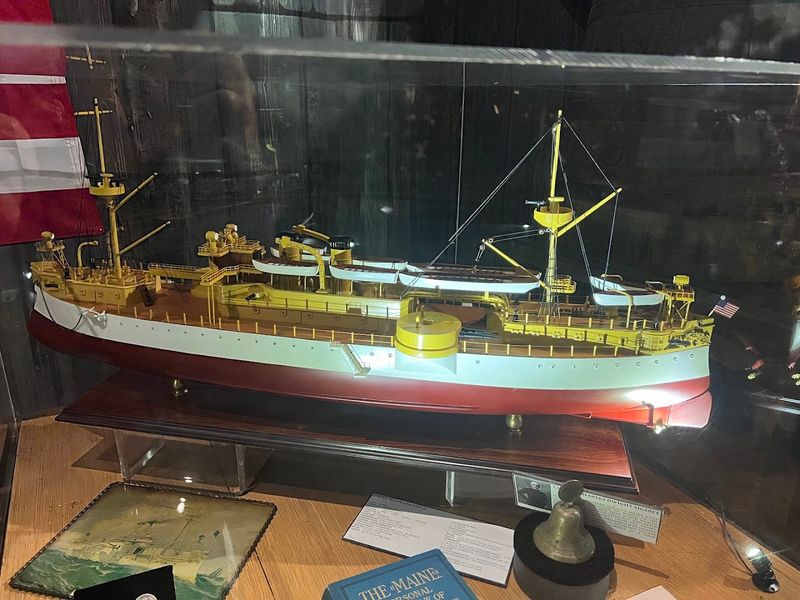
Among the more sobering exhibits at the Key West Shipwreck Museum are artifacts connected to the USS Maine, the American battleship that exploded and sank in Havana Harbor in 1898 — an event that helped trigger the Spanish-American War. Remnants from this historic vessel are on display alongside items from other significant ships, adding a layer of American military and political history to what is already a rich maritime collection.
The presence of USS Maine artifacts expands the museum’s scope well beyond the commercial wrecking era of the mid-1800s. Visitors come in expecting treasure coins and merchant cargo, and they leave having also encountered pieces of one of the most politically charged naval disasters in American history.
That kind of range keeps the collection from feeling narrow or one-dimensional.
Each artifact is accompanied by explanatory text that provides historical background without overwhelming visitors with dates and statistics. The museum strikes a good balance between giving you enough information to understand what you are looking at and leaving room for your own curiosity to take over.
For visitors who enjoy connecting individual objects to larger historical events, the USS Maine display is one of the most thought-provoking stops in the entire museum. It is a quiet but powerful reminder that the waters around Florida have witnessed far more than most people realize.