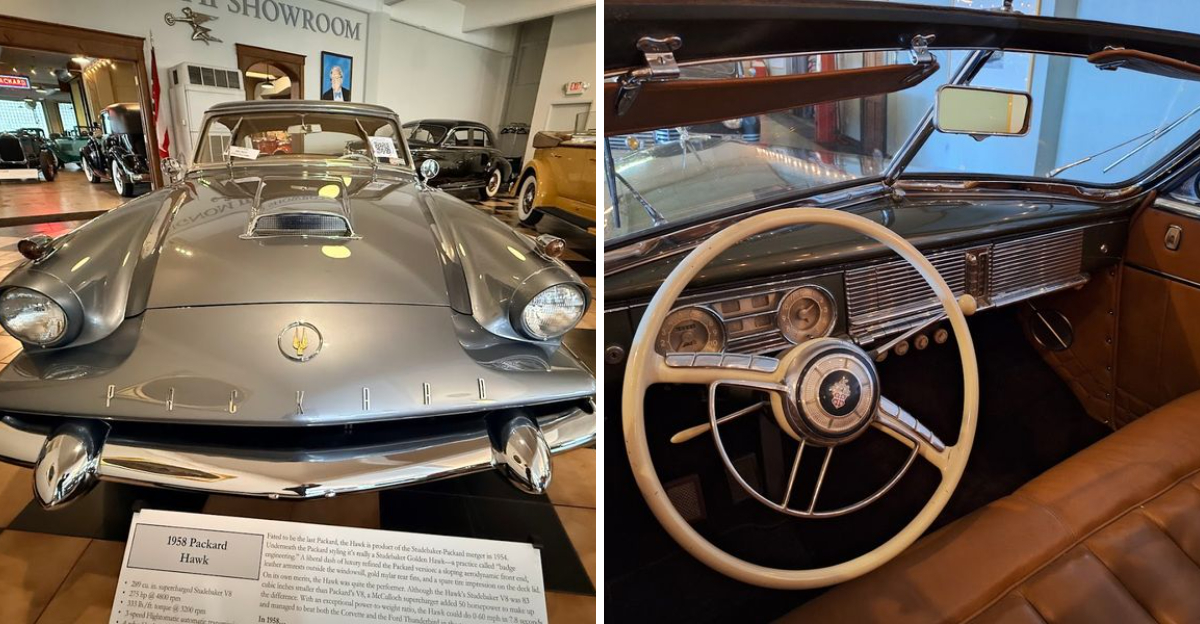
Tucked away in Dayton, Ohio, America’s Packard Museum is one of the most unique and fascinating destinations in the entire country.
Housed inside a beautifully restored 1917 automobile dealership, the museum celebrates the golden age of American luxury cars.
Packard vehicles were once the ultimate symbol of wealth, style, and engineering brilliance — and this museum keeps that legacy alive.
Whether you love classic cars or just enjoy stepping back in time, this is one road trip worth taking.
A Dealership Frozen in Time
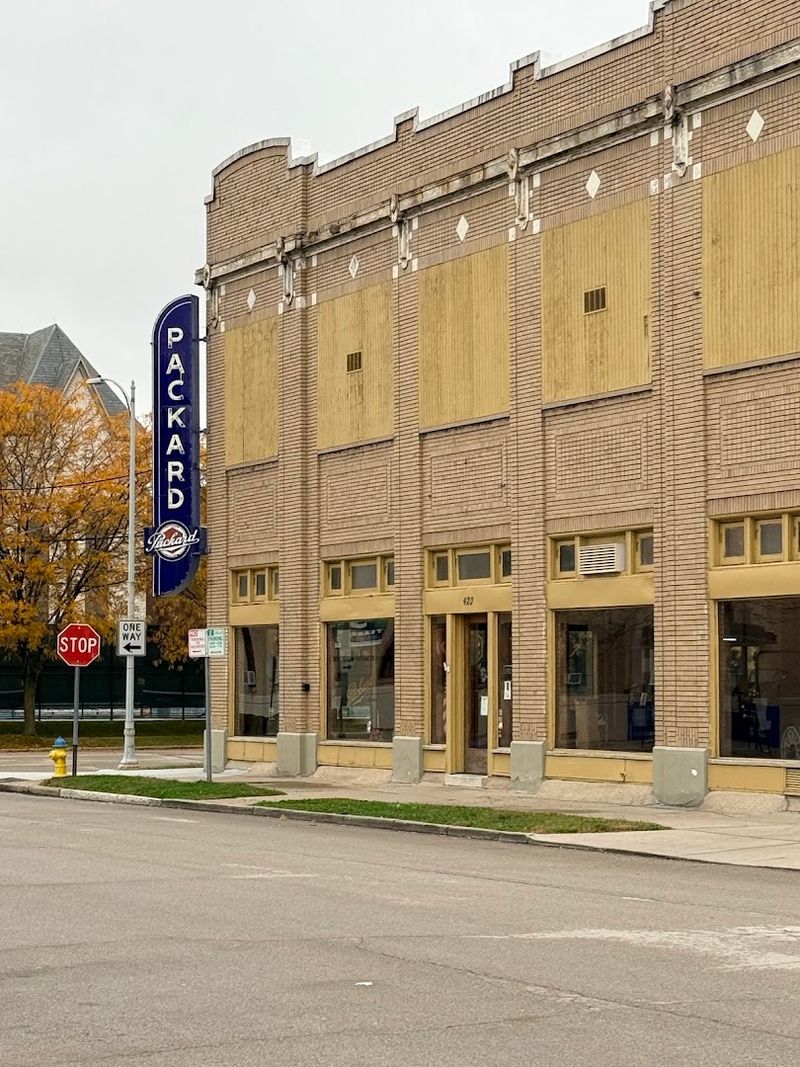
Walking up to 420 S. Ludlow Street in Dayton feels like stepping straight into 1917.
The building that houses America’s Packard Museum originally opened as the Citizens Motorcar Company, and it looks remarkably like it did over a century ago. It is considered one of the only surviving Packard dealerships of its kind anywhere in the world.
Most old dealerships were torn down or completely renovated beyond recognition over the decades. That makes this place genuinely rare — not just historically, but architecturally.
Every corner of the structure tells a story that most museums can only try to recreate with photos and replicas.
For car lovers and history buffs alike, standing inside a building where real customers once walked the showroom floor to buy brand-new Packards is a powerful experience. The authenticity here is not staged or manufactured — it is the real thing.
Visiting means becoming part of a living, breathing piece of American automobile history that has somehow survived the test of time.
From Showroom to Museum
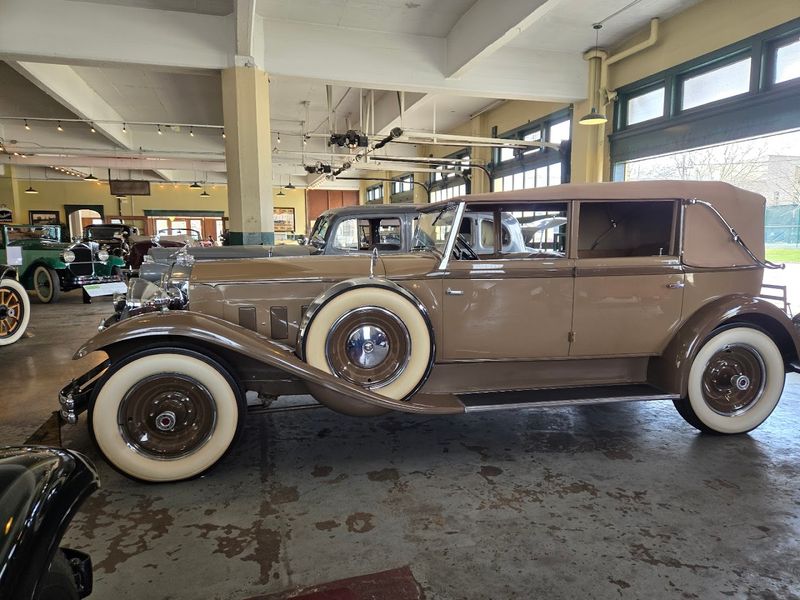
The road from working dealership to beloved museum was not a short one. After serving as a car dealership for decades, the building eventually became a parts warehouse — far from the glamorous showroom it once was.
By the time a passionate preservationist purchased it in 1991, the place needed serious work.
What followed was a careful and dedicated restoration effort to bring the building back to its original grandeur. Original materials were preserved wherever possible, and the layout was recreated to reflect how the dealership looked during its peak years.
The museum officially reopened its doors in 1992, welcoming visitors eager to experience automotive history firsthand.
It is amazing to think about how close this building came to being lost forever. Warehouses do not typically get second chances, but this one did — and the result is extraordinary.
The transformation from forgotten storage space to nationally recognized museum is a testament to what passion and commitment to preservation can accomplish. Every visitor who walks through the door benefits from the vision of those who refused to let this piece of history disappear.
The Legacy of Packard Motor Car Company
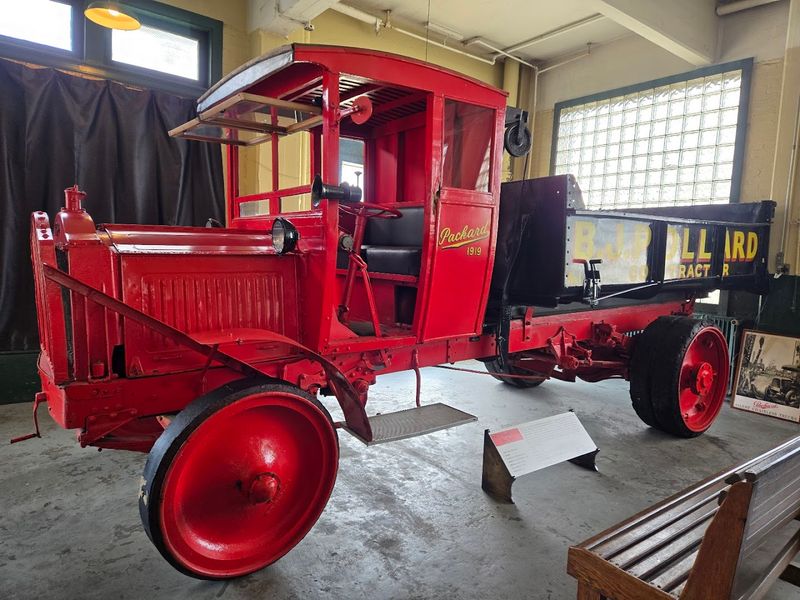
Before Cadillac ruled the luxury car world, there was Packard. Founded in 1899, the Packard Motor Car Company quickly earned a reputation for building some of the finest automobiles ever crafted in America.
Presidents rode in Packards. Celebrities owned them.
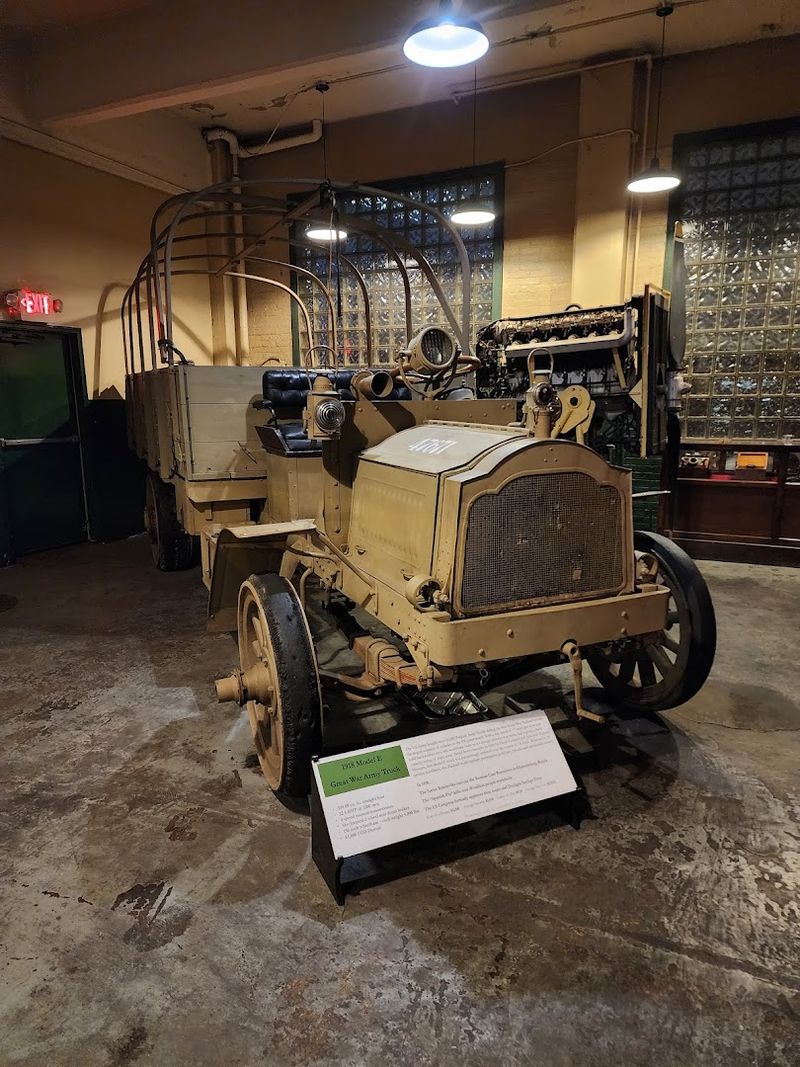
Military commanders depended on them during wartime.
The brand stood for something beyond just transportation — it represented achievement, taste, and a very American kind of ambition. Their engineering innovations were ahead of their time, and their design sensibility was nothing short of breathtaking.
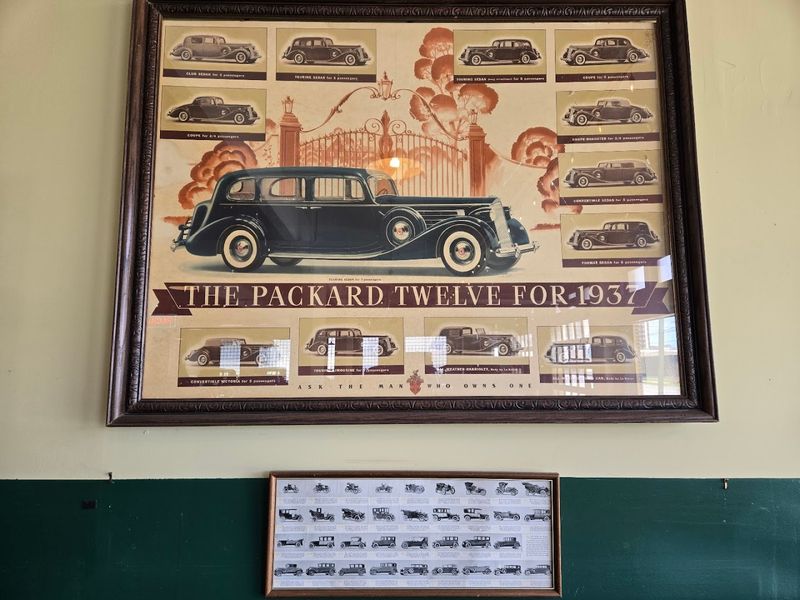
For decades, the phrase “Ask the man who owns one” served as their famous slogan, and it perfectly captured the brand’s confidence.
Production continued all the way through 1956, giving Packard a remarkable 57-year run. The company eventually struggled to compete with the massive budgets of General Motors and Ford, and the brand faded from the market.
But the cars themselves never stopped turning heads. Seeing a Packard in person — with its bold lines, gleaming chrome, and hand-crafted details — makes it easy to understand why so many people still consider these vehicles the true pinnacle of American automotive elegance.
The Largest Public Collection of Packards
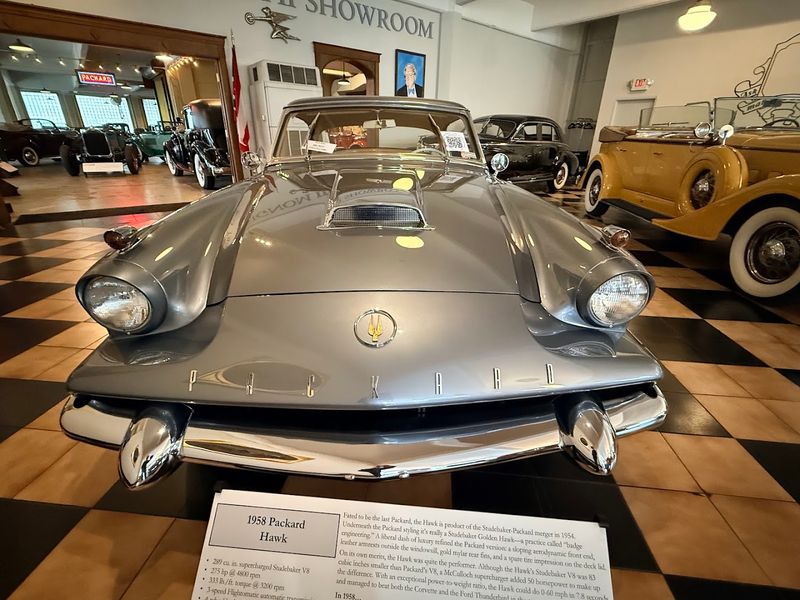
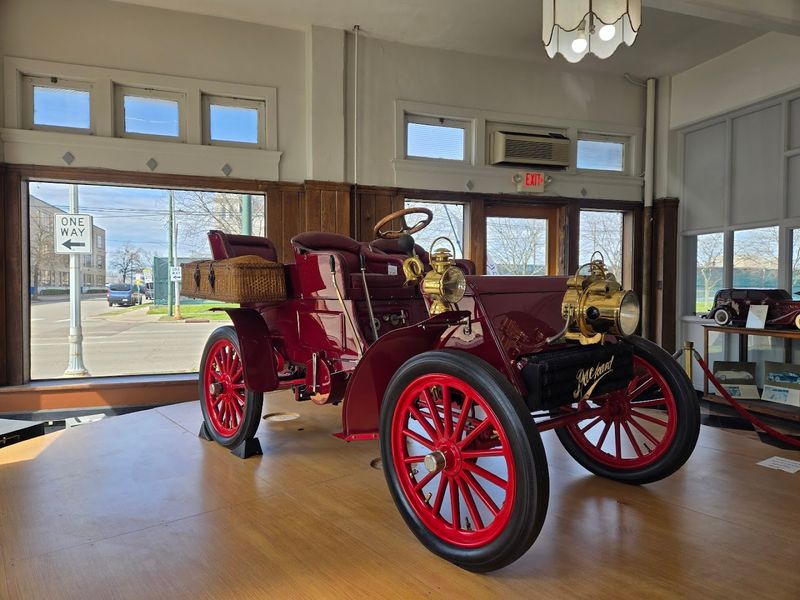
Fifty-plus Packards under one roof — that is not something you stumble across every day. America’s Packard Museum holds the largest publicly accessible collection of Packard automobiles anywhere in the world, and the sheer variety of vehicles on display is genuinely jaw-dropping.
From early Brass Era models to the sleek final designs of the 1950s, the collection covers nearly every chapter of the brand’s history.
Each car in the collection has been carefully preserved, and many are in showroom-quality condition. Visitors can trace the evolution of Packard’s design philosophy just by walking through the exhibits — watching the cars grow from boxy, utilitarian early models into the wide, chrome-laden beauties of the postwar era.
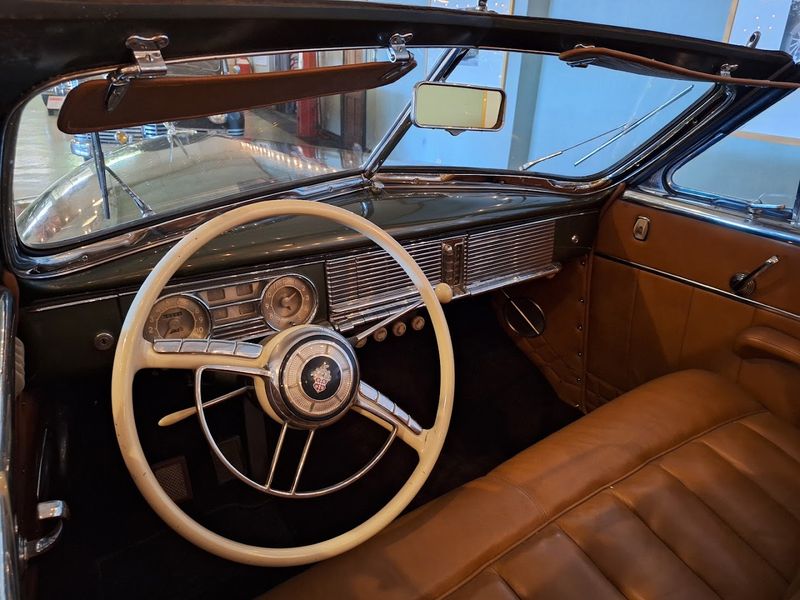
What makes this collection especially special is how approachable it feels. Unlike some museums where everything is roped off and distant, the Packard Museum allows guests to get close enough to appreciate the craftsmanship up close.
You can study the stitching on a seat, admire a perfectly restored hood ornament, or marvel at a dashboard that looks like it belongs in a luxury yacht. For any car enthusiast, this collection is nothing short of a dream come true.
Art Deco Architecture and Authentic Details
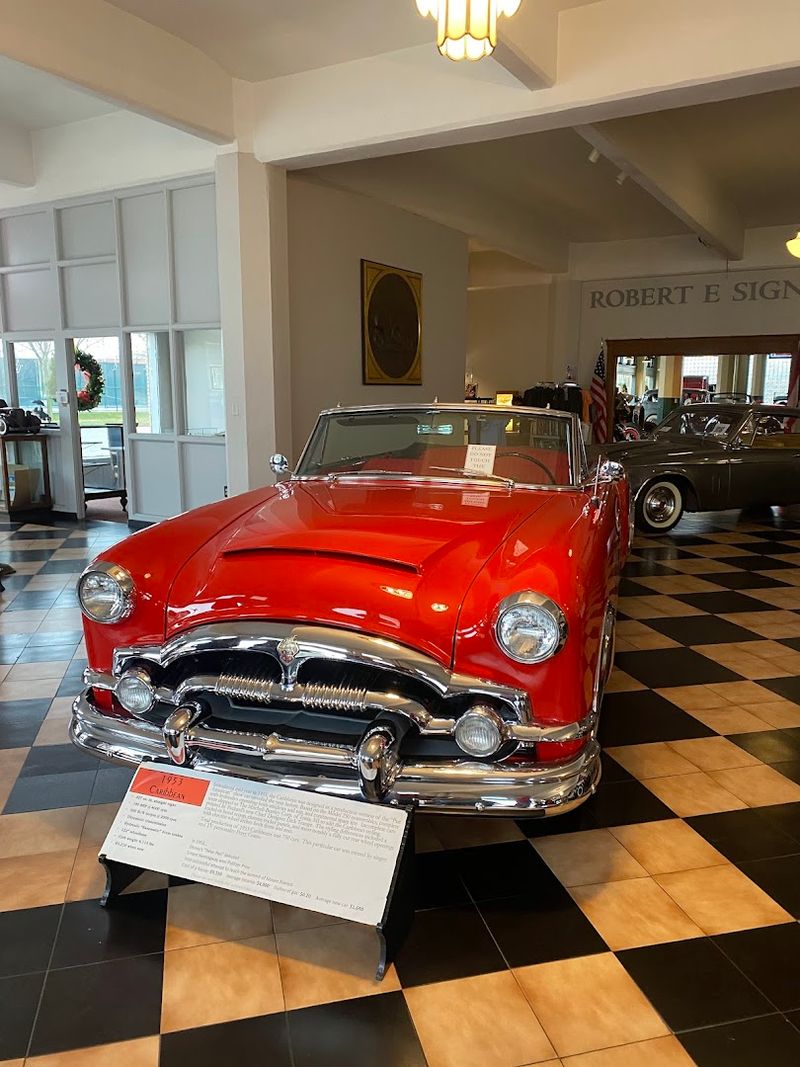
Some museums put their best artifacts inside display cases. At America’s Packard Museum, the building itself is the biggest artifact of all.
The structure is a stunning example of early 20th-century commercial architecture, complete with original tiled floors, tall showroom windows, and a layout that has barely changed in over a hundred years.
One of the most eye-catching features is the restored neon Packard sign, which glows just as it would have decades ago when the dealership was open for business. Neon signs like this were once everywhere in American cities, but authentic originals are incredibly rare today.
Seeing one in its proper context — hanging inside the actual building it was made for — gives it a meaning that no replica could ever replicate.
Every design detail in the building was chosen with intention back in 1917, and that intentionality still shines through today. The tiled floors reflect light in a way that makes the cars look even more magnificent.
The high ceilings create a sense of grandeur that feels perfectly suited to vehicles that were once considered the height of luxury. Architecture fans will find just as much to admire here as car enthusiasts do.
More Than Cars: Artifacts and Archives
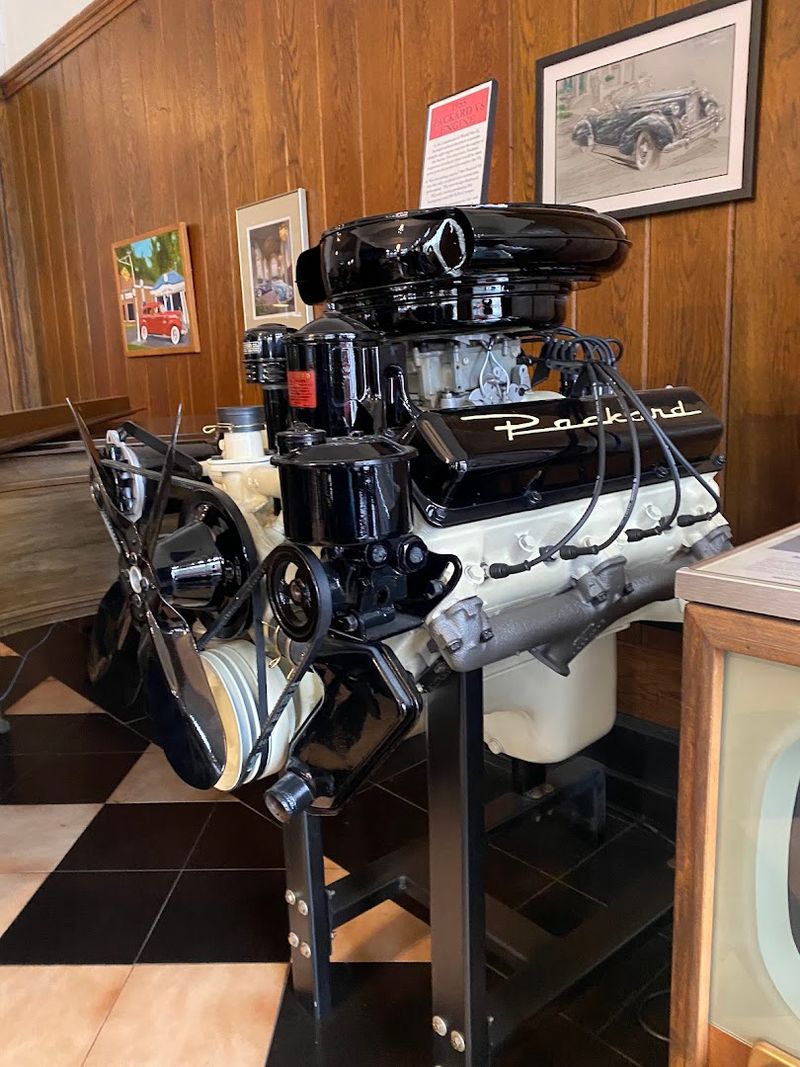
Cars alone could fill a museum, but America’s Packard Museum goes several steps further. Scattered throughout the exhibits are rare pieces of memorabilia, original engineering blueprints, factory documents, and corporate materials that bring the full story of Packard to life.
These items are not just decorative — they offer a window into how the company operated and what made it so remarkable.
Original sales brochures, owner manuals, and period advertisements reveal how Packard marketed itself to the wealthy elite of their era. Some of the engineering documents on display show just how sophisticated Packard’s production methods were, especially for a company operating in the early 1900s.
The attention to detail in both the cars and the paperwork is genuinely impressive.
For history enthusiasts, these archival materials are just as exciting as the vehicles themselves. They humanize the brand, connecting visitors to the real people — engineers, designers, salespeople — who built Packard into an American icon.
Finding a handwritten note or an original factory specification sheet among the exhibits creates a surprisingly personal connection to a company that closed its doors nearly 70 years ago. History feels remarkably alive when it is presented this thoughtfully.
The Packard Story Experience
Not everyone who visits America’s Packard Museum arrives already knowing the full story of the brand. That is perfectly fine — the museum is designed to take you on a journey from beginning to end.
Thoughtful exhibits guide visitors through Packard’s rise from a small Ohio startup to one of the most respected luxury car brands in American history.
The story includes the brand’s many triumphs: early engineering milestones, iconic designs that defined entire decades, and the role Packard played in both World War efforts. But the exhibits do not shy away from the harder chapters either.
The gradual decline of the brand in the 1950s, as competition from cheaper mass-market luxury cars intensified, is covered with honesty and care.
Understanding the full arc of Packard’s history makes the cars on display feel even more meaningful. Each vehicle becomes a chapter in a larger story — one about ambition, craftsmanship, competition, and ultimately, the unpredictable nature of American industry.
Younger visitors especially benefit from this narrative approach, which transforms what could be a simple car show into a genuinely educational and emotionally resonant experience. The story of Packard is, in many ways, the story of America itself.
A Nationally Recognized Automotive Museum
Recognition from the broader automotive and preservation communities does not come easy, but America’s Packard Museum has earned plenty of it. The museum has been consistently ranked among the top automotive museums in the entire United States — a remarkable achievement for a smaller, independently operated institution in a mid-sized Midwestern city.
Among its most prestigious honors is the James Bradley Award, given for outstanding efforts in automotive preservation. This award acknowledges not just the cars on display, but the entire philosophy behind the museum — the commitment to keeping history intact rather than simply recreating it.
Winning this kind of recognition puts the Packard Museum in the company of some truly elite preservation institutions.
What makes these accolades especially meaningful is that the museum earned them without the massive budgets of big-city institutions. The work done here is driven by genuine passion and dedication to a specific slice of American history.
National recognition validates what local visitors already know: this is a world-class destination hiding in plain sight in downtown Dayton. If you are building a list of must-visit American museums, the Packard Museum absolutely belongs near the top.
A Living Piece of Dayton’s Motorcar Heritage
Dayton, Ohio has a rich and often underappreciated history when it comes to transportation and innovation. The city is famous as the home of the Wright Brothers, but its connection to the early American automobile industry is equally impressive.
The neighborhood surrounding the Packard Museum is actually known as the historic Motorcar District, a name that hints at just how significant this area once was.
During the early 1900s, Dayton was home to dozens of automobile-related businesses — dealerships, repair shops, parts suppliers, and manufacturers. The streets around Ludlow were buzzing with the energy of a brand-new industry finding its footing.
Much of that physical landscape has changed, but the Packard Museum anchors the memory of what this neighborhood once represented.
Visiting the museum in the context of its surroundings adds an extra layer of meaning to the experience. Walking the same streets where early motorcar enthusiasts once browsed for their dream vehicles creates a tangible connection to the past.
Dayton’s identity is deeply tied to American ingenuity, and the Packard Museum is one of the clearest expressions of that identity still standing today. It is a neighborhood landmark and a city treasure rolled into one.
Visitor Info and Tips
Planning a visit to America’s Packard Museum is easy, and the experience is well worth the trip. The museum is located at 420 S.
Ludlow Street in Dayton, Ohio, right in the heart of the historic Motorcar District. Hours are generally Wednesday through Sunday during winter months and Tuesday through Sunday in summer, with doors open from noon to 5 PM.
Always check the official website before visiting, as hours can occasionally change.
Admission is very affordable, with discounts available for seniors and students. Budget somewhere between one and two hours to explore the full collection comfortably — rushing through would mean missing plenty of incredible details.
The museum is compact enough to feel manageable but rich enough that there is always something new to notice on a second or third visit.
Here is the most important tip of all: do not spend all your time just looking at the cars. Take time to study the building itself.
The tiled floors, original fixtures, restored neon sign, and authentic showroom layout are considered the museum’s single largest artifact. Slowing down and really absorbing your surroundings transforms a good museum visit into an unforgettable one.
Bring a camera — every corner of this place is worth photographing.