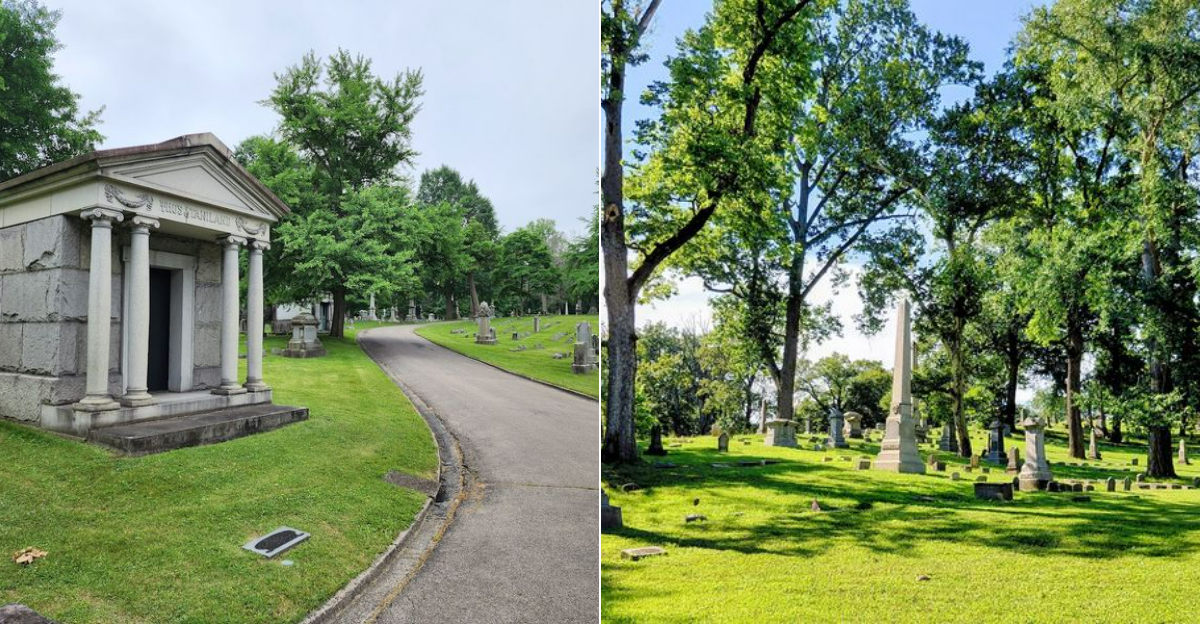
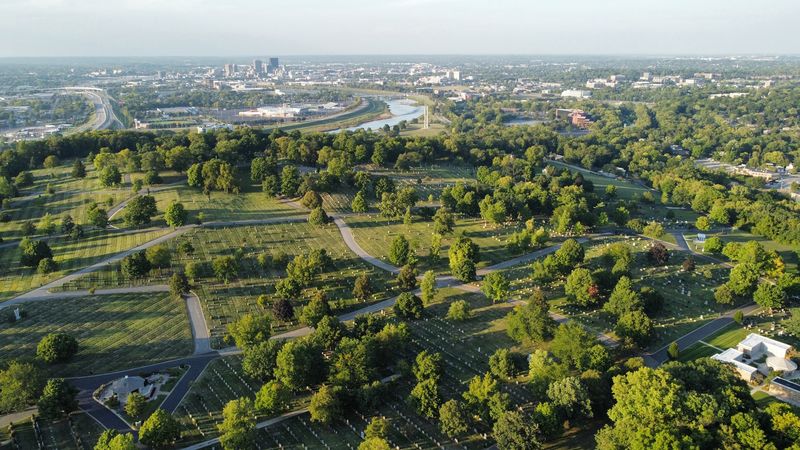
Tucked into the hills of Dayton, Ohio, Woodland Cemetery and Arboretum is one of those places that quietly surprises you. From the outside, it looks like a traditional cemetery, but once you pass through the gate, you find yourself walking through 200 acres of living history, towering trees, and stories that changed the world.
Two aviation pioneers, a celebrated poet, and over 100,000 souls rest here — all within a few miles of downtown. Whether you love history, nature, or just a peaceful afternoon walk, this place has something genuinely worth your time.
A Walk Through Time: What Woodland Cemetery Actually Is
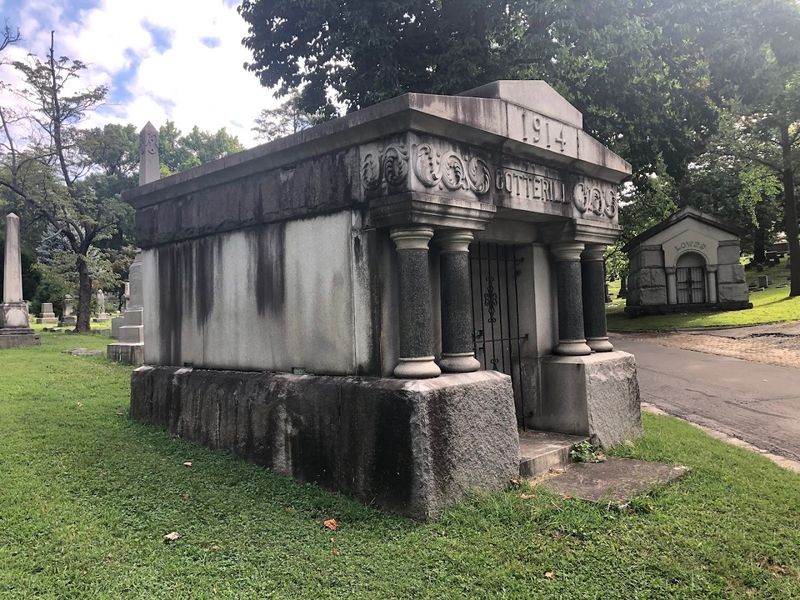
Some places wear their history quietly, and Woodland Cemetery and Arboretum is one of them. Established in the early 1840s, this 200-acre site in Dayton, Ohio, functions as both an active burial ground and a fully accredited arboretum — a combination that sounds unusual until you actually walk through it.
With over 100,000 burials recorded and more than 170 years of continuous use, the grounds carry a weight that no museum exhibit can quite replicate. History here is not preserved behind glass; it is literally underfoot, growing upward, and still unfolding.
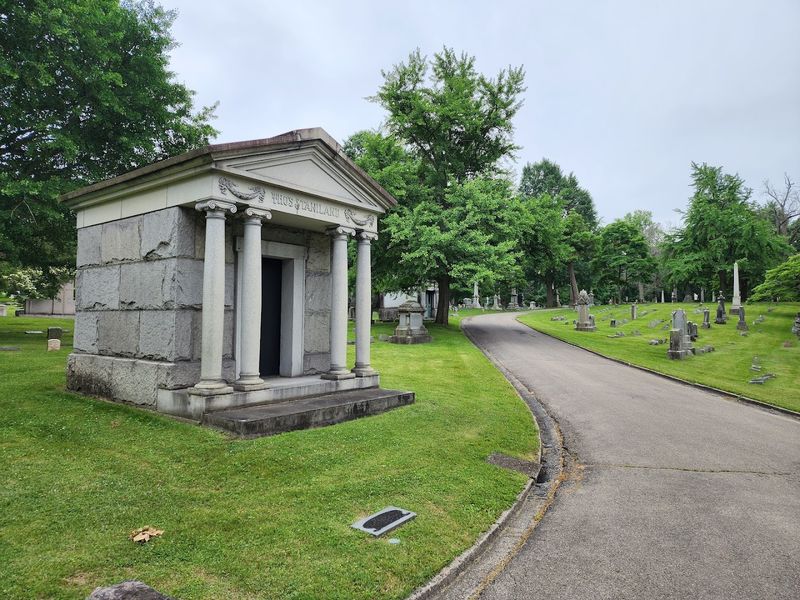
Winding roads curve through rolling terrain, labeled trees stand beside stone monuments, and family mausoleums peek out from between massive oak canopies. First-time visitors often arrive expecting a traditional cemetery and leave feeling like they stumbled into an outdoor classroom.
Woodland is listed on the National Register of Historic Places, which tells you everything you need to know about how seriously this place takes its own story.
Getting There and First Impressions
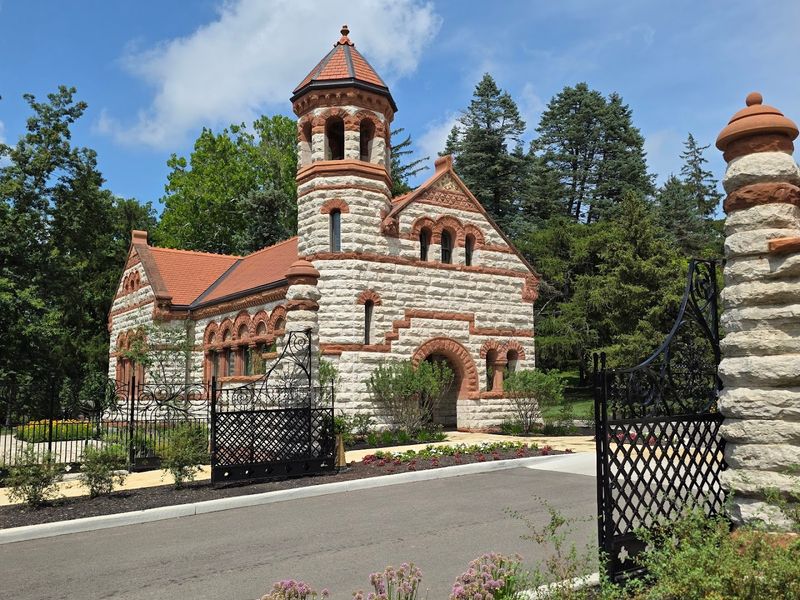
Arriving at Woodland for the first time feels a little like finding a secret. Located at 118 Woodland Ave in Dayton — just a short drive from downtown — the entrance is marked by a stone gate with a medieval-style architecture that one reviewer compared to a castle or church.
It is understated in the best possible way.
Pull up, park for free, and stop inside the welcoming center before you do anything else. The staff there are genuinely helpful, and they will hand you a map, point out key sites, and answer questions with real enthusiasm.
Look for QR code signs posted near notable graves — scanning them pulls up detailed historical information through the Life’s QR website.
Most first-time visitors expect a somber experience and are caught off guard by how much the place feels like a well-kept public park. The roads are paved, the grounds are clean, and the tree canopy overhead makes everything feel cooler and calmer than the city just outside the fence.
The Arboretum Side: Trees as Living History
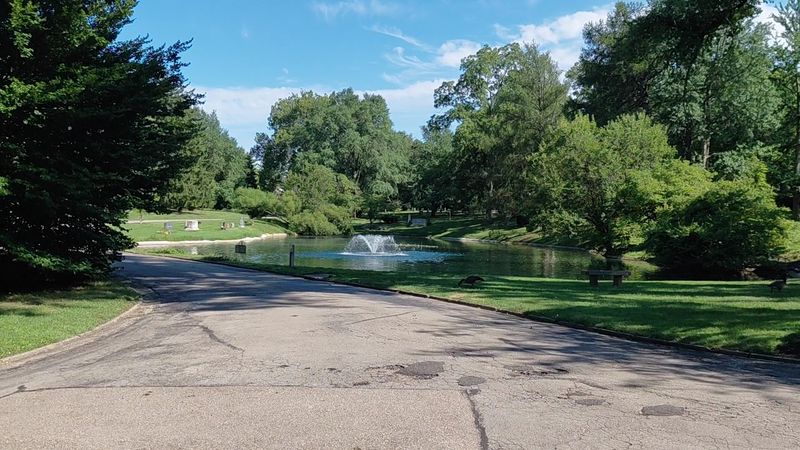
Not many cemeteries hand you a tree tour map at the front gate, but Woodland does — and it is worth picking up. The grounds hold over 1,700 individual trees representing more than 170 species, each one marked with a small identification tag that turns a casual walk into something genuinely educational.
Some of the oldest specimens were planted in the mid-1800s, meaning their roots have been stretching deeper into Ohio soil for longer than most American institutions still operating today. Walking past them, you get a real sense of time that is hard to describe but easy to feel.
Fall is widely considered the best season for the arboretum experience. As the labeled species shift through their color changes, identifying them becomes almost effortless.
Spring brings flowering trees and soft ground cover, while winter strips everything back to reveal the full shape of the land. Any season offers something worth noticing, but autumn here is genuinely spectacular in a way that photographs barely capture.
The Wright Brothers Are Buried Here
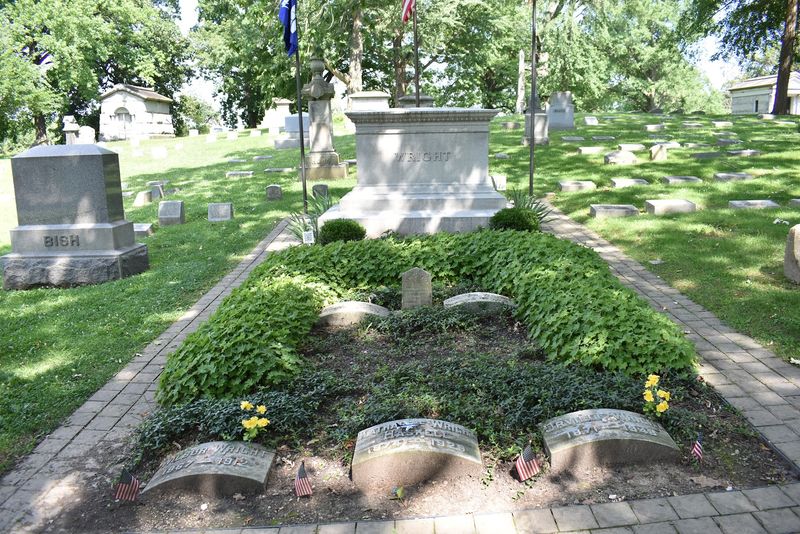
Of all the reasons people travel to Woodland Cemetery, this one draws the biggest crowds — though “crowds” is a generous word for the quiet groups that gather here. Wilbur and Orville Wright, the Dayton-born brothers who achieved the first powered airplane flight in December 1903, are buried together in the Wright family plot near the center of the grounds, in Section 101.
What surprises most visitors is how modest the markers are. There are no velvet ropes, no ticket booths, and no dramatic monuments.
Just simple stones, a wooden directional sign, and a nearby bench featuring two hats side by side — a subtle, touching tribute to the two men who changed how humanity moves through the world.
Visitors regularly leave coins and small model airplanes at the grave, turning it into a living memorial that changes day by day. Finding it on foot feels more personal than any museum exhibit could.
The open sky above the plot almost feels intentional.
Paul Laurence Dunbar’s Resting Place
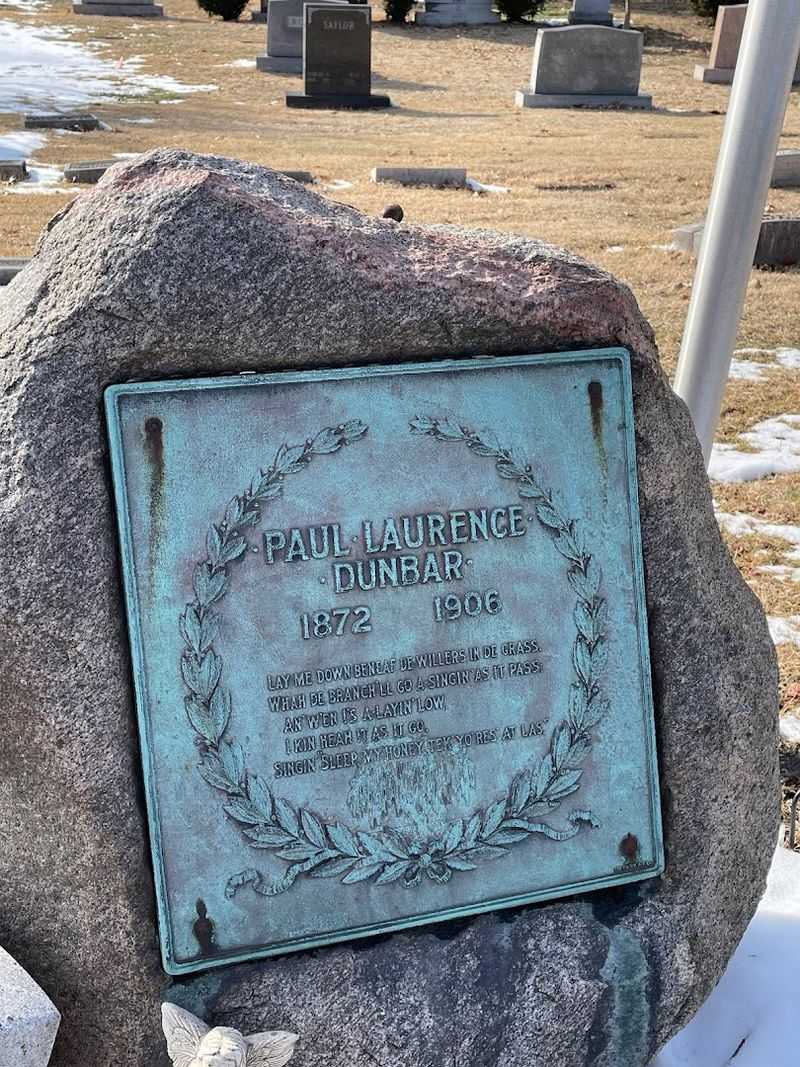
A few steps from where aviation history rests, American literary history does too. Paul Laurence Dunbar — one of the first African American poets to earn national recognition — is buried at Woodland, not far from the Wright Brothers’ plot.
The proximity of the two graves is one of the more quietly remarkable things about this cemetery.
Dunbar grew up in Dayton and was actually a classmate and friend of Orville Wright at Central High School. He published his first book of poetry at just 20 years old and went on to write novels, short stories, and poems that reached readers across the country before his death at only 33.
His grave is simple and dignified, sitting among trees that were already old when he was alive.
Knowing that two world-changing figures from the same city — one who gave humanity wings and one who gave it words — rest within walking distance of each other makes Woodland feel less like a cemetery and more like a chapter in American history left open.
The Architecture of Grief: Monuments Worth Slowing Down For
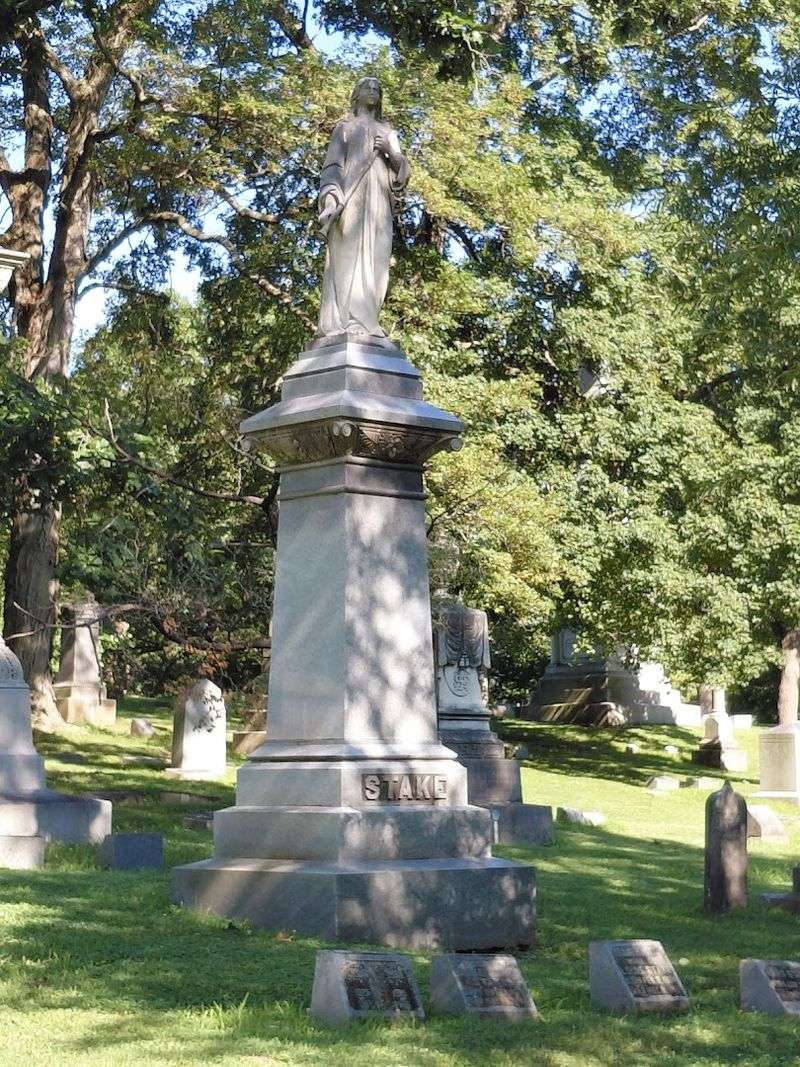
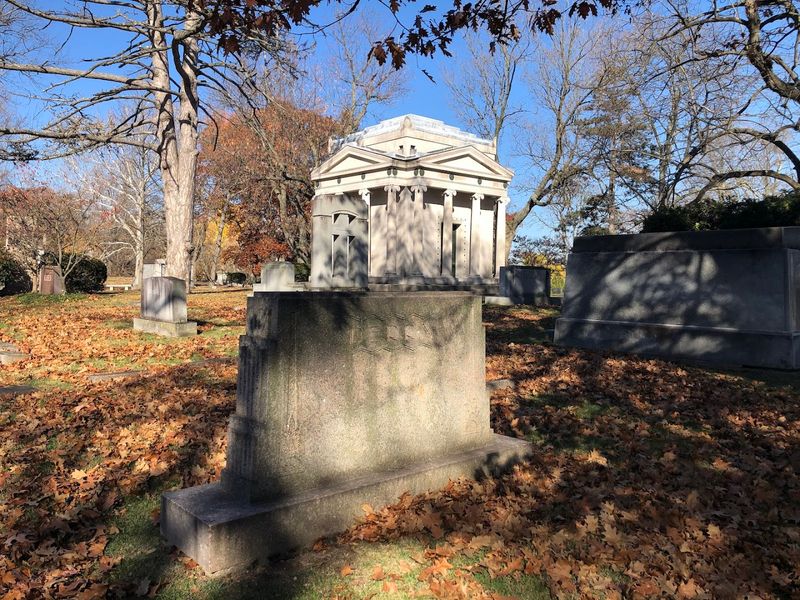
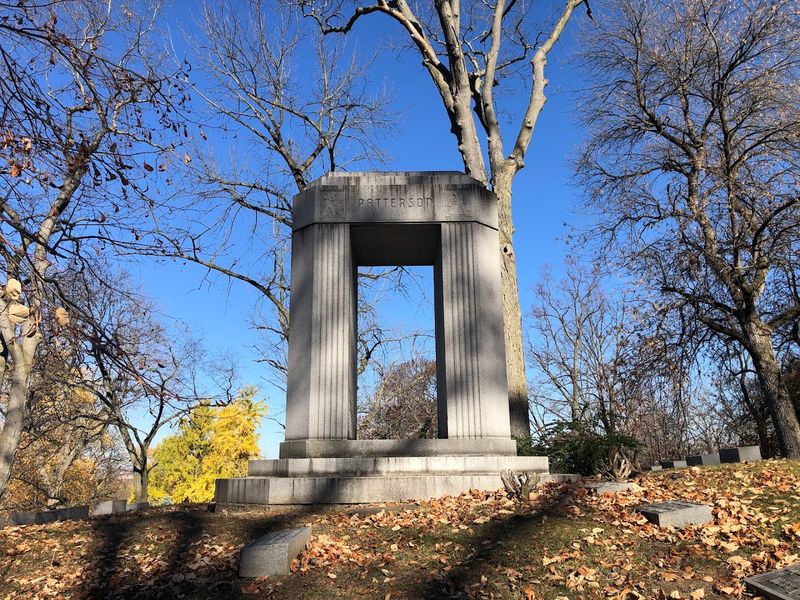
Slow down in almost any section of Woodland and something carved in stone will catch your eye. The cemetery is home to dozens of family mausoleums, tall obelisks, and 19th-century grave markers that reflect the mourning culture of their era — heavy, symbolic, and built with the intention of lasting forever.
Look closely and you will find intricate carvings of draped urns, hands pointing skyward, weeping willow branches, and other symbols that carried specific meaning to Victorian-era Americans. Each one is a small window into how people thought about death, memory, and permanence in the 1800s.
Some are elaborate enough to qualify as genuine works of art.
One reviewer described the variety of monument styles across different decades as an informal, open-air survey of American funerary art — and that description is hard to improve on. The indoor mausoleum on the grounds also holds urns with photographs and personal items, making it feel strikingly intimate compared to the stone monuments outside.
Budget extra time for this part of the visit.
Seasonal Changes and Why Timing Matters
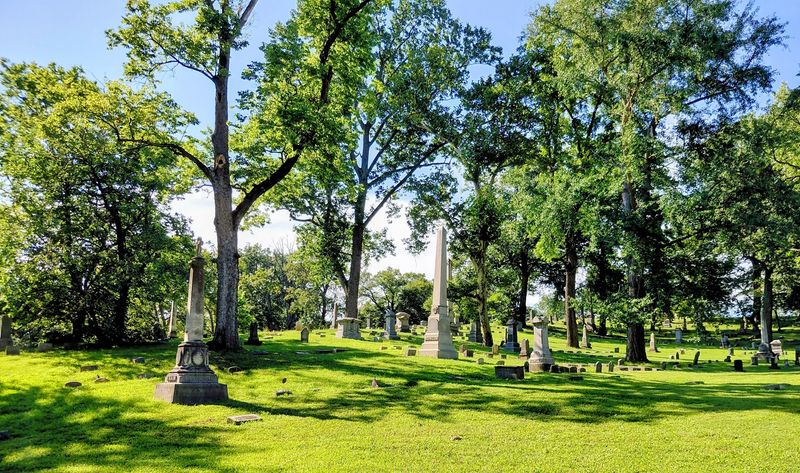
Woodland does not look the same twice. Each season reshapes the experience so significantly that regular visitors often return three or four times a year just to catch the changes.
Spring is soft and fragrant, with flowering trees and fresh ground cover filling in around the stone markers in a way that feels almost theatrical.
Fall is the season most people point to as the best time to visit, especially for the arboretum side of the experience. As the 170-plus tree species shift into their autumn colors, the labeled markers make identification surprisingly easy, turning the walk into an impromptu botany lesson.
The hillside views of Dayton during peak foliage are genuinely worth photographing.
Summer visits work best early in the morning, before the heat settles in and while the grounds are at their quietest. Winter has its own appeal — stripped of leaves, the full shape of the rolling landscape and its stone markers becomes visible in a way that warmer months hide entirely.
Each version of Woodland tells a slightly different story.
Wildlife and Unexpected Quiet
Here is something you might not expect from a cemetery inside city limits: genuine wildlife. White-tailed deer wander through the quieter sections of Woodland regularly, and the density and variety of the tree collection makes bird activity consistent throughout the entire year.
Early morning visits in particular turn into accidental birdwatching sessions.
The cemetery covers 200 acres, and because foot traffic thins out significantly in certain areas, there are pockets of real stillness tucked throughout the grounds. Not the polite quiet of a library — actual stillness, the kind where you can hear wind moving through branches and nothing else.
Finding that inside Dayton city limits without driving significantly further out is genuinely rare.
Several visitors have described specific spots on the grounds as feeling remote, almost countryside-like, despite being minutes from downtown. The rolling topography helps with that impression — dip below a hillside and the city disappears entirely.
For anyone who finds urban life overstimulating, Woodland offers a reset that requires no planning and no admission fee whatsoever.
Self-Guided vs. Themed Tours
One of the best things about Woodland is that it works on your schedule. Self-guided maps are available at the entrance and cover three main themes: notable burials, the arboretum tree collection, and architectural highlights.
Each map is detailed enough to keep you oriented across 200 acres without feeling overwhelming, and the office staff will happily fill in any gaps.
For a richer experience, the cemetery hosts organized walking tours several times a year, led by volunteer guides who know how to turn names and dates into actual stories. One recent reviewer specifically called out a guide named Miss Paula, praising her ability to answer every question and bring the history to life in a way that felt more like storytelling than a lecture.
The tours have even included a movie night with snacks afterward.
The themed tours often surface local history that no Dayton museum covers, making them worth planning a trip around specifically. Check the cemetery’s website at woodlandcemetery.org for the current schedule before you visit.
What Kind of Visitor Will Appreciate This Most
Woodland is not for everyone — and that honesty is part of what makes it worth recommending to the right people. History readers, slow travelers, photography enthusiasts, and anyone who finds old cemeteries more fascinating than unsettling will feel immediately at home here.
The pace is unhurried, the setting is beautiful, and the rewards come to those willing to look closely.
Families with curious kids can make it work, especially with a self-guided map in hand and a few target graves to find. It functions like a low-key scavenger hunt with real historical payoff.
That said, visitors looking for a high-energy attraction or a structured museum experience may find the open-ended format less satisfying.
Many visitors describe leaving Woodland with a stronger sense of Dayton’s identity than anything they encountered at a traditional downtown landmark. Spending two or three hours here — following the Wright Brothers, Paul Laurence Dunbar, Erma Bombeck, and dozens of other remarkable people — tends to leave a quiet but lasting impression that is hard to shake.
Practical Information Before You Go
Planning a visit to Woodland requires almost no effort, which is part of its appeal. The cemetery is open daily from 8 AM to 6 PM, admission is completely free, and on-site parking is available right at the entrance.
There are no timed entry windows, no ticket lines, and no reservations required — just show up, grab a map from the welcoming center, and go.
The address is 118 Woodland Ave, Dayton, OH 45409, and the office phone number is (937) 228-3221 if you want to call ahead about tour schedules or accessibility questions. The website at woodlandcemetery.org also has updated information on special events and seasonal programming.
Most of the main roads through the grounds are paved, making them walkable for most visitors. However, the terrain does include hills and some uneven sections, so comfortable walking shoes are a smart choice before you arrive.
Occasional road closures happen due to active ceremonies, so be prepared to reroute slightly if you encounter a closure during your visit.
Why a Cemetery Earns a Spot on a Travel Itinerary
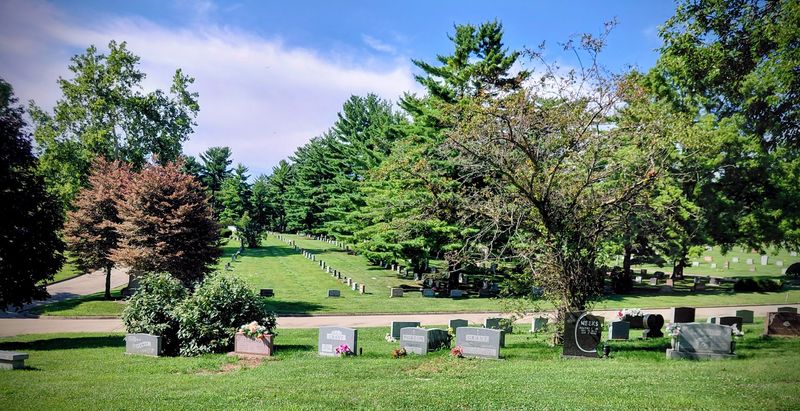
Cemeteries rarely end up on travel itineraries, but Woodland makes a strong case for being the exception. Within a single afternoon, a visitor can stand at the graves of the men who invented powered flight, pay respects to a pioneering African American poet, study Victorian mourning art carved in stone, and identify tree species that have been growing since before the Civil War.
The gazebo lookout point near the top of the grounds offers a spectacular view of the Dayton skyline — a reminder that this peaceful, tree-covered hillside sits at the highest elevation in the immediate area. From up there, the city and the cemetery feel connected in a way that is genuinely moving.
Woodland challenges the idea that history lives only in buildings with admission fees. A poet, two aviators, a 170-year-old oak, and over 100,000 stories are all accessible here for free, any day of the week.
That combination is rare anywhere in the country, and finding it tucked into a Dayton hillside makes it feel even more worth the detour.