Tucked inside Youngstown’s Mill Creek Park, Fellows Riverside Gardens is one of Ohio’s best-kept secrets — and best of all, it’s completely free to visit.
Every spring, more than 40,000 bulbs burst into bloom, painting the landscape with tulips, daffodils, and crocus in every shade imaginable.
Whether you’re a lifelong garden lover or just looking for a beautiful place to spend an afternoon, this 12-acre botanical wonderland has something special waiting for you.
A Free Garden That Feels Like a Hidden Gem
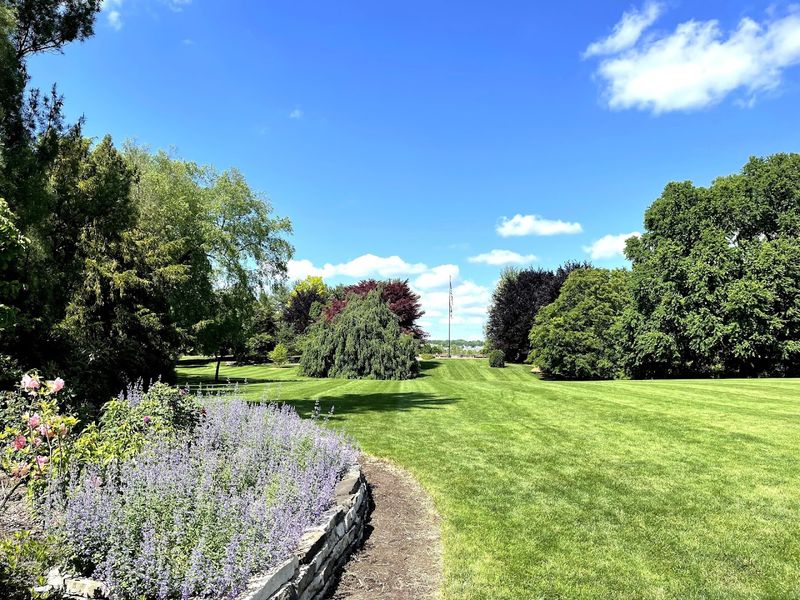
Not every world-class garden charges an admission fee — and Fellows Riverside Gardens proves that point beautifully. Nestled within the larger Mill Creek Park in Youngstown, Ohio, this 12-acre botanical garden is open to the public at absolutely no cost, making it one of the most accessible outdoor attractions in the entire state.
For families, retirees, students, and anyone who simply loves nature, that free admission changes everything. You can visit on a whim, stay as long as you like, and come back as many times as the seasons change without worrying about the cost of a ticket.
The garden’s manicured lawns, sweeping flower beds, and carefully maintained pathways rival paid botanical gardens found in major cities. Local volunteers and professional horticulturalists work together year-round to keep everything in pristine condition.
Mill Creek MetroParks manages the space with obvious pride and dedication. If you live in northeastern Ohio and haven’t visited yet, you’re genuinely missing out on one of the region’s most rewarding free experiences.
Over 40,000 Spring Bulbs in Bloom
Forty thousand is not just a number — it’s a spectacle. Each spring at Fellows Riverside Gardens, more than 40,000 bulbs push through the soil and erupt into a jaw-dropping display of color that has to be seen to be believed.
Tulips, daffodils, crocus, hyacinths, and more transform the grounds into something that looks almost too beautiful to be real.
The planting process begins in the fall, when the garden’s dedicated staff and volunteers carefully place each bulb in the ground. Months of patient waiting pay off when late April arrives and the hillsides suddenly ignite with reds, yellows, purples, and whites all at once.
Peak bloom typically falls between late April and mid-May, so timing your visit during that window gives you the best possible show. Mornings tend to offer the best light for photography and a quieter atmosphere before the afternoon crowds arrive.
Locals often make the spring bulb display an annual tradition, bringing their kids year after year to watch the garden wake up. Few seasonal events in Ohio can match the sheer visual impact of this floral explosion.
A Garden Designed for Scenic Beauty
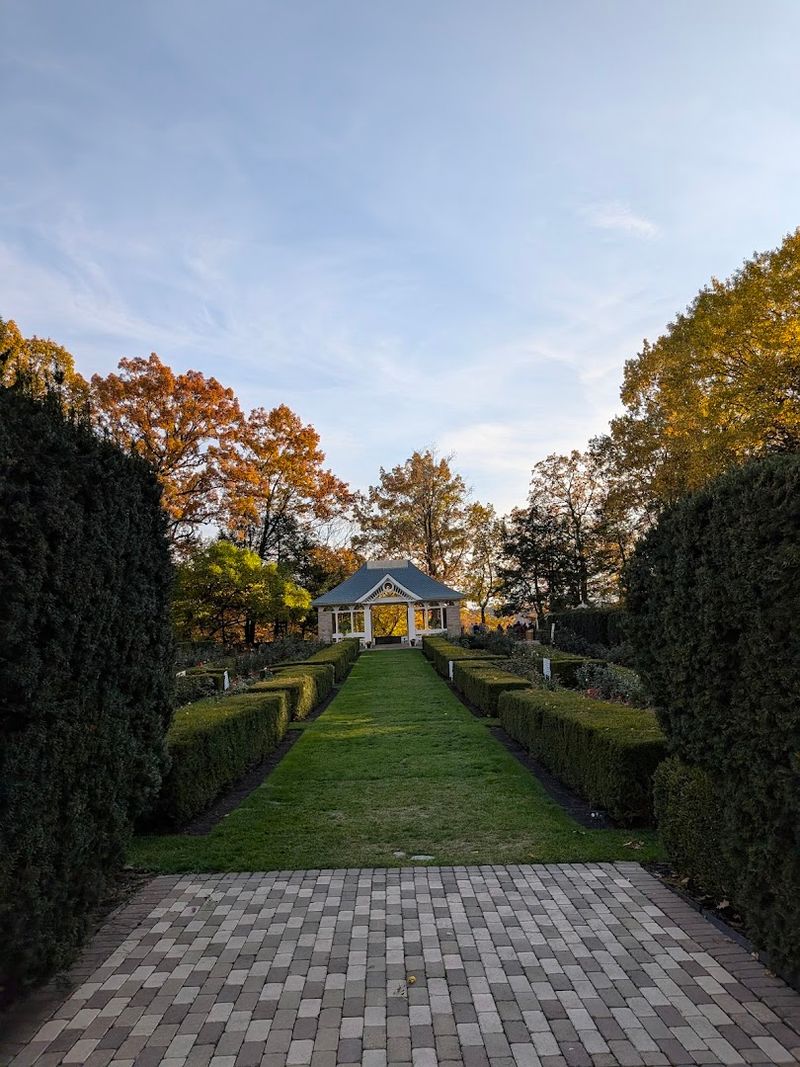
Good garden design doesn’t shout — it guides. Fellows Riverside Gardens was originally laid out in the 1960s with a philosophy that honored the natural terrain rather than fighting it.
Rolling hills were preserved, scenic overlooks were built into the plan, and formal flower beds were woven into the landscape so that nothing feels forced or out of place.
That thoughtful balance between structured planting and natural beauty is what sets this garden apart from more rigid botanical spaces. Walking through it feels organic, like the flowers simply chose to grow there on their own.
The curved pathways lead your eye from one colorful vignette to the next, rewarding slow walkers who take their time.
Seasonal changes make the garden look dramatically different from one month to the next. What looks like a soft green carpet in early spring becomes a riot of color by May, then mellows into warm summer tones before autumn adds its own golden palette.
The original designers clearly understood that a great garden isn’t static — it’s a living canvas that shifts and surprises. That timeless vision still holds up beautifully more than six decades later.
Signature Gardens Within the Garden
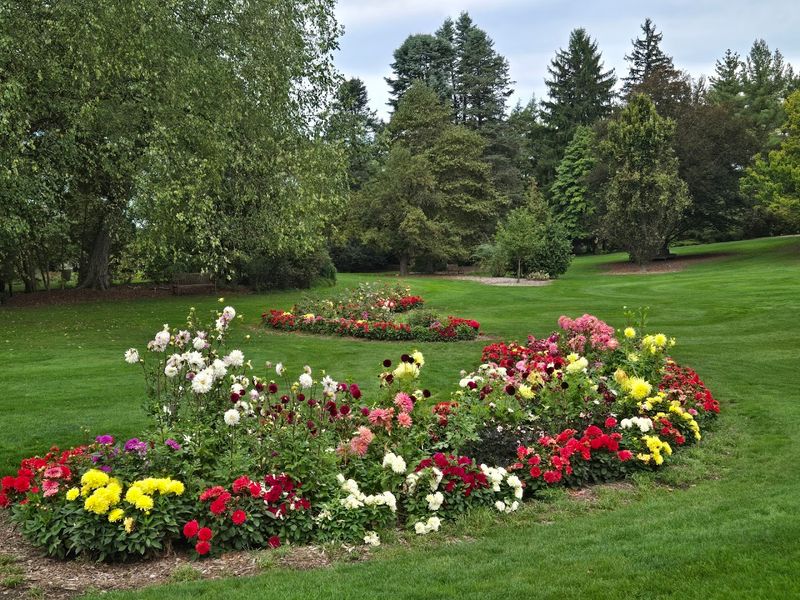
One garden is impressive. Multiple themed gardens within a single space?
That’s genuinely exciting for plant lovers. Fellows Riverside Gardens is divided into distinct areas, each with its own personality, color palette, and seasonal rhythm.
The rose garden, perennial walk, shade gardens, and seasonal display beds each offer a completely different experience — even on the same visit.
The perennial walk is especially beloved by regular visitors because it evolves so dramatically throughout the growing season. Plants that look modest in May are towering and dramatic by August, creating a living timeline of blooms that rewards return visits.
The shade gardens offer a cooler, more tranquil atmosphere with hostas, ferns, and woodland flowers that thrive away from direct sunlight.
Seasonal display beds are where the garden’s creative team really gets to flex its design skills. Each year, new combinations of annuals and perennials are planted to keep the displays fresh and visually surprising.
Families with kids often enjoy exploring these different zones because each one feels like entering a new world. Mapping out which sections you want to visit before you arrive can help you make the most of your time, especially during a busy spring weekend.
The Iconic Rose Collection
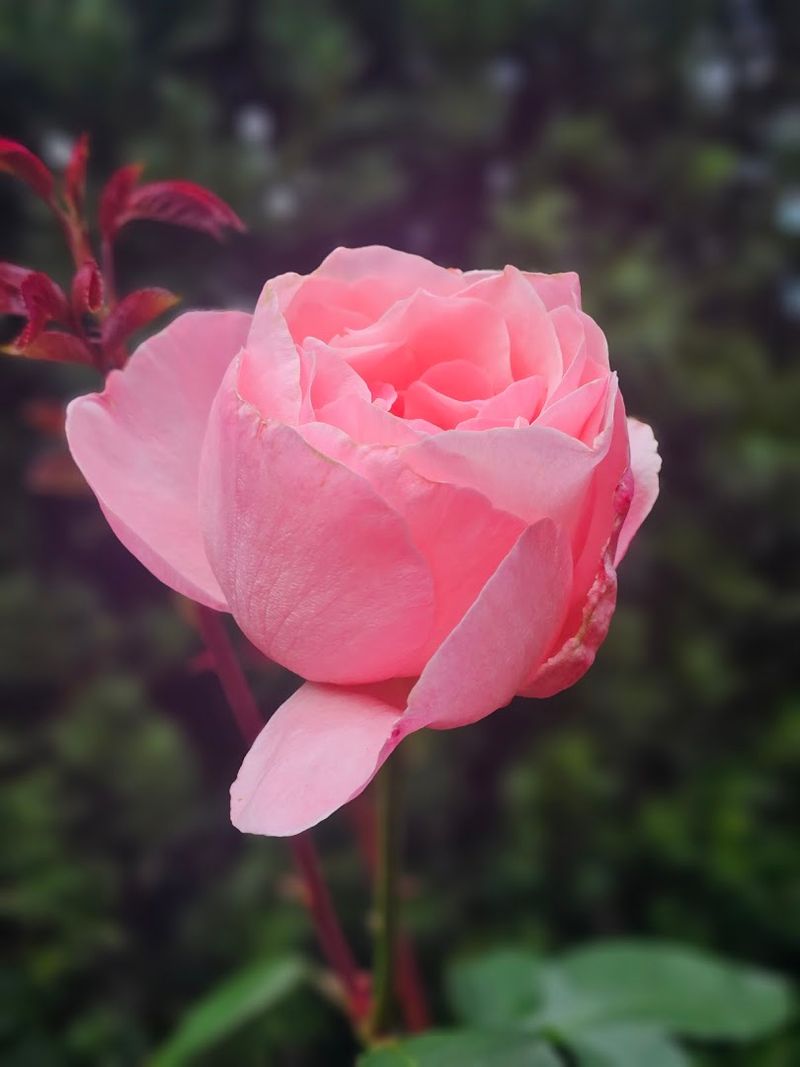
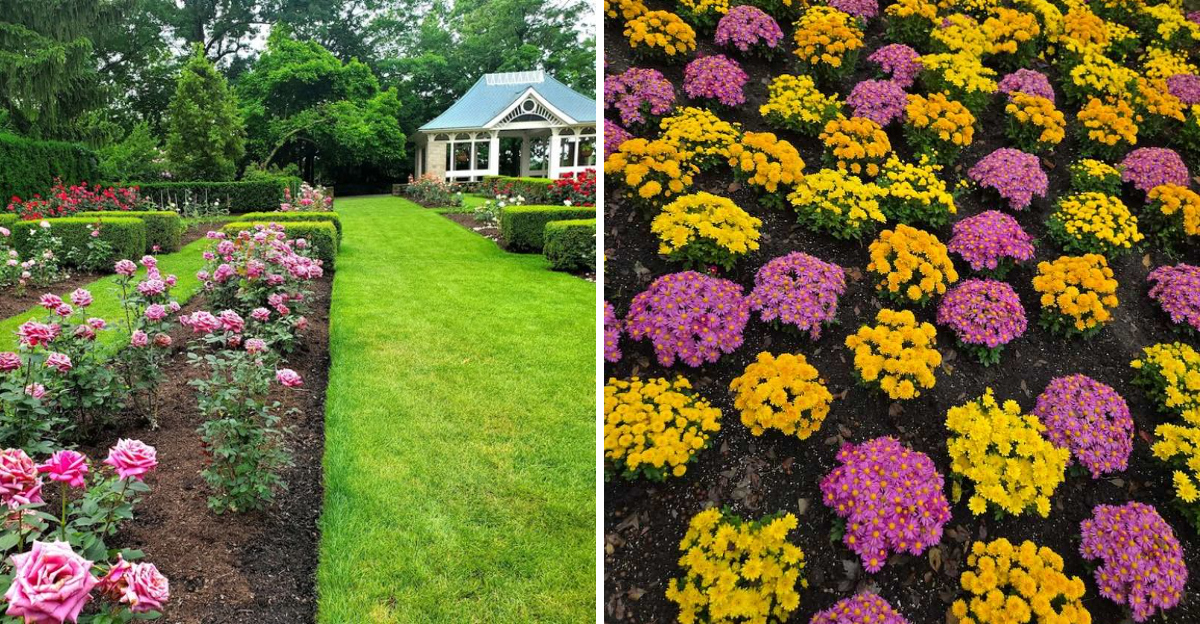
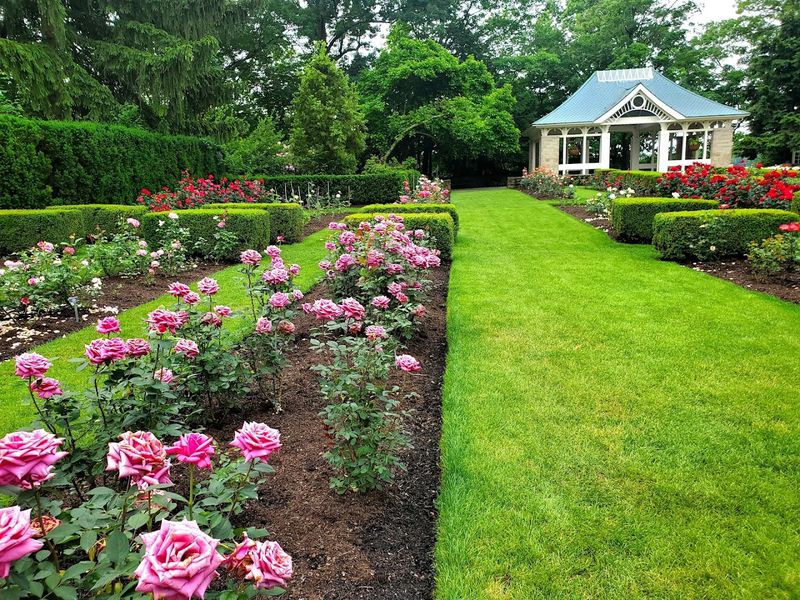
There’s something almost old-fashioned and romantic about a proper rose garden, and Fellows Riverside Gardens delivers one that would impress even the most seasoned garden visitor. The formal rose collection features hundreds of varieties — hybrid teas, grandifloras, climbers, and shrub roses — arranged in geometric beds that give the space an elegant, almost European feel.
Early summer is peak season for the roses, typically around June, when the blooms reach full size and the fragrance becomes almost overwhelming in the best possible way. Morning visits are especially memorable because the dew-covered petals catch the light and the scent hangs heavy in the still air before the afternoon breeze carries it away.
Rose enthusiasts will appreciate the variety labels posted throughout the garden, which make it easy to identify favorites and take note of varieties worth growing at home. The American Rose Society has recognized the collection for its quality and diversity, which gives you a sense of just how seriously the garden takes its roses.
Even visitors who don’t consider themselves rose fans tend to linger here longer than expected, drawn in by the color combinations and the gentle, almost meditative atmosphere of the space.
Year-Round Blooms and Seasonal Transitions
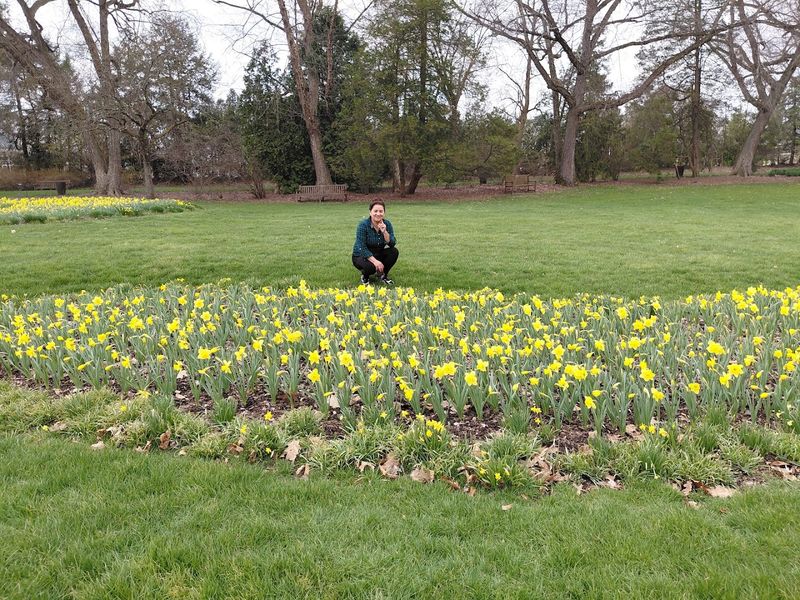
Spring gets all the headlines thanks to those 40,000 bulbs, but Fellows Riverside Gardens is genuinely worth visiting in every single season. The garden’s planting strategy is designed so that something is always blooming or visually interesting, no matter when you show up.
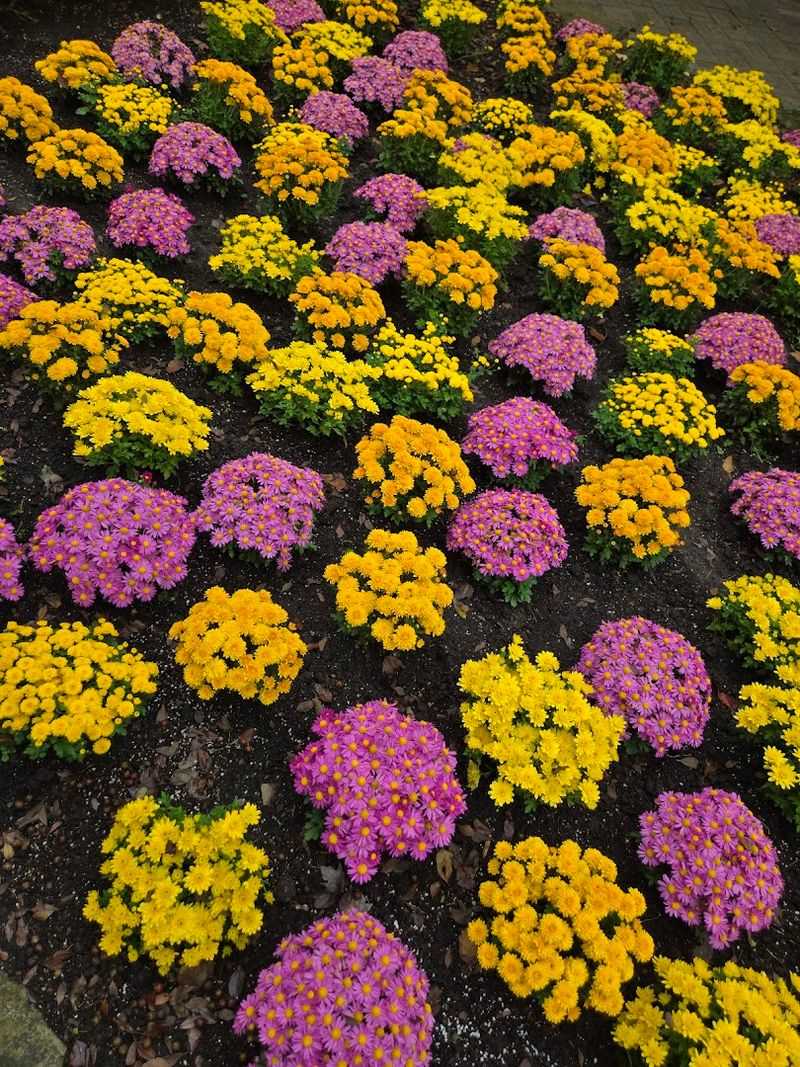
Summer brings perennials, annuals, and the rose collection to full glory, while fall introduces warm tones from ornamental grasses, dahlias, and chrysanthemums.
Even winter has its quiet charms here. The garden’s structural elements — the pergolas, stone walls, evergreen plantings, and sculptural seed heads left standing for winter interest — give the space a peaceful, contemplative beauty that’s completely different from its spring exuberance.
Some visitors say winter is actually their favorite time to walk the grounds because the crowds are gone and the garden feels like a private retreat.
Planning visits across multiple seasons is a rewarding way to experience everything the garden has to offer. Keeping a simple photo journal from visit to visit can be a fun personal project, especially for kids learning about plant life cycles.
The staff also updates seasonal plantings regularly, so even frequent visitors are likely to spot something new each time they come back to explore.
The Davis Visitor and Education Center
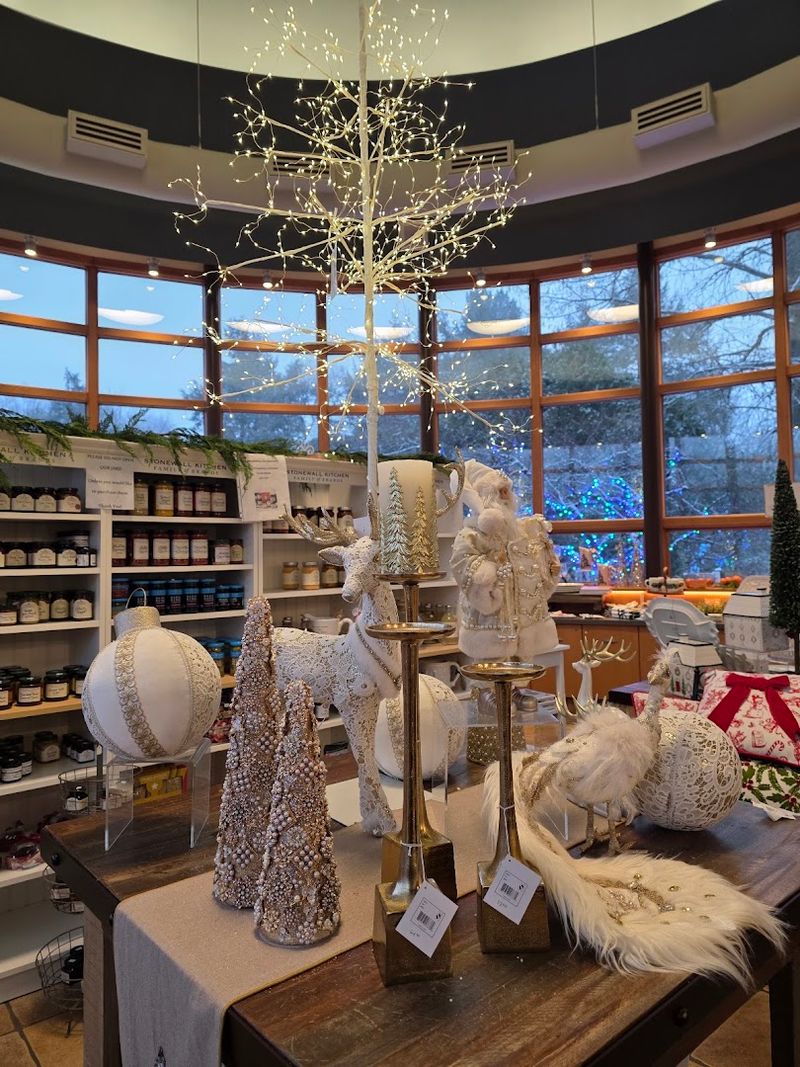
A garden this thoughtfully designed deserves an equally impressive home base, and the Davis Visitor and Education Center delivers exactly that. Located on the grounds of Fellows Riverside Gardens, this facility serves as the heart of the garden’s educational and cultural mission.
Inside, you’ll find a horticultural library stocked with books, magazines, and reference materials for plant enthusiasts of all levels.
The art gallery rotates exhibits throughout the year, often featuring works inspired by nature, the seasons, or the garden itself. It’s a genuinely lovely surprise for first-time visitors who didn’t expect to find fine art alongside flowers.
Classrooms and meeting spaces host workshops, lectures, and community events that connect people with horticulture in hands-on, practical ways.
Seasonal exhibits inside the center complement what’s blooming outside, giving visitors helpful context about the plants they’ve just seen or are about to explore. For school groups, the education center is a major draw because it transforms a garden visit into a full-day learning experience.
Even solo visitors benefit from stopping inside before heading out to the gardens — the staff and volunteers are knowledgeable, friendly, and genuinely enthusiastic about helping people get the most from their visit.
Scenic Views and Peaceful Spaces
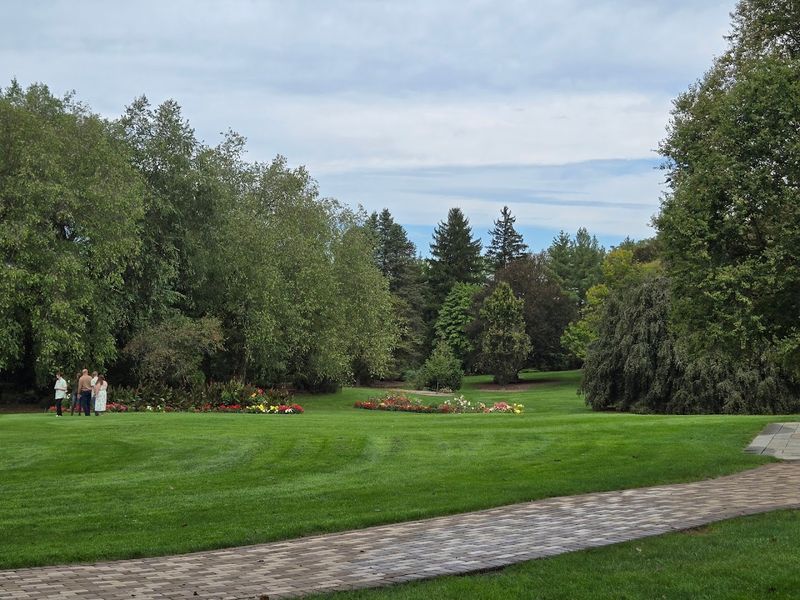
Some places are made for rushing through, but Fellows Riverside Gardens is absolutely not one of them. The grounds are designed with rest in mind — quiet benches tucked under shade trees, gazebos positioned to frame a perfect view, and winding paths that invite you to slow down and actually look at what’s around you.
It’s the kind of place where an hour can easily stretch into three without you noticing.
The observation tower is one of the garden’s most beloved features, offering an elevated view of Lake Glacier and the surrounding Mill Creek Park landscape. On a clear spring morning, the panorama from the top is genuinely breathtaking — colorful flower beds in the foreground, the lake shimmering in the distance, and the green canopy of the park stretching out in every direction.
Photographers, both amateur and professional, flock to the garden throughout the year because the scenic compositions seem to present themselves at every turn. Families often bring picnic lunches and claim a sunny spot near the formal gardens for an afternoon of relaxed outdoor enjoyment.
The garden’s thoughtful design ensures that even the most crowded spring weekend feels spacious and unhurried once you find your favorite quiet corner.
Events, Classes, and Community Experiences
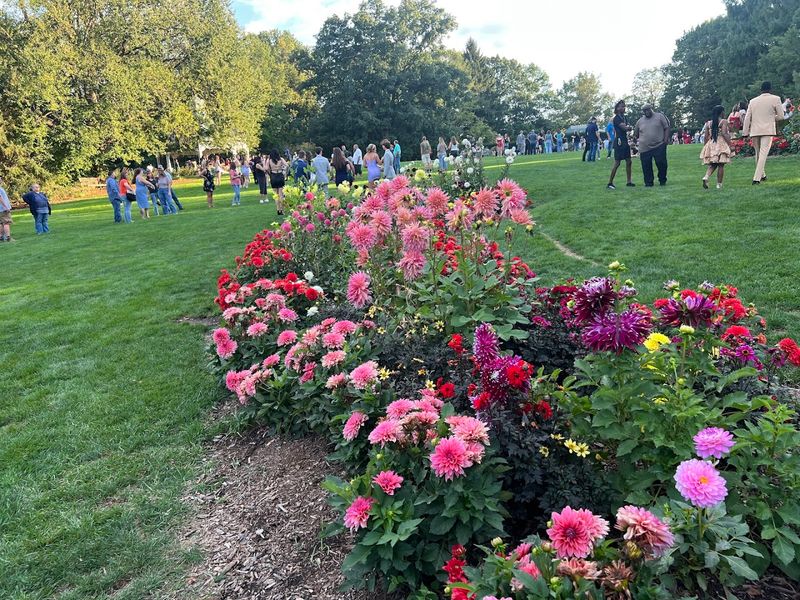
Beyond the flowers, Fellows Riverside Gardens functions as a true community hub. The calendar of events runs year-round and covers an impressive range of interests — from outdoor yoga sessions among the blooming perennials to hands-on gardening workshops, seasonal festivals, flower shows, and photography walks.
With over 400,000 visitors coming through annually, the garden clearly resonates with people across all ages and backgrounds.
Spring brings some of the most popular programming, timed to coincide with the peak bulb display. Guided tours led by knowledgeable volunteers offer context and storytelling that makes the garden feel even more alive.
Fall festivals celebrate the harvest season with activities that are especially popular with families and school groups looking for an outdoor educational outing.
Classes offered through the education center range from beginner gardening basics to advanced floral design, giving participants skills they can take home and apply in their own yards. The community garden programs connect local residents with growing spaces and horticultural mentorship.
Checking the events calendar on the Mill Creek MetroParks website before your visit is always a smart move — you might arrive on a day when something extra special is happening, turning a regular garden walk into a genuinely memorable experience.
Visitor Info and Tips for Planning Your Trip
Ready to visit? Fellows Riverside Gardens is located at 123 McKinley Ave, Youngstown, OH 44509, right inside Mill Creek Park.
Admission is completely free, and the outdoor grounds are open daily from sunrise to sunset. The Davis Visitor and Education Center keeps its own hours, so checking the Mill Creek MetroParks website before your trip ensures you don’t miss any indoor exhibits or programming.
Late April through mid-May is the absolute best window for catching the famous spring bulb display at its peak. Tulips especially tend to hit their stride around the last week of April, though exact timing shifts slightly each year depending on weather.
Arriving on a weekday morning gives you the quietest experience and the best light for photos.
Wear comfortable walking shoes — the grounds cover 12 acres and the terrain includes gentle hills and uneven paths. Bringing a camera or making sure your phone is fully charged is strongly recommended because photo opportunities are everywhere.
Strollers and wheelchairs are welcome on most pathways. Parking is free and available near the visitor center entrance.
Before you leave, check the events calendar for upcoming workshops or seasonal festivals that might bring you back for another visit soon.