Just a short boat ride from Cedar Key on Florida’s Gulf Coast lies a hauntingly beautiful island that most people have never heard of.
Atsena Otie Key was once a lively 19th-century community, but today it stands silent, swallowed by nature and time.
Crumbling foundations, an old cemetery, and tangled trails are all that remain of a town that once hummed with daily life.
If you love history, wildlife, and off-the-beaten-path adventures, this forgotten Florida gem is absolutely worth exploring.
Where Is Atsena Otie Key?
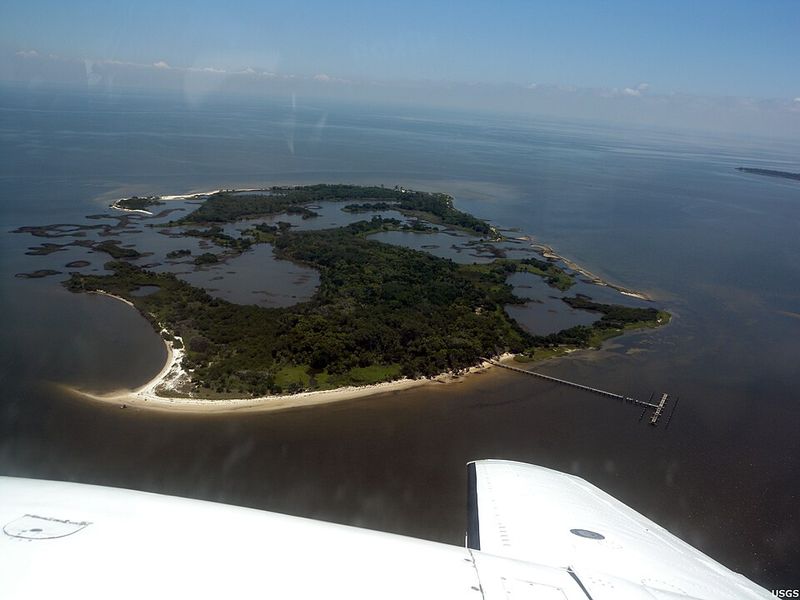
Tucked just offshore from Cedar Key on Florida’s Gulf Coast, Atsena Otie Key is one of those rare places that feels like it belongs to another world entirely. The island sits within a cluster of small keys, reachable only by boat, kayak, or a short ferry ride from Cedar Key’s waterfront.
Cedar Key itself is already a small, laid-back town far from Florida’s tourist-heavy beaches, which makes Atsena Otie Key feel even more remote and untouched. There are no bridges, no roads, and absolutely no crowds waiting for you on the other side.
That sense of isolation is a big part of what makes the trip so appealing.
The island is part of the Cedar Keys National Wildlife Refuge, which means it is federally protected and carefully preserved. Getting there takes only about ten minutes by boat, but once you step ashore, the modern world seems to disappear completely.
For anyone craving a quiet escape wrapped in genuine Florida history, Atsena Otie Key delivers something truly rare and unforgettable.
A Once-Thriving 19th-Century Community
Hard to believe now, but Atsena Otie Key was actually the original center of activity in this part of Florida long before Cedar Key took over. Back in the mid-1800s, the island was home to a real, working community complete with homes, businesses, a post office, and an active pencil mill that shipped cedar wood products across the country.
The Eberhard Faber Pencil Company operated a factory here, taking advantage of the island’s abundance of red cedar trees. Workers and their families settled on the island, building a small but surprisingly connected town with reliable steamboat service linking them to the mainland.
Life here was practical, productive, and rooted in the rhythms of the Gulf.
At its peak, the settlement was a legitimate commercial hub, not just a seasonal outpost. Merchants, fishermen, mill workers, and their families carved out everyday lives on this tiny stretch of land surrounded by saltwater.
Knowing that history makes walking through the overgrown ruins today feel especially powerful, like stumbling across a secret that the forest has been quietly keeping for well over a century.
The Devastating Hurricane of 1896
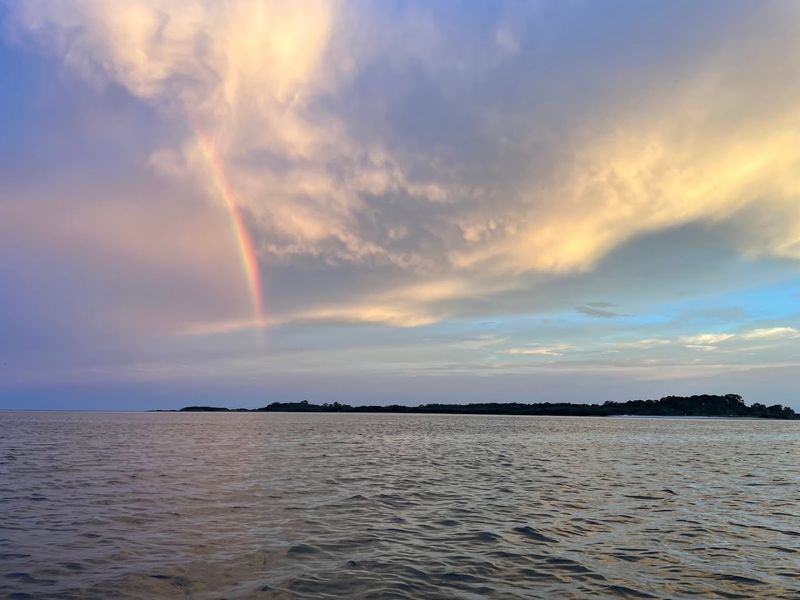
Few events in Florida history hit as hard and as personally as the Cedar Keys Hurricane of 1896. When that powerful storm made landfall on September 29th, it did not just damage the island community on Atsena Otie Key — it essentially erased it.
Storm surge flooded the low-lying island, destroying homes, the mill, and most of the infrastructure that residents had spent decades building. The loss of life was significant, and for those who survived, the choice was heartbreaking but clear: rebuild somewhere safer or leave for good.
Most families packed what they could carry and relocated to the mainland or to Cedar Key, which sat on slightly higher ground.
What the hurricane left behind was a ghost town in the truest sense of the phrase. Buildings were reduced to foundations, streets became overgrown, and the island slowly returned to nature.
The storm is a sobering reminder of how quickly a thriving community can be undone by a single catastrophic event. Visitors who know this backstory often say the ruins feel less like abandoned architecture and more like a memorial to the people who once called this place home.
Visible Ruins Hidden in Plain Sight
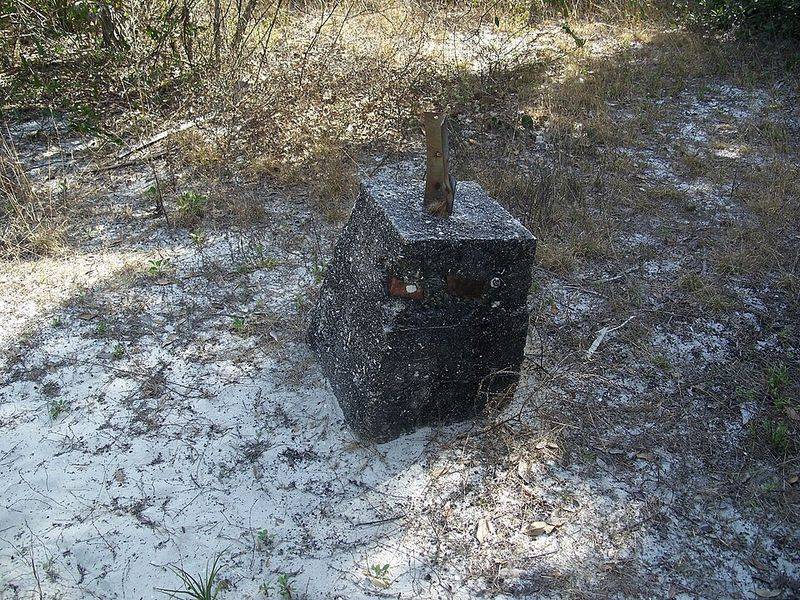
One of the most surprising things about visiting Atsena Otie Key is realizing that the ruins are not behind a fence or labeled with museum-style signage. They are just there, sitting quietly among the trees and underbrush, waiting for curious eyes to notice them.
Scattered bricks, low stone foundations, and faint outlines of what were once streets and pathways peek through the vegetation in a way that feels almost accidental. You might be walking a trail and suddenly spot a crumbling wall half-swallowed by a palm root, or notice a perfectly laid brick border running along the forest floor.
These small discoveries are genuinely exciting, like piecing together a puzzle without the box.
The ruins are subtle rather than dramatic, which actually makes them more interesting in some ways. You have to slow down and pay attention to really see what is there.
Bring a curious mindset and maybe a field guide to the island’s history, and you will find yourself reading the landscape like a story. Each brick and broken wall represents a real room, a real family, a real moment in time that the forest has done its best to reclaim.
The Old Cemetery and Its Stories
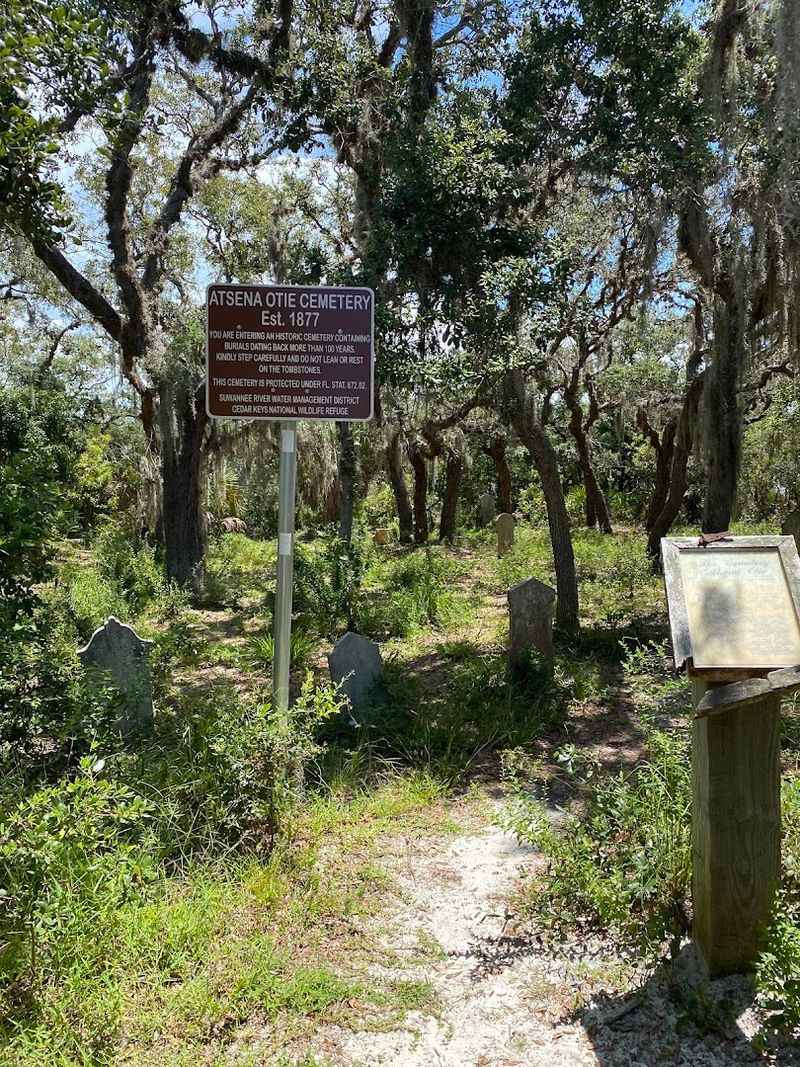
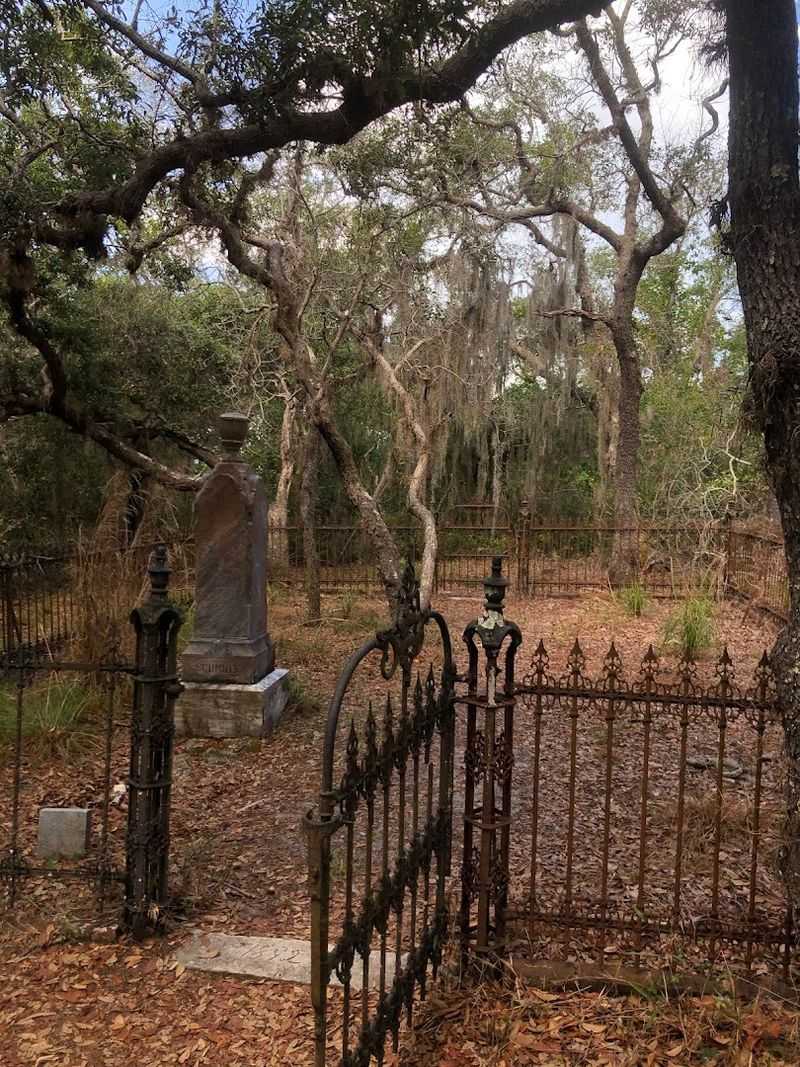
Cemeteries have a way of making history feel personal, and the small graveyard on Atsena Otie Key is no exception. Tucked within the island’s vegetation, this modest burial ground holds the weathered markers of people who lived, worked, and died on this remote strip of Gulf Coast land during the 1800s.
Some of the headstones are still legible, bearing names and dates that connect visitors to real individuals rather than just abstract history. Children, adults, and elderly residents alike are buried here, a quiet cross-section of the community that once thrived on the island.
Standing among those graves, you get a genuine sense of how complete and human this place once was.
The cemetery is maintained by the U.S. Fish and Wildlife Service and remains accessible to visitors today.
It is one of the most emotionally resonant spots on the island, not because it is spooky, but because it is honest. Life here was not easy, and the gravestones make that truth impossible to ignore.
Many visitors leave the cemetery walking a little more slowly, thinking about the stories those stones carry and the community that placed them there so long ago.
A Haven for Wildlife and Birdwatching
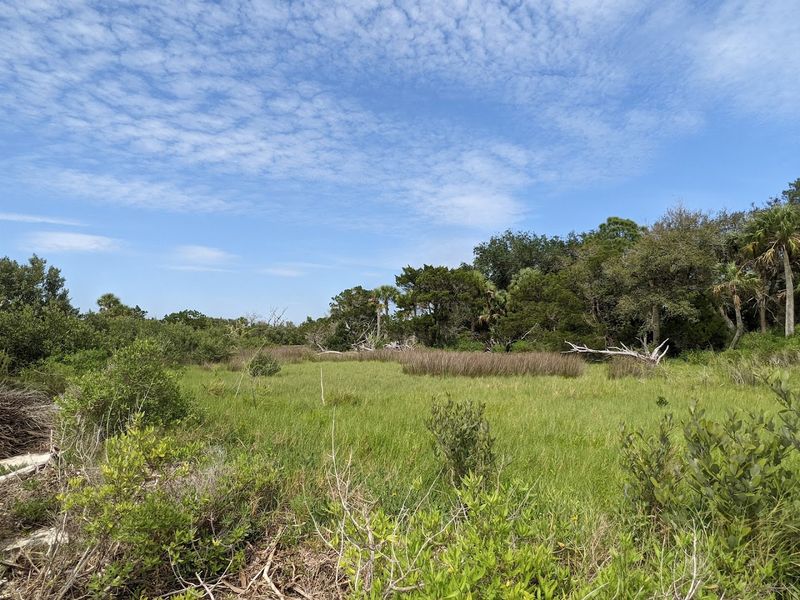
While the island’s human history draws many visitors, the wildlife here is equally compelling and far more active. Atsena Otie Key sits within the Cedar Keys National Wildlife Refuge, a designation that has allowed the island’s ecosystem to recover and flourish over the past century.
Birdwatchers especially love this spot. Brown pelicans, osprey, great blue herons, roseate spoonbills, and various shorebirds can be spotted along the shoreline and within the forest interior.
During migration season, the island becomes a temporary rest stop for dozens of additional species, making it a genuinely exciting destination for birders of all experience levels.
Beyond birds, the surrounding waters teem with marine life including bottlenose dolphins, manatees, and a wide variety of fish species. The seagrass beds and shallow flats around the island provide critical habitat for juvenile sea life, which in turn supports the larger ecosystem.
Visiting Atsena Otie Key feels like stepping into a functioning natural world that has largely been left alone to thrive. For nature lovers, that combination of historical ruins and vibrant wildlife creates an experience that is hard to match anywhere else along Florida’s Gulf Coast.
The Scenic Boat Ride Experience
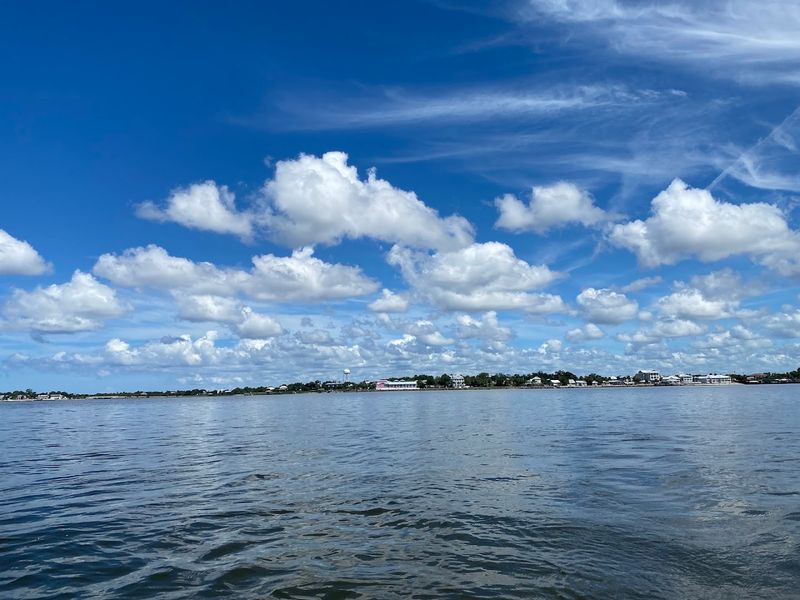
Getting to Atsena Otie Key is not just a means to an end — the boat ride itself is genuinely one of the highlights. The crossing from Cedar Key takes roughly ten to fifteen minutes over calm, shallow Gulf waters that shimmer in the Florida sun.
Keep your eyes on the water as you travel, because dolphin sightings are common and occasionally spectacular. Pods of bottlenose dolphins often ride alongside boats, surfacing just close enough to make even seasoned travelers catch their breath.
Brown pelicans glide overhead, and the wide open views of sky and sea create the kind of peaceful, expansive feeling that is hard to find in everyday life.
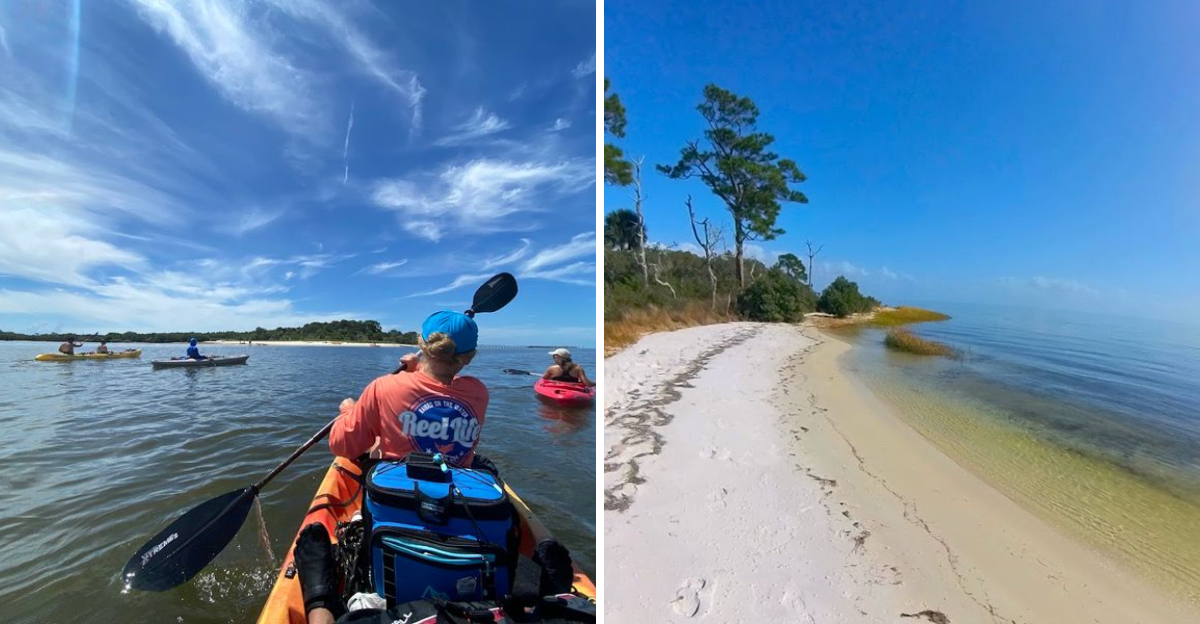
Kayakers and paddleboarders also make the crossing regularly, enjoying a slower, more intimate version of the trip. The shallow water is generally calm and clear, making it ideal for paddling on most days.
Whether you opt for a motorized ferry, a rented kayak, or your own vessel, arriving at the island by water sets the perfect tone for the exploration ahead. That moment when the boat slows and the island comes into focus feels like arriving somewhere genuinely special — because it is.
Walking Trails Through Maritime Forest
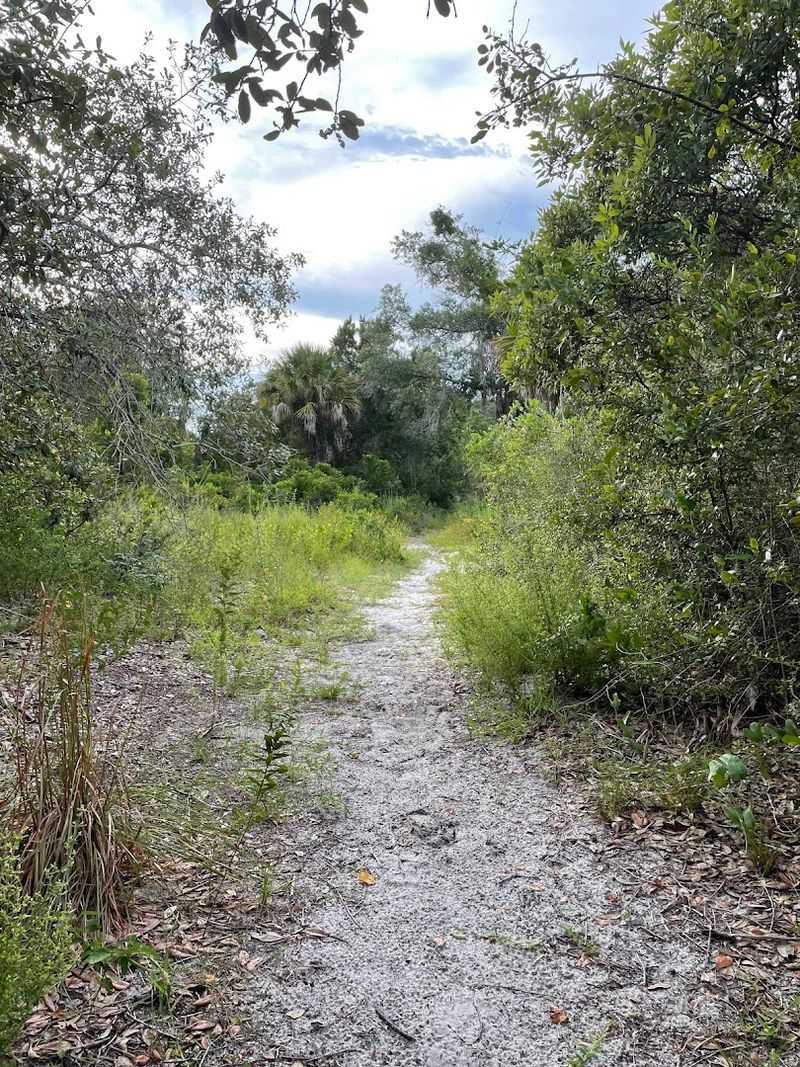
Atsena Otie Key may be small, but it offers a surprisingly satisfying walking experience for those willing to explore beyond the shoreline. A loop trail winds through the island’s interior, passing through a dense maritime forest filled with cedar trees, sabal palms, and thick coastal shrubs.
Walking the trail is a bit like time traveling. As you move deeper into the forest, the ruins of the old settlement begin to appear alongside the natural landscape, blending history and ecology in a way that feels organic and unhurried.
Interpretive markers along parts of the trail help visitors understand what they are seeing, connecting the physical remnants to the human stories behind them.
The trail is not long — most visitors complete the loop in under an hour — but it rewards slow walkers who stop to look closely. Wildflowers, ferns, and native plants crowd the path edges, and the forest canopy provides welcome shade on warm Florida days.
Birdcalls echo through the trees, and the occasional rustle in the underbrush hints at the abundant wildlife sharing the space. For anyone who loves a walk that doubles as a history lesson wrapped in natural beauty, this trail absolutely delivers.
A Quiet, Eerie Atmosphere
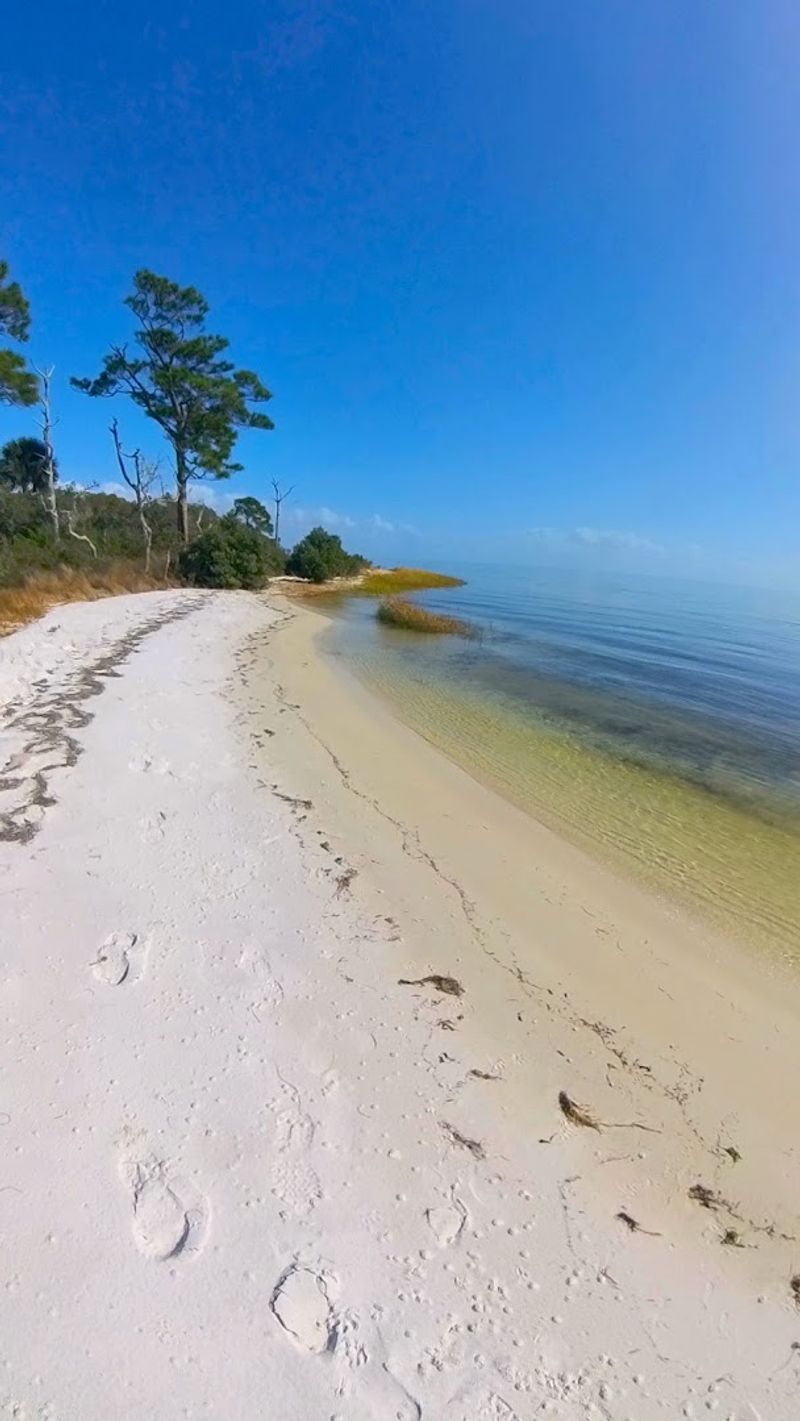
There is something about Atsena Otie Key that gets under your skin in the best possible way. With no permanent residents, no shops, and no background noise of modern life, the island operates on its own quiet frequency that is both calming and slightly unsettling.
Wind moves through the palms with a low, constant hush. Waves lap gently at the shoreline.
Birds call and fall silent. The ruins sit exactly where they were left more than a hundred years ago, neither restored nor removed, just slowly merging with the earth around them.
That stillness has a weight to it, a sense that the island is holding its breath.
Visitors often describe the experience as ghostly, not in a frightening way, but in the way that abandoned places carry echoes of the lives once lived within them. You find yourself listening for sounds that are not there anymore — children playing, hammers striking, boats unloading at the dock.
The atmosphere on Atsena Otie Key is unlike anywhere else in Florida, and for those who appreciate the poetic side of history, that eerie quiet is not something to rush through. It is something to sit with and feel.
Tips for Visiting Atsena Otie Key
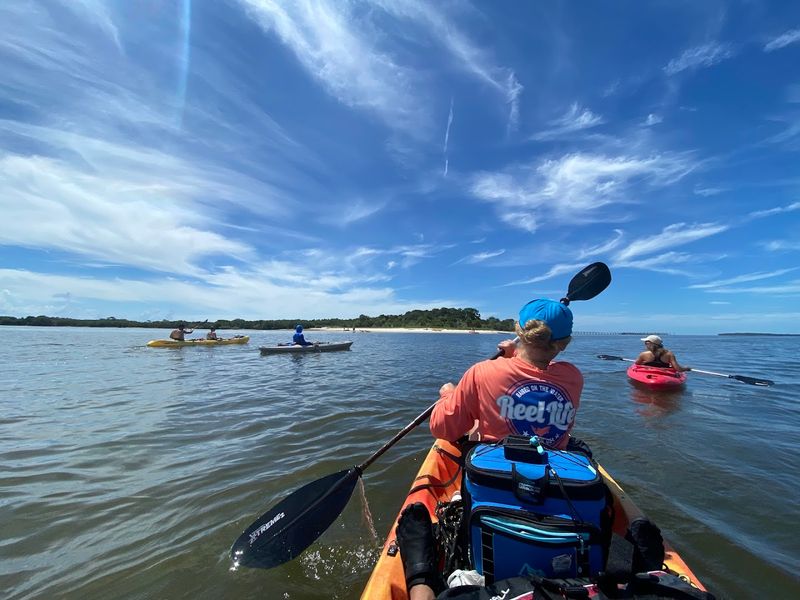
Planning ahead makes all the difference when visiting a place with zero facilities and a boat-only access point. Start by checking with local outfitters in Cedar Key for kayak rentals, guided tours, or scheduled ferry service.
Prices are generally affordable, and staff can give you up-to-date information on tides, water conditions, and the best times to go.
Pack everything you need before you leave the mainland, because there are no restrooms, water fountains, vending machines, or shelters on the island. Bring plenty of water, sunscreen, bug spray, and snacks.
Sturdy, closed-toe shoes are a smart choice for navigating uneven terrain along the trail, especially near the ruins where loose bricks and roots can catch you off guard.
Timing matters more than most people realize. Morning visits offer cooler temperatures and better wildlife activity, while late afternoon light is gorgeous for photography.
Tidal conditions affect both the boat crossing and the beach areas, so checking tide charts before you go is genuinely useful. Also, the island is federally protected, so leave everything exactly as you find it — no removing bricks, plants, or any other natural or historical materials.
Respect the place, and it will reward you with an experience you will not forget.