Tucked inside the Columbus Zoo & Aquarium in Powell, Ohio, the Heart of Africa exhibit is a sprawling 43-acre African-style savanna that feels worlds away from the suburbs.
Here, you can hand-feed towering giraffes, watch cheetahs tear across open plains, and explore a richly themed landscape teeming with wildlife.
Whether you are a first-time zoo visitor or a seasoned wildlife enthusiast, this experience delivers authentic animal encounters that are hard to find anywhere else in the Midwest.
Get ready to discover everything that makes Heart of Africa one of Ohio’s most unforgettable destinations.
Ohio’s African Savanna Adventure
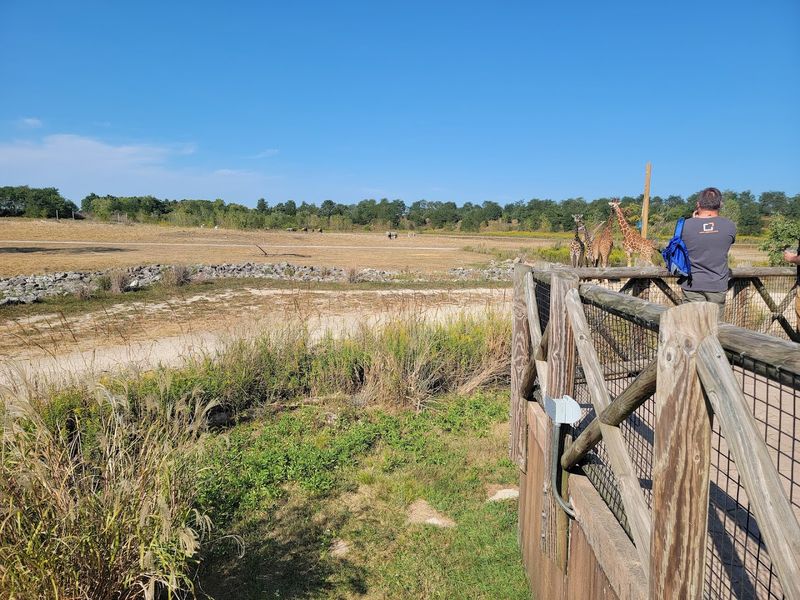
Stepping into Heart of Africa feels less like visiting a zoo and more like boarding a flight to the Serengeti. The Columbus Zoo & Aquarium in Powell, Ohio, has transformed 43 acres of land into a living, breathing African grassland where animals roam, graze, and behave just as they would in the wild.
It is one of the most ambitious wildlife exhibits in the entire Midwest.
The savanna is designed to blur the line between observer and environment. Wide-open spaces, natural vegetation, and carefully planned animal habitats give visitors the sense that they have truly left Ohio behind.
You are not peering through glass — you are standing in a landscape that mirrors the real Africa.
Families, school groups, and solo explorers all find something extraordinary here. The sheer scale of the exhibit means there is always something happening: a herd grazing in the distance, a bird swooping overhead, or a keeper sharing fascinating facts.
Heart of Africa is not just an exhibit — it is an experience that changes how you think about wildlife and the world beyond your backyard.
A Walk Through the Mudiwa Village Entrance
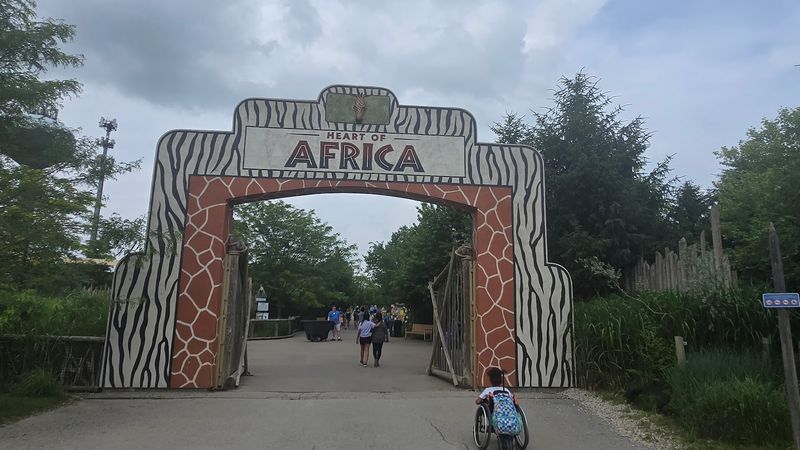
Before you spot a single animal, the Mudiwa Village entrance already has you hooked. Modeled after a traditional African marketplace, this themed gateway greets visitors with bold colors, hand-carved details, woven textures, and ambient sounds that transport you straight to the heart of the continent.
It sets the mood immediately and completely.
The name “Mudiwa” reflects the warmth and spirit of African hospitality, and that feeling carries through every design choice at the entrance. Visitors often pause here to take photos, soak in the atmosphere, and mentally shift gears from their everyday routines.
It is a smart, intentional transition that makes the wildlife encounters feel even more meaningful once you step inside.
Kids especially love the sensory richness of the entrance — the drumbeats, the bright patterns, and the anticipation building around every corner. Adults appreciate the cultural detail and craftsmanship that went into creating an authentic-feeling space.
Even before you see a zebra or giraffe, Mudiwa Village signals that this is not an ordinary zoo visit. The stage is set, the adventure is beginning, and Africa is waiting just a few steps ahead.
Iconic African Animals on Display
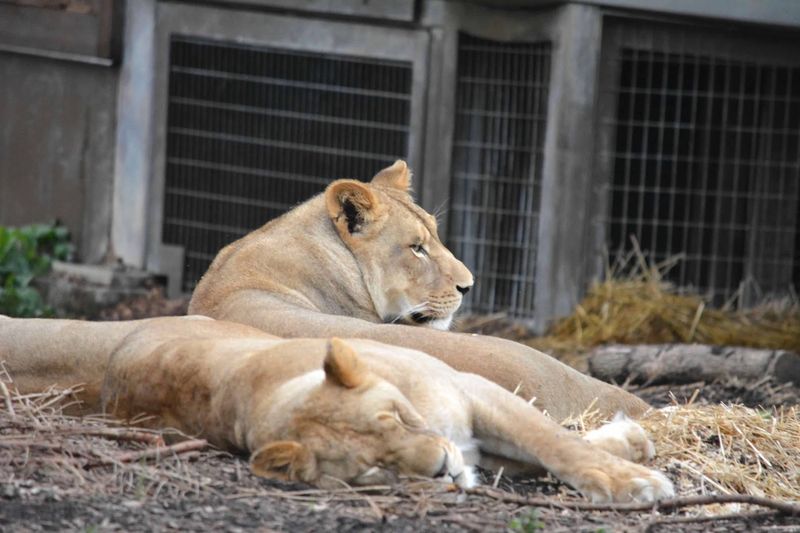
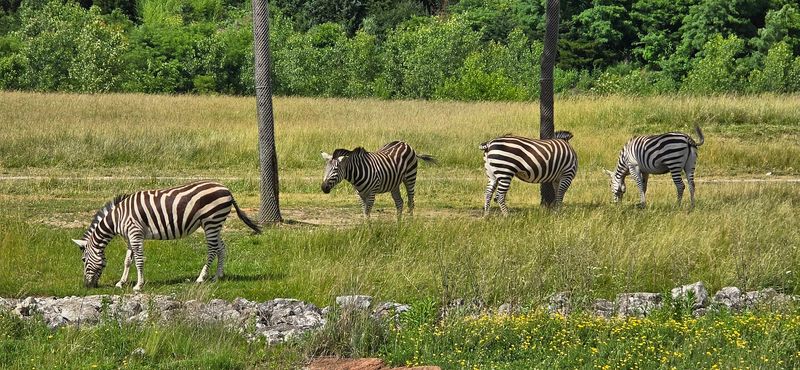
Few things compare to the moment you first glimpse a Masai giraffe stretching its neck above the tree line while zebras graze calmly nearby. Heart of Africa is home to a remarkable collection of iconic savanna species, and the biodiversity on display is genuinely impressive.
Reticulated giraffes, wildebeests, gazelles, and warthogs all share the open landscape in ways that feel completely natural.
What makes this exhibit stand out is how the animals actually interact with each other and their environment. You might see a warthog rooting through the soil while a zebra trots past, or watch gazelles sprint across the field in a burst of energy.
These are not static displays — they are dynamic, living ecosystems playing out in real time right in front of you.
Did you know that reticulated giraffes have a distinct coat pattern that is different from Masai giraffes? Heart of Africa gives you the rare chance to compare both species up close.
The variety of animals on the savanna ensures that every visit feels fresh and full of surprises. Whether you are a budding zoologist or just someone who loves animals, the species lineup here will absolutely deliver.
Hand-Feeding Giraffes: Up Close and Personal
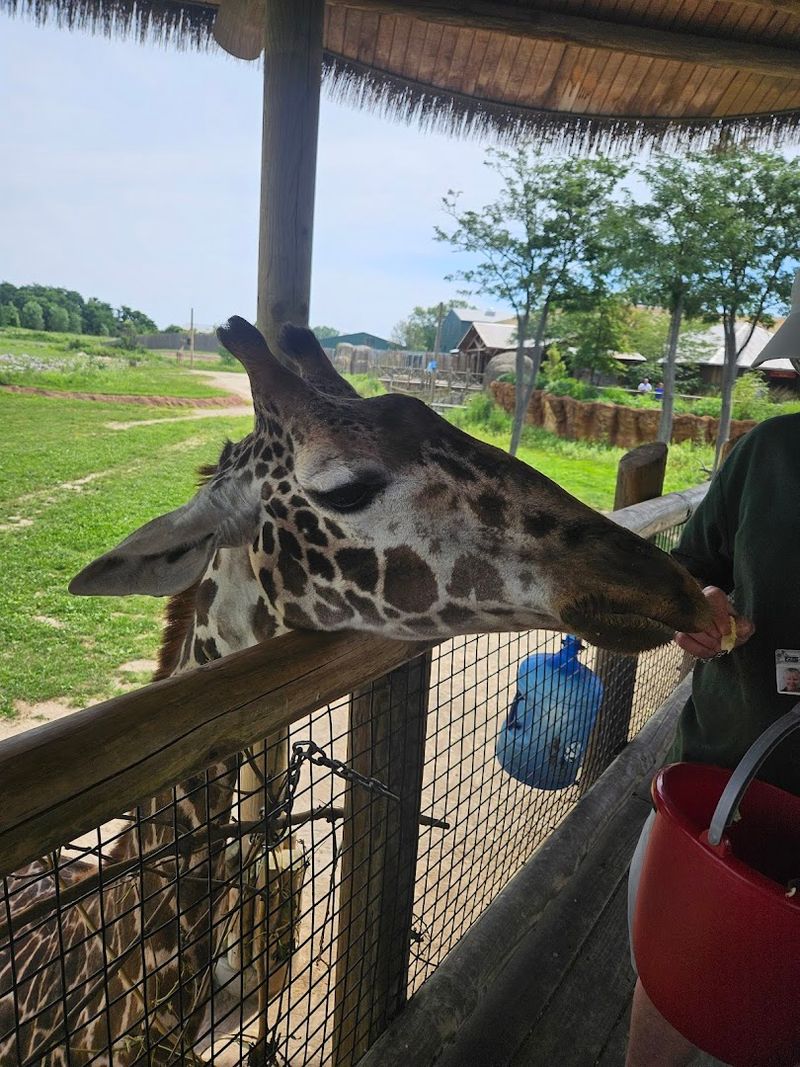
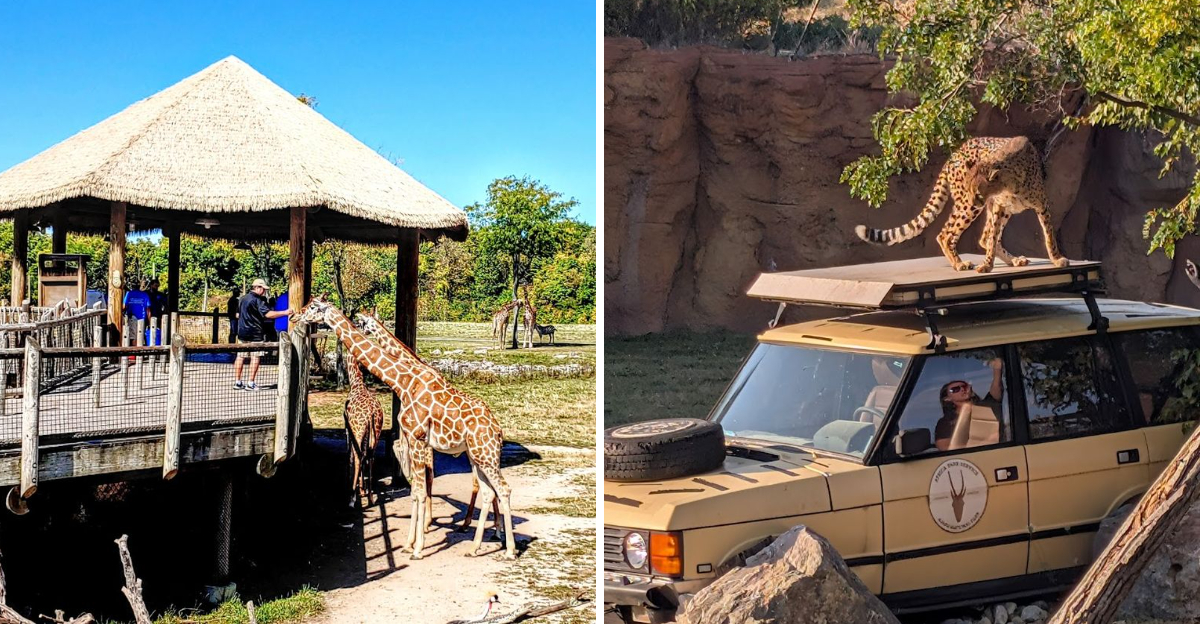
Imagine a giraffe’s enormous tongue — dark purple and nearly 18 inches long — curling around a piece of lettuce right from your hand. That is exactly what happens at the giraffe feeding deck inside Heart of Africa, and it is easily one of the most talked-about moments of any zoo visit in Ohio.
The experience is thrilling, surprisingly tender, and completely unforgettable.
Visitors purchase lettuce leaves on-site and head up to the raised deck, where giraffes calmly approach and accept food directly from outstretched hands. Zoo staff are nearby to guide the experience, answer questions, and share fascinating details about giraffe biology and behavior.
You learn that giraffes spend up to 12 hours a day eating in the wild — suddenly, their appetite makes a lot more sense.
The feeding session is brief but impactful, especially for younger visitors who may never have been this close to such a large animal. Parents often say it is the highlight of their child’s entire zoo trip.
Pro tip: arrive early, as feeding sessions can fill up quickly during peak seasons. The connection you feel in that moment — animal to human, eye to eye — is something you will carry with you long after you leave.
Watch Cheetahs Sprint Across the Plains
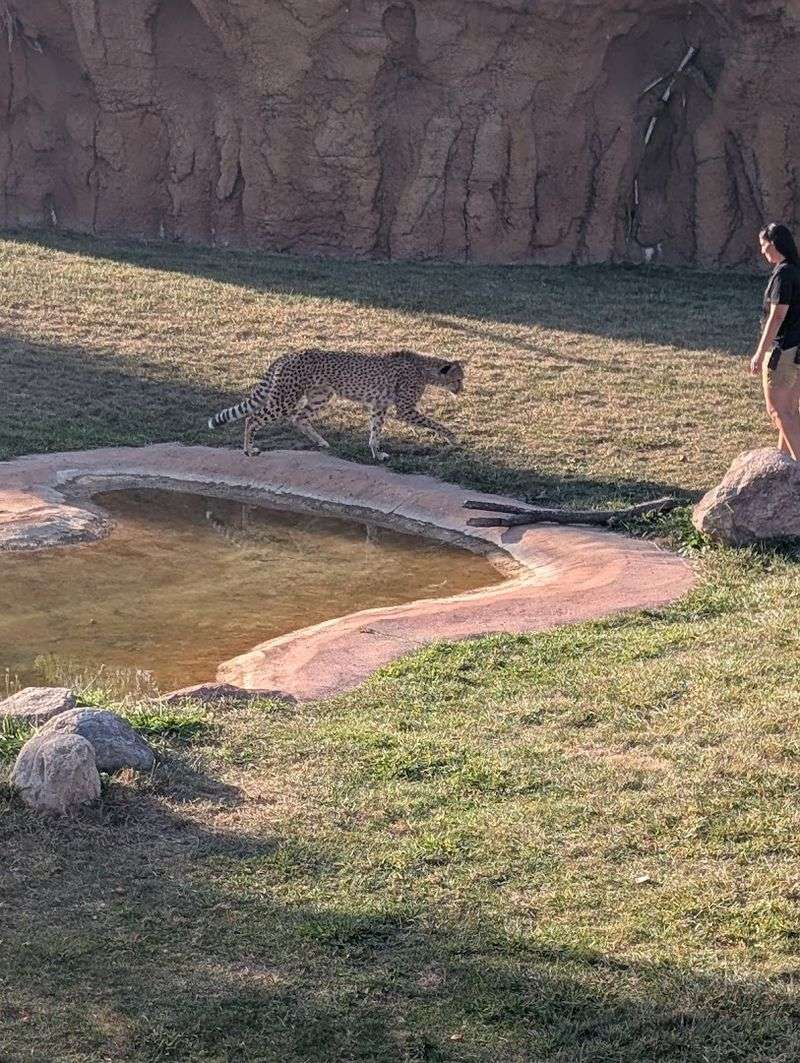
Nothing quite prepares you for watching a cheetah move at full throttle. These cats can reach 70 miles per hour in just a few seconds, and when you see it happen in person, your brain almost refuses to believe what your eyes are witnessing.
Heart of Africa offers cheetah demonstrations that showcase this raw, breathtaking speed in a setting that feels remarkably open and wild.
During these sessions, cheetahs are encouraged to run and engage in natural behaviors across the savanna terrain. Keepers use enrichment techniques that stimulate the animals’ instincts while giving visitors an educational window into how these predators hunt, communicate, and live.
You are not just watching an animal run — you are seeing millions of years of evolution in action.
Cheetahs are listed as vulnerable, with fewer than 7,000 remaining in the wild. Seeing one sprint across the plains at Heart of Africa carries an emotional weight that statistics alone cannot convey.
The demonstrations are scheduled throughout the day, so check the zoo’s daily activity board when you arrive to catch one. Witnessing a cheetah at full speed is the kind of moment that makes people stop mid-sentence and just stare, completely awestruck.
Savanna Safaris: Guided Tours Through the Habitat
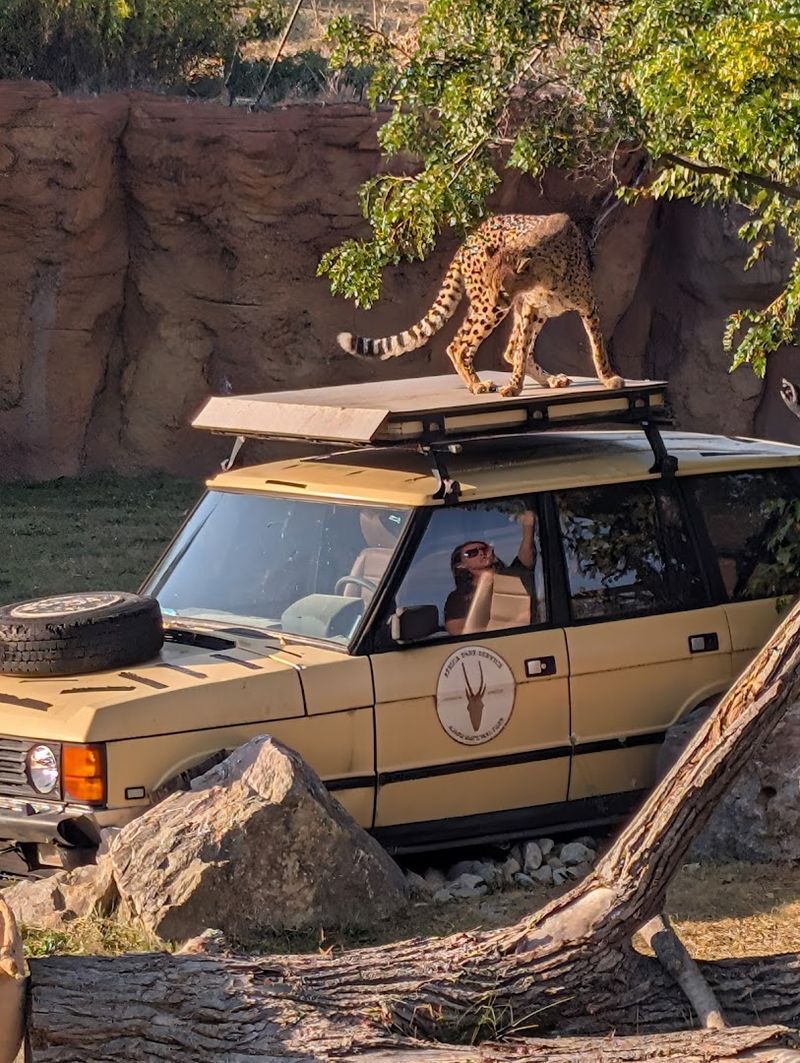
For visitors who want to go beyond walking the paths, the Ultimate Africa Safari truck tour offers a whole new level of immersion. Climb aboard an open-air vehicle and roll through the savanna with a knowledgeable guide narrating every moment — pointing out animal behaviors, sharing conservation stories, and bringing the landscape to life in ways a self-guided walk simply cannot match.
The truck brings you closer to animals than standard viewing areas allow, and the elevated vantage point creates incredible photo opportunities. Giraffes might stroll right alongside the vehicle, and zebras sometimes graze just a few feet away.
Families with younger kids especially love this format because it keeps everyone engaged and comfortable while covering more ground than they could on foot.
Safari tours are available for an additional fee and tend to book up quickly, especially on weekends and during peak summer months. Booking in advance through the Columbus Zoo’s website is strongly recommended.
Groups of all sizes can participate, making it a fantastic option for birthday celebrations, school outings, or family reunions. The guided safari format transforms a great zoo visit into something that genuinely rivals wildlife experiences found in far more exotic — and far more expensive — destinations around the world.
Other Immersive Experiences and Activities
Camel rides might not be what most people expect from an Ohio zoo, but Heart of Africa delivers them with a flair that feels completely in step with the savanna setting. Kids and adults alike can take a short guided ride on these famously resilient animals, adding a tactile, hands-on element to the visit that goes well beyond observation.
It is one of those activities that kids beg to do again before they have even finished the first round.
Keeper talks are another highlight that serious animal lovers should not miss. These scheduled sessions offer behind-the-scenes insights into daily animal care, enrichment routines, and the health management of savanna species.
Keepers share stories that humanize the animals and deepen visitor appreciation for what goes into maintaining a world-class wildlife habitat.
Enrichment demonstrations show how zoo animals are mentally and physically stimulated through puzzles, scent trails, and novel objects — practices that mirror challenges animals face in the wild. Watching a warthog investigate a new enrichment item or a giraffe reach for a hanging food puzzle adds a layer of scientific curiosity to the visit.
Together, these activities create a full-day experience that feels educational without ever feeling like a classroom lesson.
Dining With a View: Mapori Restaurant
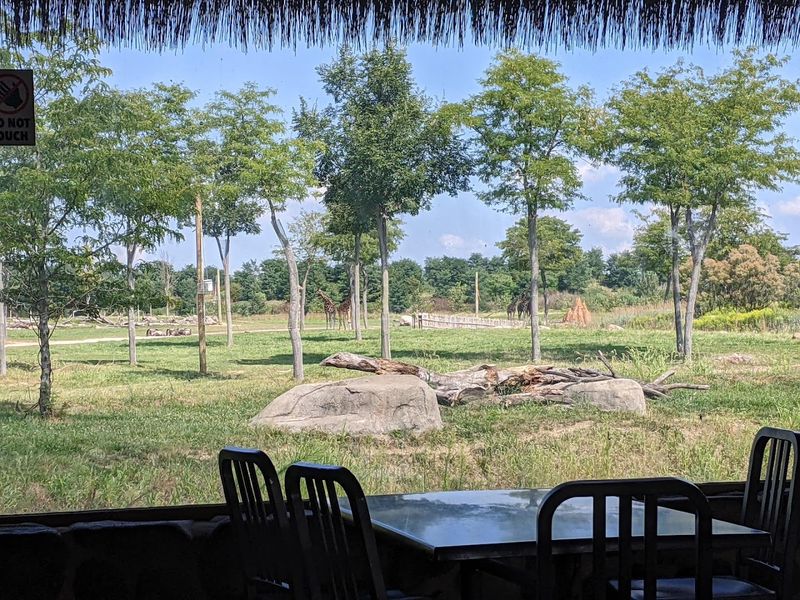
Lunch at Mapori Restaurant is not your average zoo food stop. Perched with sweeping views of the savanna, this on-site dining spot lets you watch giraffes stretch toward treetops and zebras wander the plains while you enjoy your meal.
It is the kind of setup that turns a simple lunch break into one of the most memorable parts of the day.
The menu features a solid selection of meals that work well for families with varied tastes. From sandwiches and wraps to heartier entrees, there is enough variety to keep everyone satisfied without breaking the budget too dramatically.
The outdoor seating area is especially popular on clear days when the savanna views are at their most spectacular and animals are most active.
Timing your meal around peak animal activity — usually mid-morning or late afternoon — can reward you with some truly remarkable sights right from your table. Imagine watching a cheetah pace its habitat while sipping a cold drink in the shade.
Mapori gives visitors a chance to decompress, recharge, and reflect on everything they have seen. It is a relaxed, safari-style pause that feels completely at home within the Heart of Africa experience, and it often becomes a favorite memory for families who visit.
Conservation and Education Mission
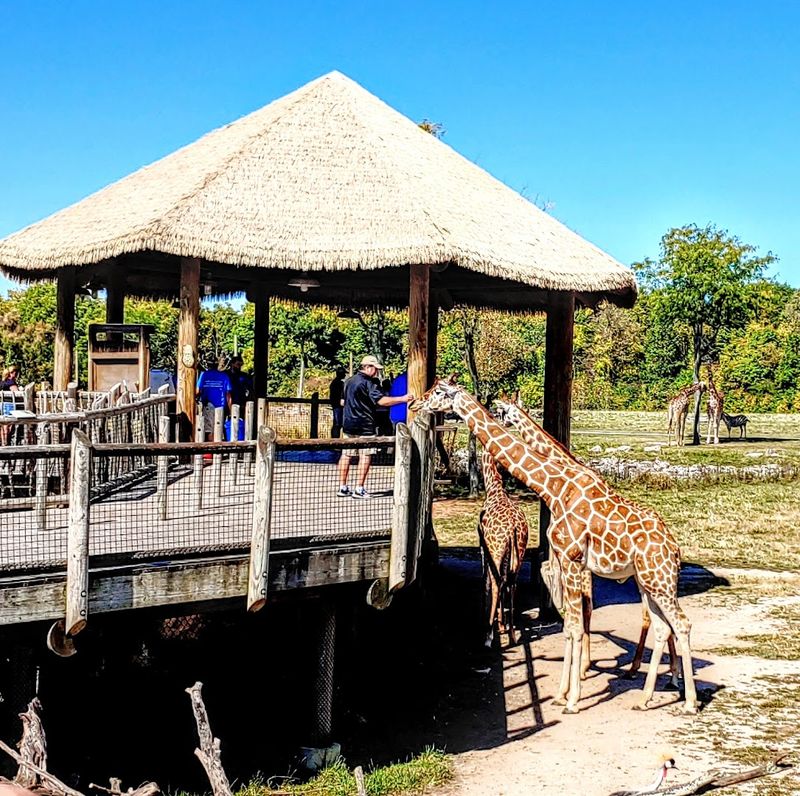
Heart of Africa is more than an impressive collection of animals — it is a living classroom built around a powerful conservation mission. The Columbus Zoo & Aquarium has long been a leader in wildlife protection, and this exhibit reflects that commitment through every exhibit panel, keeper talk, and interactive station on the property.
Visitors leave knowing more about the natural world than when they arrived.
Giraffes, despite their iconic status, are actually classified as vulnerable by the International Union for Conservation of Nature. Wild giraffe populations have dropped by nearly 40% over the past three decades due to habitat loss and poaching.
Heart of Africa uses close-up animal encounters to make that statistic feel personal — because it is much harder to ignore a crisis when you have just fed a giraffe by hand.
Programs at the exhibit support field conservation efforts across Africa, with the Columbus Zoo contributing to research, anti-poaching initiatives, and habitat preservation projects. Educational signage throughout the savanna connects visitors to these global efforts in approachable, digestible language.
Schools often bring students here specifically for the conservation curriculum. The message is clear and compelling: every visit supports something much larger than a day at the zoo — it supports a future where these animals still roam wild.
Visitor Info and Tips for Heart of Africa
Heart of Africa is located at 4850 W Powell Rd, Powell, OH 43065, making it an easy drive from downtown Columbus — typically under 30 minutes depending on traffic. The exhibit is part of the Columbus Zoo & Aquarium, so general zoo admission applies.
Additional fees cover special experiences like giraffe feeding, camel rides, and the Ultimate Africa Safari truck tour.
Spring and early summer are widely considered the best time to visit. Warmer temperatures bring animals outside more consistently, making sightings far more reliable and rewarding.
Some weather-dependent activities, including outdoor demonstrations and certain animal encounters, may be modified or unavailable on cold or rainy days — always check the zoo’s website or call ahead if you are visiting during unpredictable weather months.
Arriving early is one of the smartest moves you can make. Popular experiences like giraffe feeding and safari tours fill up fast, especially on weekends and during school breaks.
Booking tickets and add-on experiences online in advance saves time and guarantees your spot. Wear comfortable walking shoes, bring sunscreen, and pack a reusable water bottle for the warmer months.
With a little planning, a trip to Heart of Africa can easily become the highlight of your entire summer — and one of the coolest days Ohio has ever handed you.