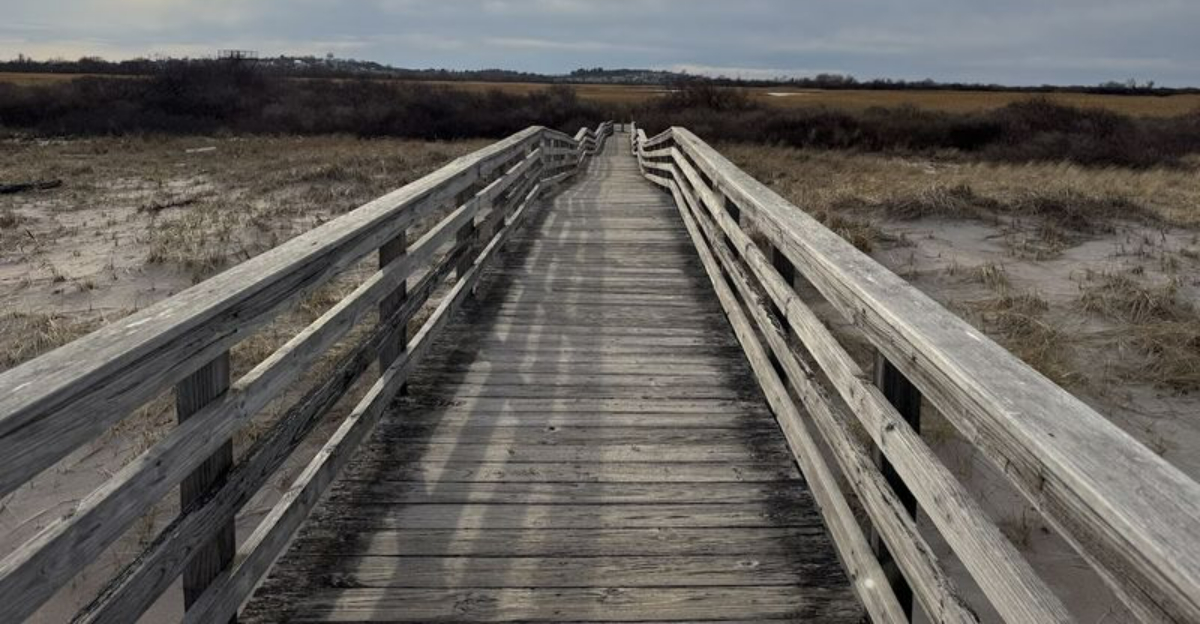
Tucked inside Parker River National Wildlife Refuge on Plum Island, the Hellcat Boardwalk Trail is the kind of place that makes you slow down and actually breathe. This elevated wooden path winds through salt marshes, freshwater pools, and coastal dunes, putting you face-to-face with some of New England’s most stunning natural scenery.
Whether you’re a birdwatcher, a casual walker, or just someone who needs a peaceful afternoon, this trail delivers something genuinely special. With a 4.8-star rating and visitors returning again and again, it’s easy to see why Hellcat stands out as one of Massachusetts’ most beloved coastal walks.
A Boardwalk Trail That Actually Lives Up to Its Name
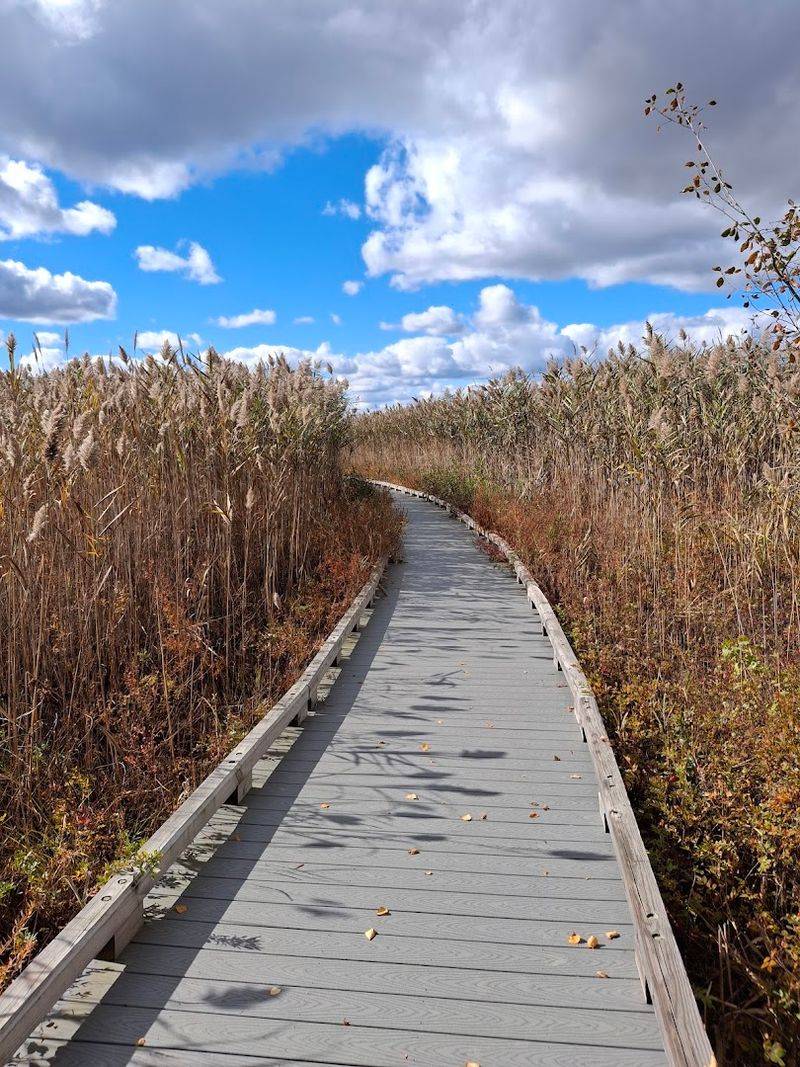
Some trails promise a lot and deliver little — Hellcat is not one of them. Sitting inside Parker River National Wildlife Refuge on Plum Island, this boardwalk trail has earned its reputation one visit at a time, drawing repeat walkers from across New England.
The name “Hellcat” comes from an old local nickname for the area, giving the trail a grounded, historical identity that most nature paths simply don’t have. That backstory adds personality to an already memorable place.
The refuge itself stretches across a barrier island off northeastern Massachusetts, protecting thousands of acres of marsh, dune, and shoreline habitat. Visitors consistently describe the atmosphere as calm, connected, and unlike anything else in the state.
First-timers often leave already planning their return trip.
Plum Island
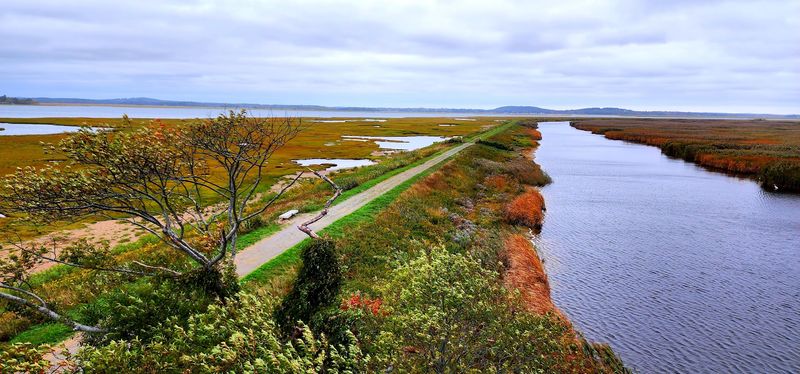
Imagine standing on a thin strip of land with the open Atlantic crashing on your left and a quiet, glassy marsh stretching out on your right. That’s exactly the experience Plum Island offers, and it’s genuinely hard to find anywhere else on the East Coast.
Plum Island is a narrow barrier island that separates the Atlantic Ocean from the Great Marsh — one of the largest salt marsh systems in all of New England. The geography alone makes it worth the drive.
The island’s shape and position create two completely different coastal environments within easy walking distance of each other. Ocean breezes, marsh smells, tidal movement, and bird calls blend together in a way that feels almost theatrical.
Understanding this landscape helps you appreciate why the Hellcat Trail feels so layered and alive compared to a standard nature walk.
What the Walk Actually Feels Like
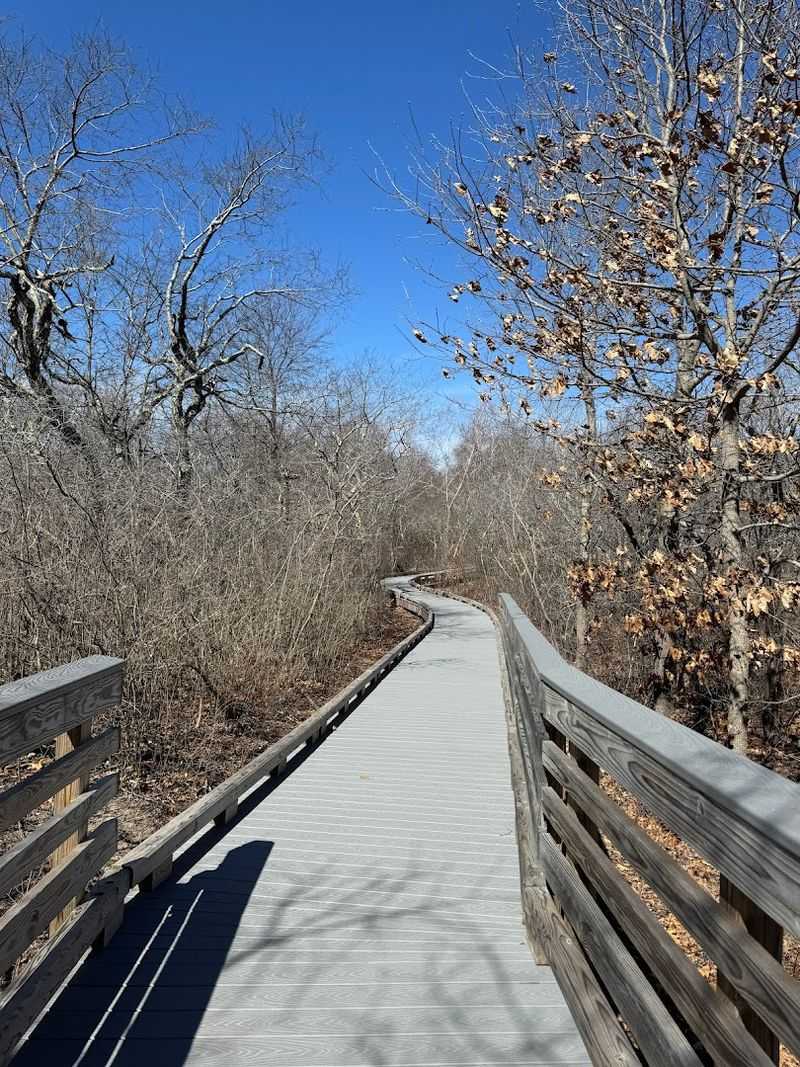
There’s something deeply satisfying about the sound of wooden planks under your feet as you move through open marsh. Each step on the Hellcat boardwalk produces that familiar, hollow knock — a rhythm that slows you down almost automatically.
The trail uses a raised wooden structure to carry walkers over salt marsh, freshwater pools, and sandy dune terrain without disturbing the habitat below. Renovated in 2020, the surface is smooth, even, and genuinely easy to navigate for almost everyone.
What makes the physical experience memorable is the overhead perspective. You’re elevated just enough above the marsh floor to see across the grass beds, spot birds wading in shallow water, and feel the coastal wind without any obstruction.
Reviews consistently describe it as “peaceful,” “gorgeous,” and worth every minute of the drive to get there.
The Salt Marsh Up Close
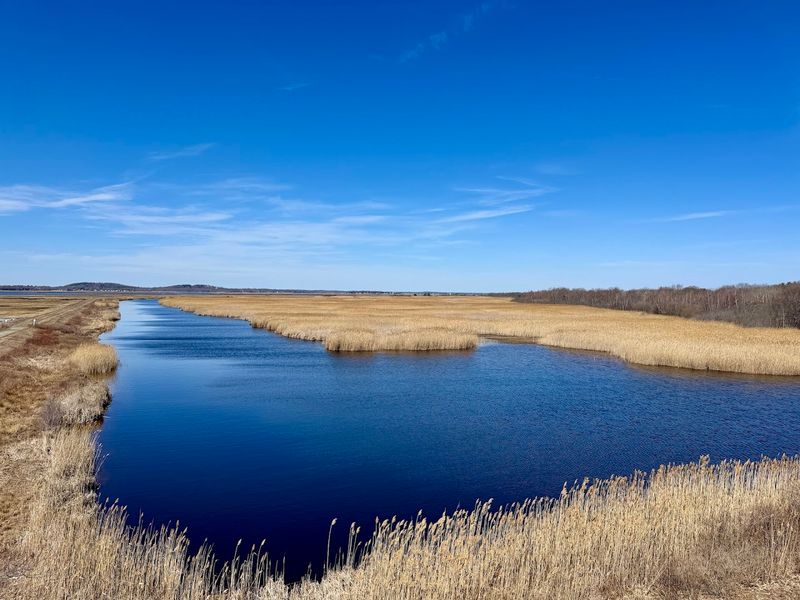
At low tide, the salt marsh along the Hellcat Trail releases a smell that longtime visitors know instantly — earthy, slightly sulfurous, completely natural. It’s the scent of a living ecosystem doing exactly what it’s supposed to do, and for many people, it becomes oddly comforting over time.
Salt marshes are among the most productive natural ecosystems on the entire East Coast, supporting fish, birds, invertebrates, and plant life in dense, interconnected webs. The cordgrass that dominates this marsh turns deep gold and amber in fall, making autumn visits particularly stunning.
From the boardwalk, you can watch the tide move through the grass beds, see herons standing completely still in shallow water, and hear the wind push through the reeds in long, rolling waves. It’s a sensory experience that photographs struggle to fully capture.
Freshwater Impoundments
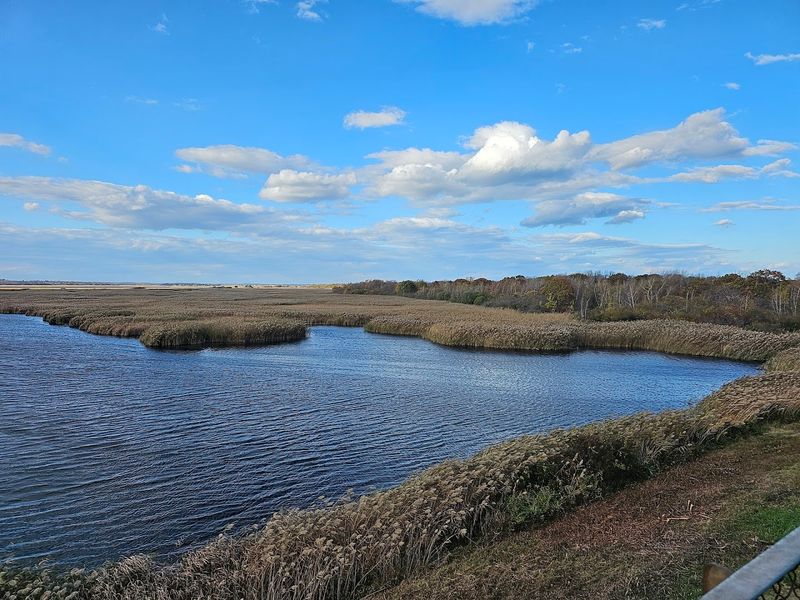
Right alongside the tidal salt marsh, the refuge manages a series of freshwater impoundments — controlled pools that create a completely different kind of wildlife habitat. From certain stretches of the boardwalk, you can see both environments almost simultaneously, which is a genuinely rare thing to experience on foot.
These managed water areas attract species that don’t typically use tidal zones — dabbling ducks, wading birds, and various shorebirds that prefer calm, shallow freshwater for feeding. Wildlife refuge staff adjust water levels seasonally to support migration patterns and nesting activity.
The contrast between the still impoundment surface and the constantly moving tidal marsh is visible and striking. One side feels controlled and quiet; the other feels wild and restless.
That side-by-side comparison, visible from a single boardwalk section, gives Hellcat a depth that much longer trails often fail to match.
Birdwatching Along the Trail
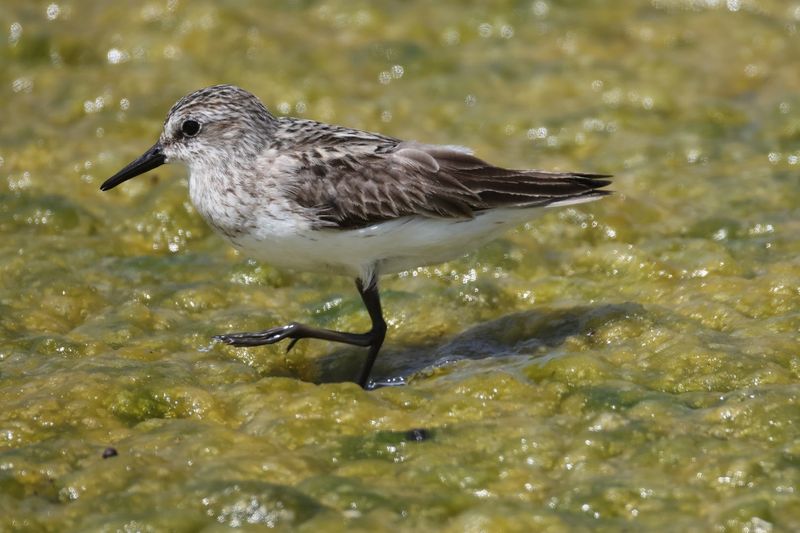
During fall migration, the impoundments along the Hellcat Trail can fill with dozens of shorebird species in a single morning. Experienced birders specifically plan trips around this window, and it’s easy to understand why once you’ve seen the density of activity firsthand.
Parker River National Wildlife Refuge sits along the Atlantic Flyway — a major migration corridor that funnels millions of birds along the northeastern coastline each year. That federal designation makes Hellcat one of the most reliably productive birdwatching locations in Massachusetts.
Expect to see great blue herons, snowy egrets, glossy ibis, various sandpipers, and a rotating cast of raptors depending on the season. Bring binoculars if you have them, though many birds come close enough to observe without them.
One reviewer described bringing a zoom lens and calling the trail “amazing” — hard to argue with that assessment.
Sand, Wind, and Ocean Views
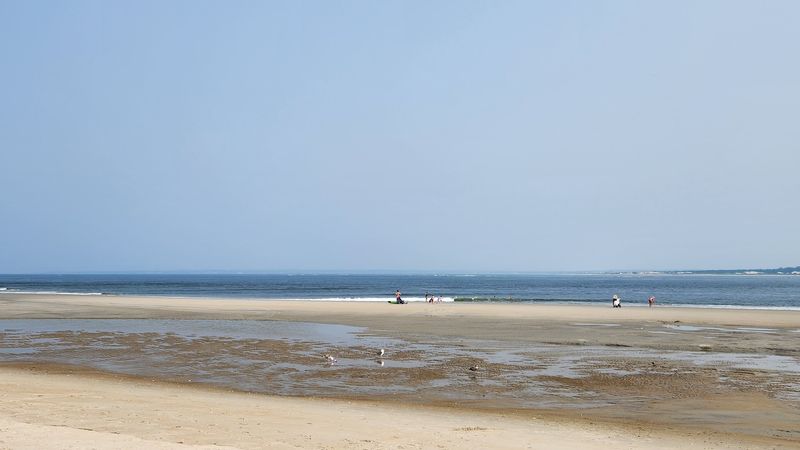
Stepping off the marsh boardwalk and onto the dune loop feels like switching channels entirely. The enclosed, grassy world of the wetland gives way to open sky, wind-scoured sand, and glimpses of the Atlantic through low beach vegetation.
Beach grass holds the dune surface in place, but just barely — this landscape shifts constantly with wind and tide, meaning the trail looks visually different depending on when you visit. That built-in variability keeps repeat visits feeling fresh rather than repetitive.
The exposure here is real. Coastal wind comes in without much to slow it down, so layers are a smart call even on warmer days.
But the payoff is worth it: standing on the dune loop with ocean visible on one side and marsh on the other is one of those moments that makes the whole drive out to Plum Island feel completely worthwhile.
Wildlife Beyond the Birds

Most visitors come to Hellcat for the birds, but the refuge holds a wider cast of wildlife than many people expect. White-tailed deer move through the island’s interior, reptiles and amphibians appear near the freshwater areas, and harbor seals show up offshore during the colder months.
Those seals are a genuine surprise for first-time winter visitors. They haul out on sandflats near the island’s southern tip, and on clear days they’re visible without binoculars from parts of the trail.
Spotting a cluster of seals lounging in cold January sunlight is the kind of unexpected bonus that turns a simple walk into a full story.
The variety of species using this small island reflects how well-protected the refuge habitat actually is. From the boardwalk, you’re moving through living, functioning coastal ecosystems — not a manicured park, but the real thing.
The Trail in Every Season
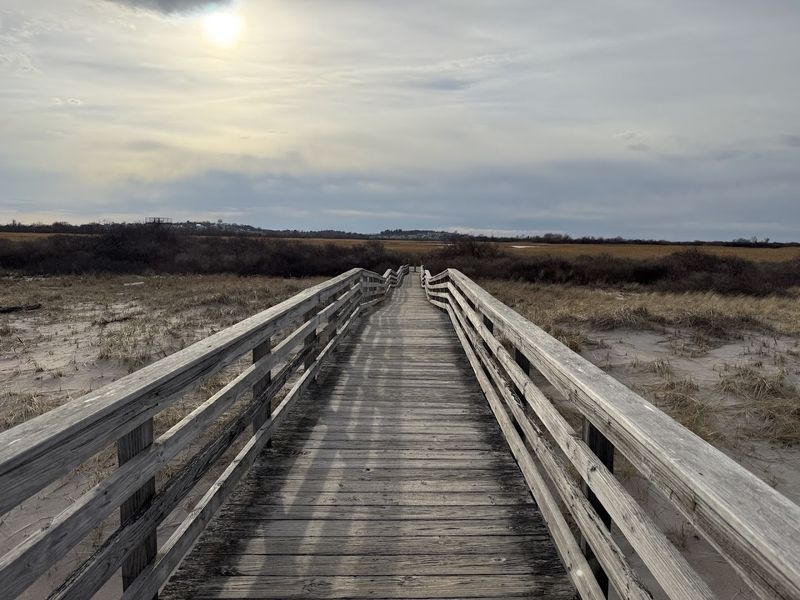
Few short trails in Massachusetts change as dramatically across the four seasons as Hellcat does. Spring brings returning birds in waves, summer fills the marsh with deep green growth, fall transforms the cordgrass into a golden and amber landscape, and winter strips everything back to bare sightlines and cold, still air.
Winter visits are quietly special in a way that’s hard to communicate until you’ve experienced one. The refuge sees far fewer visitors from December through February, and the silence over the marsh on a cold morning carries a different kind of weight than any other season.
Choosing when to visit really depends on what you’re after. Birders often target spring and fall migration windows.
Photographers tend to love fall color and winter light. Families with young children often find summer the most comfortable.
Every season makes a legitimate case for itself.
Trail Length, Difficulty, and What to Realistically Expect
Here’s a number worth knowing: the Hellcat Trail system covers under two miles total. That short distance is not a limitation — it’s actually part of the appeal.
The trail is compact enough to walk slowly, stop at every viewpoint, and still finish without feeling rushed.
The boardwalk surface handles most of the route, keeping things flat and stable underfoot. The dune loop section introduces slightly more uneven terrain, but nothing that requires special footwear or significant fitness.
One reviewer described it as “good for older folk or taking a light jog” — an accurate summary.
A typical visit runs between one and two hours depending on how long you linger at the observation points. Spending more time at each stop is genuinely encouraged.
The trail rewards slowness in a way that longer, more demanding hikes rarely do. Short does not mean shallow here.
Observation Platforms and Viewing Blinds
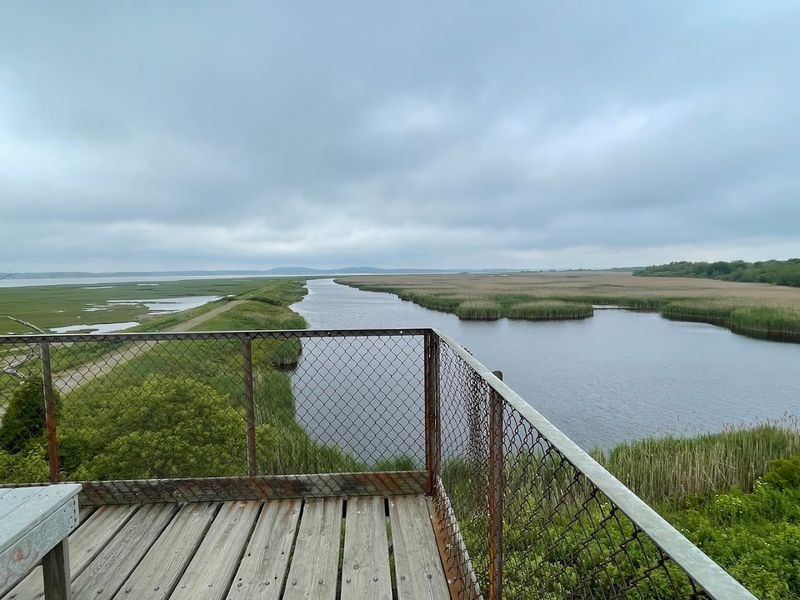
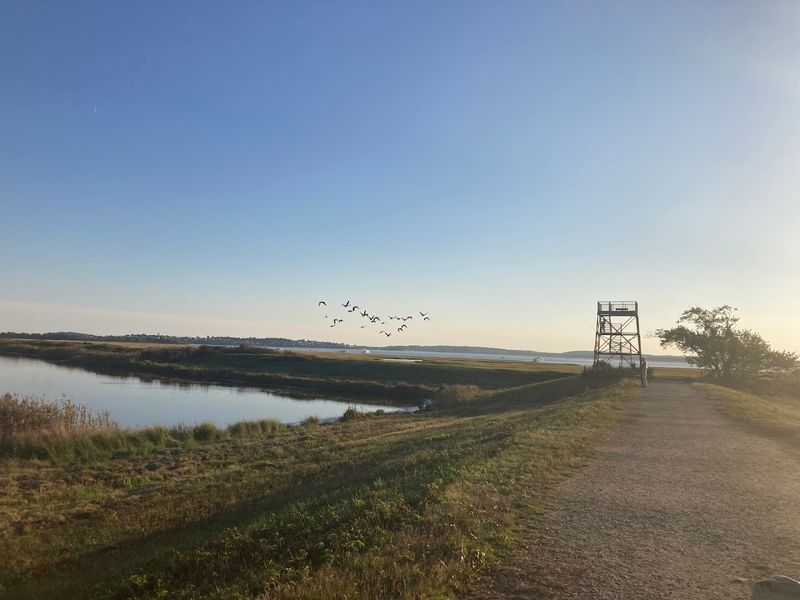
The refuge has installed several elevated observation platforms and wooden viewing blinds along the Hellcat Trail, and they make a noticeable difference in what you’re able to see. One reviewer mentioned a lookout tower near the south parking lot — about four to five short flights of stairs — offering a full 360-degree view that they described as breath-taking.
The viewing blinds are the quieter, more intimate option. They feature narrow horizontal slots at both standing and sitting height, a small design detail that significantly improves close-range wildlife observation by hiding your silhouette from animals nearby.
Using these structures takes a little patience but pays off quickly. Stay still for a few minutes inside a blind, and birds that would otherwise flush at your approach will continue feeding just feet away.
It’s a completely different experience from open-air watching, and one of Hellcat’s more underappreciated features.
Access, Fees, and What to Bring
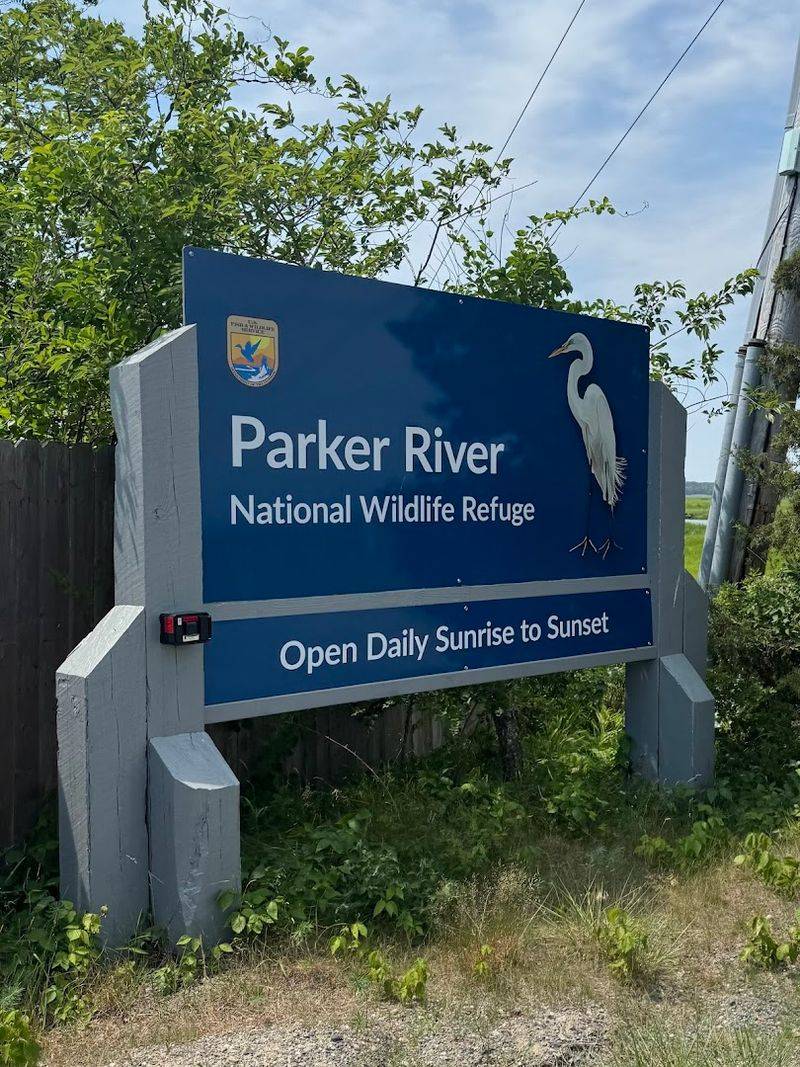
Getting to the Hellcat Trail requires passing through the Parker River National Wildlife Refuge entrance, where a vehicle fee applies. The current entry fee is modest — reviewers mention around five dollars — and it goes directly toward maintaining the refuge and its public access infrastructure.
During summer weekends, the parking lot fills early. Arriving before 8 a.m. is a practical strategy that also happens to align with the most active wildlife window of the day.
Weekday visits tend to be calmer and easier to park for.
Pack insect repellent, especially from late spring through summer — marsh environments are mosquito territory. Layers are smart year-round given the coastal wind exposure on the dune loop.
Binoculars are worth bringing if you own a pair. Restrooms are available near the parking area.
The trail itself is well-maintained and clearly marked, so getting lost is genuinely not a concern.
Why This Trail Works for Such a Wide Range of Visitors
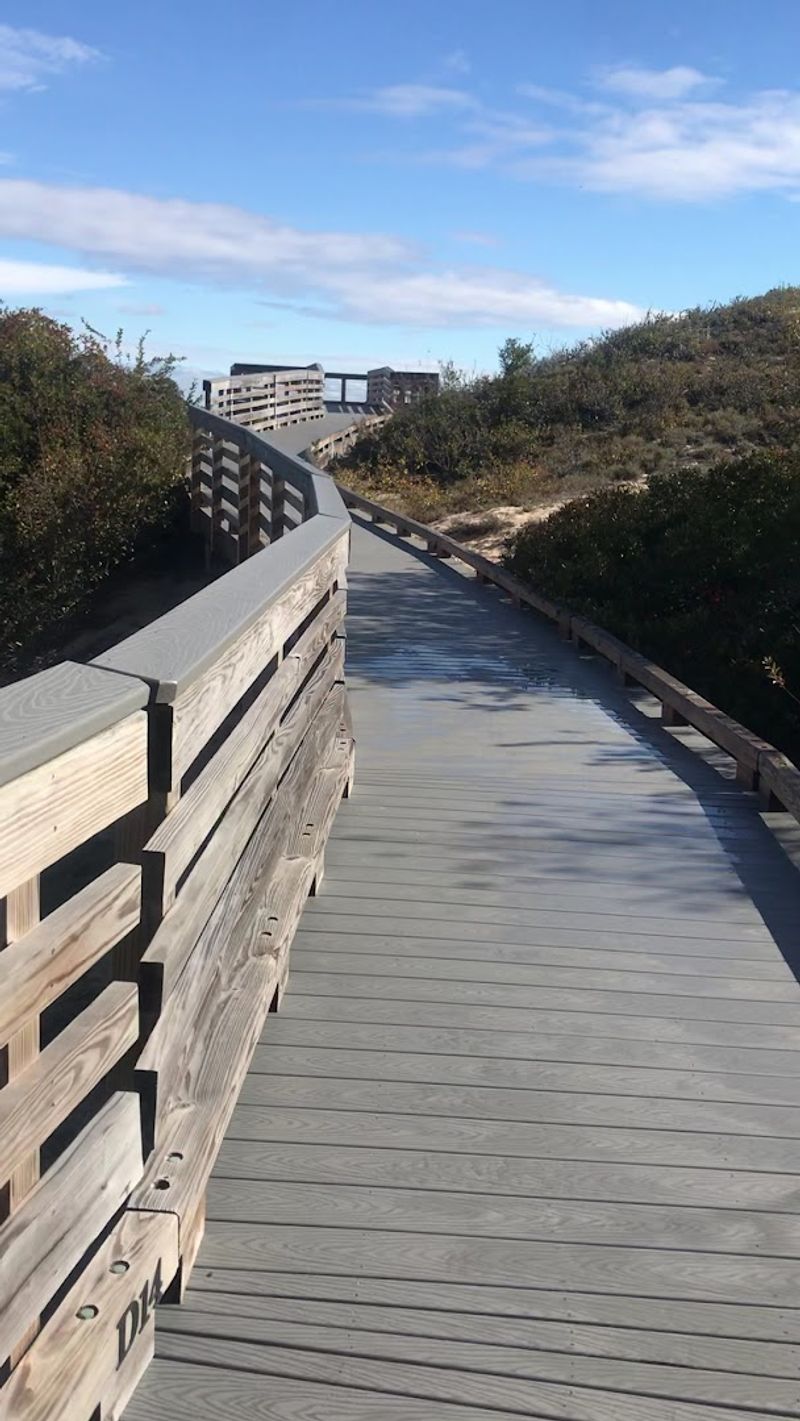
Very few trails in Massachusetts put you this close to so many distinct coastal habitats within a single one-to-two hour walk. Salt marsh, freshwater impoundment, coastal dune, and Atlantic shoreline are all accessible without covering more than two miles of ground.
That ecological density is genuinely unusual.
The trail works for serious birders chasing life-list species and for five-year-olds who just want to look at ducks. It works for photographers hunting fall light and for couples who want a quiet afternoon outside.
That breadth of appeal is not an accident — it’s the result of thoughtful refuge management and a trail design that stays out of the landscape’s way.
Reviewers consistently use words like “peaceful,” “stunning,” and “one of my go-to spots.” For a trail under two miles long, that kind of loyalty says everything. Hellcat earns every repeat visit it gets.