Hidden among the pines of Eureka Springs, a glass chapel rises like a mirage of light and timber. Step inside and the forest becomes the sanctuary, with sunbeams pouring through soaring panes.
It feels peaceful, intentional, and quietly astonishing, even if you only have ten minutes. Here is how to make your visit unforgettable, from the best seats to the moments you will want to savor.
Design That Blends With the Ozarks
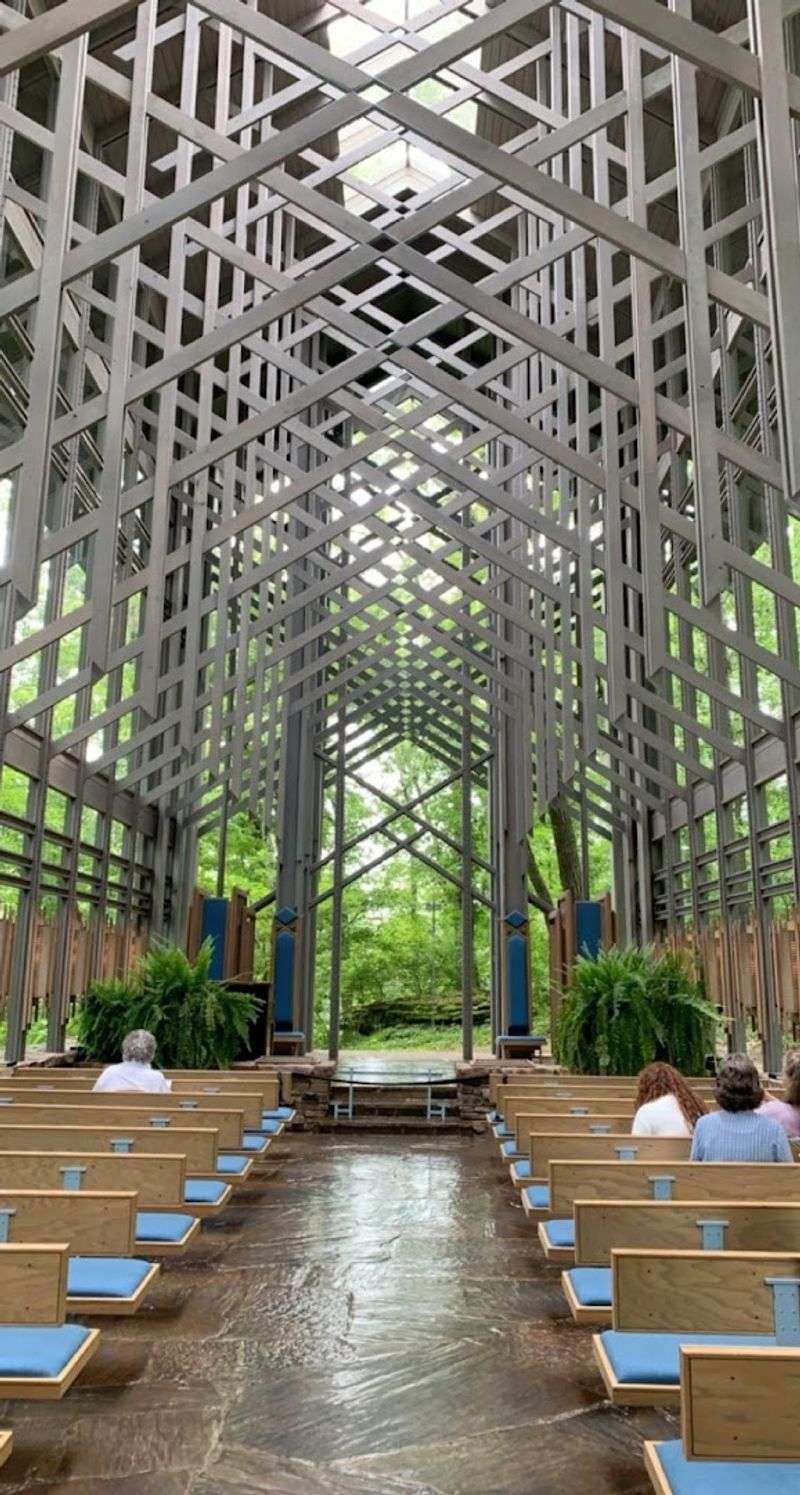
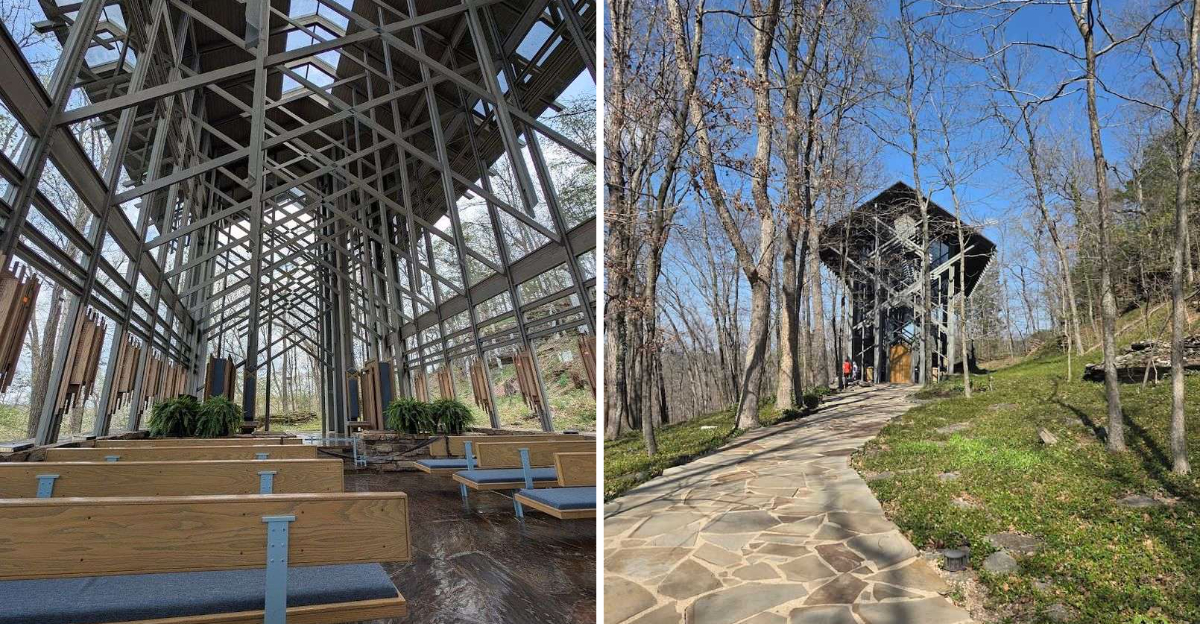
Step inside and you feel the forest breathe through 425 windows. The 48 foot canopy of timber trusses frames sky and pine like a cathedral of branches.
Light skims the stone floor, so everything seems calm yet alive.
Architect E. Fay Jones used native materials and a delicate cross bracing so the structure nearly disappears.
Nothing feels heavy, and sightlines pull your eye outward instead of trapping it. You notice bolts, beams, and glass cooperating rather than competing.
For a quick appreciation session, sit mid aisle and look up to the diamond lattice. Give yourself three minutes to watch clouds drift through the geometry.
You will leave with a deeper respect for design that honors its place.
Practical note for design lovers: arrive near opening, when crowds are light and the acoustics are purely birdsong. Bring a small notebook, sketch a truss module, and write what the light is doing.
That tiny habit helps you notice proportions, rhythms, and how the chapel turns structure into poetry you can feel. Later, compare your notes with photos, and you will start spotting repeating triangles, subtle tapers, and joints that guide your gaze forward like quiet arrows in the trees at every turn.
A Short History You Can Feel
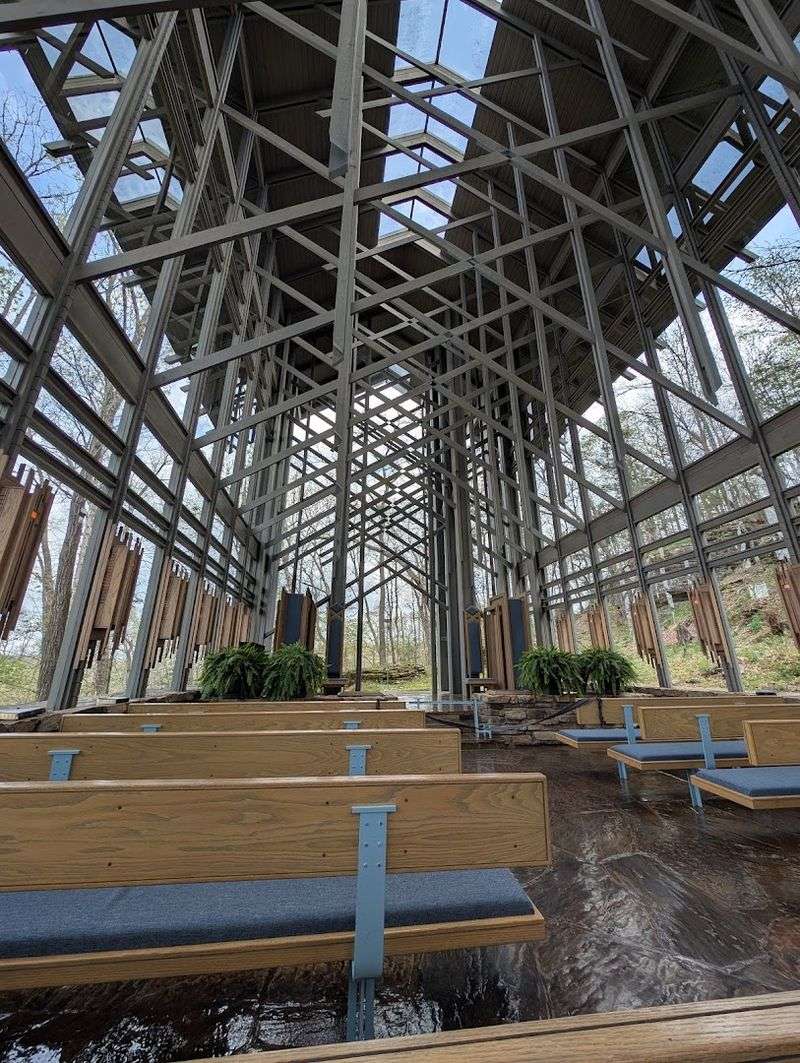
Stories cling to the glass like morning mist. Commissioned by Jim Reed and realized by E.
Fay Jones, the chapel opened in 1980 as a pilgrimage of craft and restraint. Every joint signals patience, humility, and respect for the woods.
Jones, a protégé of Frank Lloyd Wright, scaled ideas to human comfort and Ozark climate instead of chasing monumentality. He used simple modules repeated with musical regularity, so complexity feels gentle rather than showy.
That is why the space rewards unhurried attention.
If you enjoy context, ask the attendant for the pamphlet and read it on a side bench. You will catch names, dates, and design choices that make the whole room click.
Give those details five quiet minutes, and the place deepens.
Before leaving, stand outside and trace the roofline against the trees. Think about how a roadside idea became an internationally celebrated sanctuary without bulldozing its setting.
You will likely remember that lesson long after the drive home, because restraint can be the bravest creative move, and Thorncrown proves it with clarity, kindness, and timber that still whispers when the wind turns.
Best Times To Visit For Atmosphere
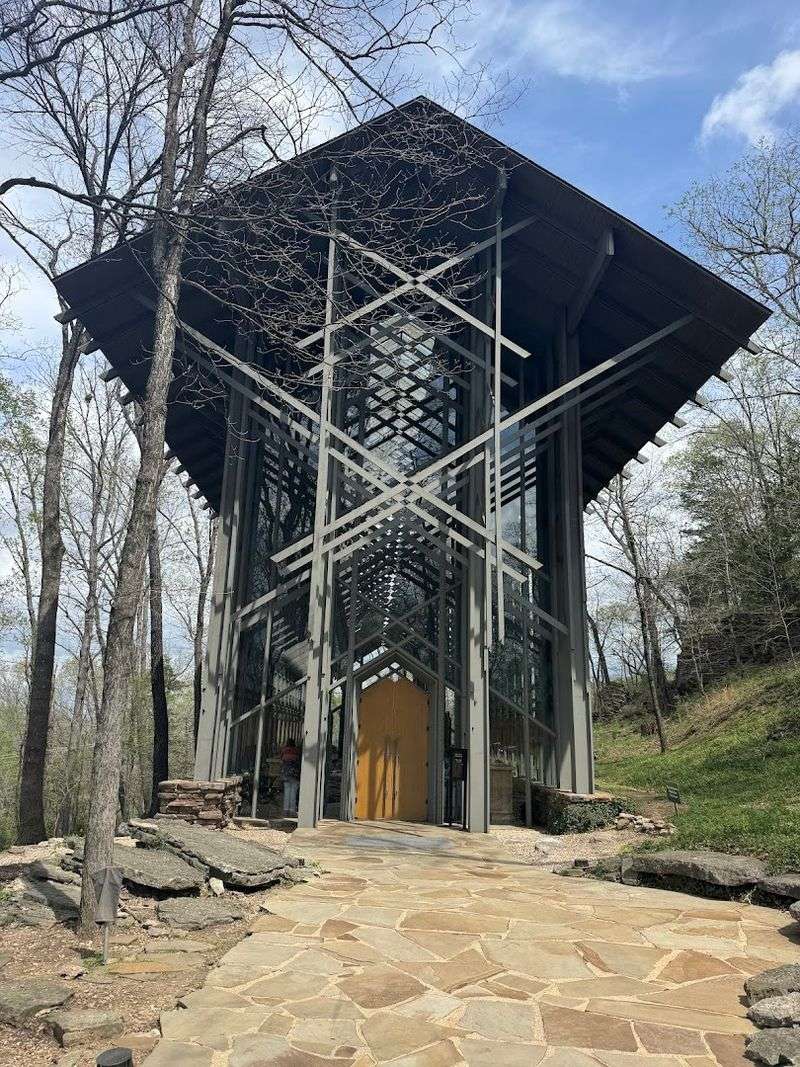
Timing shapes the mood more than you think. Morning brings birdsong, cool air, and angled light that pours diamonds across the floor.
Late afternoon warms the timber and makes the glass glow like honey.
Cloudy days turn the chapel into a softbox where details read cleanly and photos look balanced. Rain adds a gentle percussion outside that sharpens the hush inside.
In fall, color frames every view like stained glass made by nature.
Arrive right at opening for solitude, or slip in near closing for a reflective wind down. Sundays can be crowded during services, so plan around posted times if you need silence.
A weekday visit usually means slower foot traffic and easier parking.
Want an easy ritual that pays off? Sit quietly for two full minutes before taking a single picture.
You will notice reflections, distant tree trunks, and small tonal shifts that your camera misses when you rush, and the memory will feel richer because you let the space greet you first.
Finding It Without Stress
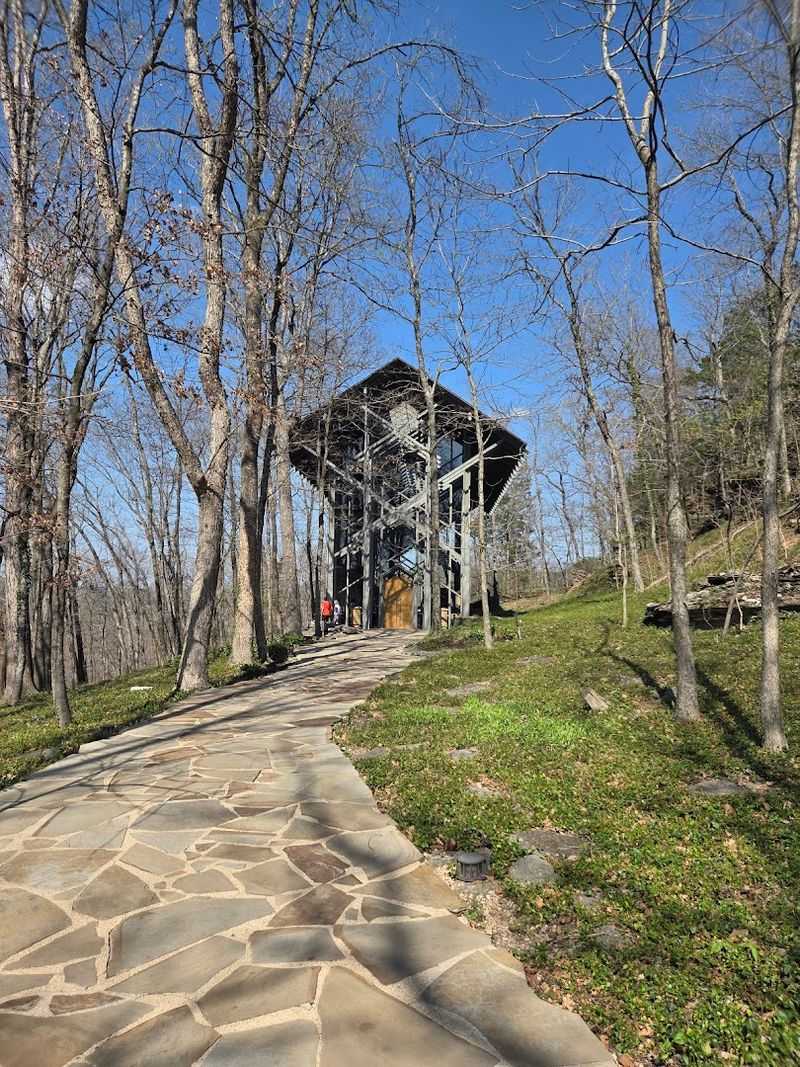
Nestled just off US 62, the chapel hides in plain sight behind a screen of pines. The turn arrives quicker than expected, so reduce speed as you near the posted sign.
Parking is straightforward, and the walkway is short, stone paved, and inviting.
If your map app gets finicky in the hills, use the address and look for the modest driveway on the south side. It feels tucked away, and that secrecy adds charm instead of hassle.
The approach sets the tone by dropping highway noise behind you.
Bring comfortable shoes and keep hands free for the rail if the path is damp. You will go from car door to chapel door in just a minute or two.
That quick transition helps you shift gears mentally before stepping inside.
Tip for road trippers: mark a stretch break here on long drives across northern Arkansas. Fifteen unhurried minutes can reset the day beautifully.
Add a water bottle, breathe in resin from the pines, and you will leave the parking lot calmer than you arrived, ready for the next bend on US 62 without the usual road weariness.
Photography Tips That Respect The Space
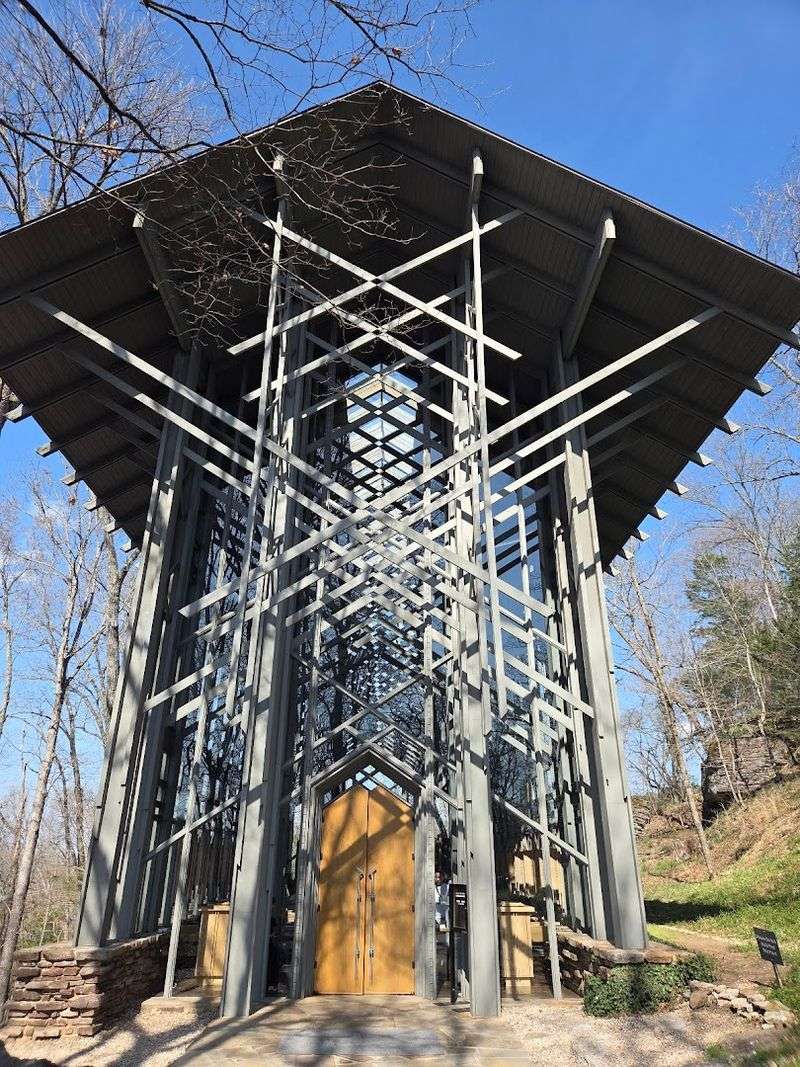
Cameras love this building, but the room deserves gentle handling. Start with your phone in ultra wide to capture truss rhythm, then switch to 1x for balanced proportions.
Brace elbows on the pew to steady low light shots without a tripod.
Expose for highlights so the forest does not blow out, and lift shadows gently in editing. Keep compositions symmetrical from the center aisle, then step aside for layered diagonals.
Reflections are friends, so angle slightly to catch trees doubling in the glass.
Be mindful of services and quiet hours by silencing shutters and keeping distance from anyone praying. Ask the attendant about current photo guidelines, especially for posed portraits.
If other visitors appear in frame, wait a breath and gift them privacy.
For a simple creative exercise, capture one image that feels architectural, one that feels spiritual, and one that feels purely natural. That trio will tell the full story of your visit.
Pack out your patience, take fewer photos, and you will return with stronger images and a clearer memory of how the light actually moved through the room.
Weddings and Ceremonies Made Intimate
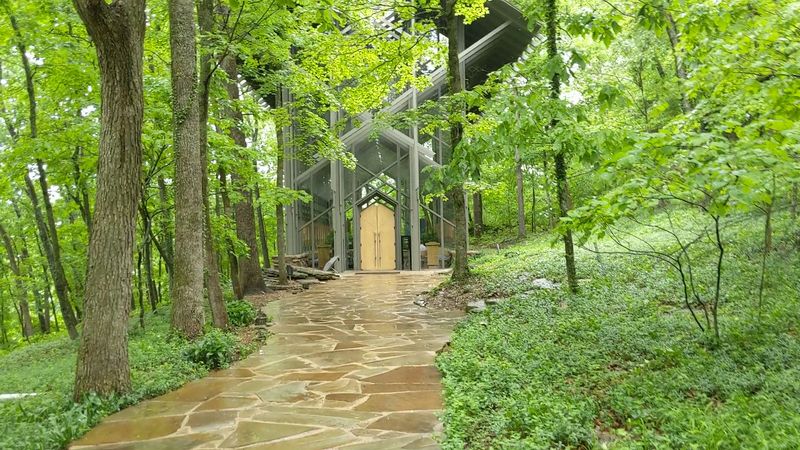
Vows sound different when trees listen. The chapel’s glass walls, warm timber, and natural reverb create intimacy without heavy decor.
Many couples choose minimal flowers because the forest already dresses the room beautifully.
Photographers praise the soft, directional light that flatters skin tones and keeps colors clean. Midday can work here thanks to the canopy filtering glare.
Coordinating with staff on timelines helps protect quiet hours and the visitor experience.
If you are planning, keep guest counts, accessibility, and parking turnover in mind. Share arrival details early so everyone lands calm and on time.
A simple program with a note about silence honors the venue and sets a thoughtful tone.
For personal touches, consider acoustic music and readings that reference the Ozarks or stewardship. After the ceremony, step onto the path for portraits where reflections ripple across the exterior glass.
You will leave with an album that feels timeless, not trend bound, because the architecture does the heavy lifting and invites your story to breathe in a setting that already speaks softly and clearly.
Accessibility and Ease Of Visit
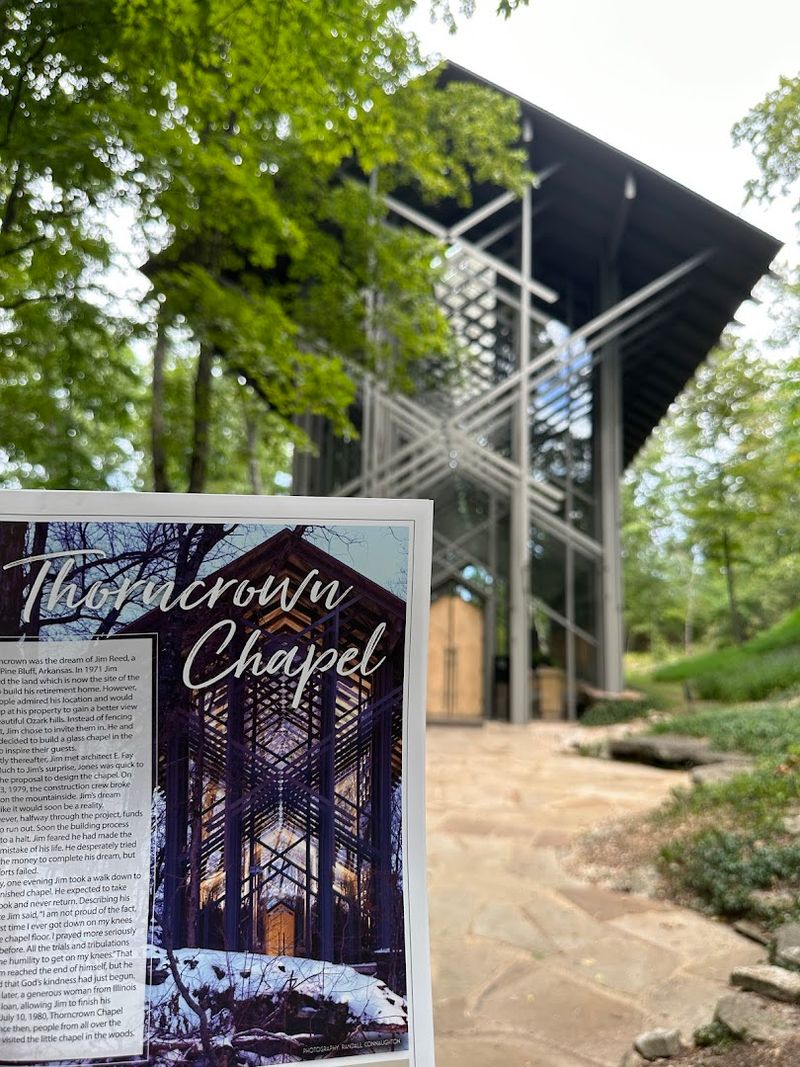
A visit here should feel welcoming for everyone. The parking area is close, and the stone paved path has a gentle grade that suits most mobility needs.
Benches inside let you rest while still soaking up the view.
Staff and attendants greet visitors with practical guidance and a calm presence. If you require extra time or assistance, just ask at arrival and set your own pace.
The environment encourages stillness rather than hurry.
Plan for weather by bringing a light layer and traction minded shoes during wet seasons. The interior stays comfortable, yet the approach can be slick after rain.
Keeping hands free makes the short walk easier and safer.
For sensory comfort, visit in the morning when crowds are light and sound levels stay low. Sit near the middle to balance audio from gentle music and the rustle outside.
You will leave feeling included, unrushed, and grateful for a place that aligns beauty with thoughtful access instead of treating accessibility as an afterthought.
Savoring Silence and Stillness
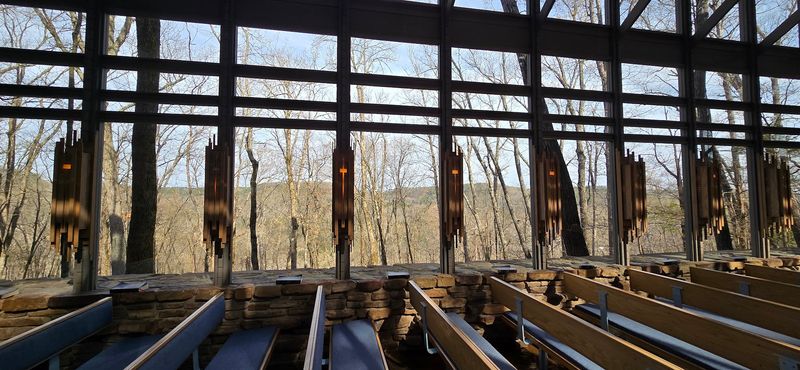
Silence is part of the architecture here. Pause before speaking and you will hear distant birds, soft wind, and your own breath slowing down.
That shift changes how the room feels in your body.
Use a simple practice: sit, place feet flat, and count ten slow inhales while watching treetops through the lattice. Let thoughts arrive, then roll past without judgment.
The space does the heavy lifting by framing nature as the focal point.
Respect the sanctuary by keeping whispers brief and phones tucked away. If you arrive during a service, honor the request for quiet until it concludes.
That courtesy keeps the shared atmosphere whole for everyone inside.
Before leaving, write a sentence in your notes about what surprised you most. Maybe it was the kindness of staff, or how the glass disappeared.
Carry that sentence to the car, and you will find the rest of the day steadier, because a few minutes of stillness can recalibrate more than an hour of scrolling.
Quick Itinerary For A Perfect Stop
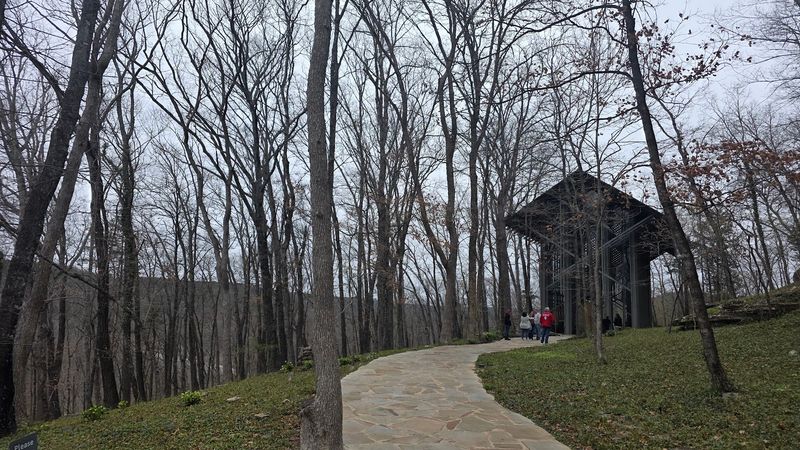
Fifteen to thirty minutes is plenty when you are intentional. Start with a slow walk up the path, noticing resin in the air and changing light.
Step inside, sit at the middle pews, and let your eyes adjust.
Next, stand at the center aisle for one symmetrical photograph, then move two pews left for a diagonal composition. Read the short pamphlet, paying attention to dates and design terms.
Close your eyes for thirty seconds and listen for the forest.
On the way out, circle the exterior to watch reflections ripple where glass meets trees. Note how the roofline thins toward the ends like a drawn breath.
Drop a small donation if you can, because stewardship keeps places like this open.
Final touch: jot three words that capture your visit, such as light, quiet, gratitude. Those words will anchor the memory better than a dozen rushed snapshots.
By treating the stop like a tiny retreat instead of a roadside checkbox, you will carry the calm into the rest of your day and probably find yourself recommending the detour to friends.
Respectful Visitor Etiquette
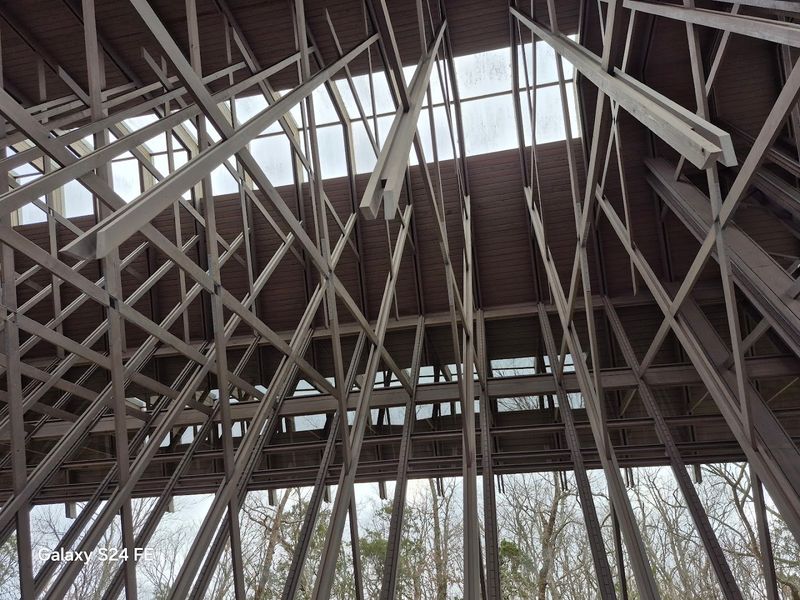
Good manners make the space work for everyone. Keep voices low, silence notifications, and avoid flash or bright screens that pull attention away from the room.
Give people on the front benches extra space for prayer or contemplation.
Ask the attendant about current photo rules and service times before settling in. If a ceremony is underway, wait outside or sit quietly in the back.
Small courtesies preserve the sanctuary’s atmosphere far better than posted signs.
Pack out every item you bring in and leave the pews tidy for the next visitor. Donations are optional, yet they directly support upkeep and access.
Sharing a brief thank you with staff goes further than you might expect.
Before you exit, take one last unhurried glance from the threshold to the far window. Notice how the forest, glass, and timber align like layered pages.
Walking away with that image in mind ensures the memory stays gentle and complete, and it encourages the same respect when you return with friends or family later in the year.