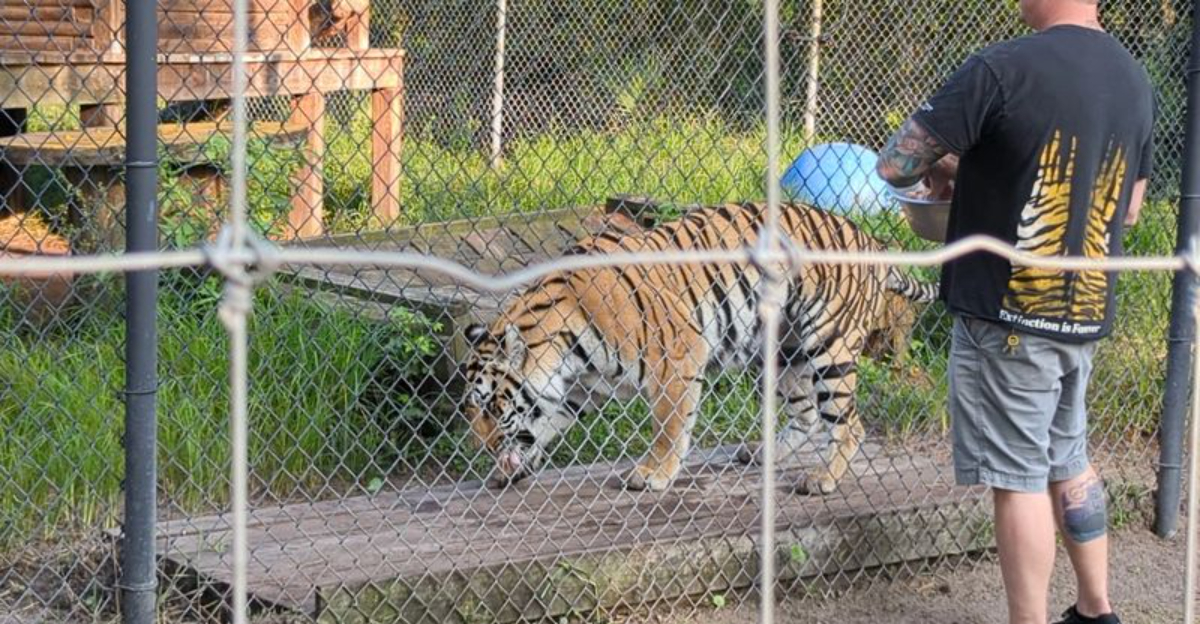
Somewhere in the quieter corners of Jacksonville, Florida, a remarkable place exists where rescued big cats roam spacious enclosures and visitors walk just steps away from some of the world’s most powerful predators.
The Catty Shack Ranch Wildlife Sanctuary isn’t your average day trip — it’s an eye-opening, heart-pounding experience that blends wildlife conservation with genuine human connection.
Whether you’re a lifelong animal lover or simply curious about what life looks like up close for a rescued tiger, this sanctuary has a way of leaving a lasting impression on everyone who walks through its gates.
A Hidden Sanctuary in North Jacksonville
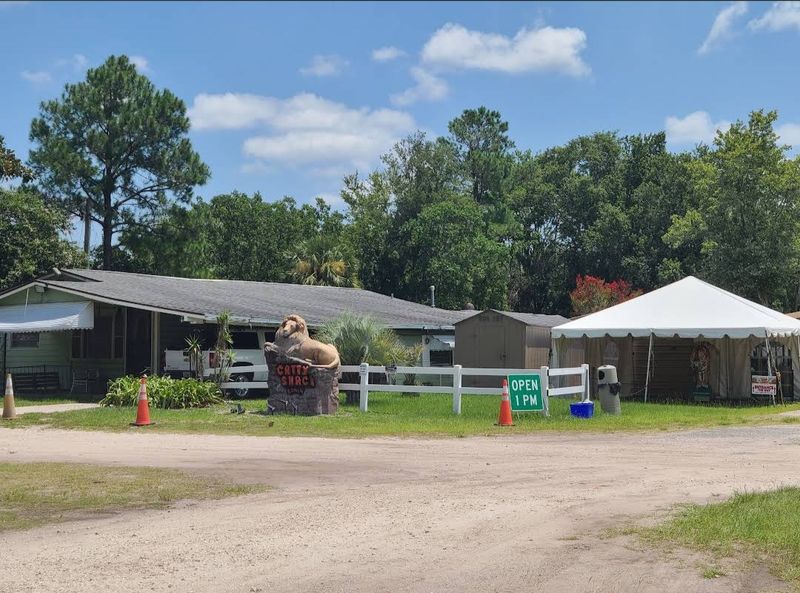
Most people drive past Starratt Road without ever knowing what’s tucked behind the trees. The Catty Shack Ranch Wildlife Sanctuary sits quietly in a semi-rural pocket of North Jacksonville, far removed from the noise of theme parks and crowded tourist strips.
It doesn’t advertise itself with flashy billboards or neon signs — and honestly, that’s part of what makes it so special.
When you arrive, the atmosphere immediately feels different from anything you’ve experienced at a traditional zoo or wildlife park. The grounds are shaded, natural, and surprisingly peaceful — right up until a lion decides to roar from forty feet away.
That contrast between calm surroundings and raw animal power is something visitors talk about long after they’ve gone home.
The sanctuary opened in 1999 and has grown steadily thanks to community support and passionate staff. It sits on several wooded acres, giving both animals and visitors plenty of breathing room.
Jacksonville locals often describe it as one of the city’s best-kept secrets, and first-time visitors almost always say the same thing: they had no idea something like this existed so close to home. Finding it feels like stumbling onto something genuinely rare.
A Mission Built on Rescue, Not Display
Every animal at Catty Shack Ranch arrived here because something went wrong somewhere else. Some were kept illegally as exotic pets.
Others came from roadside zoos that closed or lost funding. A few were surrendered by owners who genuinely loved them but couldn’t provide proper care.
Whatever the backstory, the sanctuary’s answer is always the same: come in, stay forever, and live well.
That commitment separates Catty Shack from facilities that use animals as entertainment props. Here, the animals are the priority — full stop.
The organization operates as a 501(c)(3) nonprofit, meaning every dollar raised goes back into feeding, housing, and caring for the residents. There are no performance shows, no photo ops where tourists hold cubs, and no breeding programs designed to generate baby animals for profit.
Founder and director Curt LoGiudice started the sanctuary with a straightforward belief: if you rescue an animal, you owe it a lifetime of proper care. That founding philosophy still drives every decision made on the property today.
Volunteers and staff work hard to ensure each cat has enrichment, veterinary attention, and enough space to behave naturally. Visitors often leave feeling genuinely moved by how seriously the sanctuary takes its responsibilities.
Meet the Residents: Tigers, Lions, and Leopards
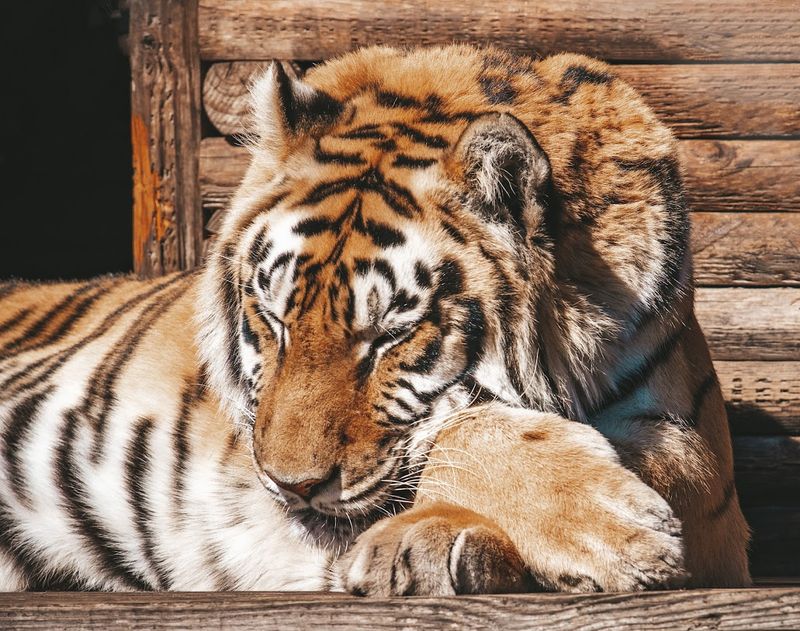
Walking through Catty Shack feels a little like flipping through the pages of a wildlife encyclopedia — except every animal is real, breathing, and occasionally staring directly at you. The sanctuary is home to Bengal tigers, African lions, leopards, cougars, and other exotic felines, each living in a spacious enclosure designed to meet their specific needs.
What makes the experience truly memorable is that every resident has a name and a story. Volunteers don’t just point at animals and rattle off facts — they tell you where each cat came from, what challenges they faced, and how their personality has developed over time.
You start seeing them as individuals rather than species, which completely changes how you feel about the whole visit.
Some of the cats are bold and curious, padding right up to the fence to investigate visitors. Others are more reserved, watching from a comfortable distance with that signature feline indifference.
A few are downright playful, swatting at enrichment toys or rolling in the grass while people watch in delight. The variety of personalities on display makes every walk-through feel fresh and unpredictable, even for repeat visitors who’ve been coming for years.
Shockingly Close Encounters
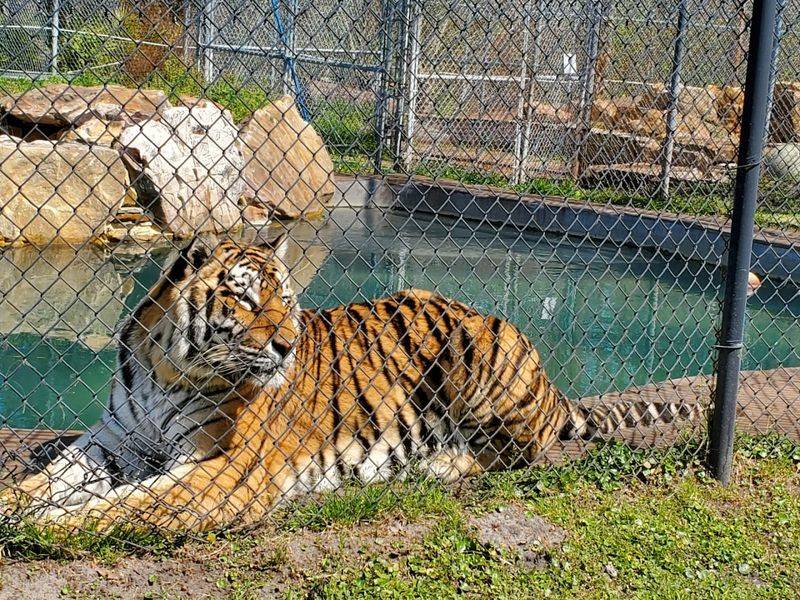
Nothing quite prepares you for how close you actually get. At most zoos, big cats are visible from a distance — a dark shape moving behind glass or pacing far across a moated exhibit.
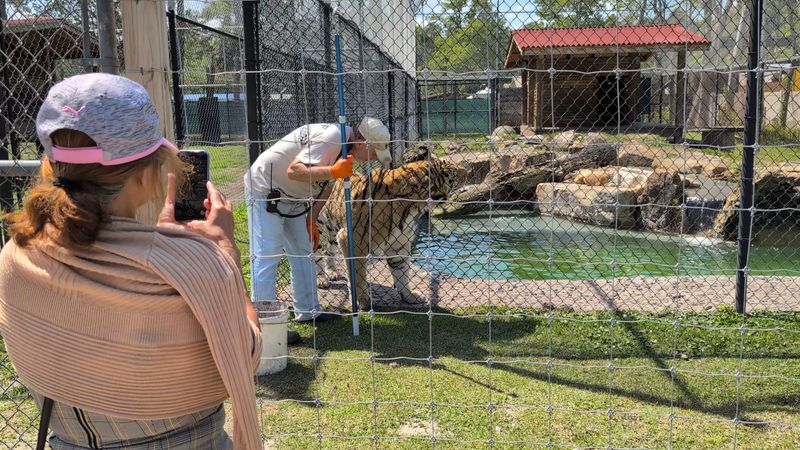
At Catty Shack, the experience is entirely different. Guests walk along pathways that run directly alongside the enclosures, sometimes standing just a few feet from an animal that weighs over four hundred pounds.
You can hear a tiger breathe. You can watch a lion’s ears swivel toward a sound.
You can see the muscles ripple under a leopard’s coat as it stretches out in the afternoon sun. That level of proximity is both thrilling and humbling in a way that’s genuinely hard to put into words until you’ve felt it yourself.
The fencing and enclosure design keeps everything safe without creating a sense of distance or separation. Volunteers are always nearby to answer questions and keep the flow of visitors moving comfortably.
Most guests report that the close encounters are the single most impactful part of their visit — the kind of moment that snaps you out of everyday life and reminds you just how extraordinary the natural world really is. Cameras come out fast, and for good reason.
The Famous Night Feeding Tours
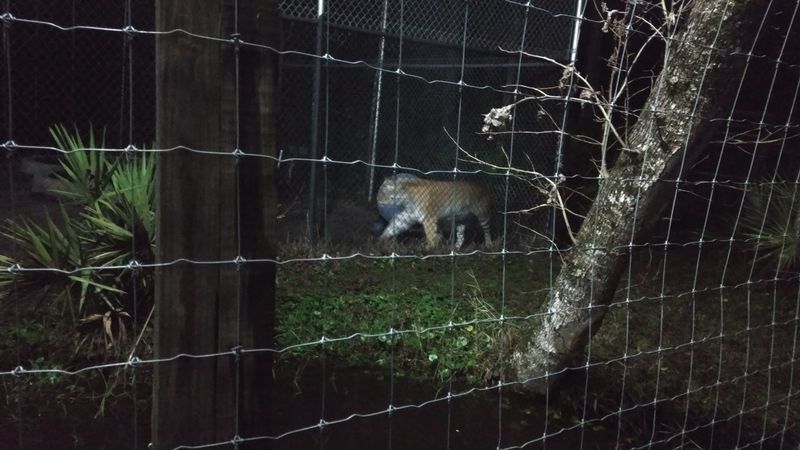
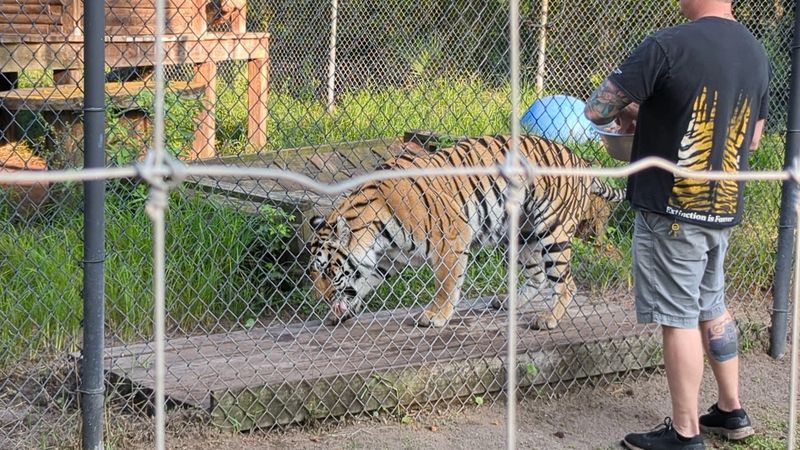
If there’s one experience at Catty Shack that people rave about the most, it’s the Night Feeding Tour. Held after dark, these ticketed events give visitors a front-row seat as the sanctuary’s big cats receive their evening meals — and watching a tiger tear into several hundred pounds of raw meat under floodlights is something you simply won’t forget.
The energy during feeding tours is electric. Animals that may have been lounging quietly during the day suddenly come alive with focused intensity.
Growls, huffs, and the occasional full-throated roar fill the air as caretakers move through the routine with practiced efficiency. Meanwhile, knowledgeable guides narrate the action, sharing details about each animal’s dietary needs, feeding behaviors, and individual quirks.
Night tours run on select evenings and tend to sell out quickly, especially on weekends and during warmer months. Booking in advance is strongly recommended.
The tours typically last about two hours and cover all the main enclosures, giving guests a full sweep of the property after sunset. Many visitors describe the night feeding experience as the highlight of their entire Jacksonville trip, and quite a few return to do it again the following season.
It really is that good.
A Self-Guided Walk With Expert Insight
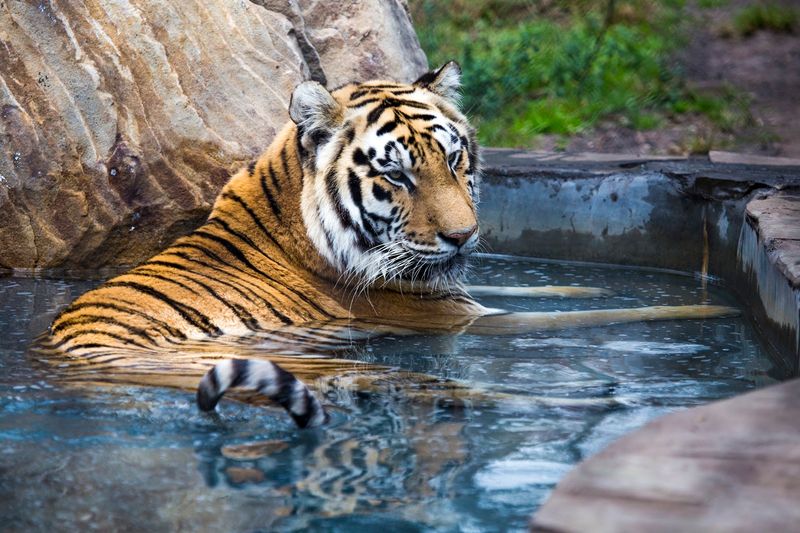
One of the most refreshing things about Catty Shack is the freedom it gives you. Rather than herding guests through a scripted tour at a fixed pace, the sanctuary lets visitors explore the walking paths on their own schedule.
Want to spend twenty minutes watching a cougar play with an enrichment toy? Go for it.
Prefer to loop back and visit your favorite tiger a second time? Nobody’s stopping you.
That said, you’re never left without guidance. Volunteers are stationed throughout the property, ready to chat about anything from animal behavior to conservation policy to the specific history of the cat you’re standing in front of.
These aren’t rehearsed speeches — they’re genuine conversations with people who clearly love what they do and know these animals personally.
The combination of self-paced exploration and expert insight creates an experience that feels both relaxed and deeply informative. Kids tend to stay engaged longer because they can move at their own rhythm, and adults often find themselves lingering far beyond what they originally planned.
The walking paths are well-maintained and easy to navigate, though comfortable footwear is a smart choice. Expect to cover a fair amount of ground by the time you’ve made the full circuit and chatted with all the volunteers along the way.
A Strict No-Breeding, No-Selling Policy
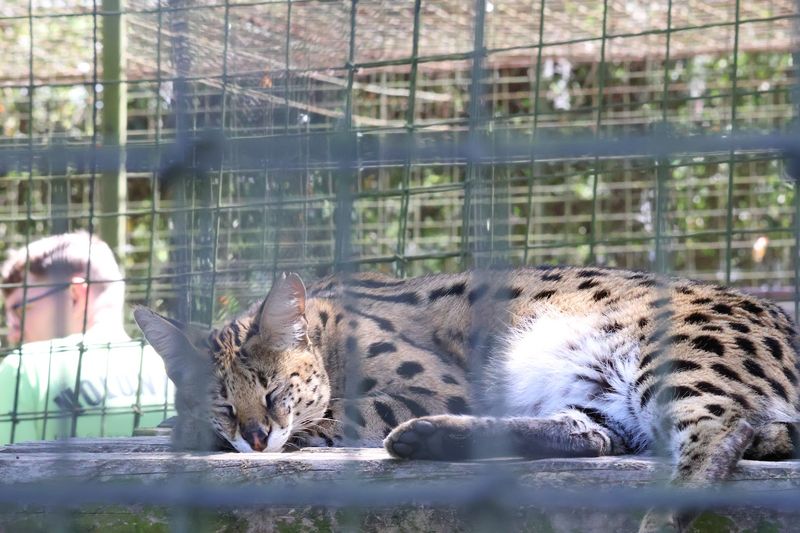
Here’s a policy that matters more than most visitors initially realize: Catty Shack does not breed, sell, or trade any of its animals. Ever.
That might sound like a small detail, but in the world of exotic animal facilities, it’s a major distinction that speaks volumes about the sanctuary’s true priorities.
Many roadside zoos and so-called sanctuaries breed big cats specifically to generate cubs for pay-to-play photo experiences. Once those cubs grow too large to be handled safely — usually within a few months — they’re often sold, traded, or placed in questionable facilities.
It’s a cycle that fuels the exotic pet trade and causes enormous suffering. Catty Shack refuses to participate in any part of that system.
Every animal admitted to the sanctuary is considered a permanent resident. There are no revolving doors here, no animals cycling in and out to serve commercial purposes.
That commitment creates genuine stability for the cats, allowing them to settle into routines, form bonds with caretakers, and live with a sense of security that many of them never experienced before arriving. For visitors who care about animal welfare, knowing this policy is in place makes the whole experience feel even more worthwhile.
You can enjoy every moment knowing no exploitation is happening behind the scenes.
Run Largely by Passionate Volunteers
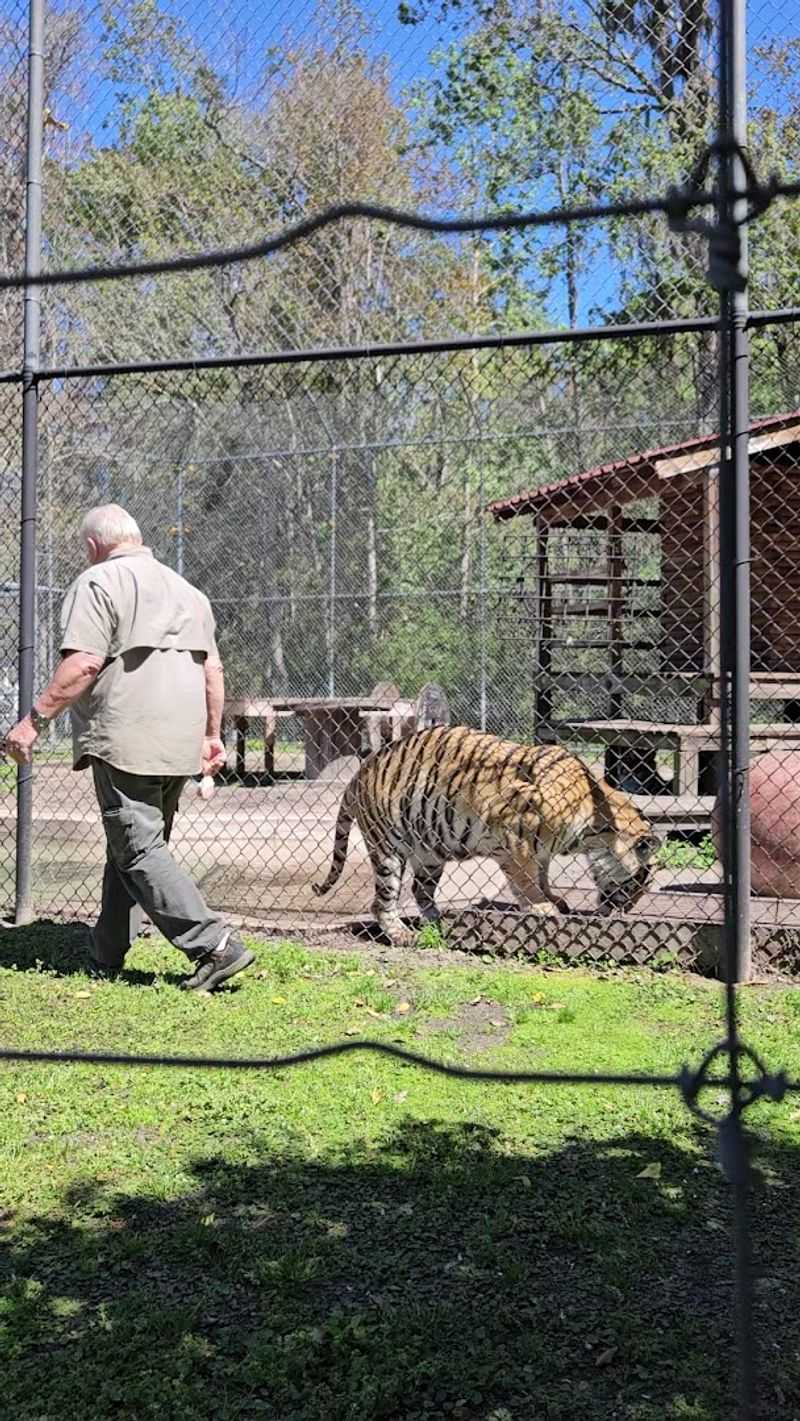
Pull back the curtain at Catty Shack and you’ll find something genuinely heartwarming: a small paid staff supported by a large, dedicated group of volunteers who show up because they truly want to be there. From morning feeding prep to afternoon enclosure cleaning to weekend tour assistance, volunteers handle a significant portion of the daily workload with enthusiasm that’s hard to fake.
Some volunteers have been coming for years, developing deep familiarity with individual animals and earning the trust of the cats in ways that take real time and patience. Others are newer to the program but equally committed, drawn in by a desire to do meaningful work for animals that can’t advocate for themselves.
The volunteer culture at Catty Shack is one of the things that makes the sanctuary feel so authentic compared to more commercial wildlife operations.
For the sanctuary itself, relying on volunteers is also a smart financial strategy. Every hour of donated labor translates directly into resources that can be redirected toward food, veterinary care, and facility improvements.
If you’re interested in getting involved, the sanctuary actively welcomes new volunteers and provides training. Many people who visit as guests end up returning as volunteers — it’s that kind of place.
The work is physical and sometimes demanding, but deeply rewarding.
Education at the Heart of the Experience
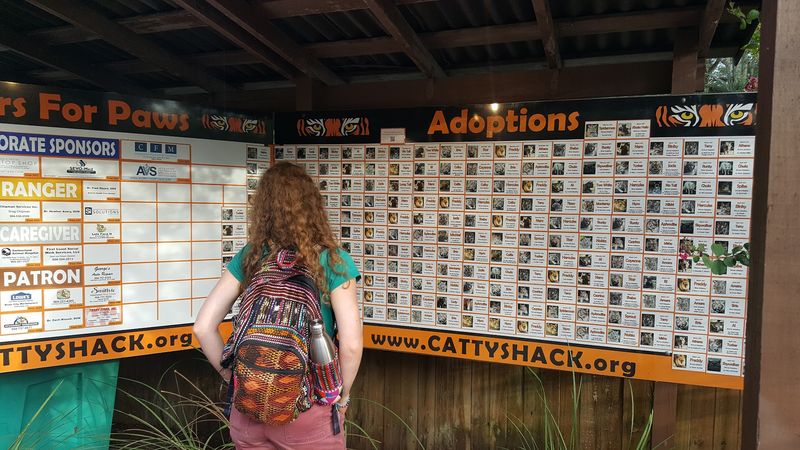
Watching a tiger pace past you from three feet away is undeniably thrilling — but Catty Shack makes sure that thrill comes with context. Education runs through every part of the visitor experience, woven into conversations with volunteers, posted on informational signs throughout the property, and built into the narrative of every animal’s rescue story.
A big part of that educational mission focuses on the exotic pet trade. Many people don’t realize that in some U.S. states, owning a tiger or a lion is still legal with minimal regulation.
The sanctuary uses its platform to explain why that’s a problem — not just for the animals, but for communities and ecosystems as well. Hearing those facts while standing next to a 400-pound tiger makes the message land in a way that a documentary simply can’t replicate.
The sanctuary also connects its work to broader global conservation issues, touching on habitat loss, poaching, and the challenges facing wild big cat populations around the world. Younger visitors especially tend to leave with a heightened sense of environmental responsibility.
Teachers and parents frequently note how much more engaged kids are with conservation topics after visiting Catty Shack versus reading about them in a classroom. Lived experience, it turns out, is a remarkably effective teacher.
Visitor Tips for the Best Experience
Address: 1860 Starratt Rd, Jacksonville, FL 32226. Phone: +1 904-757-3603.
Getting the most out of your Catty Shack visit comes down to a little planning. The sanctuary operates on limited admission windows, and popular tour times — especially weekend Night Feeding Tours — sell out well in advance.
Check the official website early and book tickets as soon as your schedule is confirmed. Showing up without a reservation and hoping for walk-up availability is a gamble that rarely pays off.
Wear comfortable, closed-toe shoes — the walking paths are outdoor and uneven in spots. During spring and summer, bug spray is practically essential in North Jacksonville’s humid, wooded environment.
Lightweight, breathable clothing is also a smart choice, since shade is available but temperatures can still climb. Bringing a water bottle helps too, especially on warmer days when you might end up spending more time than expected.
Plan your arrival around feeding times if possible, since animals tend to be most active and visible when food is involved. Cameras and phones are welcome, though flash photography near enclosures is discouraged to avoid stressing the animals.
Finally, bring some cash or be ready to donate — the sanctuary runs entirely on contributions, and every bit of support goes directly toward the care of these remarkable cats. Your visit genuinely makes a difference.