
Tucked away in the rolling hills of Pennsylvania’s Laurel Highlands, Linn Run State Park is the kind of place that makes you feel like you’ve walked straight into a fairy tale.
Mossy rocks, whispering hemlocks, and a sparkling mountain stream create a landscape so peaceful and beautiful, it’s hard to believe it’s real.
Whether you’re an avid hiker, a nature photographer, or just someone who needs a break from the everyday rush, this small but magical park has something special waiting for you.
Get ready to discover ten reasons why Linn Run deserves a top spot on your Pennsylvania adventure list.
A Hidden Gem in the Laurel Highlands
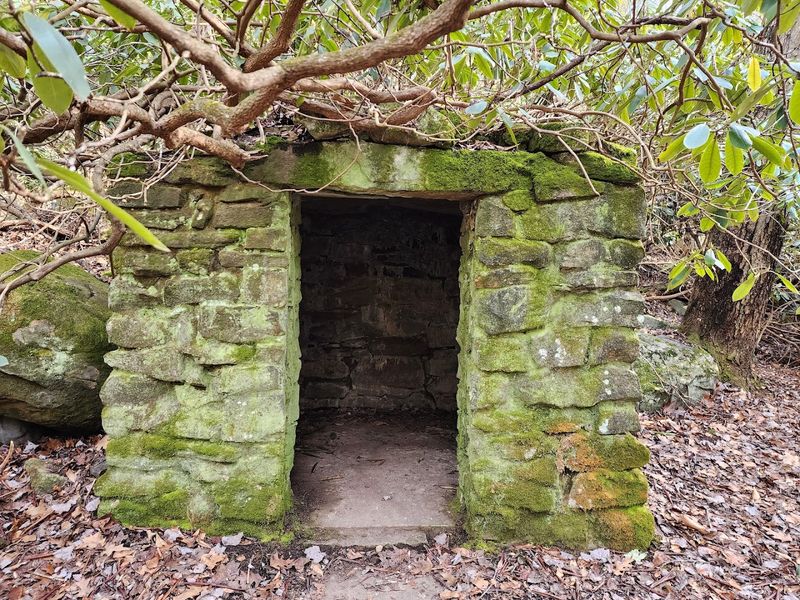
Most people drive right past Linn Run State Park without realizing what they’re missing. Nestled quietly in Westmoreland County within Pennsylvania’s beloved Laurel Highlands, this under-the-radar park offers a refreshing escape from the crowds that swarm larger, more famous destinations nearby.
What makes it feel so special is exactly that — the quiet. On a typical weekend, you might share the trails with only a handful of other visitors, giving you the rare luxury of feeling like the forest belongs entirely to you.
Birdsong replaces noise, and the smell of pine and damp earth replaces city air.
The Laurel Highlands region is already known for stunning scenery, outdoor recreation, and historic sites like Fallingwater. Linn Run fits perfectly into that landscape, offering a wilder, more intimate experience than its neighbors.
It’s the kind of park that loyal visitors tend to keep to themselves — a true local secret worth sharing. If you’re planning a Laurel Highlands road trip, carving out time for Linn Run is one of the best decisions you can make.
The Enchanting Linn Run Stream
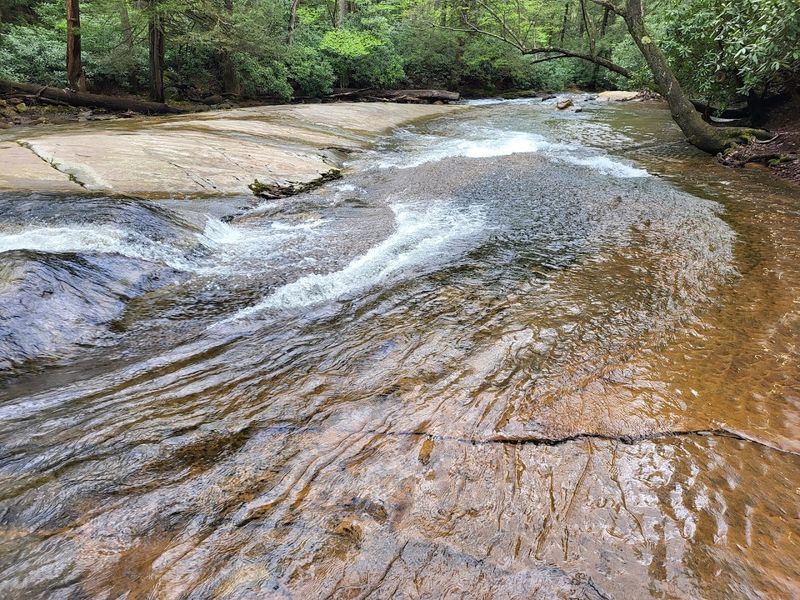
Running water has a way of making any place feel alive, and Linn Run stream does exactly that for this park. Fed by mountain springs and rainfall, the stream tumbles and dashes over smooth boulders and mossy rocks with an energy that’s genuinely contagious.
It’s the kind of sound that slows your heartbeat and clears your head almost instantly.
The stream flows alongside much of the main park road and several hiking trails, so you’re rarely far from its cheerful sound. Kids especially love exploring the rocky banks, searching for salamanders, crayfish, and the tiny, darting native brook trout that call these cold, clear waters home.
Brook trout require extremely clean, cold water to survive, so their presence here is a direct sign of the stream’s excellent health.
Photographers and painters have long been drawn to the stream’s picture-perfect scenes — particularly in autumn, when orange and red leaves drift across the water’s surface. Even on a cloudy day, the stream has a luminous quality that makes it feel like something out of an illustrated storybook.
Plan to spend at least a few quiet minutes sitting beside it. You’ll understand the magic immediately.
Adam Falls: A Small but Stunning Cascade
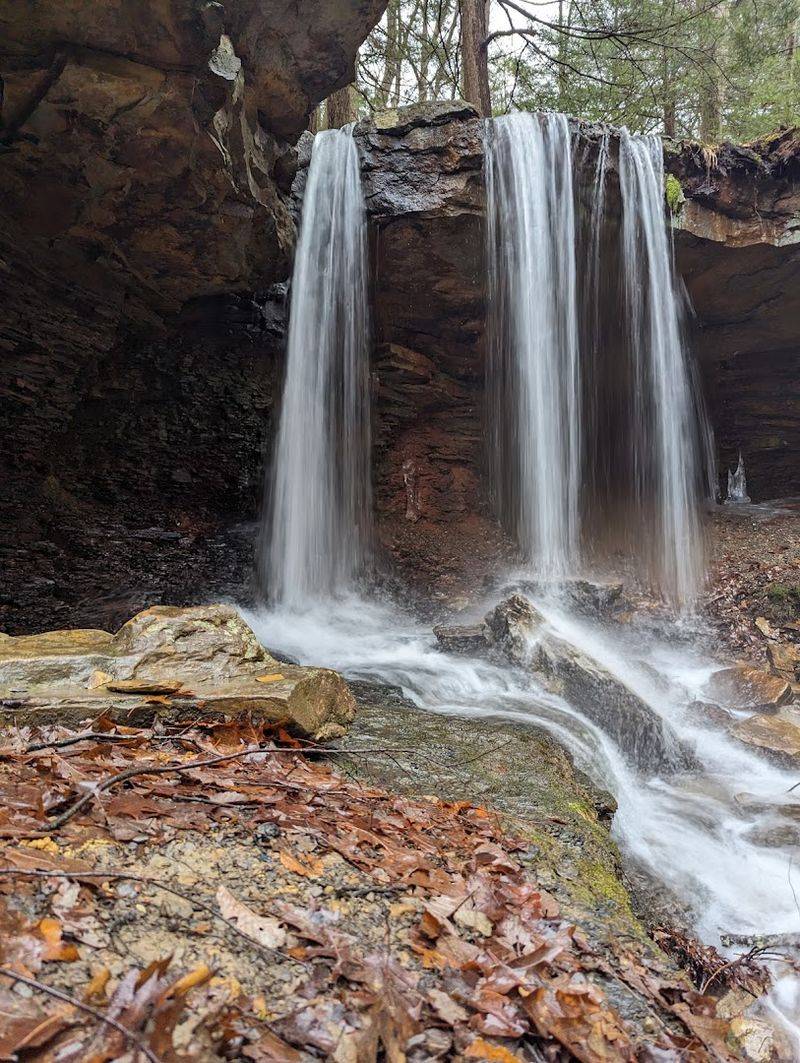
Not every great waterfall needs to be massive to leave a lasting impression. Adam Falls proves that beautifully.
Standing only a few feet tall, this compact cascade tucks itself into a rocky hemlock hollow like a carefully placed jewel. After a heavy rainfall, the water surges over the rocks with surprising force, creating a misty spray that catches the light in the most breathtaking way.
Reaching Adam Falls requires only a short, easy hike — typically less than a mile round trip — making it accessible for families with young children, older adults, and casual visitors who aren’t looking for a strenuous workout. The trail leading to the falls winds through classic Linn Run scenery, with fern-lined paths and the sound of rushing water guiding you forward.
Spring and early summer are arguably the best times to visit, when snowmelt and spring rains push water levels higher and the surrounding greenery bursts with fresh, vivid color. Fall runs a close second, when golden hemlocks and crimson maples frame the falls in warm, glowing tones.
Pack a snack, bring a camera, and give yourself permission to linger — Adam Falls rewards those who take their time.
Moss-Covered Rocks and Fern-Lined Trails
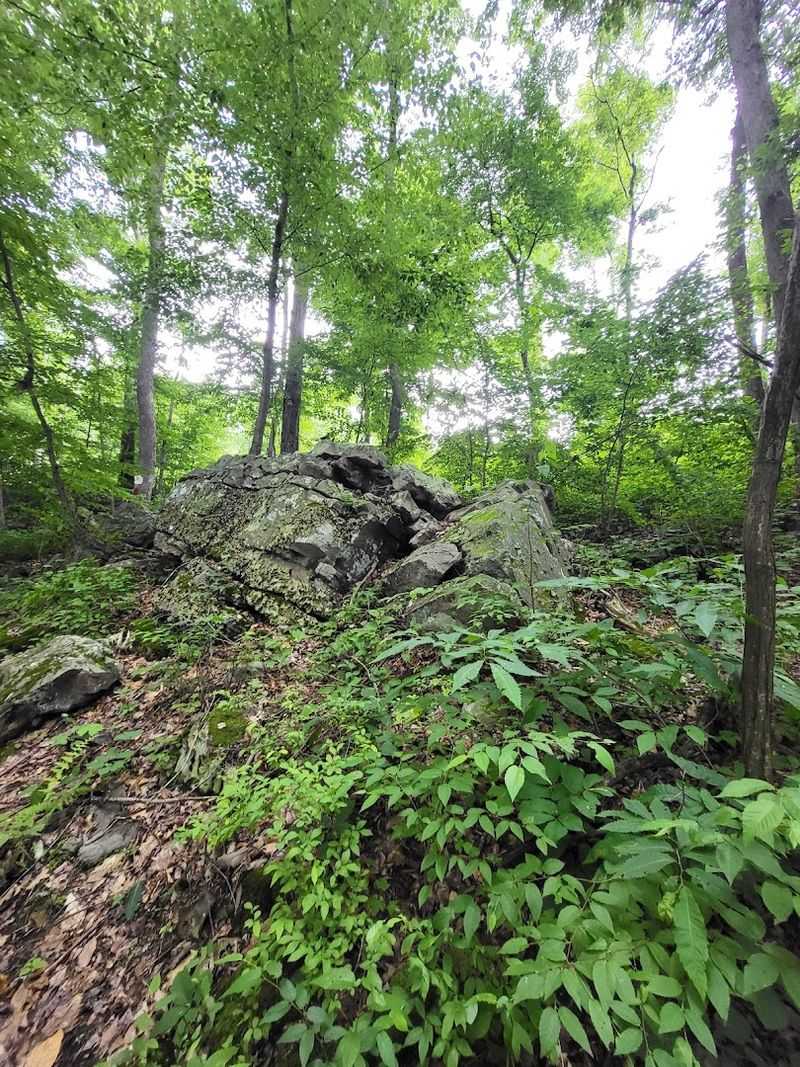
Few things in nature signal true wilderness quite like a trail blanketed in soft, velvety moss. At Linn Run, moss clings to nearly every surface it can find — boulders, fallen logs, stone walls, and even the bases of ancient tree trunks.
Paired with the waist-high ferns that crowd both sides of many trails, the effect is genuinely magical, like walking through the pages of a fantasy novel.
Ferns thrive in the moist, shaded environment that Linn Run’s hemlock forest creates. Several species are present throughout the park, including the elegant cinnamon fern and the delicate Christmas fern, which stays green even through winter snowfall.
Running your hand along a frond as you pass is one of those small, sensory pleasures that makes hiking here feel different from trails in drier, sunnier parks.
The moss-covered rocks deserve special attention too. Some boulders are so thickly draped in green that they look like living sculptures.
Geologically, many of these rocks are part of ancient sandstone formations shaped by centuries of water and weather. Sitting quietly on one of these mossy perches while listening to the stream nearby is, without question, one of the most restorative experiences Linn Run has to offer.
Peaceful Hiking Trails for All Levels

Linn Run may be small, but it punches well above its weight when it comes to hiking variety. The park offers several well-maintained trails ranging from easy, flat woodland strolls to moderate routes that climb into the surrounding hills and offer wider views of the forested landscape.
Trail distances are manageable, making it easy to hike multiple paths in a single visit without feeling worn out.
The Grove Run Trail is a favorite among regulars, winding through quiet forest sections that feel completely removed from the outside world. For those looking to push a little harder, connector trails link Linn Run to the larger Laurel Mountain trail network, opening up longer adventures for more experienced hikers.
Trail signage is generally clear, though bringing a trail map from the park office is always a smart move.
One underrated joy of hiking at Linn Run is the pace the park naturally encourages. There are no grand summit views demanding your urgent attention — instead, the trail rewards slow, observant walking.
Notice the woodpeckers drumming overhead, the way light shifts through the canopy, and the tiny wildflowers tucked beside the path. Linn Run teaches you to hike with your eyes wide open, and that’s a lesson worth carrying everywhere.
A Photographer’s Dream in Every Season
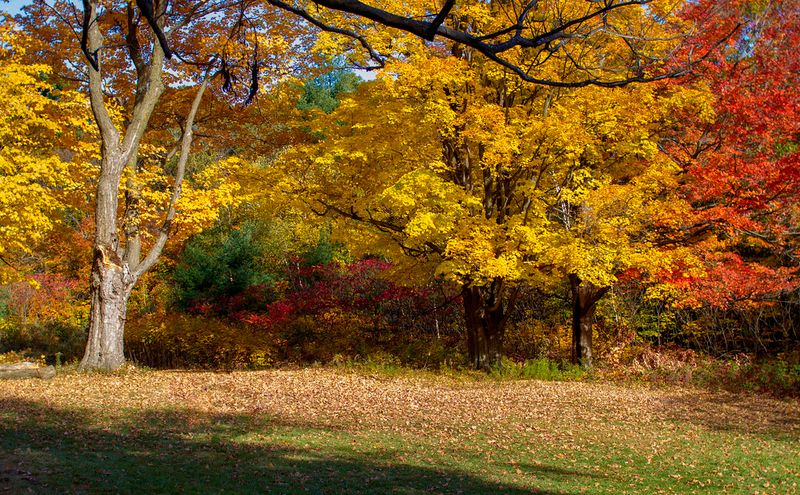
Ask any landscape photographer in western Pennsylvania where they go when they want guaranteed beauty, and Linn Run will likely come up quickly. The park’s combination of water, forest, moss, and dramatic seasonal changes creates an almost endless supply of compelling subjects.
Every visit feels fresh because the light, colors, and mood shift constantly throughout the year.
Autumn is the undisputed star of the Linn Run photography calendar. Typically peaking in mid-to-late October, the fall foliage transforms the park into a blaze of gold, amber, and deep red.
The stream becomes a natural mirror, reflecting the canopy colors in rippling, painterly patterns. Early morning visits during this season, when low mist hangs over the water, produce images that look almost too beautiful to be real.
Spring brings its own quiet drama — pale green unfurling ferns, white wildflower blooms scattered across the forest floor, and the stream running full and fast with snowmelt. Winter, though cold, coats the hemlocks in snow and turns the rocks into frosted sculptures.
Even overcast summer days, when the forest glows with rich, saturated green, offer stunning photographic opportunities. No matter when you visit, bring your camera and leave with a full memory card.
Picnic Areas Beneath the Trees
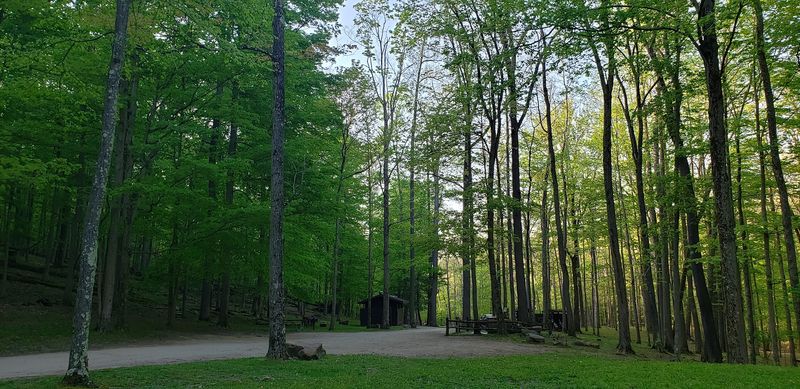
Some meals just taste better outdoors, and a picnic at Linn Run might be the most delicious proof of that theory. The park features several shaded picnic areas equipped with tables and grills, many positioned close enough to the stream that you can hear the water while you eat.
It’s the kind of simple, unhurried experience that families remember long after the day is over.
Arriving with a well-packed cooler and a blanket transforms Linn Run into a full-day destination rather than just a quick hike-and-leave stop. Kids can explore the stream banks between bites while adults decompress under the cool hemlock canopy.
The picnic areas are well-maintained and typically uncrowded, especially on weekday visits, giving groups a genuinely peaceful atmosphere.
One practical tip worth remembering: pack out everything you bring in. Linn Run’s natural beauty depends on visitors treating the space with care, and the park’s remote location means waste facilities are limited.
Bringing a reusable bag for trash keeps the forest pristine for the next group. Also, keep food stored properly — wildlife including black bears and raccoons are active in the region and have excellent noses for an unattended sandwich.
Close Proximity to Laurel Mountain Adventures
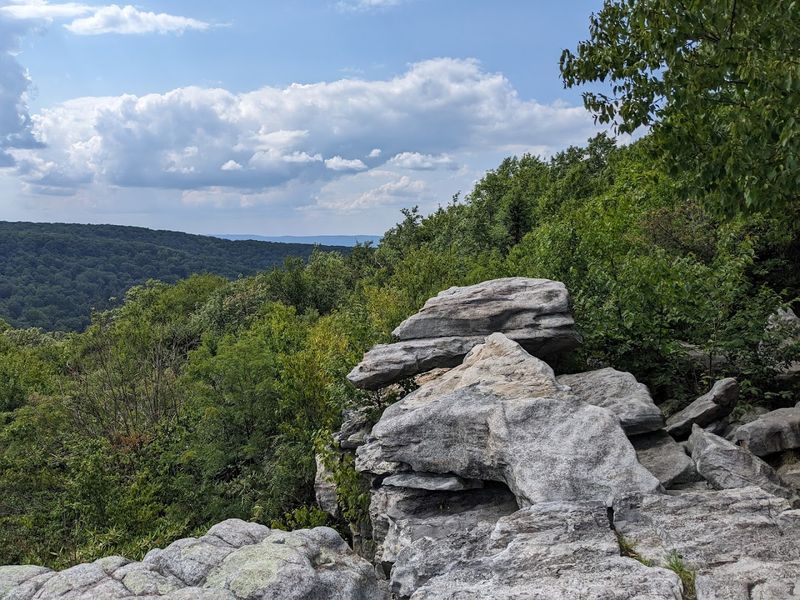
Location is one of Linn Run’s most underappreciated strengths. Situated at 770 Linn Run Rd, Stahlstown, PA 15687, the park sits at the foot of Laurel Mountain, placing it within easy reach of some of the region’s most exciting outdoor adventures.
Whether you’re building a full weekend itinerary or just filling an afternoon, the surrounding area offers plenty of options to explore.
Laurel Mountain itself is home to a ski resort that draws winter sports enthusiasts from across the region each season. During warmer months, the mountain transforms into a hub for hiking, mountain biking, and scenic drives along winding ridge roads that offer sweeping views of the Highlands.
Frank Lloyd Wright’s architectural masterpiece, Fallingwater, is also just a short drive away — making a combined visit to both sites a genuinely memorable day trip.
The town of Ligonier, with its charming diamond-shaped town square, historic fort, and local restaurants, is also nearby and well worth an evening visit. Using Linn Run as your base of exploration for the Laurel Highlands makes perfect logistical sense.
The park refreshes you in the morning, and the surrounding region rewards your curiosity for the rest of the day. It’s an ideal pairing for any outdoor traveler.
Visitor Information and Best Times to Go
Planning ahead makes any park visit smoother, and Linn Run is no exception. The park is open year-round from sunrise to sunset, with no entrance fee required — a welcome detail that makes spontaneous visits entirely possible.
Restrooms and basic facilities are available near the main picnic and parking areas, though amenities are intentionally minimal to preserve the park’s natural character.
Autumn, particularly mid-October through early November, is widely considered the best time to experience Linn Run at its most visually stunning. Late spring, when wildflowers bloom and the stream runs high, is a close second.
Summer weekends can bring slightly larger crowds, though the park rarely feels truly packed. Winter visits, while cold, offer a hauntingly beautiful solitude that dedicated nature lovers absolutely cherish.
Parking near the Adam Falls trailhead is limited to a small roadside pull-off, so arriving before 9 a.m. on popular autumn weekends is strongly recommended. Cell service in the park can be spotty, so downloading a trail map before you arrive is a smart habit.
The Pennsylvania Department of Conservation and Natural Resources (DCNR) website offers up-to-date information on trail conditions and any seasonal closures. A little preparation goes a long way toward making your Linn Run visit truly unforgettable.